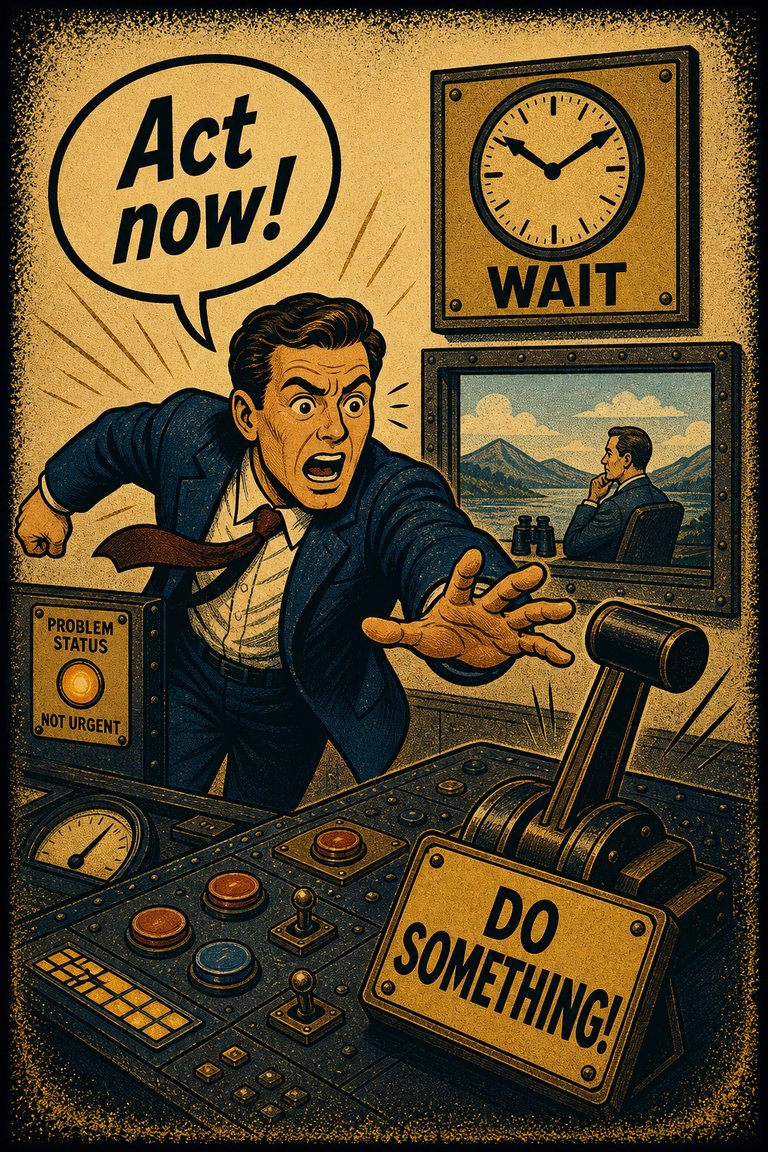
Action bias
The tendency for someone to act when faced with a problem even when inaction would be more effective, or to act when no evident problem exists.
DecisionBaseline

Cognitive Biases
A practical cognitive-bias site with clear definitions, learning paths, assessments, self-audits, and debiasing tools.
Index
This index stays broad on purpose. Use categories when you know what kind of judgment is failing, and patterns when you suspect the failure mode but not the exact label.
The tendency for someone to act when faced with a problem even when inaction would be more effective, or to act when no evident problem exists.
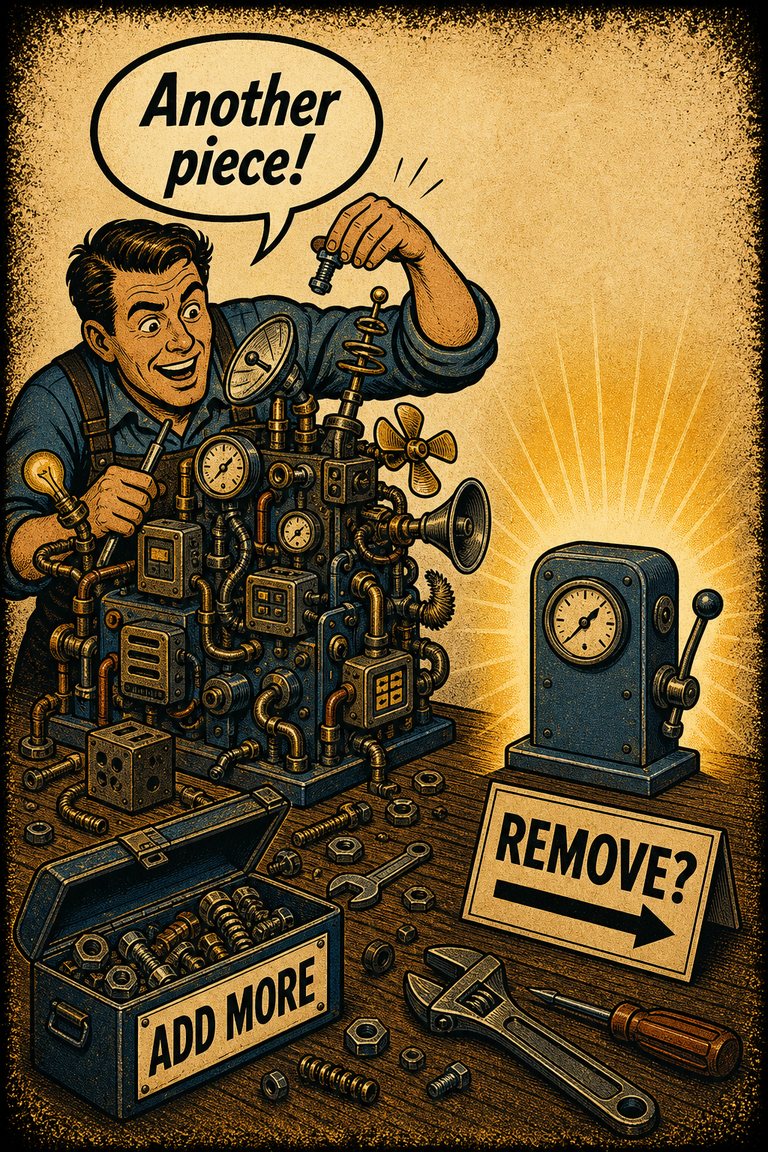
The tendency to solve problems through addition, even when subtraction is a better approach.
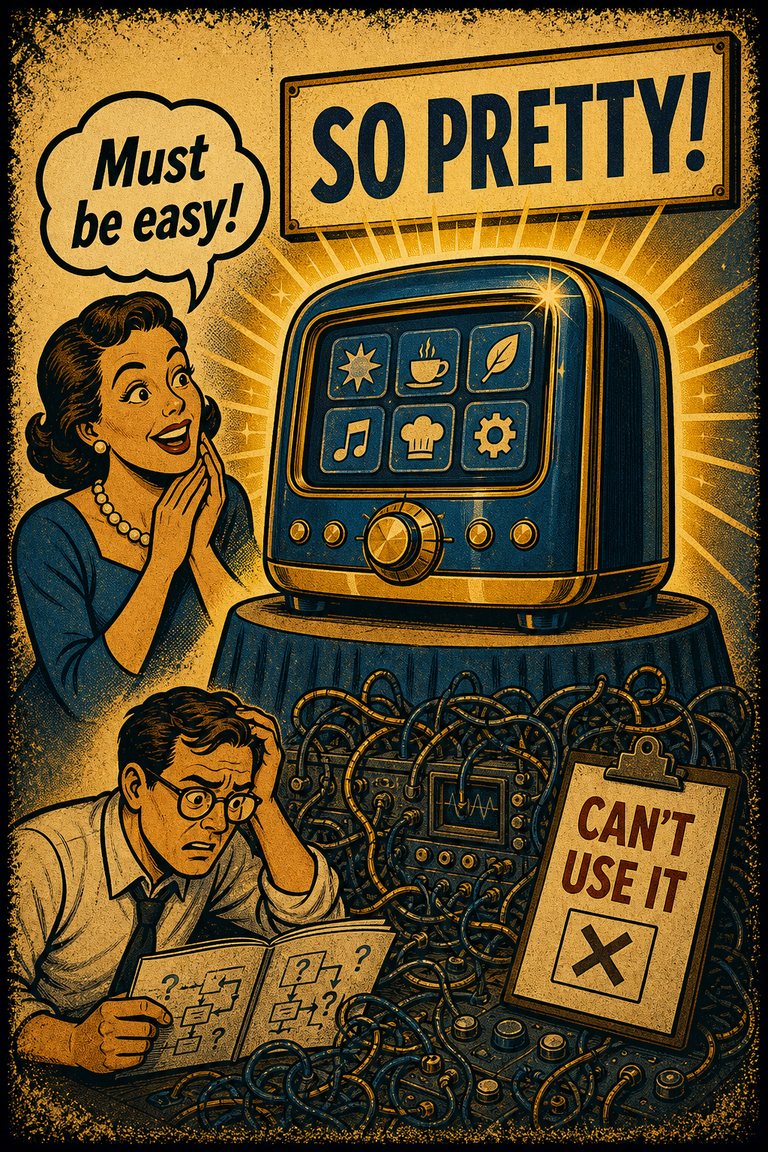
The tendency to treat attractive things as more usable than they really are.
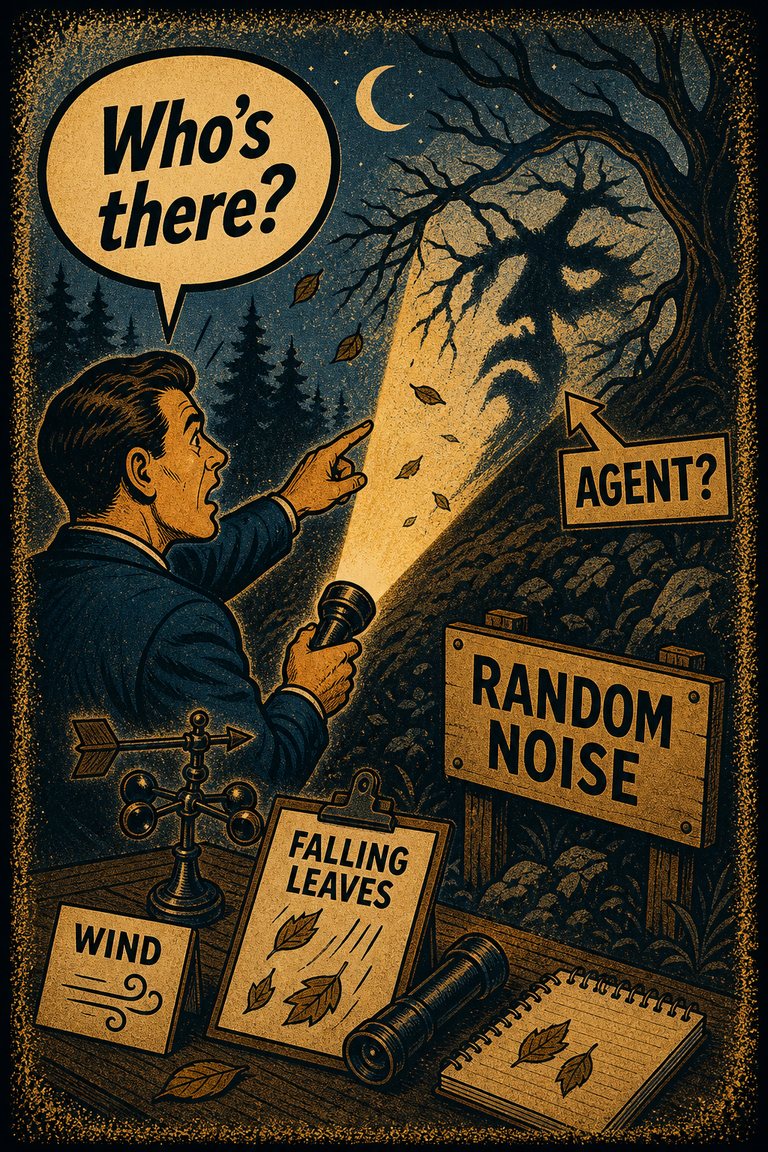
The inclination to presume the purposeful intervention of a sentient or intelligent agent.
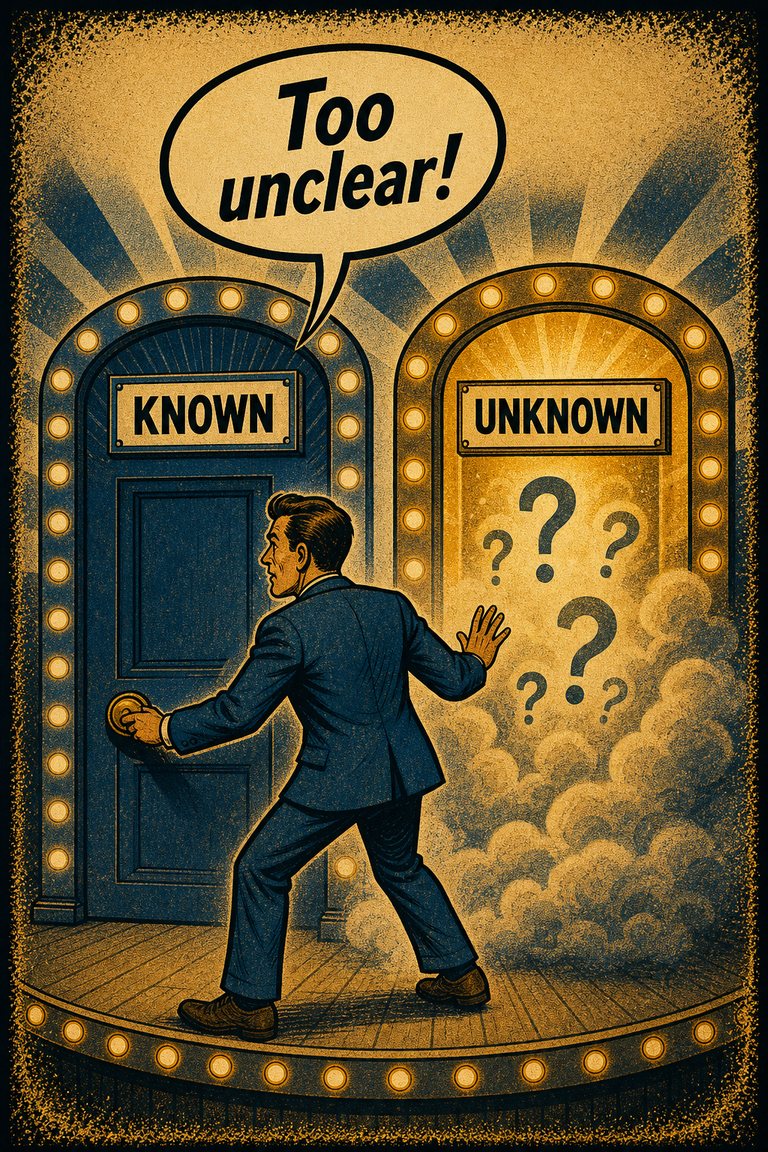
The tendency to avoid options when their probabilities are unclear, even if the unclear option may not actually be worse than the familiar one.
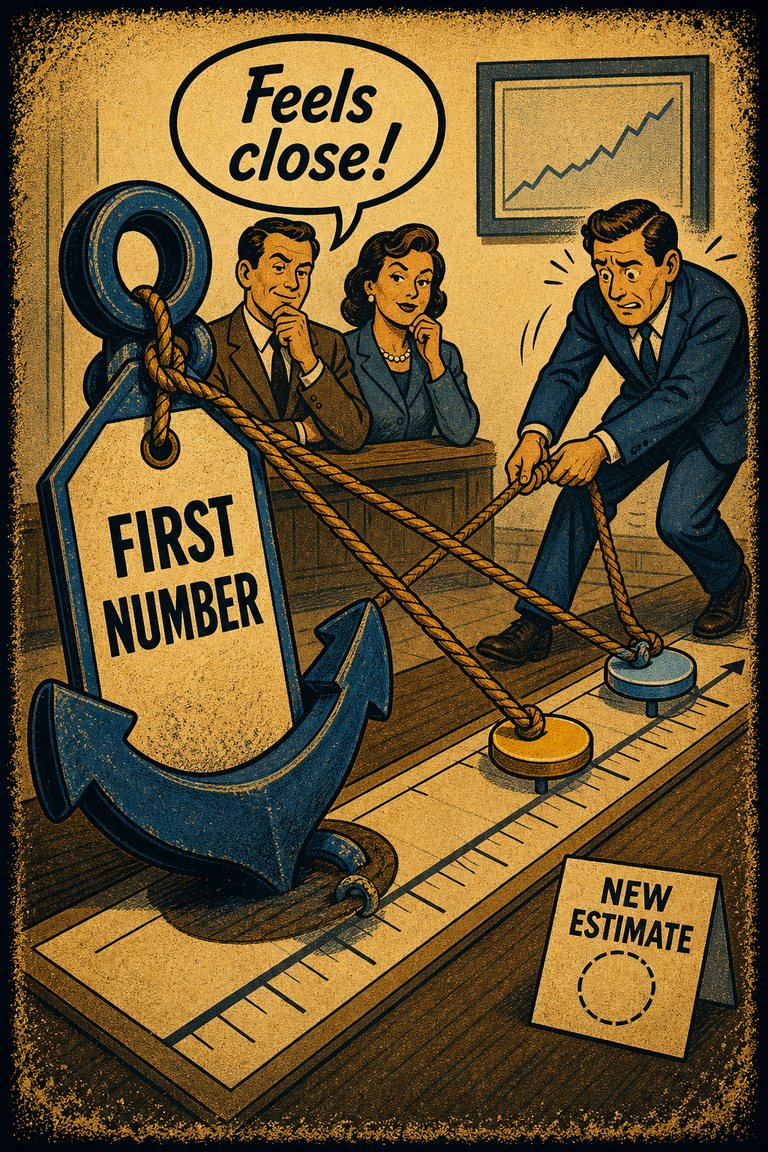
The tendency for the first salient number, frame, or option to pull later estimates toward itself even when it is arbitrary or weakly relevant.
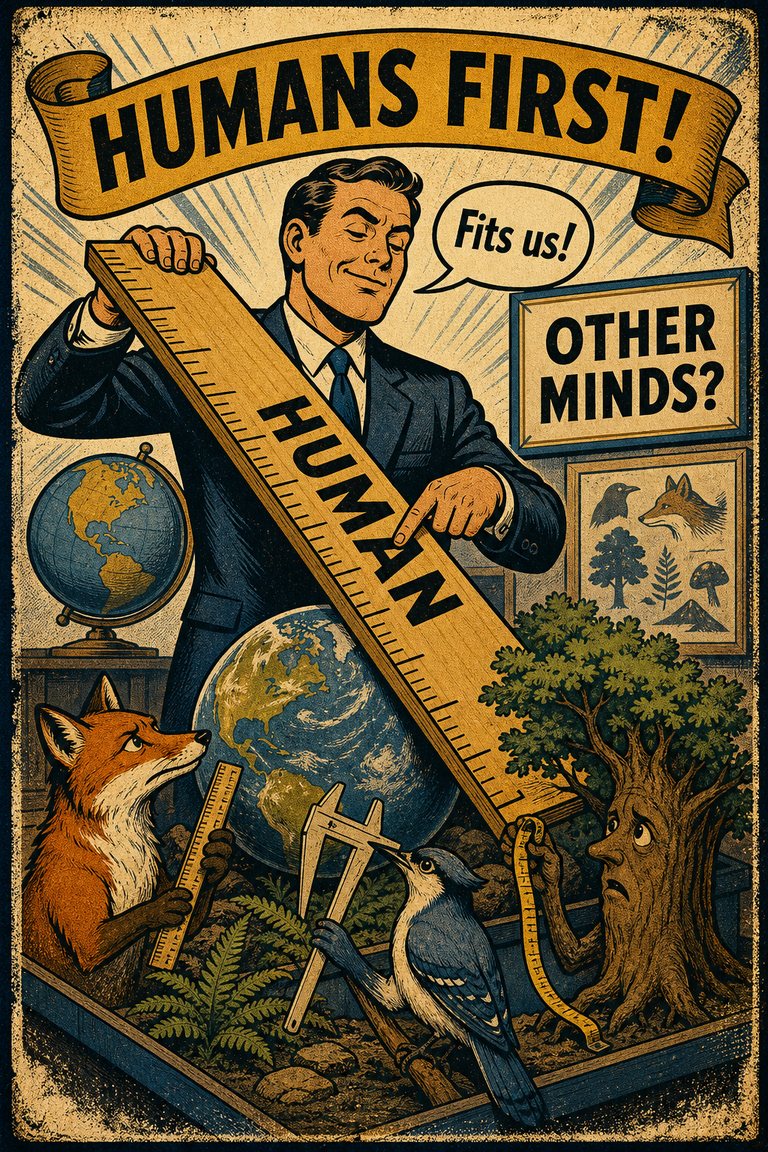
The tendency to use human analogies as a basis for reasoning about other, less familiar, biological phenomena.
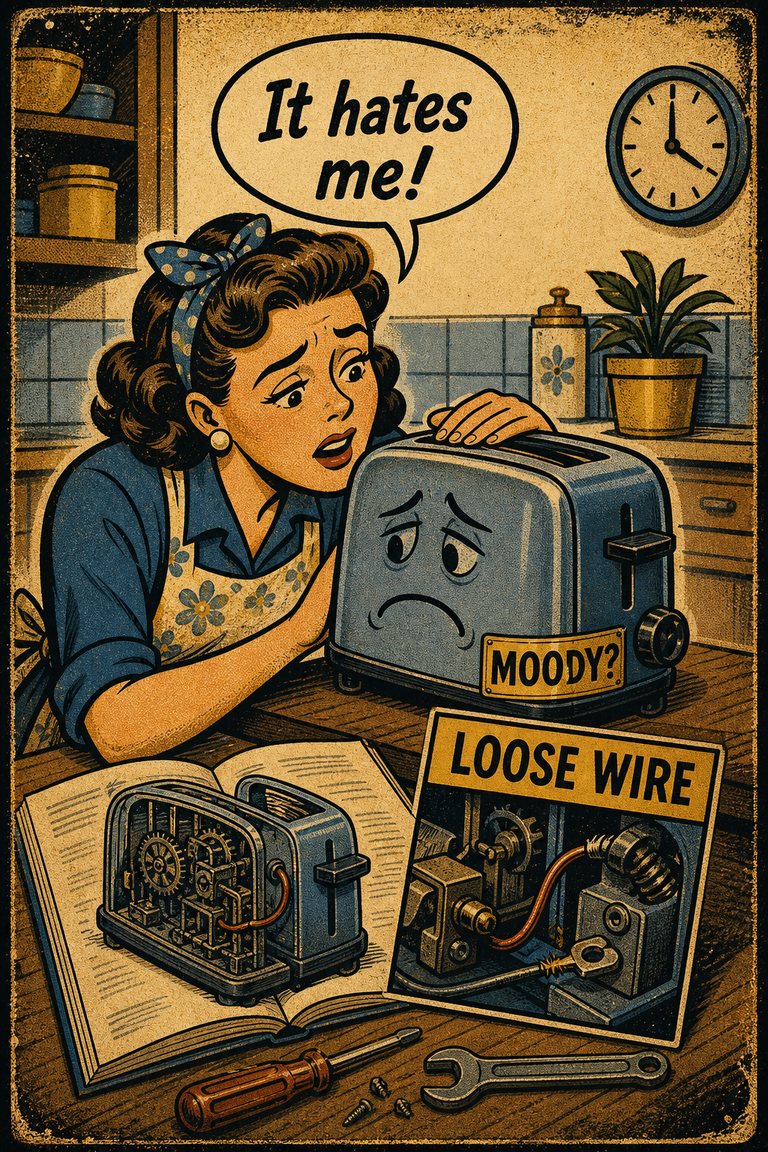
The tendency to treat animals, objects, or abstractions as if they had human thoughts, feelings, or intentions.
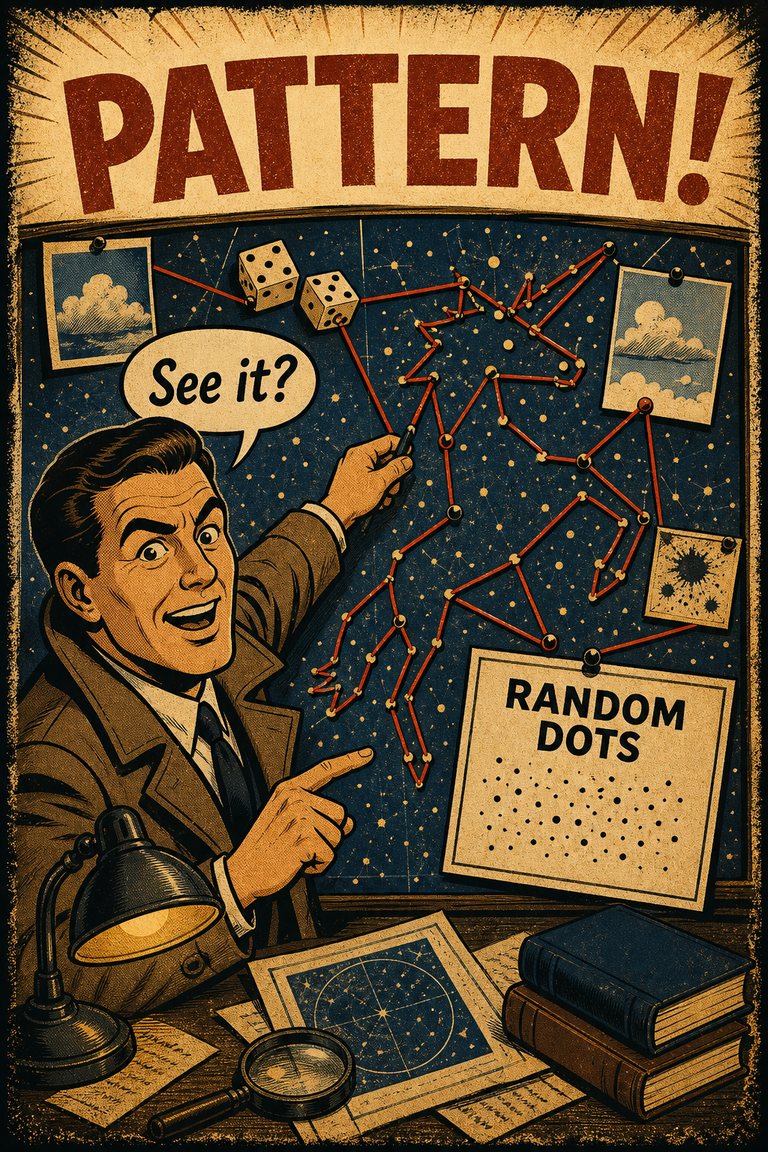
The tendency to perceive meaningful connections or patterns between unrelated things.
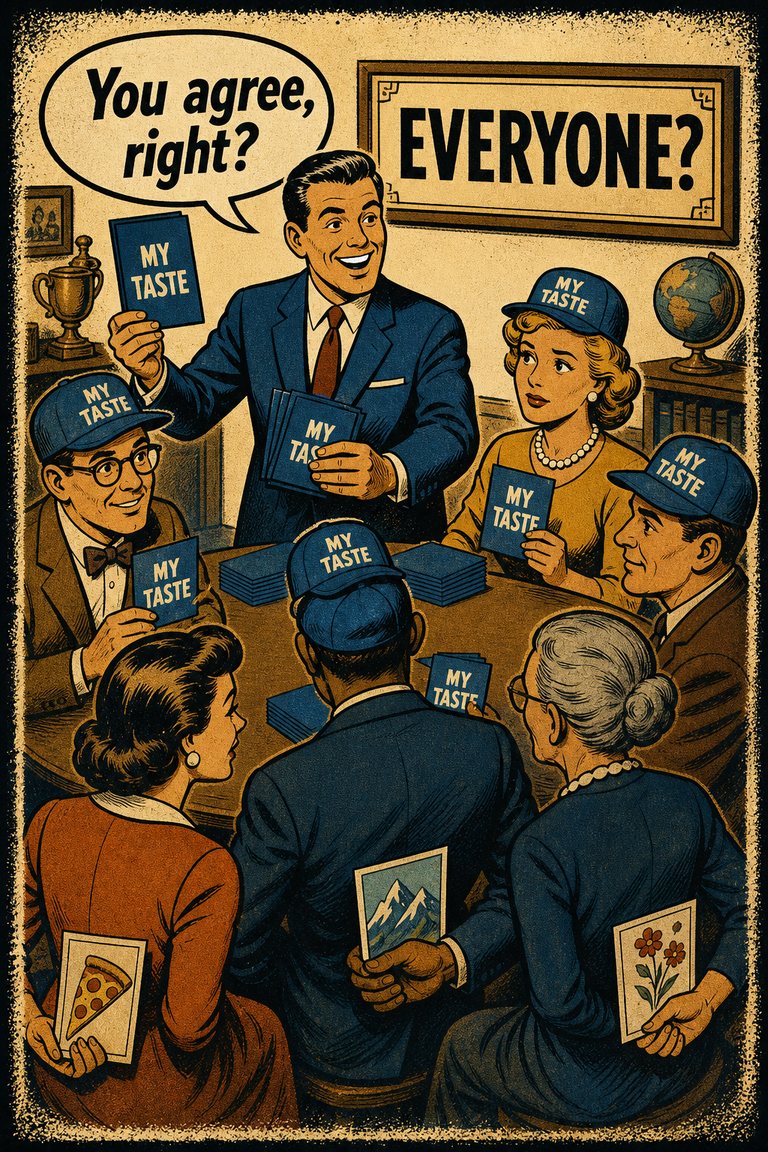
The tendency to assume other people are more similar to oneself than they really are.
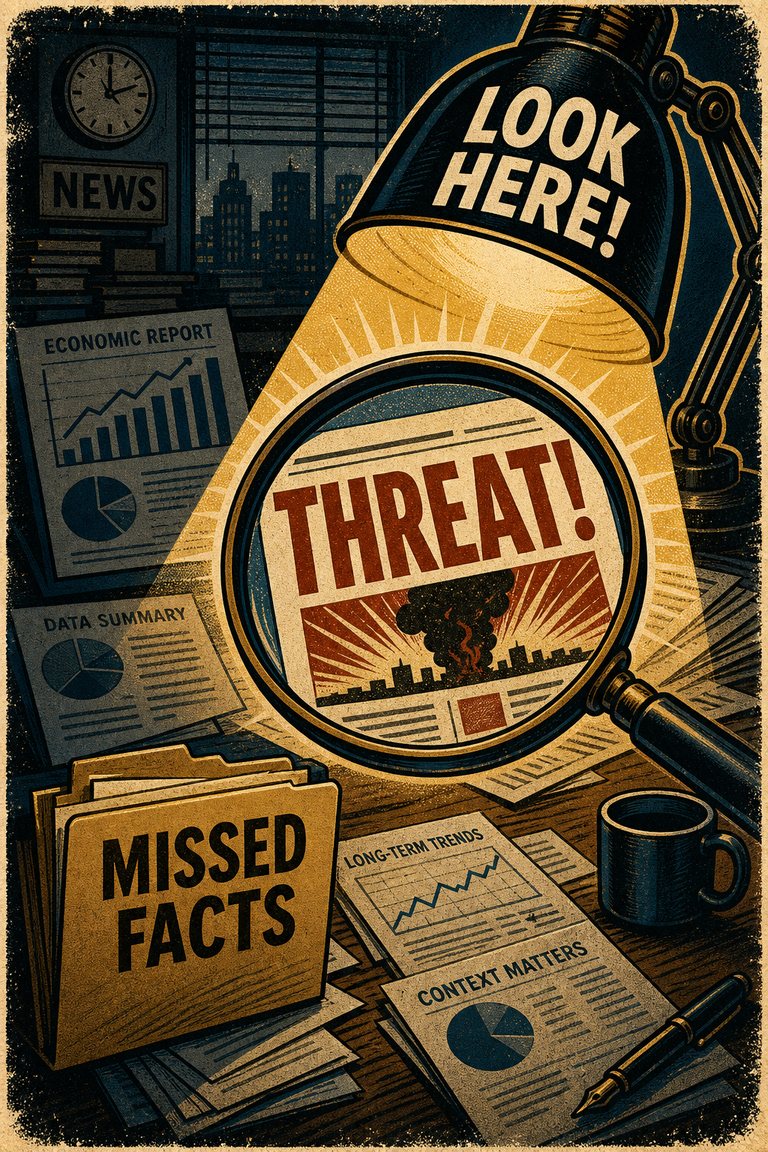
The tendency of perception to be affected by recurring thoughts.
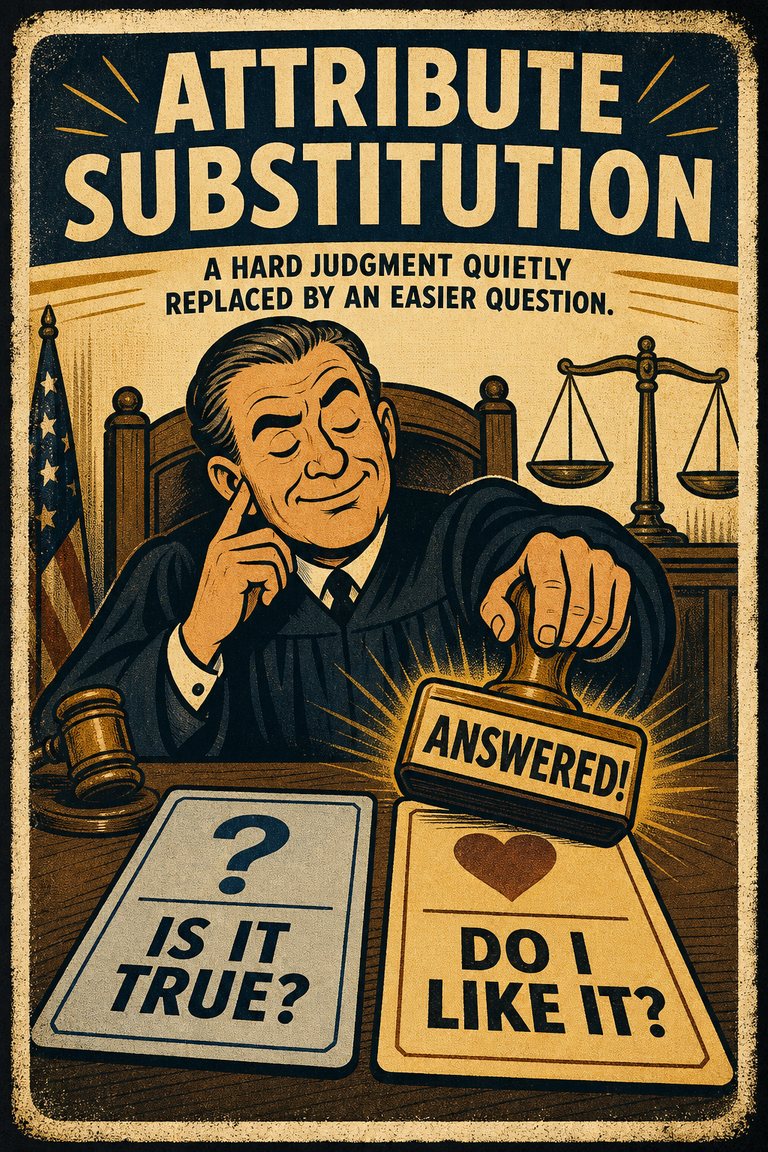
The tendency to answer a hard judgment question by unconsciously substituting an easier one.
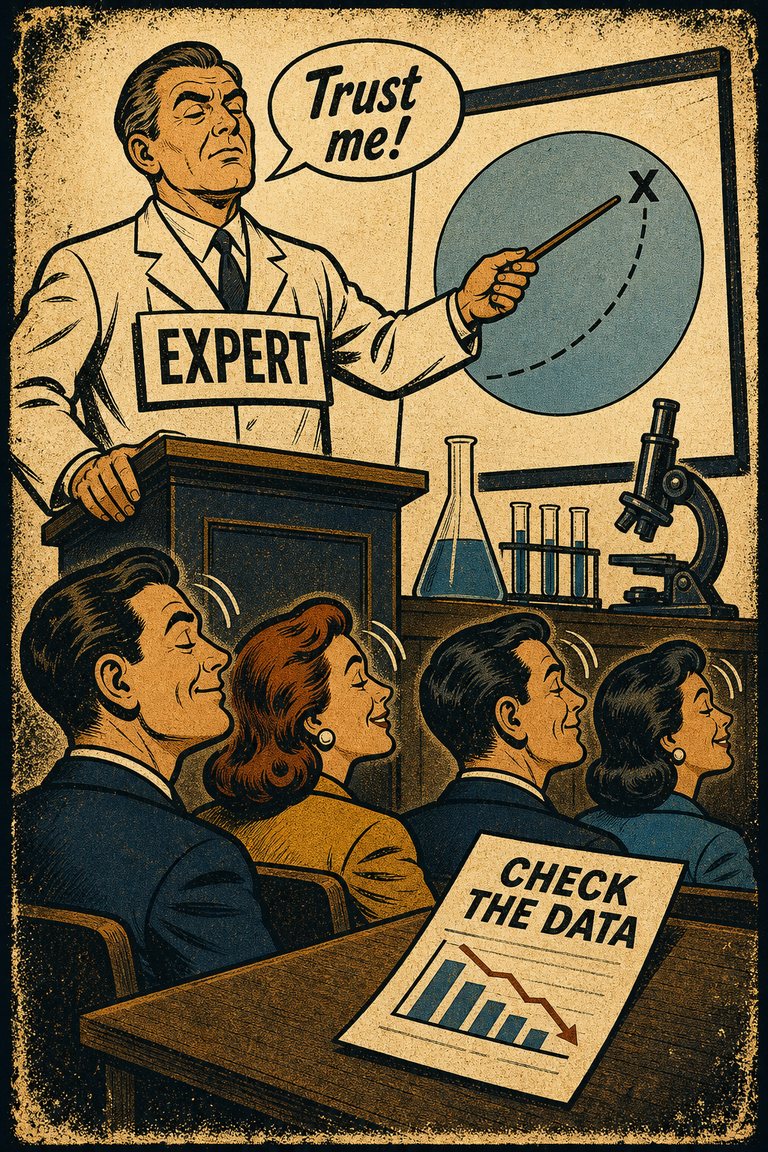
The tendency to give excess weight to the opinion of a high-status or authoritative source independent of whether the source has earned that weight on the specific issue.
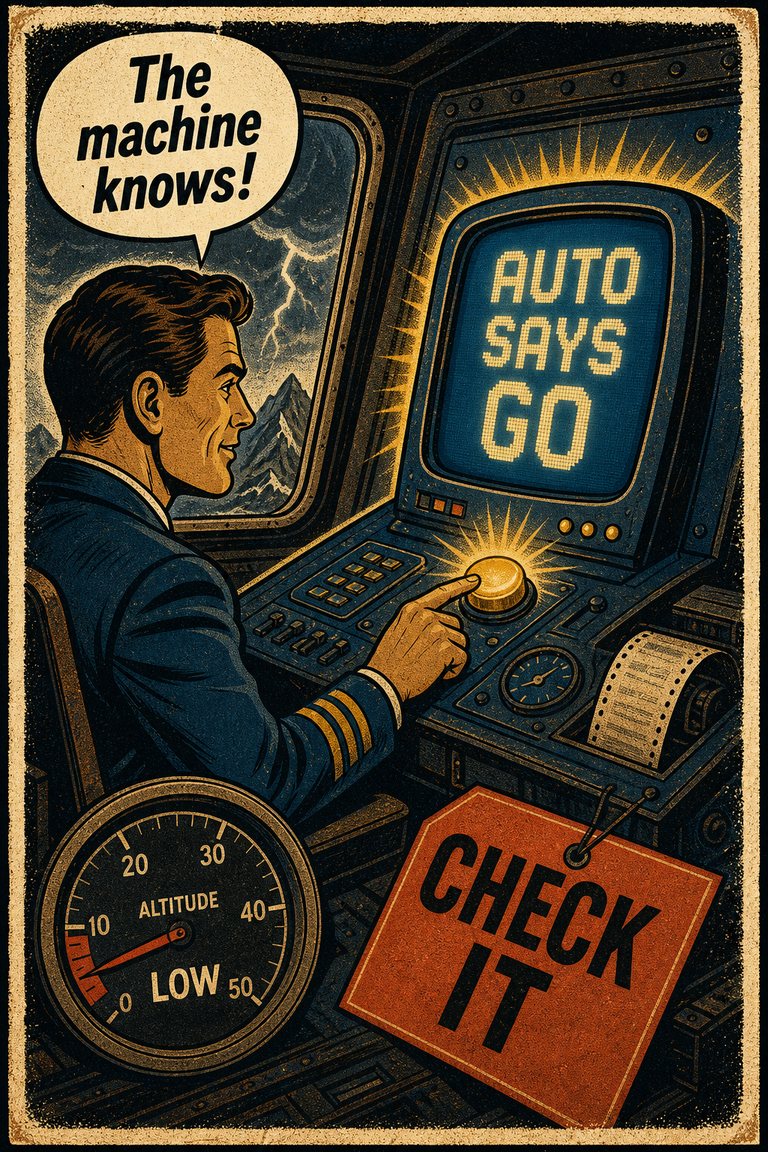
The tendency to depend excessively on automated systems which can lead to erroneous automated information overriding correct decisions.
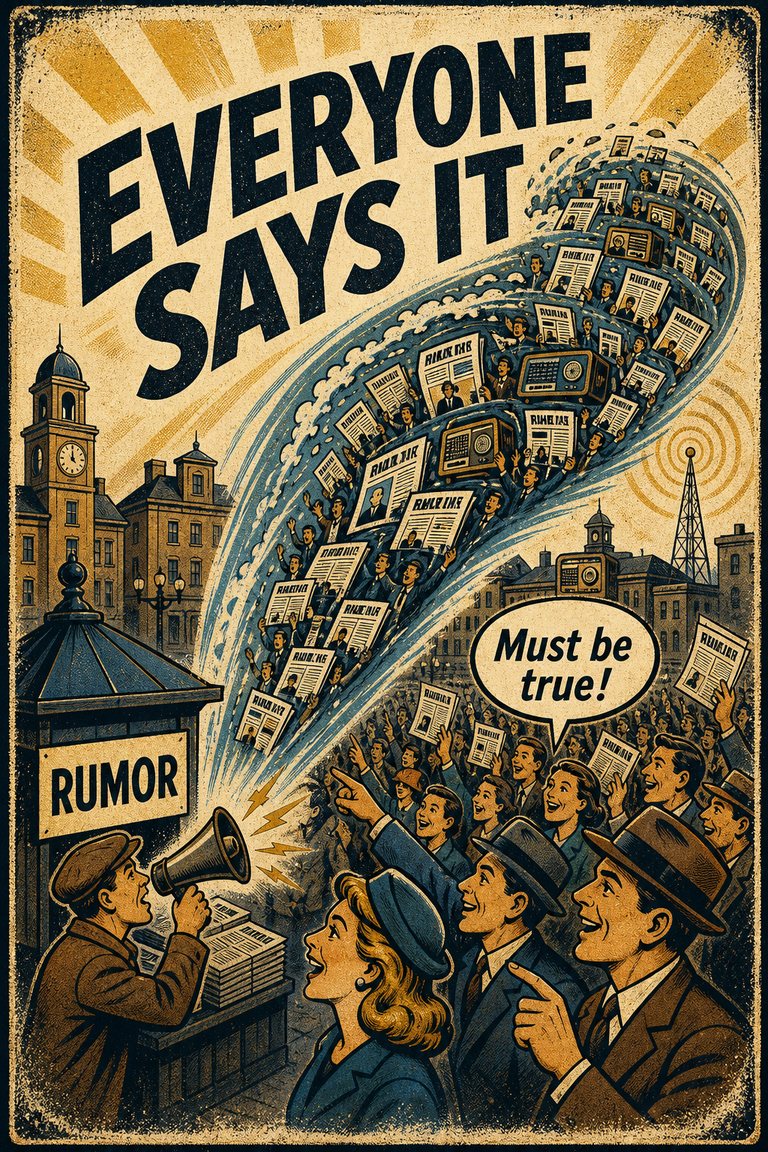
A belief becoming more plausible through repeated public repetition, social uptake, and feedback.
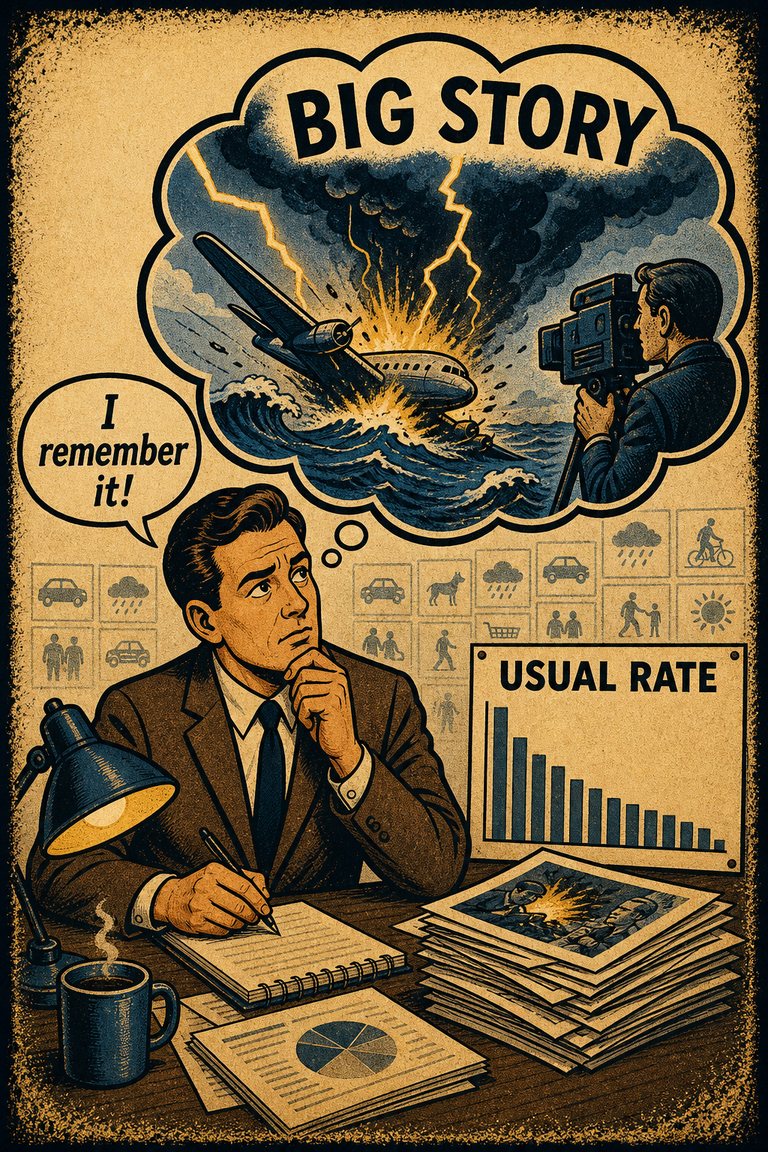
The tendency to judge frequency, risk, or importance by how easily examples come to mind.
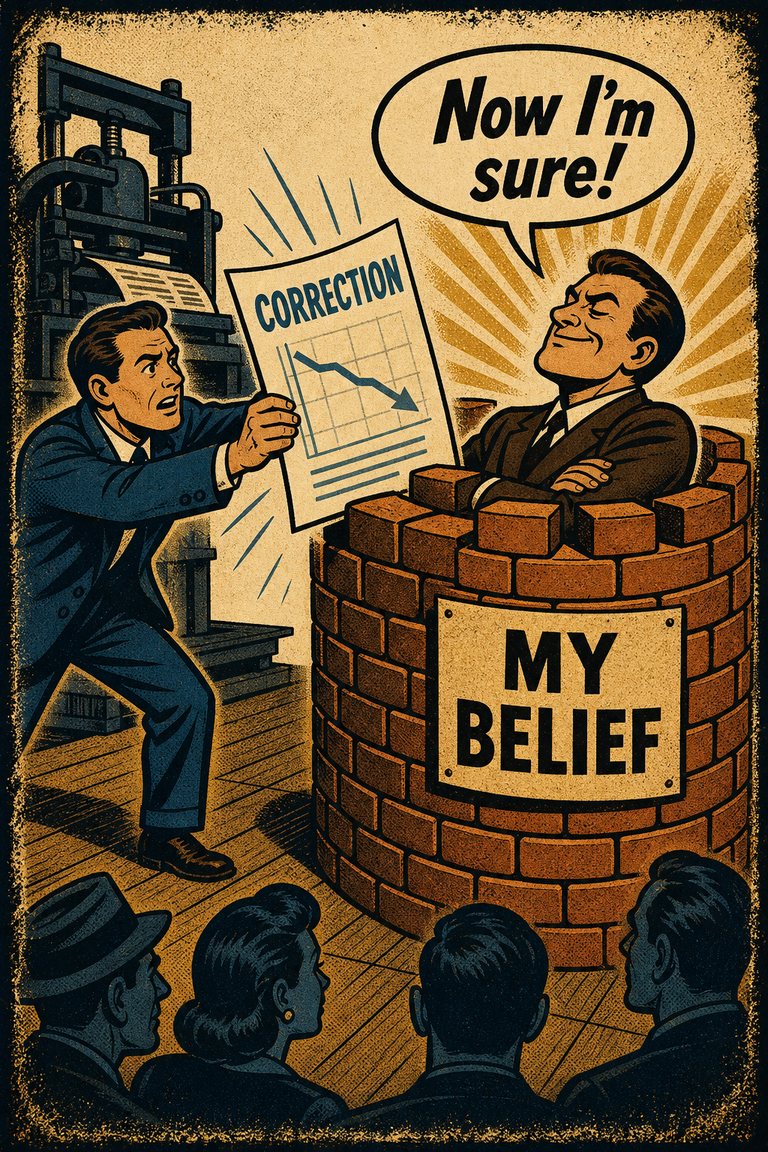
The tendency to react to disconfirming evidence by strengthening one's previous beliefs.
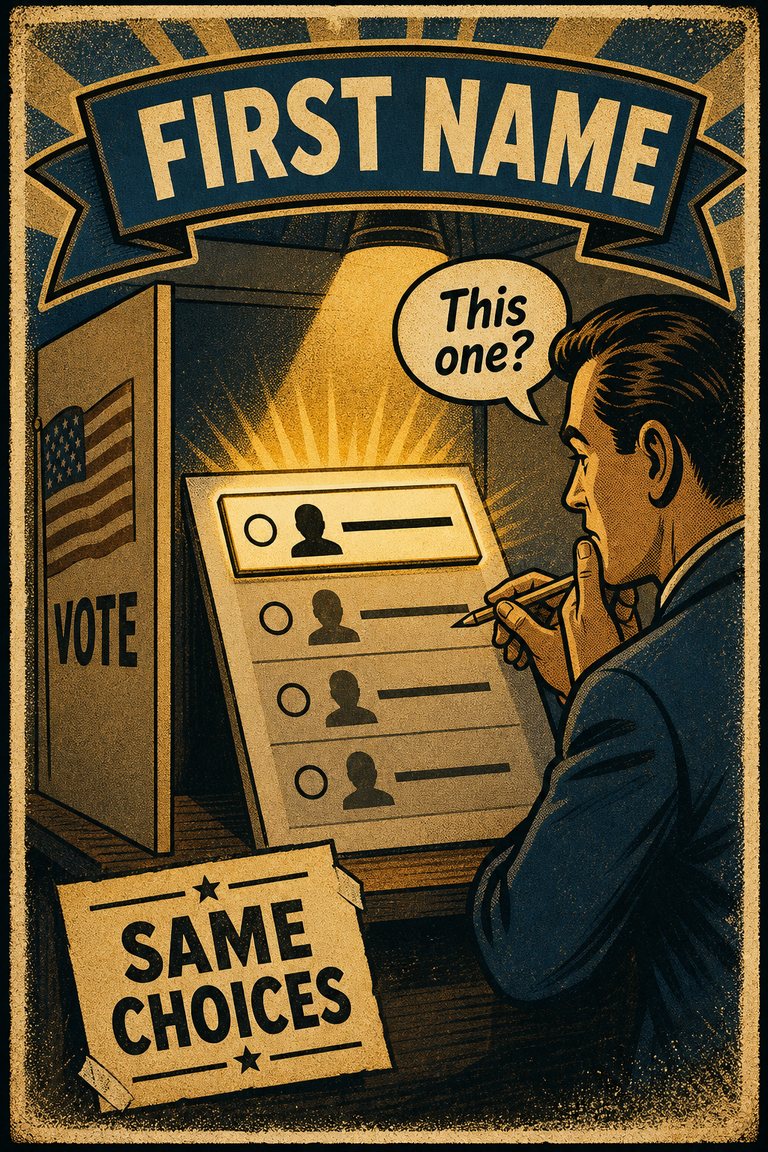
The tendency for candidates listed first on a ballot to gain a small voting advantage.
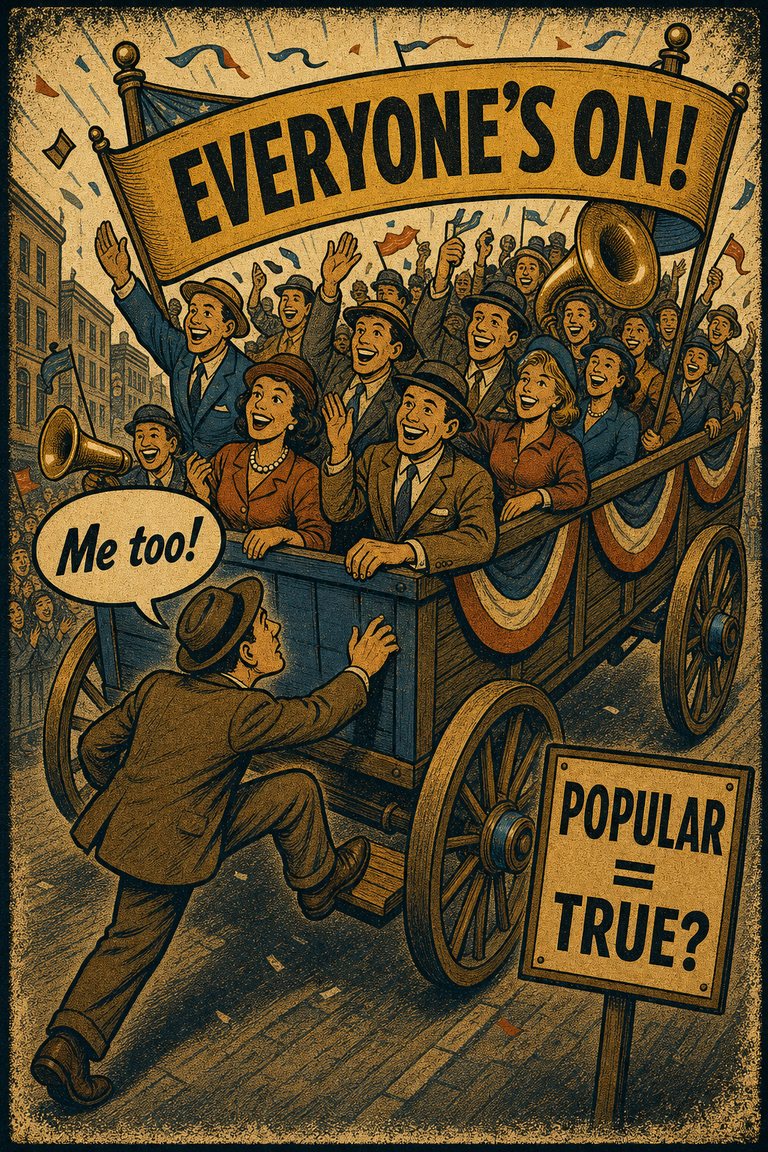
The tendency to do things because many other people do the same.

The tendency to accept vague, flattering, or generic descriptions as uniquely accurate of oneself.
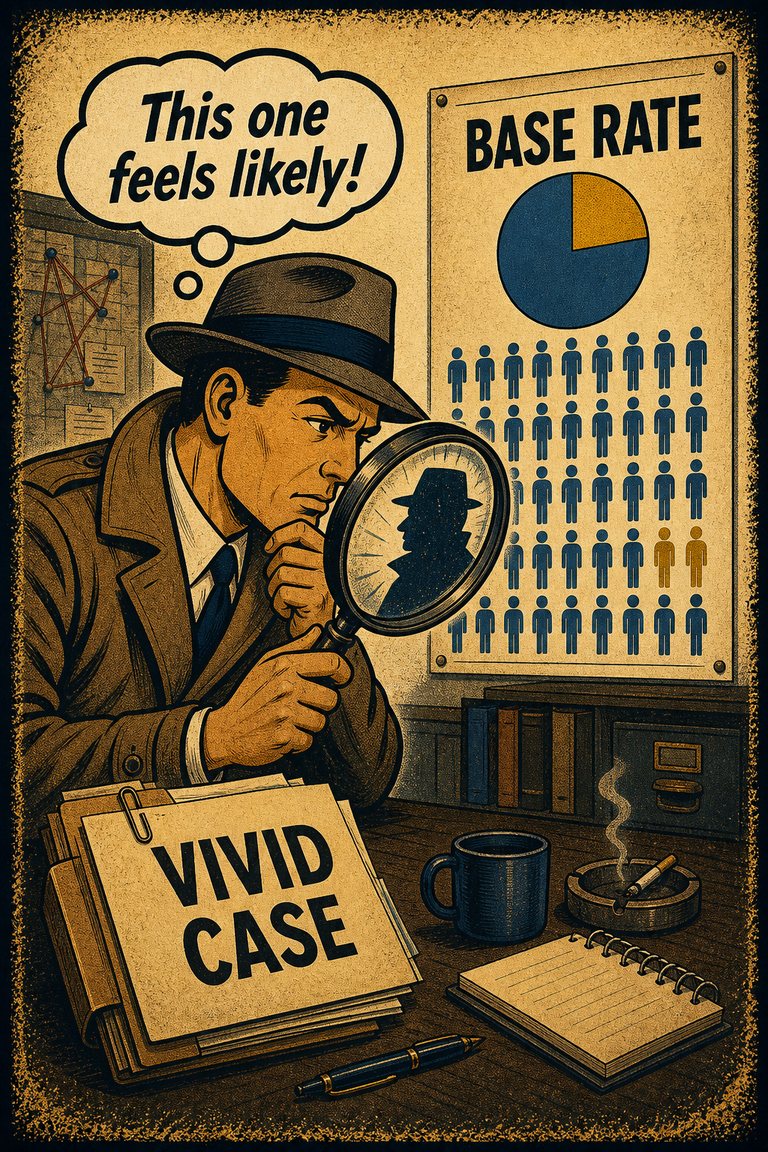
The tendency to underweight general prevalence information when vivid case-specific details are available.
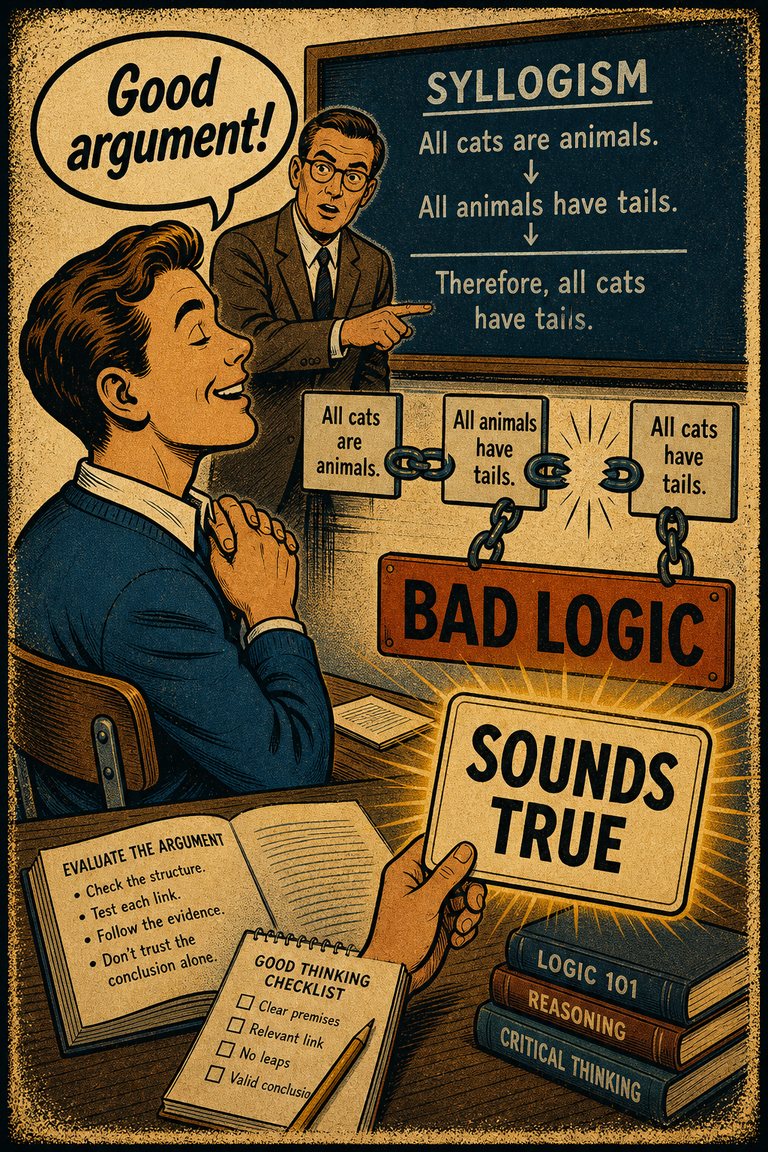
The tendency to judge an argument as stronger when its conclusion seems believable and weaker when its conclusion seems unbelievable, even if the reasoning structure is unchanged.
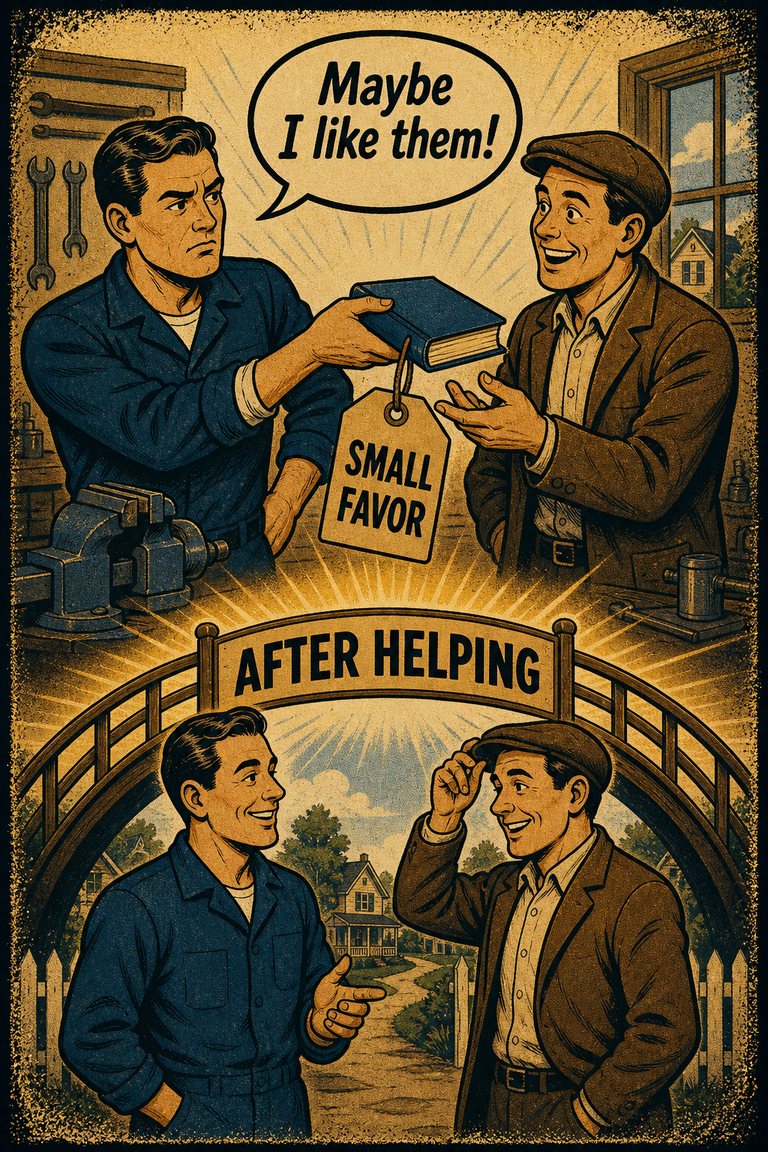
The tendency to like or help someone more after already doing that person a favor.
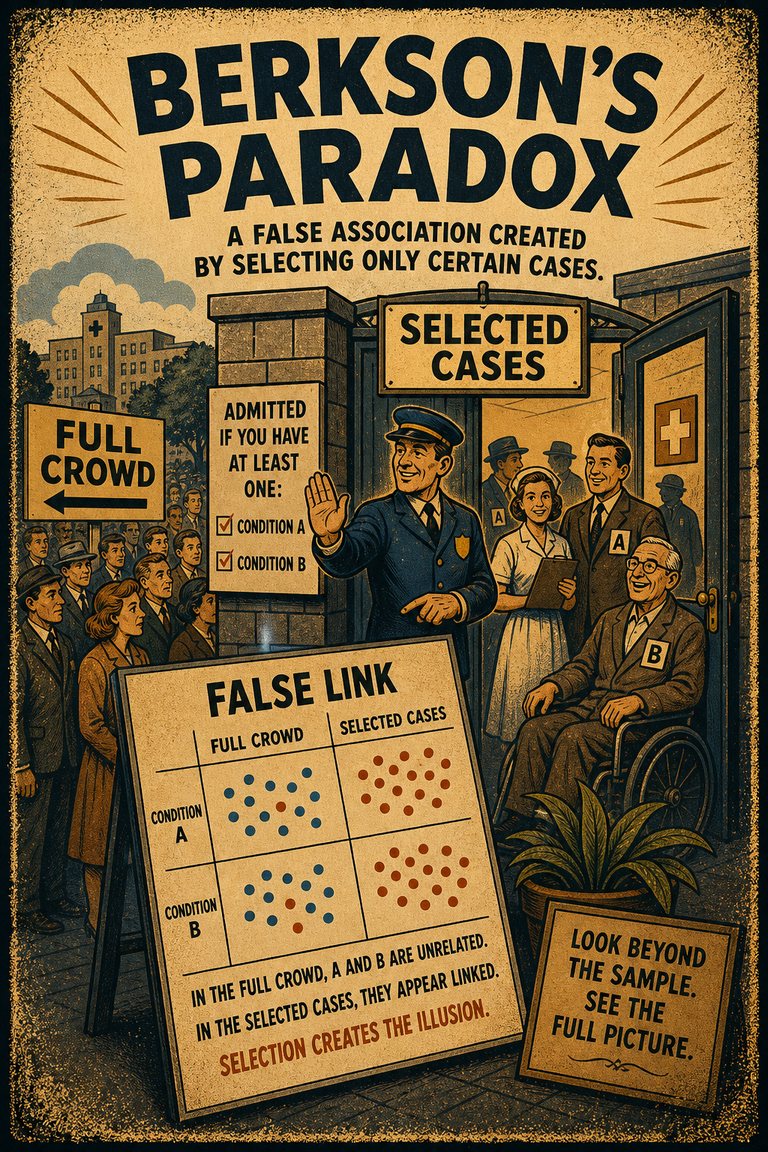
The tendency to draw misleading statistical conclusions from conditionally selected samples.
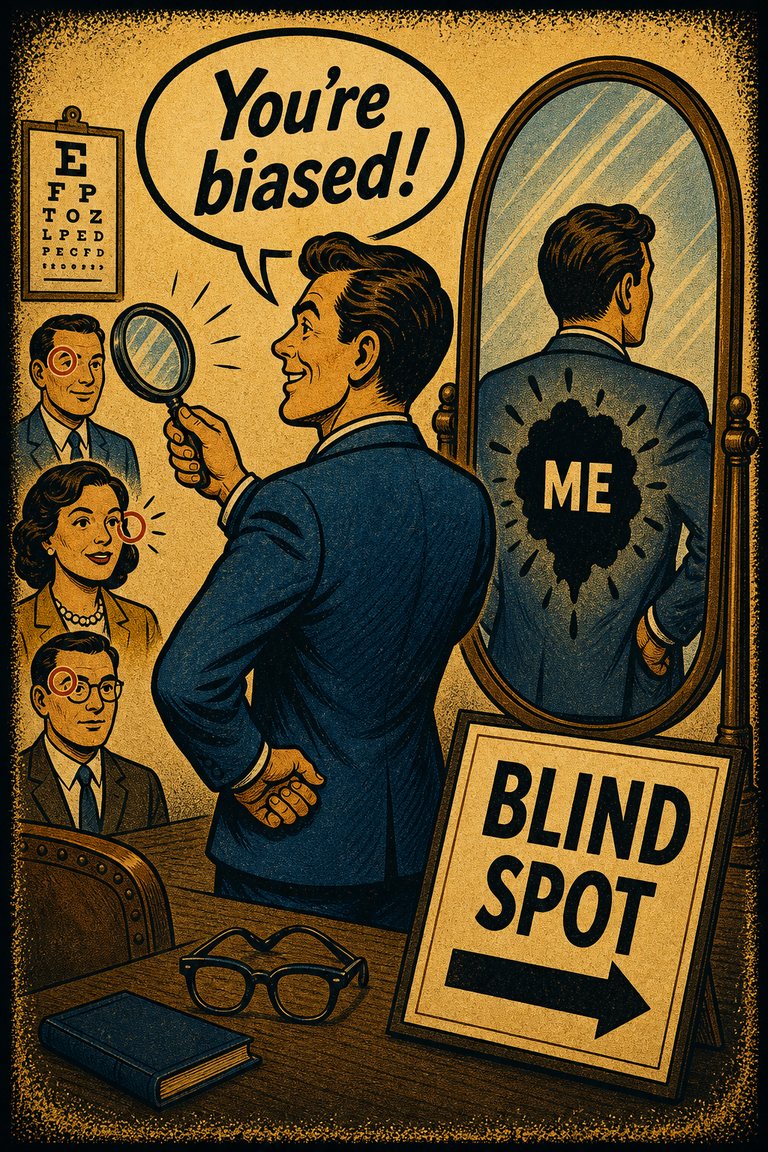
The tendency to see oneself as less biased than other people, or to be able to identify more cognitive biases in others than in oneself.
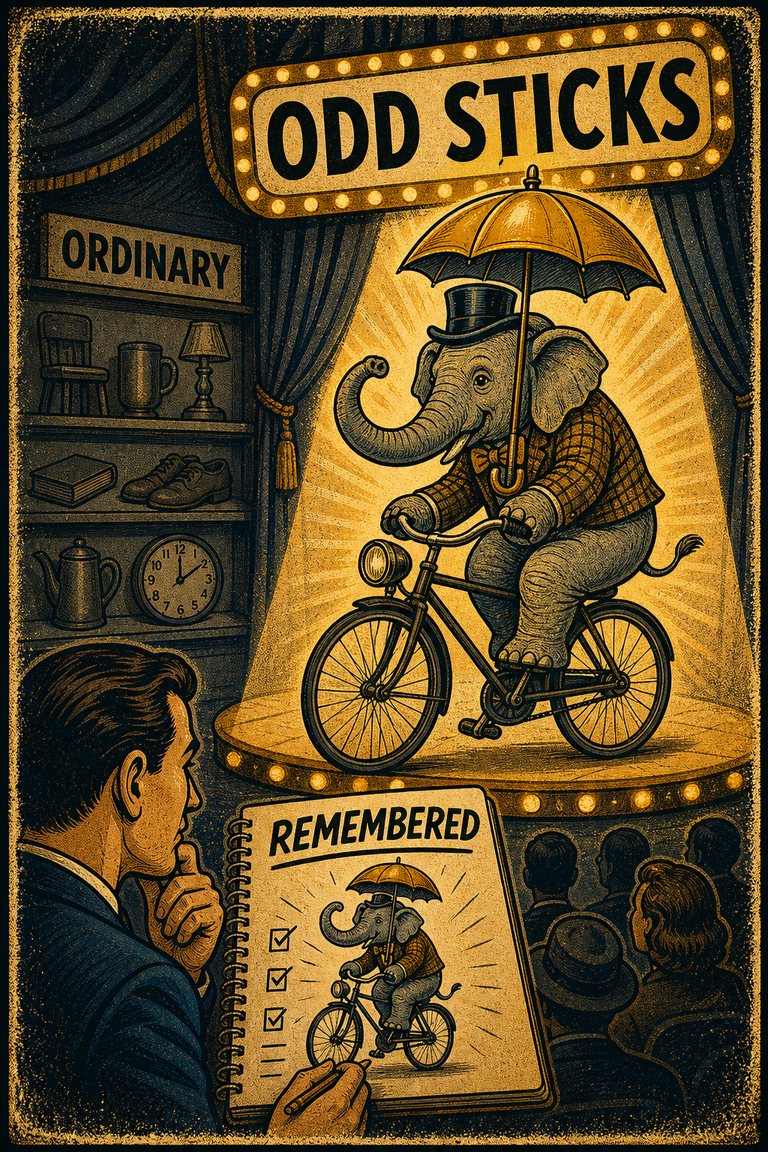
The tendency to remember bizarre or unusual material better than ordinary material.
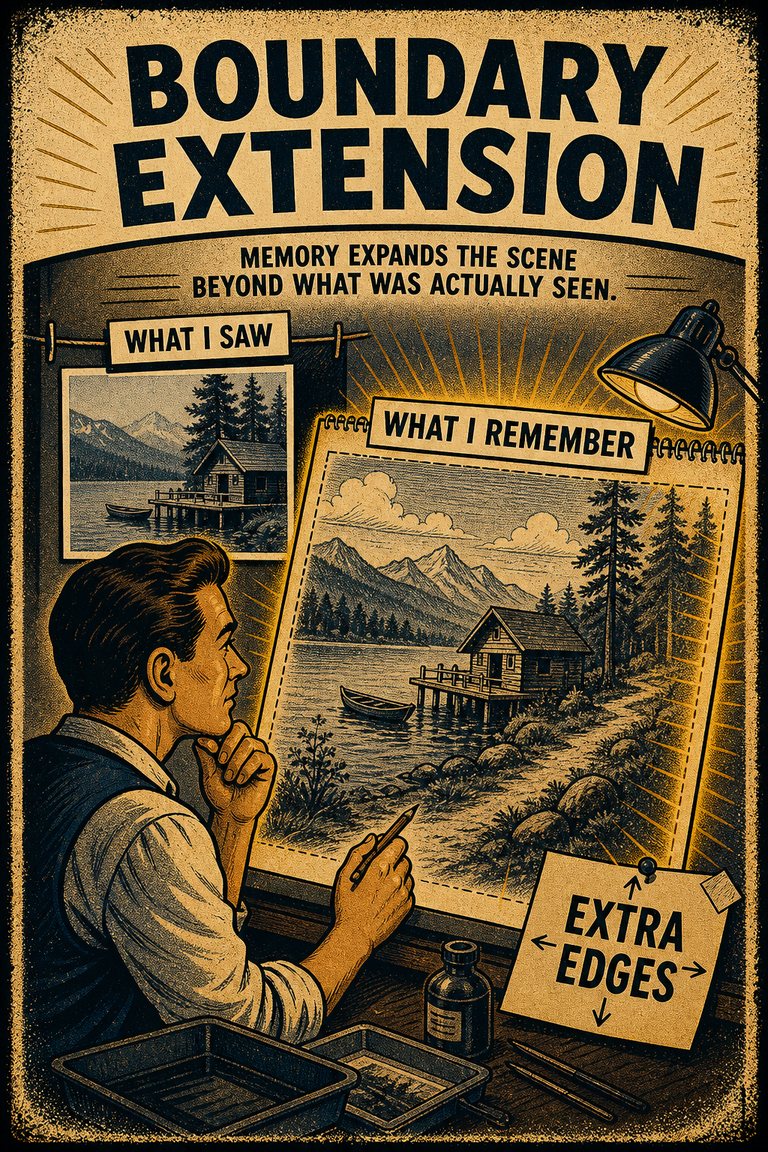
The tendency to remember a scene as having included more surrounding space than was actually shown.

The tendency for people to appear more attractive in a group than in isolation.
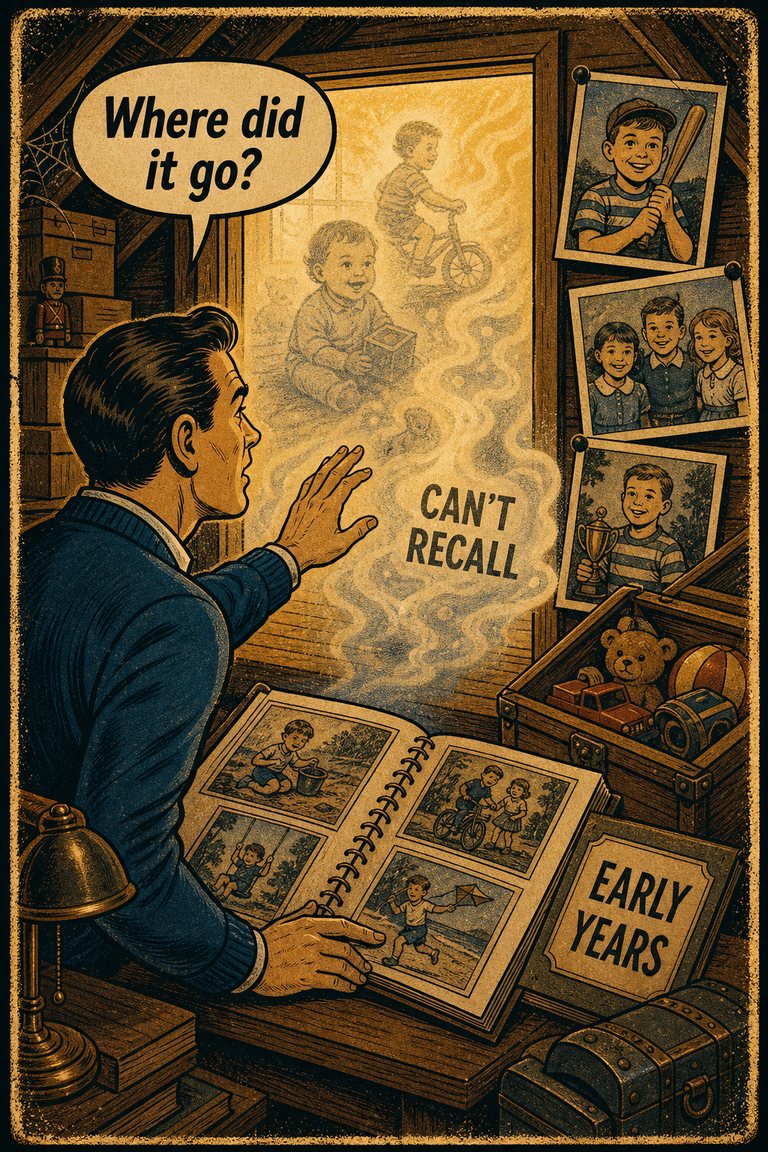
The retention of few memories from before the age of four.
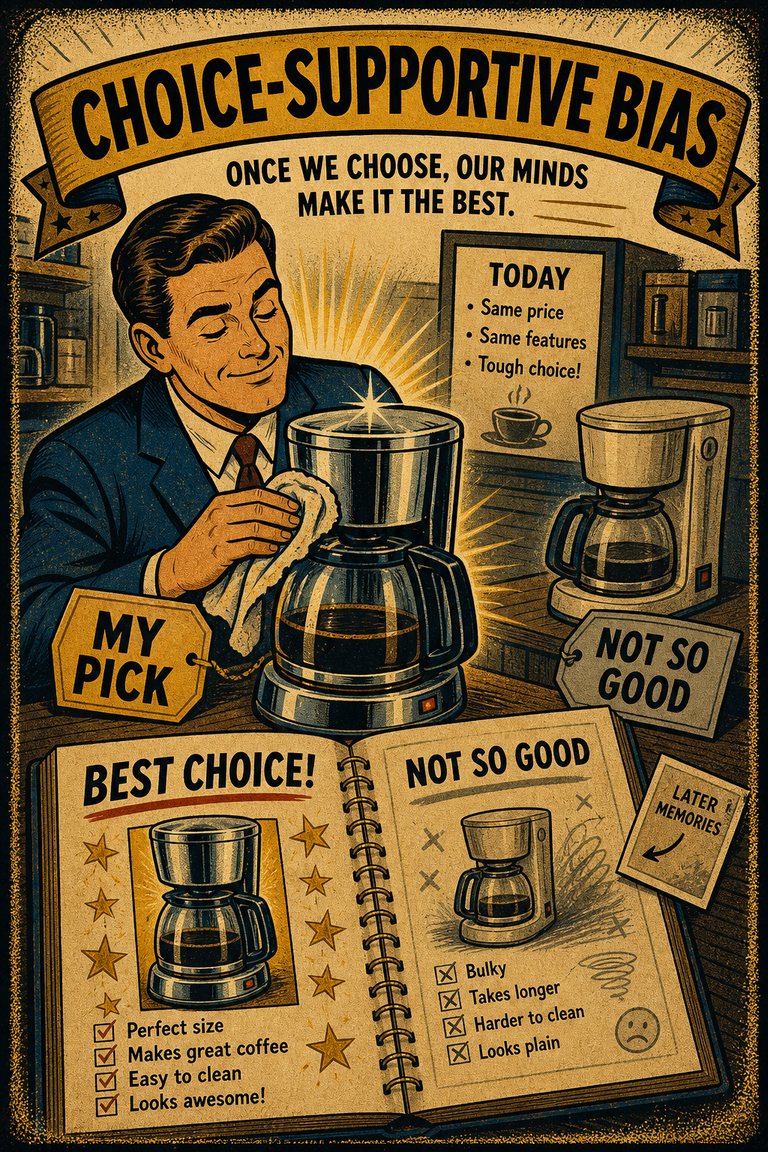
The tendency to remember one's choices as better than they actually were.
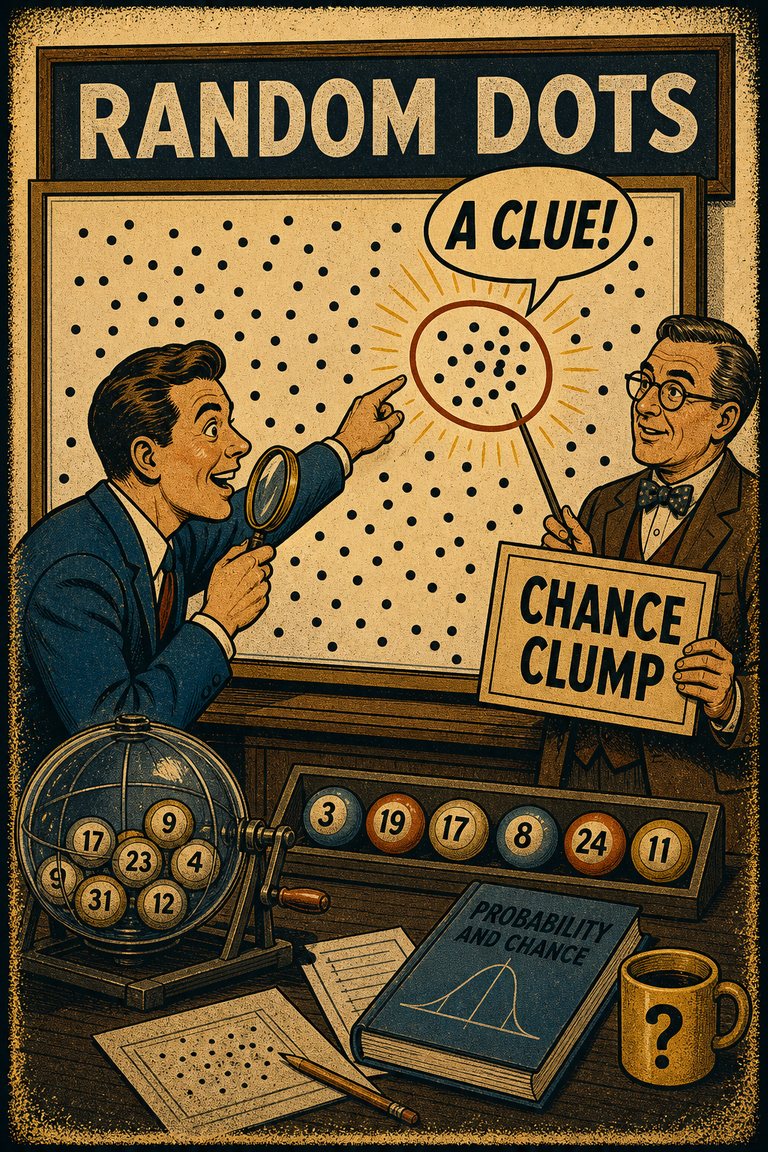
The tendency to overestimate the importance of small runs, streaks, or clusters in large samples of random data.
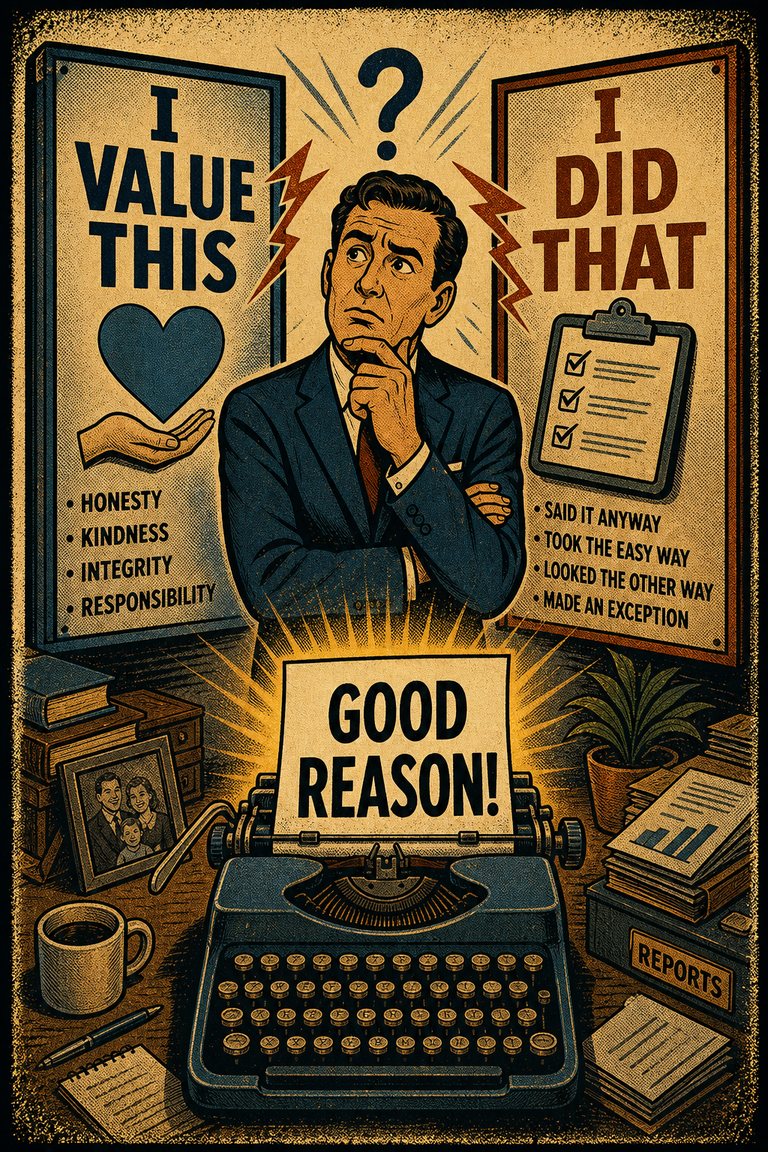
The perception of contradictory information and the mental toll of it.
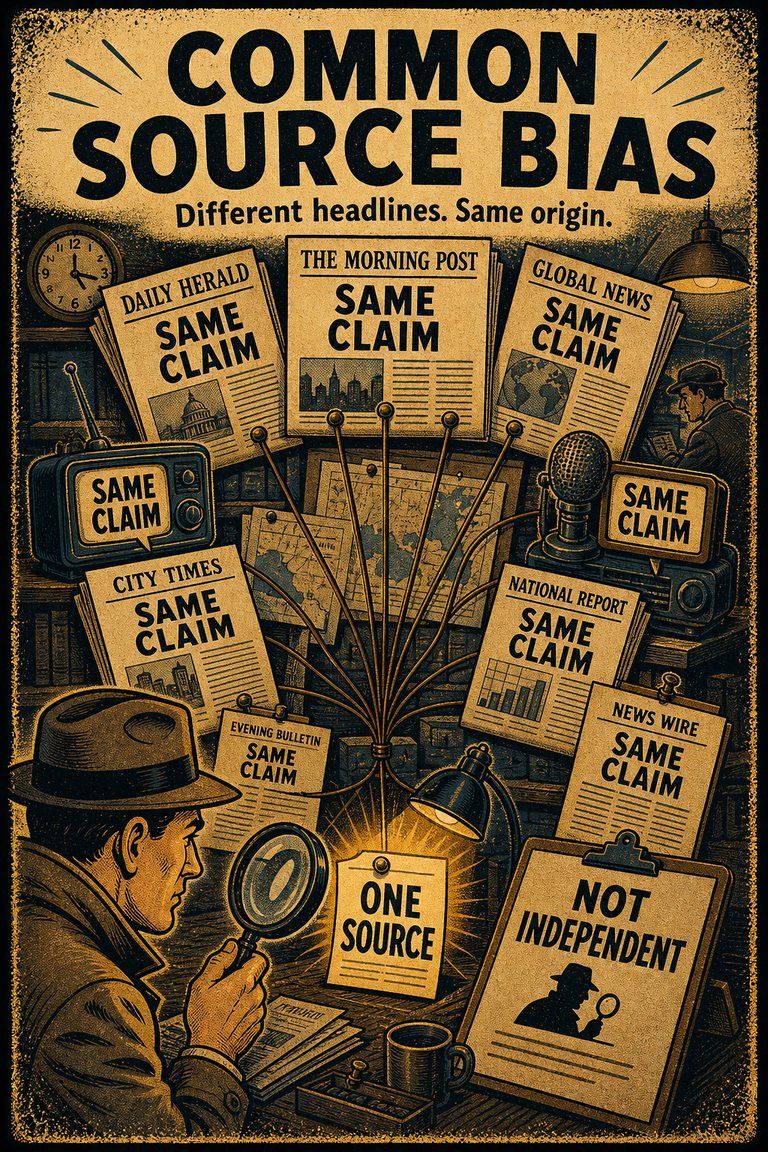
The tendency to combine or compare research studies from the same source, or from sources that use the same methodologies or data.
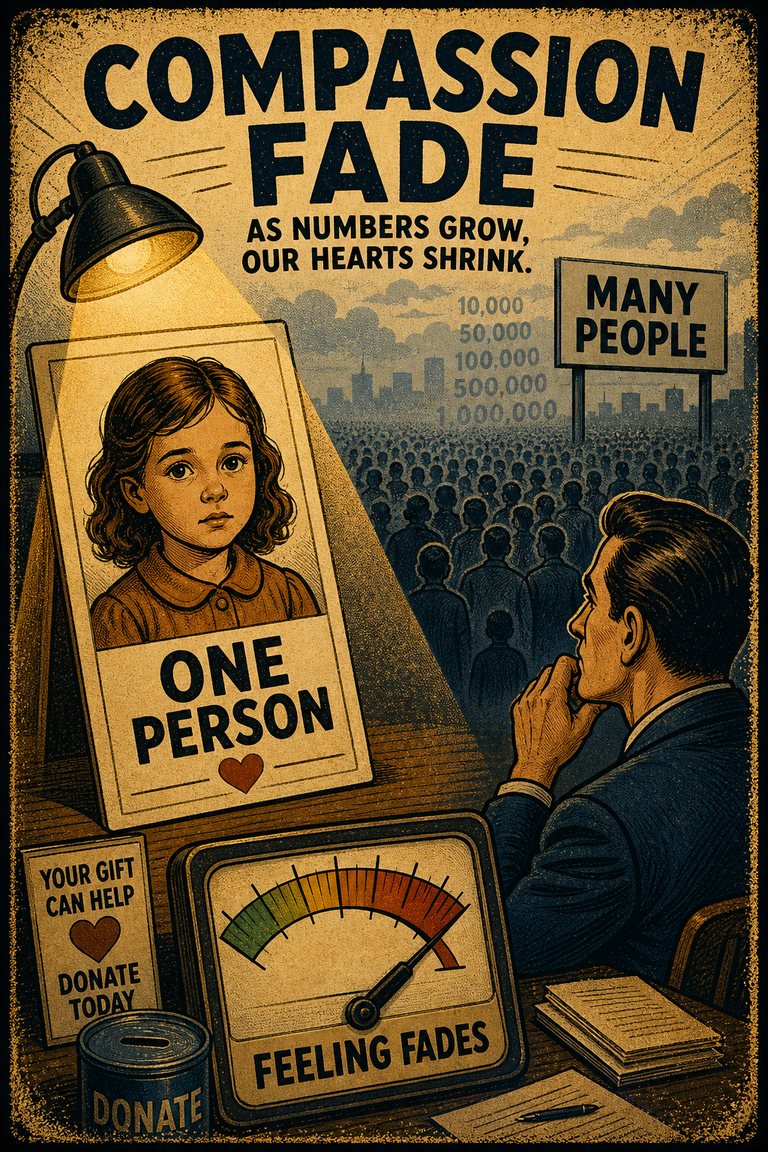
The tendency to behave more compassionately towards a small number of identifiable victims than to a large number of anonymous ones.
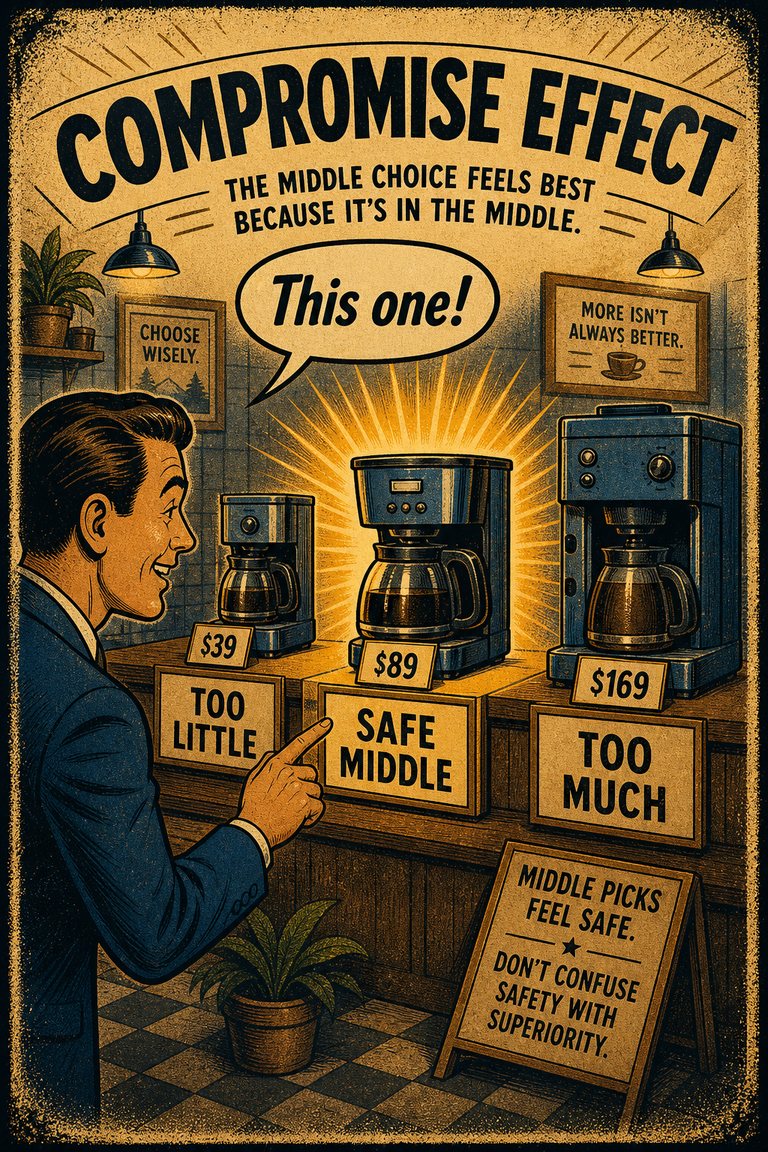
The tendency for an option to seem better when it appears as a middle compromise.
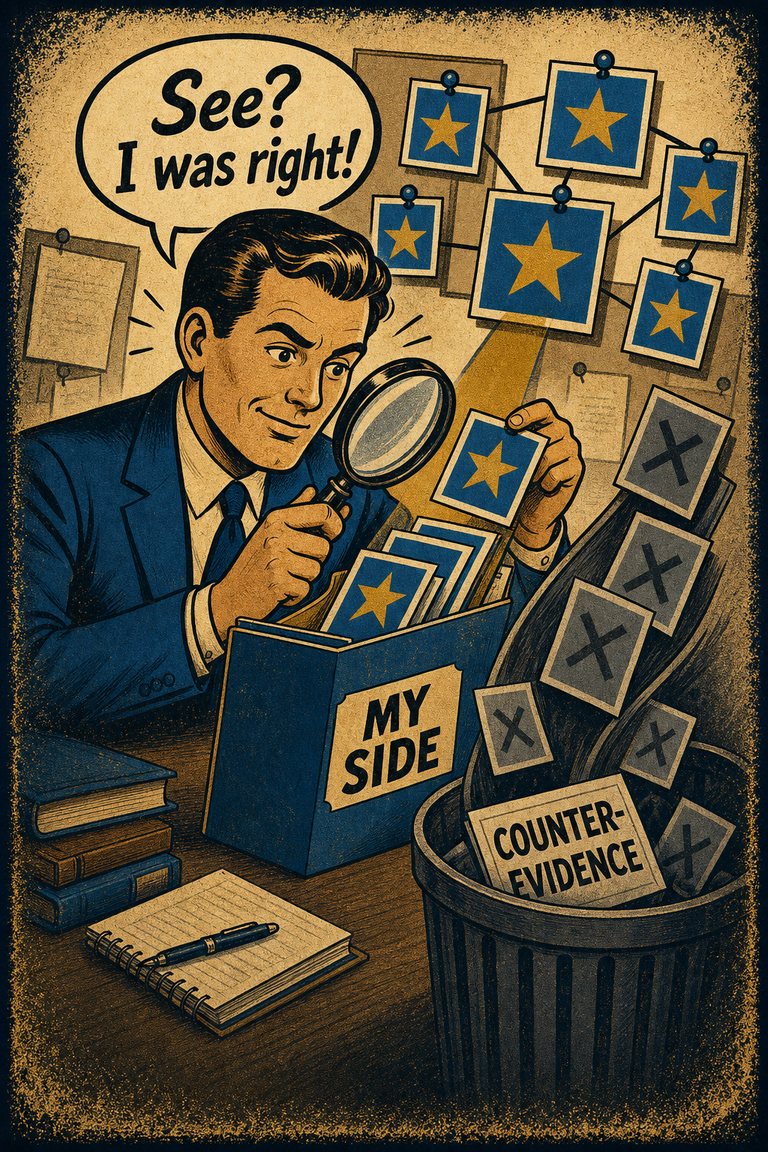
The tendency to notice, seek, and remember evidence that supports the story you already prefer more readily than evidence that threatens it.
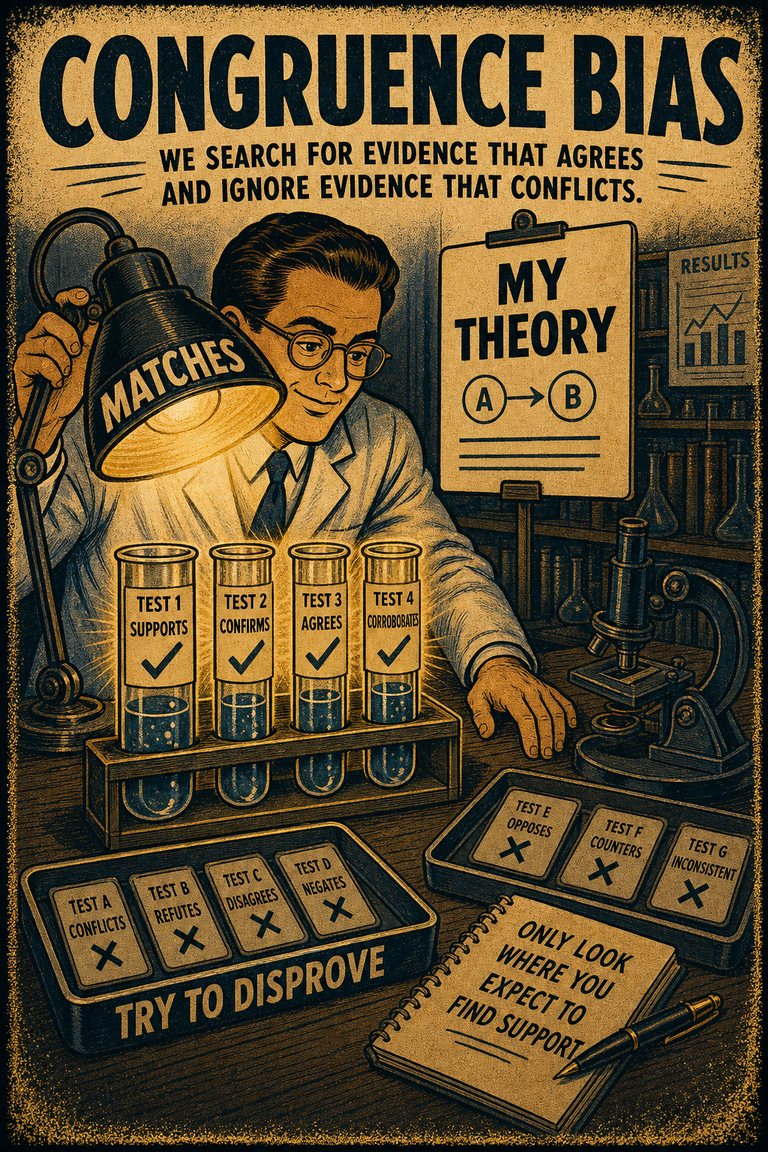
The tendency to test hypotheses exclusively through direct testing, instead of testing possible alternative hypotheses.
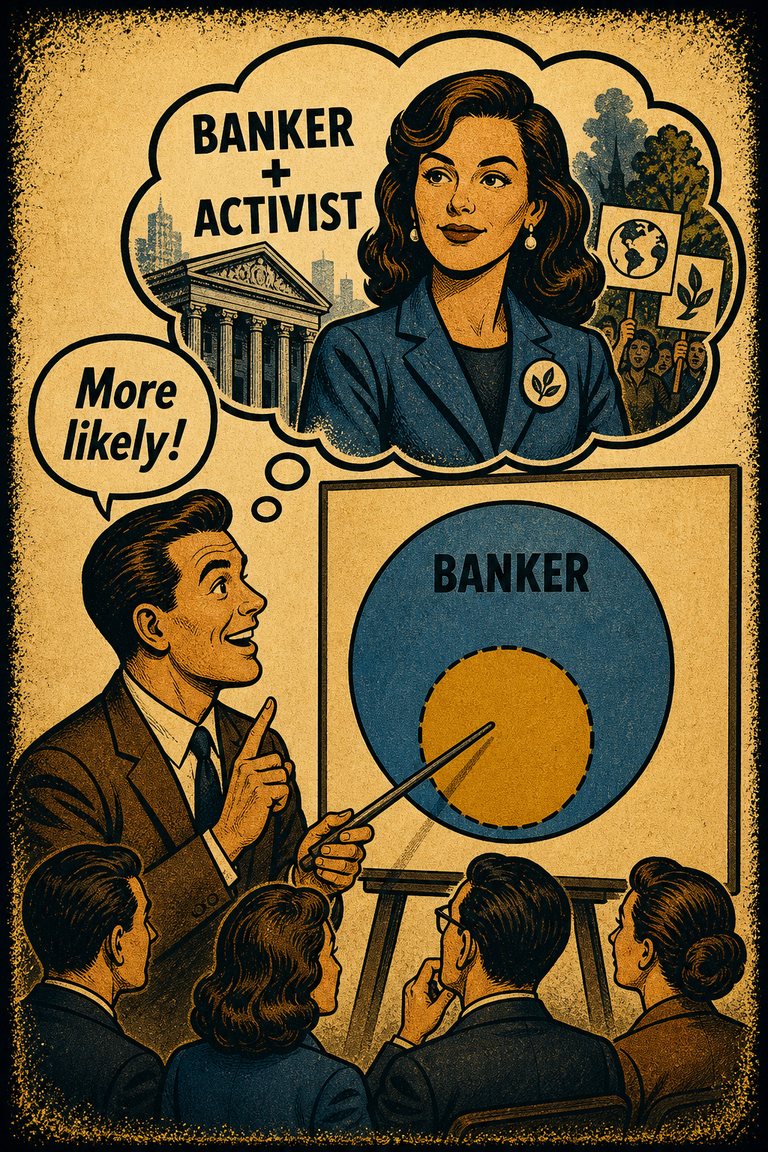
The tendency to assume that specific conditions are more probable than a more general version of those same conditions.
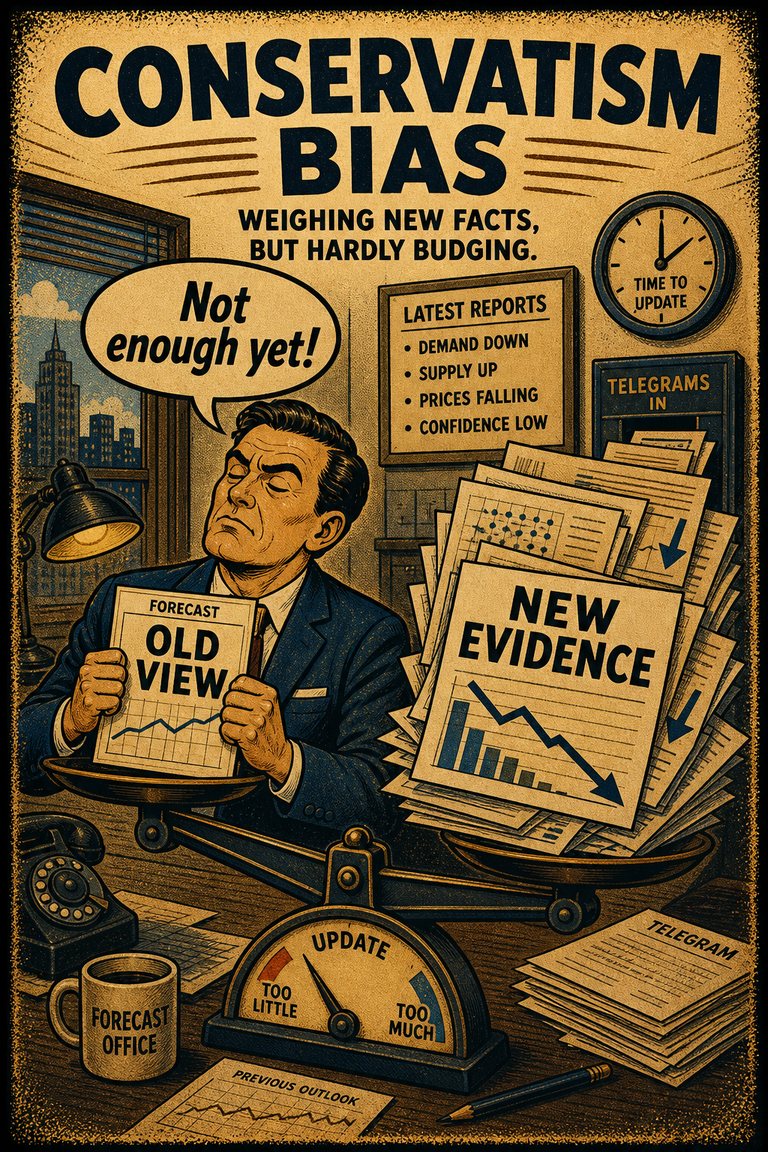
The tendency to insufficiently revise one's belief when presented with new evidence.
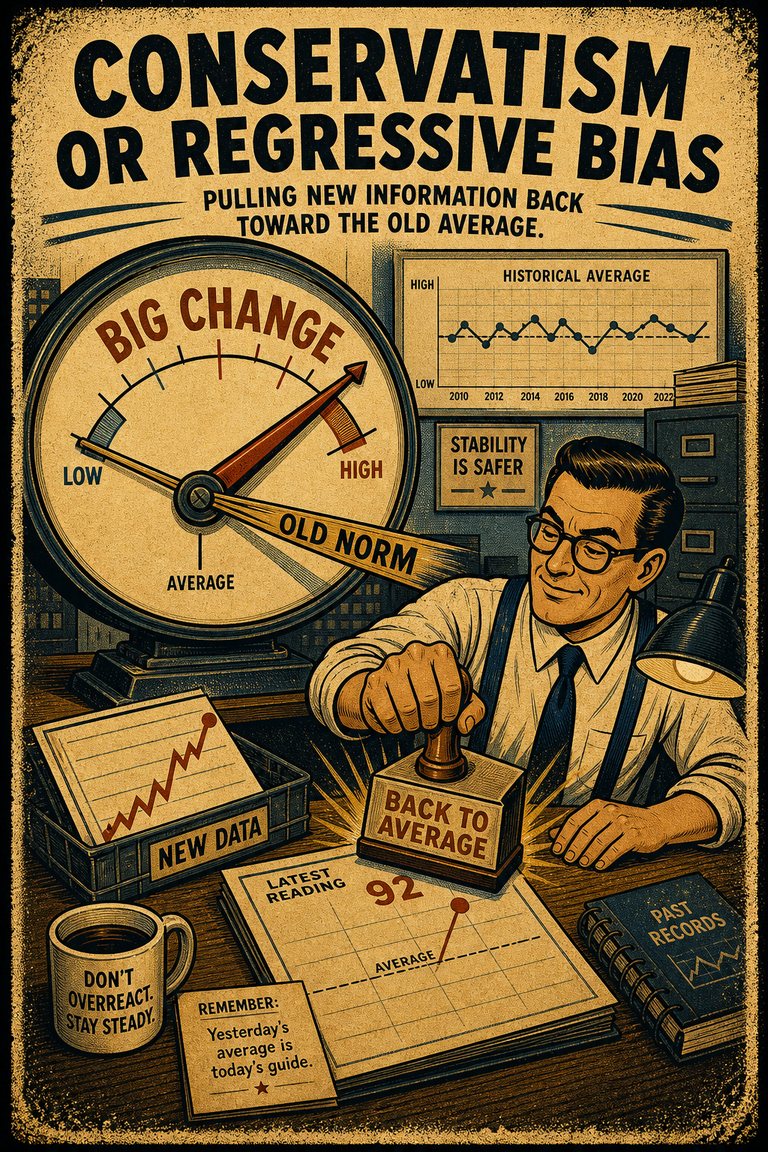
The tendency to remember high values as lower and low values as higher, pulling estimates back toward the middle.
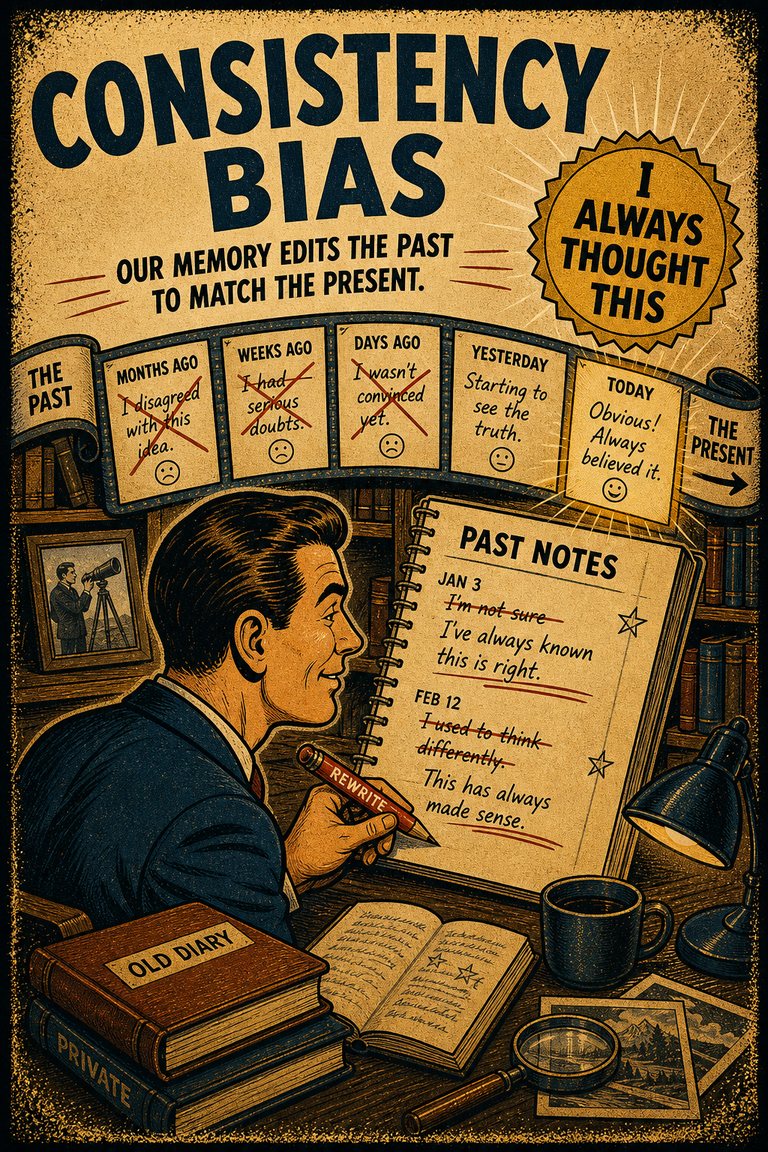
The tendency to remember past attitudes or behavior as more consistent with the present than they really were.
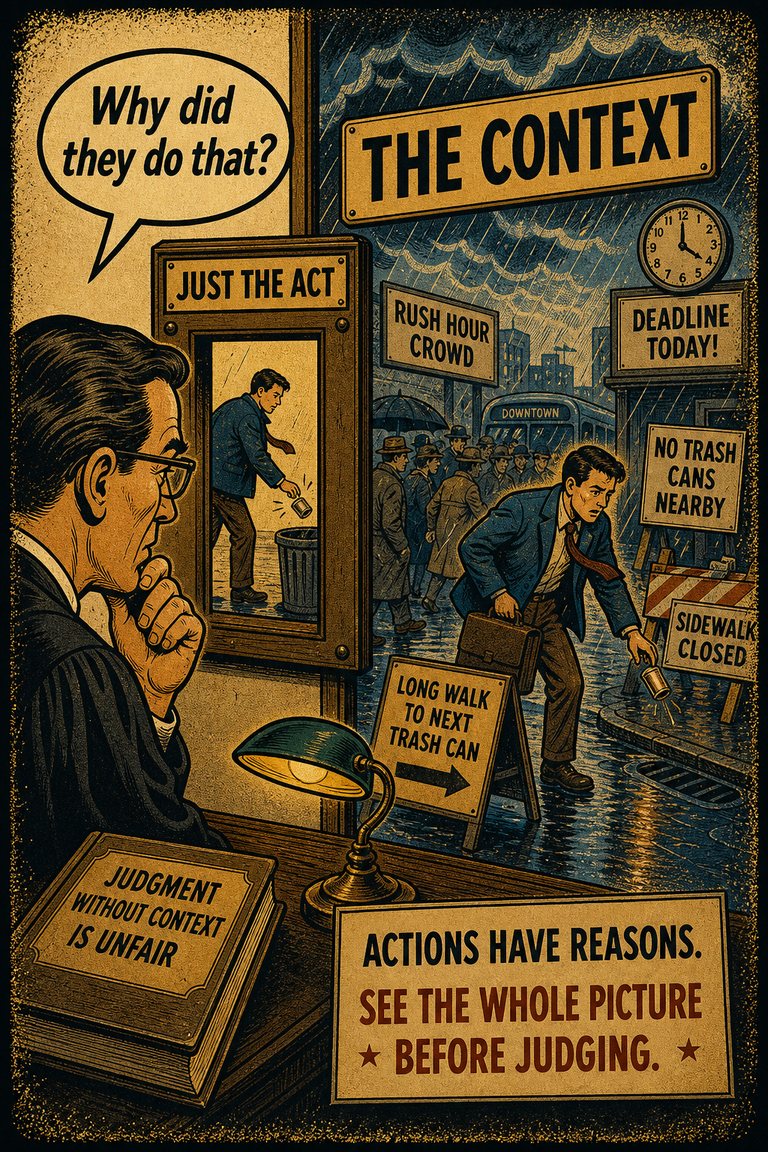
The tendency to neglect the human context of technological challenges.
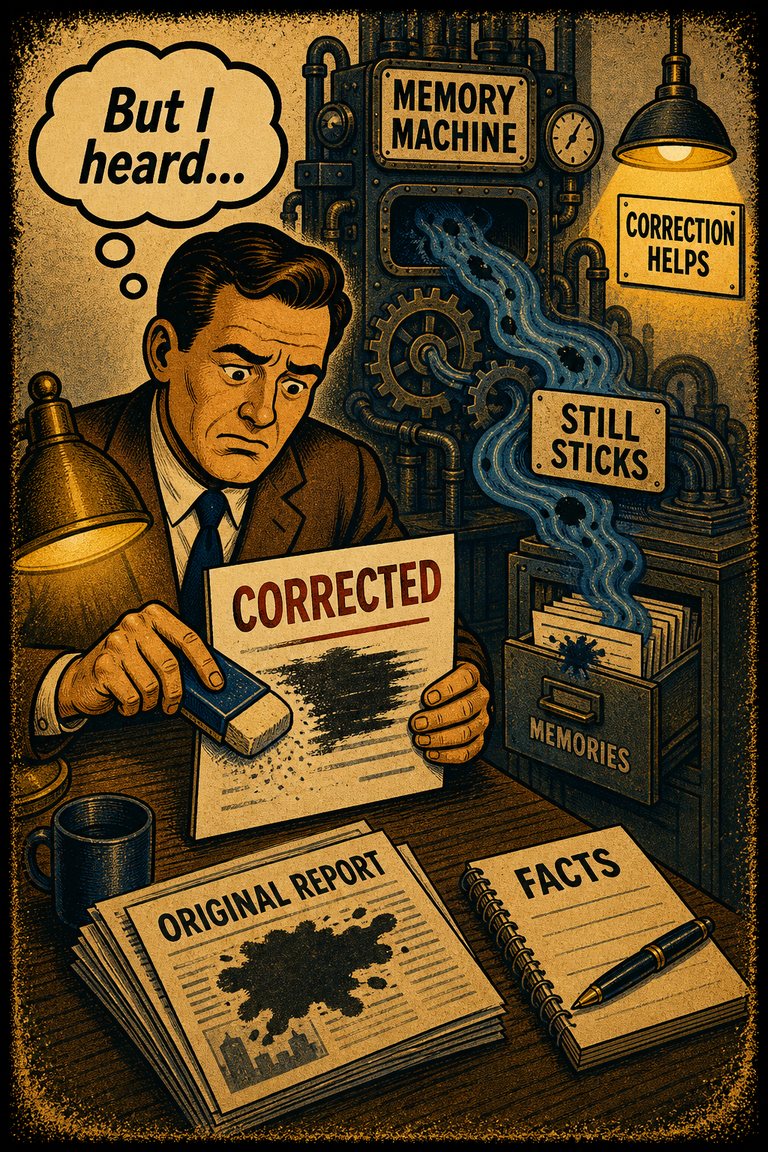
Misinformation continues to influence memory and reasoning about an event, despite the misinformation having been corrected.
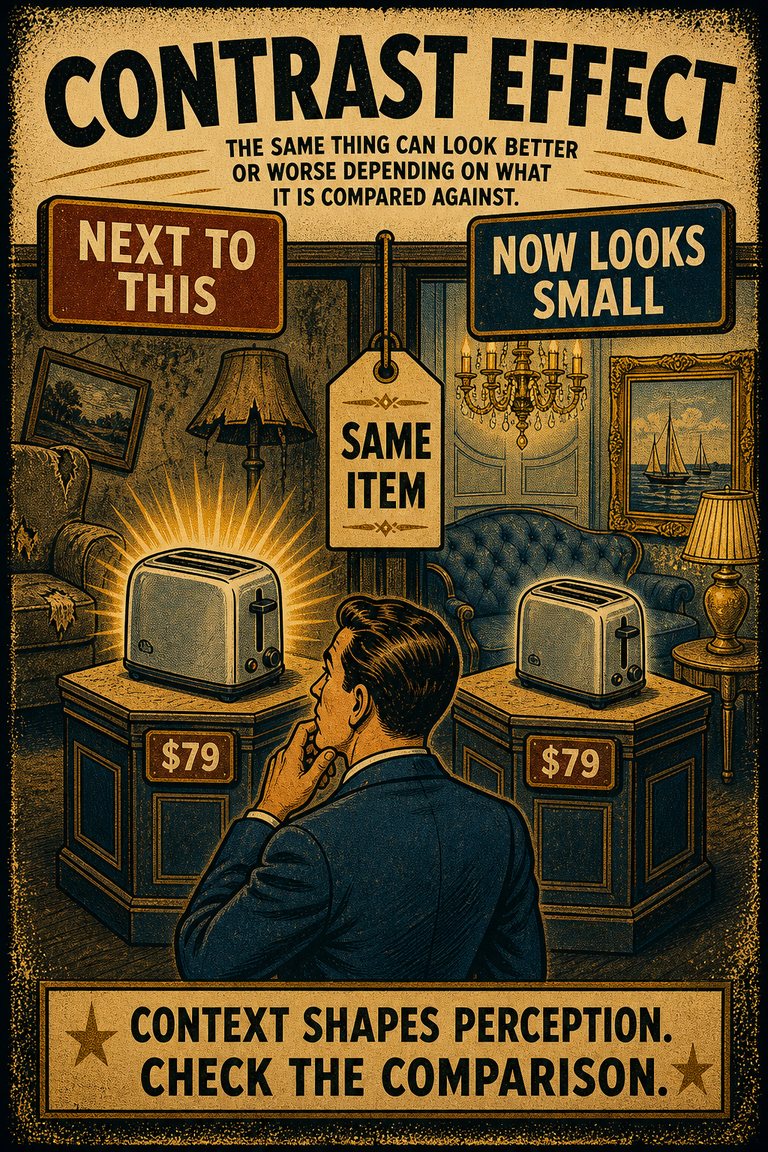
The enhancement or reduction of a certain stimulus's perception when compared with a recently observed, contrasting object.
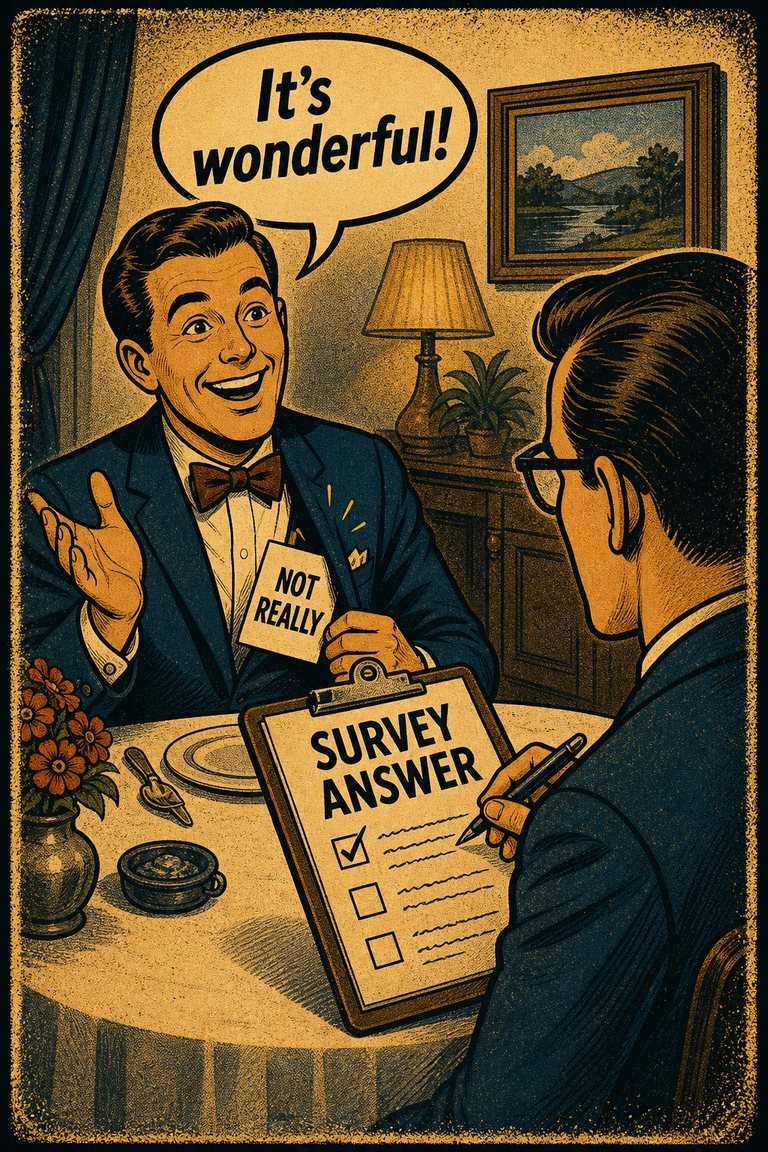
The tendency to give an opinion that is more socially correct than one's true opinion, so as to avoid offending anyone.
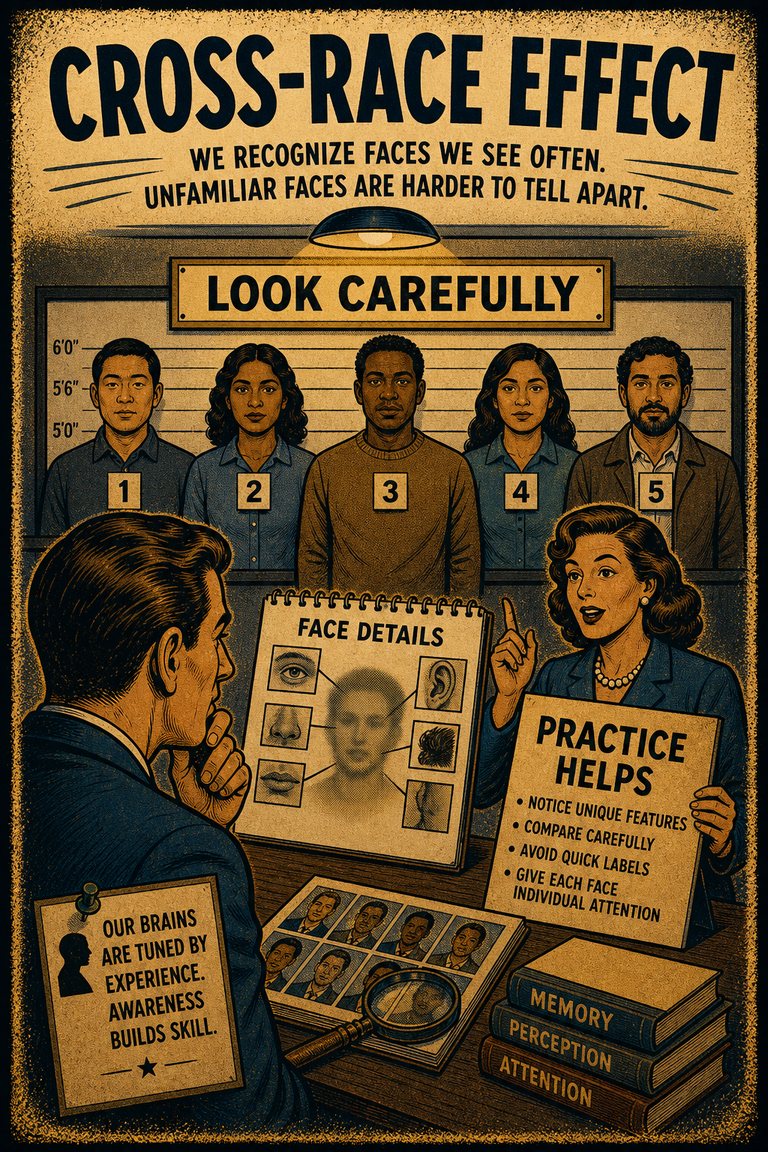
The tendency to distinguish faces of your own race more accurately than faces of other races.
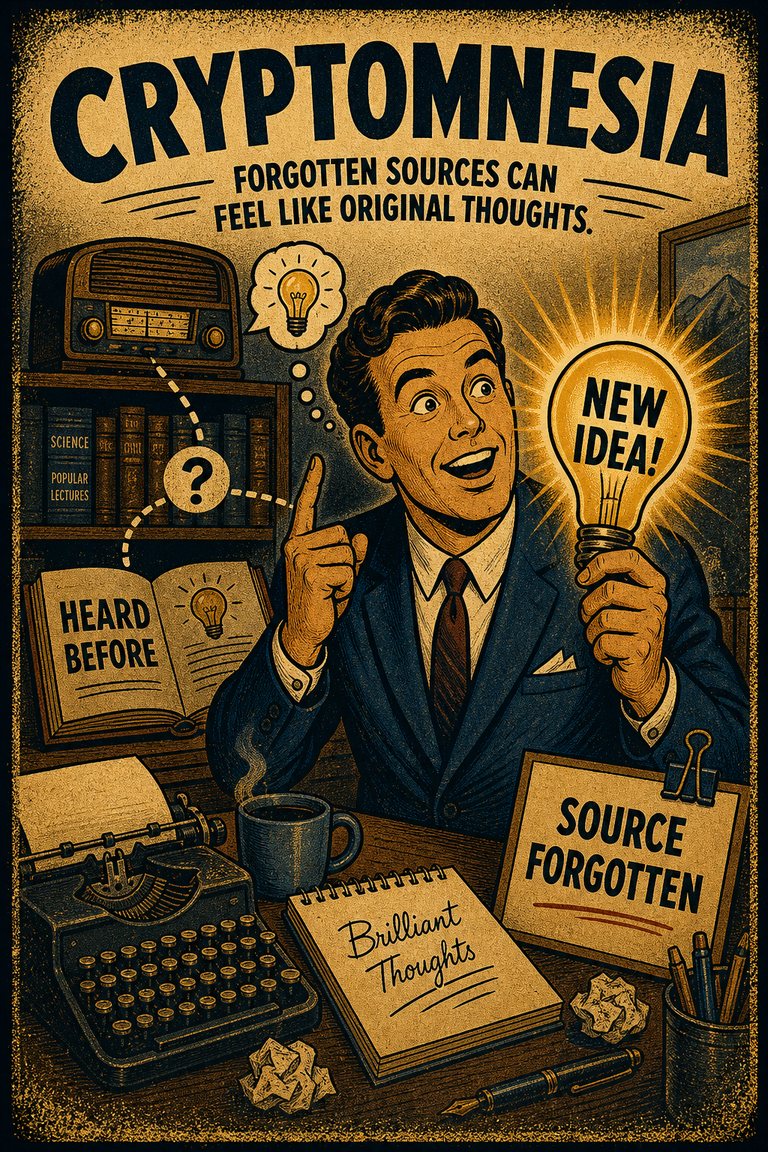
The tendency to mistake an old memory or borrowed idea for a new original thought.
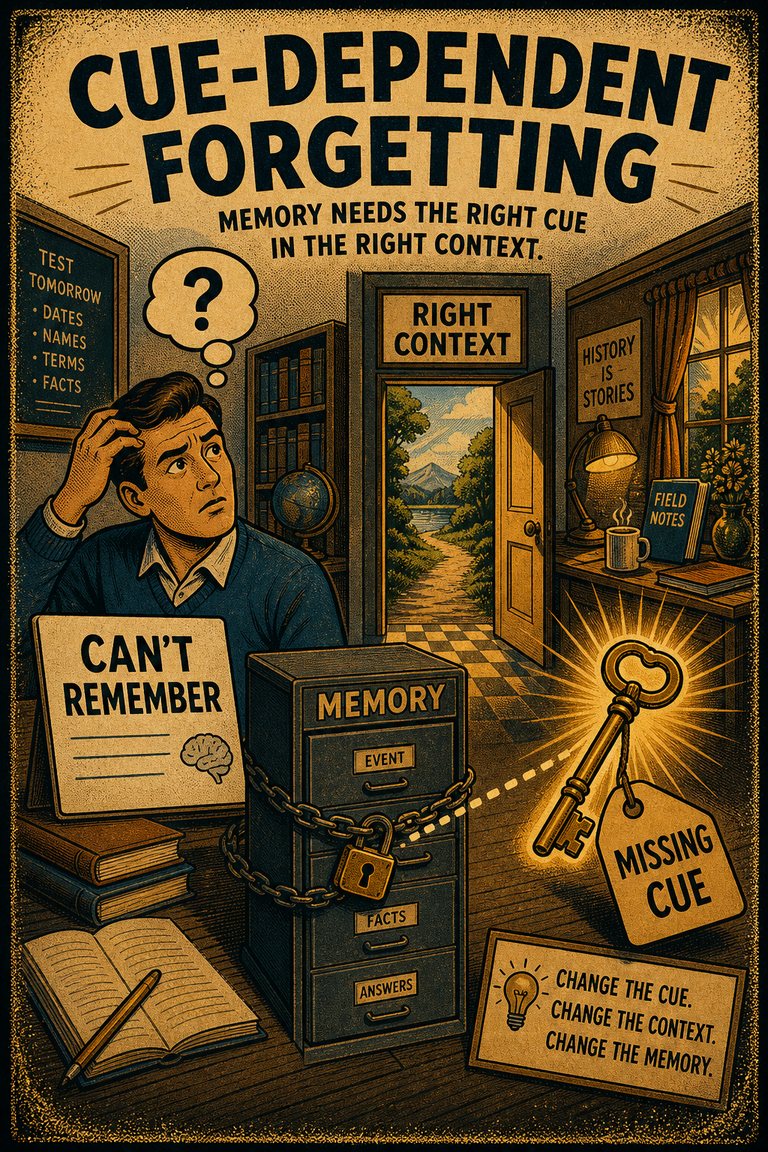
The tendency for recall to weaken when the original context or cues are missing.
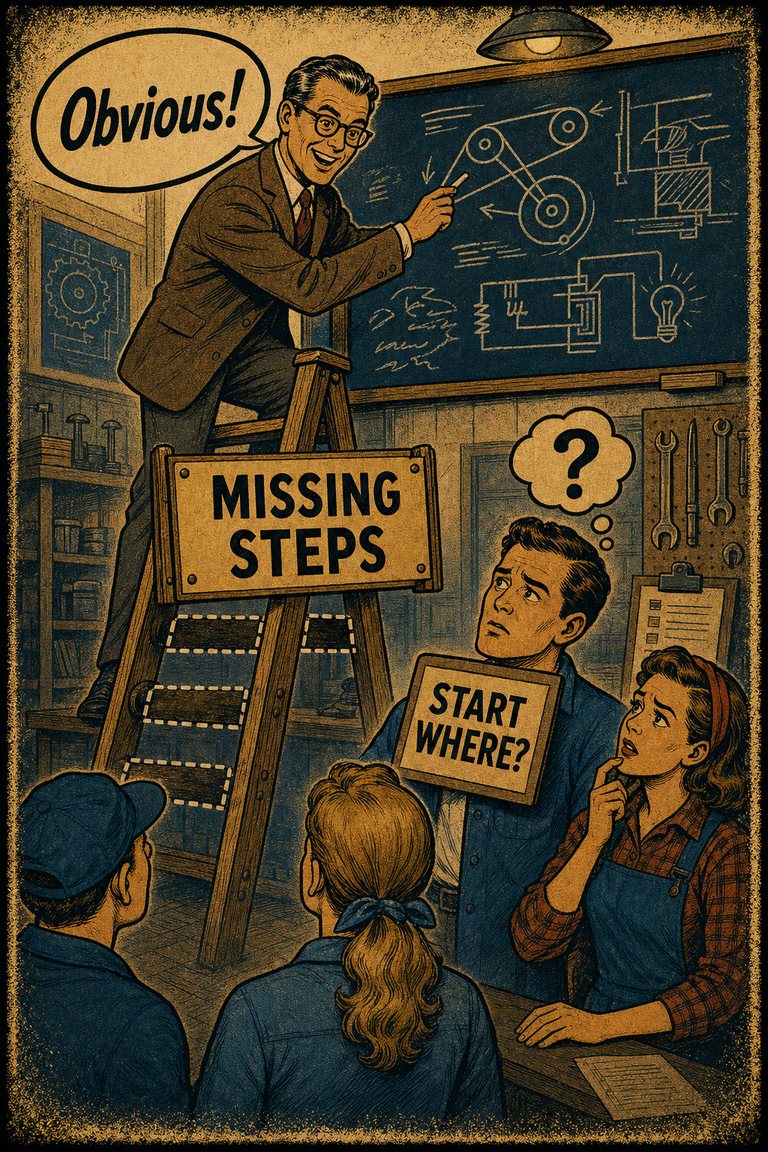
The tendency for better-informed people to underestimate how hard the issue looks to less-informed people.
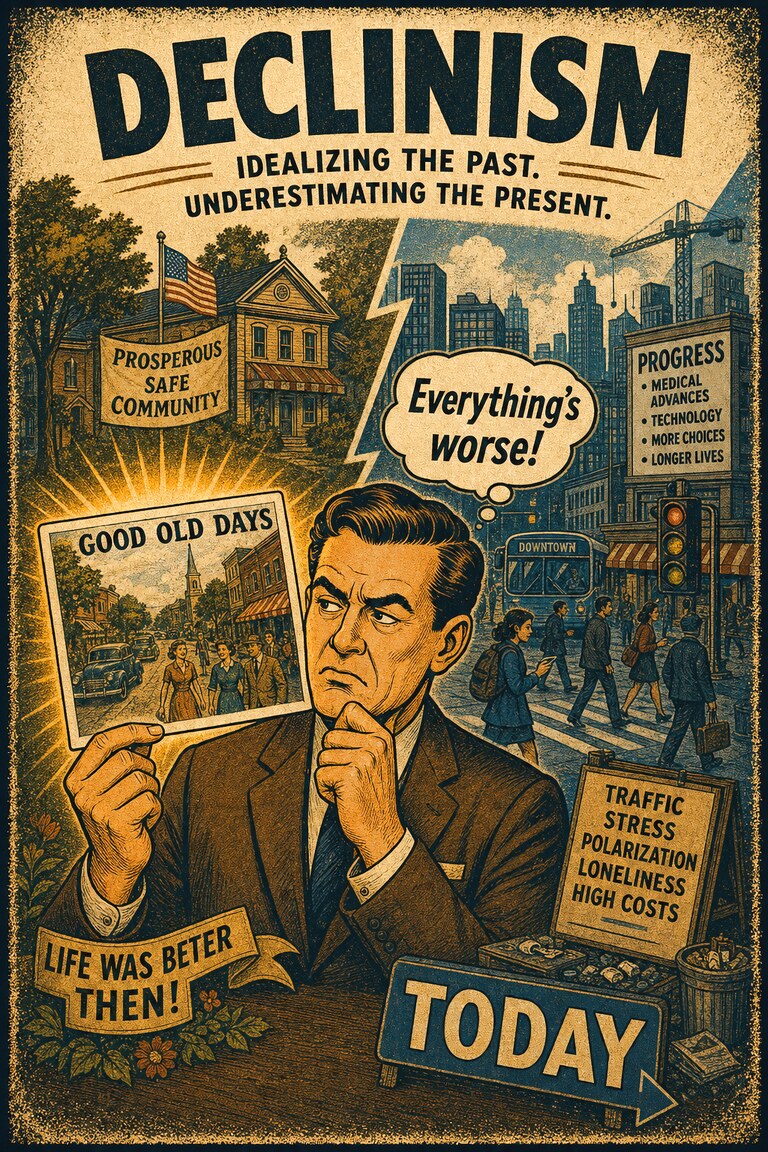
The predisposition to view the past favorably and the future unfavorably.
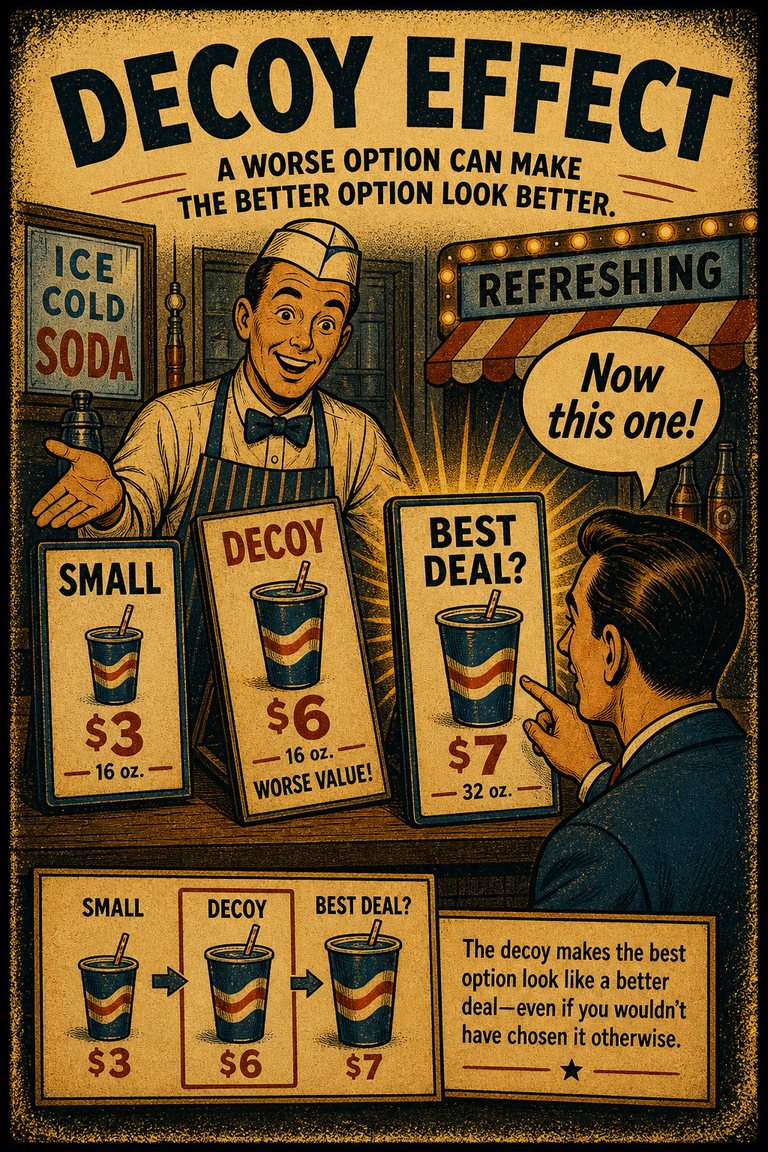
The tendency for a dominated third option to shift preference toward a nearby target option.
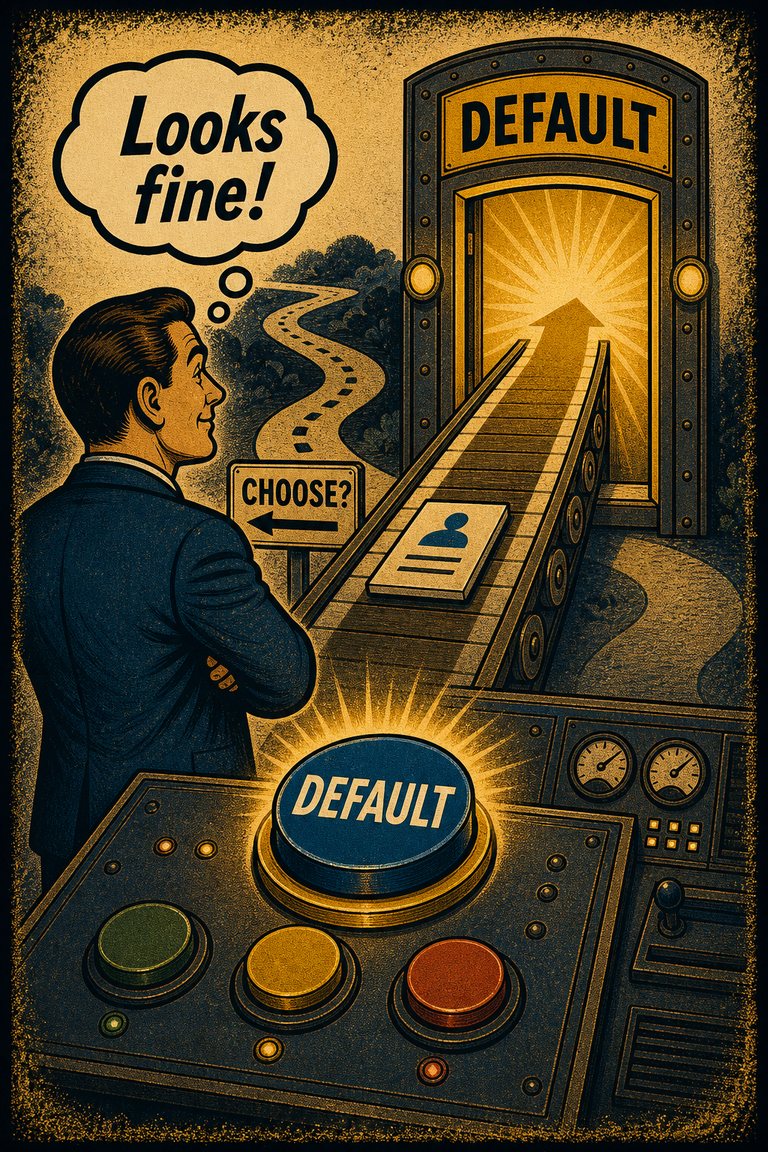
The tendency to favor the preselected or default option simply because it is already positioned as the path of least resistance.
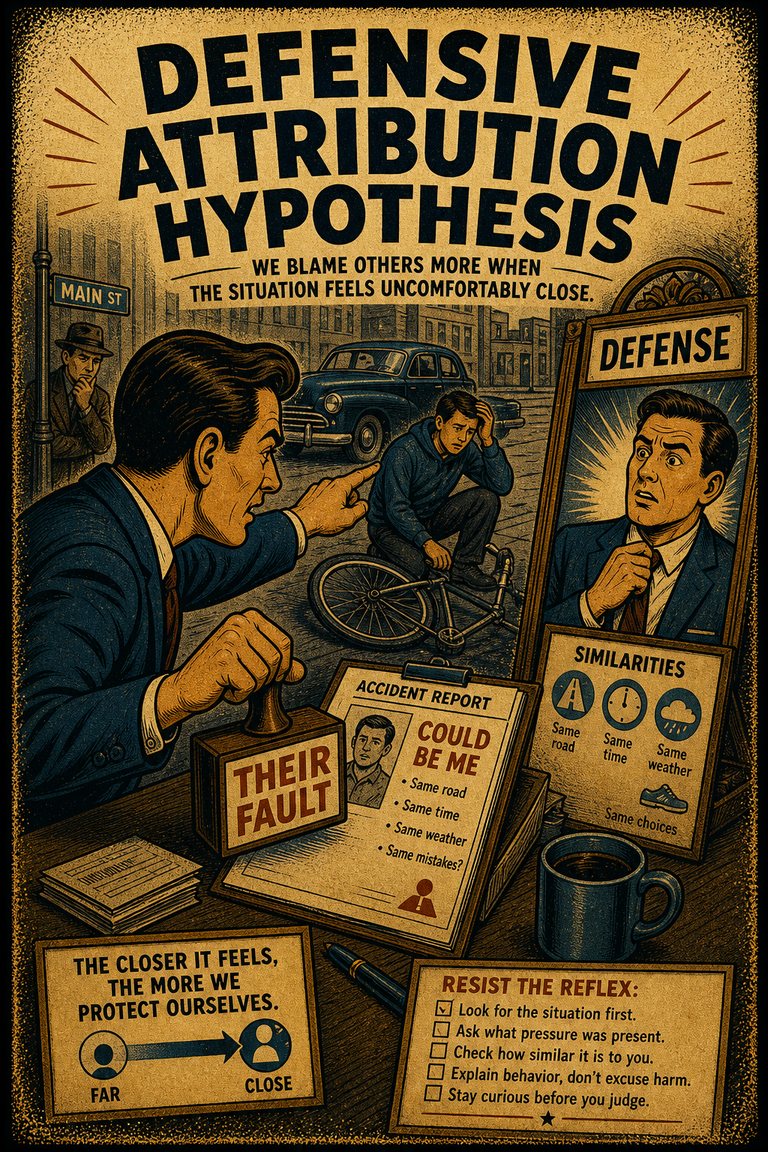
The tendency to attribute more blame for a mishap to the person or persons involved if they are perceived as dissimilar to the person making that judgment.
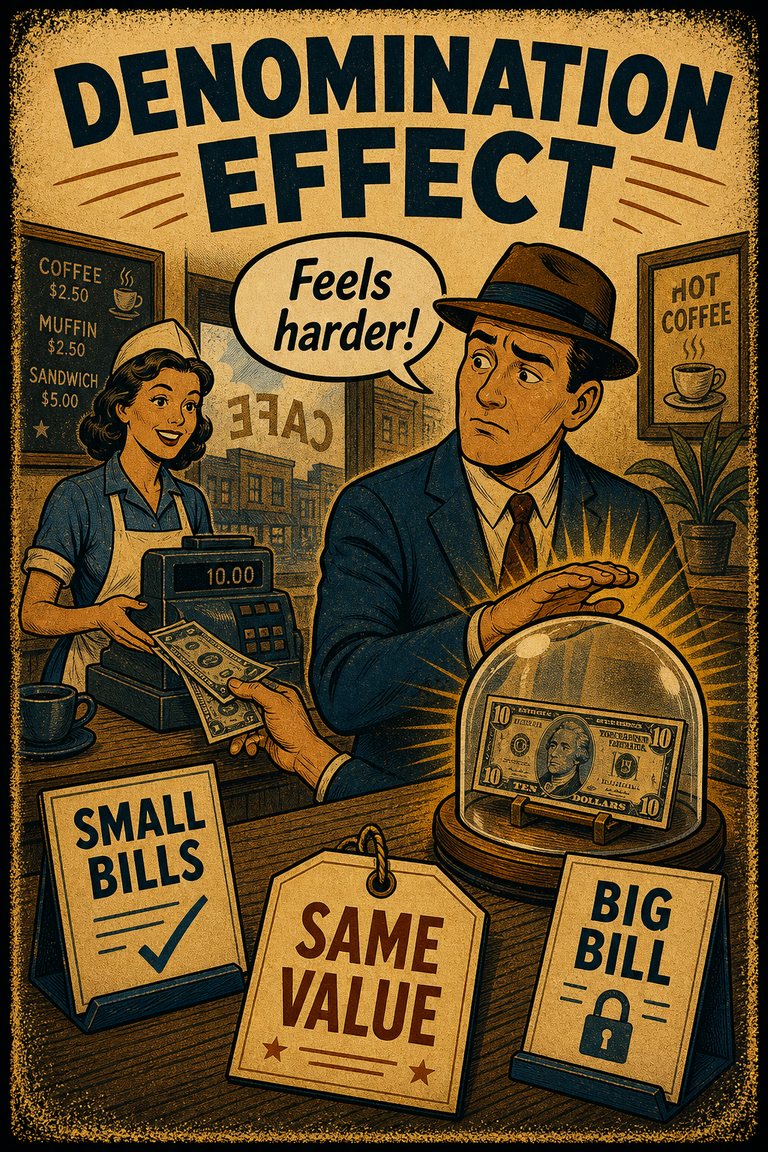
The tendency to spend more money when it is denominated in small amounts rather than large amounts.
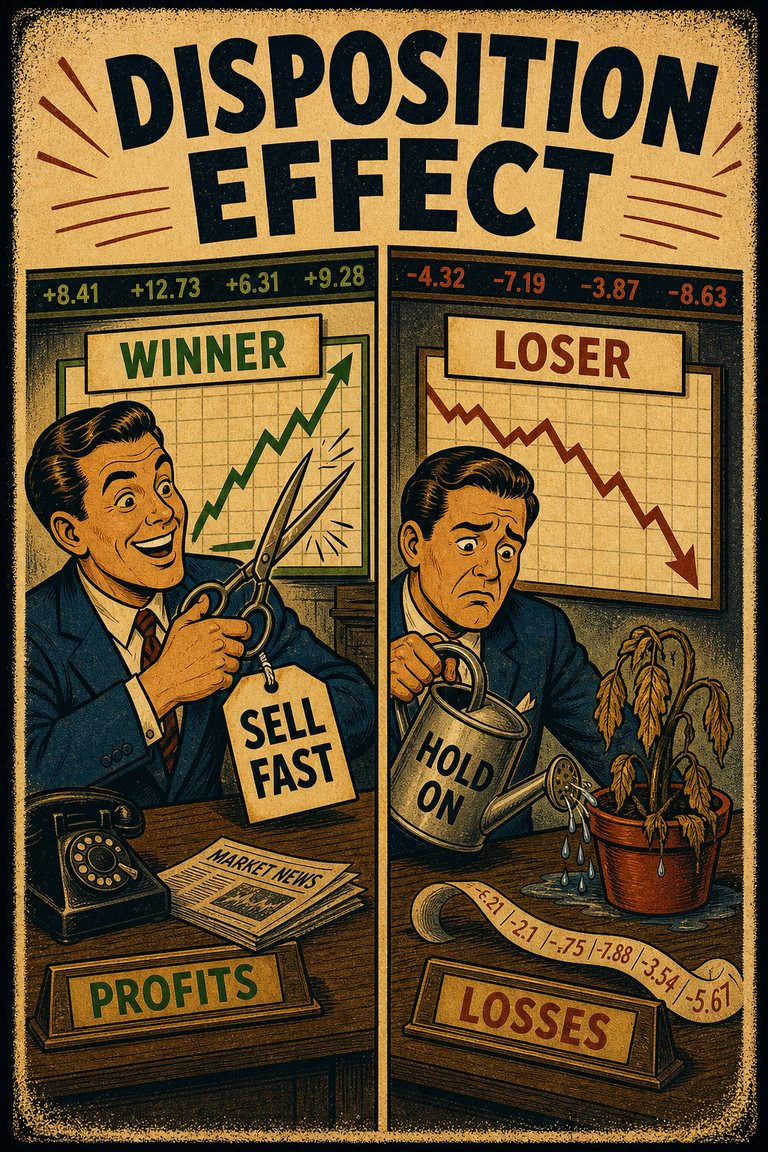
The tendency to sell an asset that has accumulated in value and resist selling an asset that has declined in value.
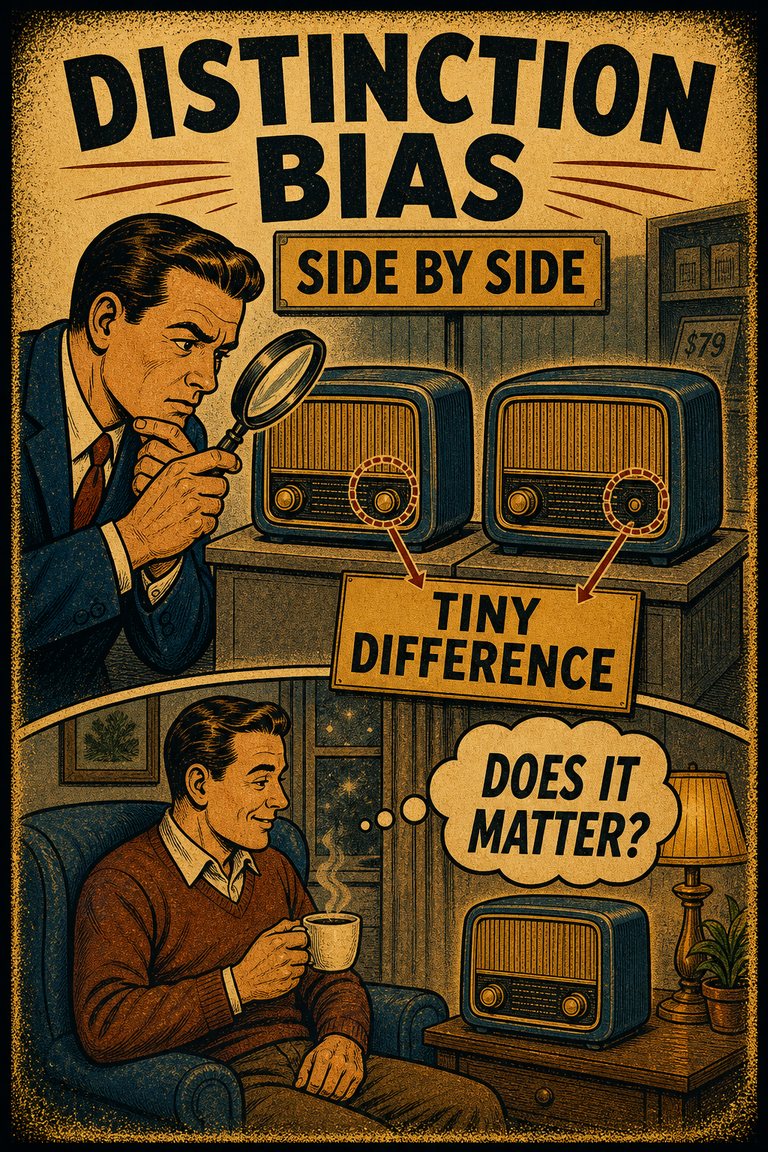
The tendency to view two options as more dissimilar when evaluating them simultaneously than when evaluating them separately.
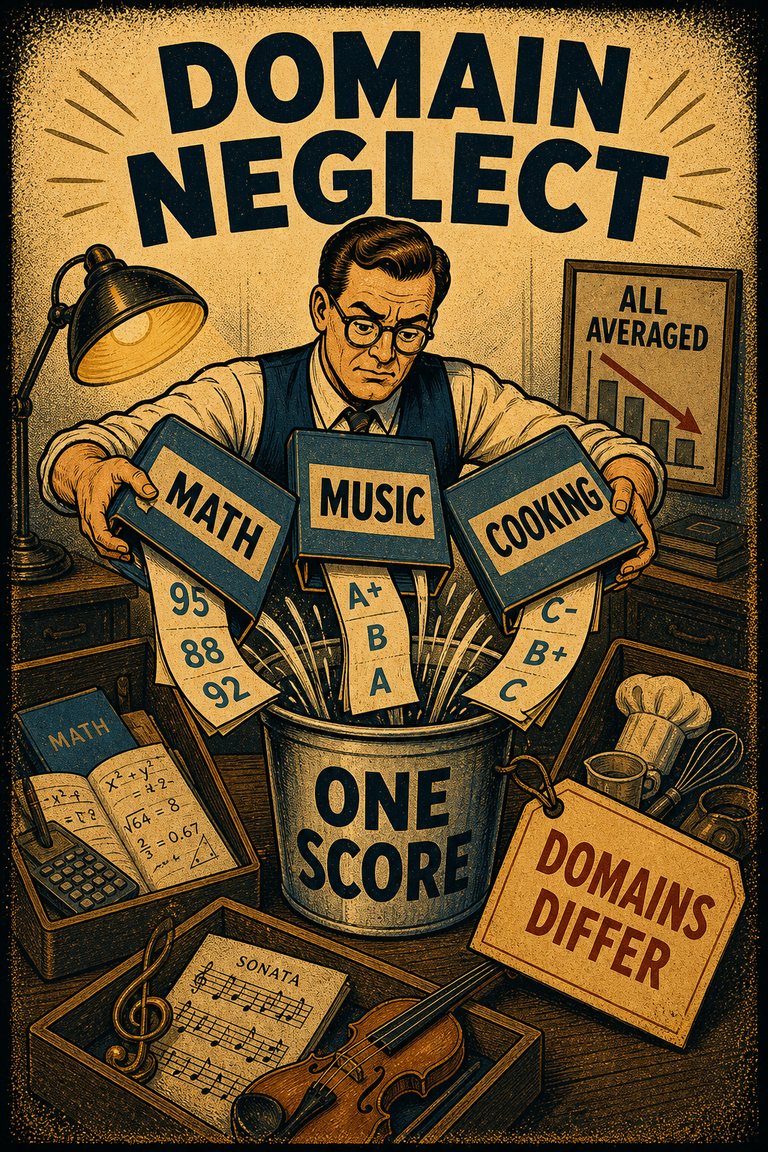
The tendency to ignore relevant domain knowledge when reasoning across unfamiliar fields.
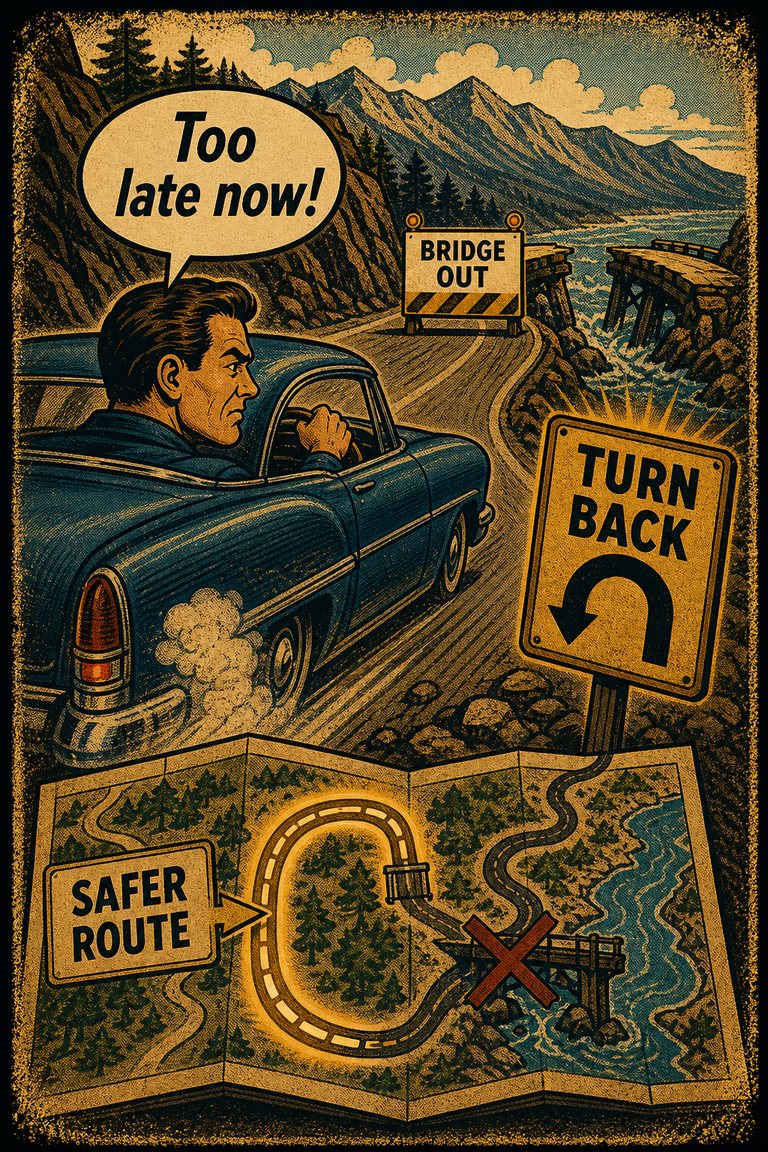
The tendency to resist restarting or retracing steps even when doing so would save time or effort.
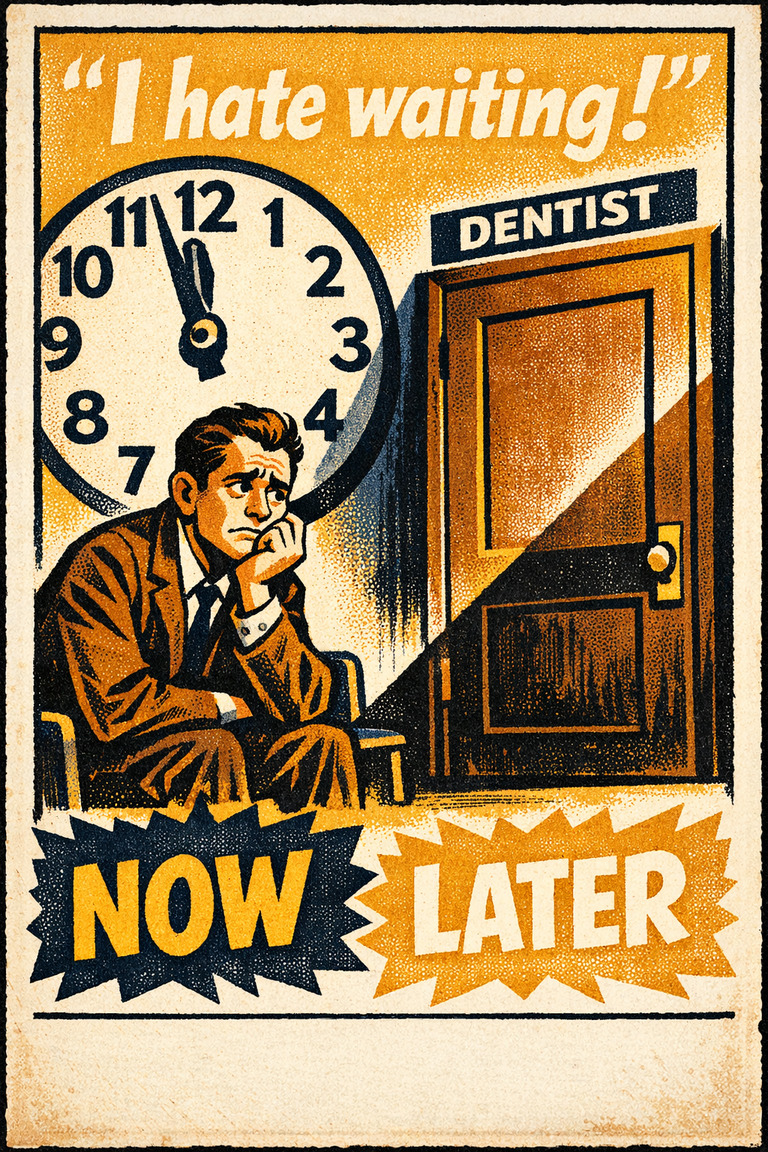
Just as losses yield double the emotional impact of gains, dread yields double the emotional impact of savouring.

The tendency for low skill or shallow understanding to produce overestimation of one's own competence, while higher-skill people may underestimate how unusual their competence really is.
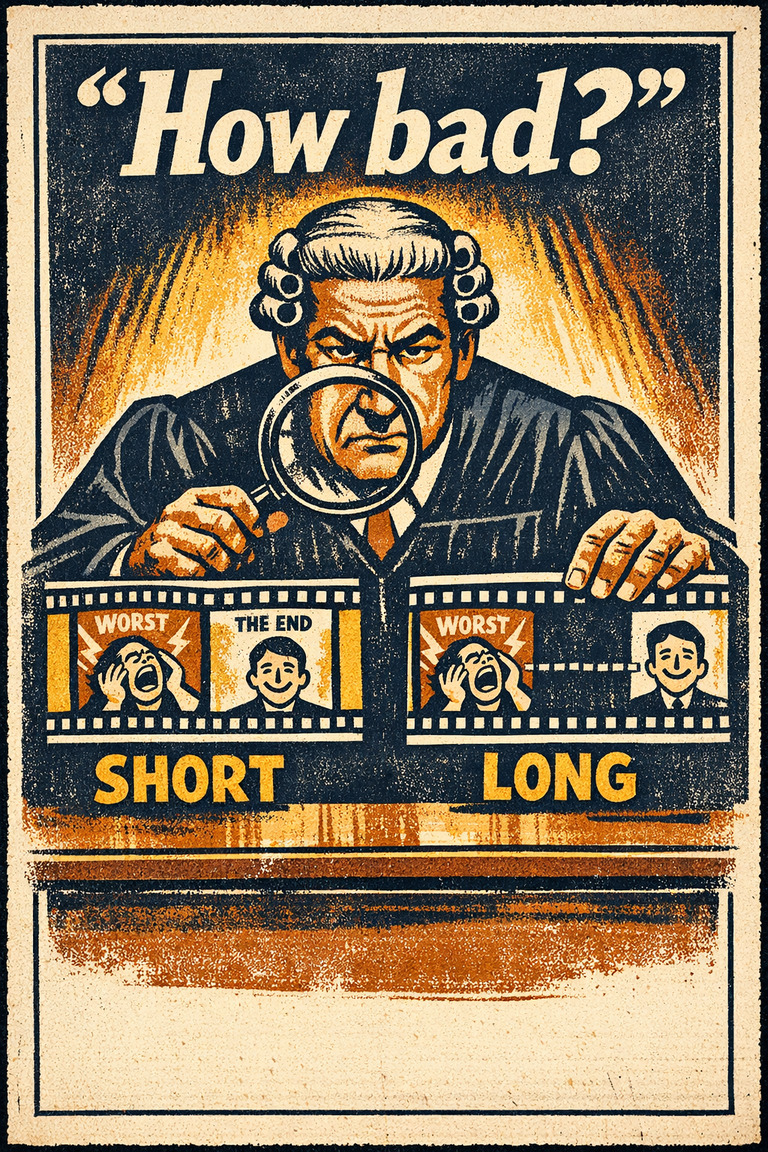
The neglect of the duration of an episode in determining its value.

The tendency to attribute greater value to an outcome if they had to put effort into achieving it.

The tendency to remember the past in self-serving ways and overweight one's own perspective.
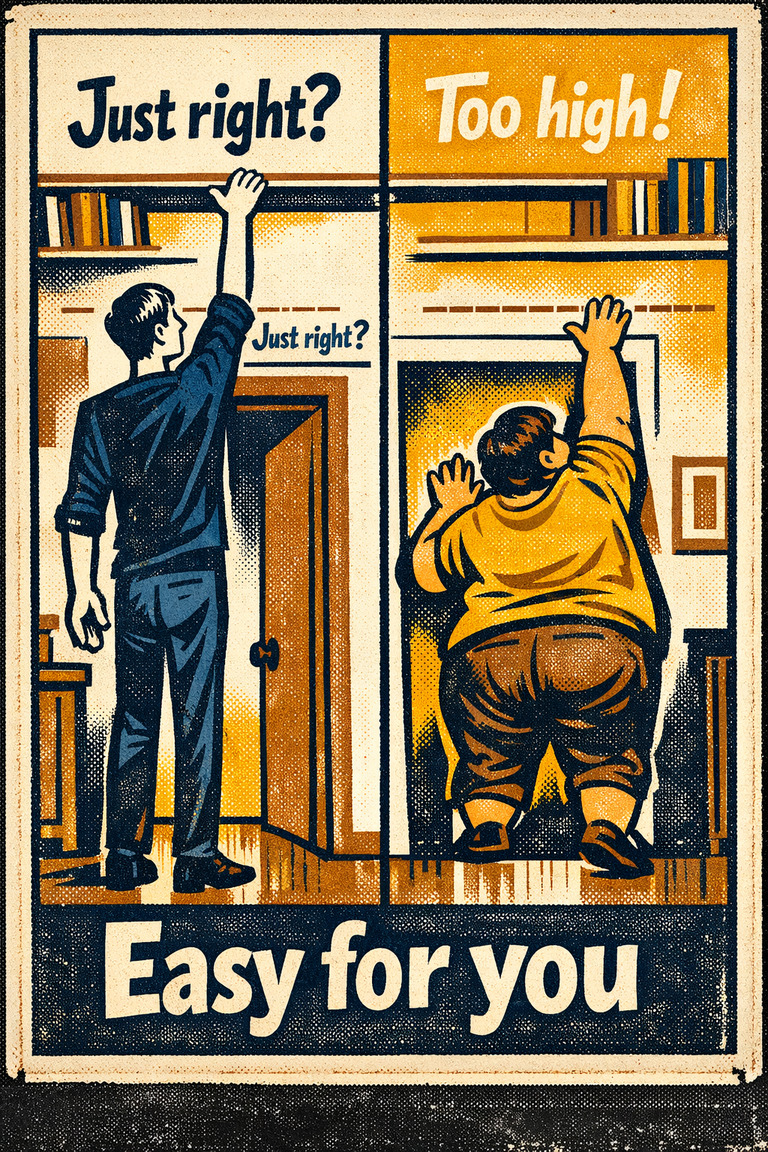
Biases in attribution of meaning and perceived properties to objects or events based on the physical capacities and properties of the body, such as sex and temperament.
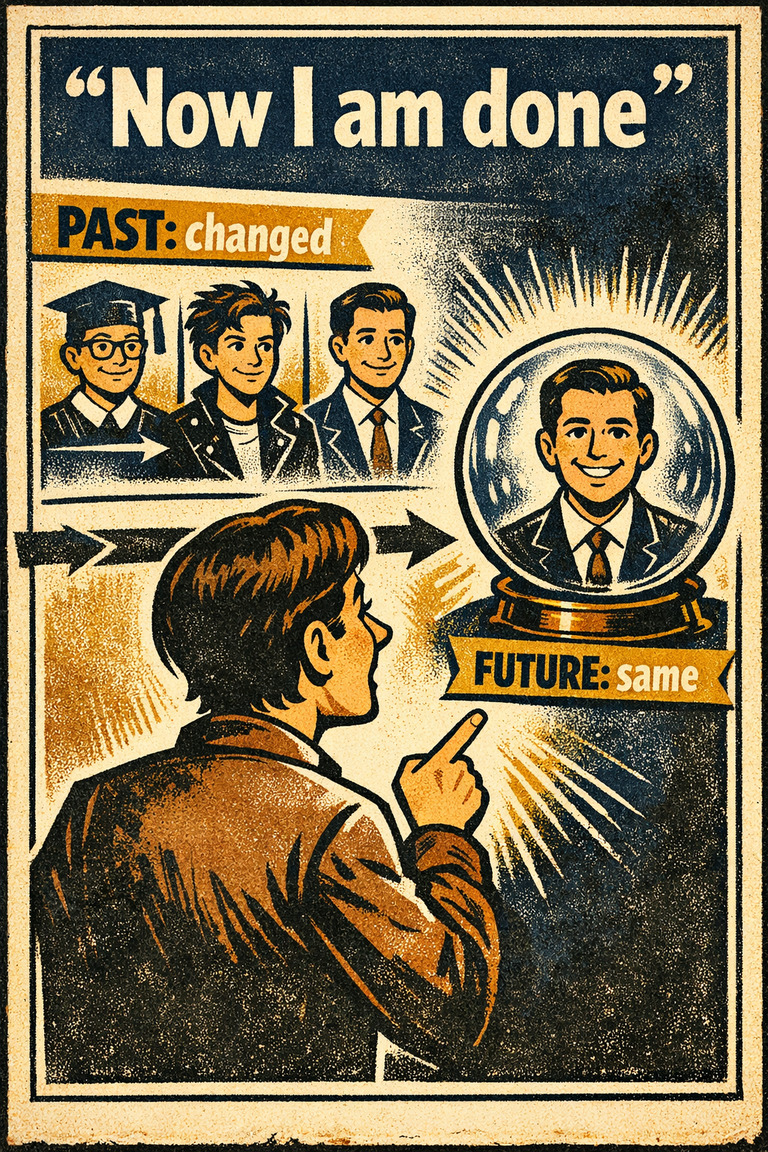
The age-independent belief that one will change less in the future than one has in the past.
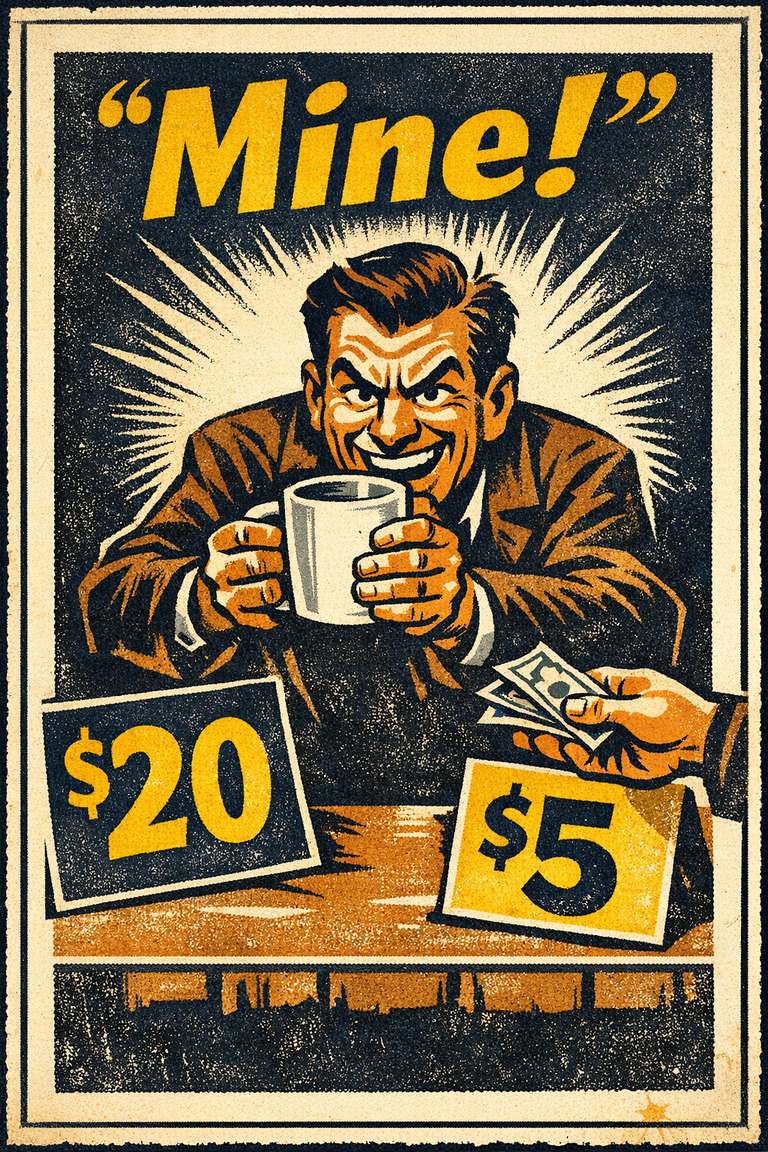
The tendency to value something more highly once it is already owned, possessed, or treated as part of the current arrangement.
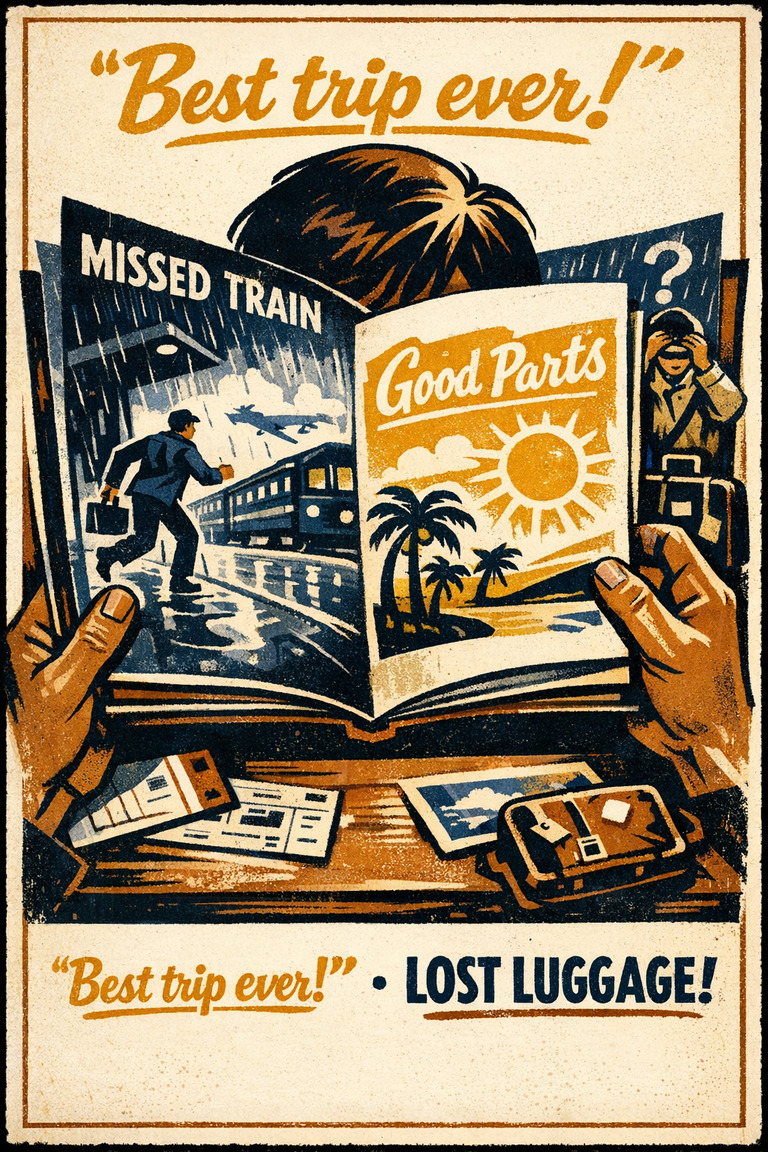
The tendency of people to remember past experiences favorably while overlooking bad experiences associated with them.
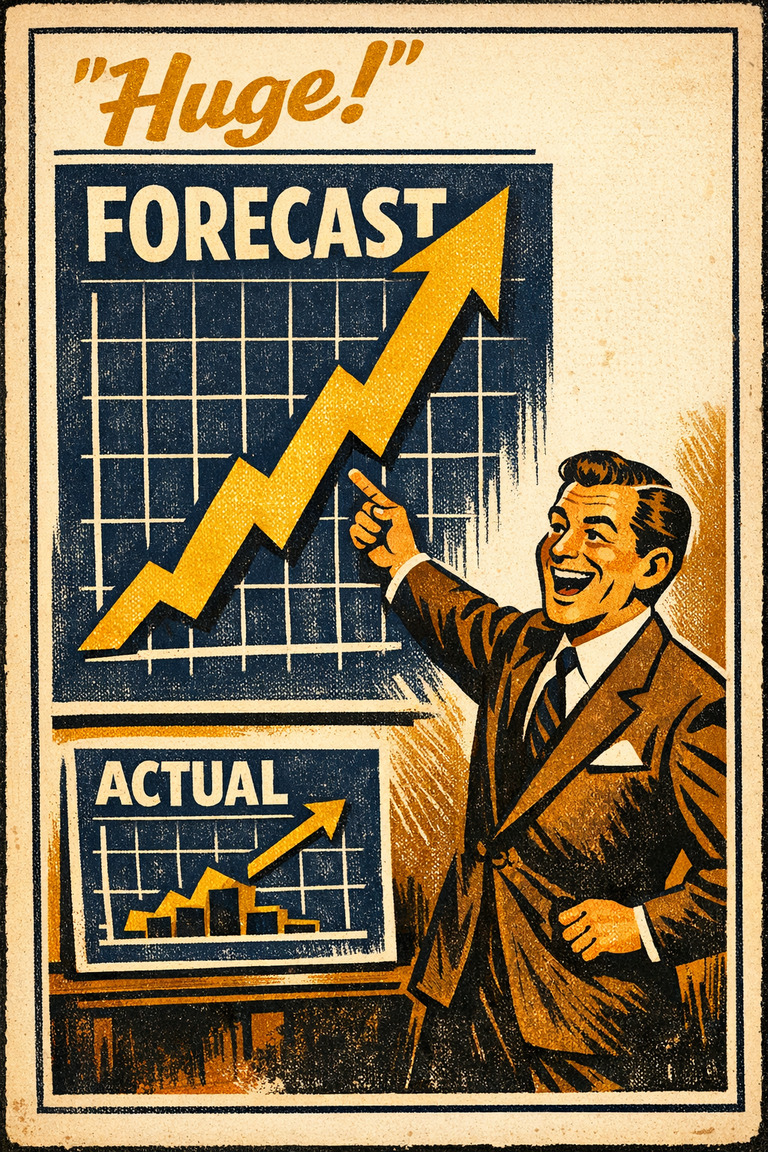
The tendency to expect or predict more extreme outcomes than those outcomes that actually happen.

The tendency for researchers' expectations to shape what data they notice, trust, publish, or discount.
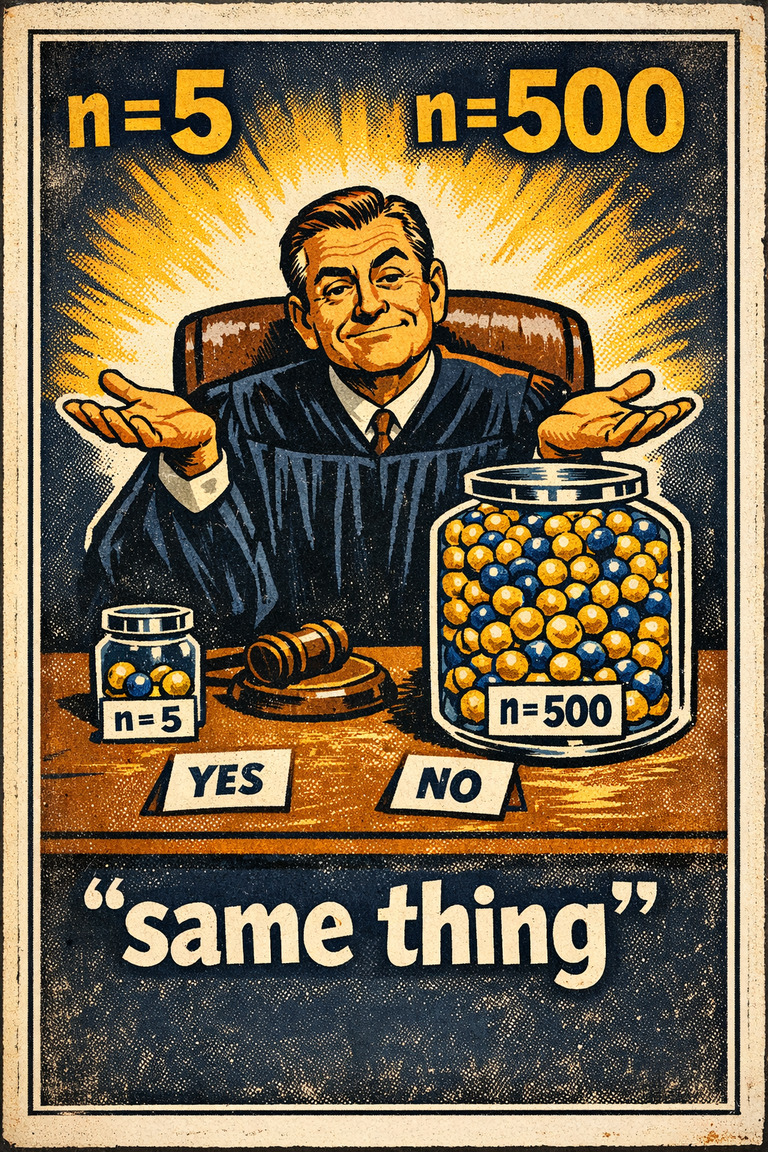
The tendency to judge outcomes without giving enough weight to sample size or quantity.

An exception to the fundamental attribution error, where people view others as having extrinsic motivations, while viewing themselves as having intrinsic motivations.
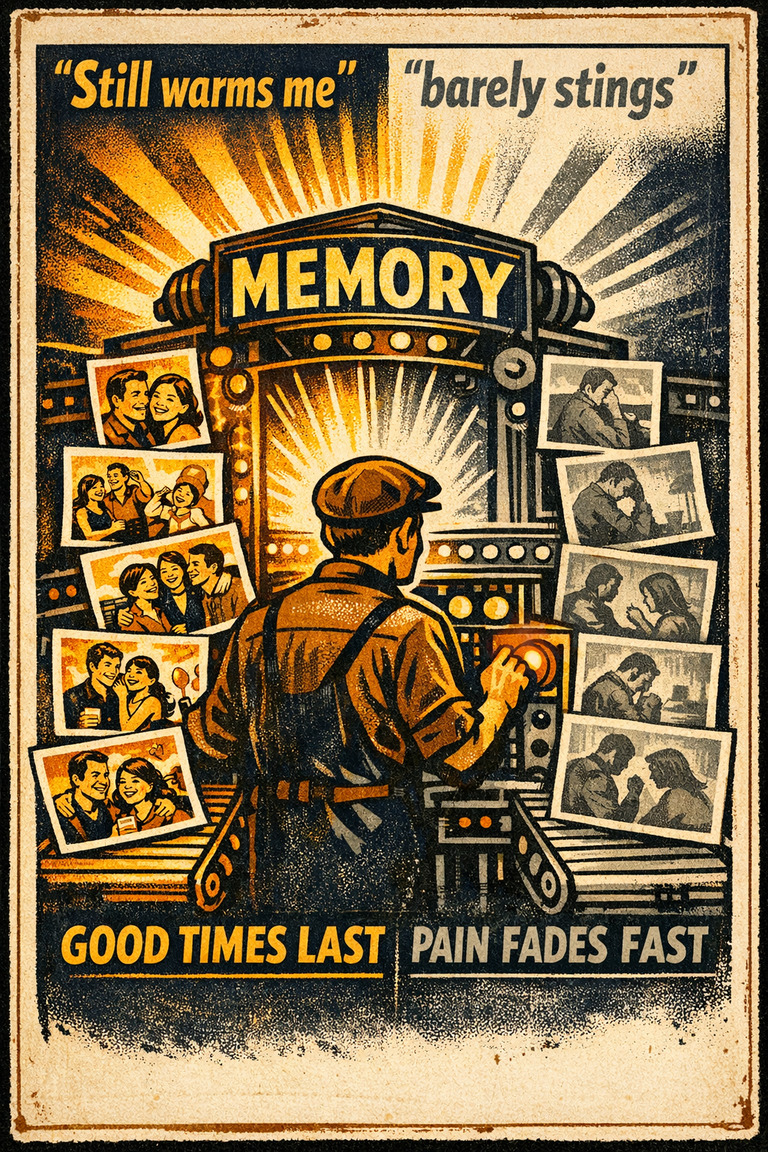
A bias in which the emotion associated with unpleasant memories fades more quickly than the emotion associated with pleasant ones.
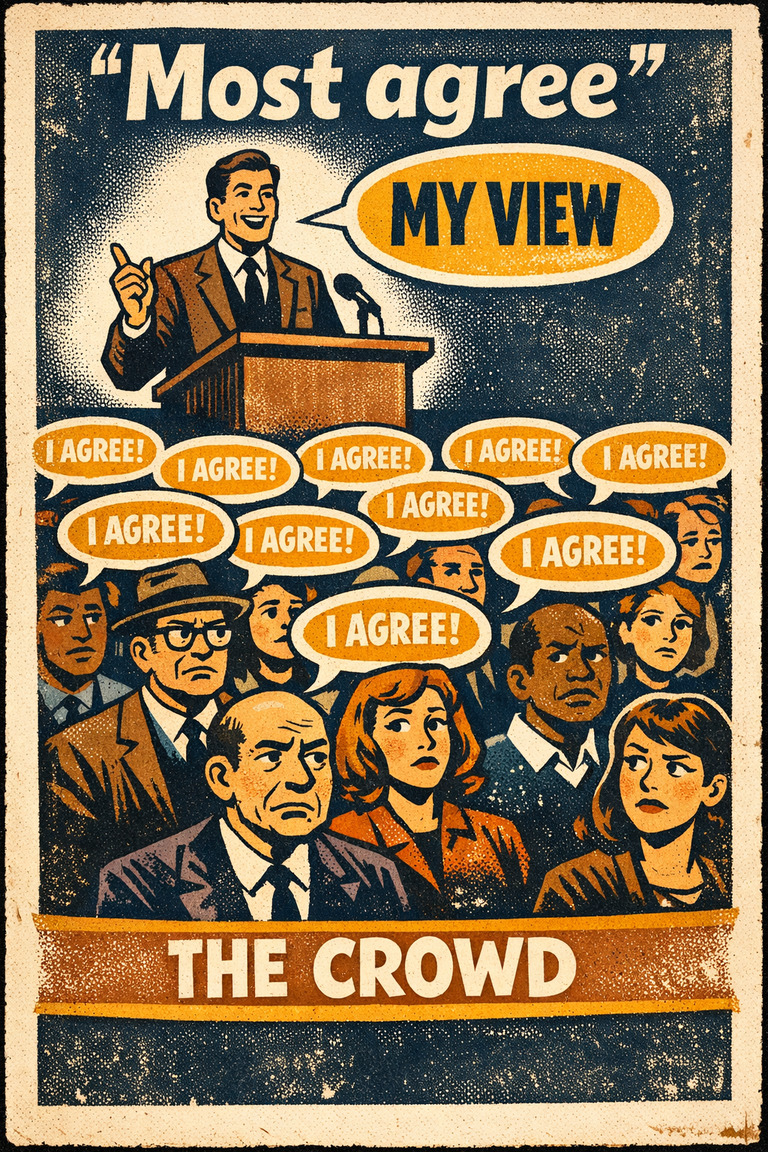
The tendency to overestimate how many other people share one's own beliefs, preferences, habits, or reactions.
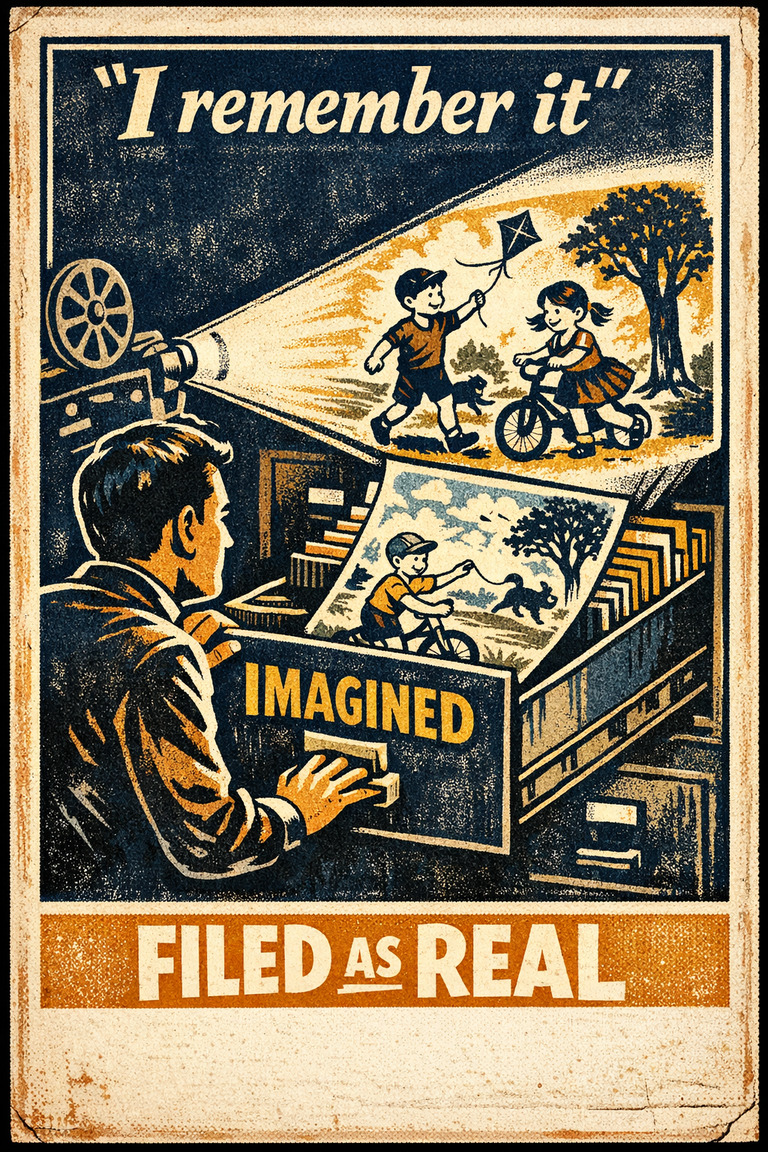
The tendency to mistake imagination, suggestion, or reconstruction for an actual memory.
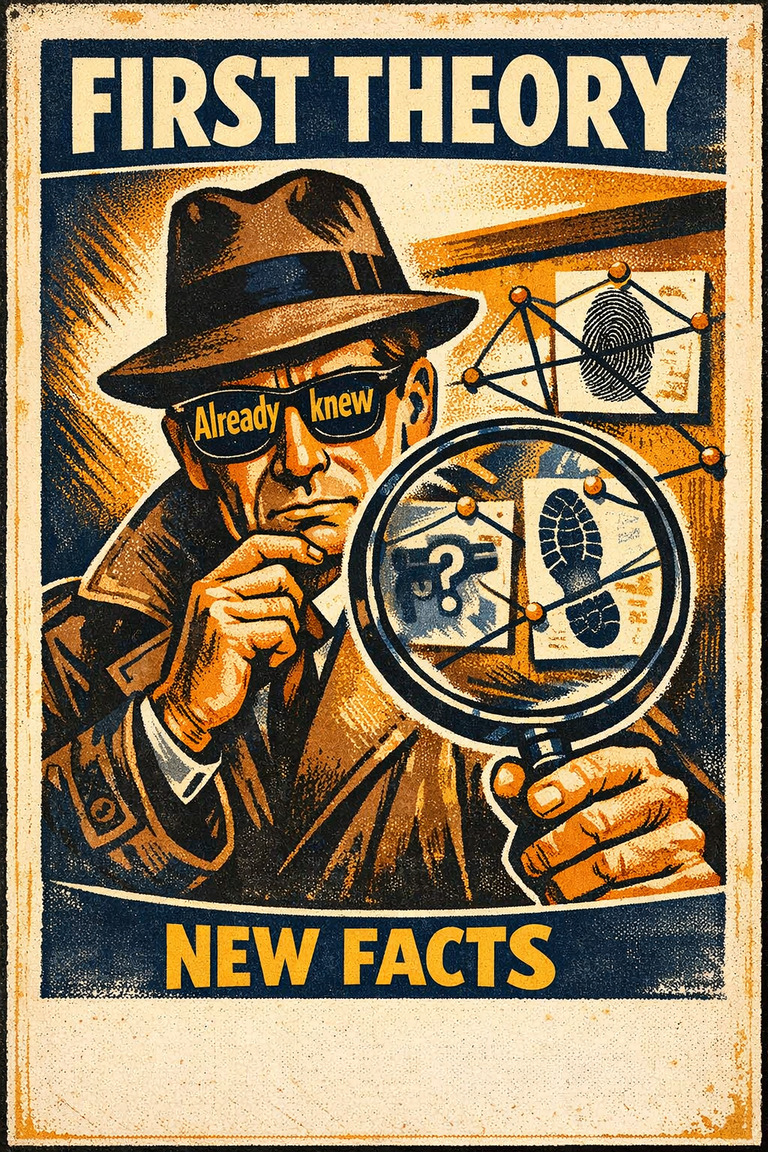
Initial beliefs and knowledge which interfere with the unbiased evaluation of factual evidence and lead to incorrect conclusions.
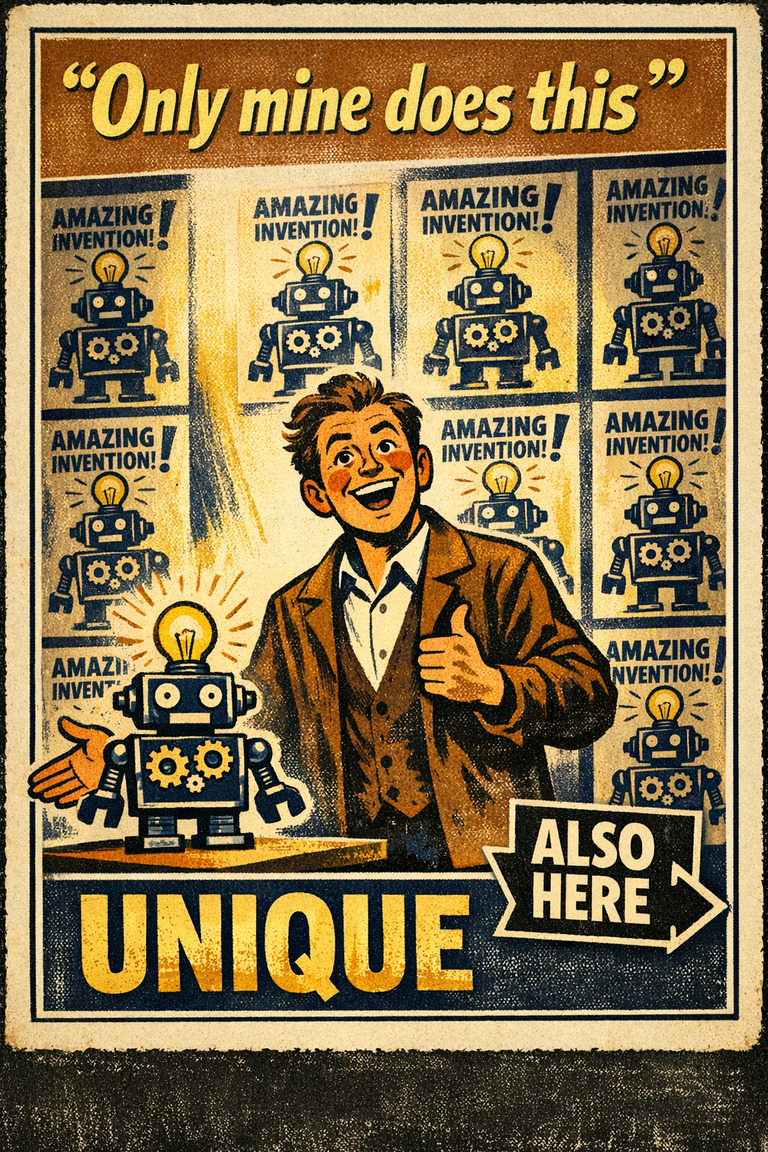
The tendency of people to see their projects and themselves as more singular than they actually are.
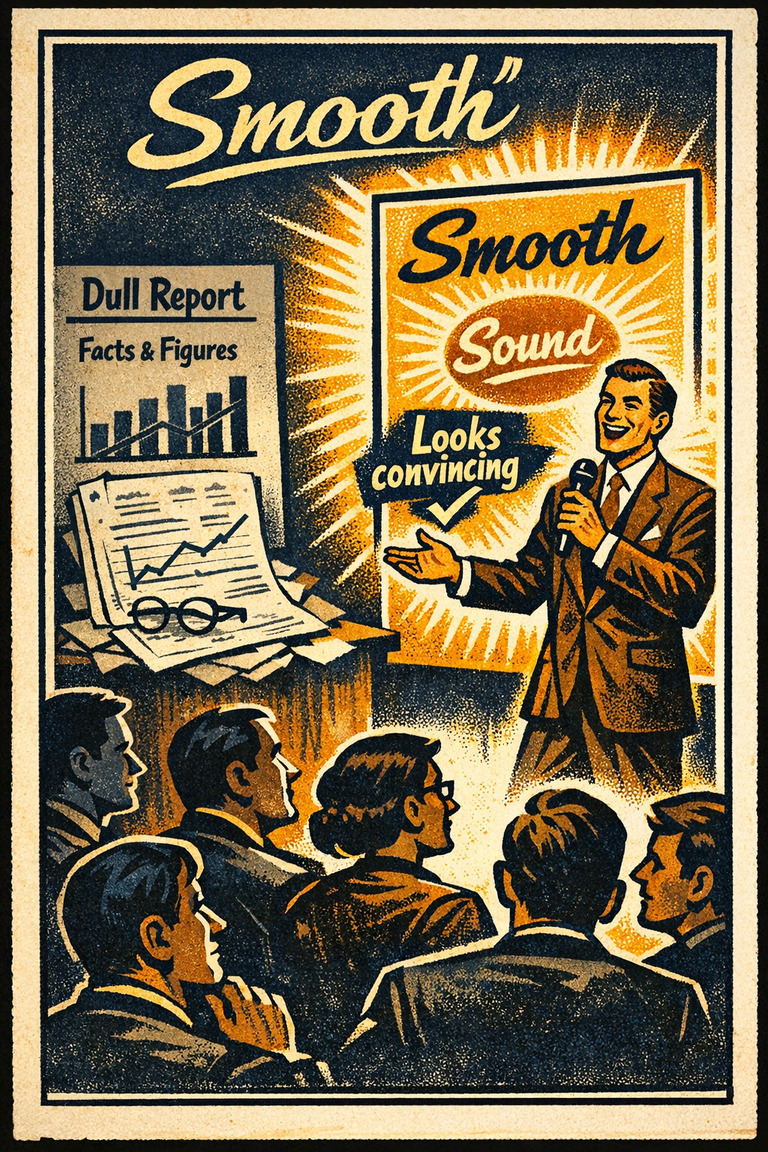
The tendency to treat ideas or options that feel easier to process as better or truer.
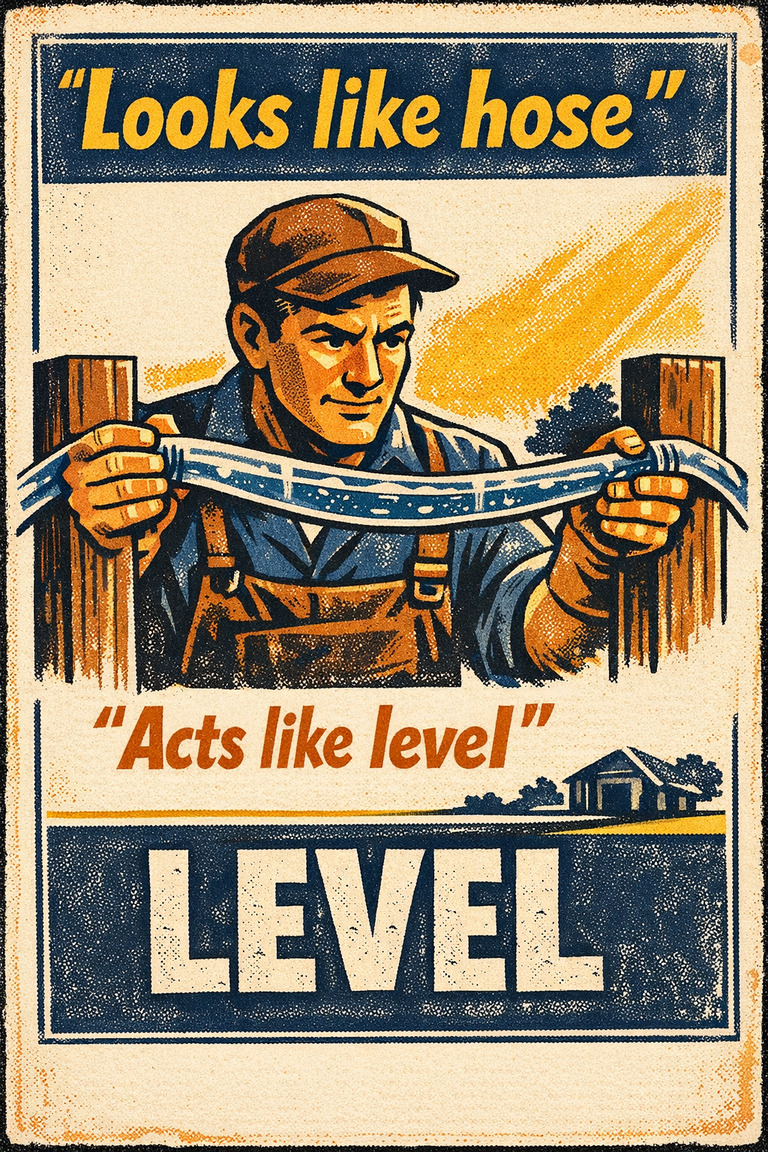
In human–robot interaction, the tendency of people to make systematic errors when interacting with a robot.
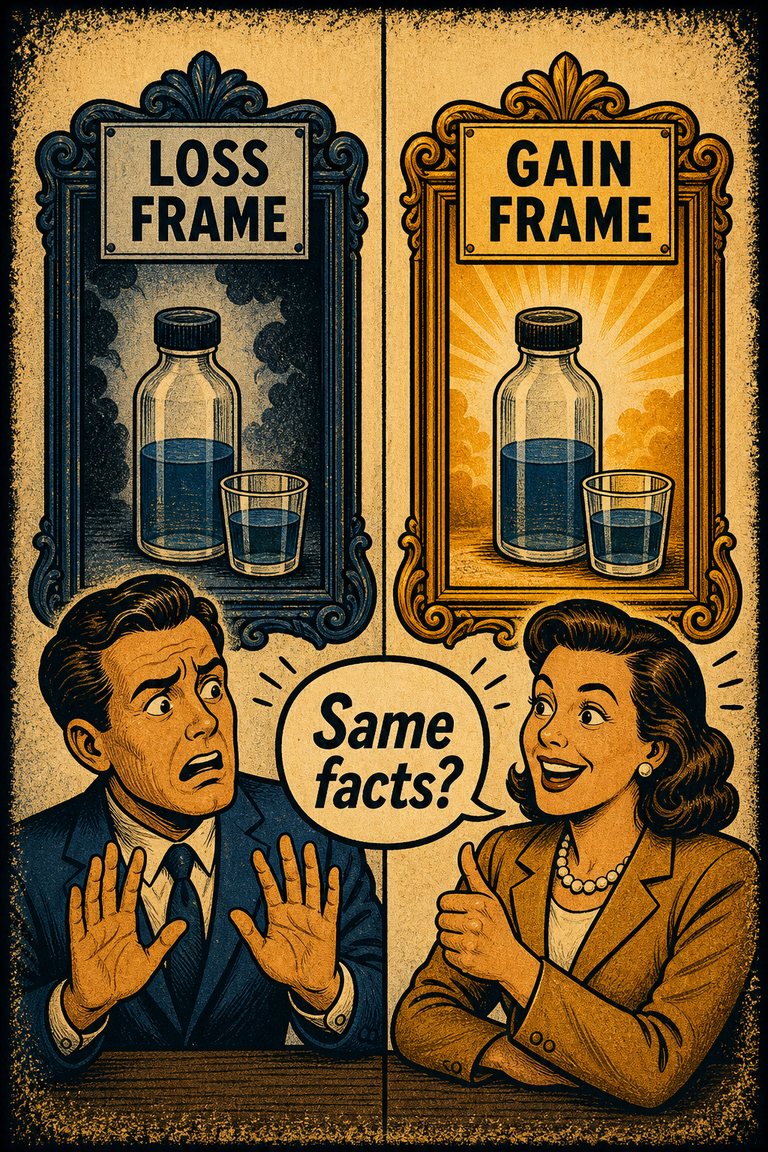
The tendency for the same underlying information to produce different judgments depending on how the options or outcomes are described.
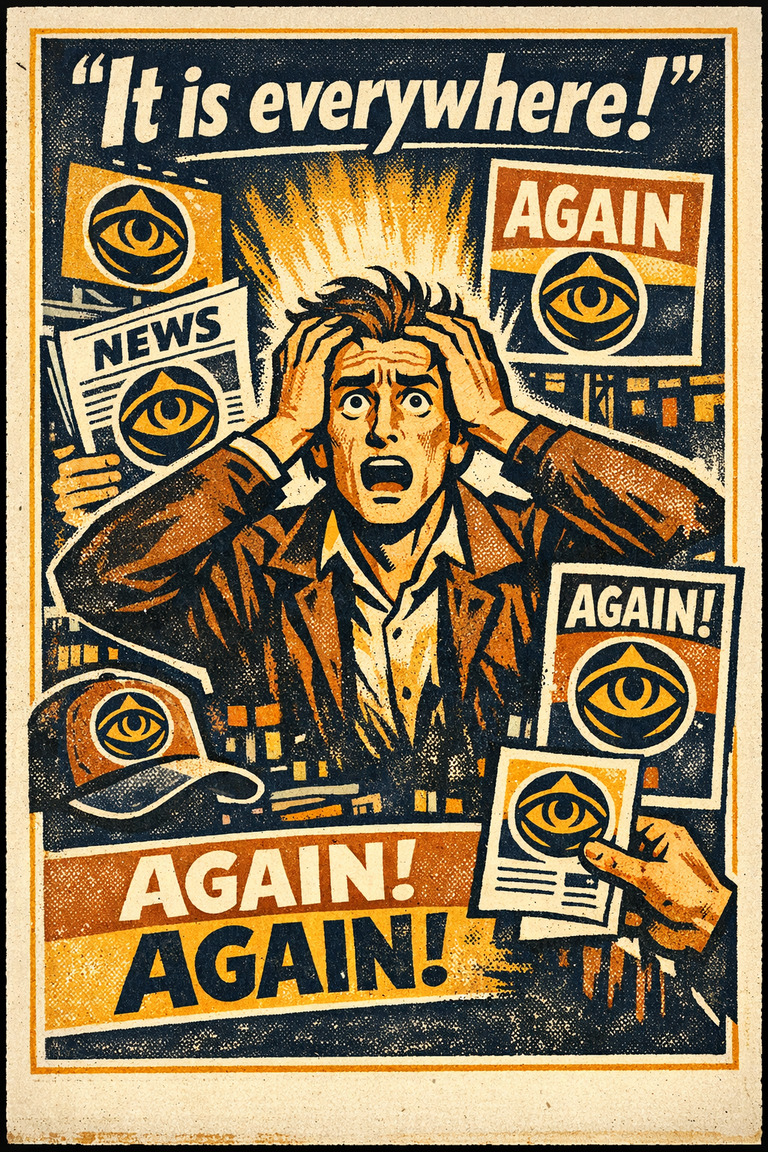
The tendency to notice something once and then feel as if it is suddenly everywhere.
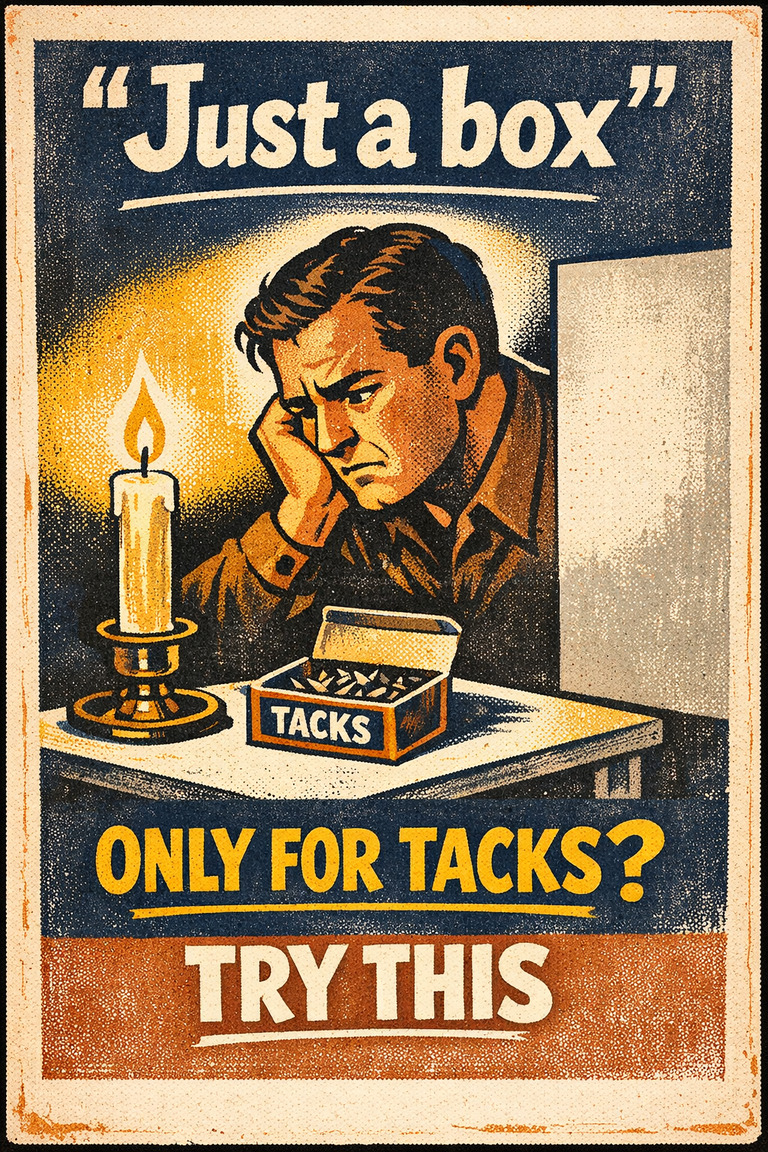
A tendency limiting a person to using an object only in the way it is traditionally used.
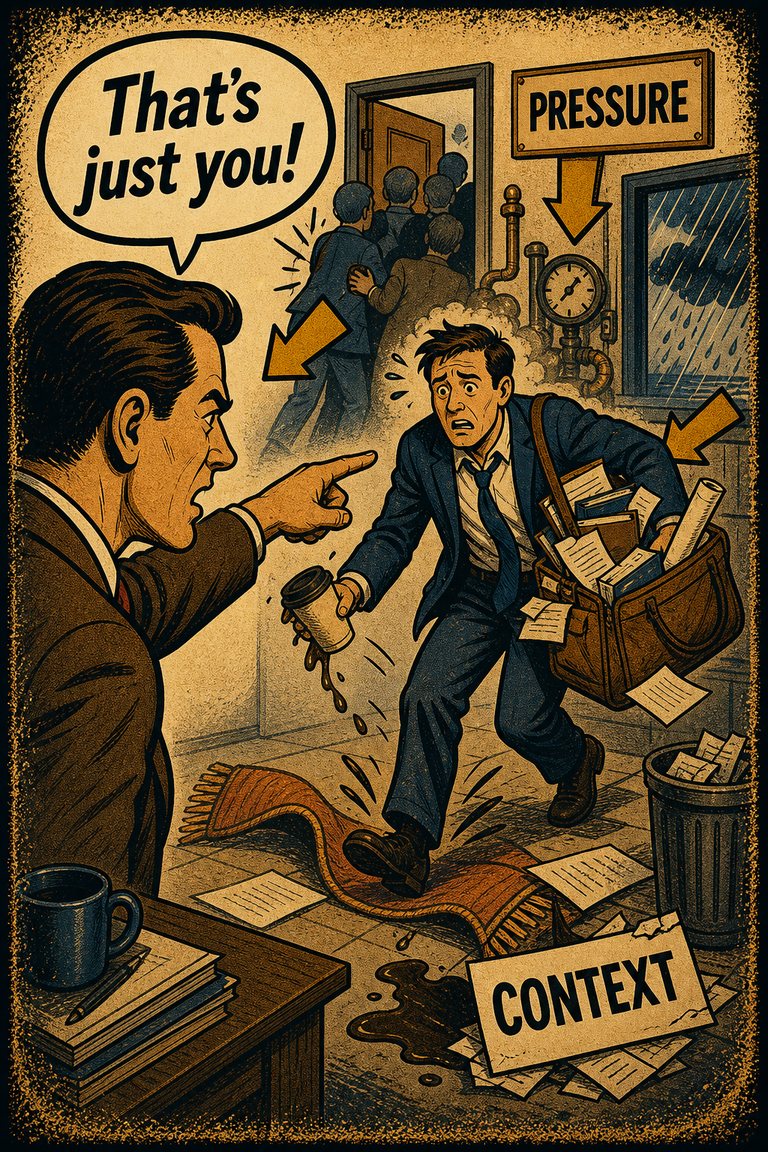
The tendency to explain other people's behavior too quickly in terms of character while underweighting situational pressures and constraints.
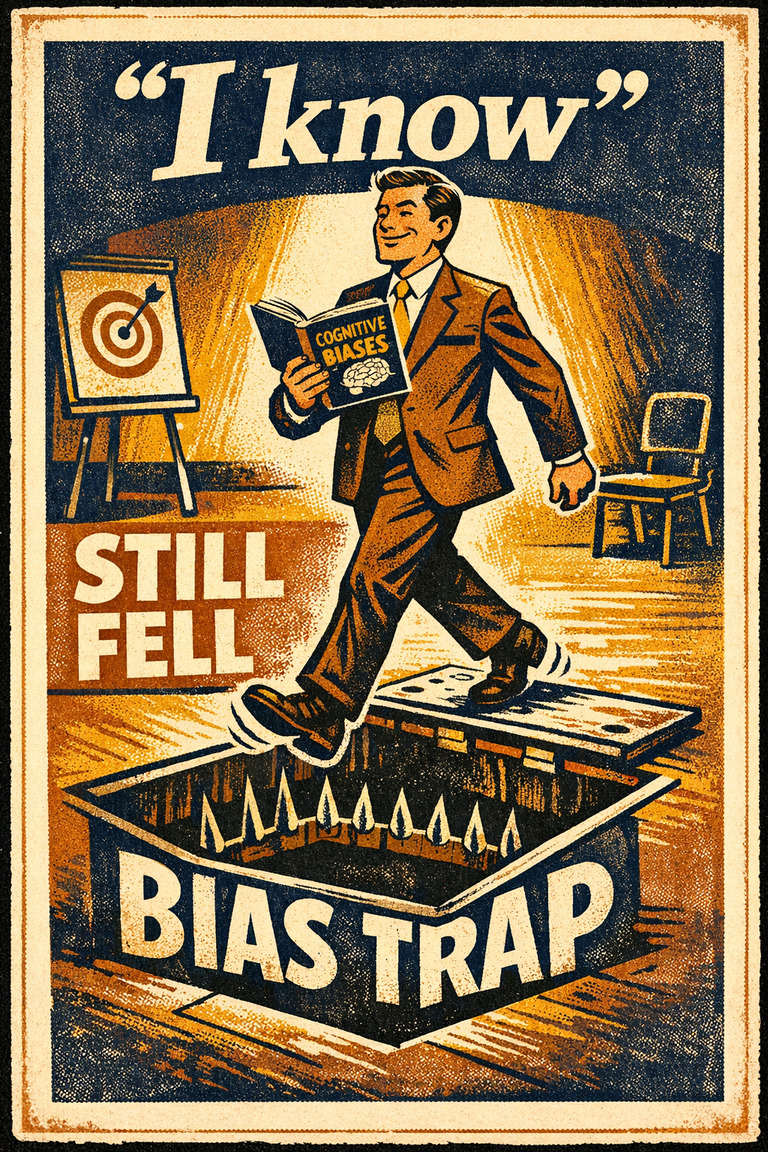
The tendency to think that knowing about cognitive bias is enough to overcome it.

The tendency to think that future probabilities are altered by past events, when in reality they are unchanged.
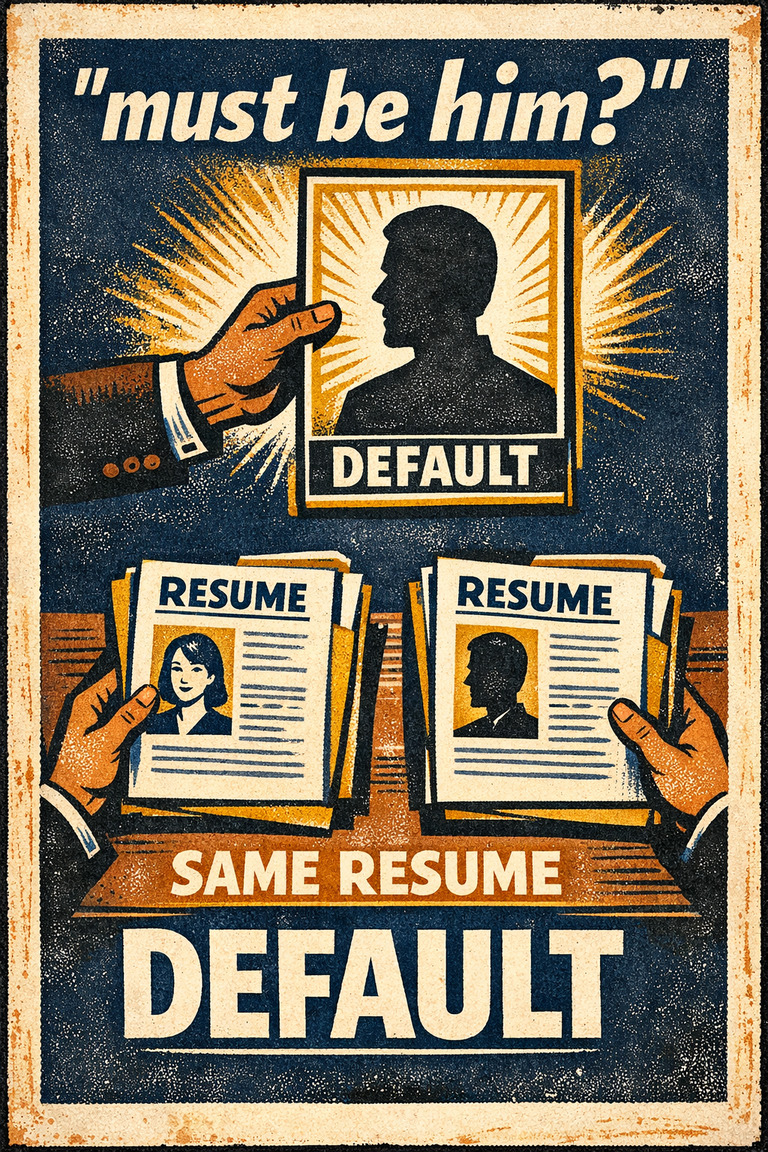
A widespread set of implicit biases that discriminate against a gender.
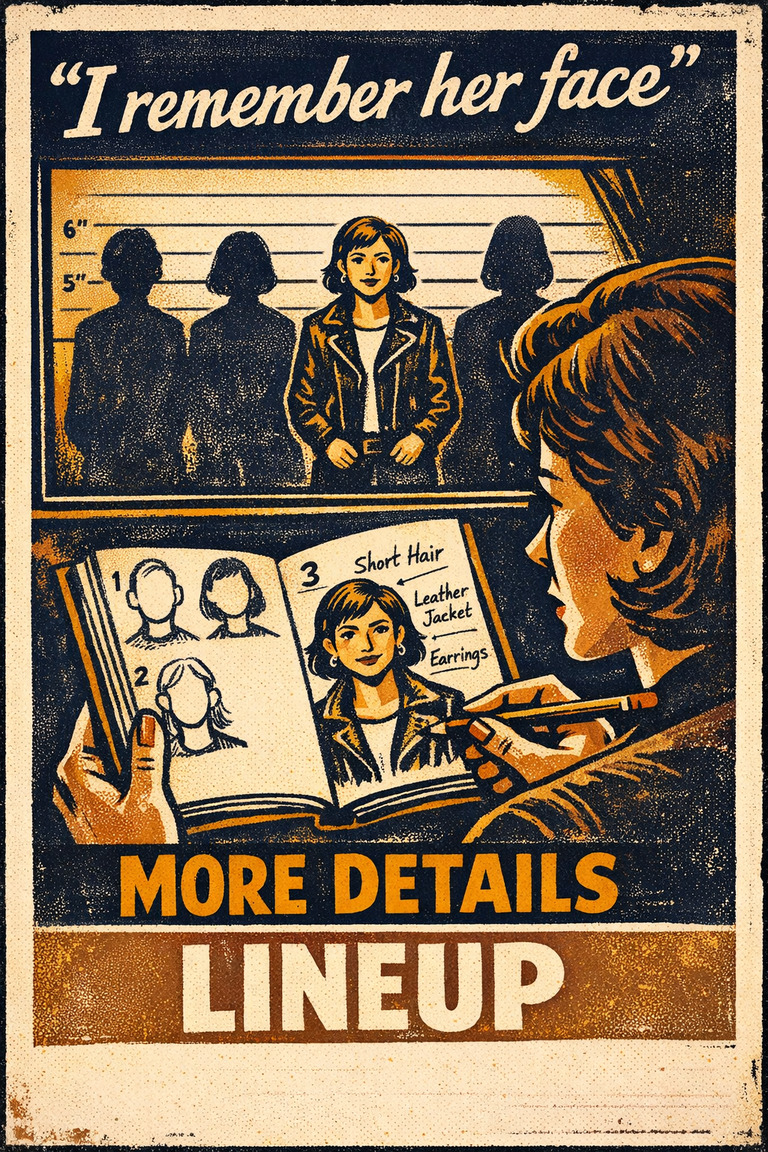
The tendency for witnesses to remember more detail about someone of the same gender under some conditions.

The tendency to remember self-generated information better than information supplied by others.
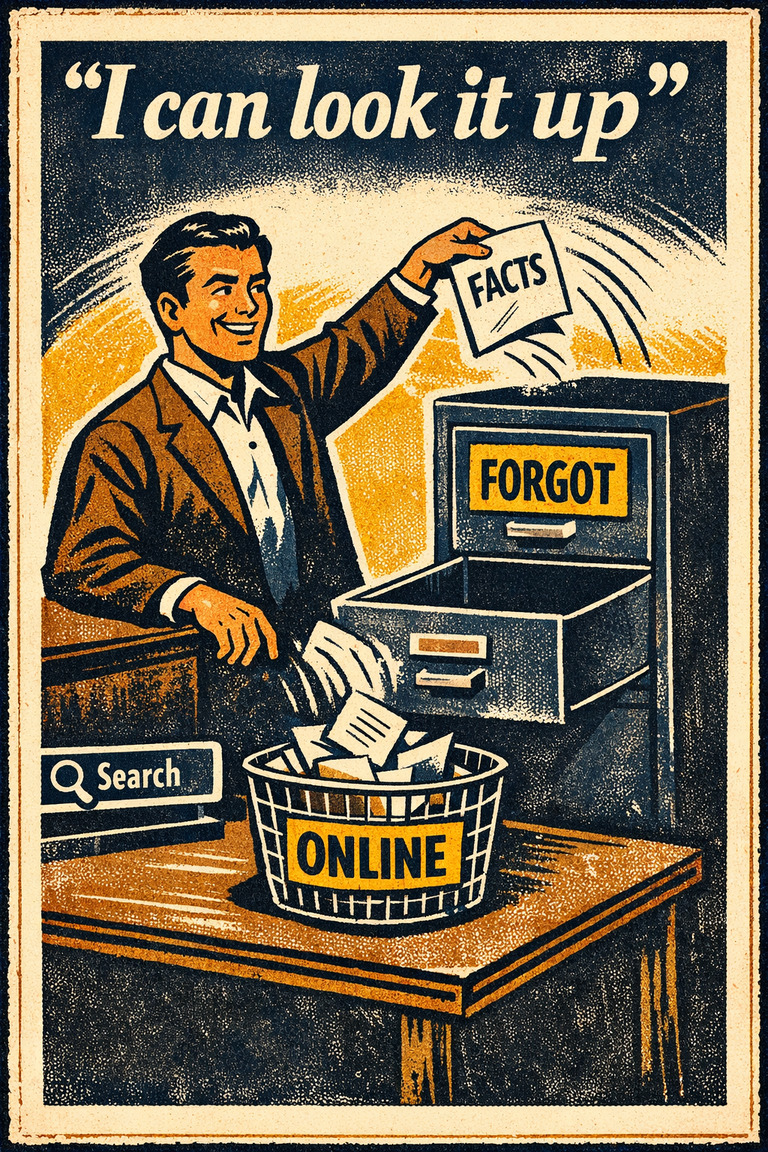
The tendency to forget information that can be found readily online by using Internet search engines.

The tendency to project one member's traits or a group decision onto the whole group.
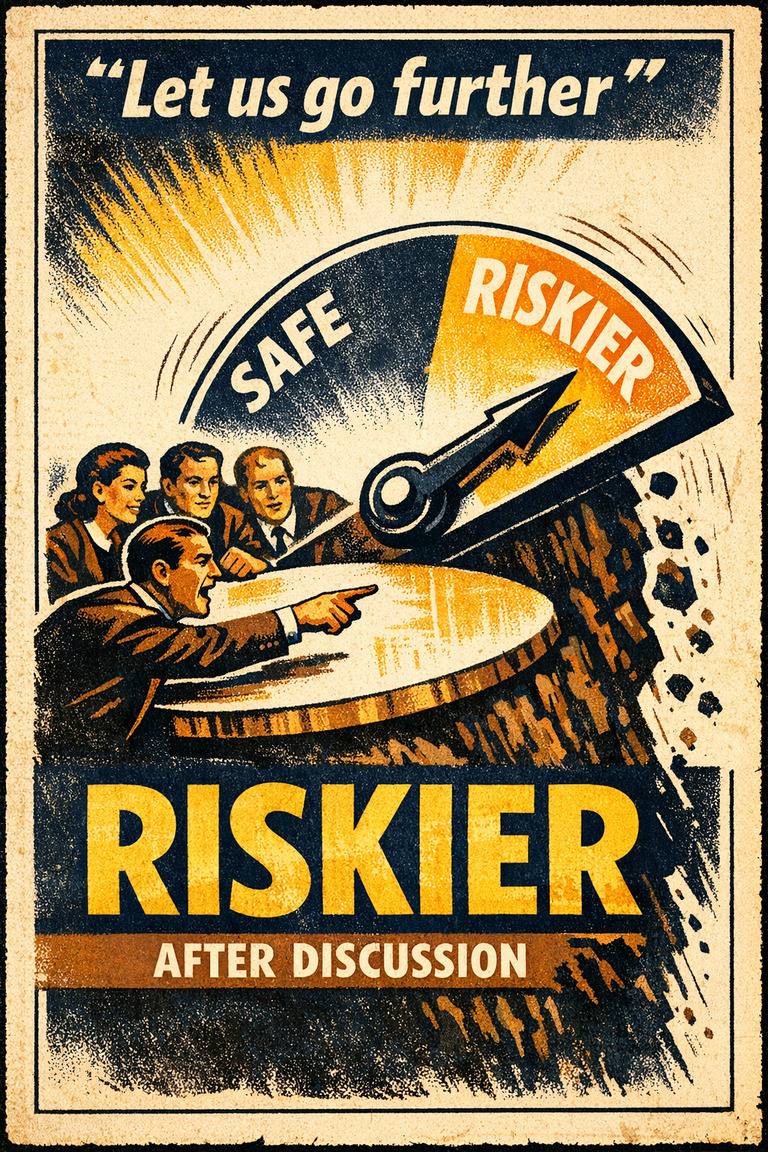
The tendency for decisions to be more risk-seeking or risk-averse than the group as a whole, if the group is already biased in that direction.
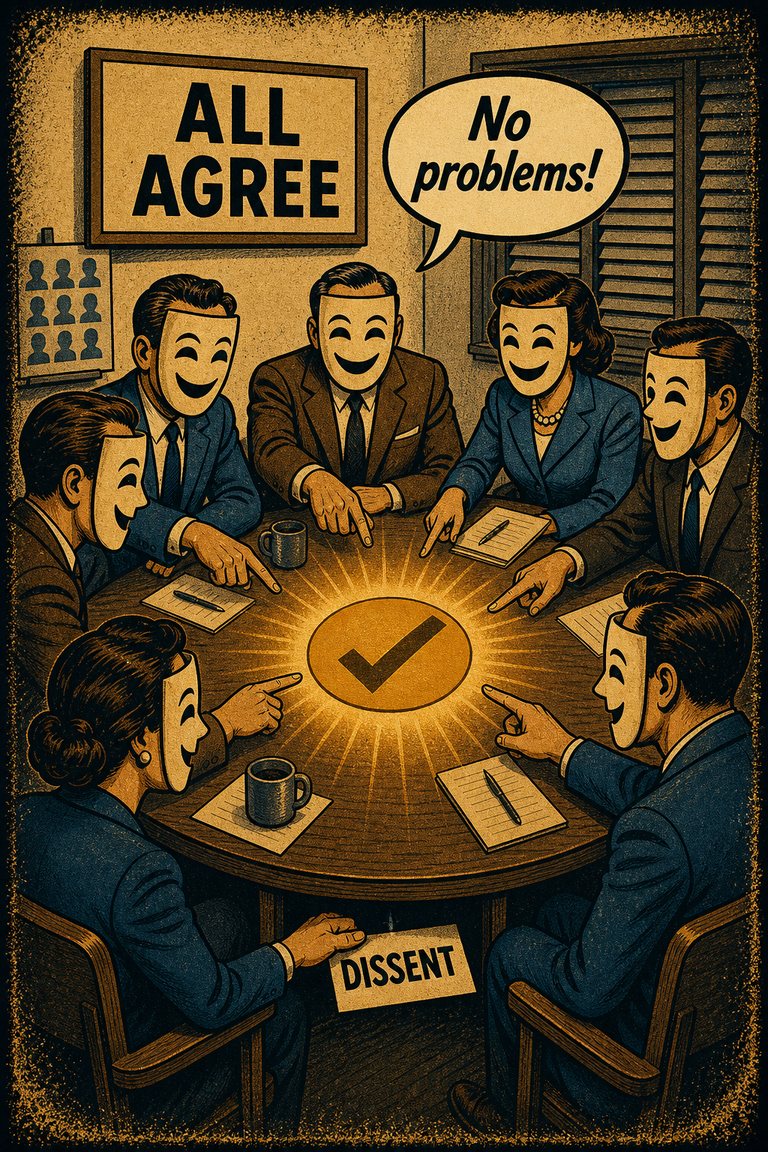
The tendency for groups to protect harmony or momentum at the cost of critical evaluation and dissent.

The tendency for one salient positive or negative impression to spill over into unrelated judgments about a person, product, or institution.
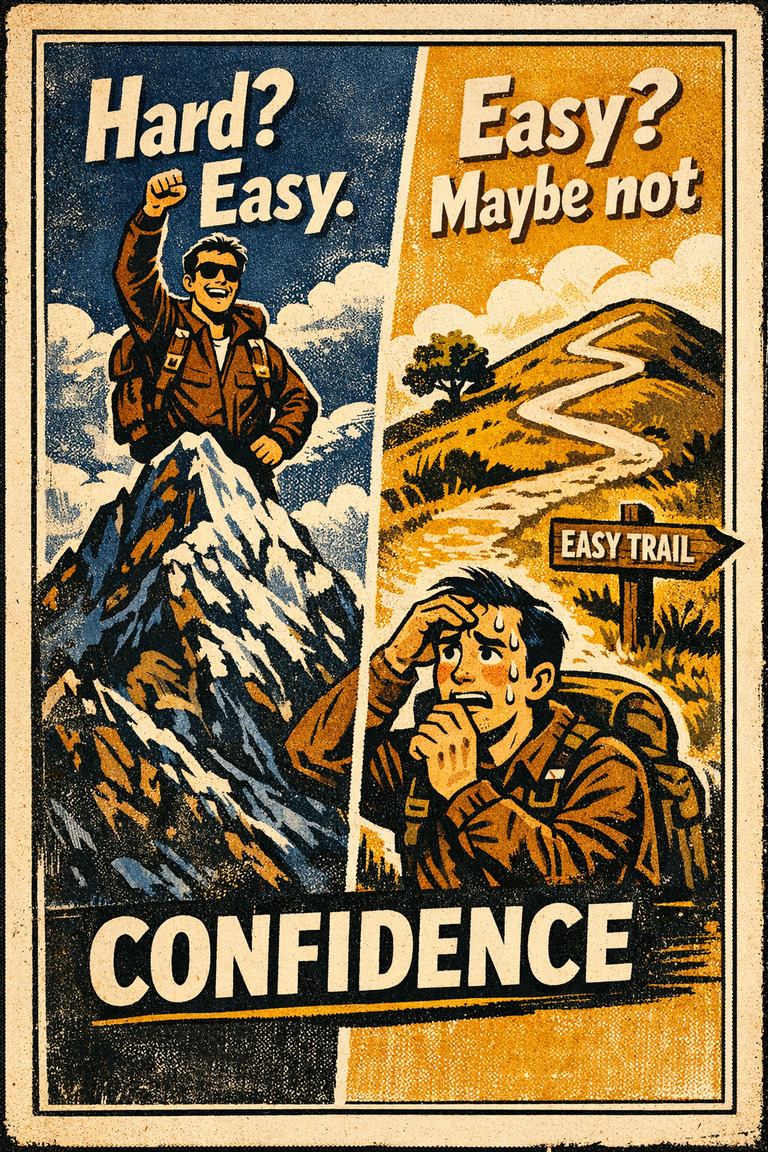
The tendency to overestimate one's ability to accomplish hard tasks, and underestimate one's ability to accomplish easy tasks.

The tendency for current satisfaction to distort how positively or negatively past experience is remembered.
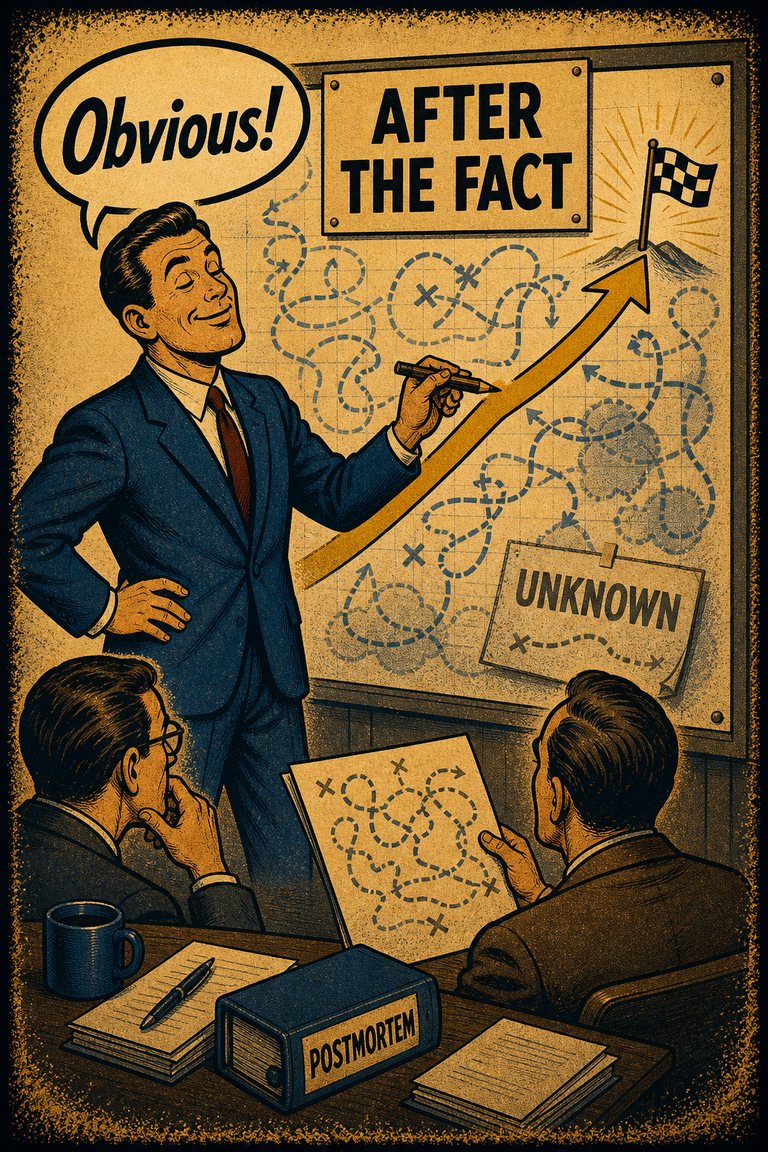
The tendency after an outcome is known, to see it as having been more obvious or predictable than it actually was beforehand.
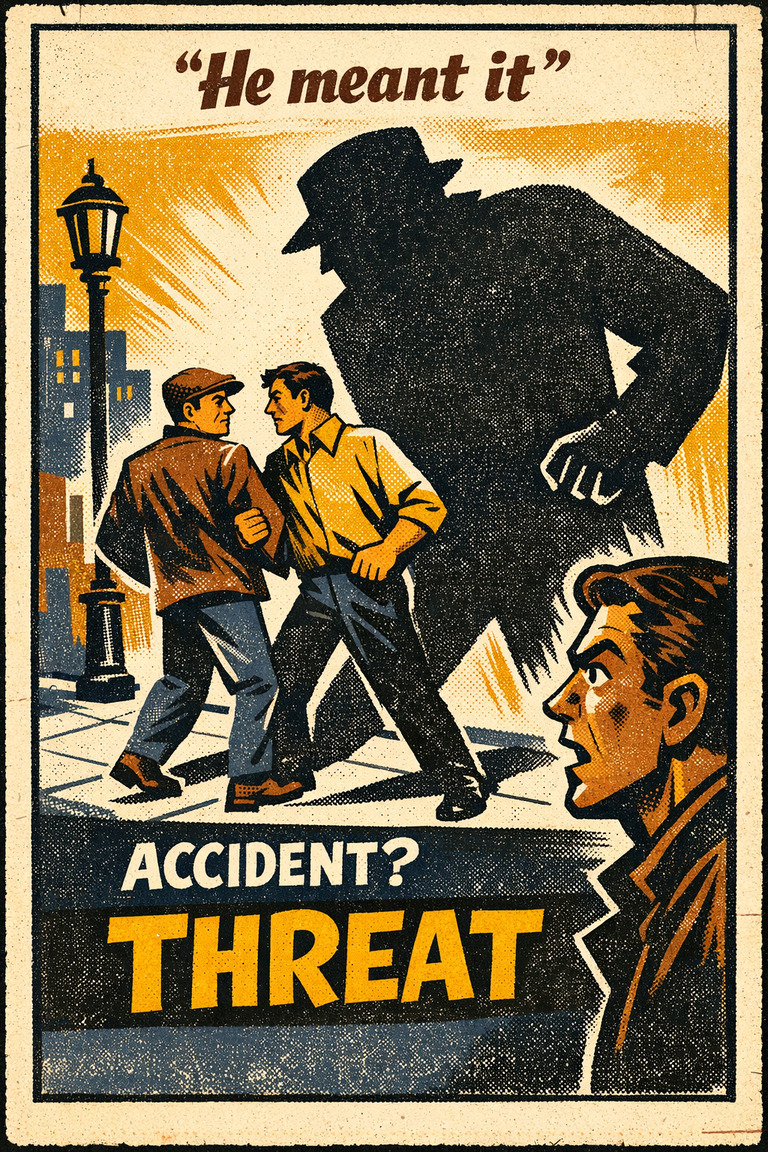
The tendency to read ambiguous behavior as hostile, threatening, or intentionally disrespectful even when the evidence is underdetermined.
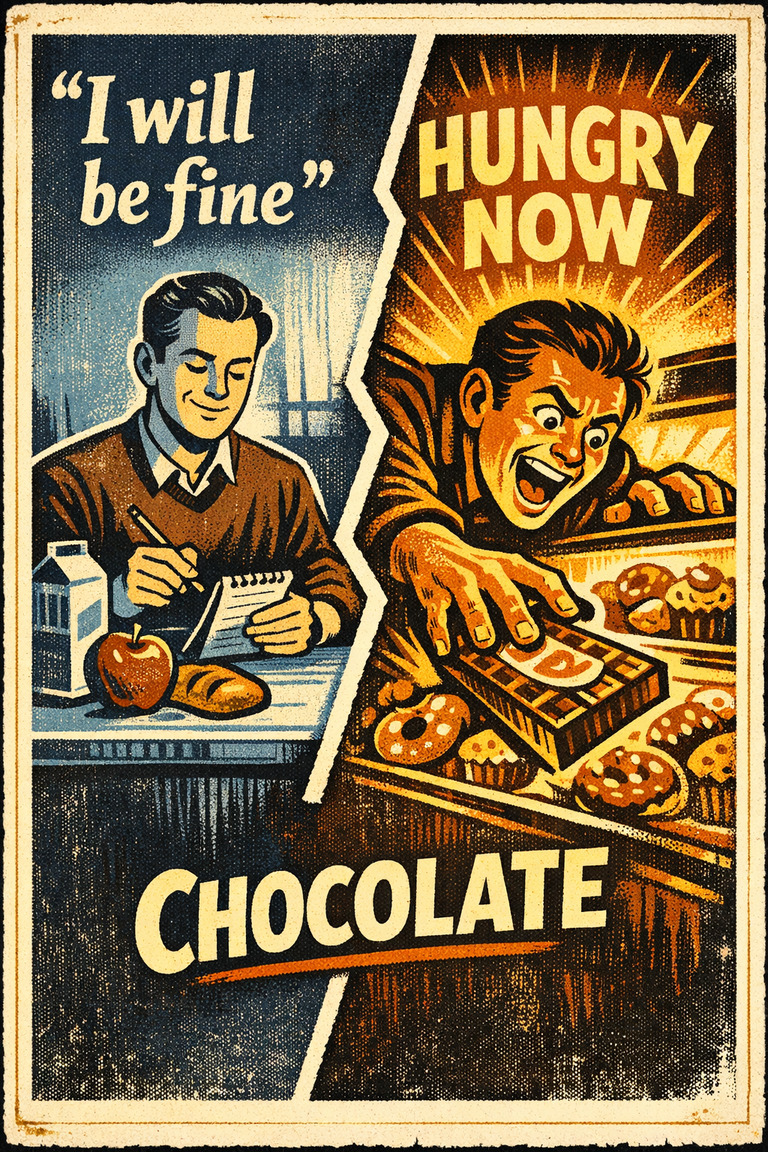
The tendency to underestimate the influence of visceral drives on one's attitudes, preferences, and behaviors.
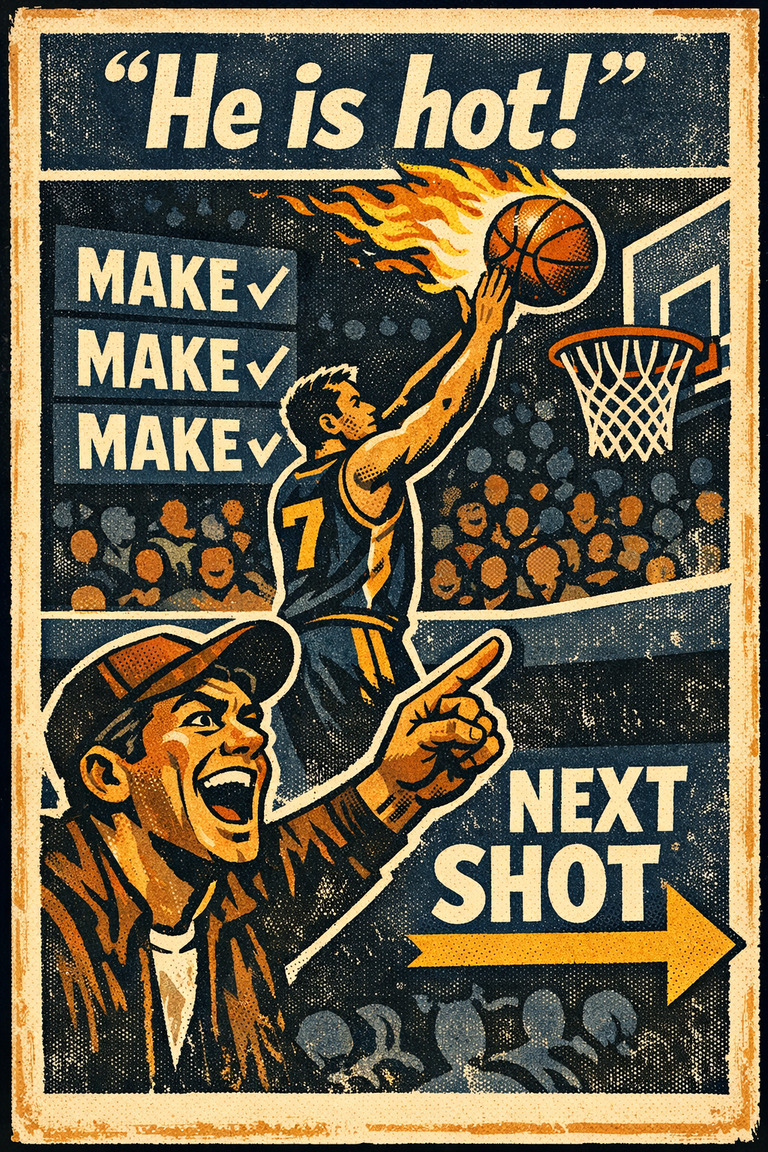
The belief that a person who has experienced success with a random event has a greater chance of further success in additional attempts.
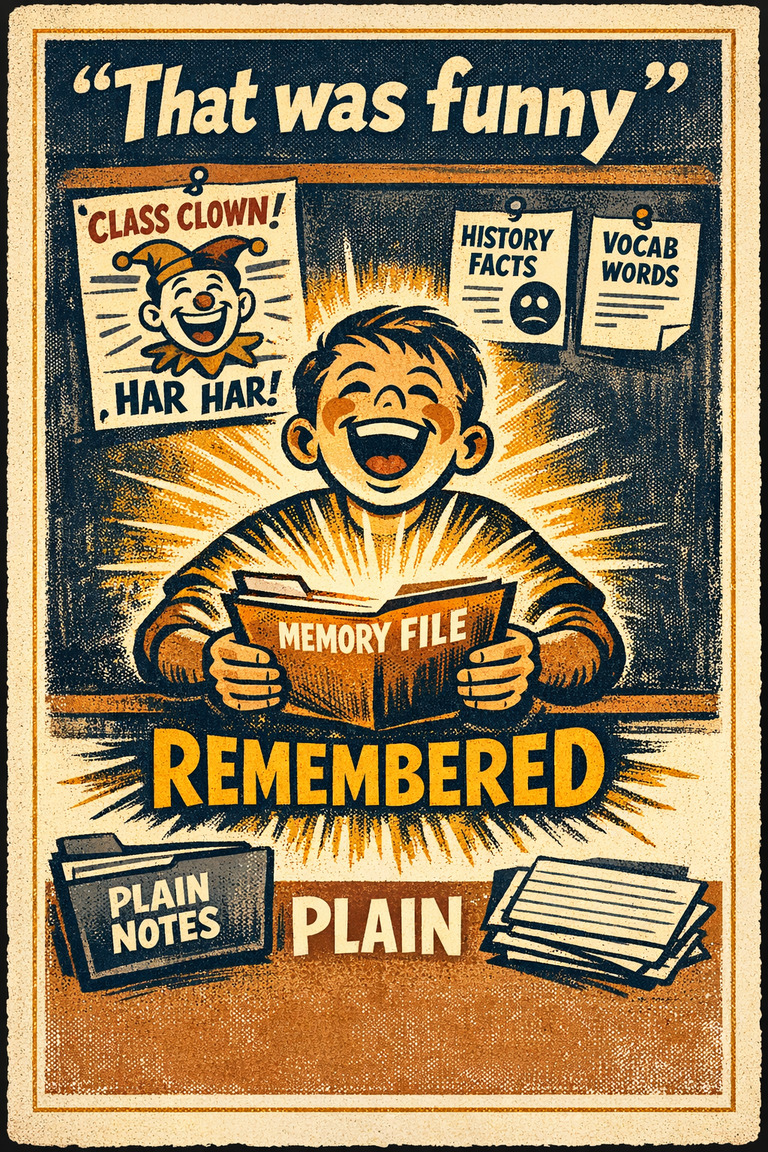
The tendency to remember humorous material more easily than comparable non-humorous material.

The tendency to prefer smaller immediate rewards over larger later ones, even against one's longer-term interests.
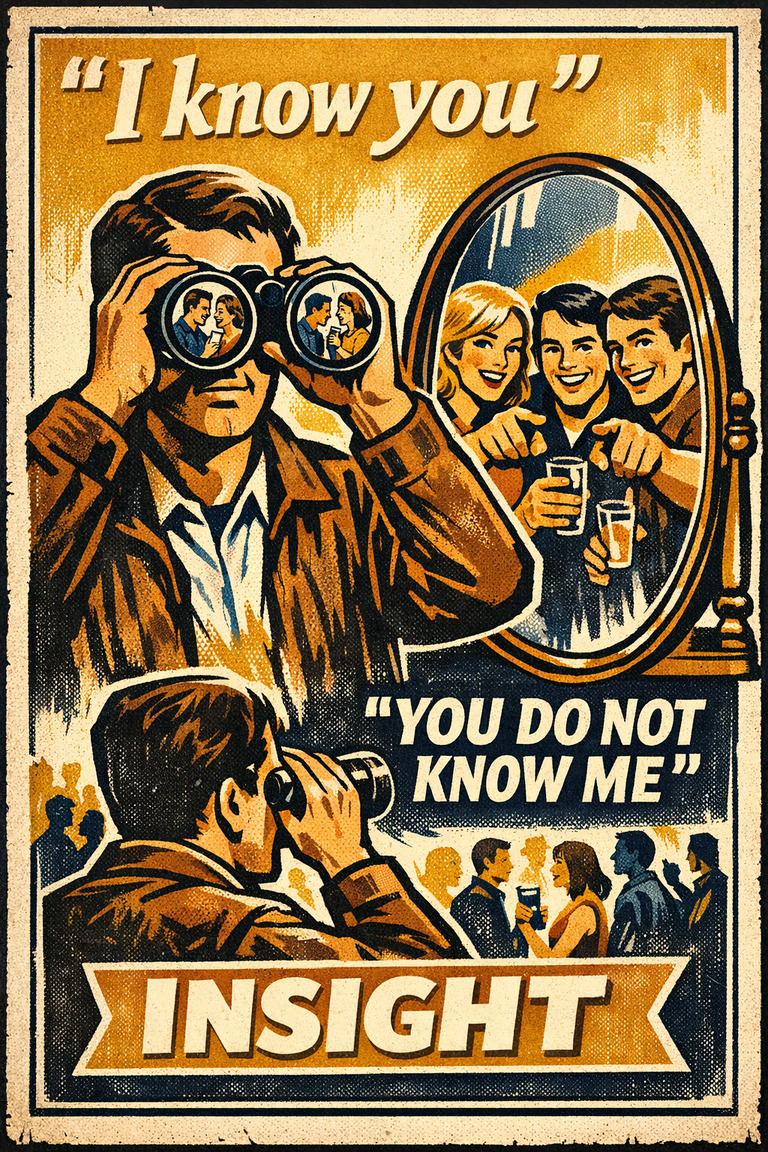
The tendency to think one understands others better than they understand oneself.
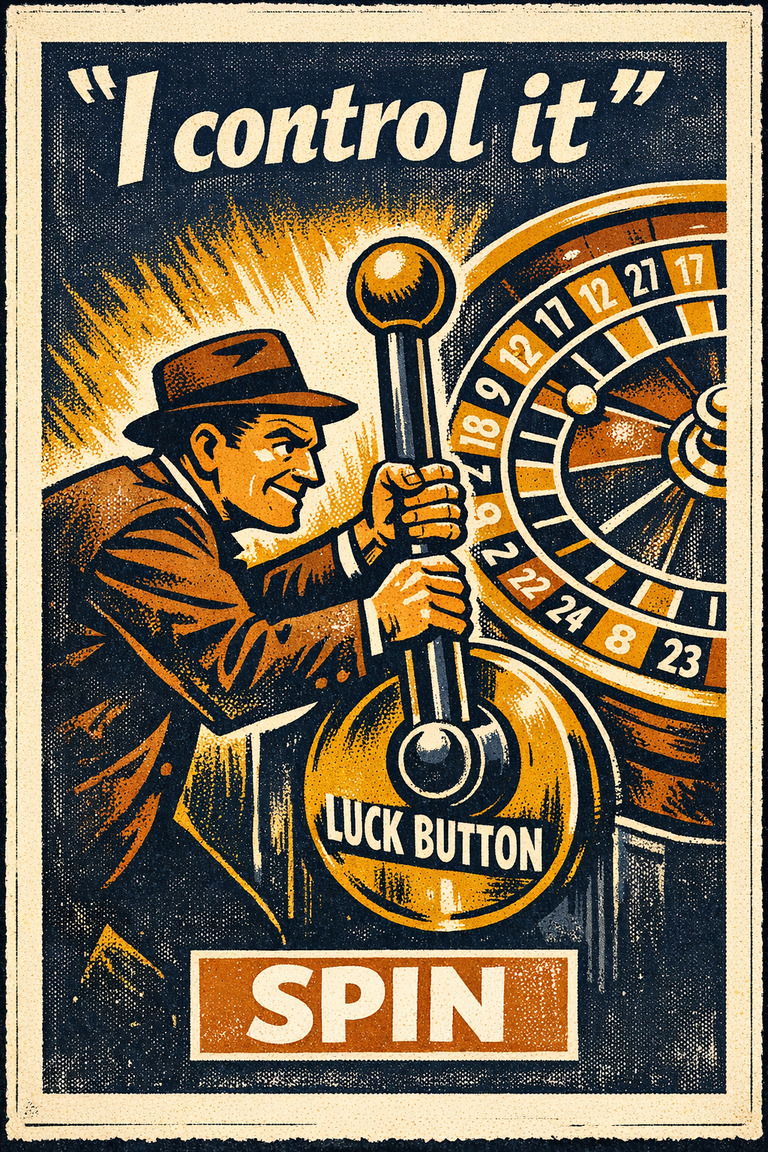
The tendency to overestimate one's degree of influence over other external events.
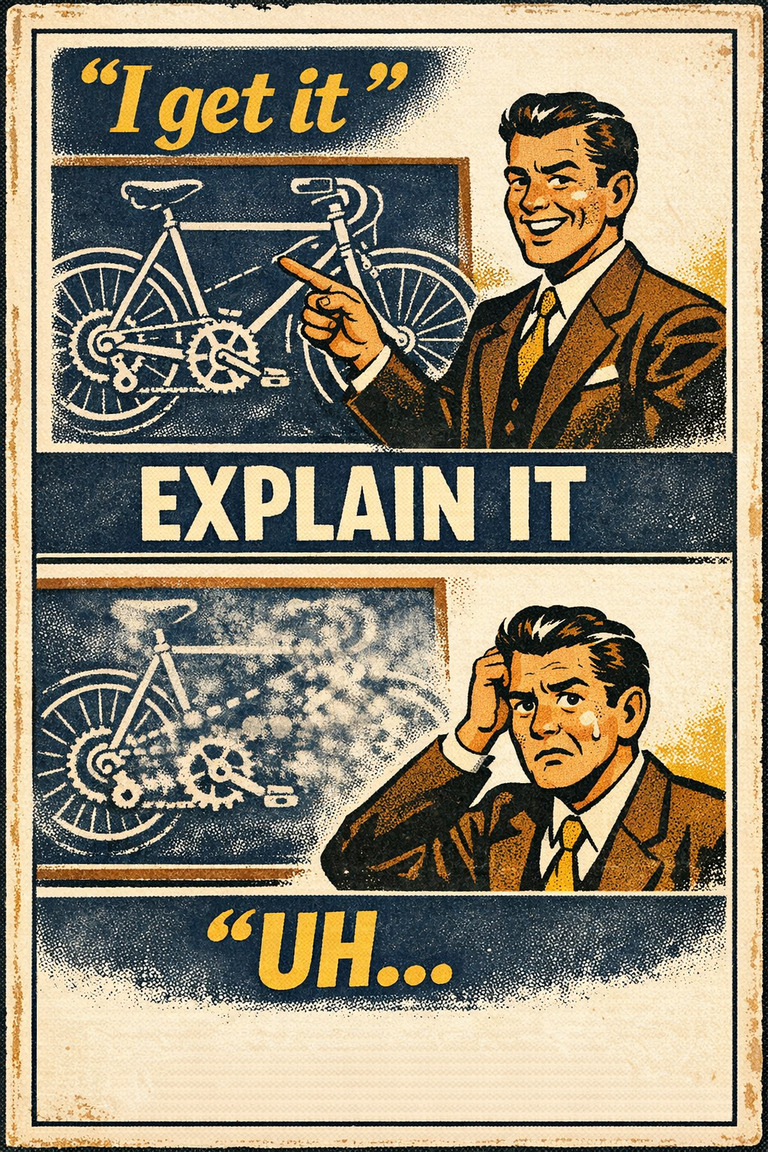
The tendency to believe you understand how something works more deeply than you actually do, especially until you are forced to explain the mechanism step by step.
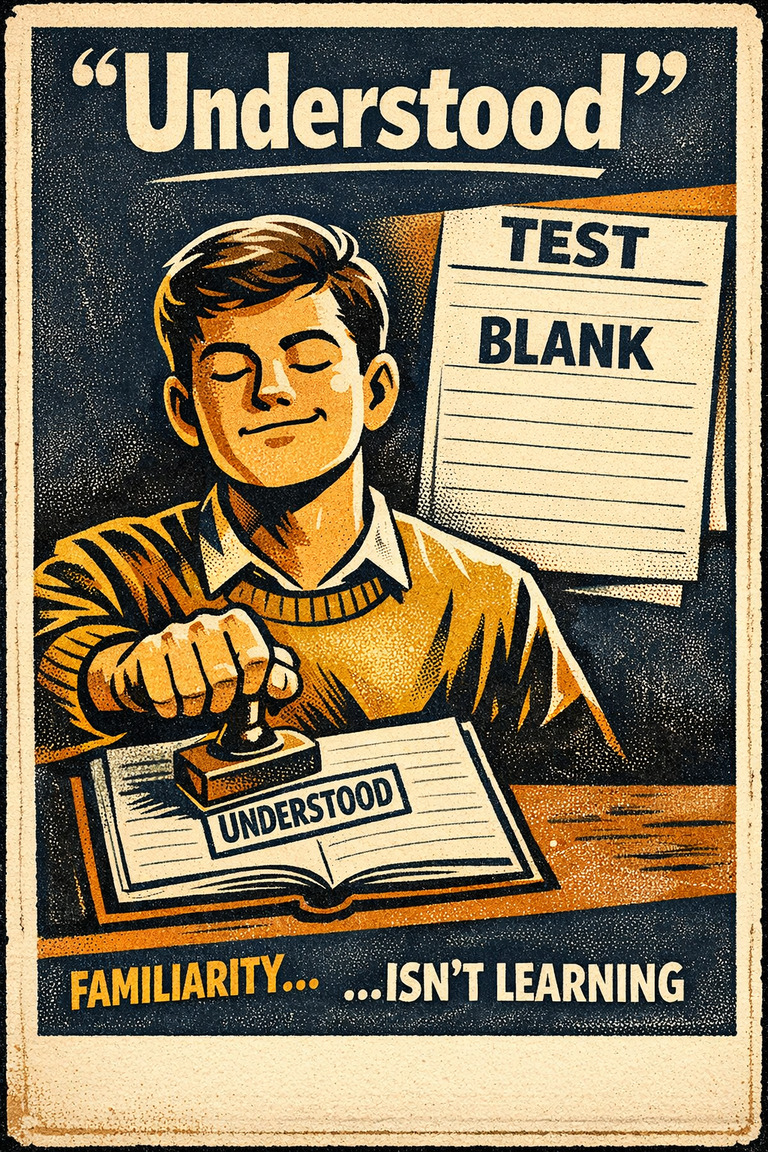
A false belief that if you understand something you learned and acquired a knowledge about it.
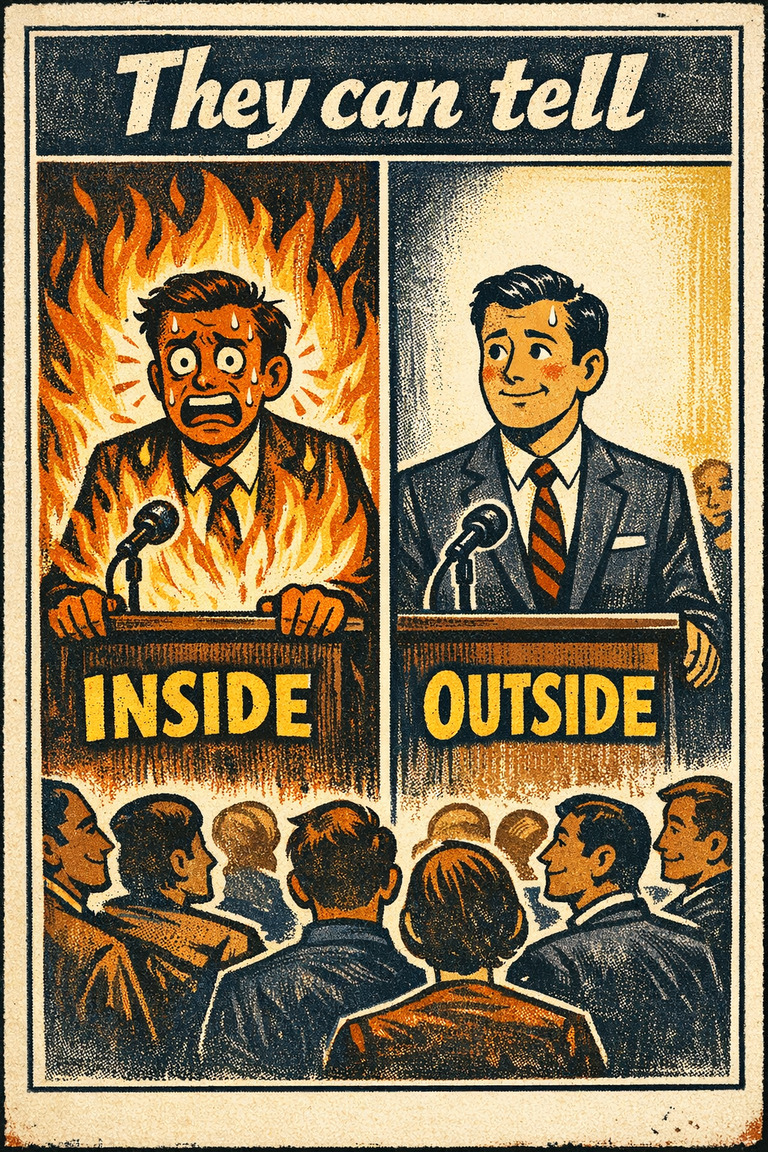
The tendency to overestimate how visible one's thoughts, feelings, or intentions are to others.
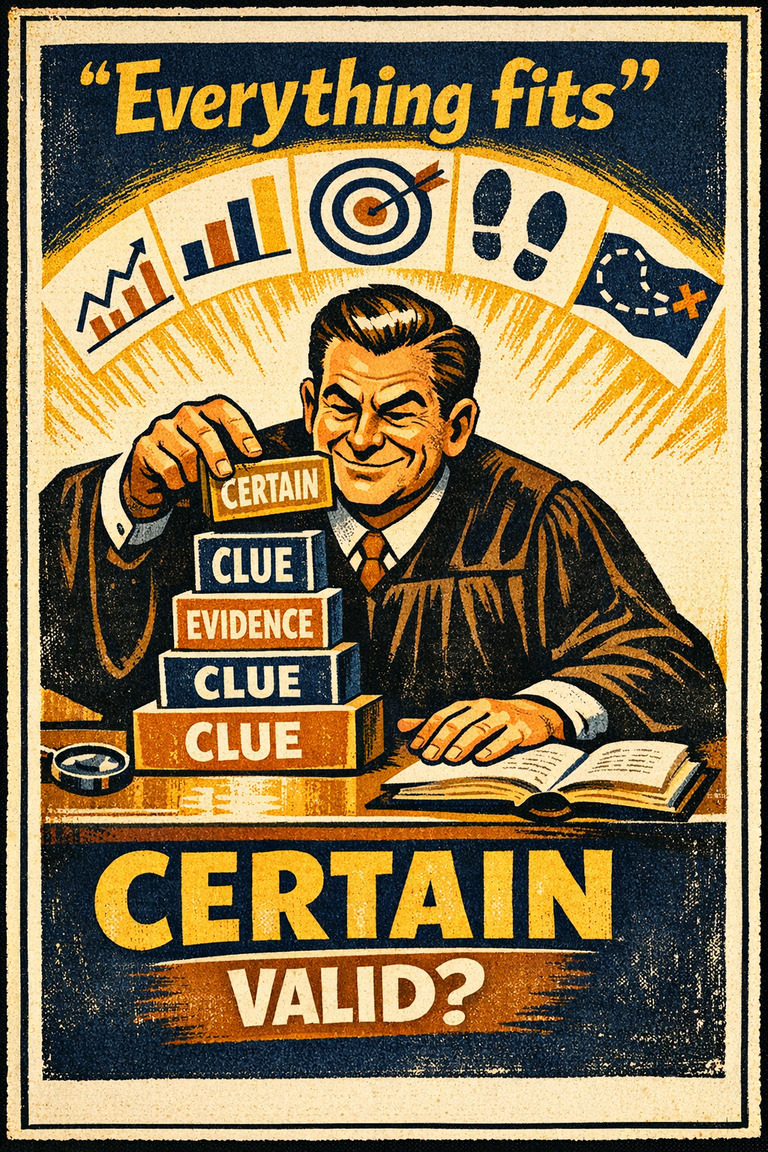
The tendency to overestimate the accuracy of one's judgments, especially when available information is consistent or inter-correlated.
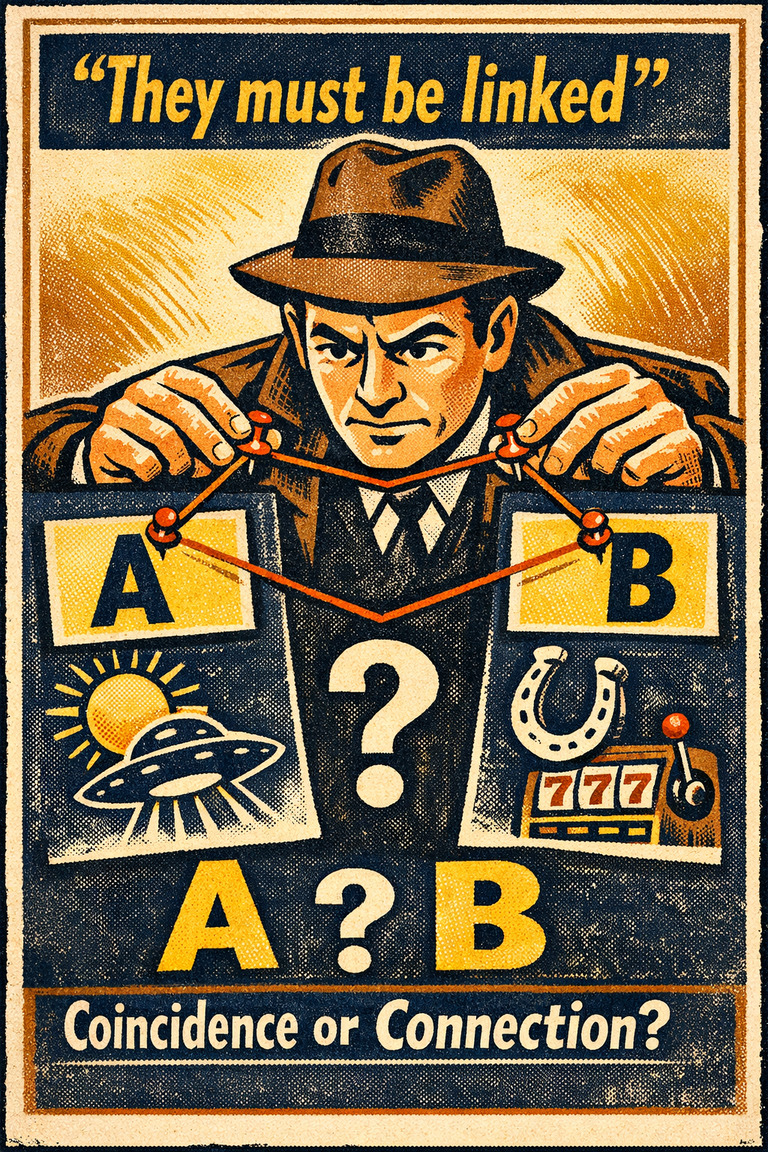
Inaccurately seeing a relationship between two events related by coincidence.
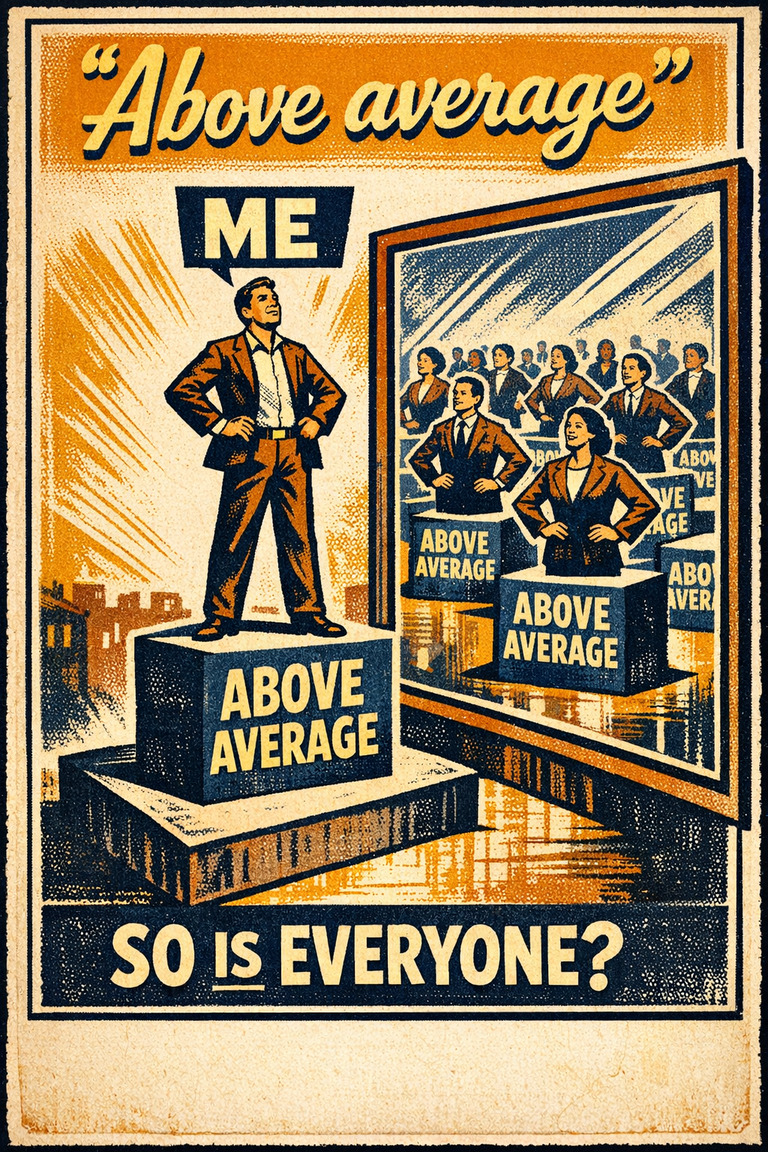
The tendency to overestimate one's desirable qualities, and underestimate undesirable qualities, relative to other people.

The tendency to believe that a statement is true if it is easier to process, or if it has been stated multiple times, regardless of its actual veracity.
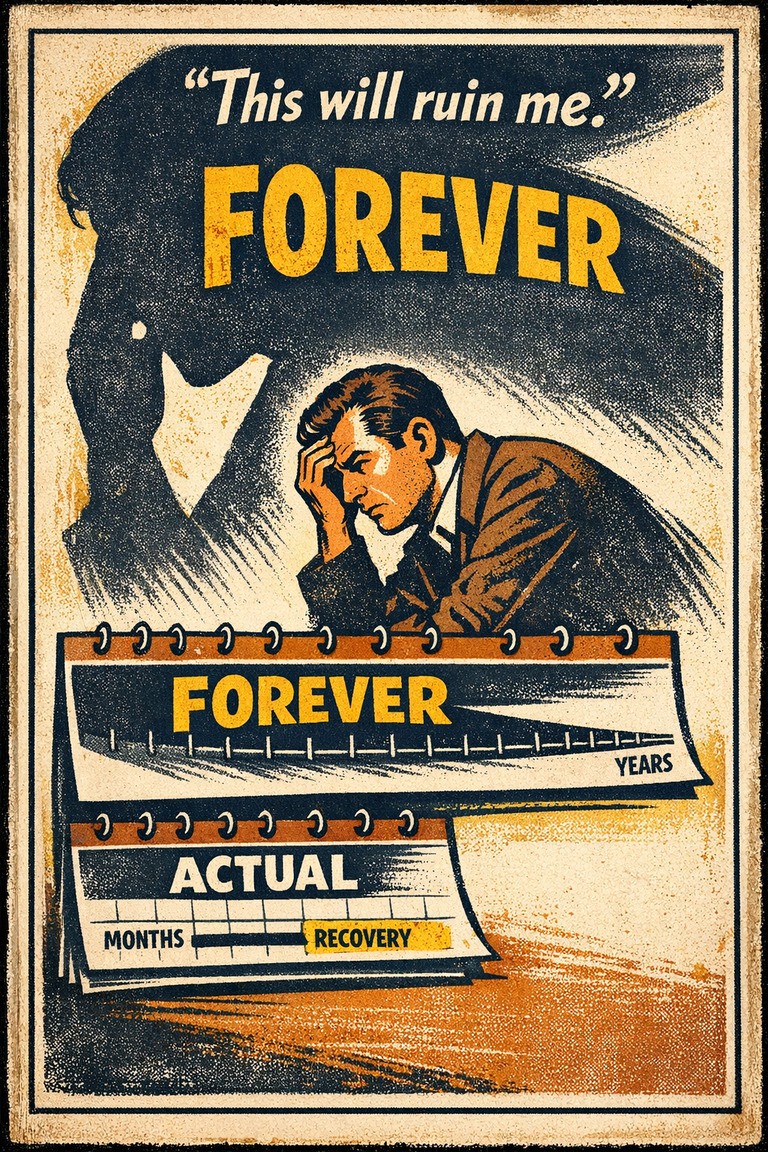
The tendency to overestimate the length or the intensity of the impact of future feeling states.
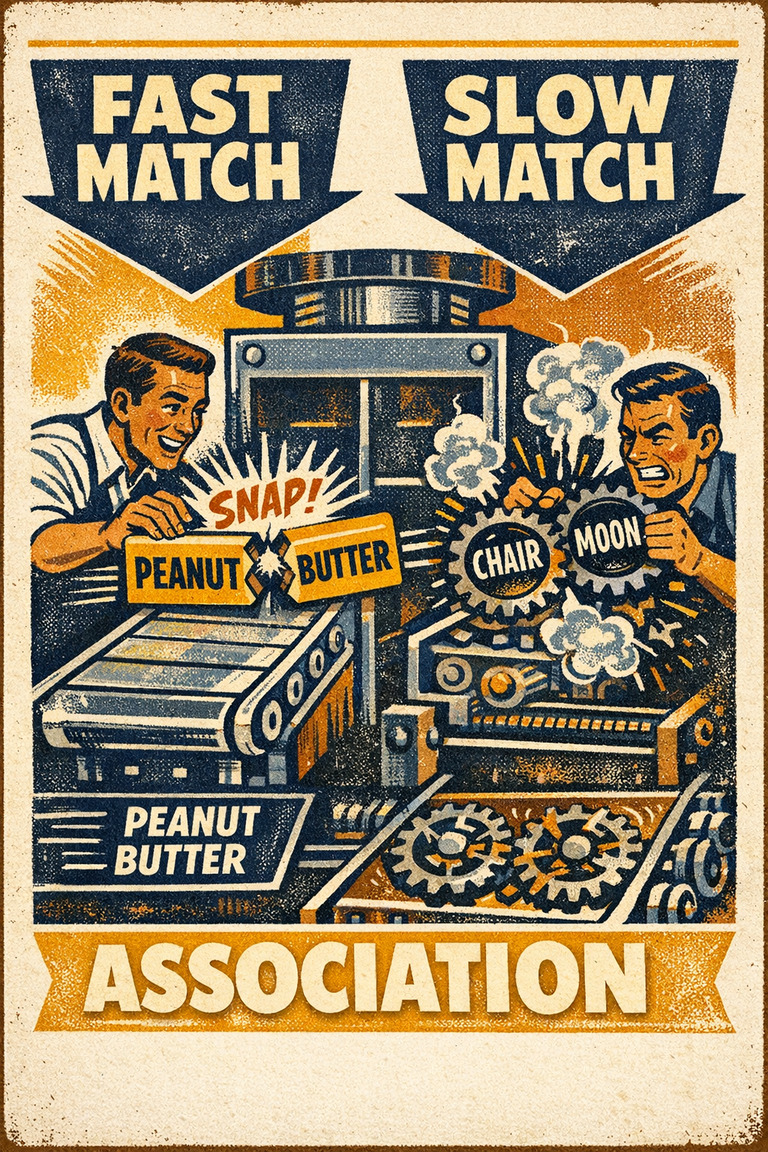
The tendency for response speed to reflect how strongly ideas are linked in memory.
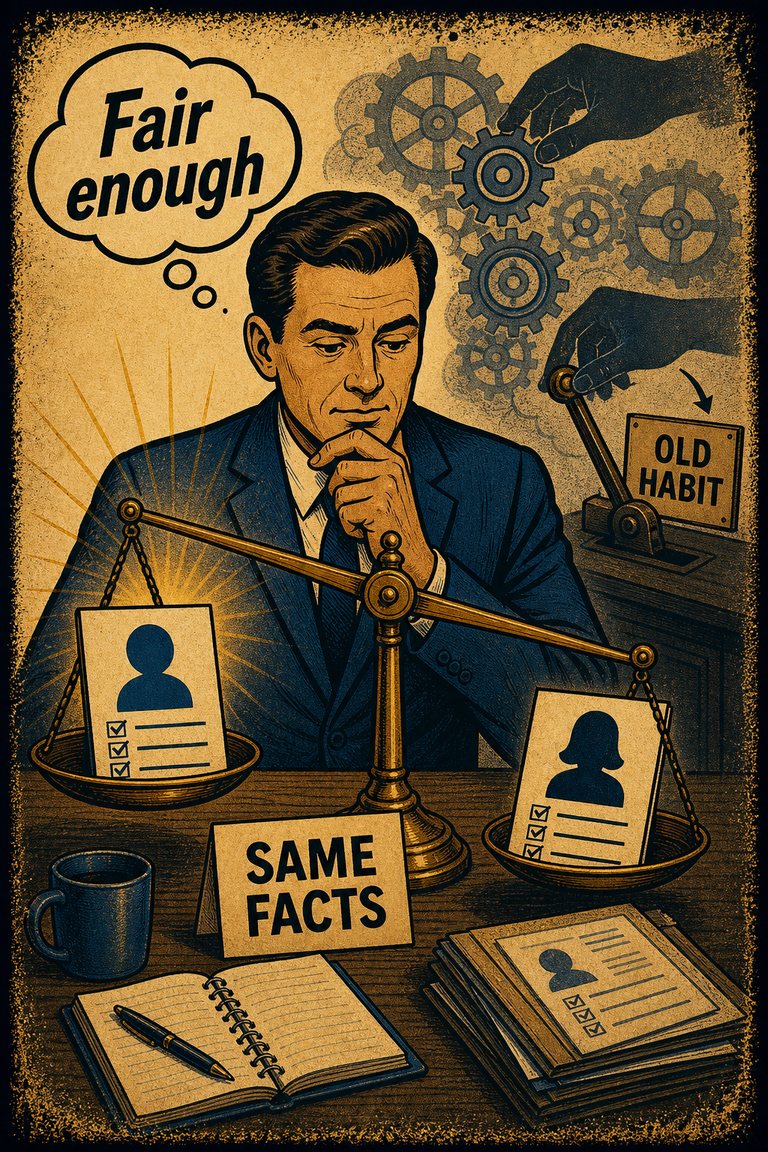
The underlying attitudes and stereotypes that people unconsciously attribute to another person or group of people that affect how they understand and engage with them.
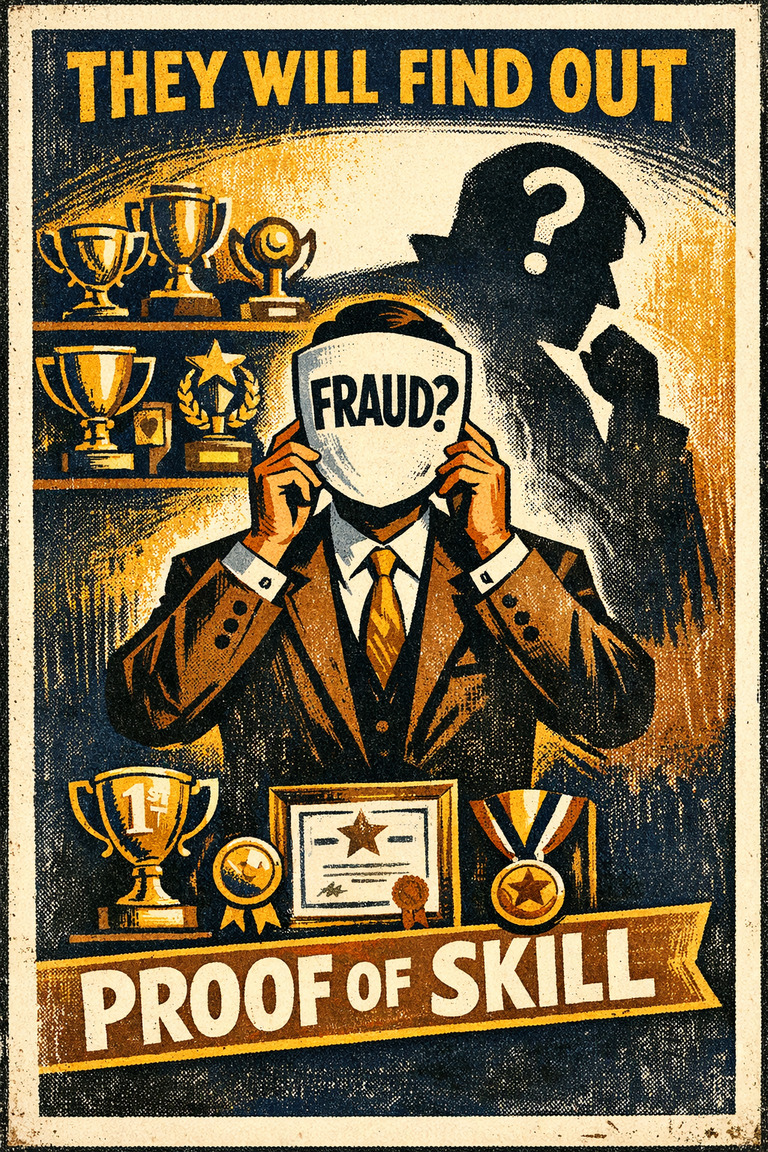
The tendency to doubt one's competence and fear being exposed as a fraud despite evidence of ability.

The tendency to seek information even when it cannot affect action.
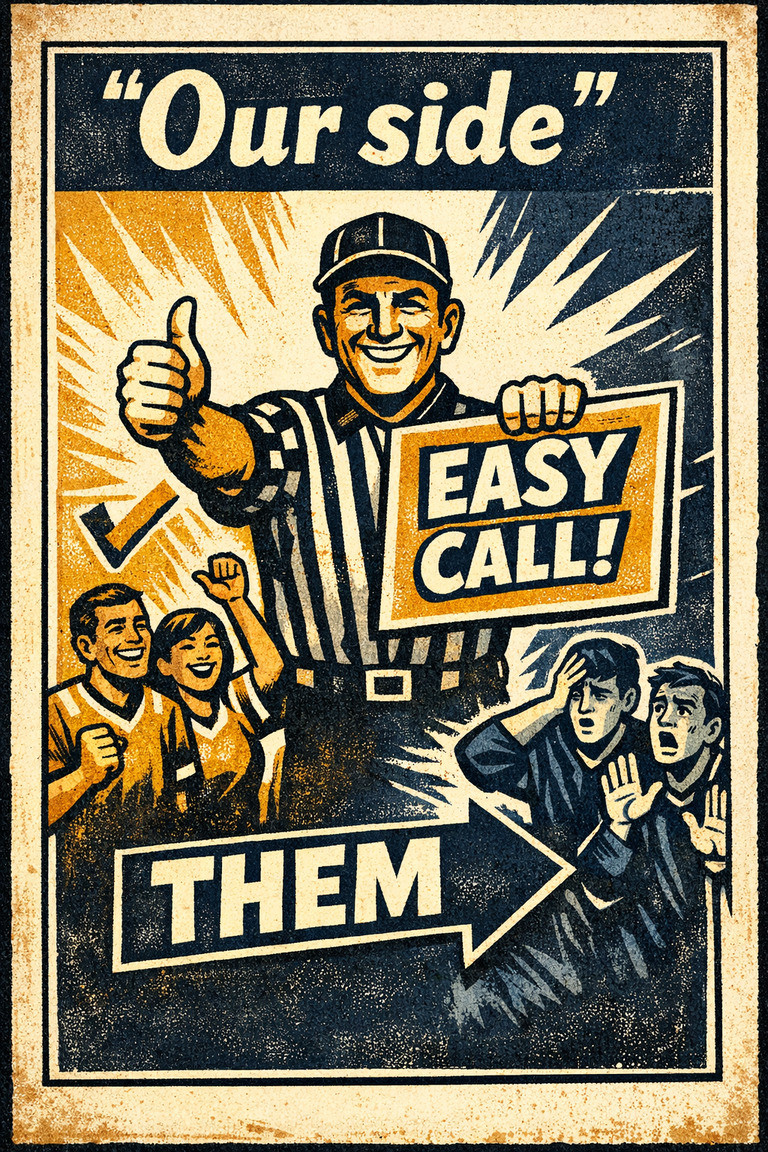
The tendency to favor, trust, defend, or positively interpret people and claims associated with one's own group more readily than comparable outsiders.
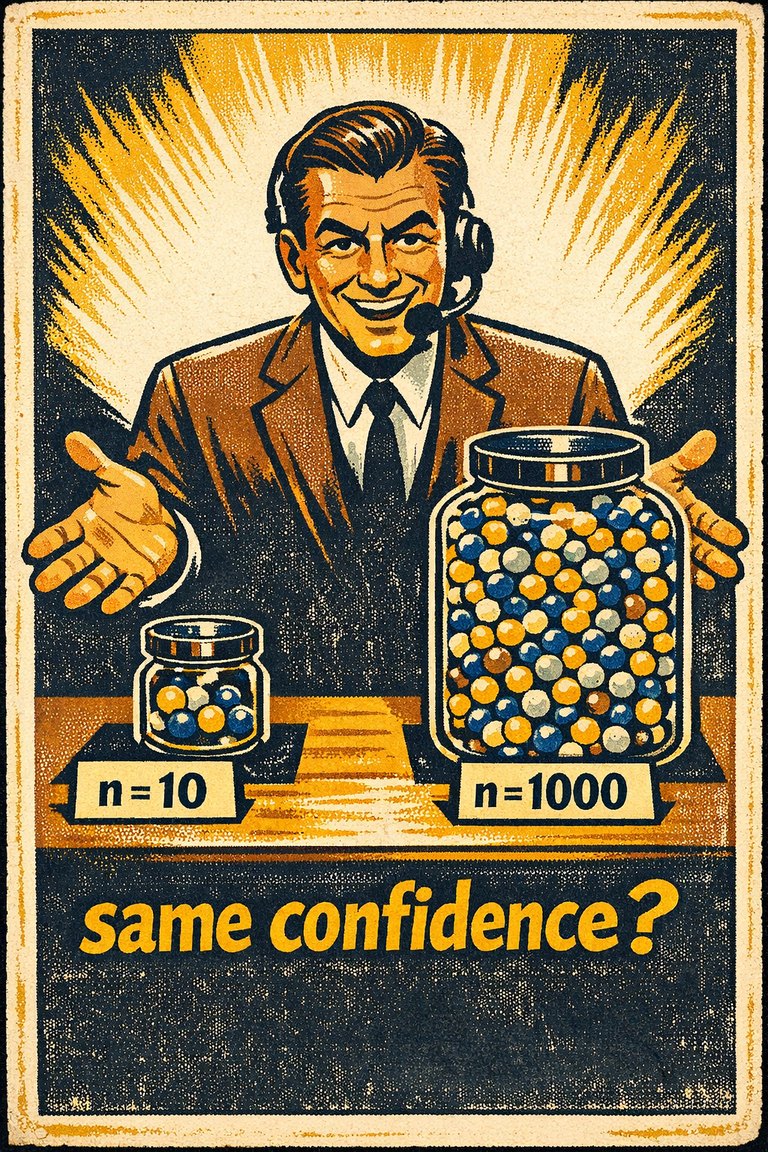
The tendency to under-expect variation in small samples and overread sparse data.
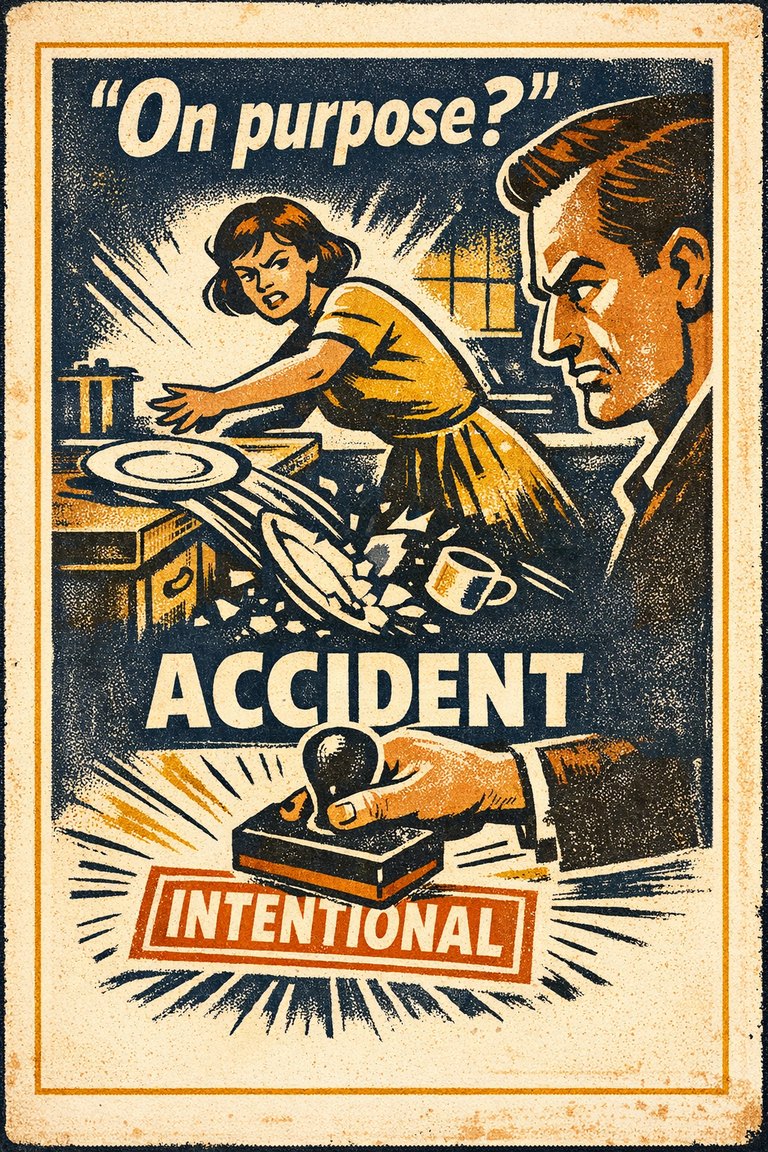
The tendency to judge human action to be intentional rather than accidental.
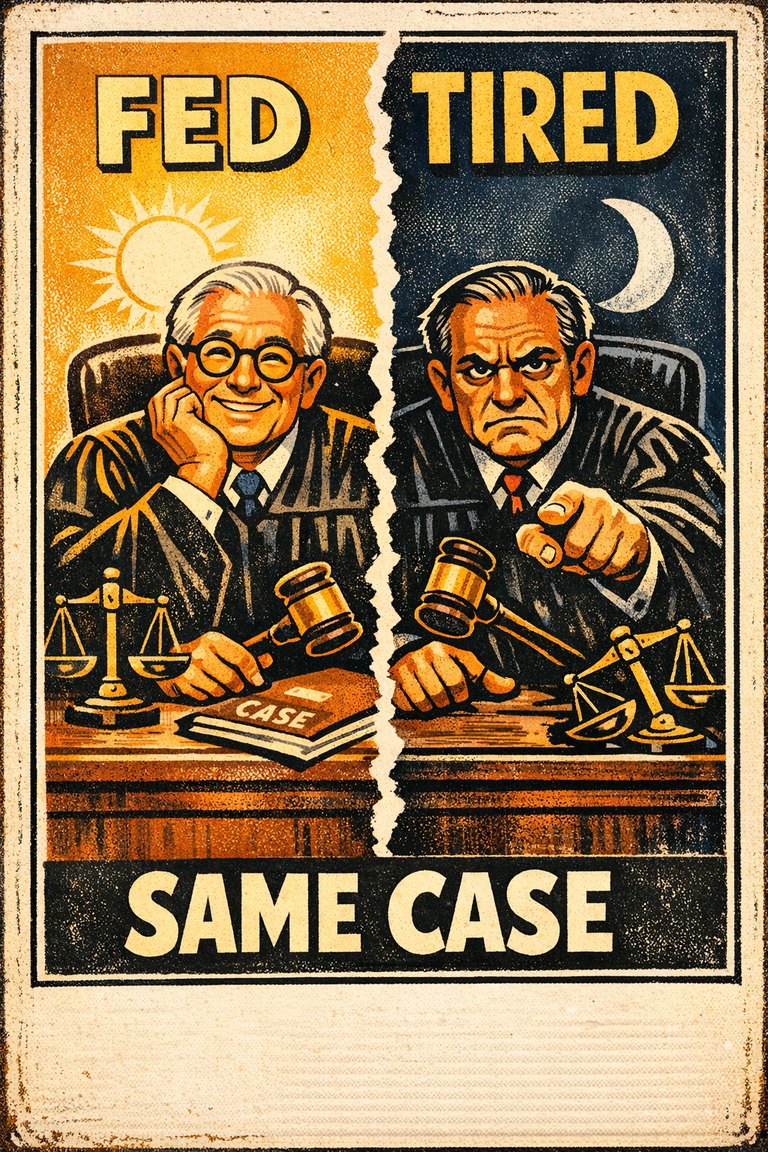
The tendency for hunger, fatigue, pain, or other bodily states to distort judgment.
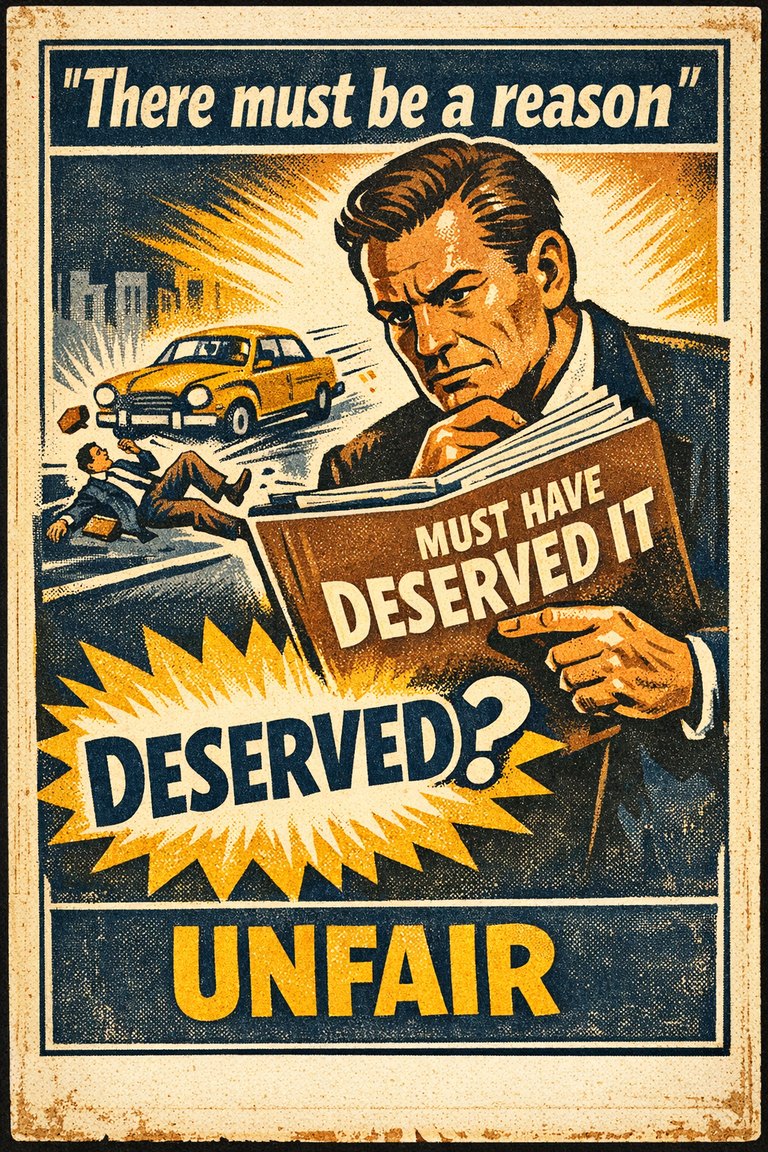
The tendency to assume that people usually get what they deserve, which encourages reinterpretation of suffering, injustice, or bad luck as somehow earned.
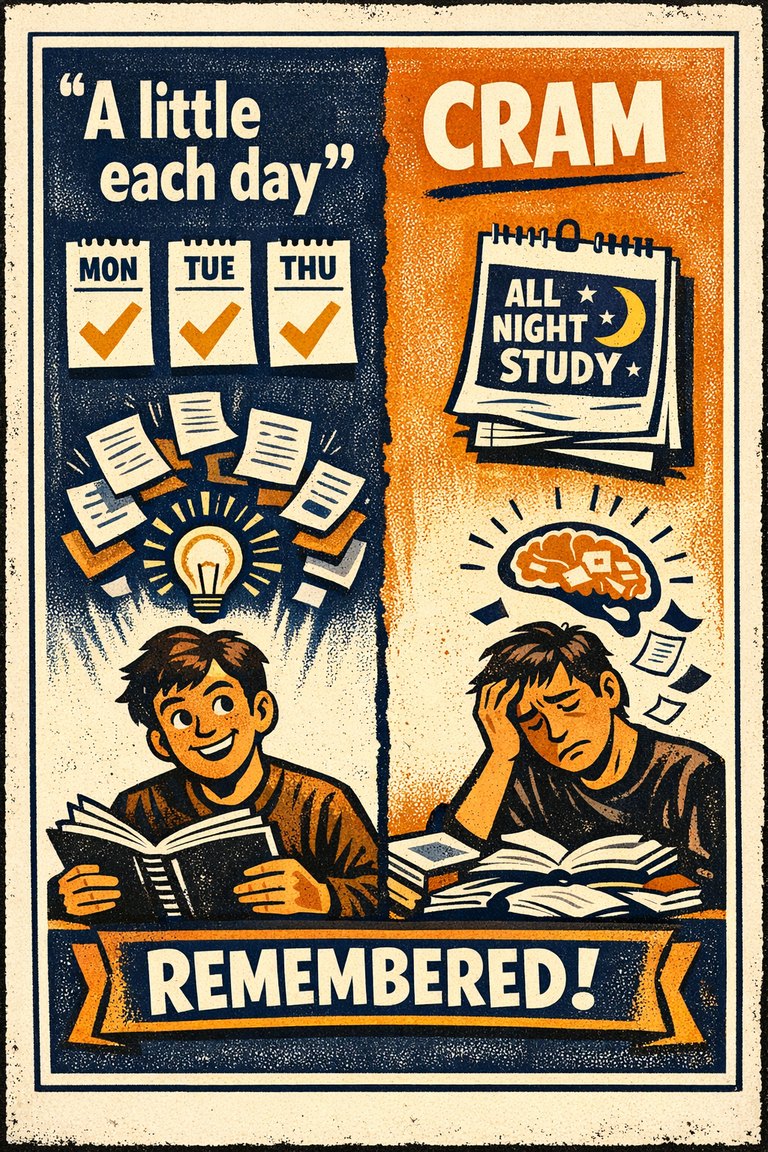
The phenomenon whereby learning is greater when studying is spread out over time, as opposed to studying the same amount of time in a single session.

An over-reliance on a familiar tool or methods, ignoring or under-valuing alternative approaches.
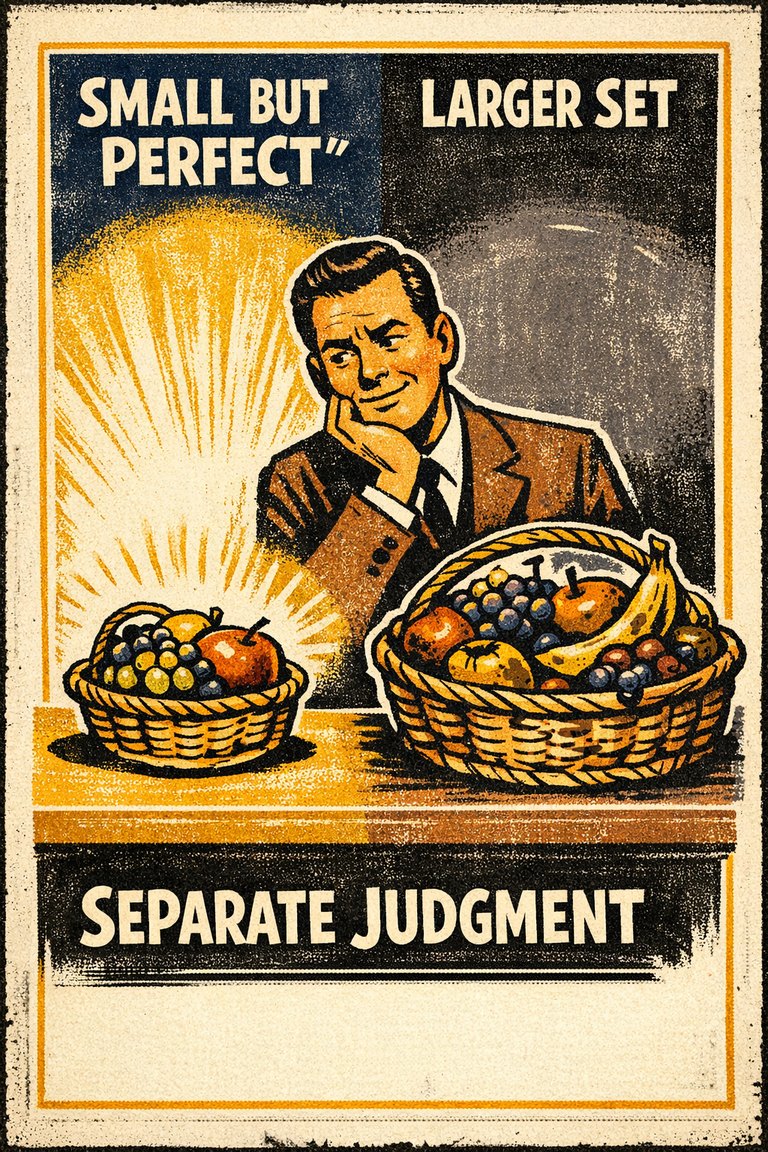
The tendency to prefer a smaller set to a larger set judged separately, but not jointly.

The tendency for memories to lose some details while exaggerating others as they are retold over time.
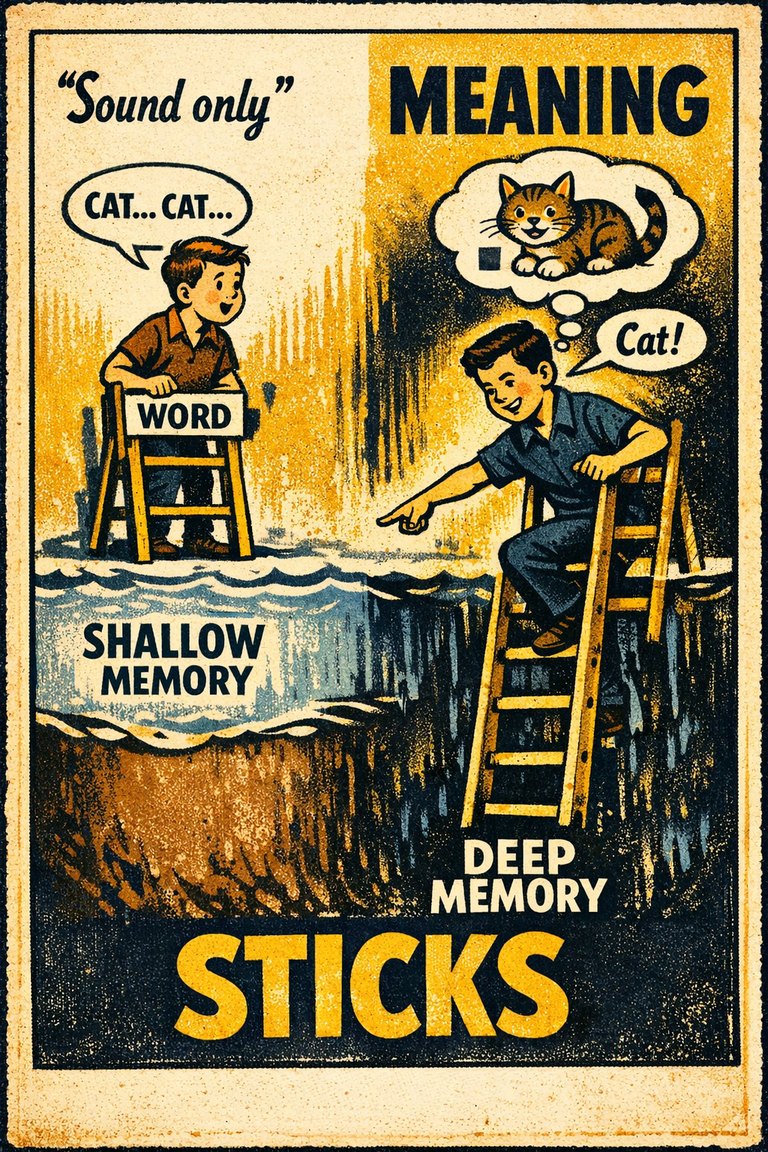
The tendency for deeper, more meaningful encoding to produce stronger memory than shallow encoding.
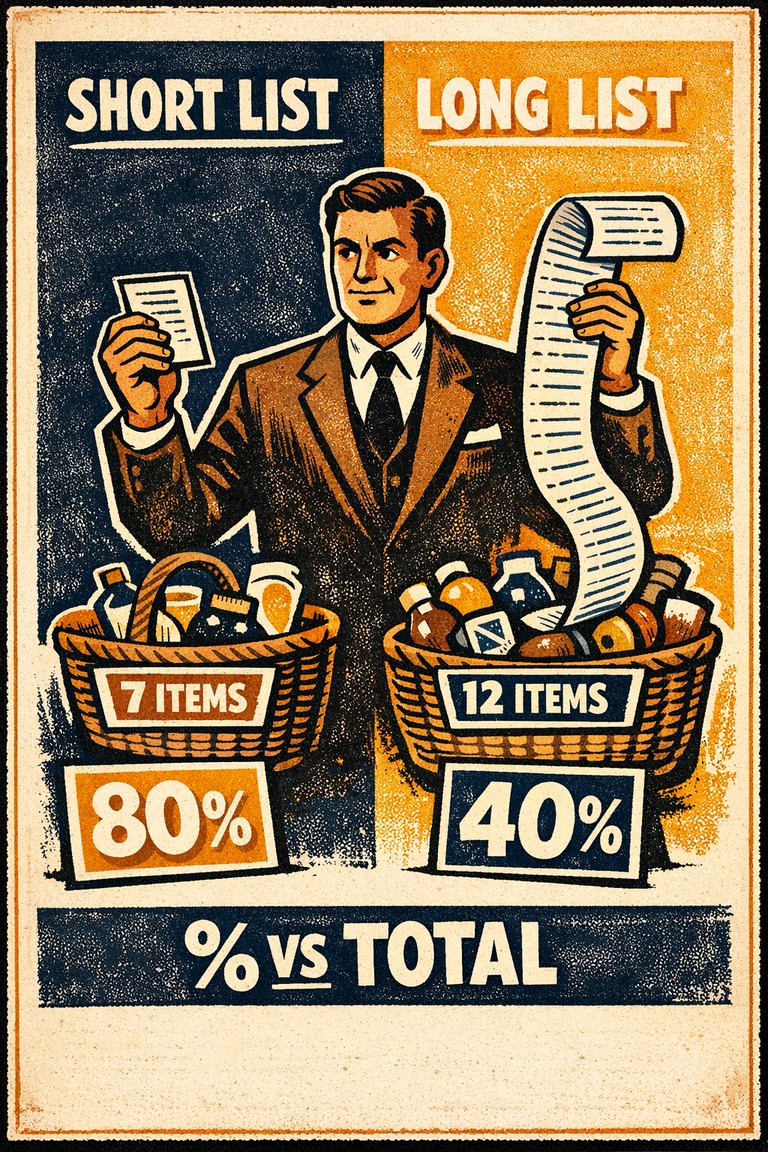
A smaller percentage of items are remembered in a longer list, but as the length of the list increases, the absolute number of items remembered increases as well.
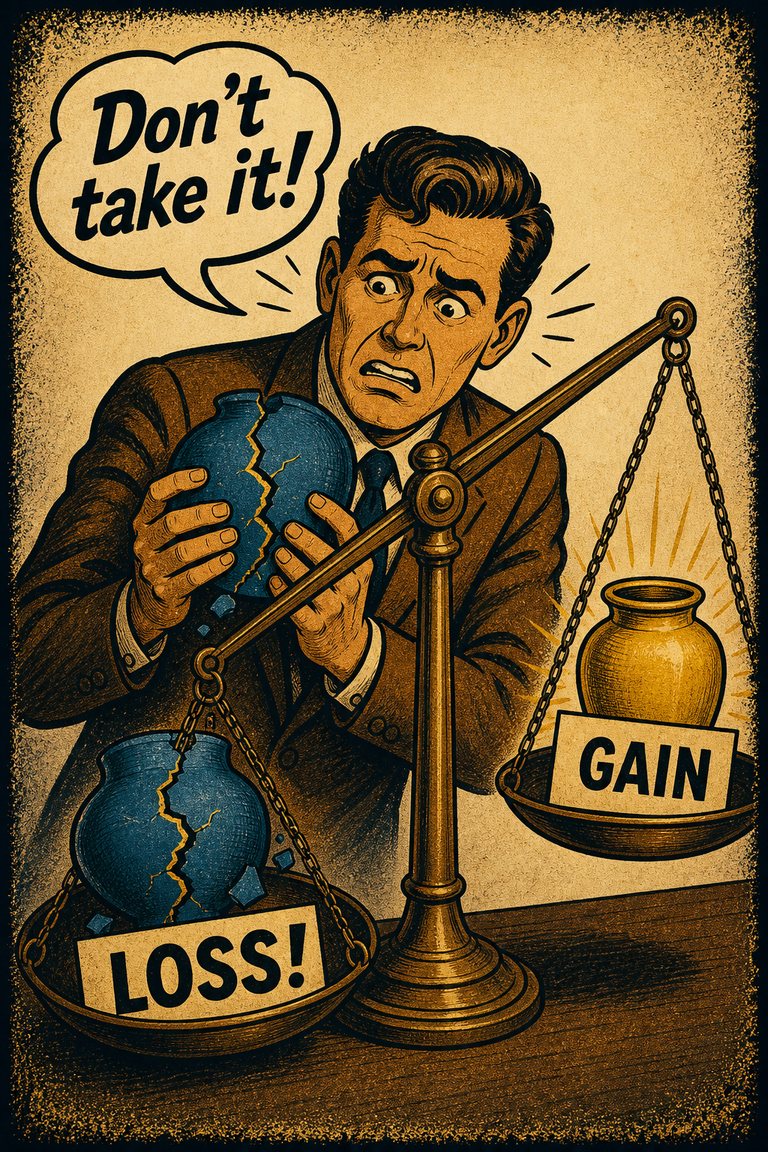
The tendency for losses or giving something up to feel worse than equivalent gains feel good.

Being shown some items from a list makes it harder to retrieve the other items.
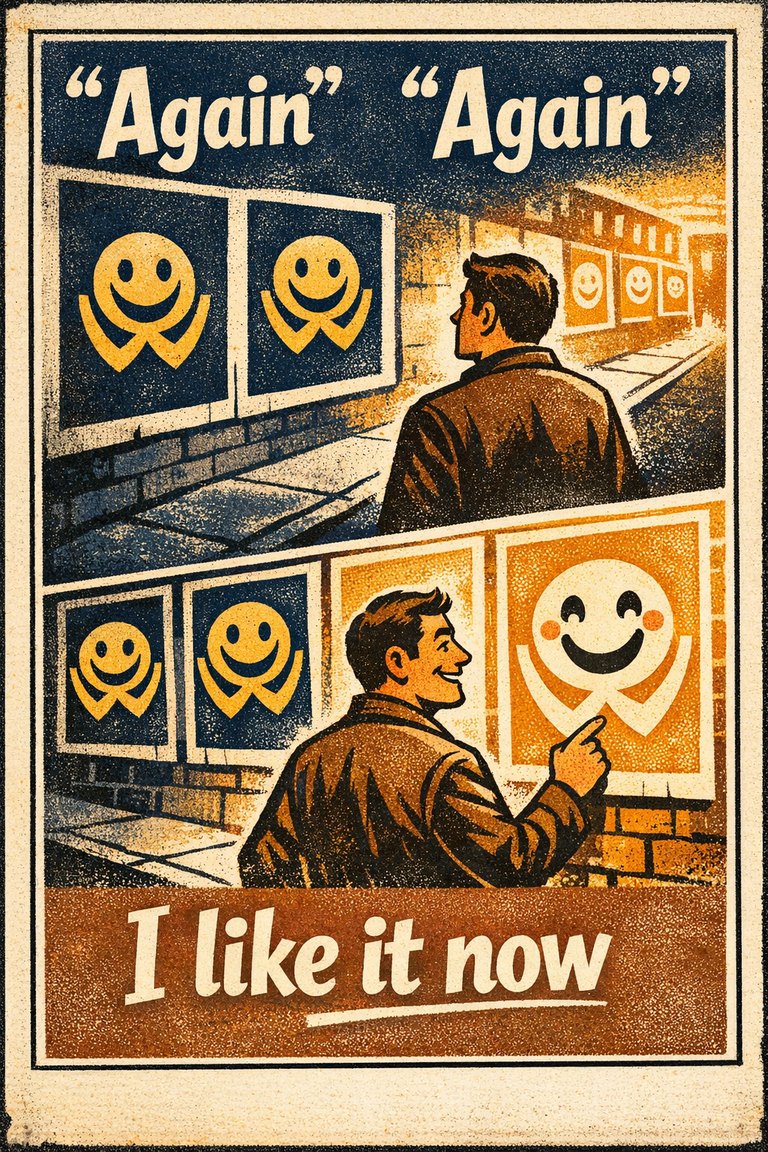
The tendency to like, trust, or feel more comfortable with something simply because it has become familiar.

Memory becoming less accurate because of interference from post-event information.
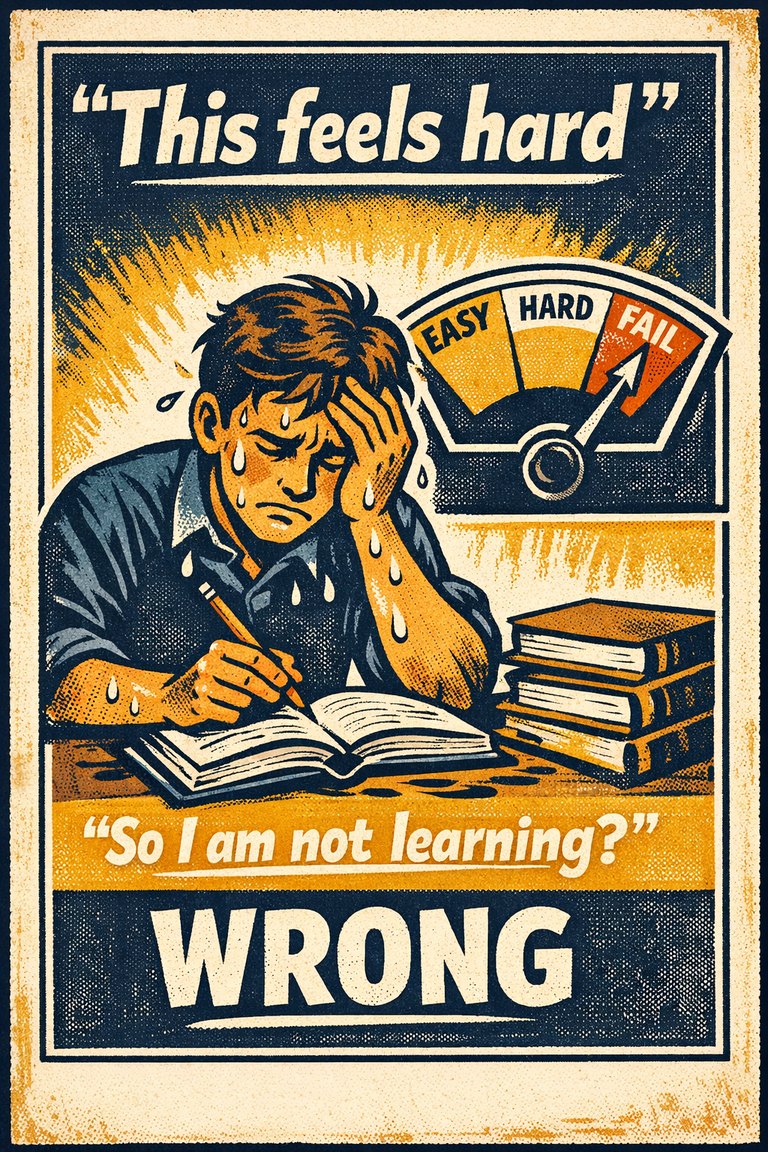
The tendency to interpret learning effort as a sign of poor learning rather than durable learning.
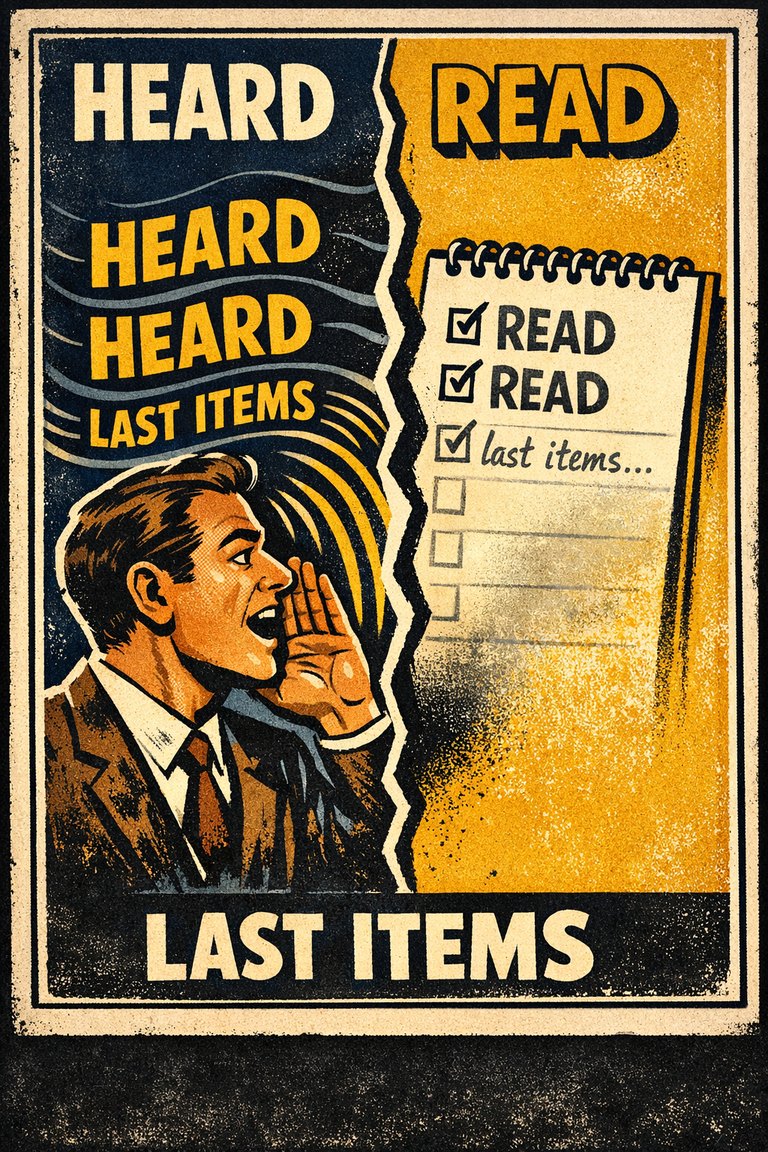
The tendency for the last items in a list to be remembered better when heard than when read.
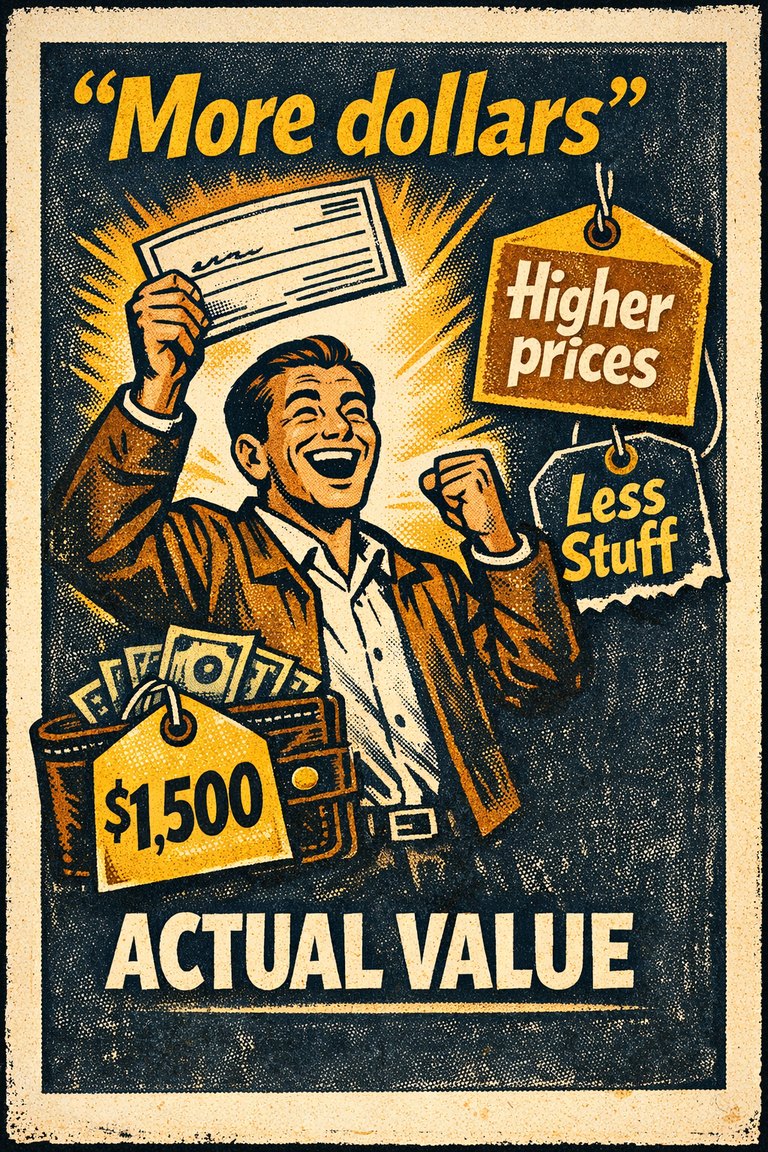
The tendency to concentrate on the nominal value of money rather than its value in terms of purchasing power.
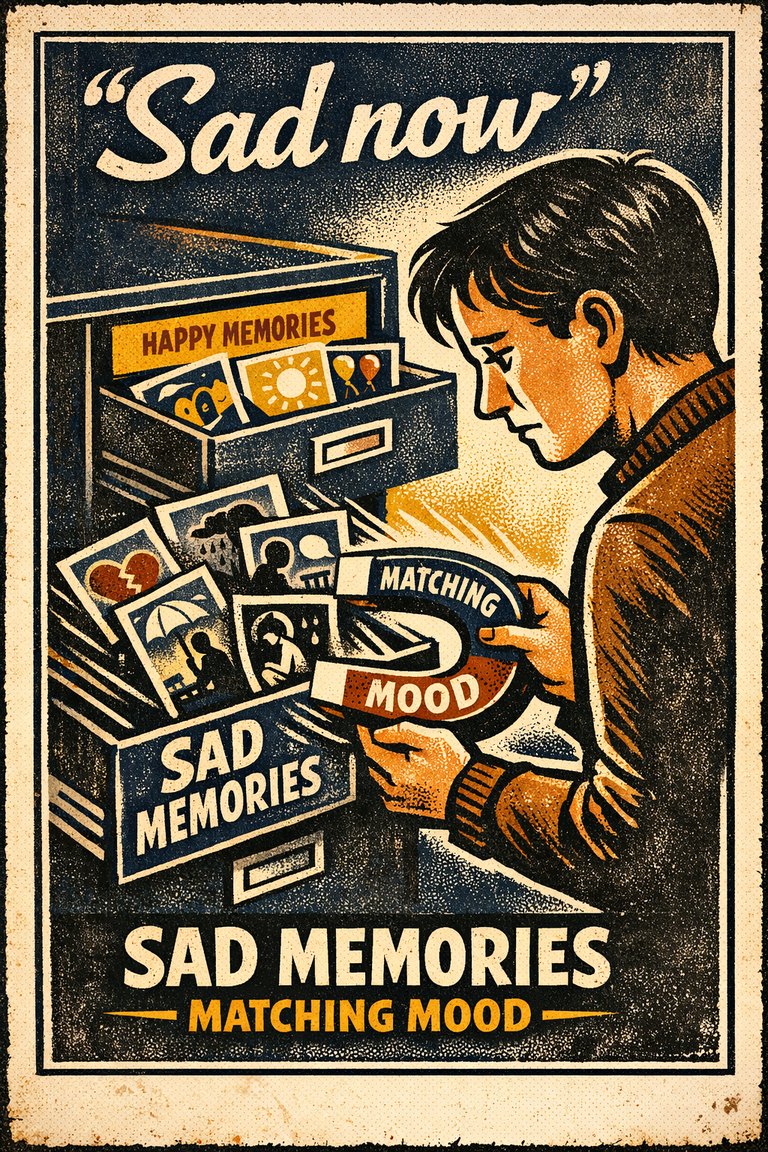
The improved recall of information congruent with one's current mood.
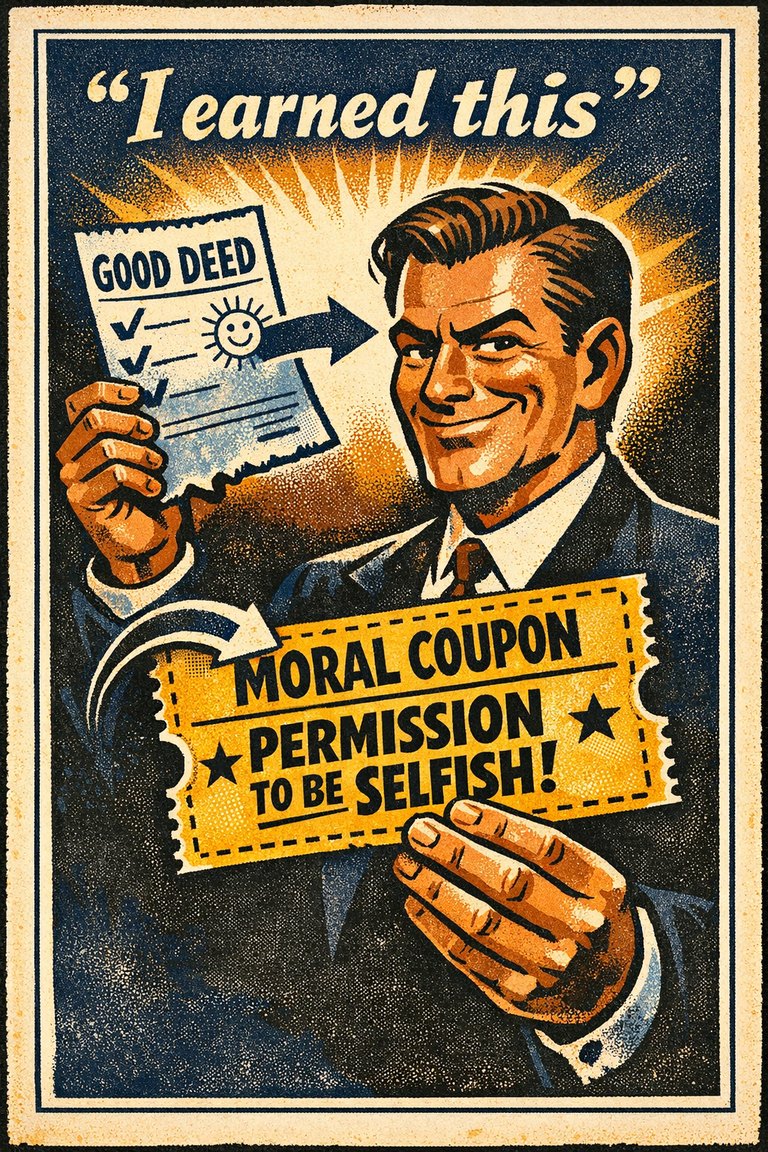
The tendency to treat a prior good deed as permission for later worse behavior.
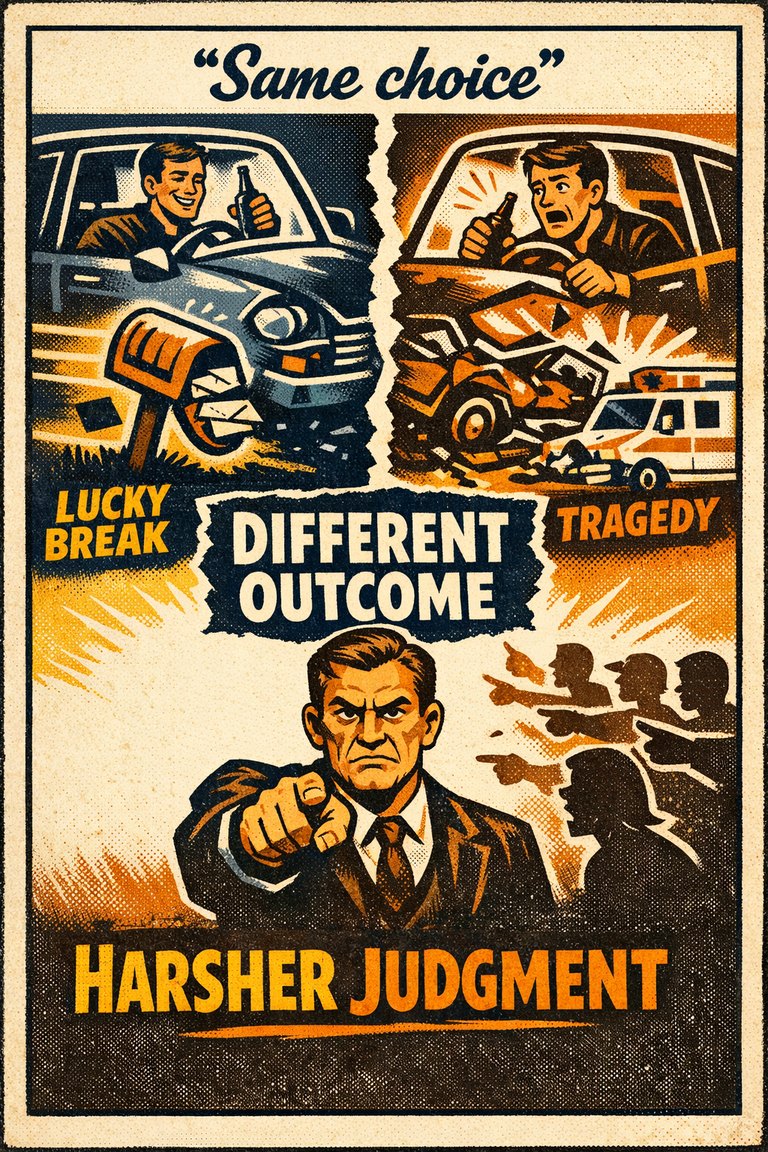
The tendency for people to ascribe greater or lesser moral standing based on the outcome of an event.

The tendency to use reasoning as a defense lawyer for desired conclusions rather than as an impartial search for what is most likely true.
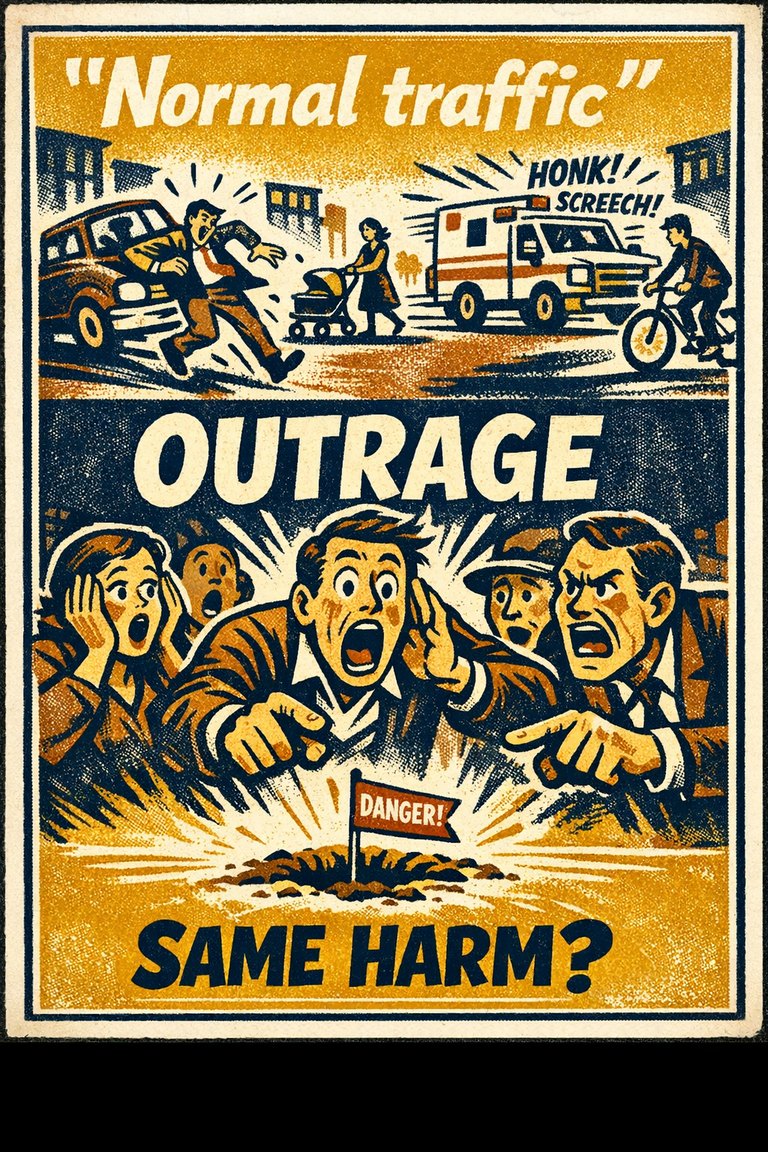
The tendency to treat motor vehicle use as normal while discounting harms that would stand out in other contexts.

The tendency to expect more egocentric bias in others than in oneself.
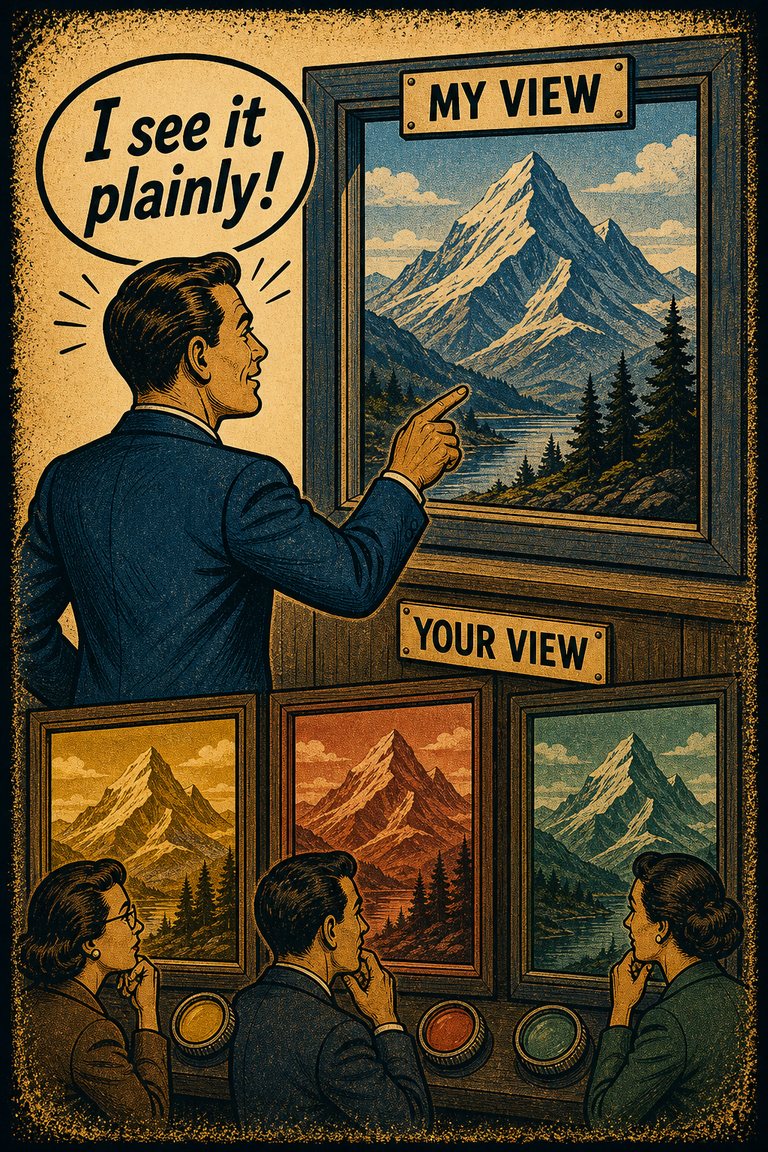
The tendency to see one's own view as plain reality and disagreement as ignorance, bias, or irrationality.
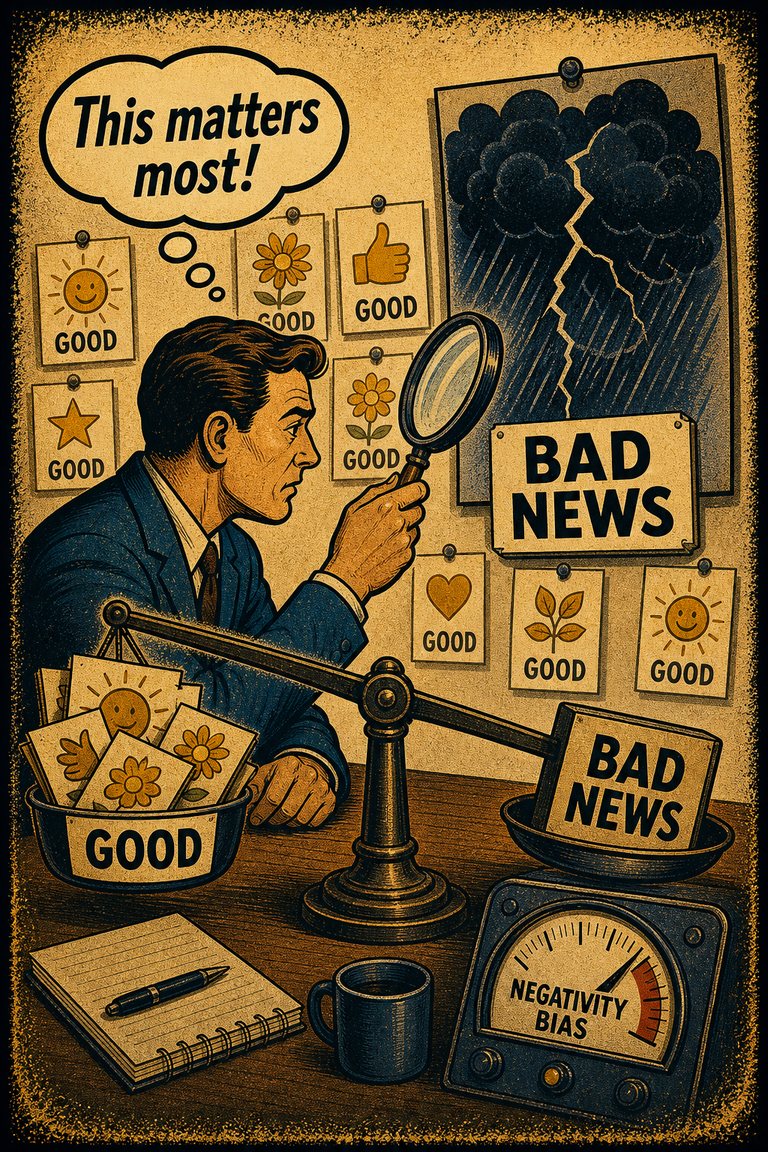
The tendency to give bad news, threats, criticism, and losses more psychological weight than equally sized positives.
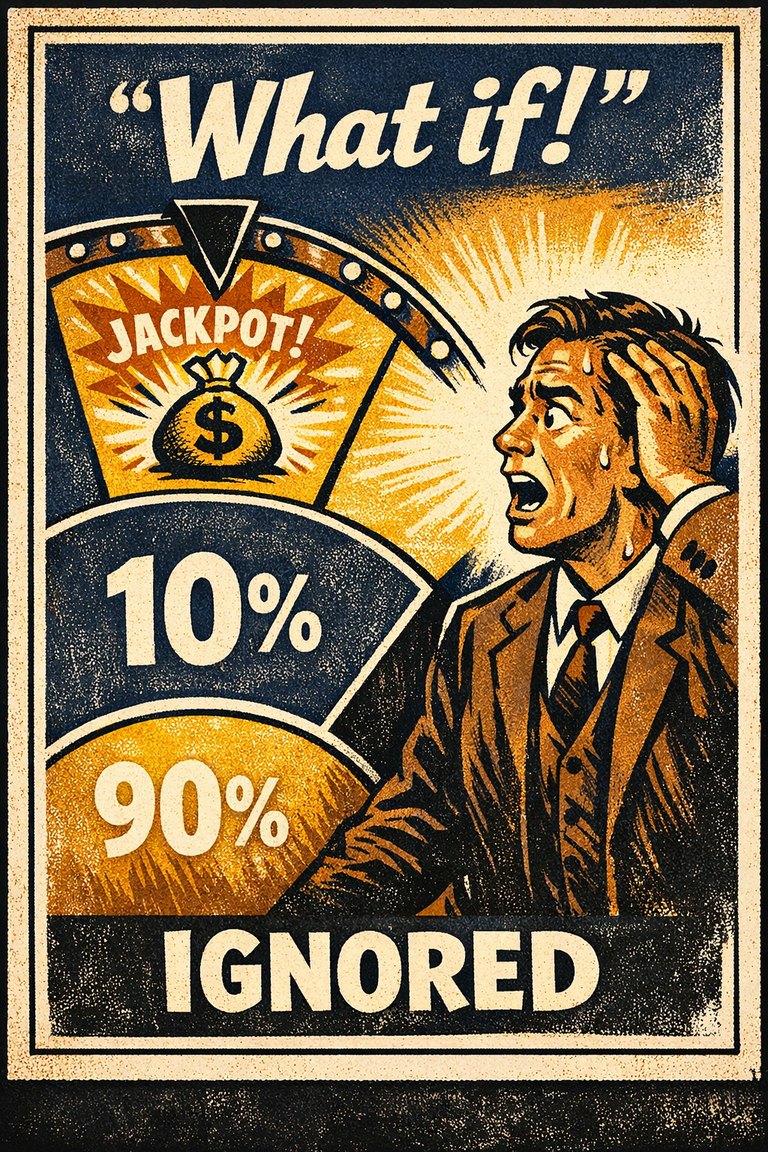
The tendency to ignore or drastically underuse probability information when making decisions under uncertainty.
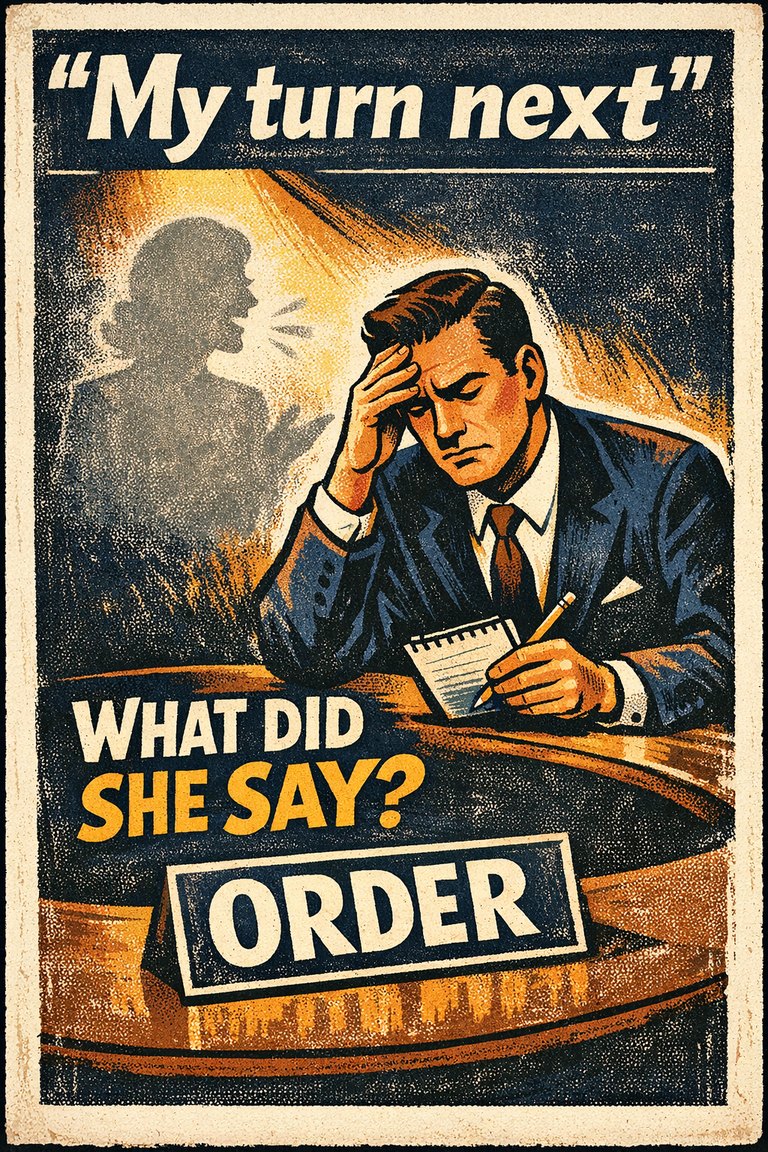
The tendency to remember less of the person who spoke just before one's own turn.

The tendency to avoid a previously optimal choice after a bad outcome, even when the situation is unchanged.
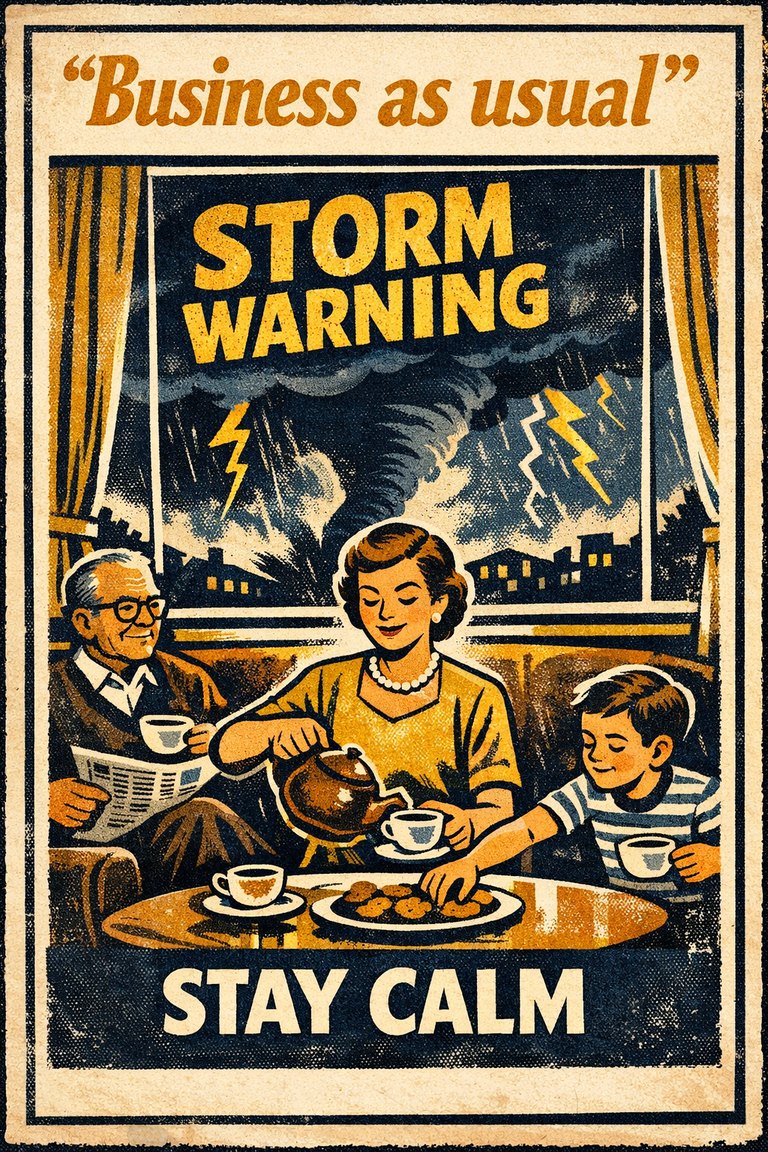
The tendency to assume that things will keep functioning more or less normally, which leads people to underprepare for unprecedented or fast-moving disruption.
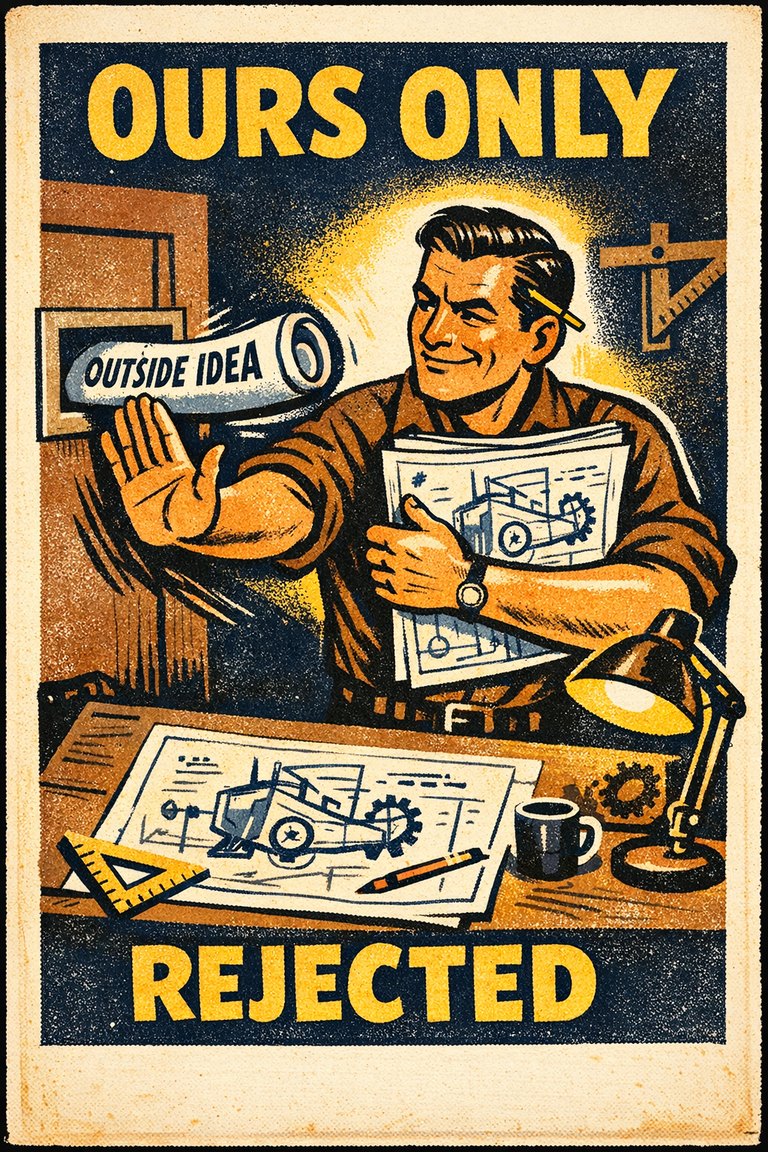
An aversion to contact with or use of products, research, standards, or knowledge developed outside a group.
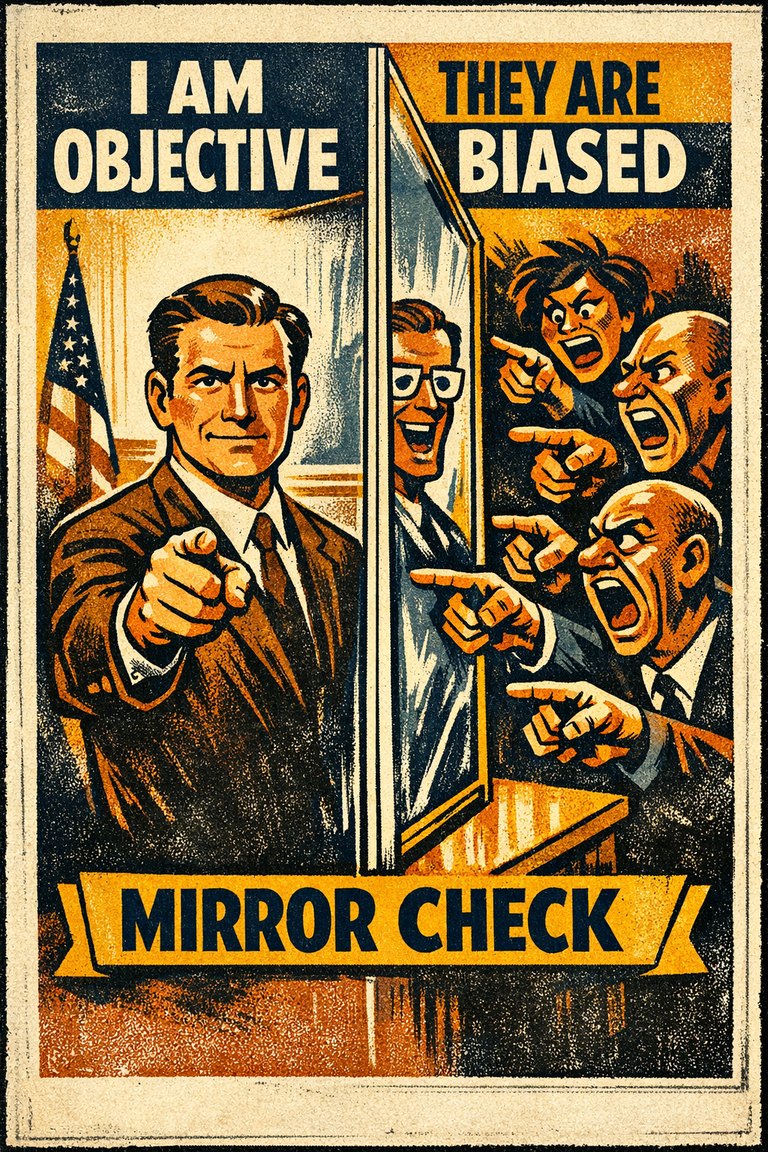
The phenomena where people tend to believe that they are more objective and unbiased than others.
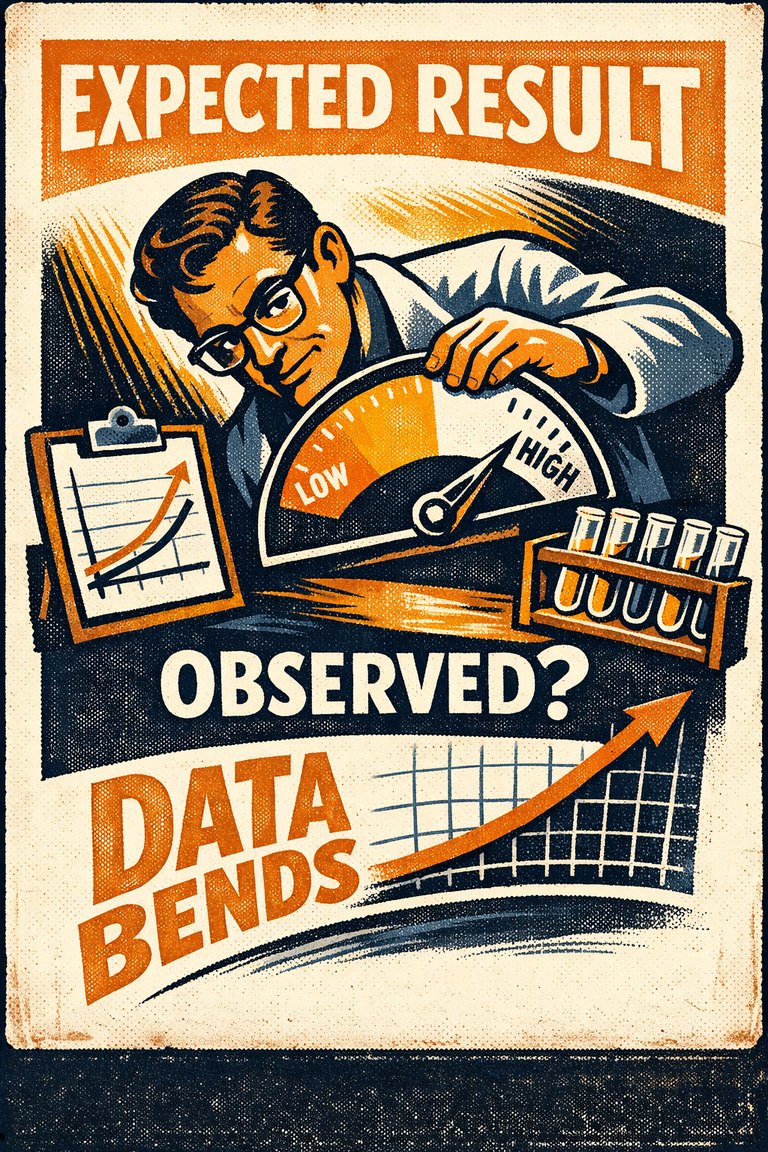
The tendency for a researcher's expectations to unconsciously shape procedures, observations, or interpretations.
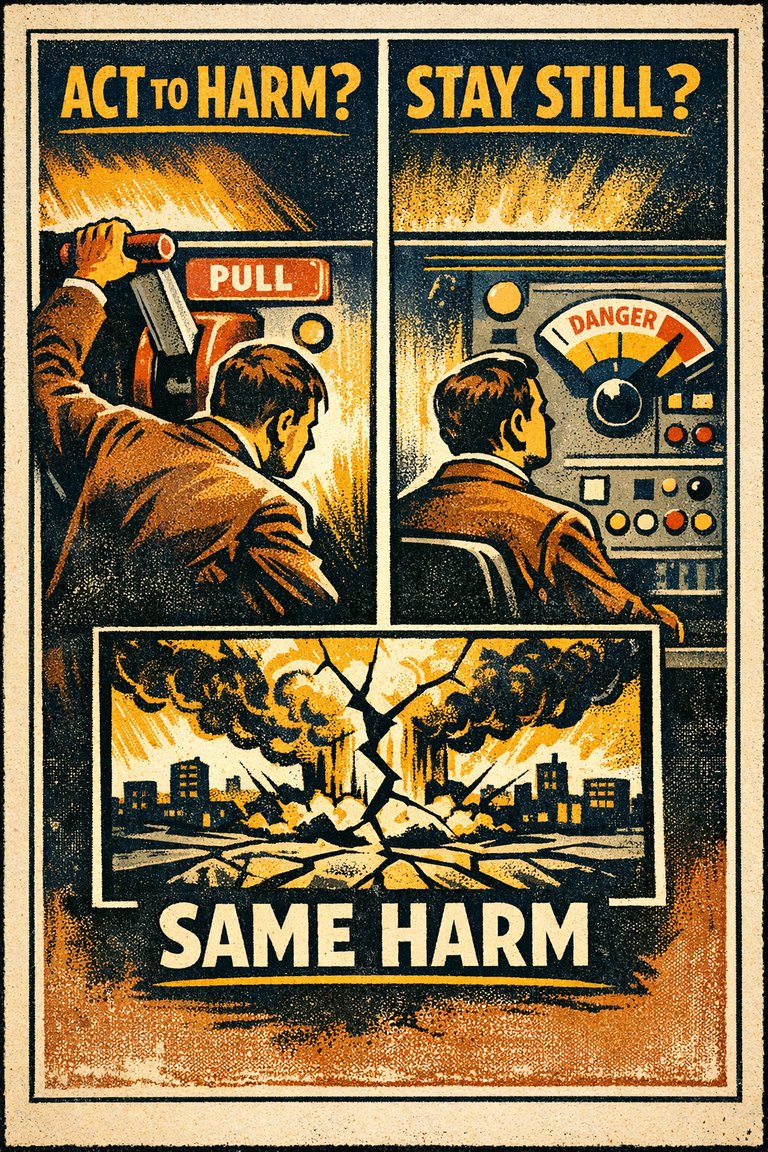
The tendency to judge harmful inaction as more acceptable, or less blameworthy, than equally harmful action.
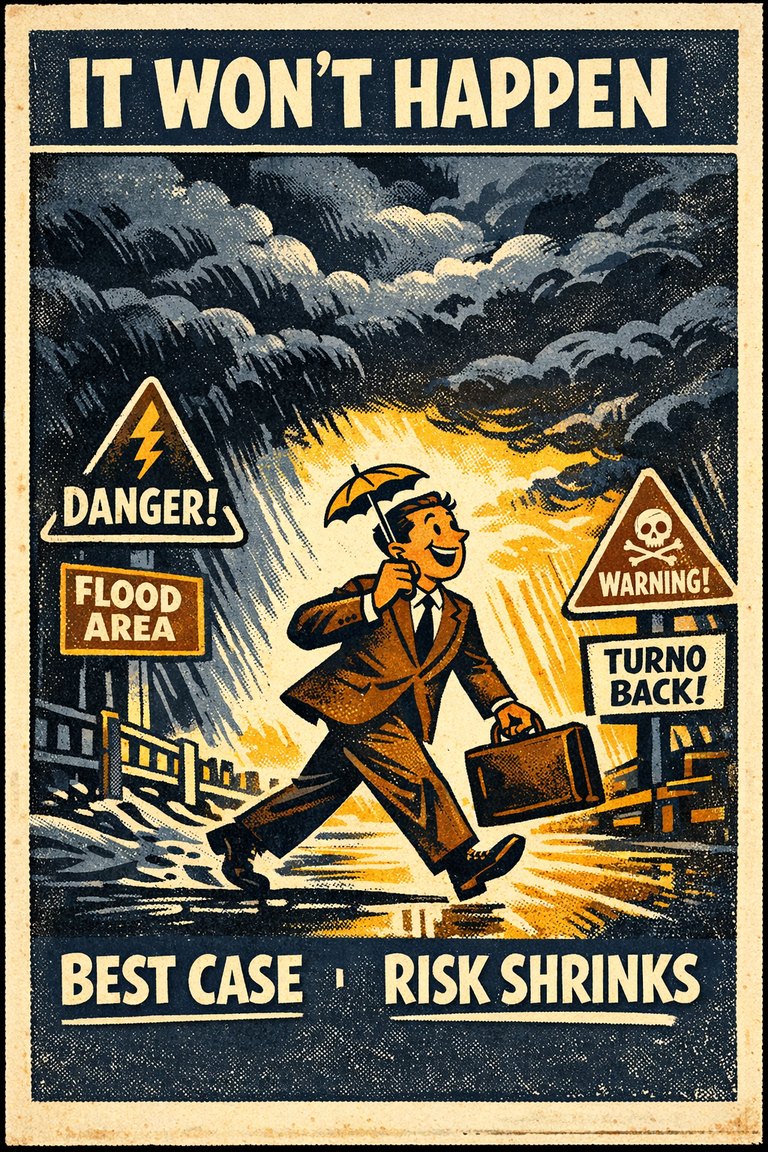
The tendency to overestimate favorable outcomes and underestimate the probability or impact of unfavorable ones, especially for oneself or one's own plans.
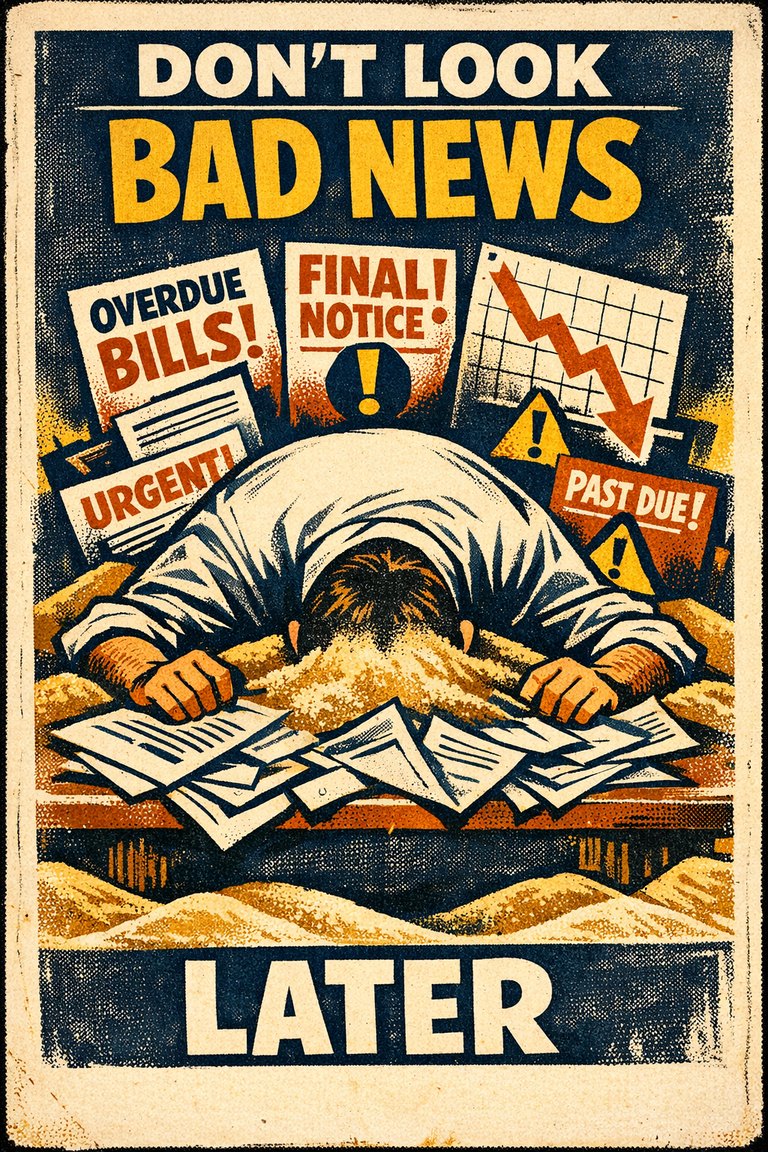
The tendency to avoid acknowledgment of an obviously bad situation to avoid the bad feelings that may come with acknowledgment of the situation.
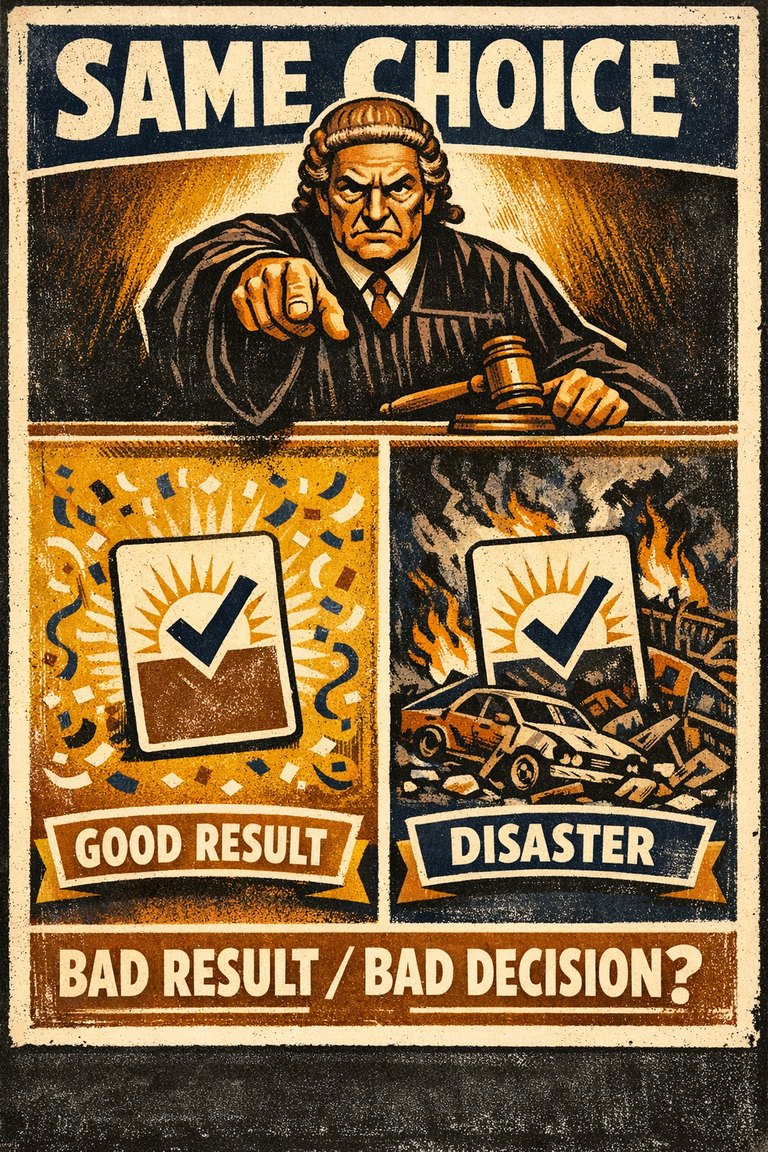
The tendency to judge a decision mainly by its result rather than by the quality of the reasoning behind it.
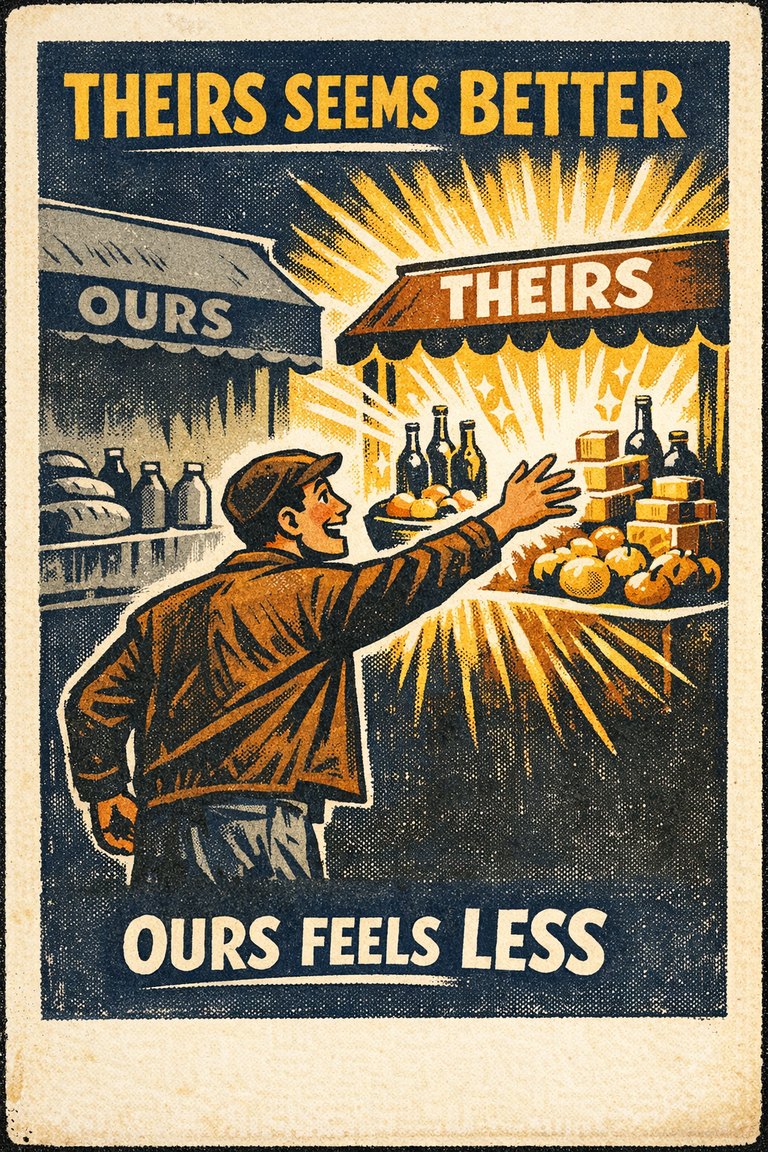
The tendency for some disadvantaged groups to evaluate outside groups more favorably than their own.
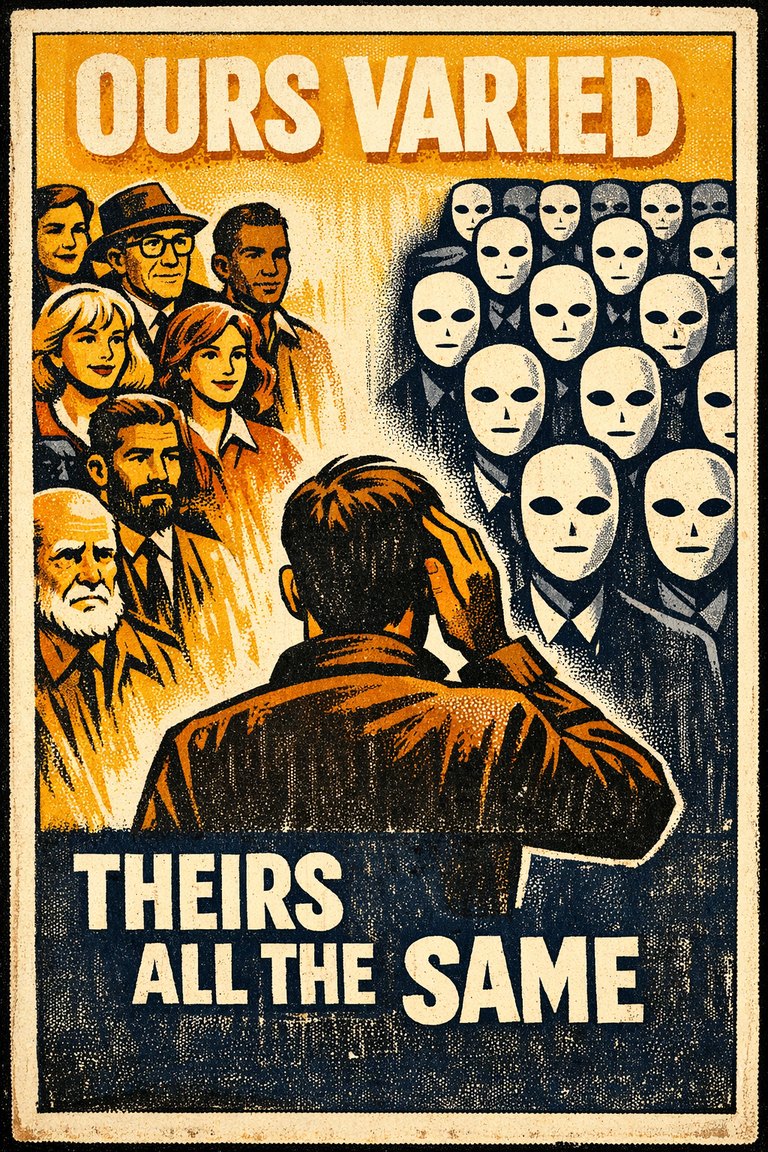
The tendency to see members of other groups as more alike than members of one's own group.
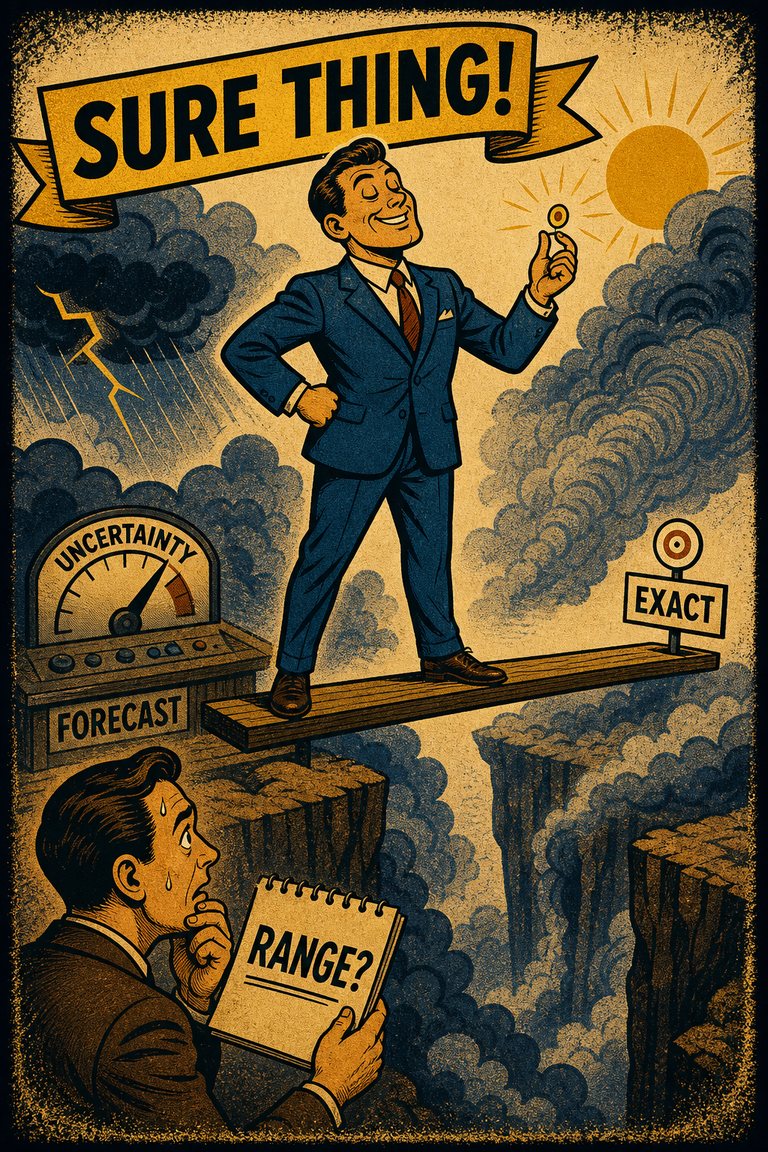
The tendency to be more certain about judgments, forecasts, or abilities than the evidence warrants.
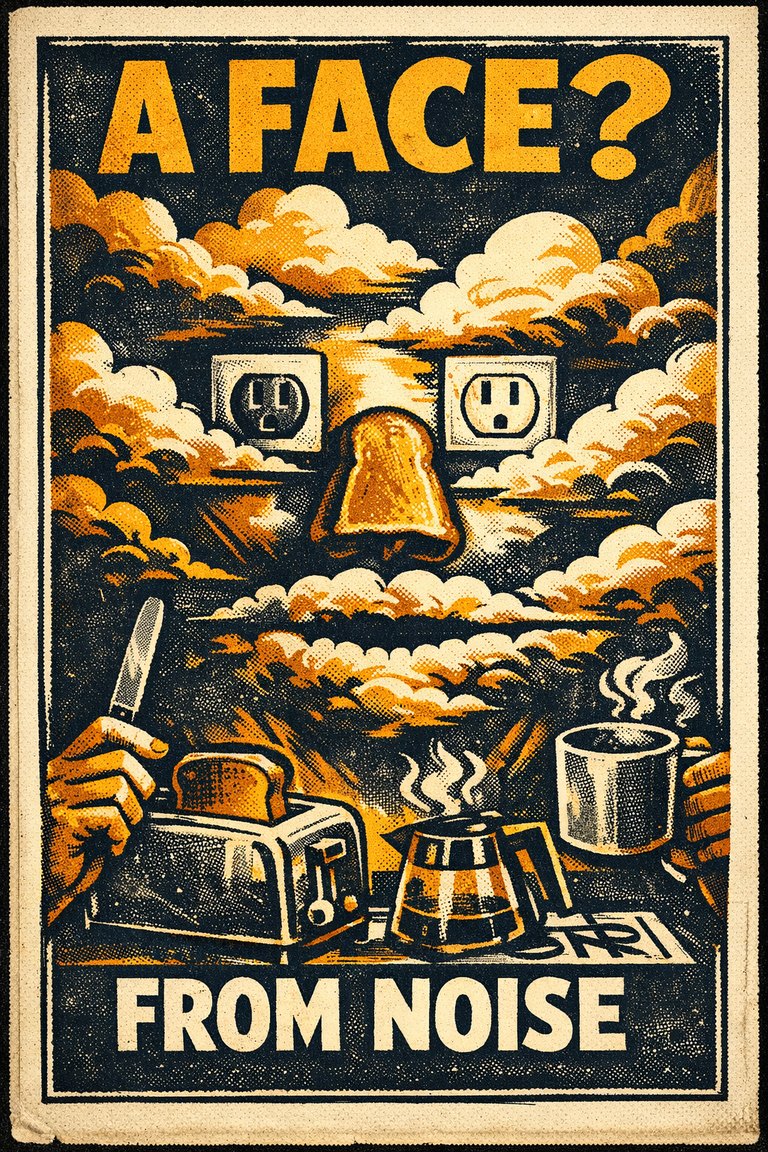
The tendency to perceive meaningful patterns, faces, or messages in vague or random stimuli.
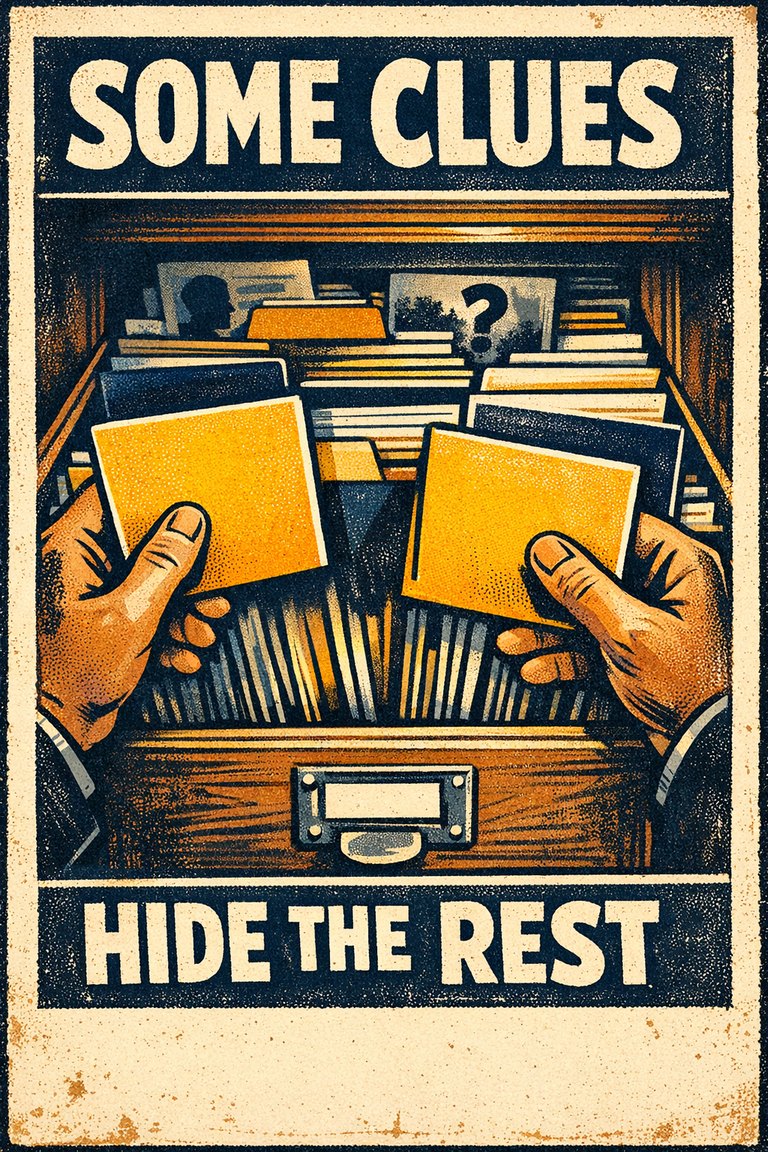
The tendency for seeing some items from a list to make the remaining items harder to recall.
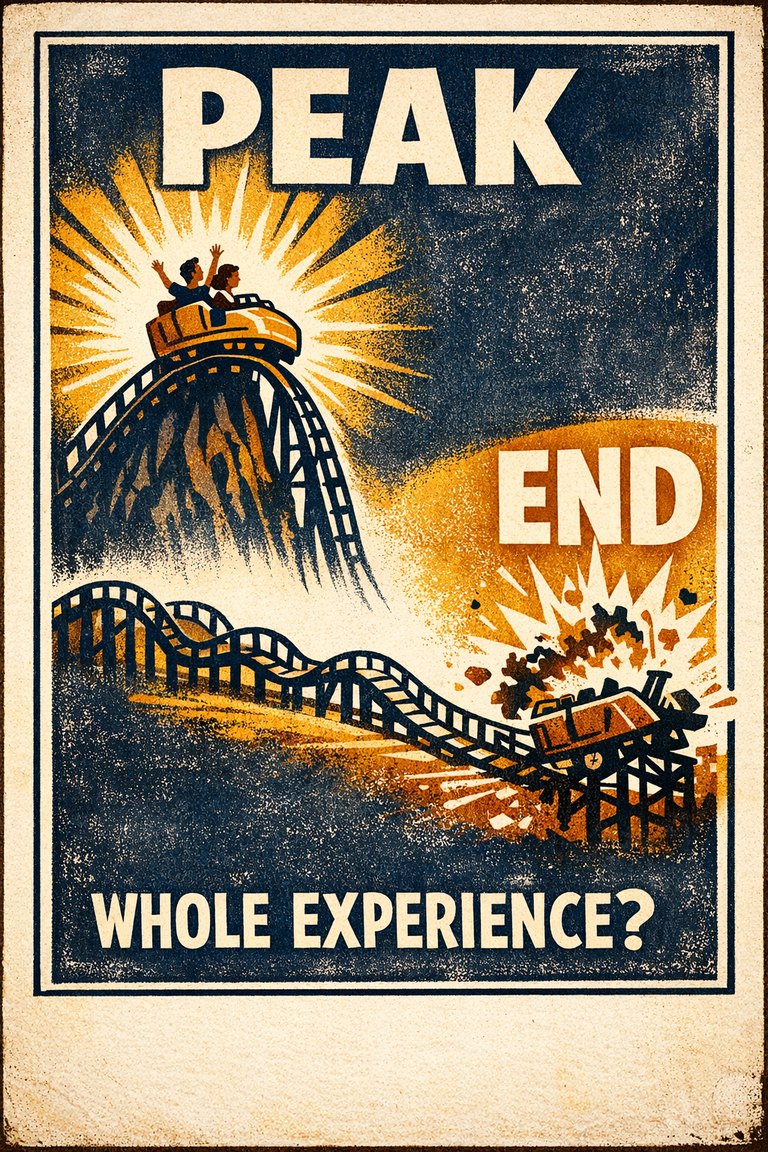
The tendency to remember an experience mainly by its peak moment and its ending.
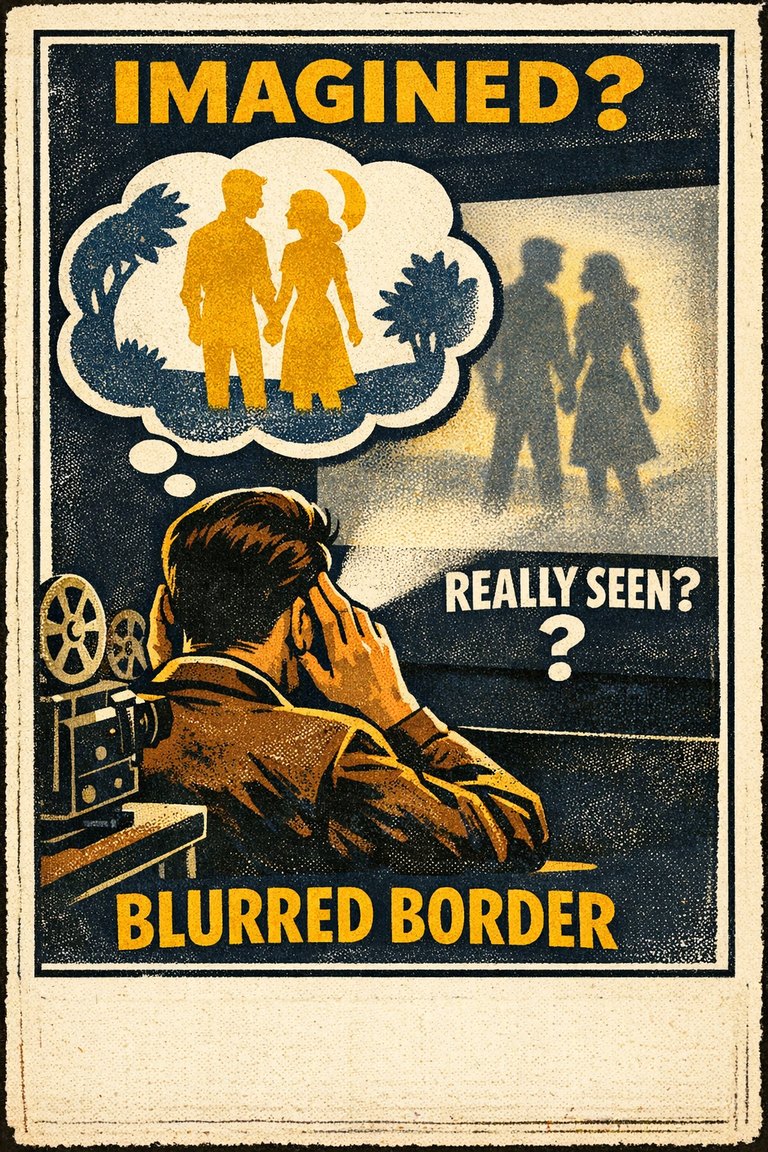
The Perky effect, where real images can influence imagined images, or be misremembered as imagined rather than real.
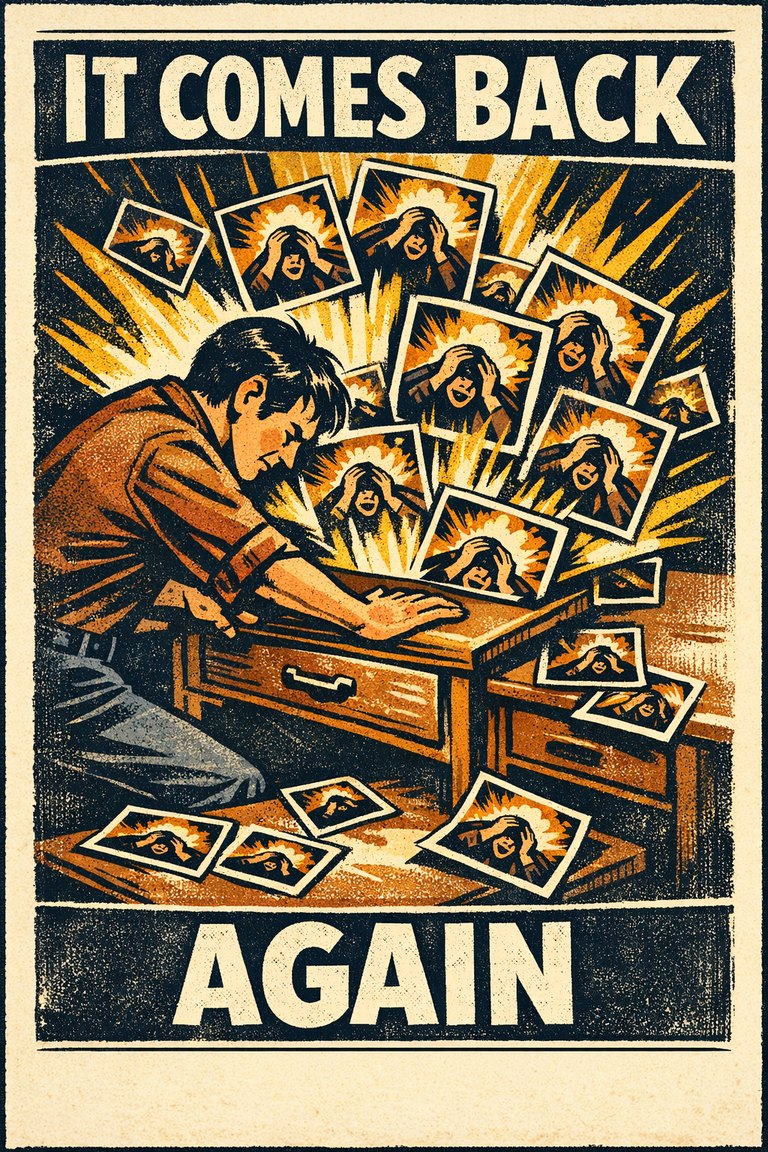
The tendency for traumatic memories to recur unwantedly after the event is over.
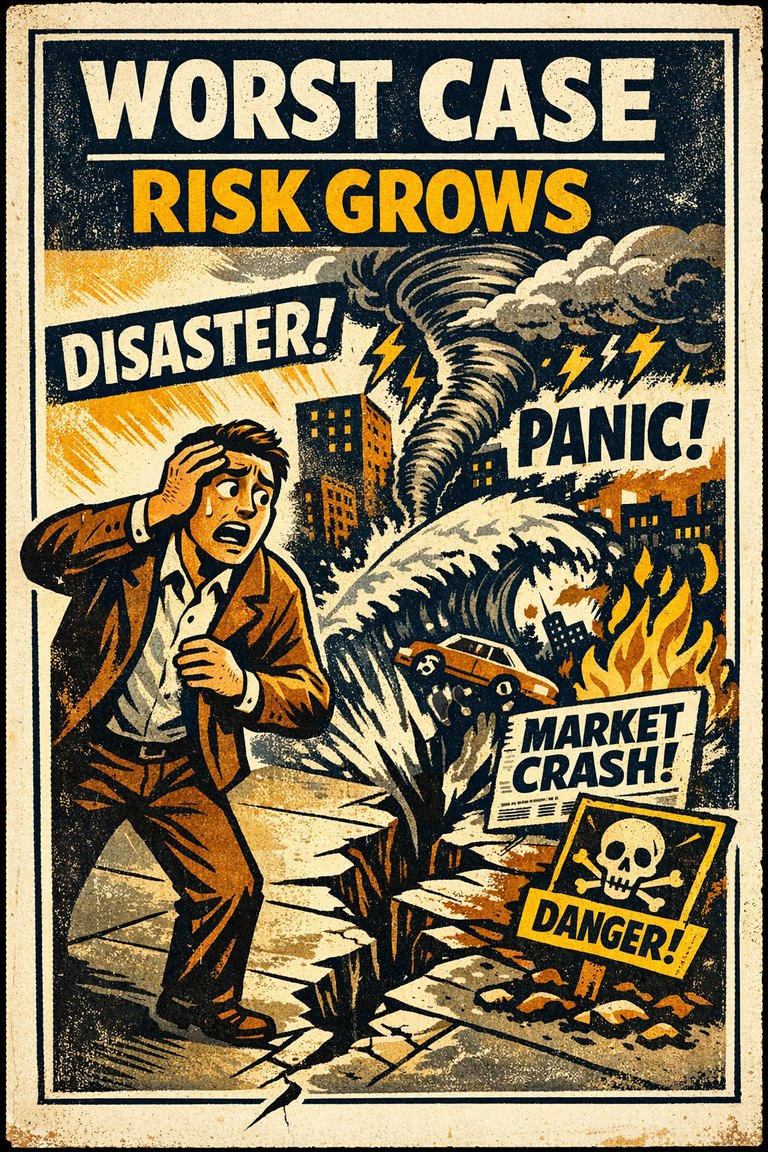
The tendency to overestimate the likelihood that bad things will happen.
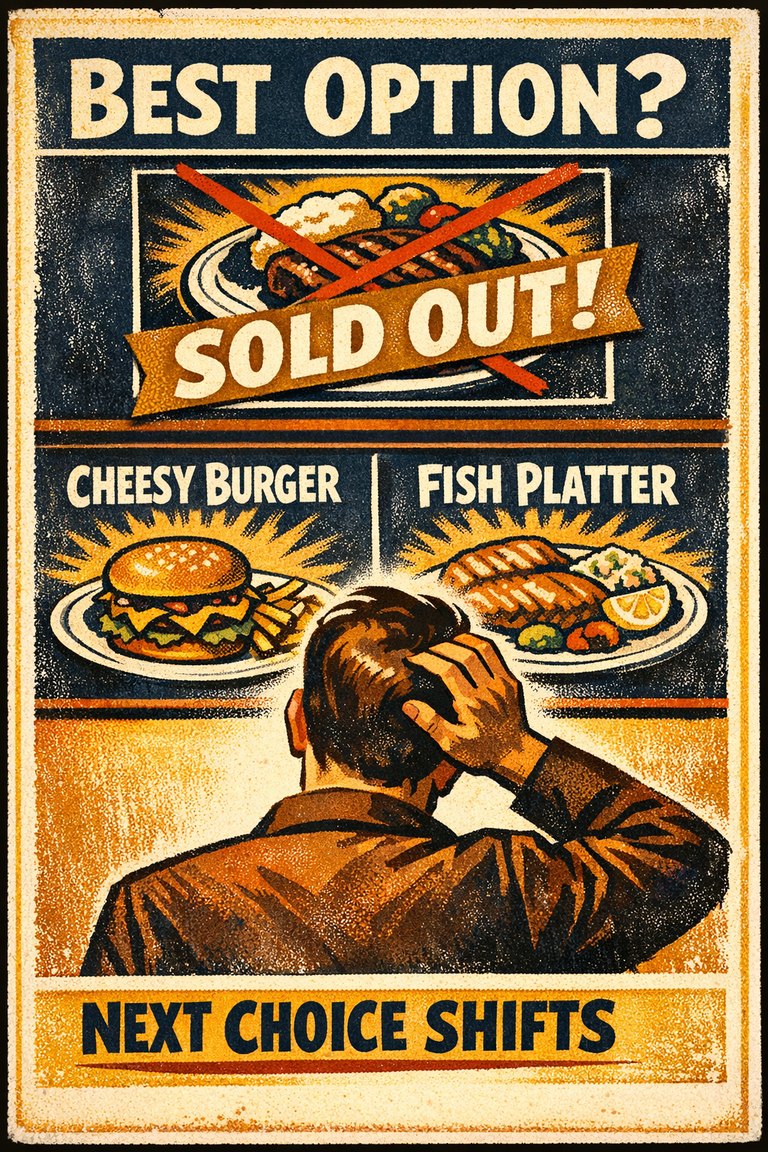
The tendency for unavailable but mentally present options to influence current choices.
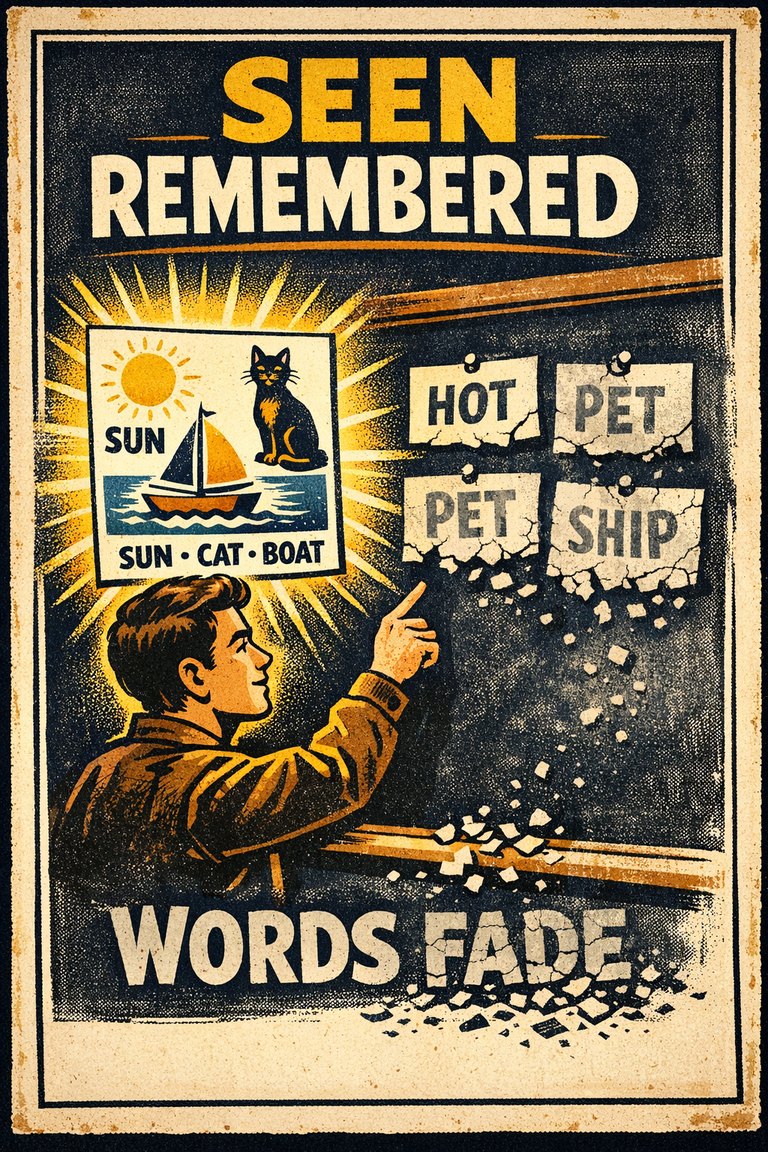
The tendency to remember pictured information better than the same information presented only as words.
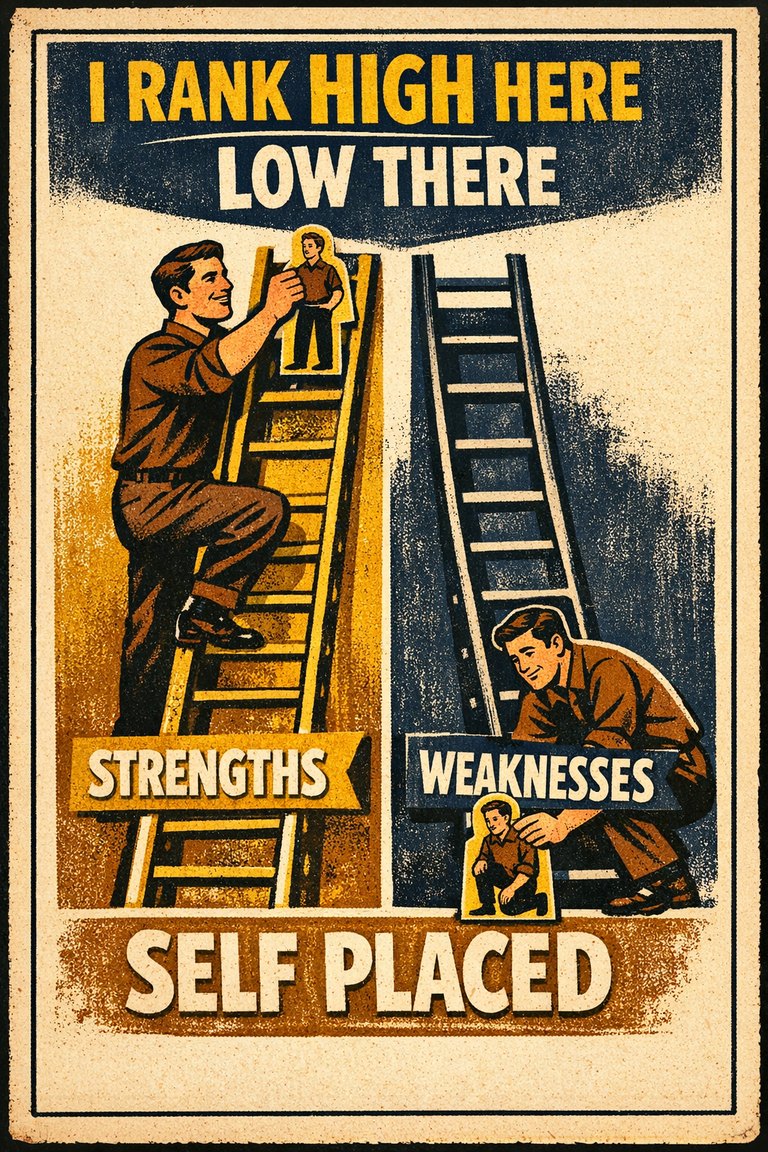
The tendency to remember oneself as above average at strengths and below average at weaknesses.
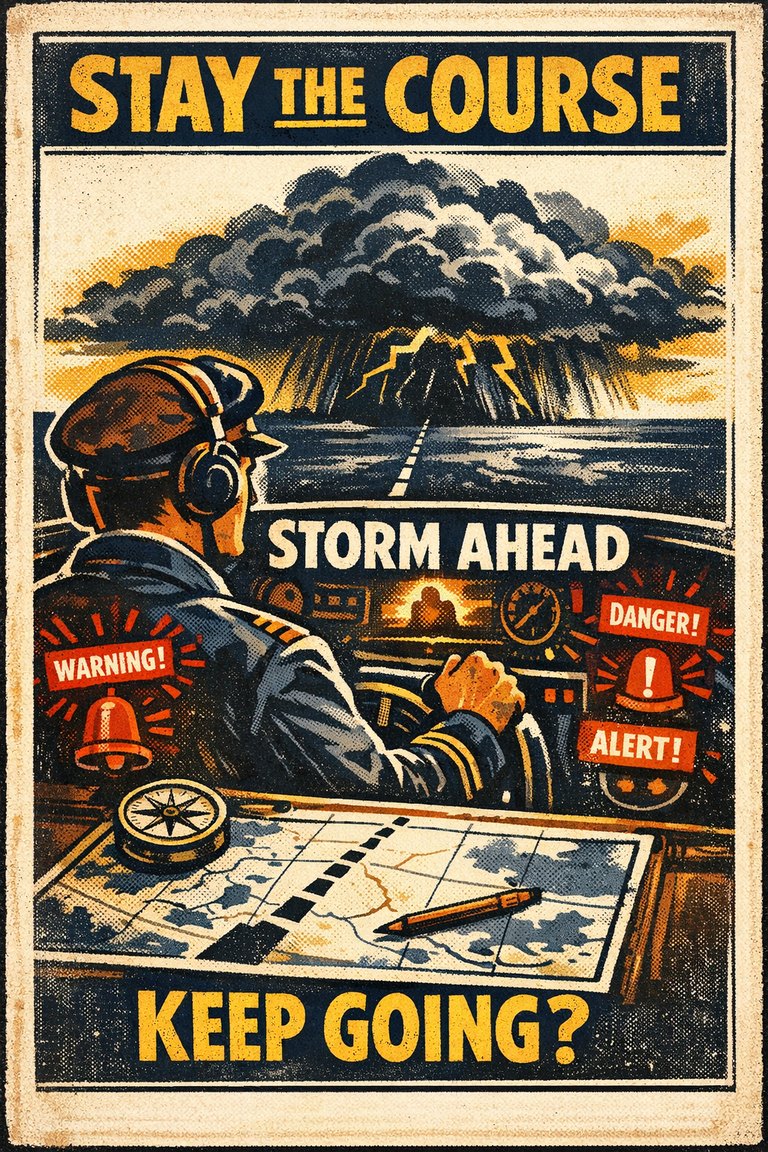
Failure to recognize that the original plan of action is no longer appropriate for a changing situation or for a situation that is different from anticipated.

The tendency for people to underestimate the time it will take them to complete a given task.
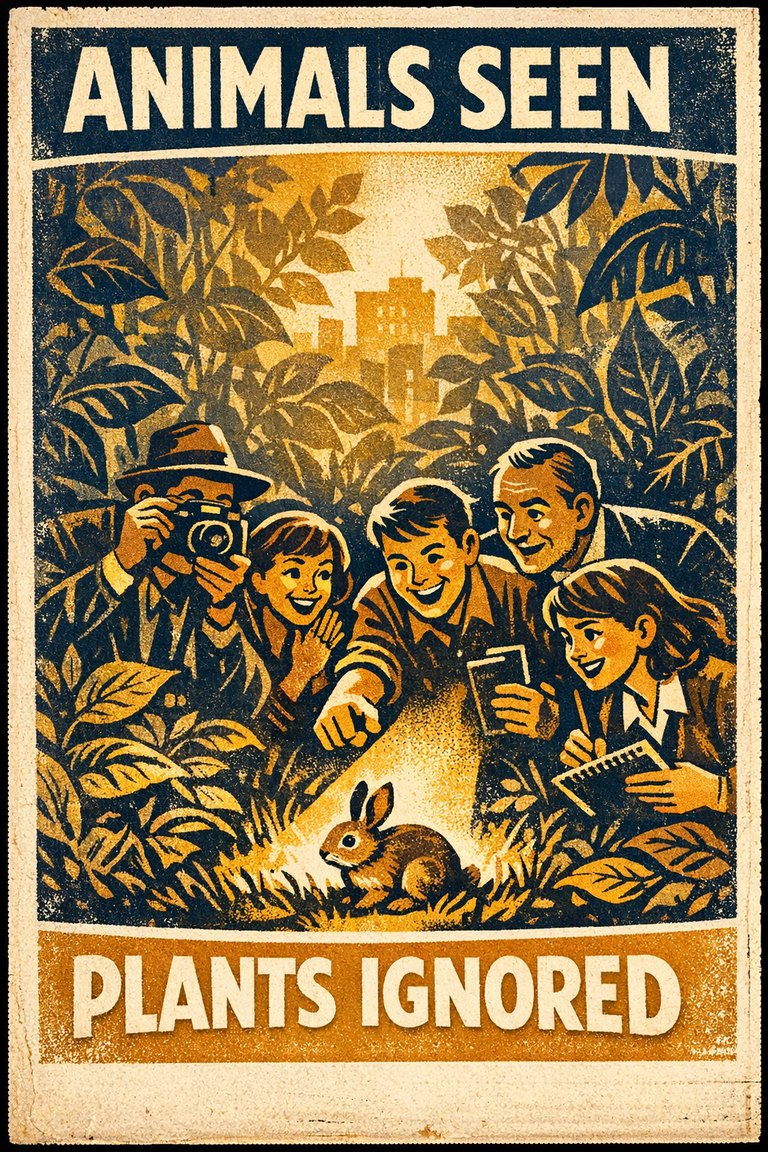
The tendency to ignore plants in their environment and a failure to recognize and appreciate the utility of plants to life on earth.

Older adults' tendency to favor good over bad information in their memories.

The tendency to give disproportionate weight to immediate costs and payoffs relative to later ones, even when the later consequences are larger.
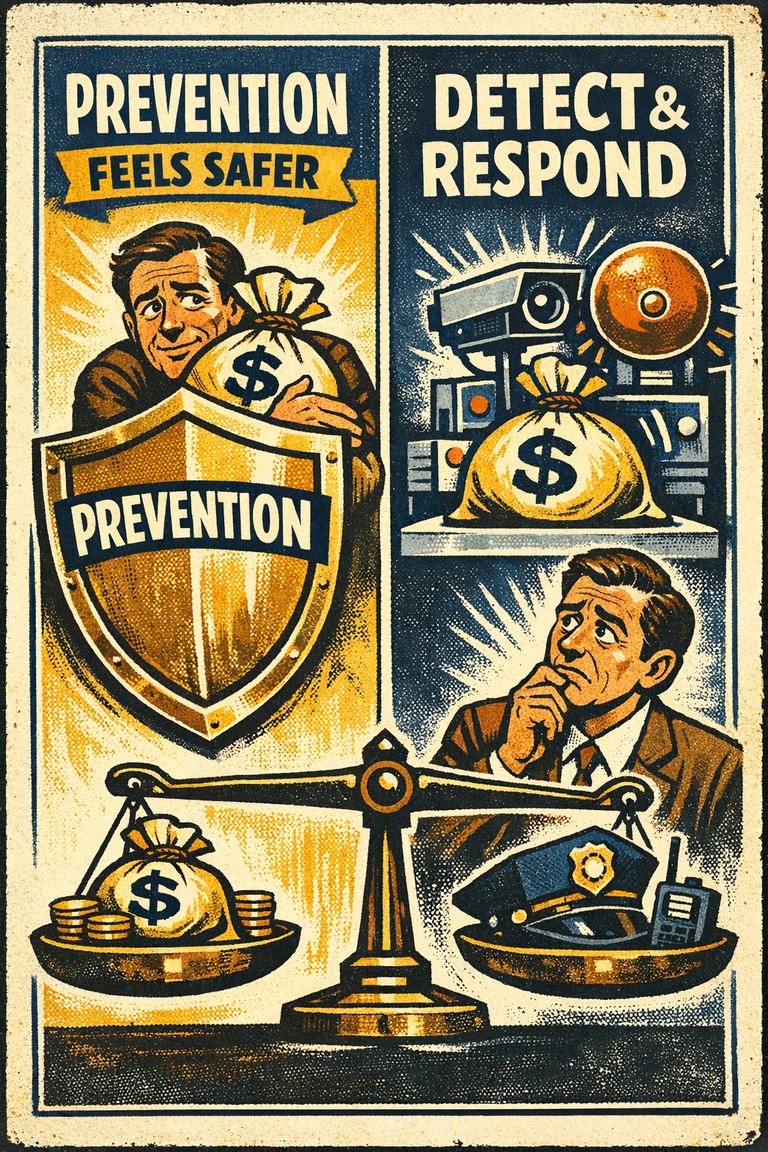
The tendency to overvalue prevention spending relative to equally effective detection or response.
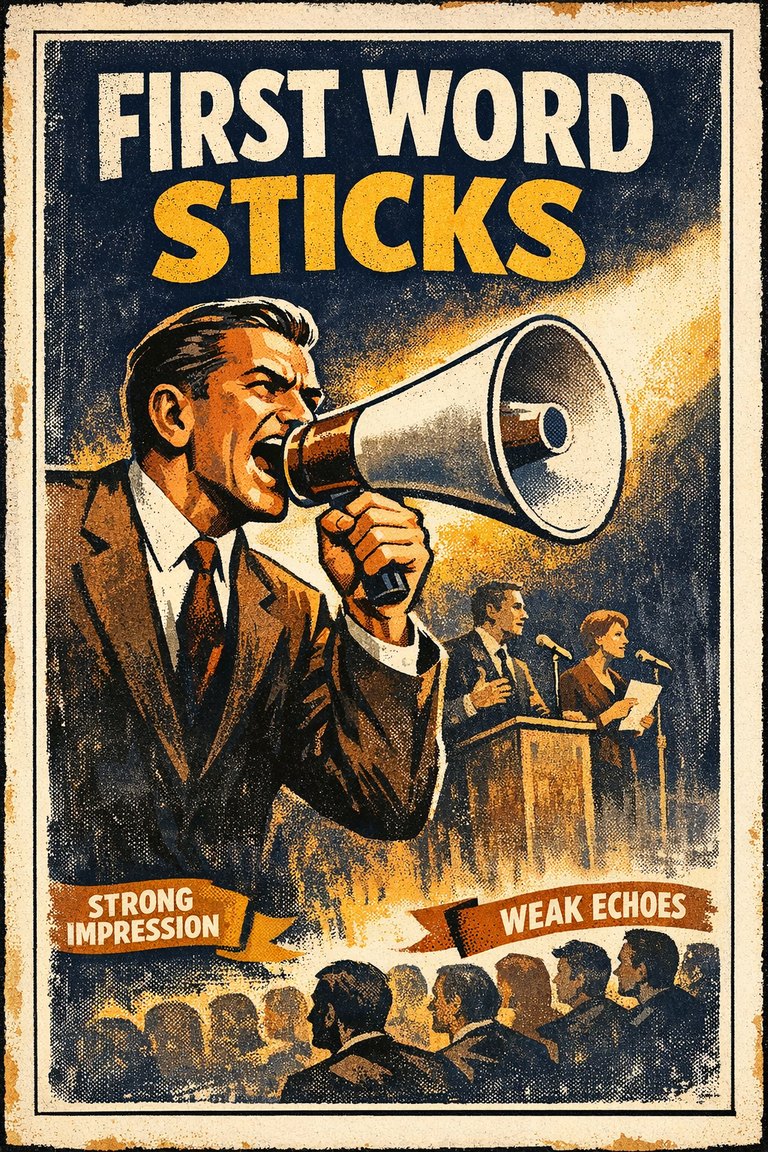
The tendency to remember items at the beginning of a sequence especially well.
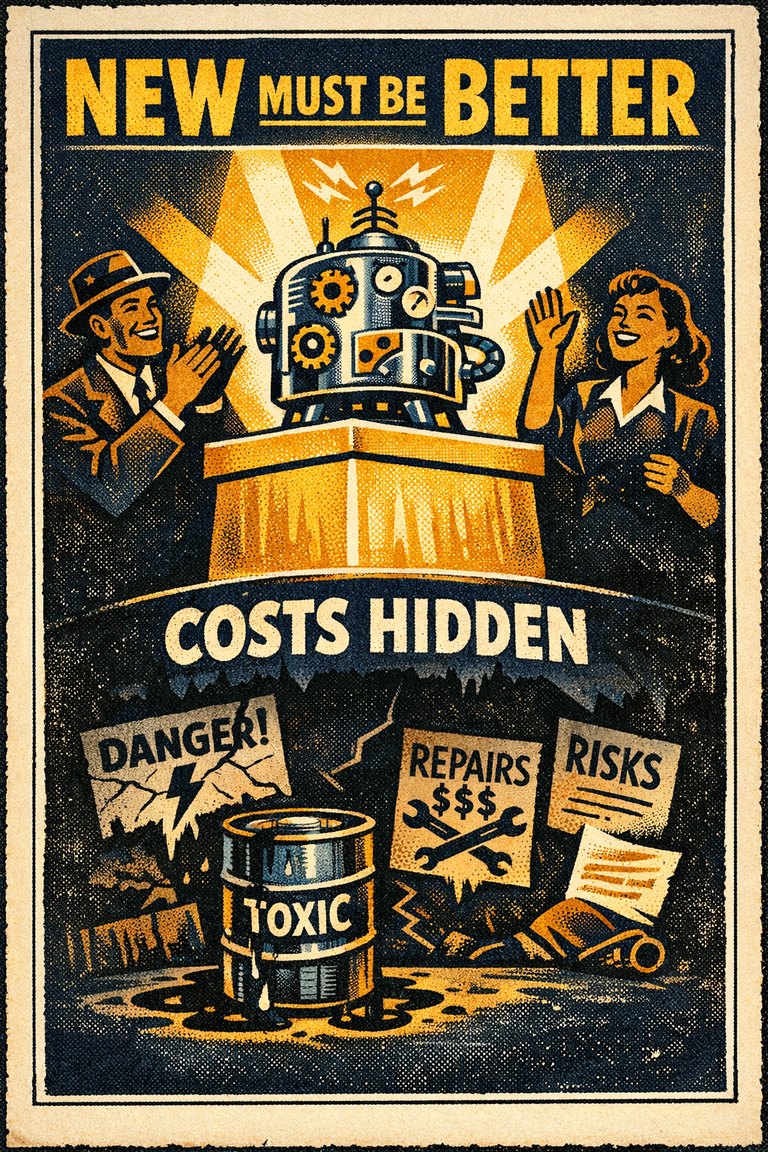
The tendency to have an excessive optimism towards an invention or innovation's usefulness throughout society, while often failing to identify its limitations and weaknesses.

Sub-optimal matching of the probability of choices with the probability of reward in a stochastic context.
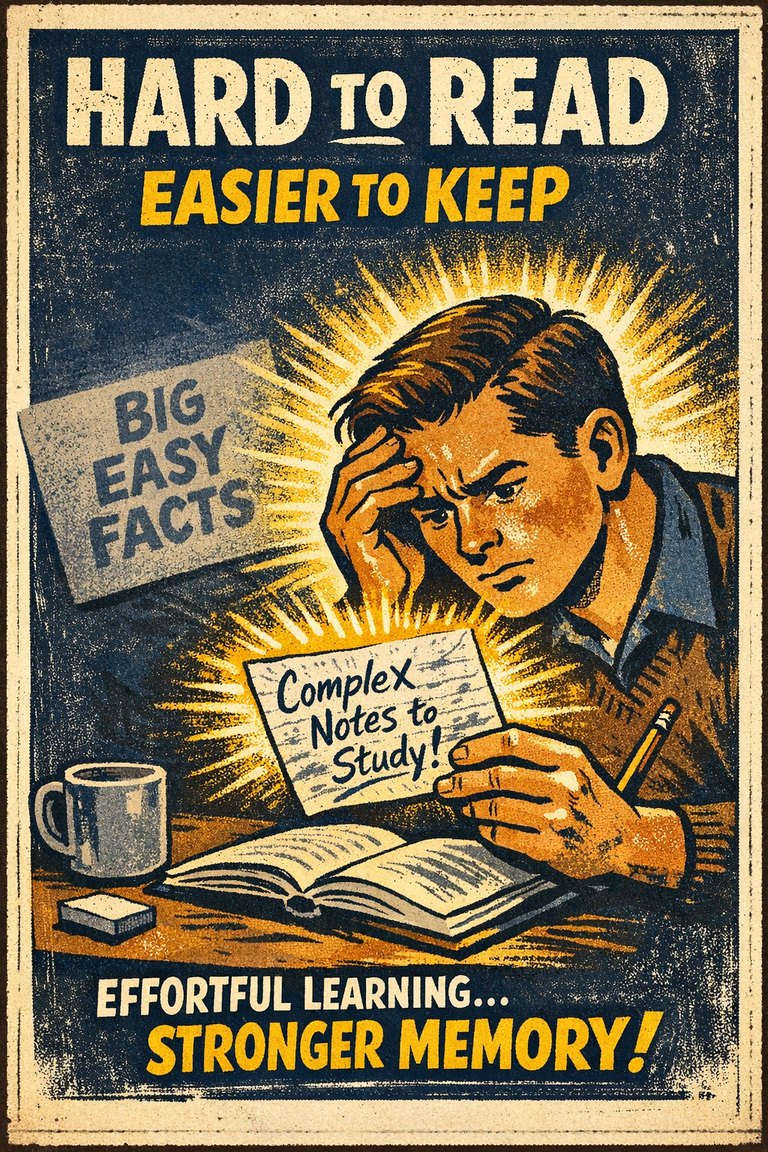
The tendency to remember information better when processing it required more effort or thought.
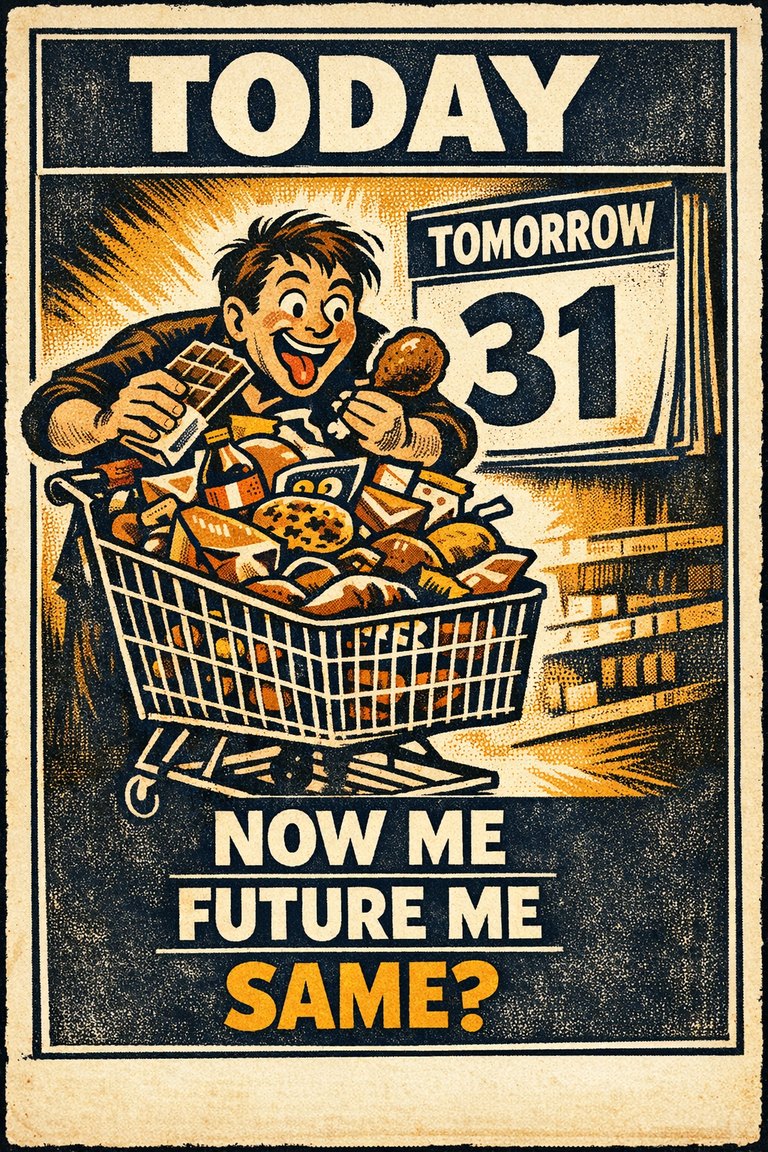
The tendency to overestimate how much your future preferences, values, and reactions will resemble whatever you feel strongly right now.
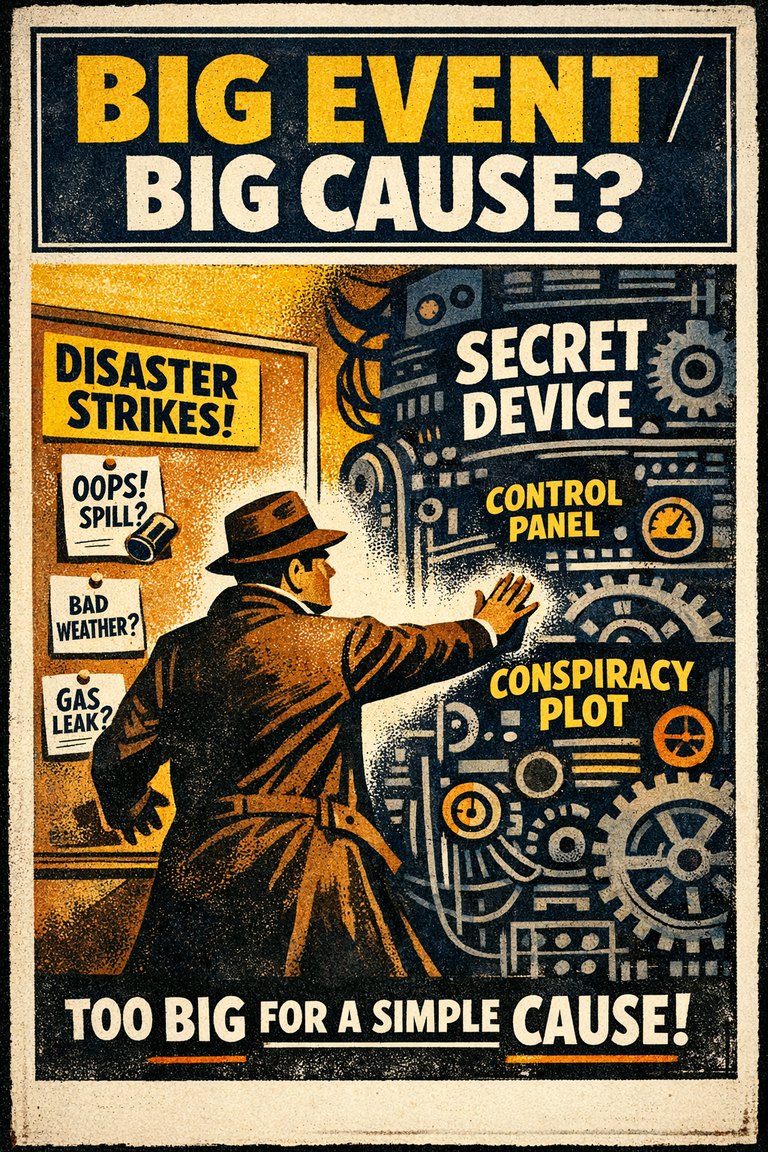
Our innate tendency to assume that big events have big causes, may also explain our tendency to accept conspiracy theories.
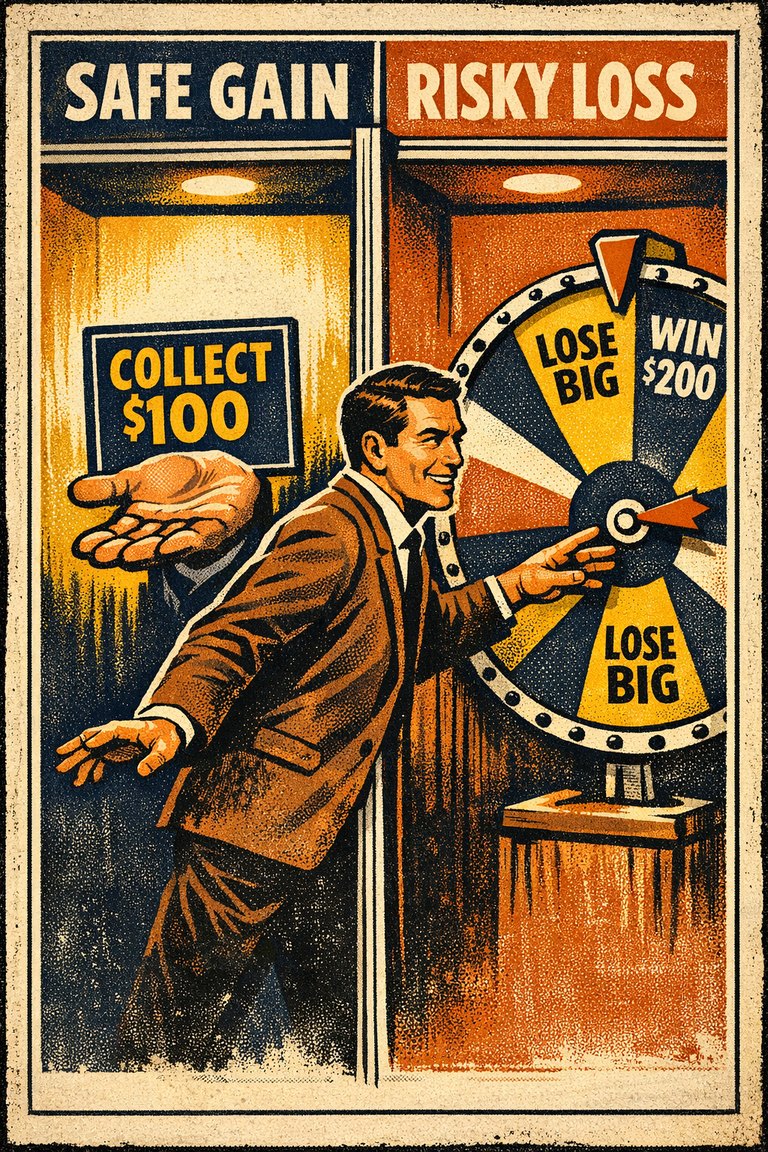
The tendency to make risk-averse choices if the expected outcome is good but risk-seeking choices if it is bad.
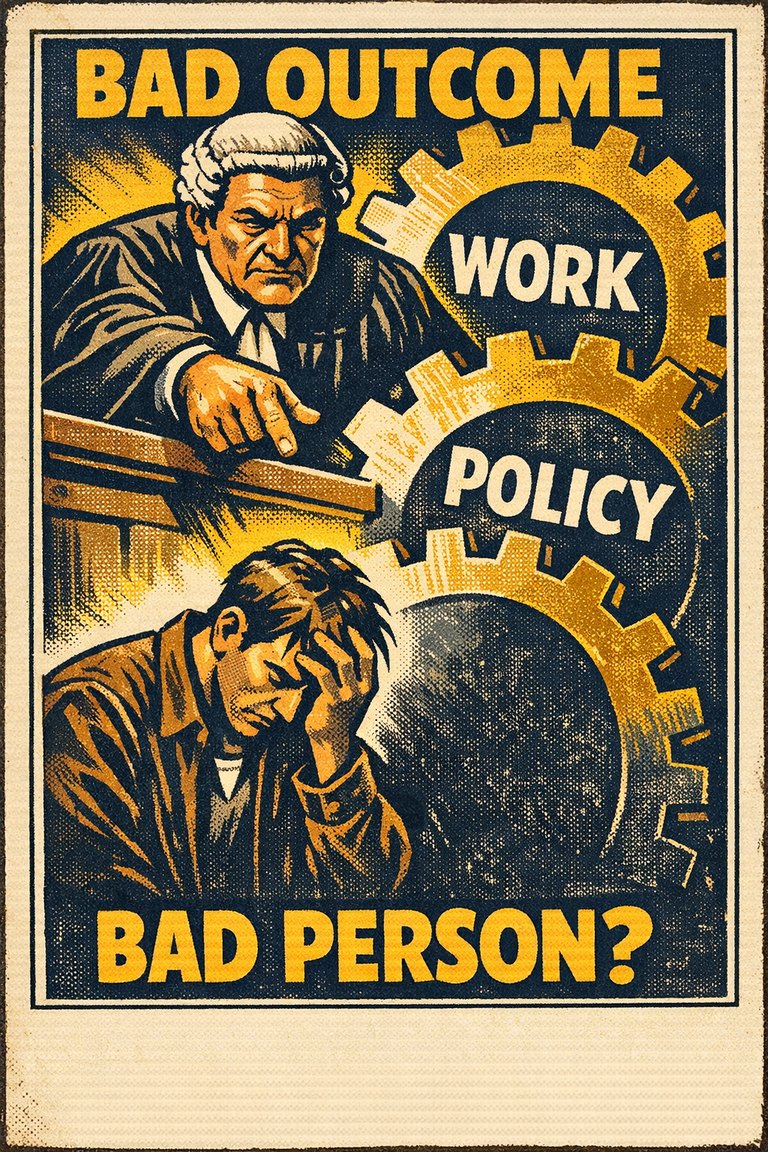
The tendency to explain wrongdoing as personal moral failure rather than as partly shaped by social conditions.
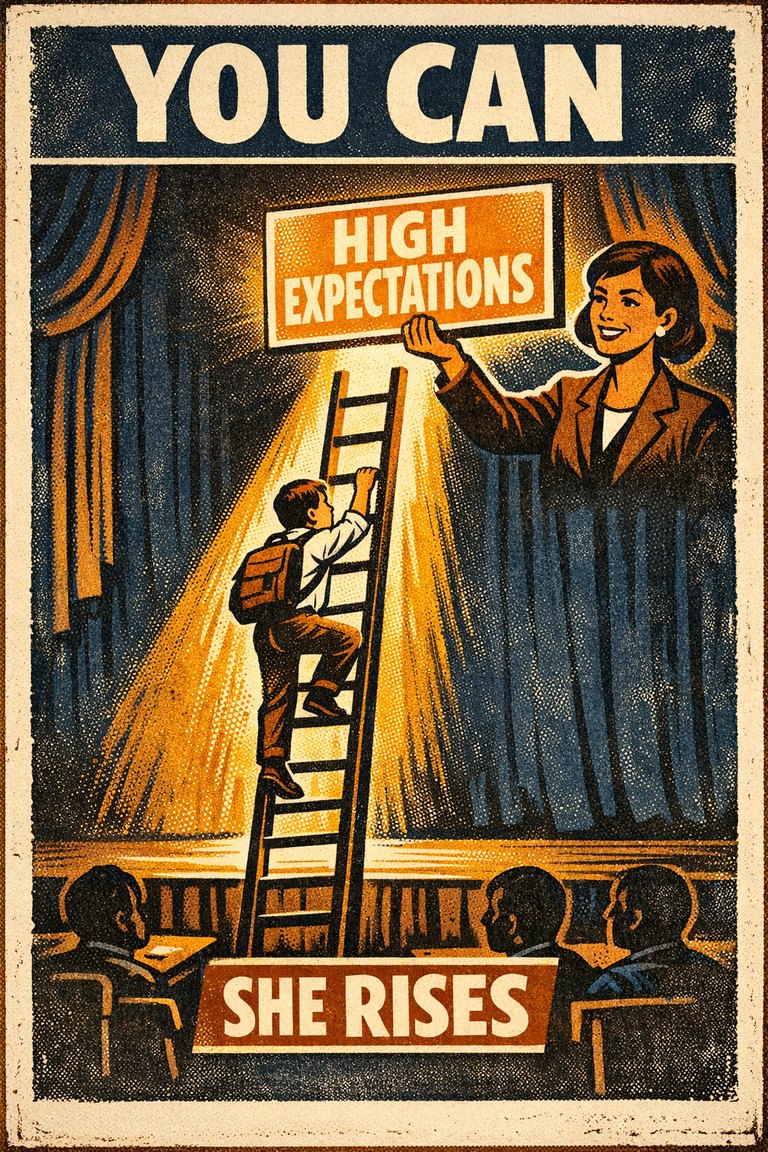
The phenomenon whereby others' expectations of a target person affect the target person's performance.
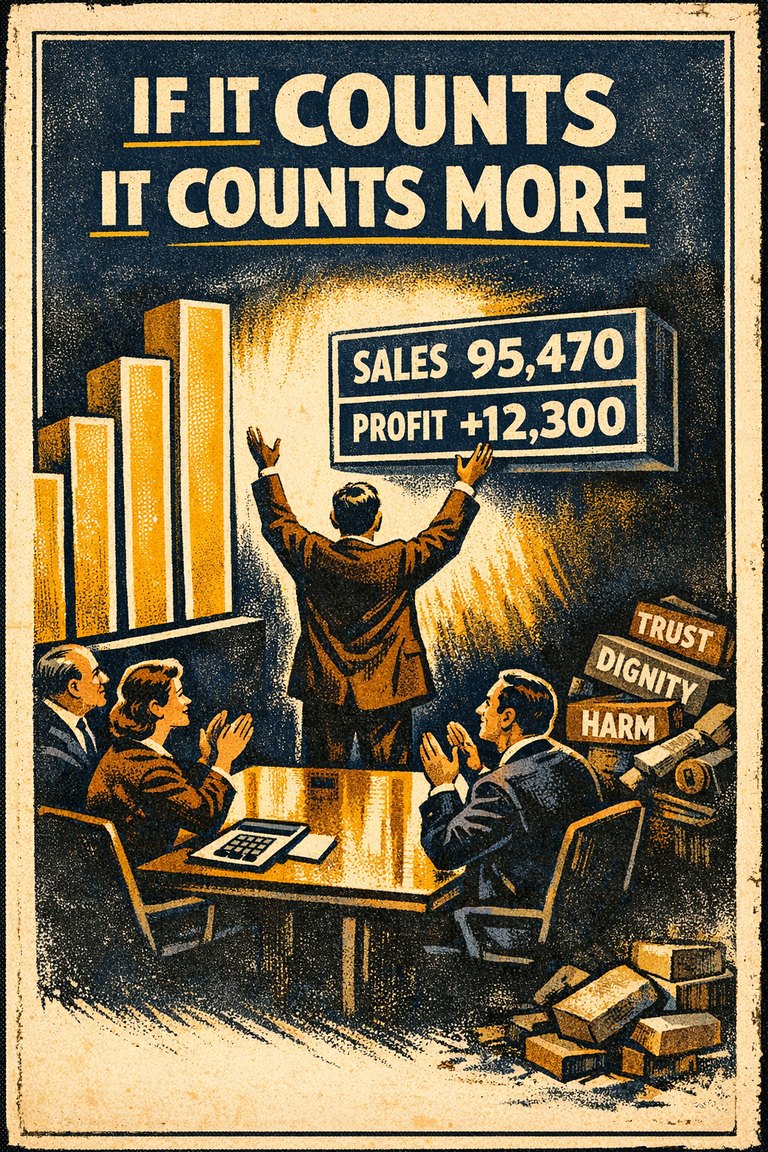
The tendency to ascribe more weight to measured/quantified metrics than to unquantifiable values.
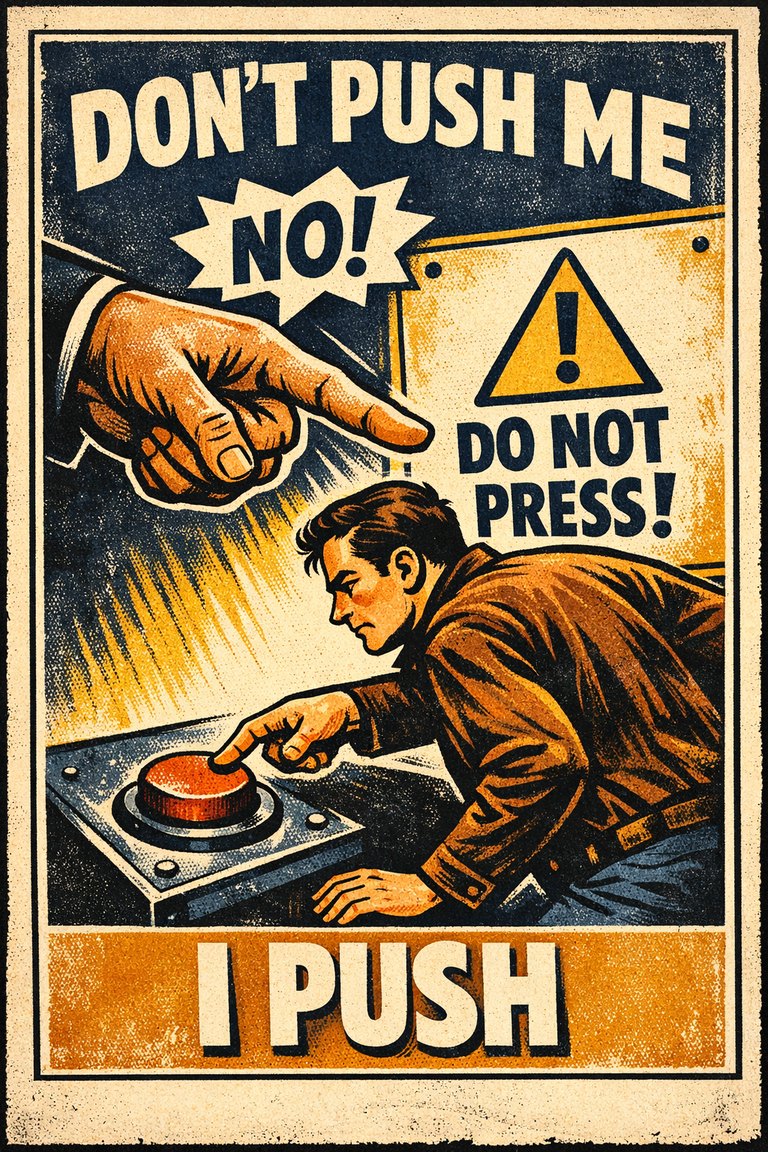
The tendency to push back against a perceived attempt to limit one's freedom of choice, sometimes by moving toward the very option one was being steered away from.

Devaluing proposals only because they purportedly originated with an adversary.
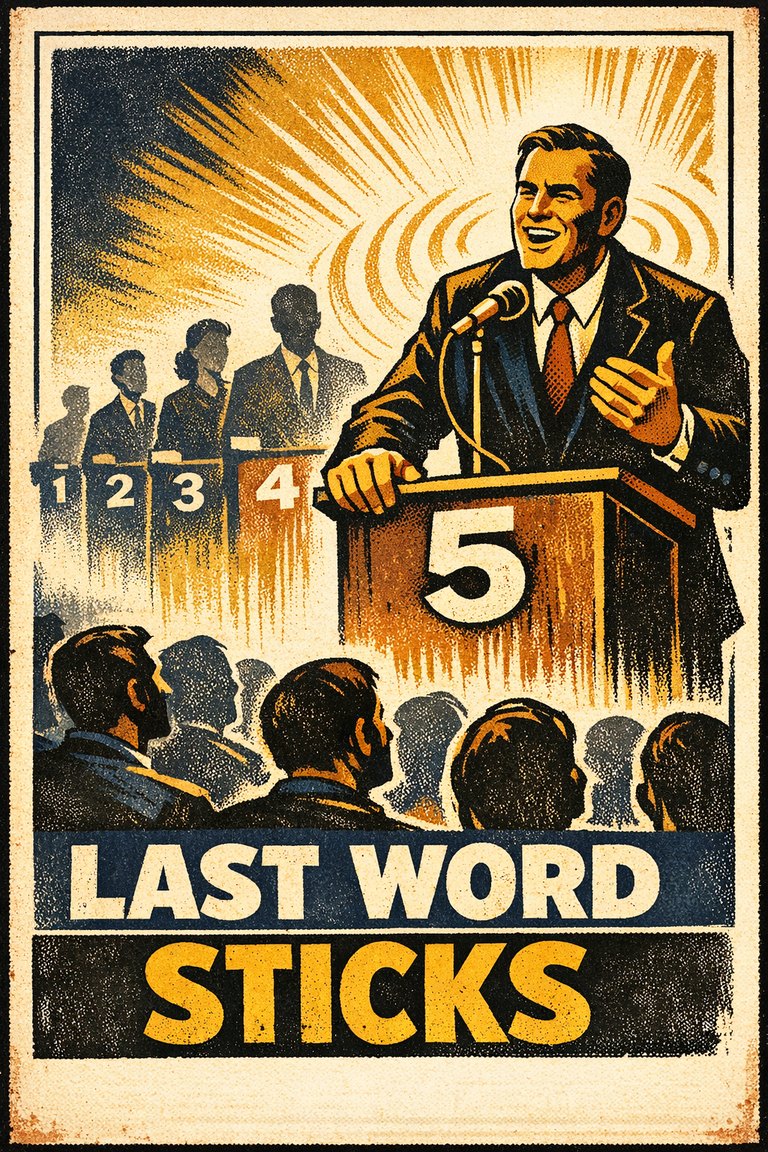
A form of serial position effect where an item at the end of a list is easier to recall.

The illusion that a phenomenon one has noticed only recently is itself recent.

The recalling of more personal events from adolescence and early adulthood than personal events from other lifetime periods.
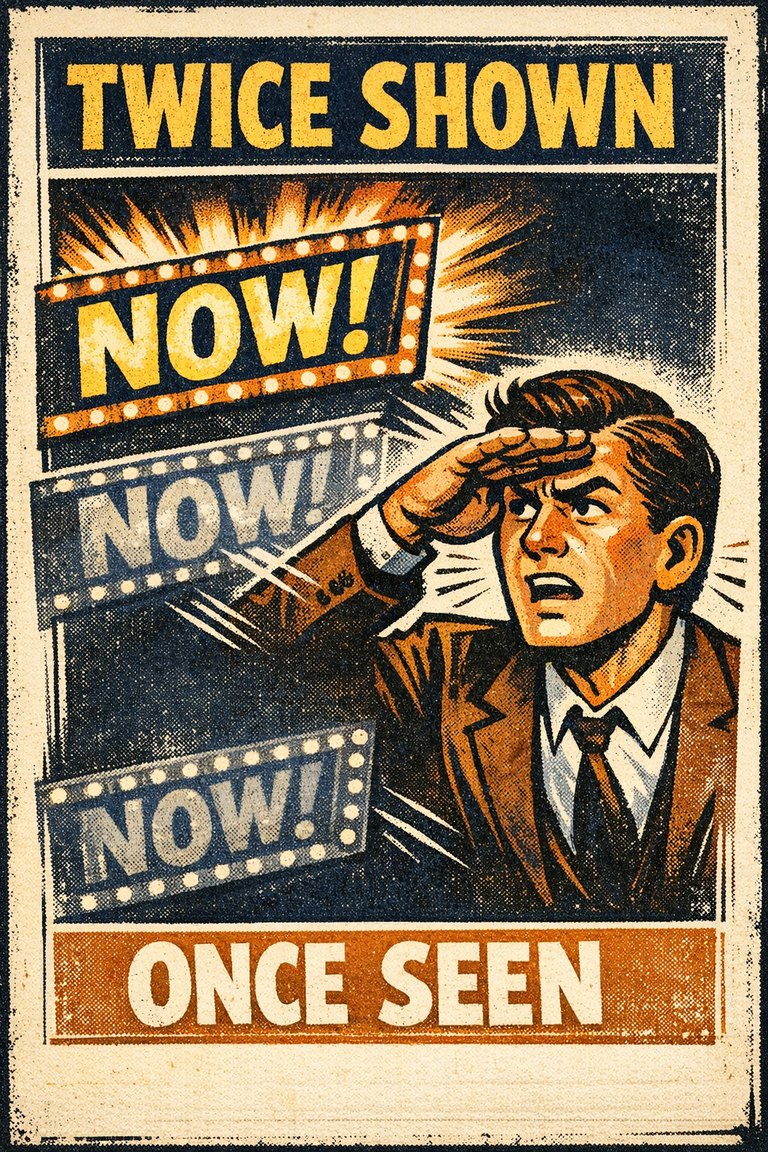
Unexpected difficulty in remembering more than one instance of a visual sequence.

The tendency to overestimate one's ability to show restraint in the face of temptation.
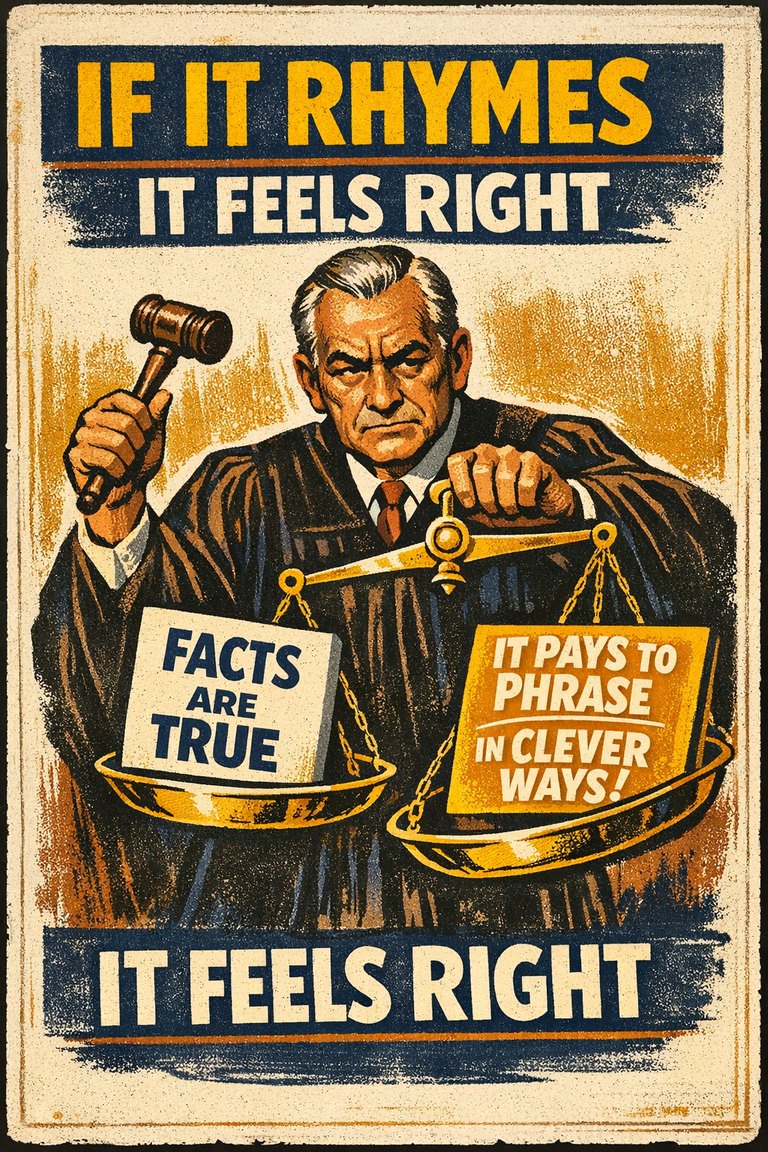
The tendency to treat rhyming statements as more truthful or convincing.
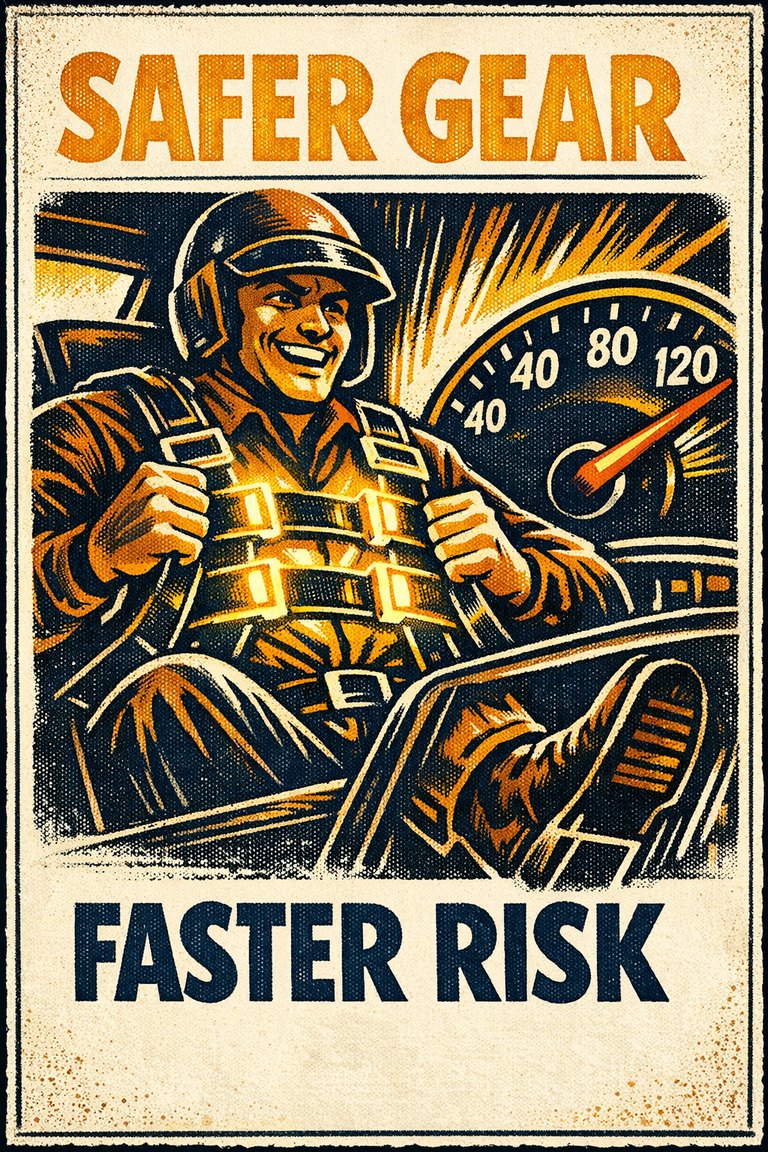
The tendency to take greater risks when perceived safety increases.

The remembering of the past as having been better than it really was.
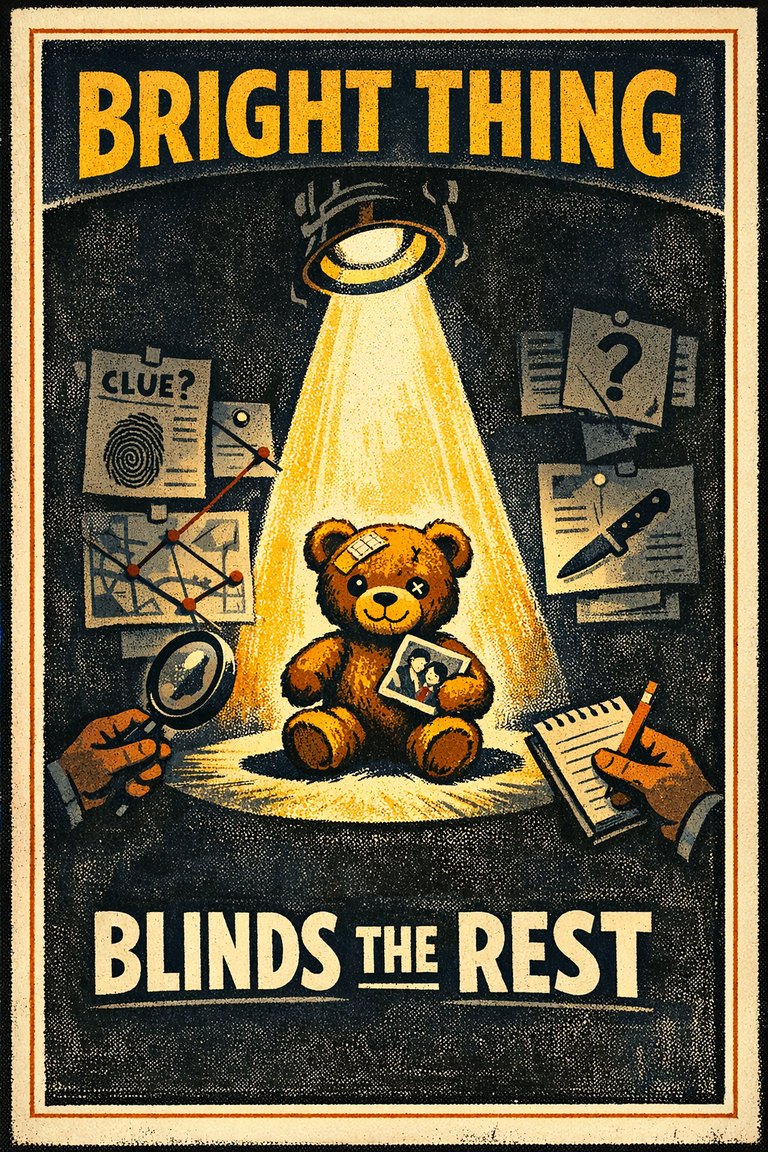
The tendency to focus on striking or emotional information and neglect less vivid but relevant information.
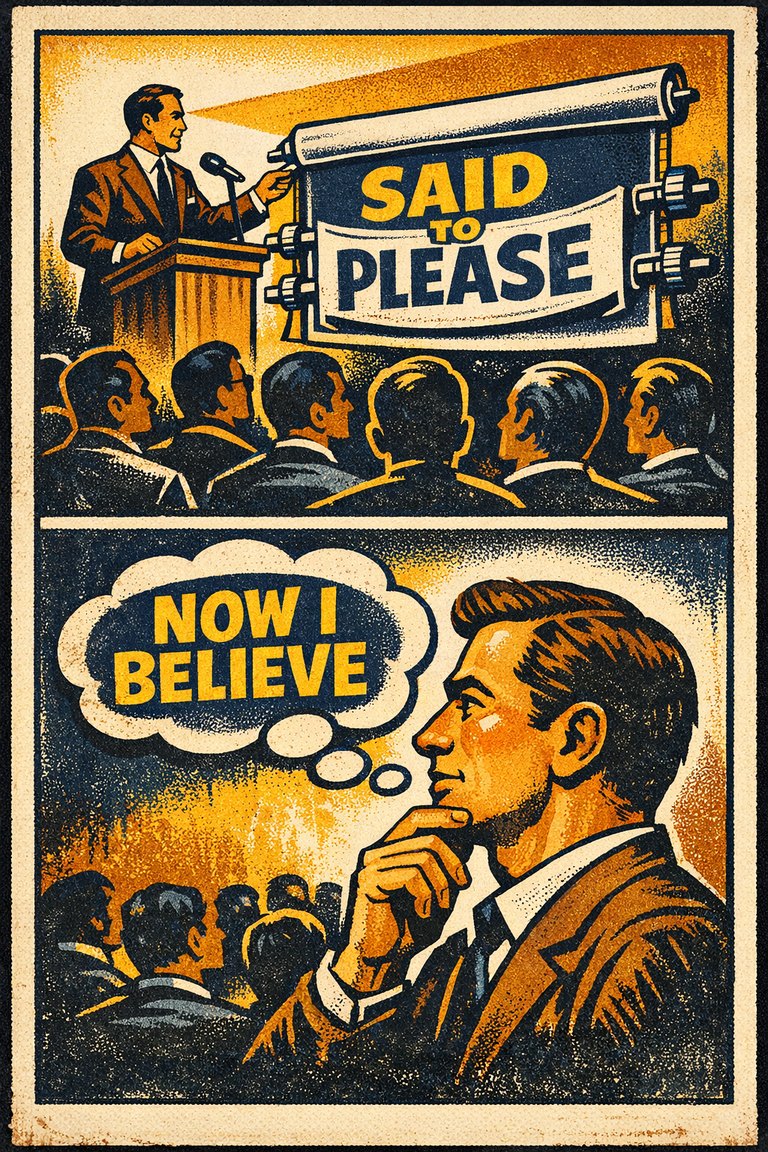
Communicating a socially tuned message to an audience can lead to a bias of identifying the tuned message as one's own thoughts.
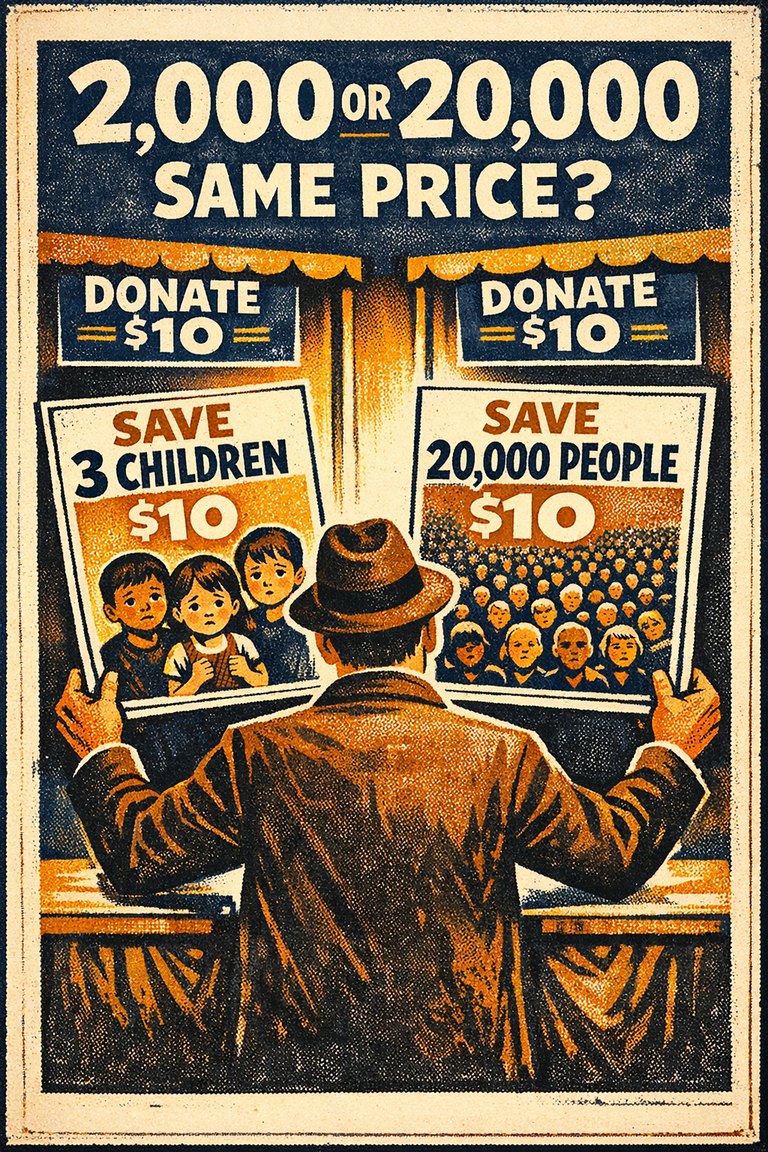
The tendency to respond weakly to scale, treating small and large harms or benefits as if the difference barely matters.
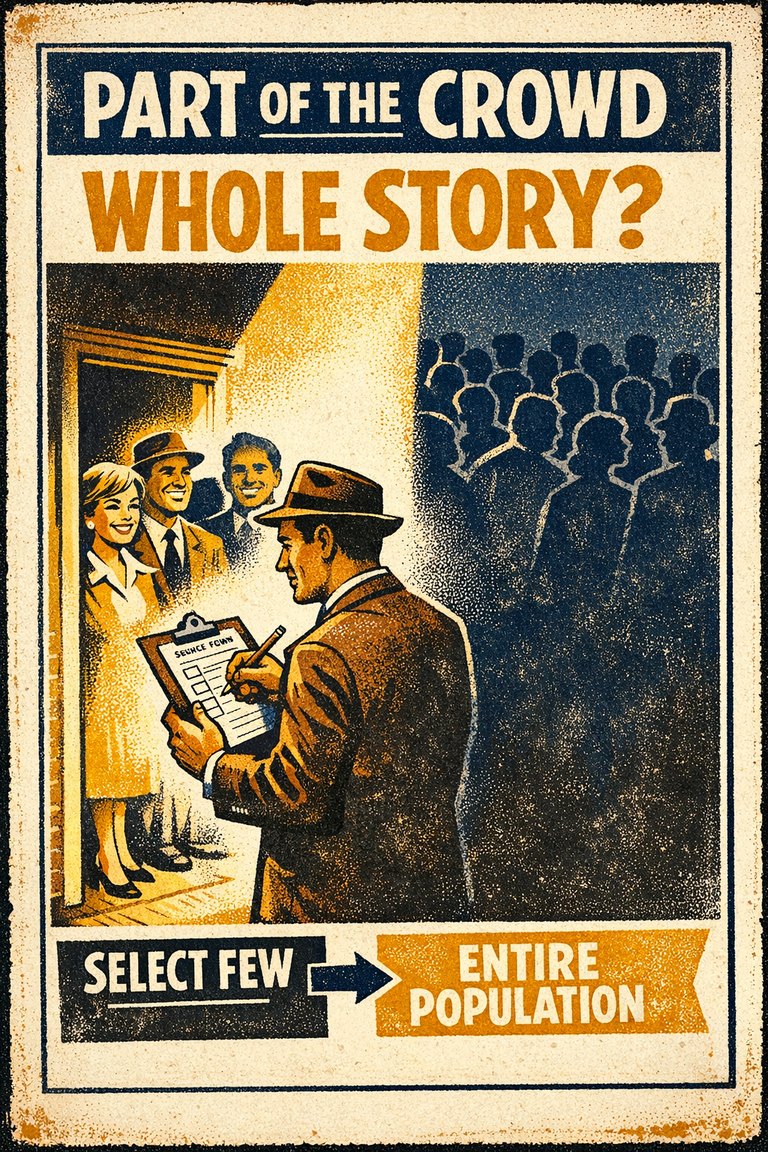
Which happens when the members of a statistical sample are not chosen completely at random, which leads to the sample not being representative of the population.
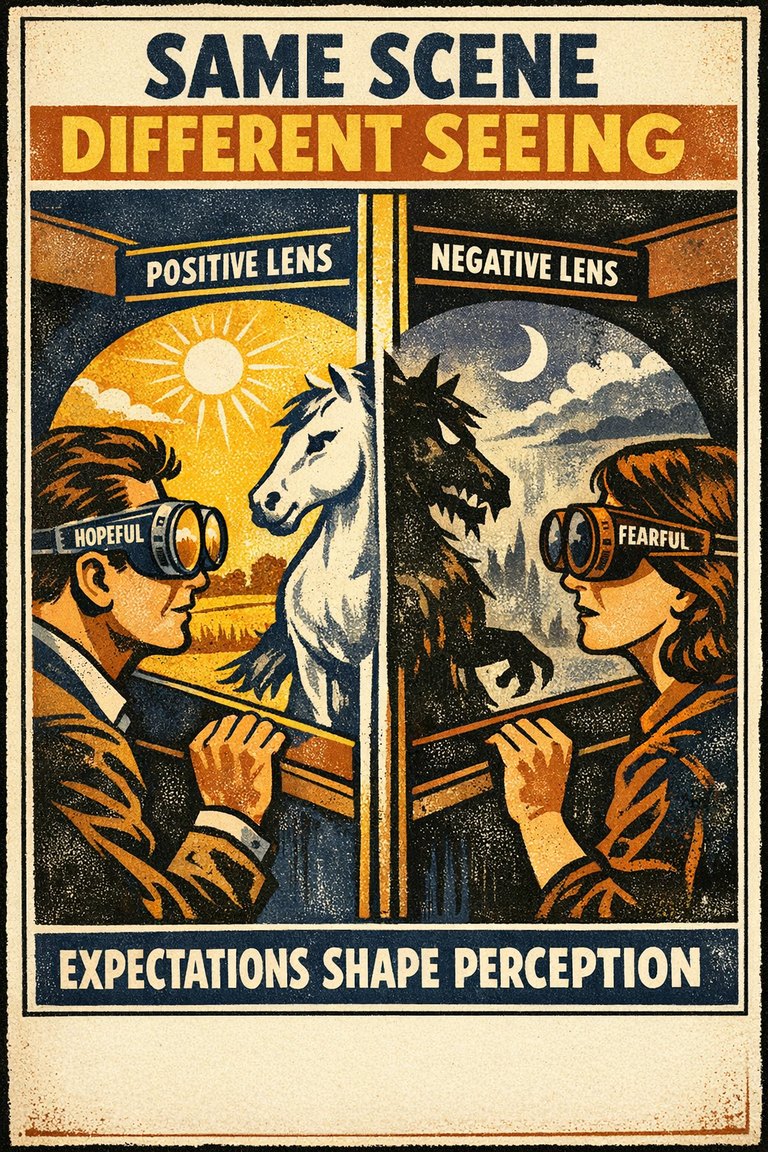
The tendency for expectations or prior beliefs to shape what one notices or perceives.
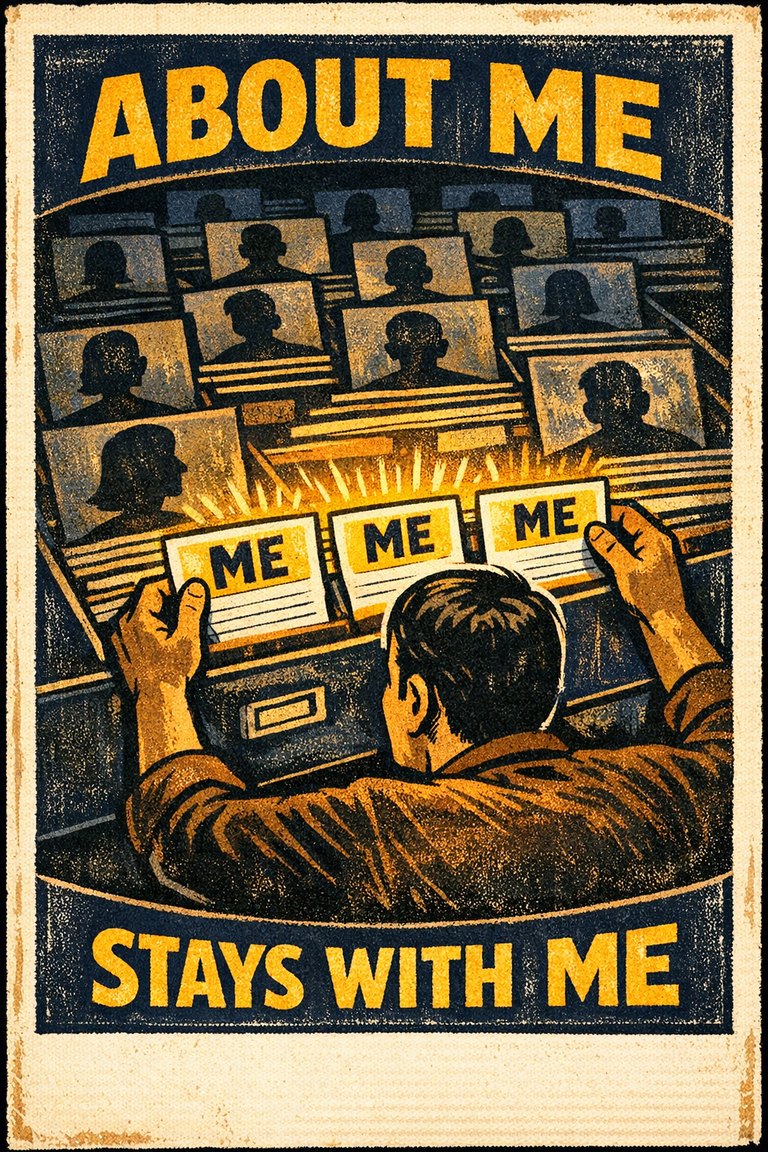
The tendency to remember information better when it is connected to oneself.
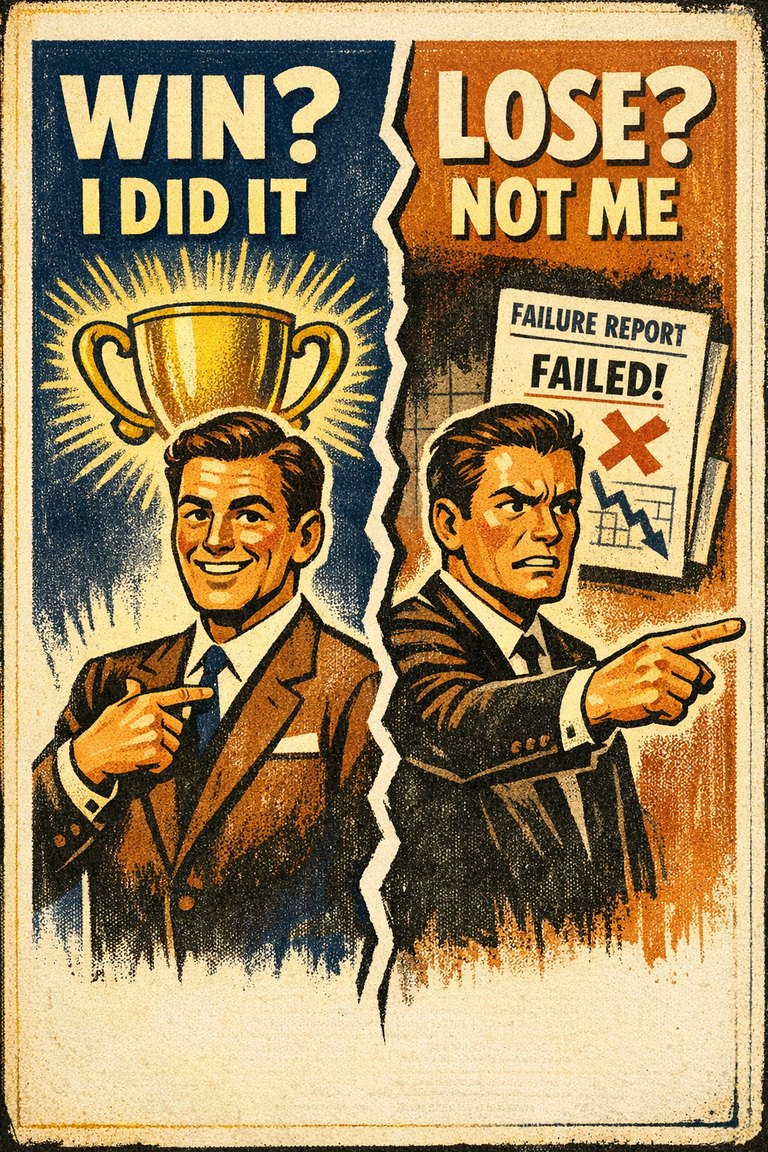
The tendency to take disproportionate credit for successes while locating failures in bad luck, unfair circumstances, or other people.
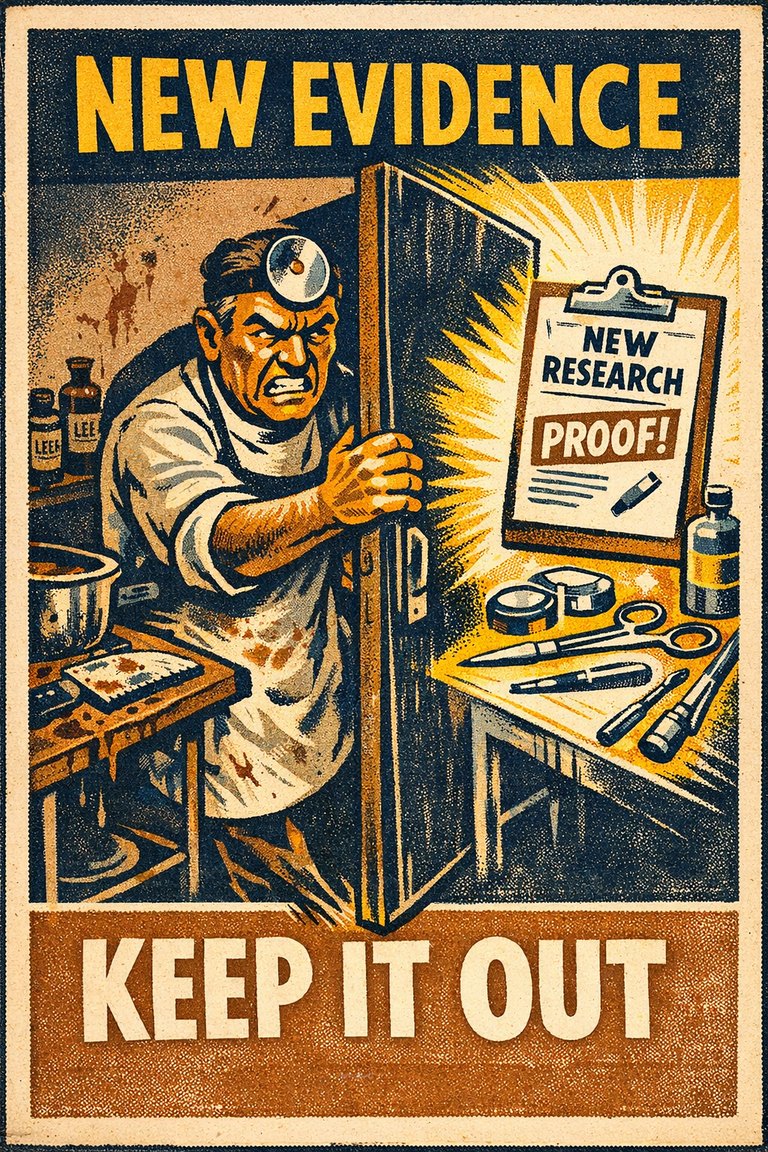
The tendency to reject new evidence that contradicts a paradigm.
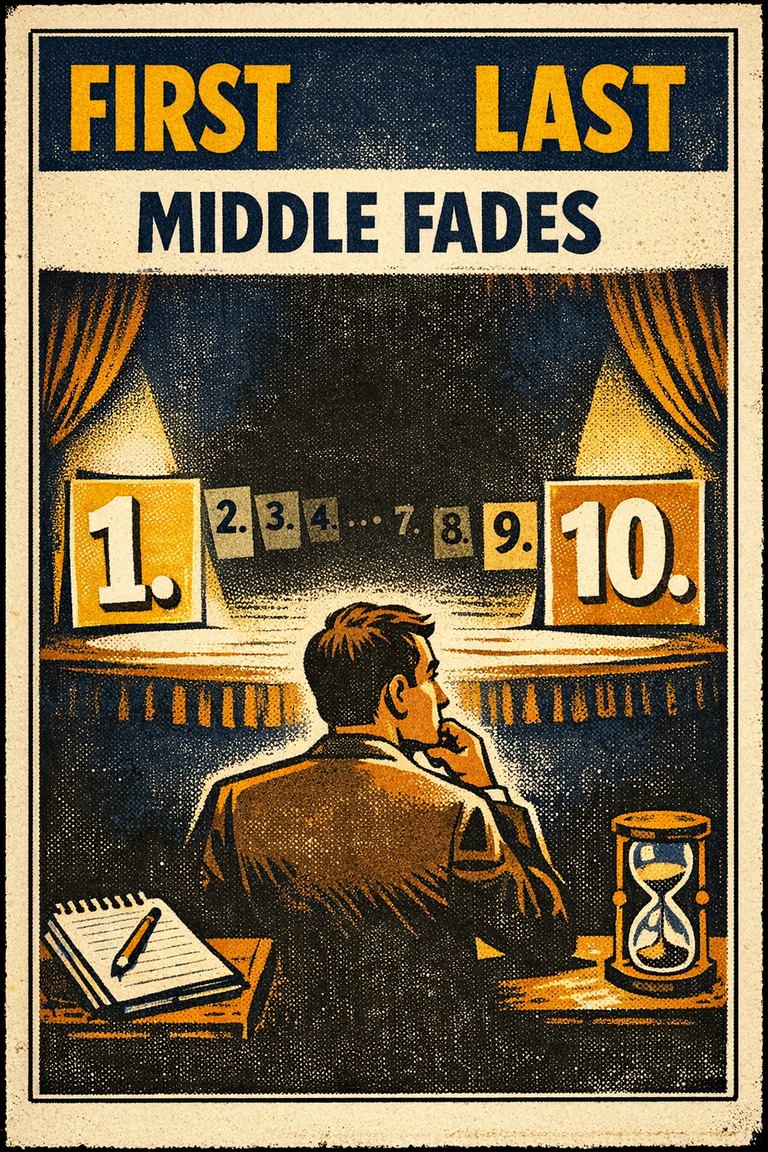
The tendency to remember items at the beginning and end of a sequence better than those in the middle.
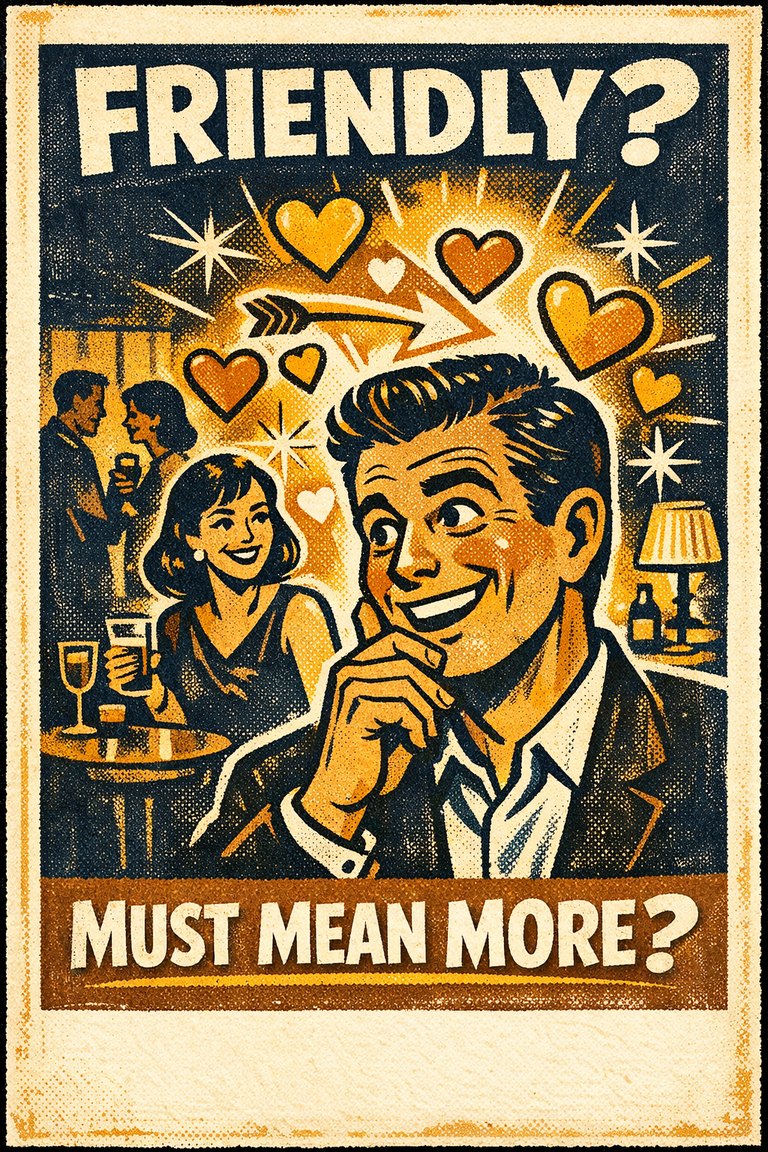
The tendency to overestimate sexual interest of another person in oneself, and sexual underperception bias, the tendency to underestimate it.
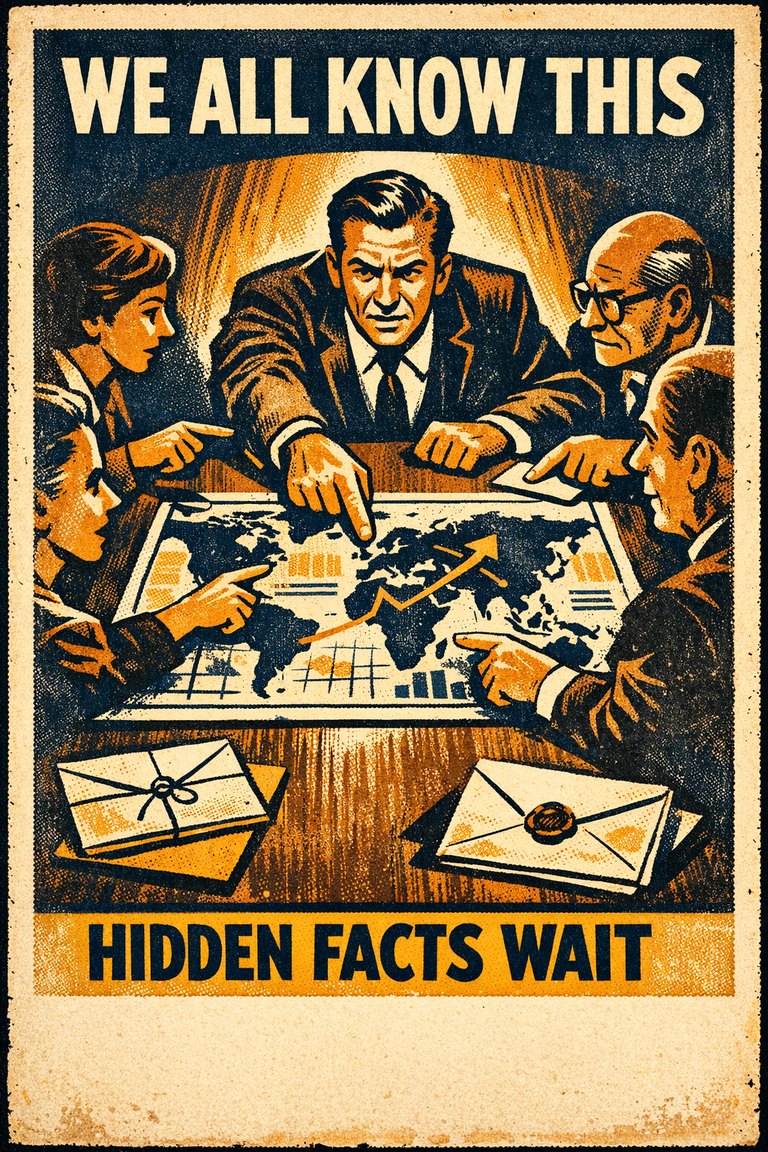
The tendency for groups to spend too much time discussing shared information and too little on unique information.

The tendency when making decisions, to favour potential candidates who do not compete with one's own particular strengths.

The tendency for societies to remember that change happened while forgetting who caused it and how.
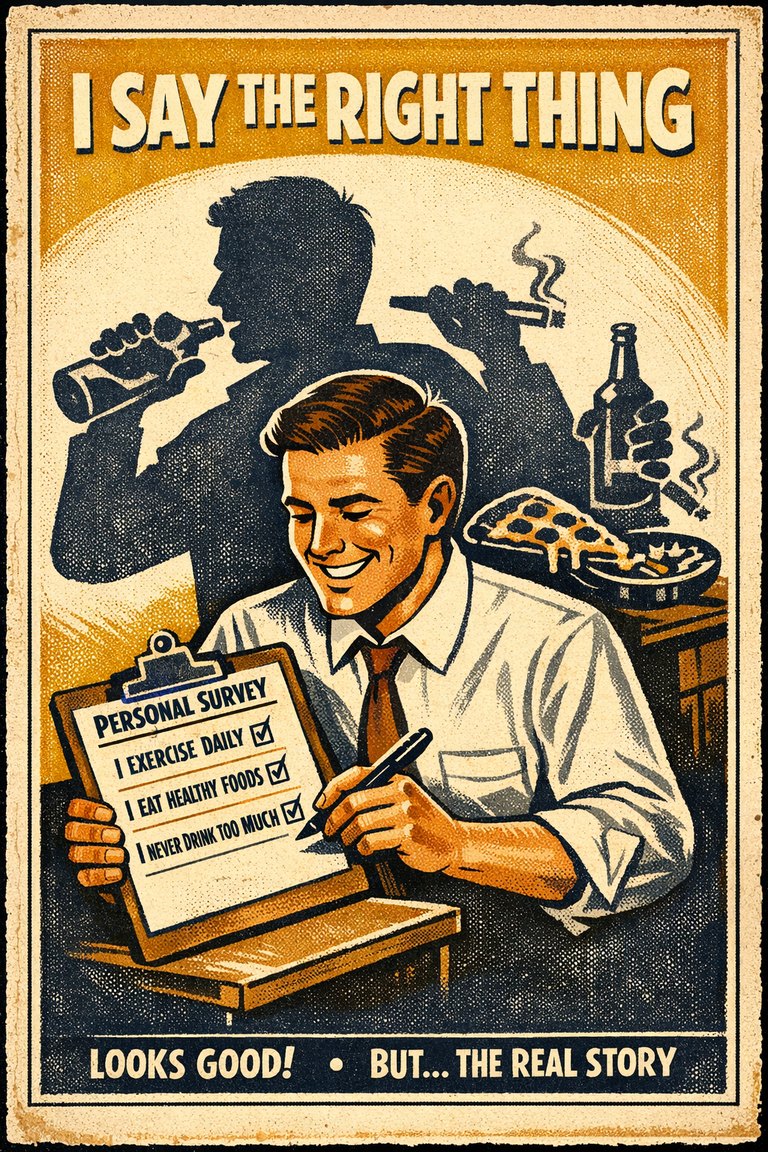
The tendency to over-report socially approved attitudes or behaviors and under-report the ones likely to invite embarrassment, judgment, or sanction.
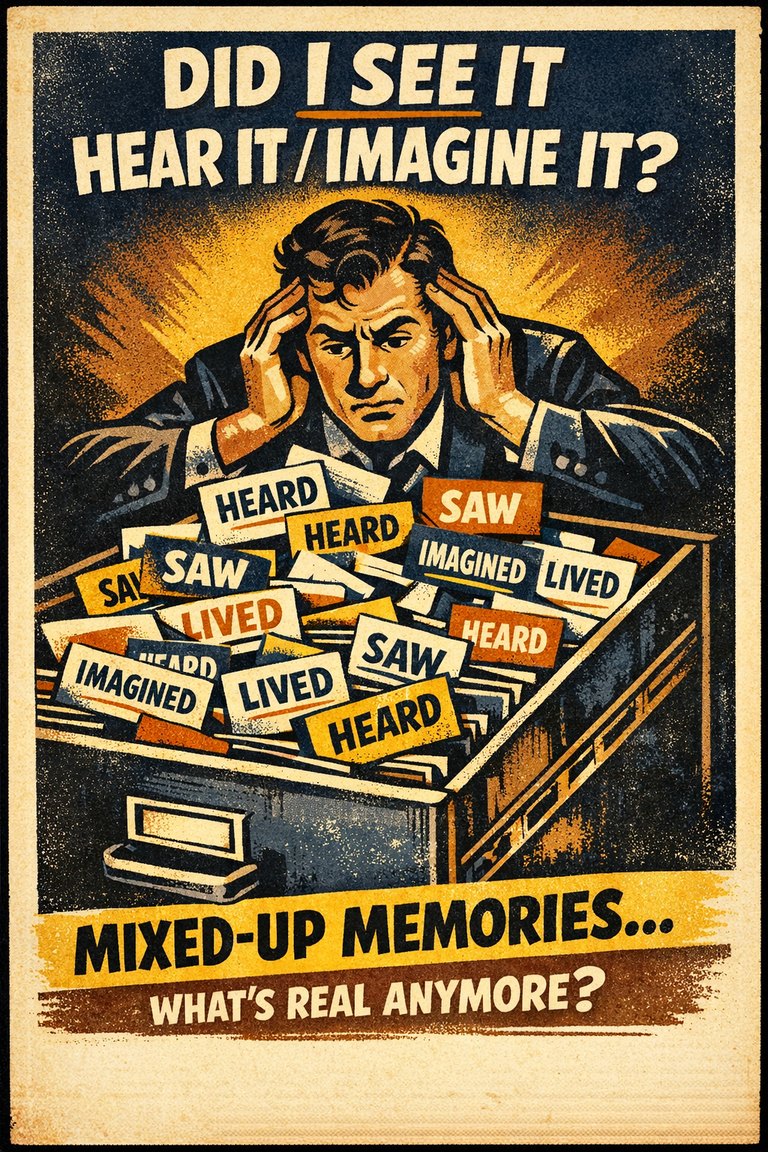
Episodic memories are confused with other information, creating distorted memories.
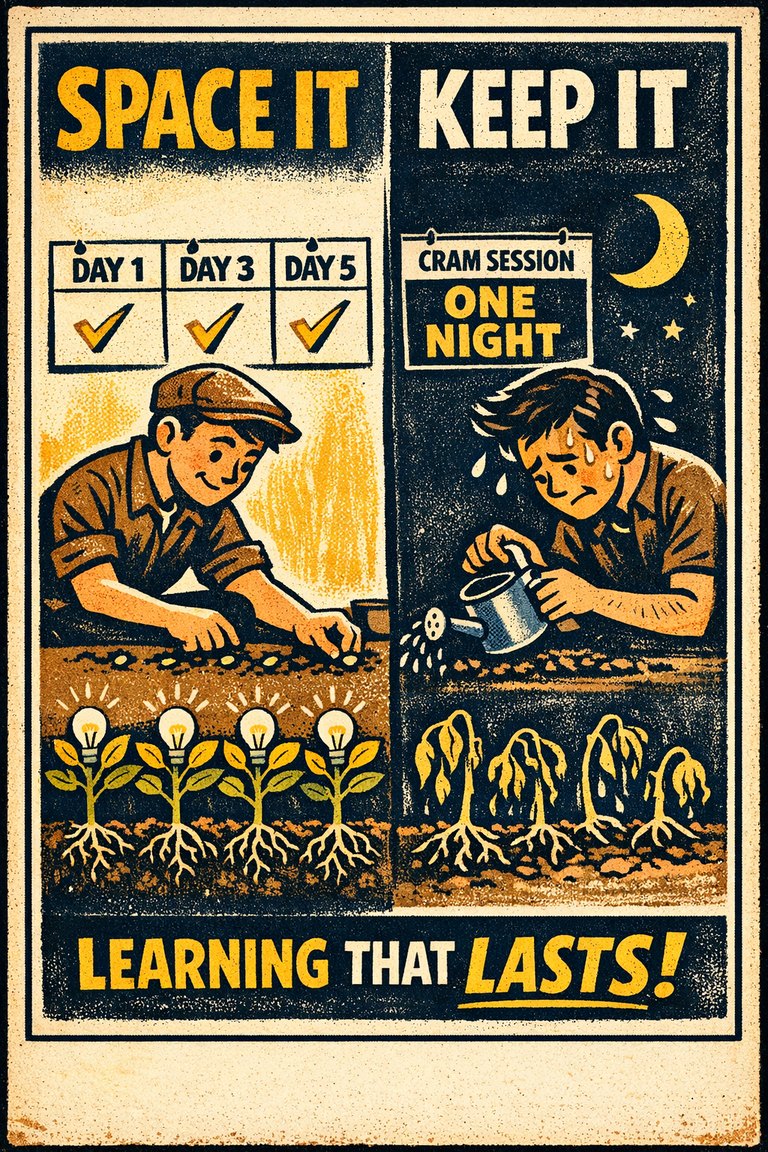
The tendency to remember information better when exposure is spaced out over time.
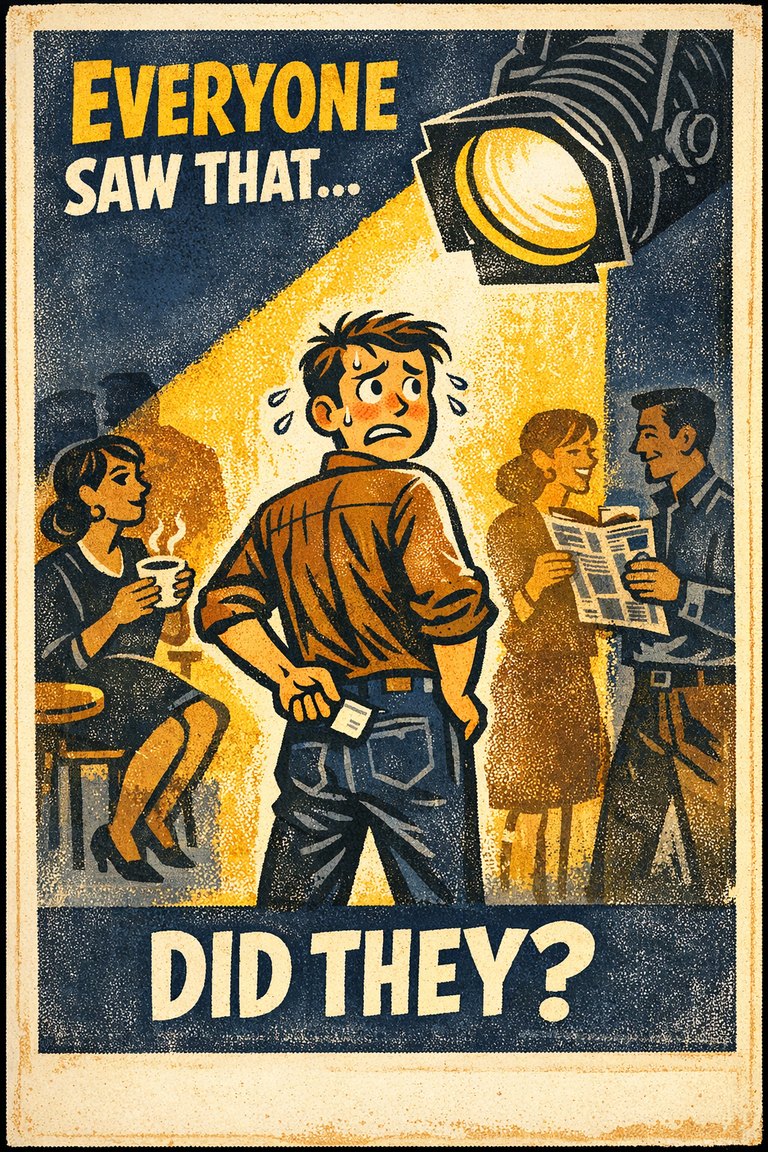
The tendency to overestimate how much other people notice, remember, or care about one's appearance, mistakes, or behavior.
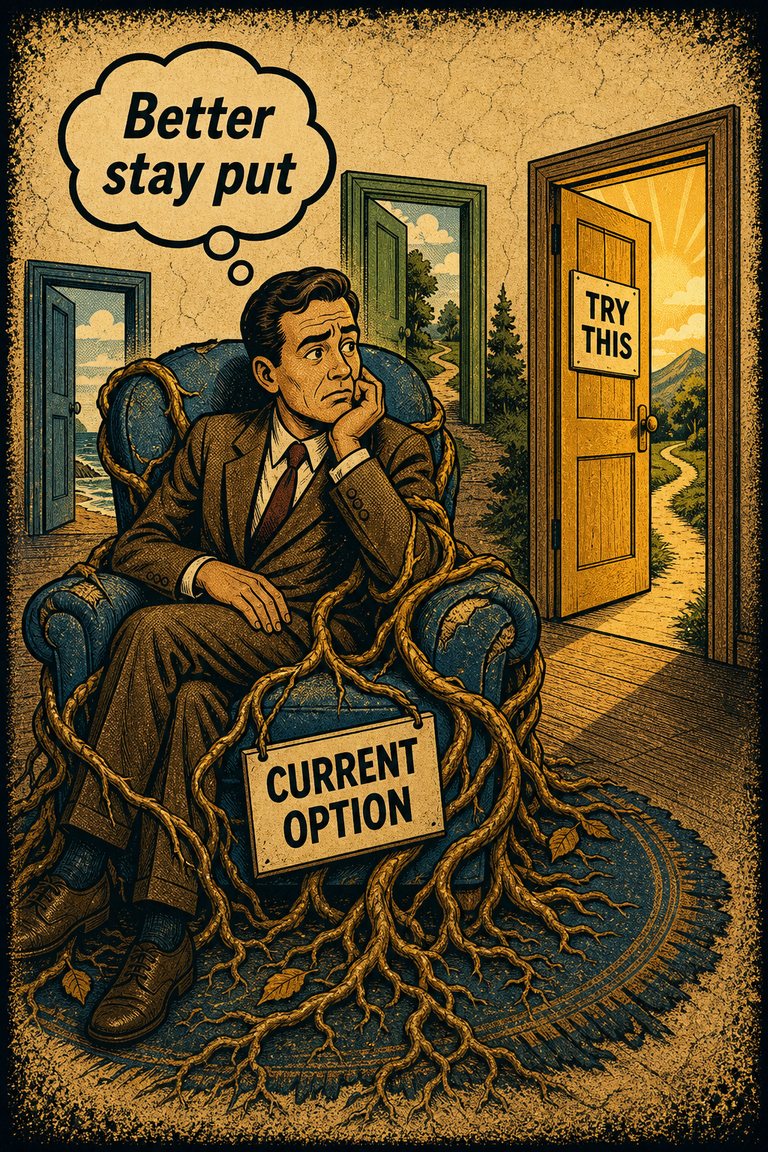
The tendency to prefer the current option, default, or inherited arrangement simply because it is the current option, default, or inherited arrangement.
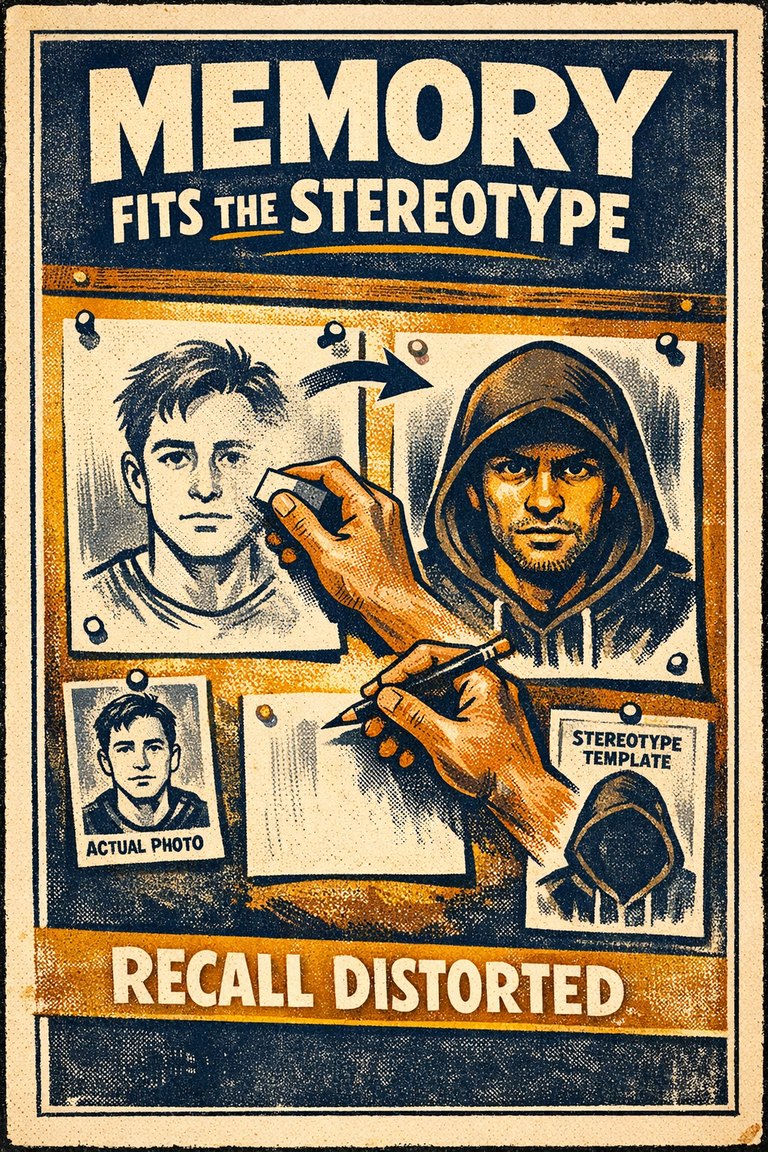
The tendency for memory or judgment to drift toward familiar social stereotypes.

The tendency to assign group-based traits to an individual without enough individual evidence.
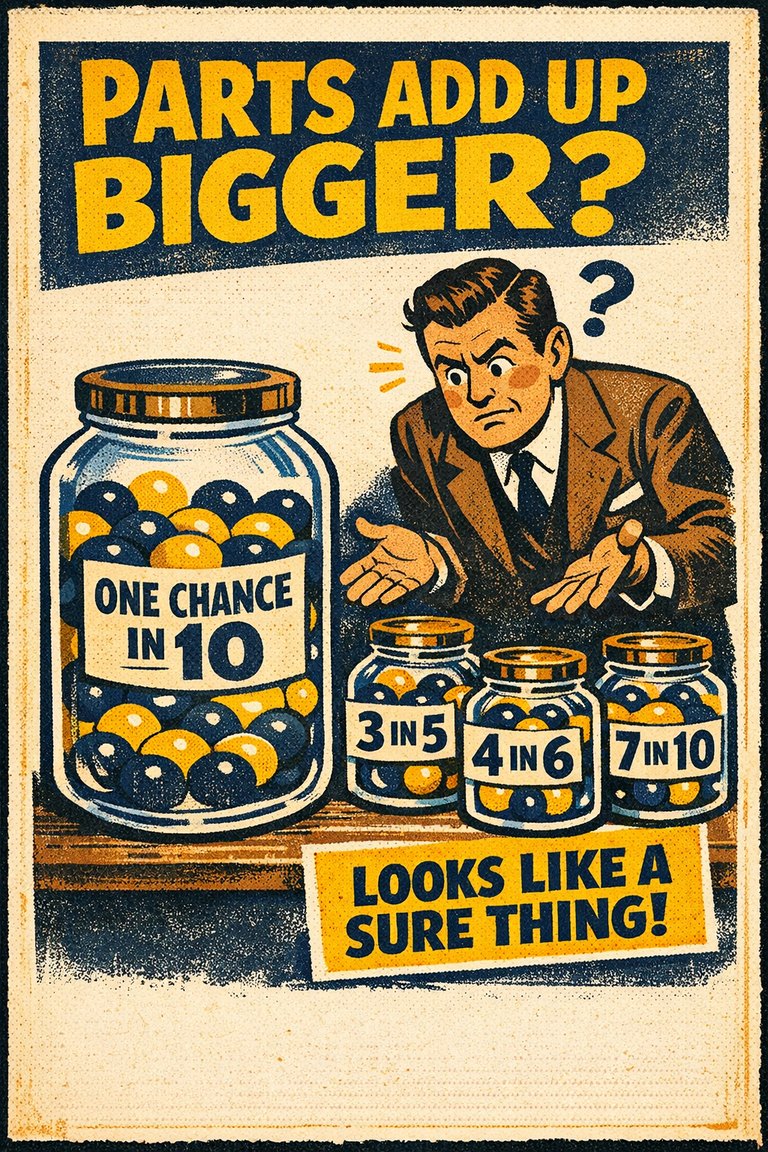
The tendency to estimate that the likelihood of a remembered event is less than the sum of its mutually exclusive components.
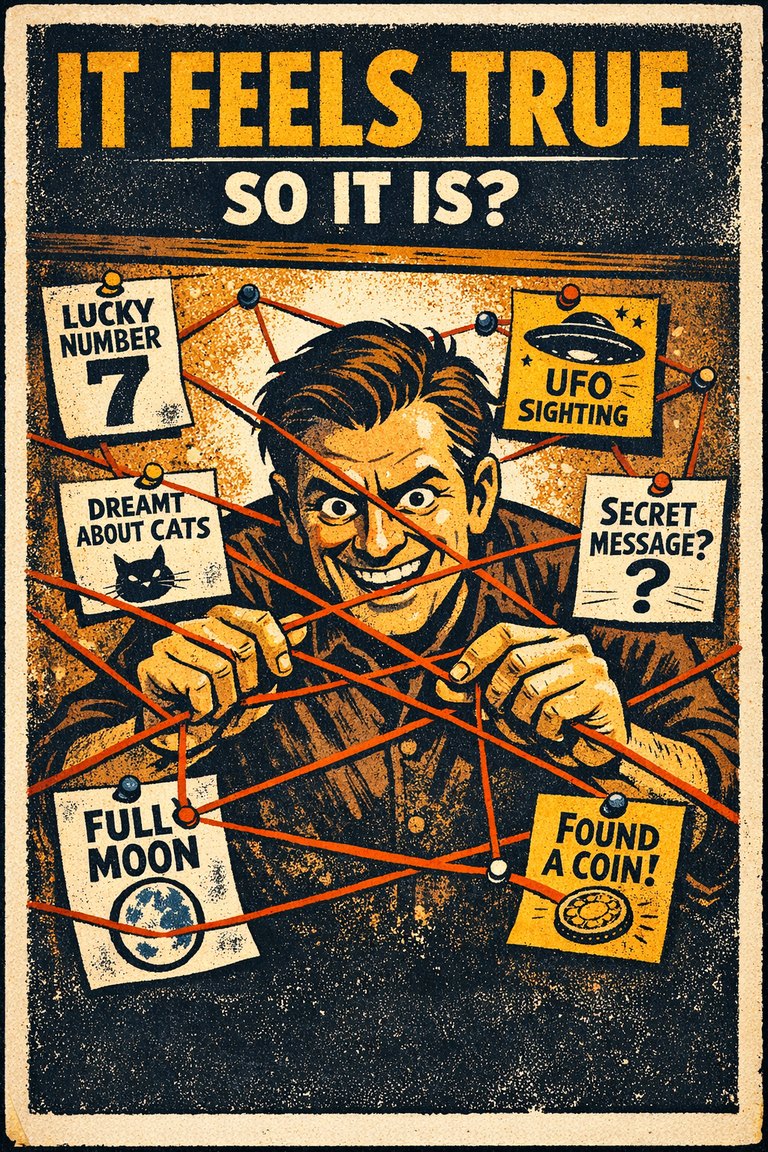
The tendency to treat a claim as true because it fits one's beliefs, hopes, or personal experience.
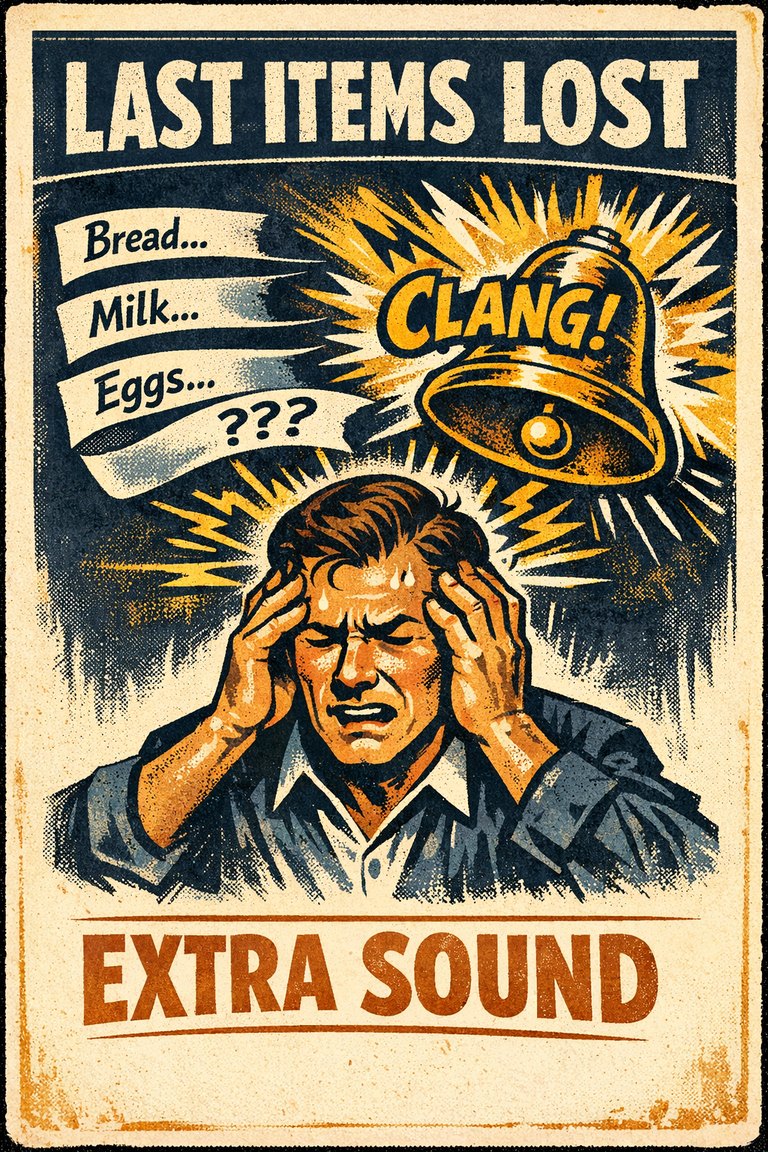
Diminishment of the recency effect because a sound item is appended to the list that the subject is not required to recall.
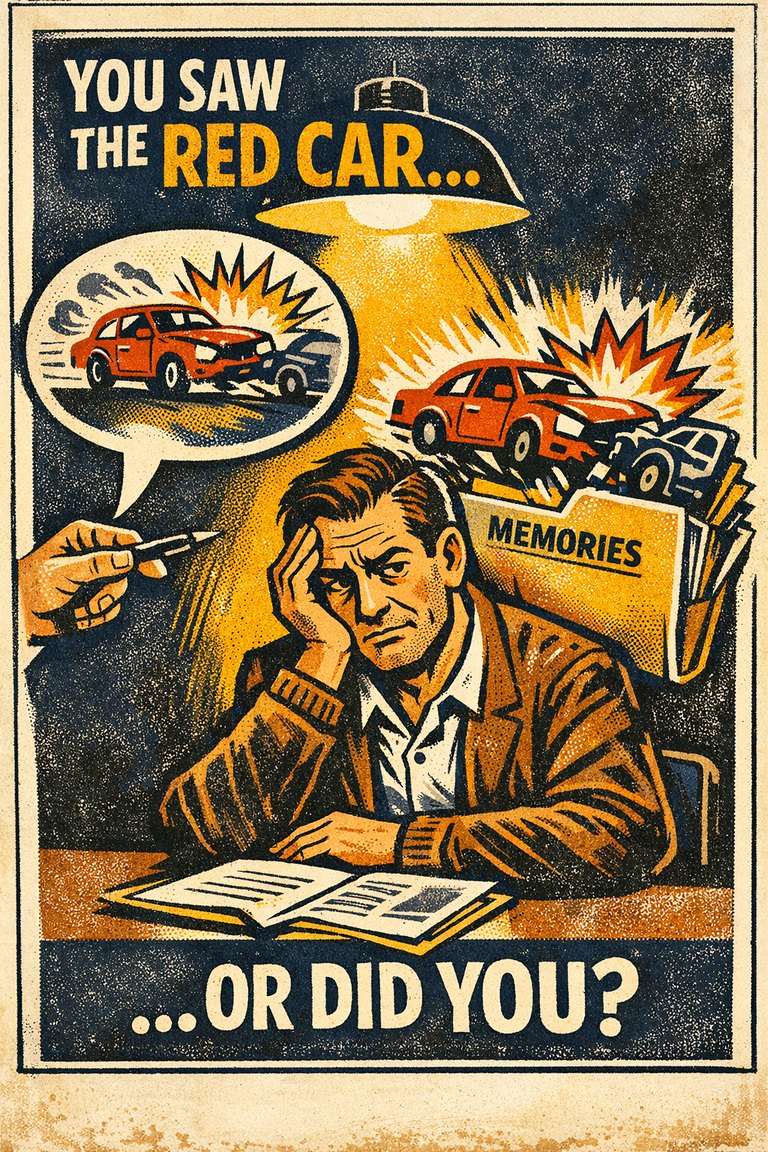
The tendency to absorb suggested details and later misremember them as one's own memory.
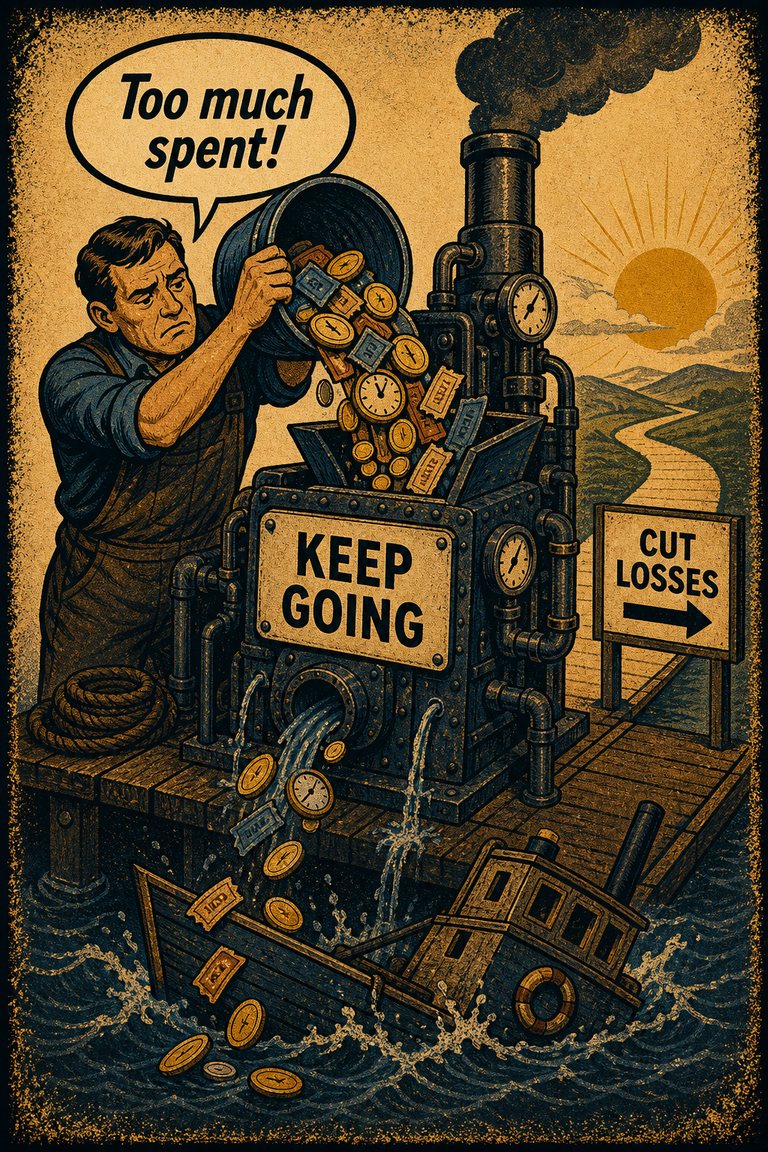
The tendency to keep investing in a losing path because of what has already been spent, even when the forward-looking case has weakened.
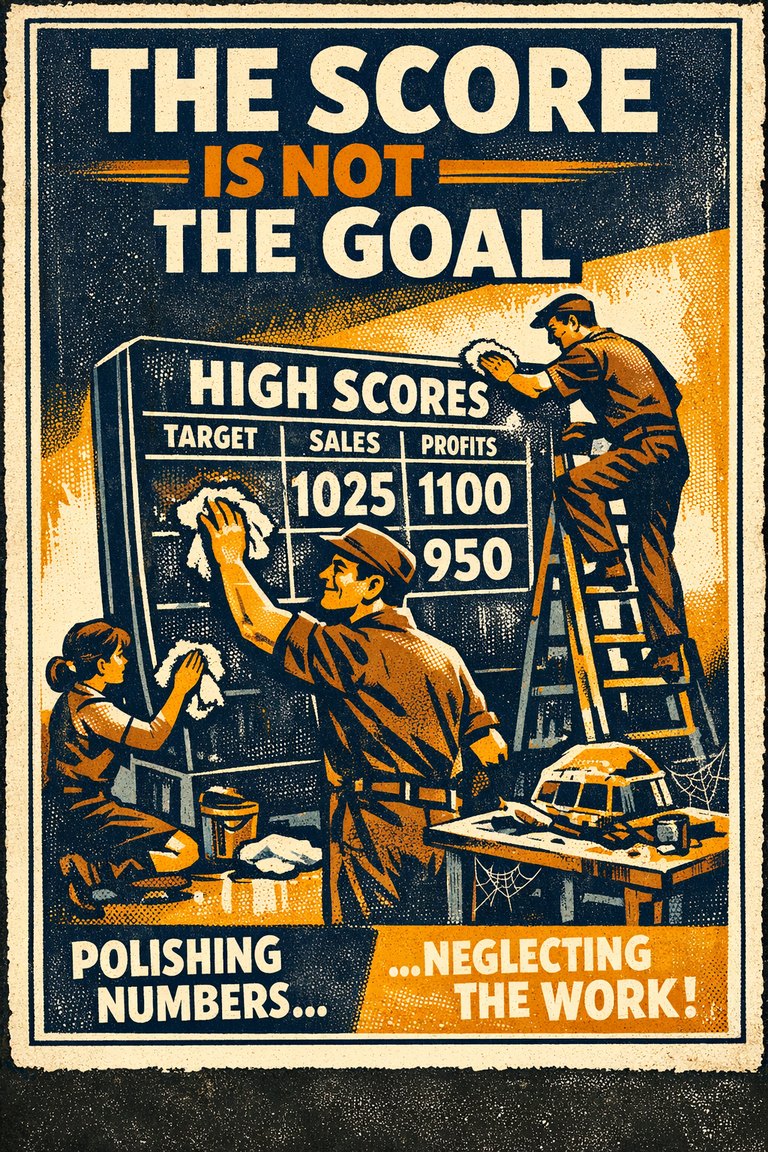
Losing sight of the strategic construct that a measure is intended to represent, and subsequently acting as though the measure is the construct of interest.

The tendency to learn from the visible winners while overlooking the invisible failures that dropped out of view.
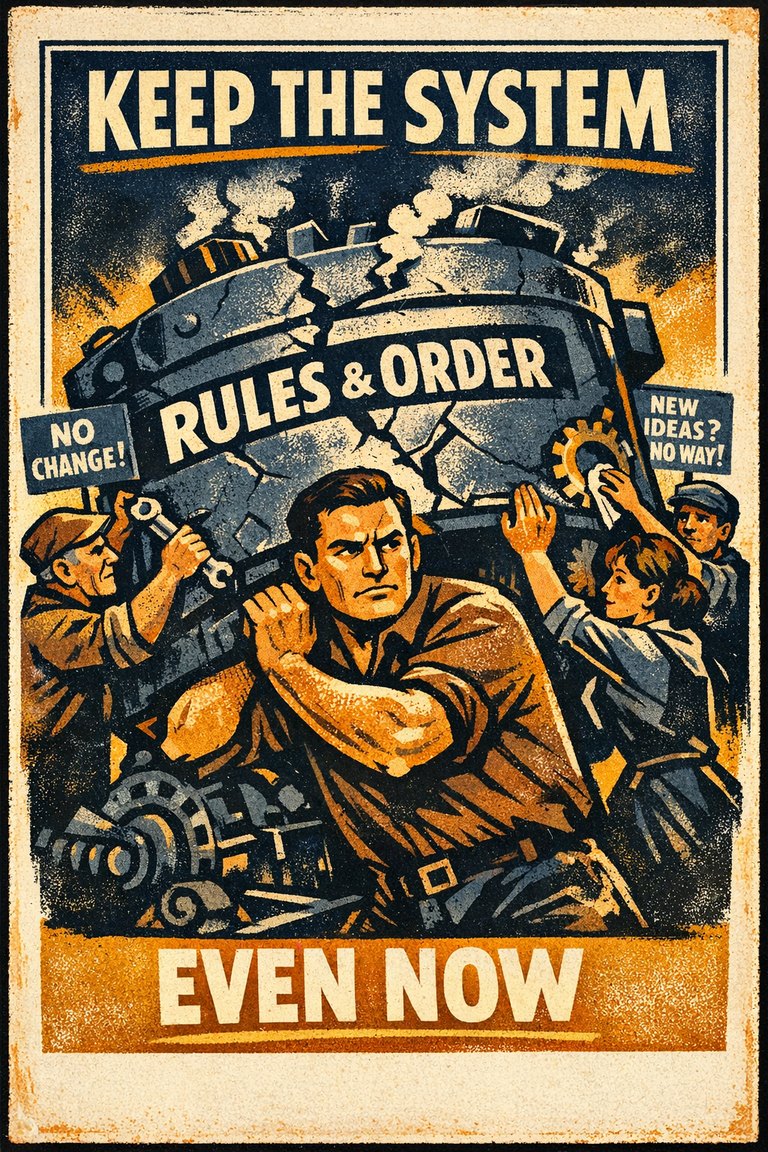
The tendency to defend, rationalize, and bolster the current social or institutional order.
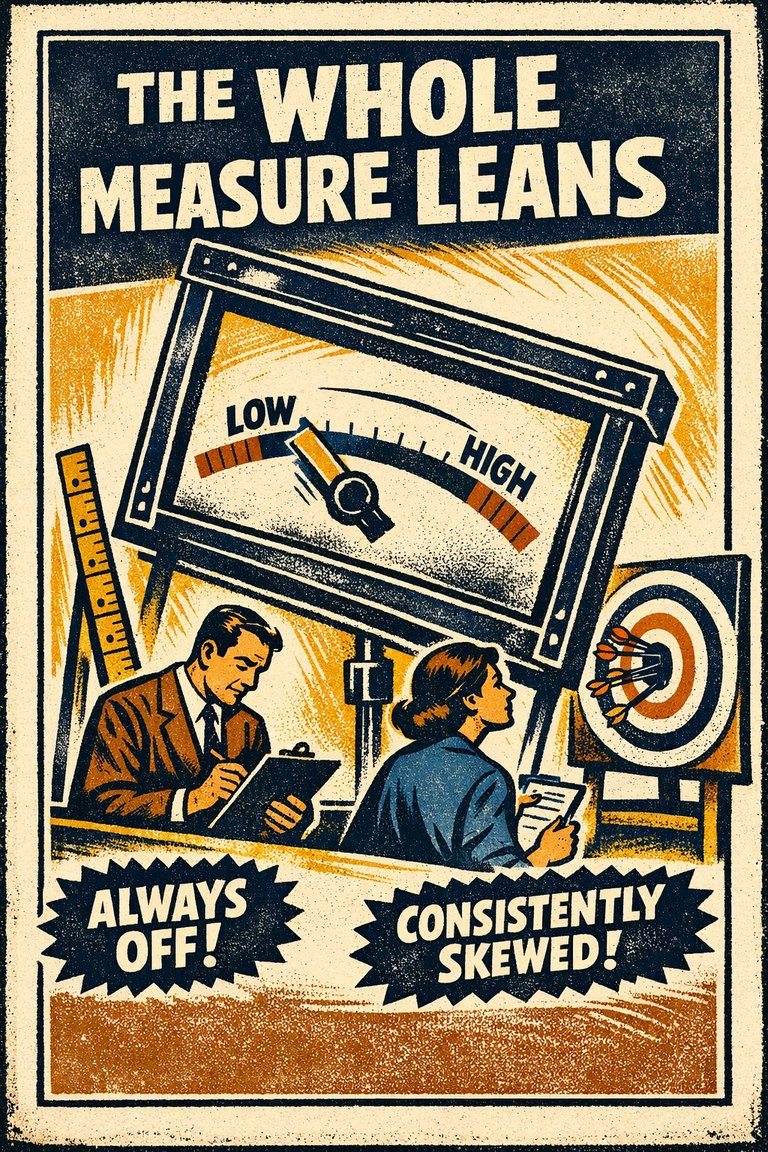
Judgement that arises when targets of differentiating judgement become subject to effects of regression that are not equivalent.
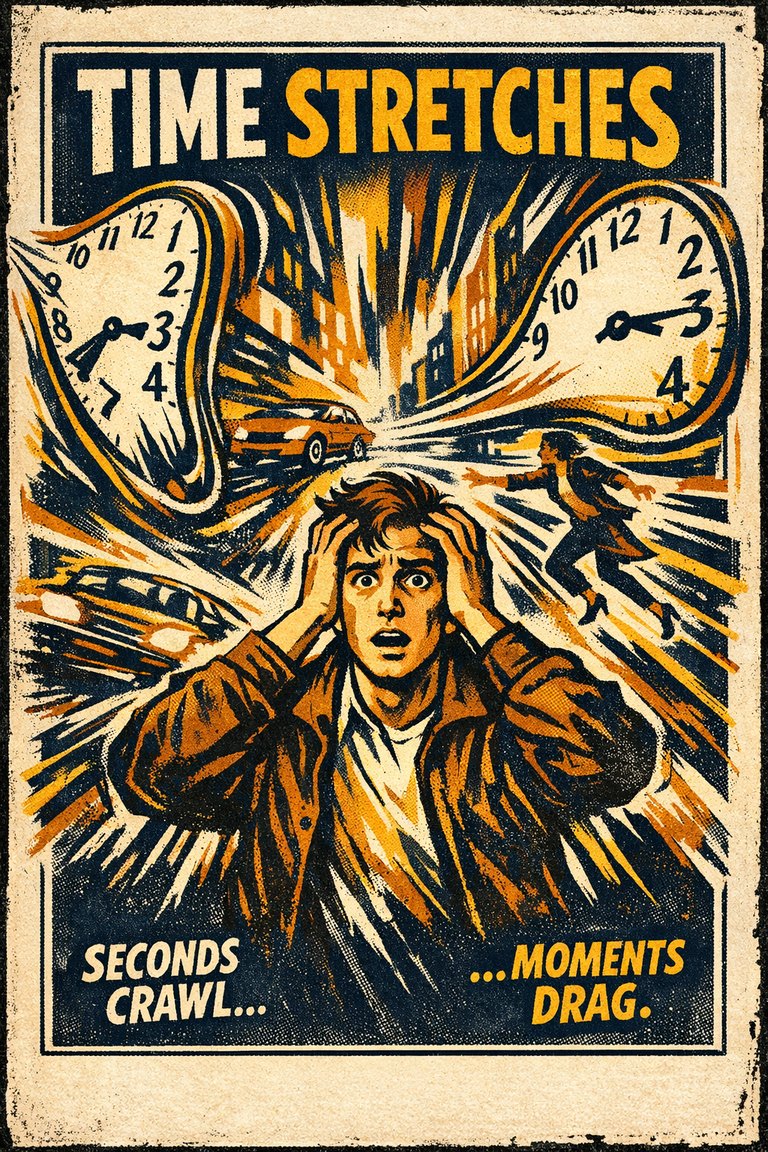
The tendency for time to feel slowed down or sped up during intense stress or arousal.
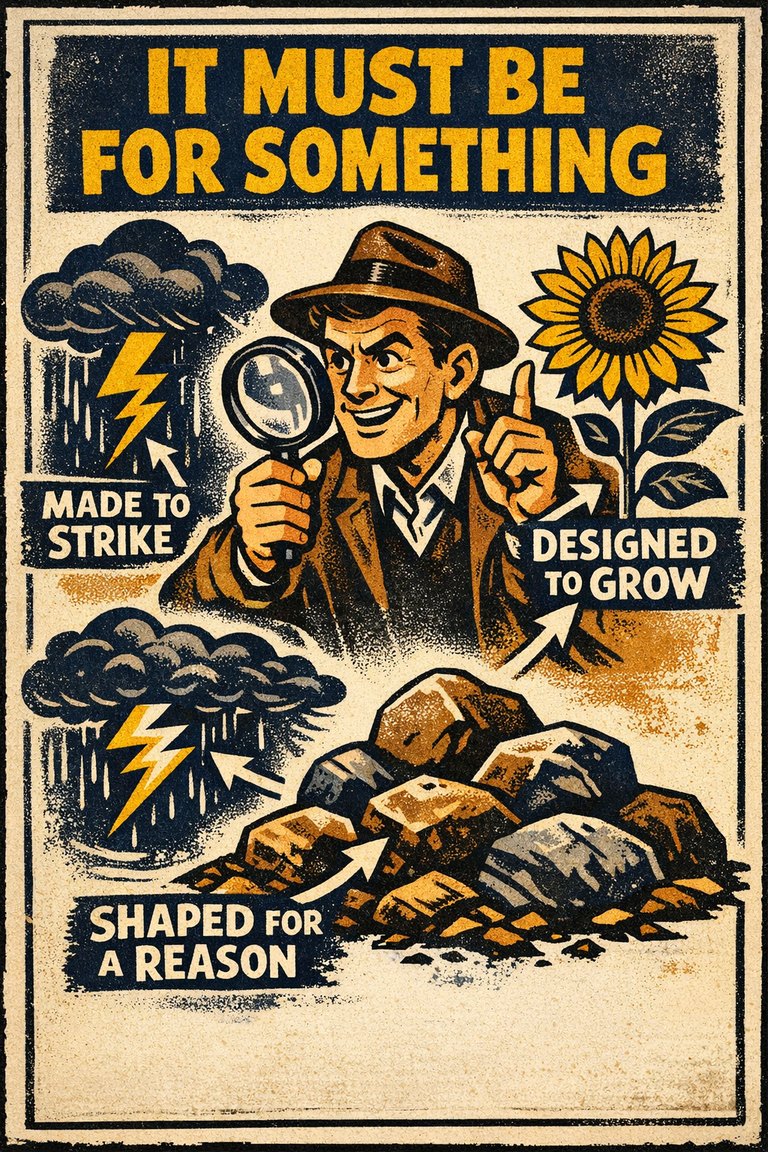
The tendency to engage in overgeneralized ascriptions of purpose to entities and events that did not arise from goal-directed action, design, or selection based on functional effects.
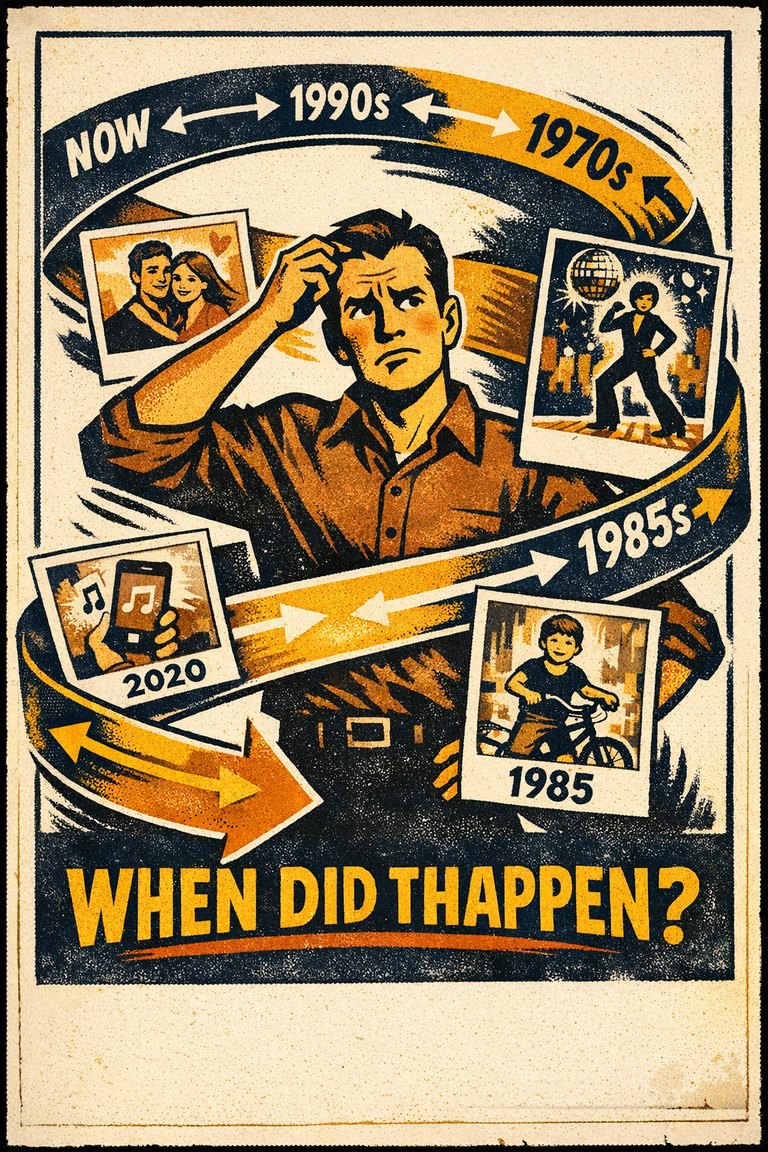
The tendency to displace recent events backwards in time and remote events forward in time, so that recent events appear more remote, and remote events, more recent.
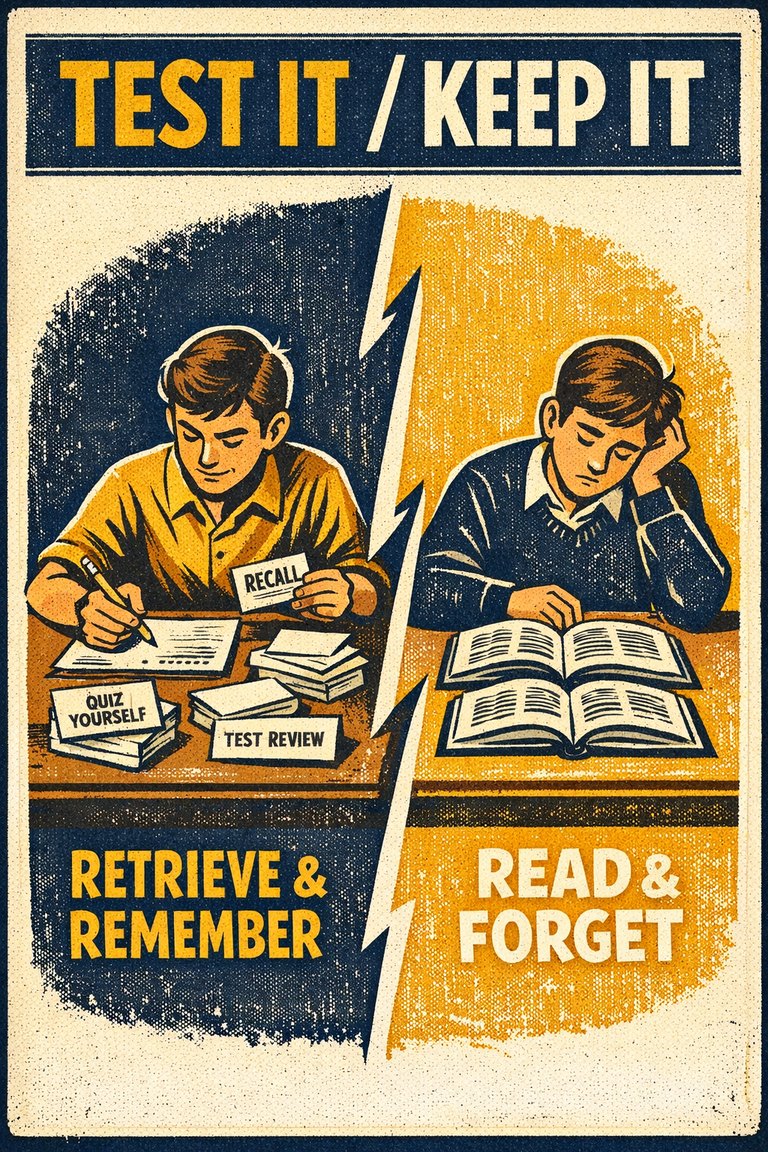
The fact that one more easily recall information one has read by rewriting it instead of rereading it.
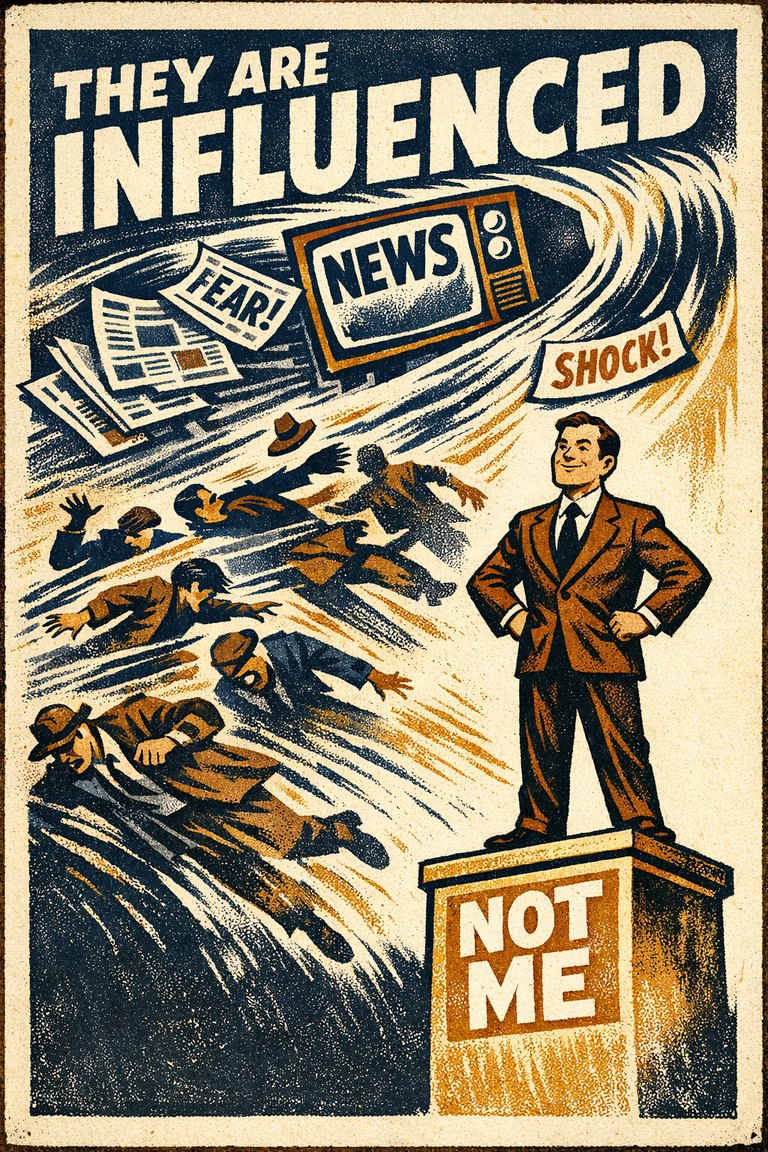
The tendency to believe that mass-communicated media messages have a greater effect on others than on themselves.
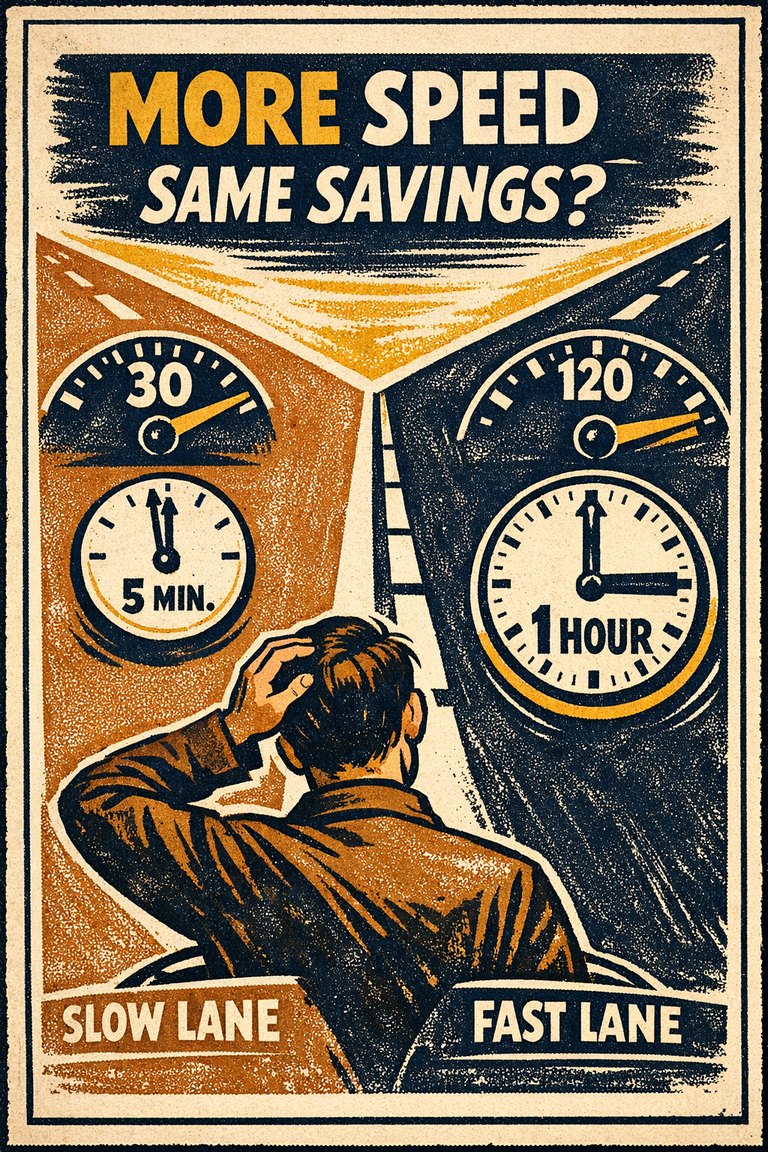
The tendency to misjudge how much time is saved by speed changes, especially at low versus high speeds.
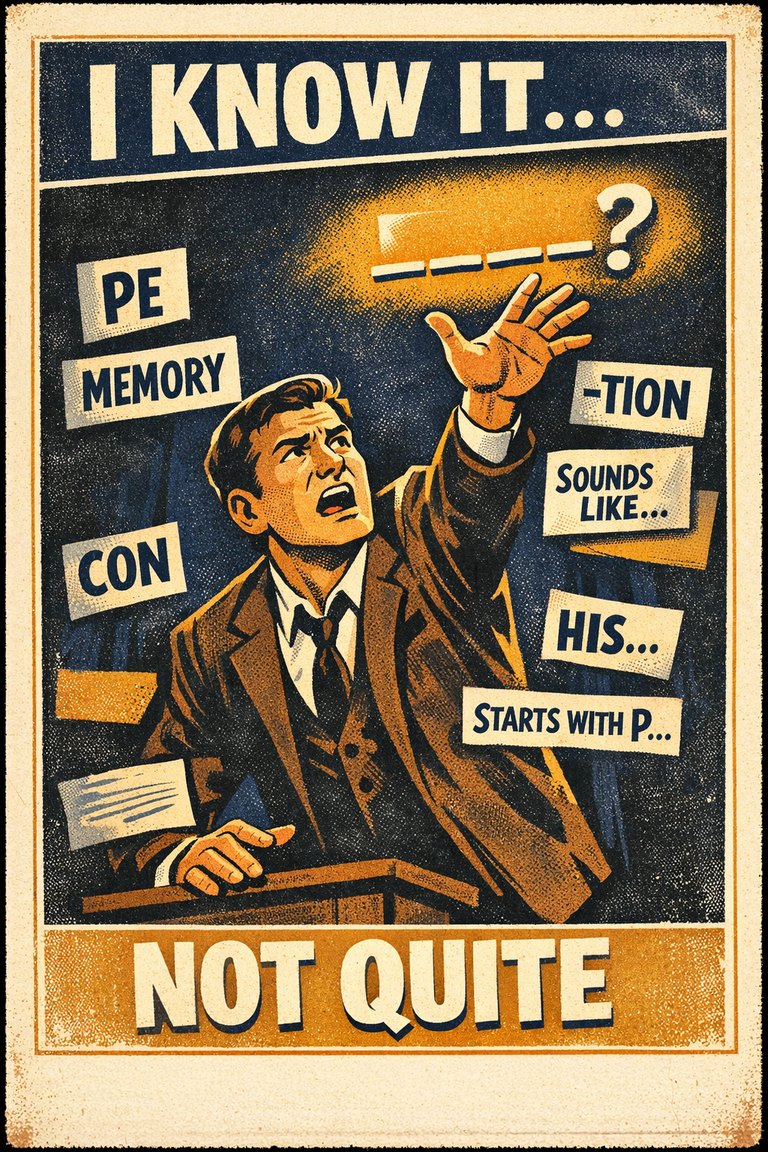
The tendency to partly retrieve a memory while remaining unable to pull up the needed word or item.
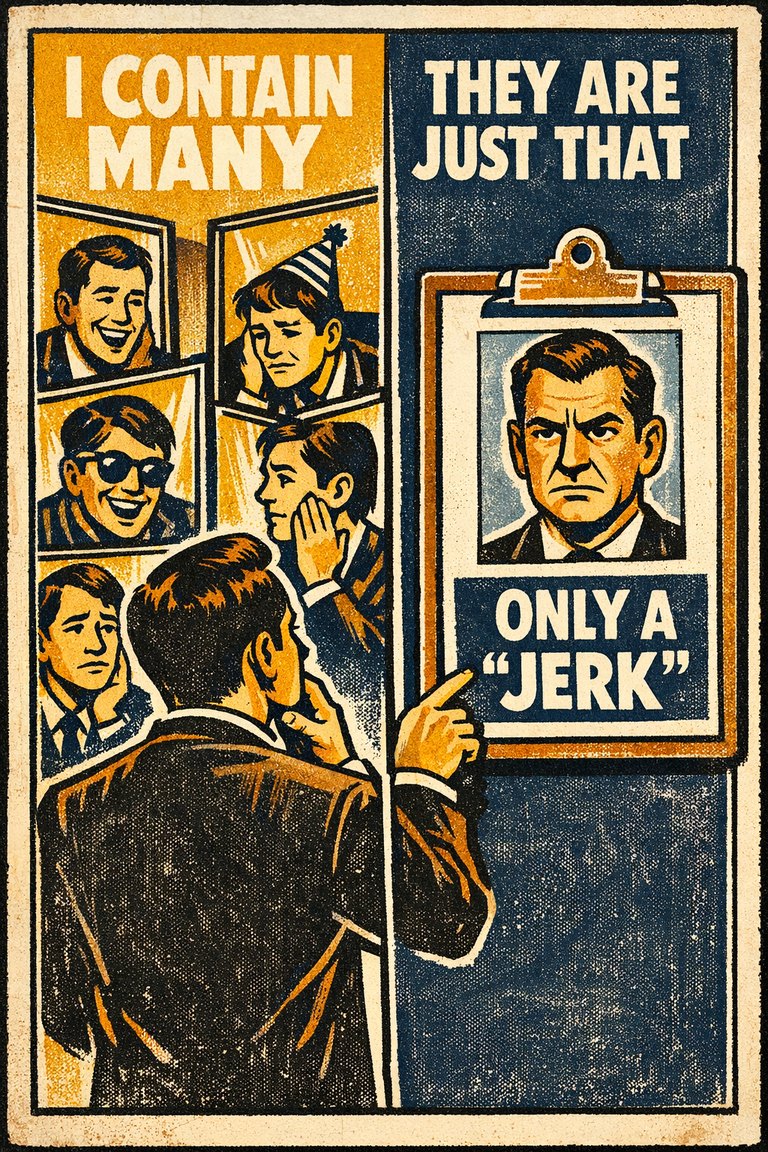
The tendency for people to view themselves as relatively variable in terms of personality, behavior, and mood while viewing others as much more predictable.

The tendency to overestimate the importance, uniqueness, or permanence of the present moment.
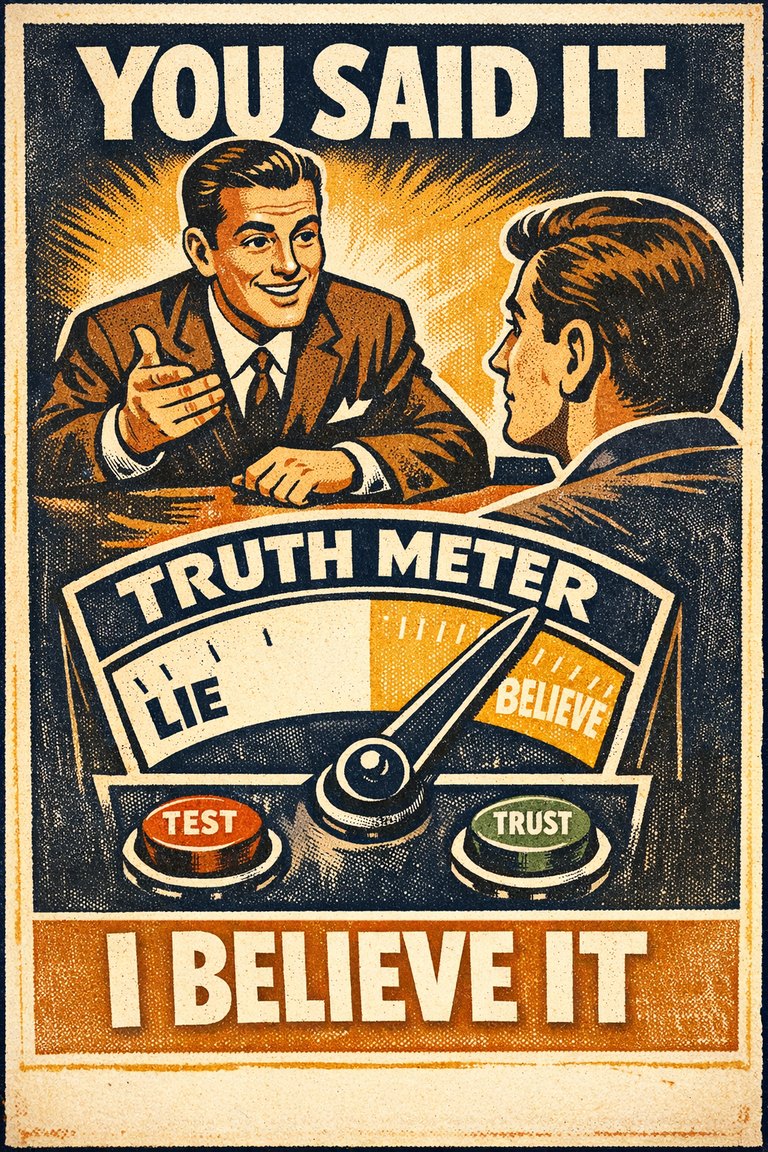
People's inclination towards believing, to some degree, the communication of another person, regardless of whether or not that person is actually lying or being untruthful.
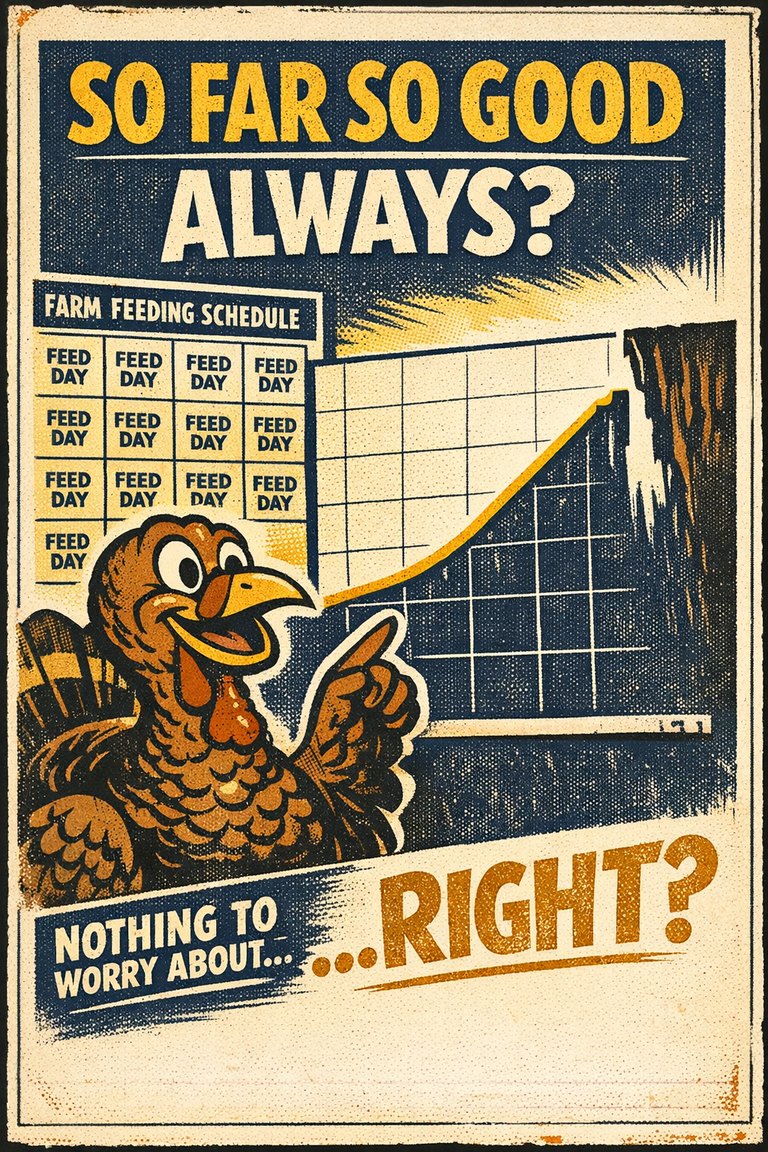
Absence of expectation of sudden trend breaks in continuous developments.

The tendency to explain whole outgroups in dispositional terms while excusing ingroup members more situationally.

The tendency to treat a standard unit or serving as the right amount to consume.
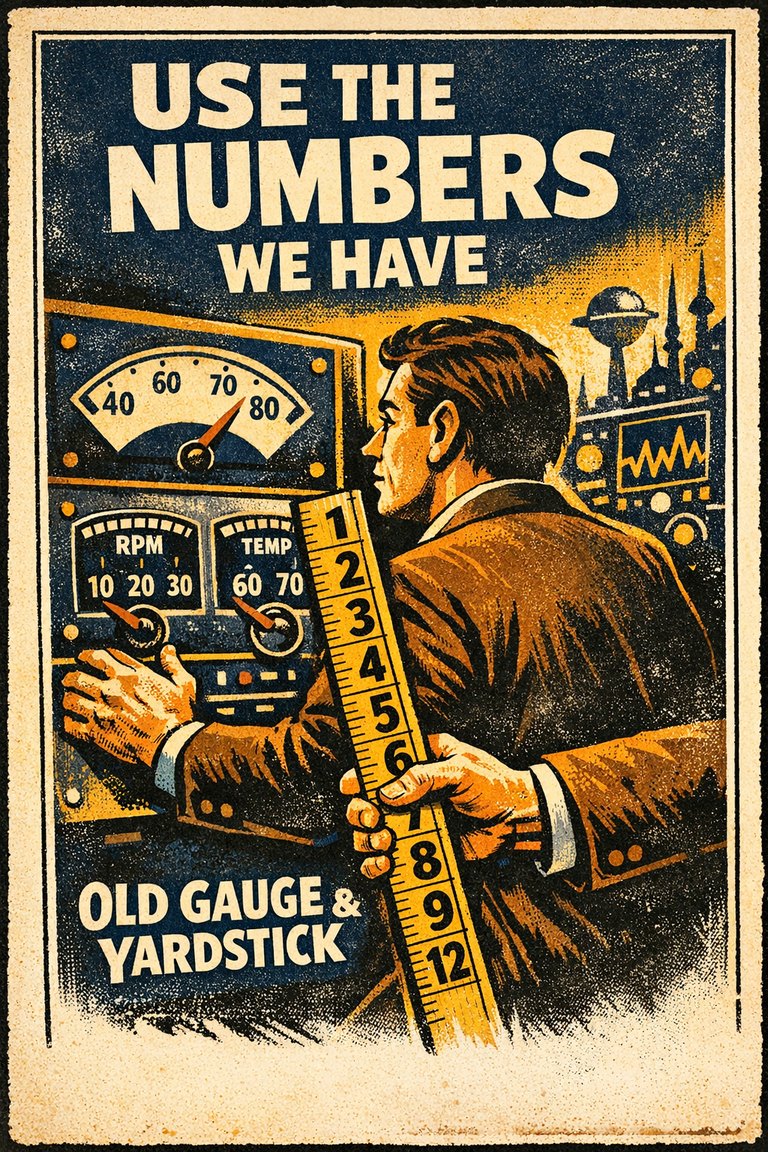
The tendency to rely on existing numerical data when reasoning in an unfamiliar context, even if calculation or numerical manipulation is required.
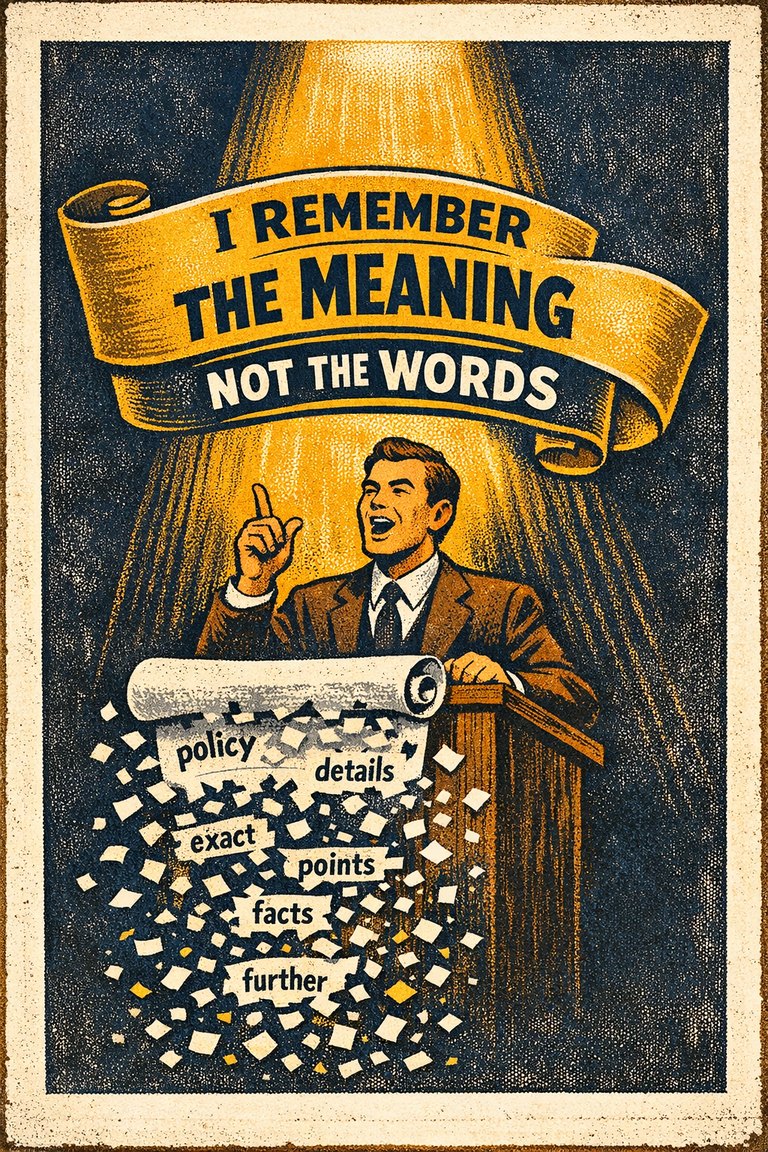
The tendency to remember the gist of what was said better than the exact wording.
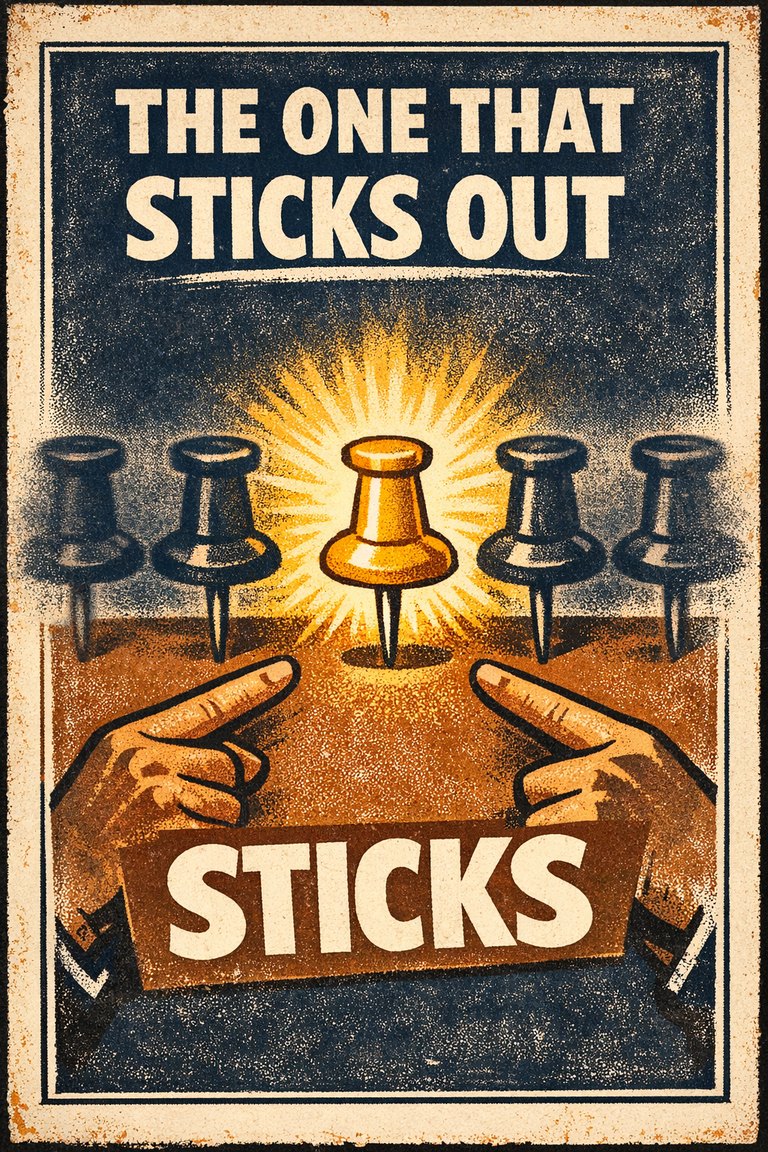
The tendency to remember an item better when it stands out from its surroundings.
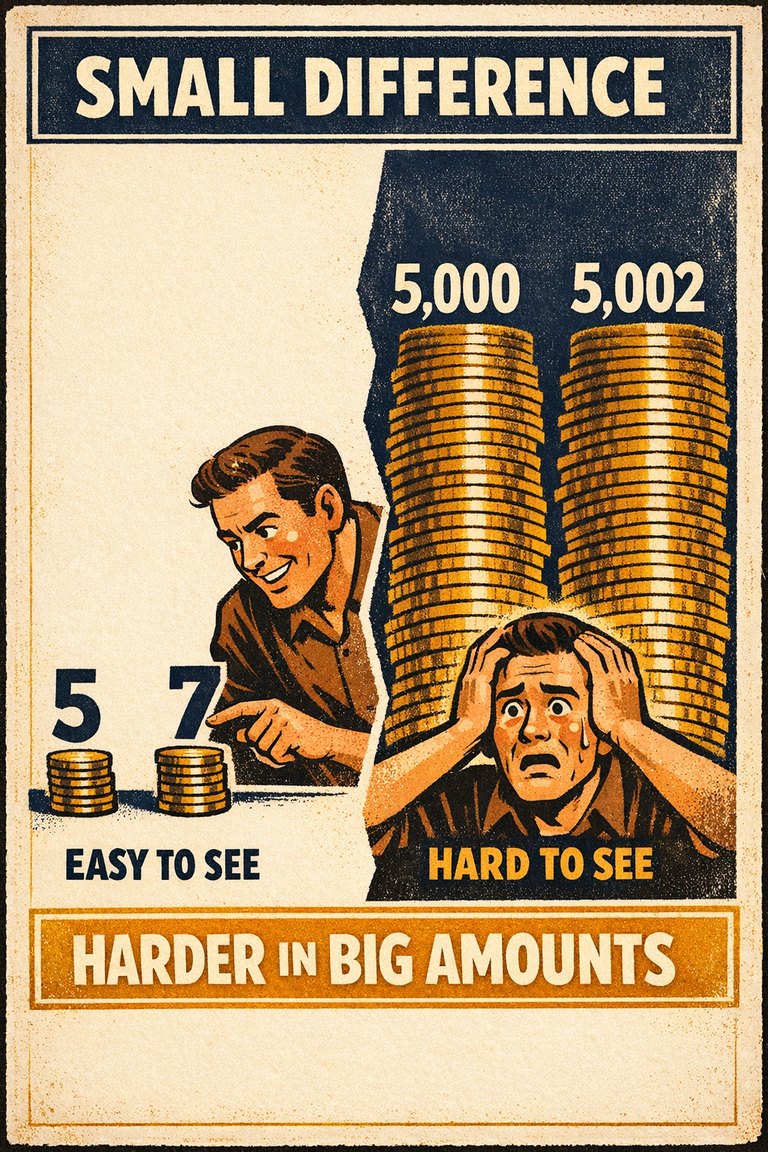
Difficulty in perceiving and comparing small differences in large quantities.
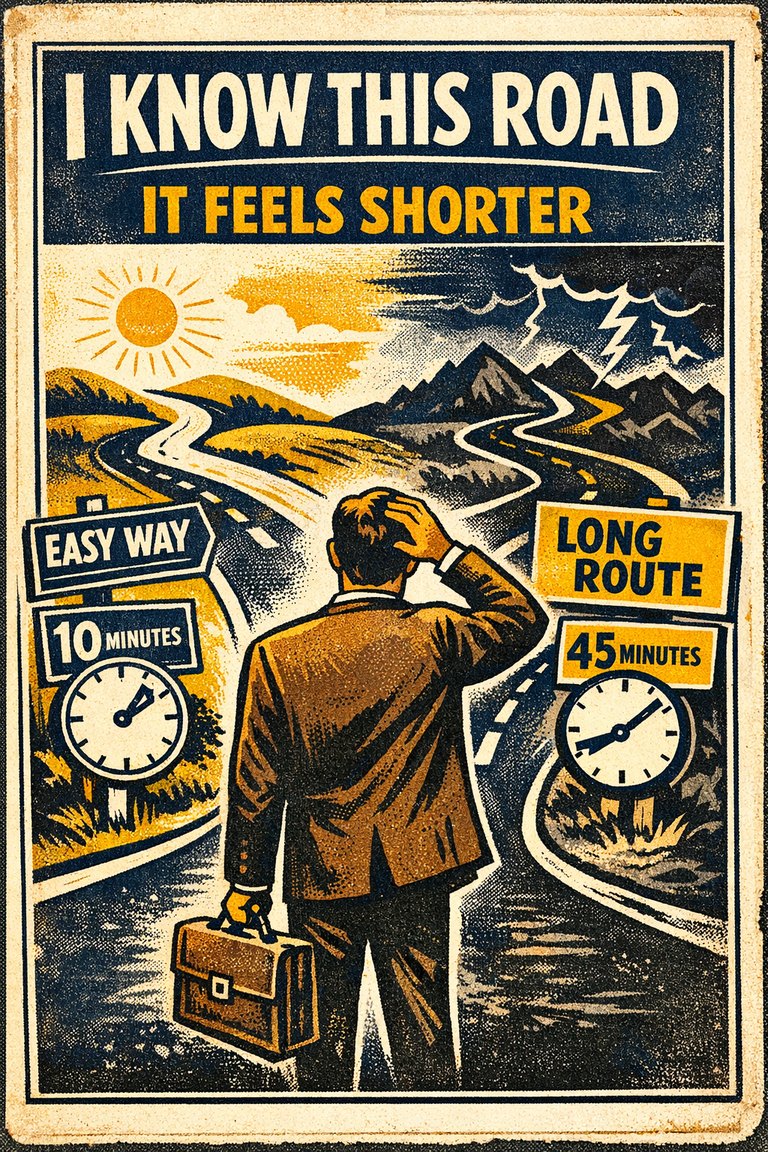
The tendency to underestimate the duration taken to traverse oft-travelled routes and overestimate the duration taken to traverse less familiar routes.
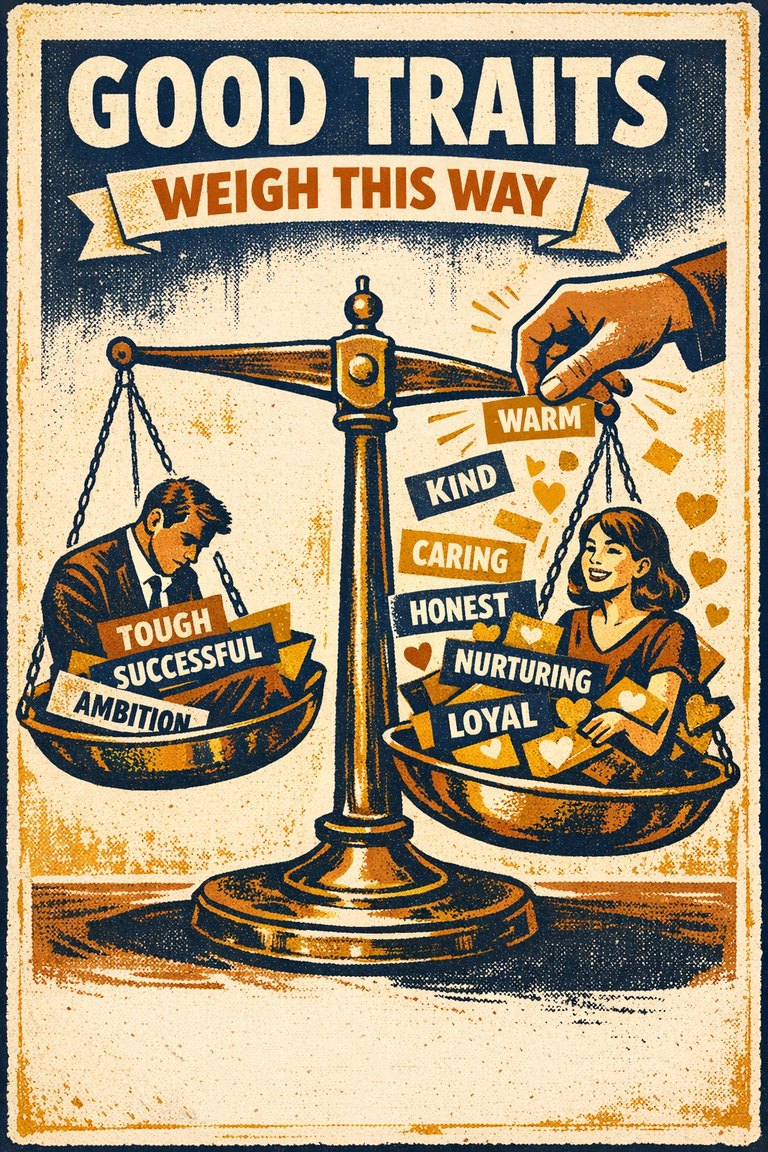
The tendency to associate more good attributes with women than with men.
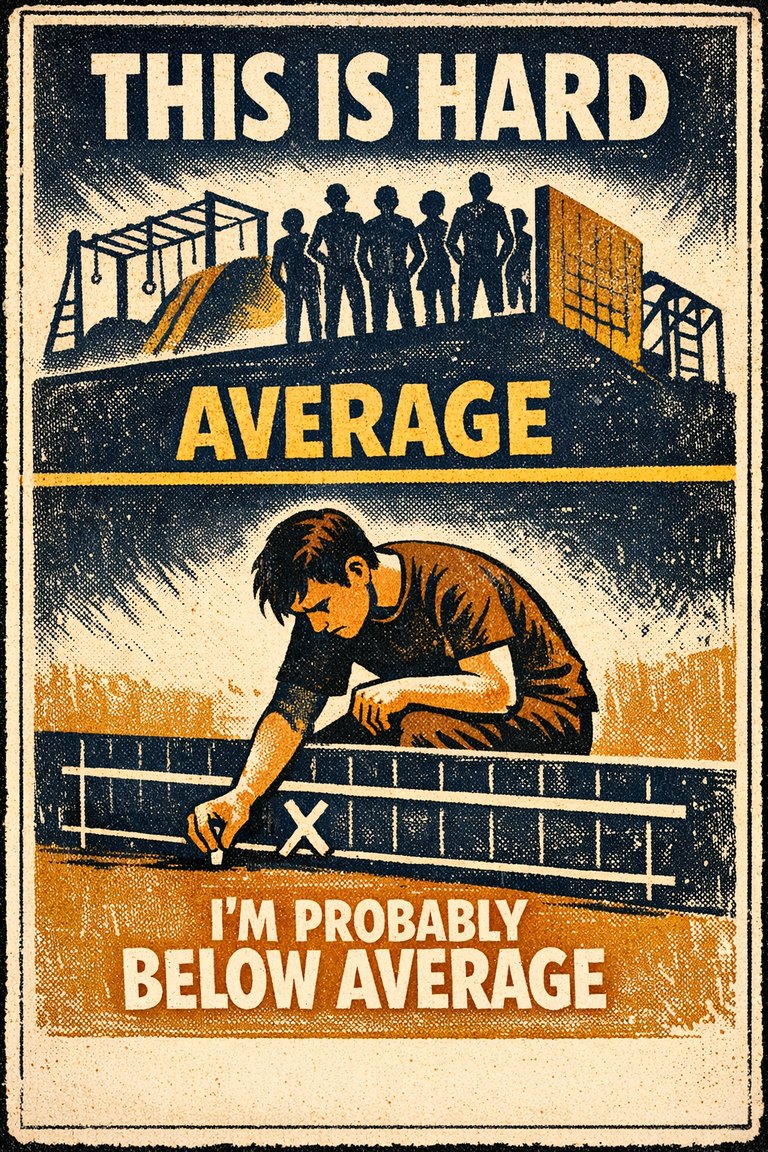
The tendency to believe ourselves to be worse than others at tasks which are difficult.

The tendency to remember unfinished or interrupted tasks better than completed ones.
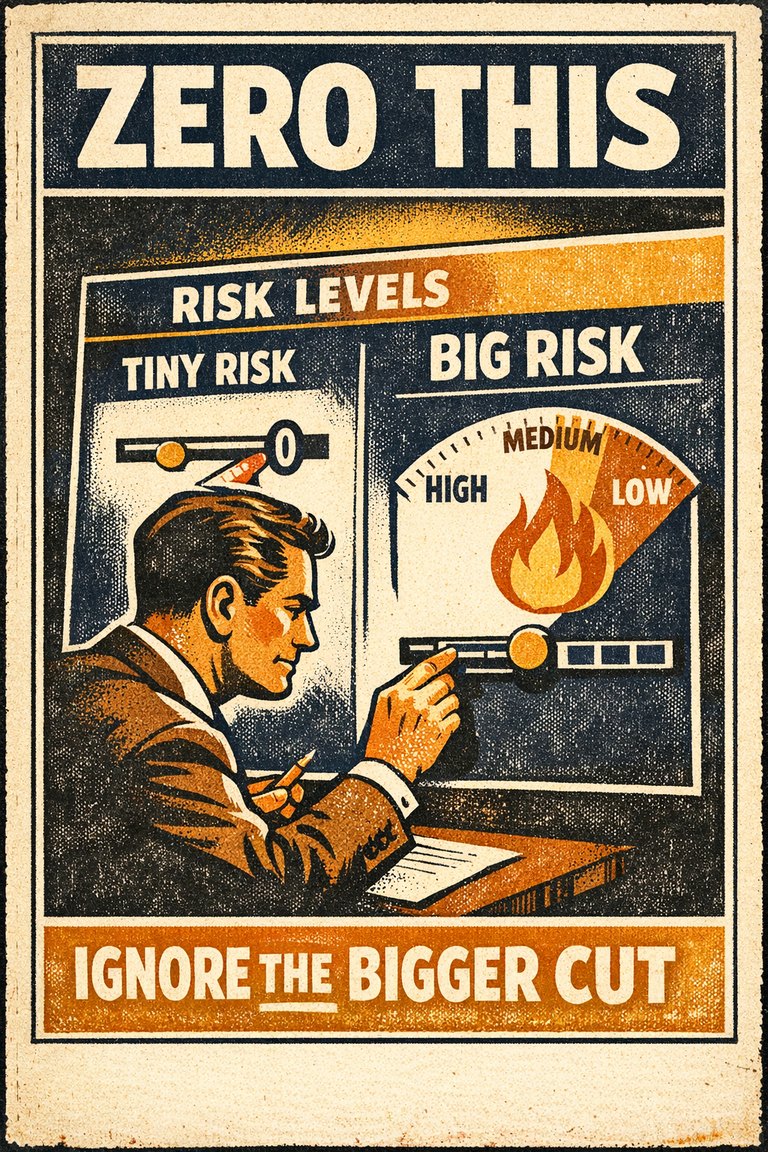
The preference for reducing a small risk to zero over a greater reduction in a larger risk.
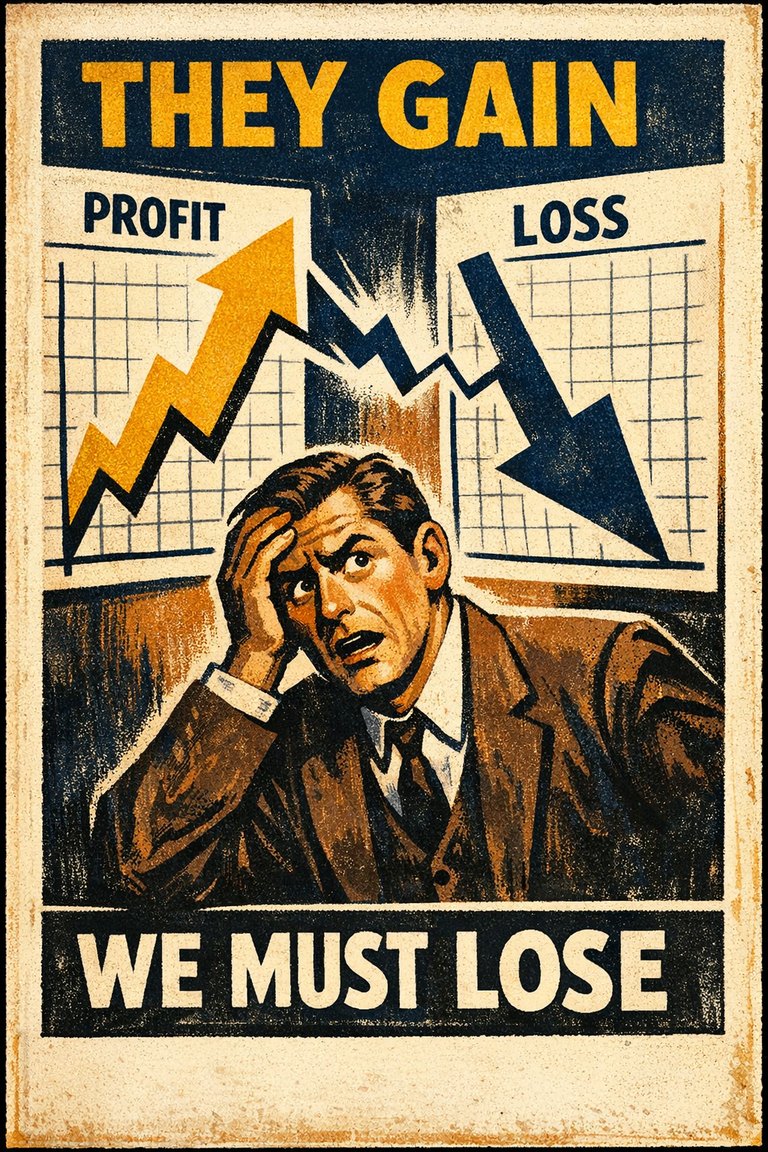
The tendency to see situations as zero-sum even when gains for one need not mean losses for another.