Common in live judgment
72
Strong in parenting, politics, public health, and identity-laden persuasion.
Rare
Frequent

Cognitive Biases
A practical cognitive-bias site with clear definitions, learning paths, assessments, self-audits, and debiasing tools.
Cognitive Bias
The tendency to push back against a perceived attempt to limit one's freedom of choice, sometimes by moving toward the very option one was being steered away from.
What it distorts
It bends decision-making by making resistance itself feel evidential or principled even when the underlying issue has not been re-evaluated carefully.
Typical trigger
Commands, paternalistic messaging, manipulative persuasion, heavy-handed leadership, and public attempts to shame compliance.
First countermove
Separate the question 'Do I resent the pressure?' from the question 'What is the best underlying choice?'
Best use
Quick reset
Am I resisting this mainly because the pressure itself is now driving the choice?
When autonomy feels threatened, the restoration of freedom can become the hidden goal. The content of the choice becomes secondary to resisting the feeling of control.
These are classroom-facing editorial estimates for comparing how the bias behaves in use. They are teaching aids, not measured statistics.
Common in live judgment
72
Strong in parenting, politics, public health, and identity-laden persuasion.
Easy to spot from outside
55
Often visible once the style of pressure changes and the resistance changes with it.
Easy to innocently commit
82
Resistance can feel like self-respect and independence.
Teaching difficulty
43
Needs distinction from principled dissent, which can be valid.
This comparison makes the hidden pull easier to see before the technical label has to do all the work.
Biased move
This is like refusing to open an umbrella because being told to open it becomes more important than staying dry.
Clearer comparison
Autonomy matters, but defiance is not automatically good judgment. A pressured option can still be the better option on the merits.
Do not use this label whenever someone disagrees under pressure. Sometimes resistance is justified. The issue is that the threat to freedom becomes so salient that opposition itself starts feeling intrinsically correct.
Use this label when people move against a recommendation, rule, or request mainly because it feels coercive, controlling, or identity-threatening.
Use the quick check, caveat, and nearby confusions together. The fastest diagnosis is often the noisiest one.
Each example changes the surface context while keeping the same hidden distortion in place.
A person rejects sound advice partly because it arrived with too much push, guilt, or control wrapped around it.
A team resists a sensible change because the rollout was experienced as imposed rather than as examined together.
People move toward symbolic defiance not because the position is well-supported but because rejecting perceived coercion becomes the point.
The pressure itself becomes so salient that resisting it starts to feel like independence, even if the resisted option may still be the best one.
Teaching note: This page helps the site speak to persuasion failures where people become more committed to a bad option because the pressure against it was mishandled.
The strongest debiasing moves change the process, not just the label.
Acknowledge the autonomy threat directly, then re-evaluate the underlying choice as if no one were pressing you.
Lower the controlling tone and invite independent reasoning before expecting buy-in.
Design persuasion and policy messaging to preserve agency cues rather than provoking defensive resistance.
Practice And Repair
Reactance makes pressure part of the decision object. Instead of weighing only the merits of the option, the mind starts weighing what complying or yielding would say about autonomy and control.
A request, rule, recommendation, or restriction feels controlling, presumptuous, or freedom-limiting.
Resisting begins to feel like the clearest way to protect independence or self-direction.
Opposition gains emotional force that may exceed the merits of the underlying choice.
Separate the style of pressure from the substance of the option and ask what you would choose if the same recommendation had arrived without the coercive wrapper.
What would I think about this option if the person delivering it had left my autonomy visibly intact?
Spot It
Slow It
Reframe It
These are nearby labels that can share the same outer appearance while differing in what actually drives the distortion. Use the overlap, the distinction, and the diagnostic question together before settling the call.
Why compare it: Authority bias overweights high-status guidance; reactance resists it because the guidance feels autonomy-threatening.
Why compare it: Framing changes how the option is presented; reactance is the specific backlash when the presentation feels controlling.
Why compare it: Motivated reasoning protects desired conclusions broadly; reactance is the narrower pushback triggered by felt constraint on choice.
These are useful when the label seems roughly right but the process change still feels underspecified.
If the pressure vanished, what would I think of the underlying choice itself?
Am I judging the proposal or mainly trying to restore a feeling of autonomy?
What part of my reaction is a response to tone, status, or manipulation rather than to substance?
These sourced cases do not prove what was in someone's head with perfect certainty. They are teaching cases for showing where the bias pressure becomes visible in practice.
Psychological reactance in persuasion and restriction
Research on reactance shows that overt pressure or perceived restriction can create a motivation to restore threatened freedom, including by rejecting the very message being pushed.
Why it fits: The push itself becomes part of what the person is now deciding against.
Modern social psychology
Hard-sell pressure turns the message into a threat
Strong pressure campaigns can prompt people to reject a recommendation partly because following it would now feel like yielding autonomy rather than choosing freely.
Why it fits: The threatened-freedom feeling becomes part of the motivational picture.
Modern social psychology
Autonomy threats make the restricted option more motivationally charged
Brehm's reactance theory explains why pressure, restriction, or controlling language can increase motivation to reject the message or restore freedom.
Why it fits: The feeling of threatened choice becomes part of the decision itself.
A Theory of Psychological Reactance · 1966
These linked tools turn the page into practice instead of leaving it at the level of definition.
2 related paths place this bias beside the distortions it most often travels with in practice.
Direct path
Use this path when ambiguous behavior is being read through threat, bad faith, or us-versus-them interpretation.
Direct path
Use this path when a room feels aligned too quickly or when private judgment is likely being bent by social cost.
This bias does not yet have its own dedicated self-check, but these nearby audits usually catch the same kind of drift before it hardens.
Nearby audit
Would I still hold this view if I had to write it down alone before hearing the room?
Nearby audit
Before You Explain What Happened
What part of this explanation is genuinely shown, and what part merely feels satisfying now that the ending is known?
This bias is not yet the named center of its own kit, but it already appears in nearby workshop material that teaches the same pressure in context.
Nearby workshop
A facilitation kit for rooms where agreement, hierarchy, and speed may be replacing independent judgment.
Nearby workshop
Product Choice-Architecture Audit
A product and UX kit for testing whether defaults, decoys, metrics, and automation are helping users choose or quietly manufacturing preference.
These scenarios mix direct and nearby cases so you can practice the label itself and the broader judgment pattern around it.
Direct scenario
Now I want the opposite just because you pushed
A teenager becomes more determined to reject a reasonable curfew after the parent frames the demand in a highly controlling way, even though the curfew itself did not initially se…
Nearby scenario
Lives saved versus lives lost
The same medical policy gets much stronger support when it is described as saving 90 of 100 patients than when it is described as allowing 10 of 100 patients to die.
These links widen the frame around the bias without interrupting the core lesson on this page.
An article on how self-report shifts under observation, embarrassment, and audience cost long before anyone intentionally decides to lie.
CogBias theory
These neighbors were selected from shared categories, shared patterns, and explicit editorial links where available.

The tendency to give excess weight to the opinion of a high-status or authoritative source independent of whether the source has earned that weight on the specific issue.
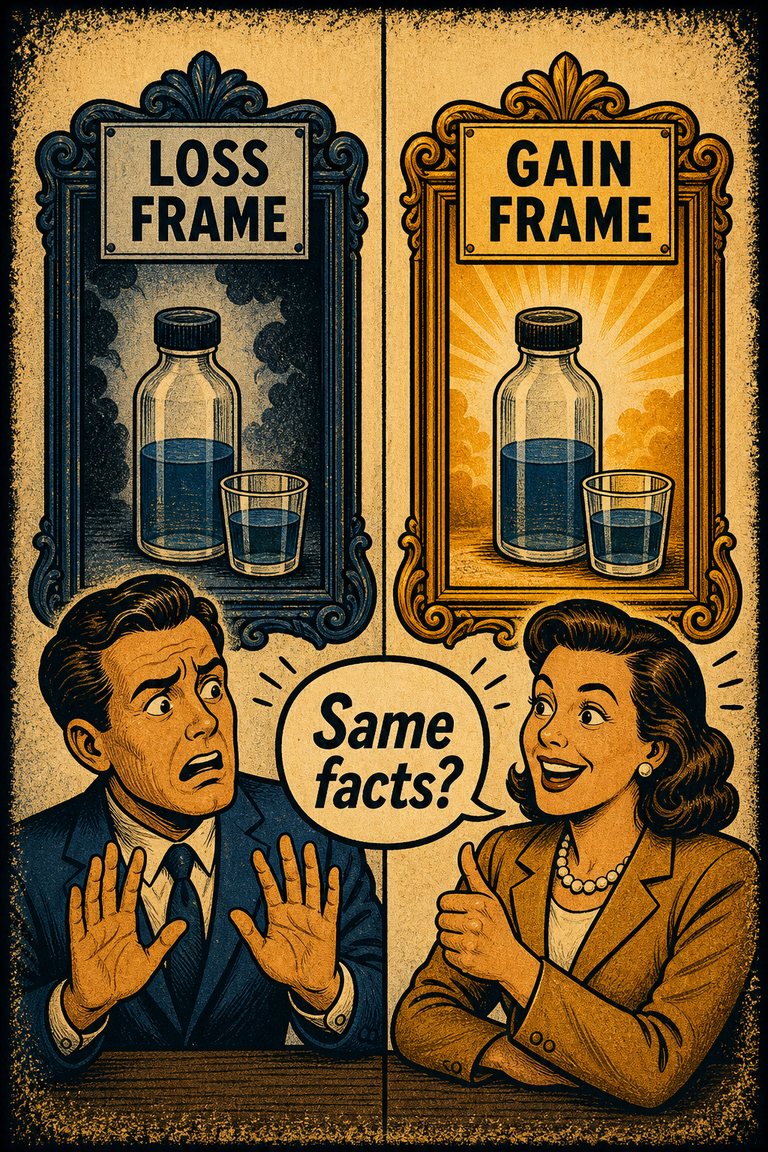
The tendency for the same underlying information to produce different judgments depending on how the options or outcomes are described.
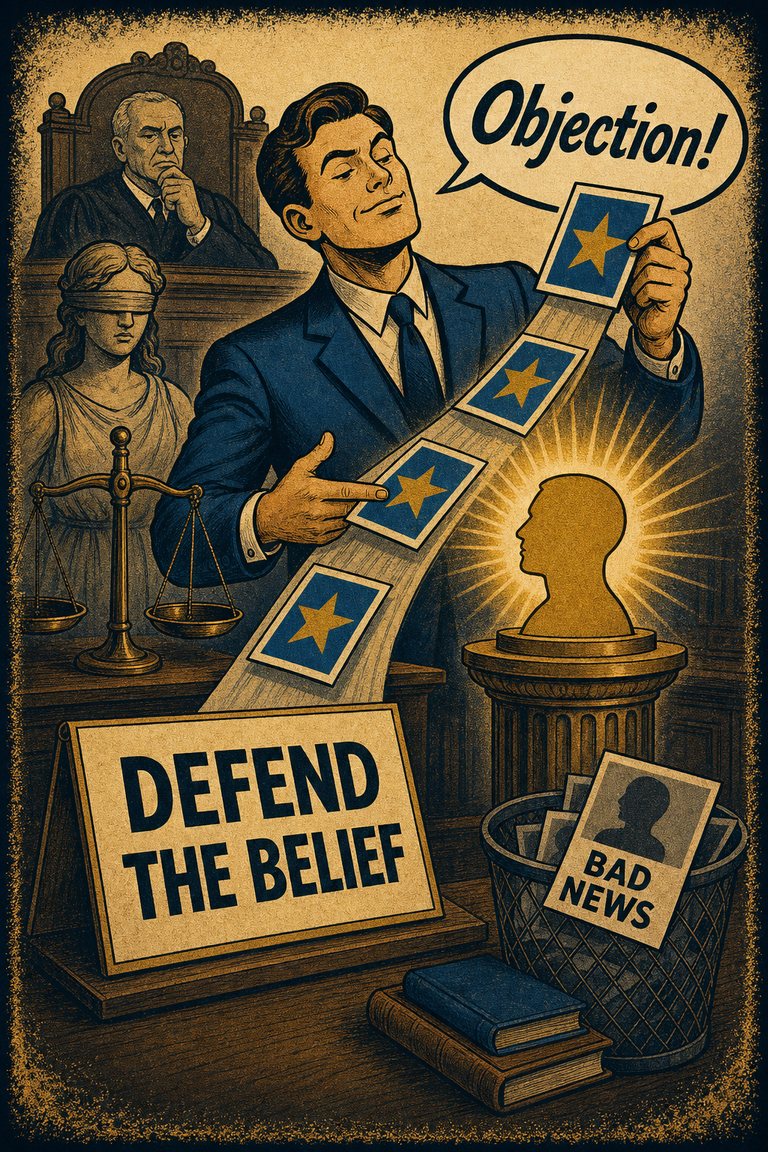
The tendency to use reasoning as a defense lawyer for desired conclusions rather than as an impartial search for what is most likely true.
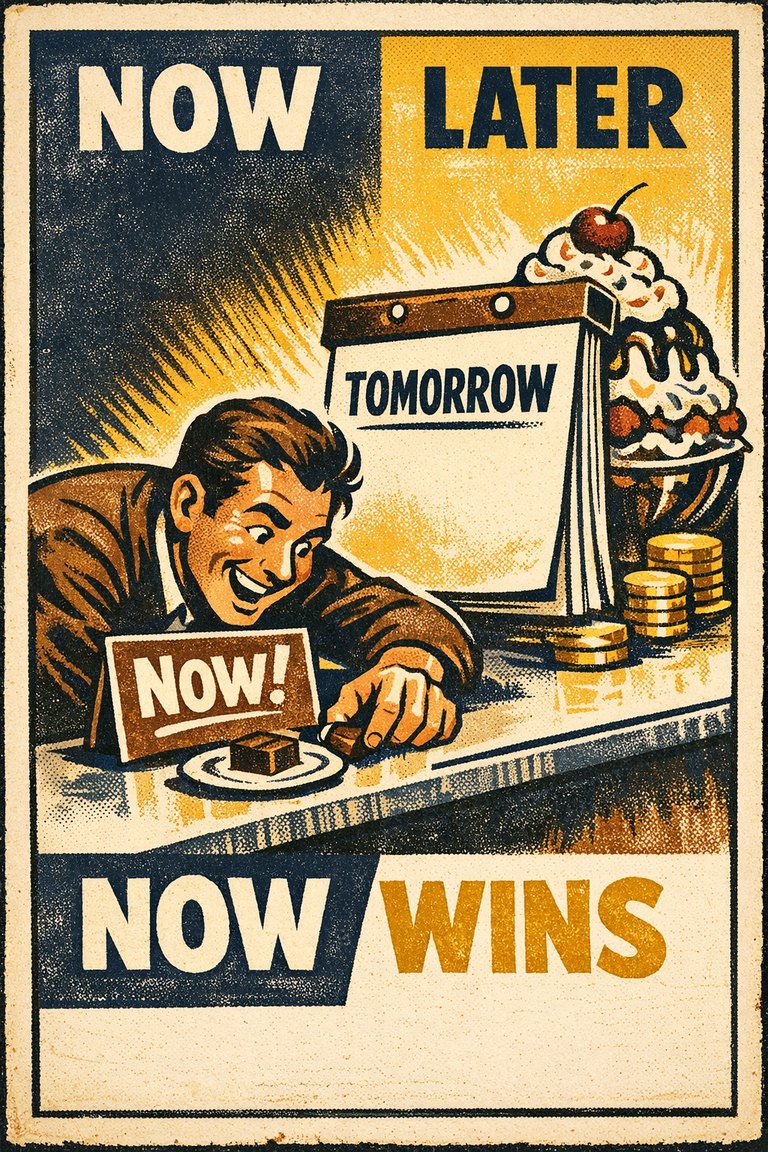
The tendency to give disproportionate weight to immediate costs and payoffs relative to later ones, even when the later consequences are larger.
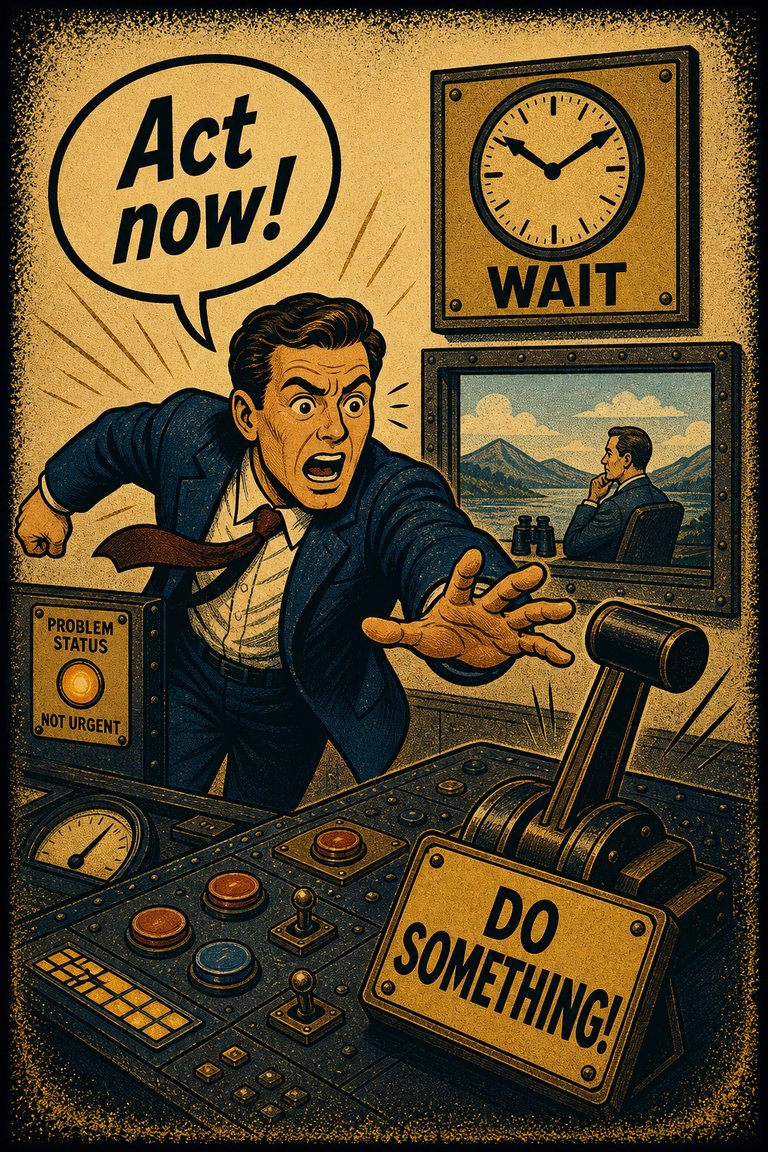
The tendency for someone to act when faced with a problem even when inaction would be more effective, or to act when no evident problem exists.
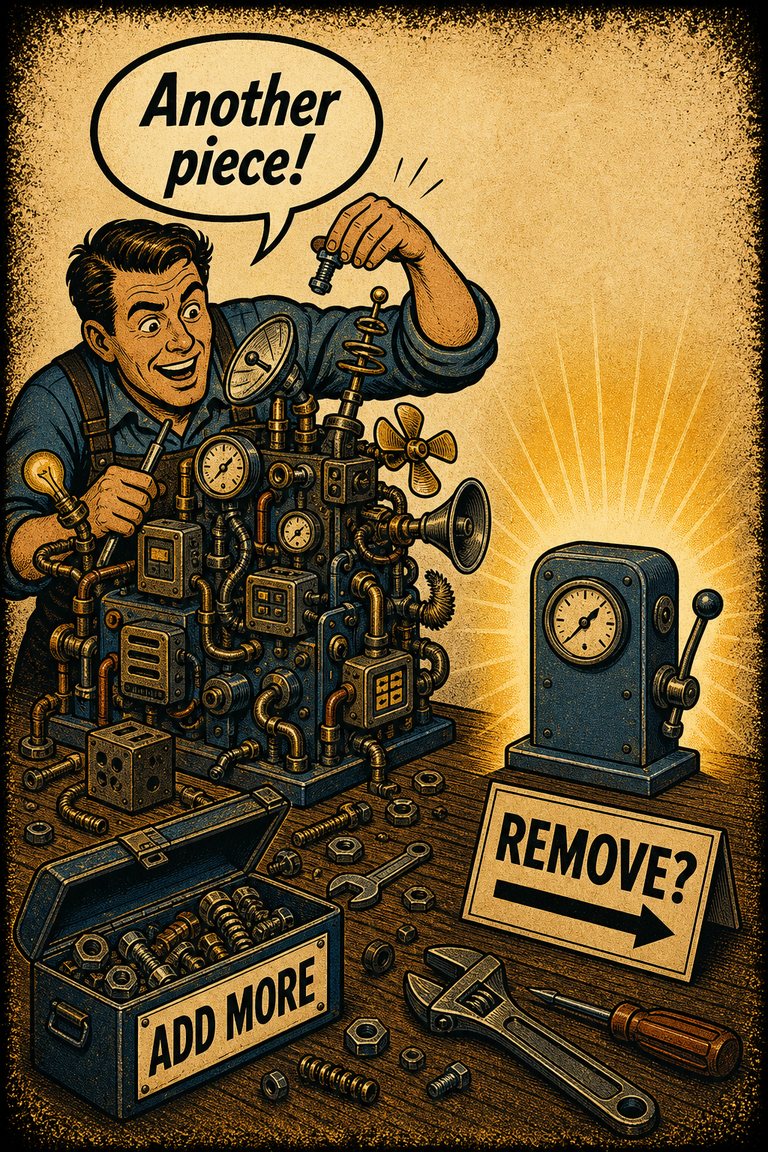
The tendency to solve problems through addition, even when subtraction is a better approach.