Common in projects
91
One of the most reliable distortions in planning under ambition.
Rare
Frequent

Cognitive Biases
A practical cognitive-bias site with clear definitions, learning paths, assessments, self-audits, and debiasing tools.
Cognitive Bias
The tendency for people to underestimate the time it will take them to complete a given task
What it distorts
Biases that distort numerical judgment, risk perception, calibration, and first-pass estimates.
Typical trigger
Situations where estimation is already difficult and the outcome cue feels easier to trust than a fuller review.
First countermove
Start with the estimation question instead of the first intuitive answer, then check whether the outcome pattern is doing invisible work.
Best use
Quick reference
What does the outside view say before the inside story talks me into a tighter schedule again?
In estimation problems, the result of an event bends how the process, evidence, memory, or explanation is interpreted afterward before a fuller check catches up.
These are classroom-facing editorial estimates for comparing how the bias behaves in use. They are teaching aids, not measured statistics.
Common in projects
91
One of the most reliable distortions in planning under ambition.
Easy to spot from outside
57
Often obvious to people carrying the outside view, less obvious inside the project story.
Easy to innocently commit
89
Optimism plus detail can masquerade as rigor.
Teaching difficulty
37
Becomes durable once learners compare forecasts with real completion histories.
This comparison makes the hidden pull easier to see before the technical label has to do all the work.
Biased move
This is like budgeting a long trip by imagining only the parts where the highway is clear.
Clearer comparison
The map is not false, but it becomes false in use when all the friction points are treated as special cases that probably will not happen this time.
Do not use this label for every delay or blown budget. The useful claim is about systematic underestimation despite knowing that similar plans have run late before.
Use this label when people forecast duration, cost, or complexity from the inside story alone while underweighting the historical record of comparable cases.
Use the quick check, caveat, and nearby confusions together. The fastest diagnosis is often the noisiest one.
Each example changes the surface context while keeping the same hidden distortion in place.
Someone blocks two hours for a messy household task because the best-case sequence feels more vivid than the actual history of interruptions and friction.
A team estimates a launch based on the happy-path task list while underweighting dependencies, review cycles, and waiting time.
Large public works and reforms are sold on optimistic timelines that assume exception rather than reference-class drag.
This time feels cleaner, clearer, and more controllable than the last five similar projects that also slipped.
Teaching note: This page gives the site a strong practical anchor for project work, forecasting, and operations.
The strongest debiasing moves change the process, not just the label.
Start from a reference-class timeline before refining the project-specific plan.
Ask one person to model coordination, review, and waiting costs explicitly.
Store historical cycle times and require them in planning docs.
Practice And Repair
The seduction of the planning fallacy is that it rewards detail. The more vivid the task list becomes, the easier it is to forget that similar detail-rich plans have missed before.
A team starts forecasting from the specific steps of the current project before consulting the track record of comparable projects.
Because the plan now has detail and visible effort behind it, the short timeline starts to feel disciplined rather than thin.
Known friction, coordination, and rework risks are treated as exceptions instead of normal features of the work.
Pull in the outside view, widen the range using historical cycle times, and run a premortem before locking the estimate.
What usually happens in projects like this even when the current plan feels unusually organized?
Spot It
Slow It
Reframe It
These are nearby labels that can share the same outer appearance while differing in what actually drives the distortion. Use the overlap, the distinction, and the diagnostic question together before settling the call.
Why compare it: Planning fallacy is a forecasting subtype in which timelines and resource needs are systematically too optimistic.
Why compare it: Anchoring may lock teams onto the first date suggested; planning fallacy is the deeper optimism in the plan itself.
Why compare it: Hindsight bias edits memory after the miss; planning fallacy is the optimistic underestimation before the miss.
These are useful when the label seems roughly right but the process change still feels underspecified.
What happened in the last five comparable cases, not just in the clean internal plan?
Which delays are not in the happy path because they feel mundane or embarrassing?
What would a base-rate schedule suggest before the project-specific story begins?
These sourced cases do not prove what was in someone's head with perfect certainty. They are teaching cases for showing where the bias pressure becomes visible in practice.
The Sydney Opera House build
The project is a classic large-scale example of costs and timelines outrunning early expectations by a wide margin.
Why it fits: Ambition, complexity, and revision made the inside story far more optimistic than the eventual path.
1959 to 1973
The Scottish Parliament Building
The building's schedule and cost grew far beyond initial forecasts, making it a routine planning-fallacy teaching case.
Why it fits: The project shows how detail and commitment do not automatically produce calibrated estimates.
1999 to 2004
These linked tools turn the page into practice instead of leaving it at the level of definition.
2 related paths place this bias beside the distortions it most often travels with in practice.
Direct path
Use this path before a major project, strategy choice, or resource commitment.
Direct path
Use this path when someone sounds sure, fluent, or experienced and you need to know whether the underlying understanding is actually there.
These short audits help catch this bias before it hardens into a verdict, forecast, or decision.
Direct audit
What would the outside view say before the inside story takes over?
Direct audit
What did the surprise reveal about the world, and what did it reveal about my forecasting habits?
These scenarios mix direct and nearby cases so you can practice the label itself and the broader judgment pattern around it.
Direct scenario
The brave launch date
A team estimates a new feature can ship in three weeks because the current task list looks manageable, even though the last four comparable projects all ran for at least seven wee…
Nearby scenario
The lucky launch became a good process
A team skipped user research, launched quickly, and happened to get strong early numbers. In the retrospective, leaders praise the decision process mainly because the result was g…
These neighbors were selected from shared categories, shared patterns, and explicit editorial links where available.
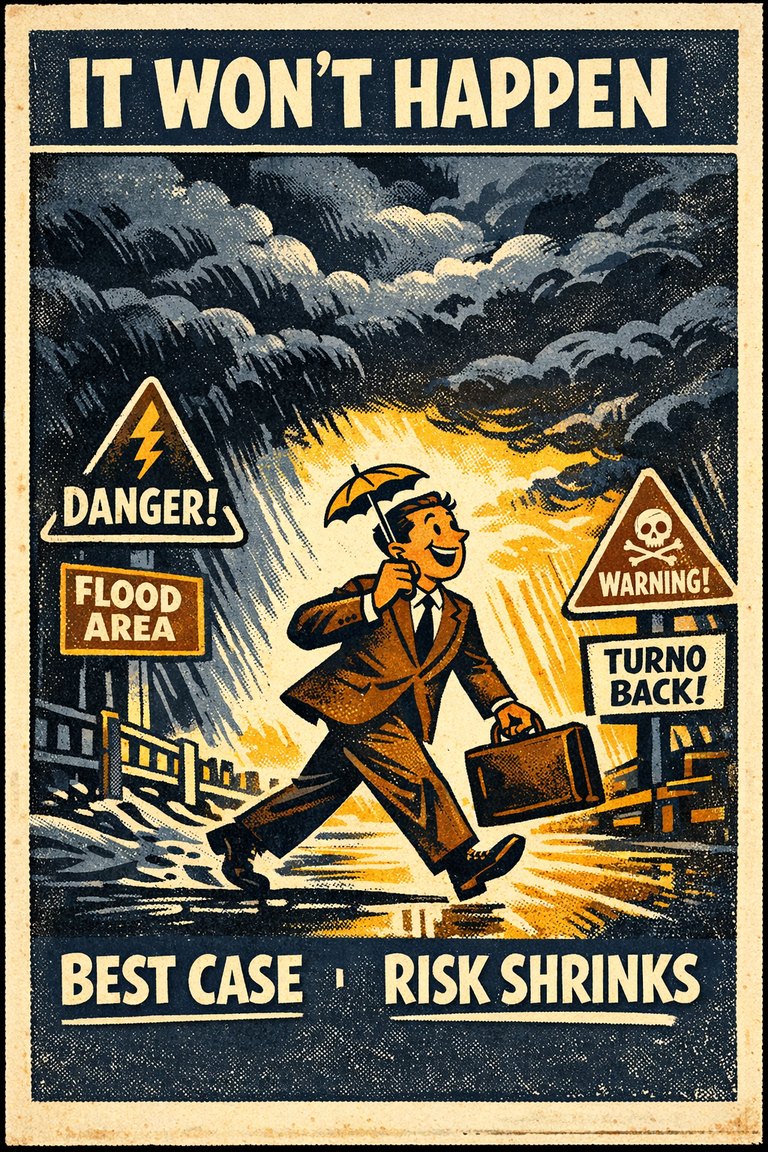
The tendency to overestimate favorable outcomes and underestimate the probability or impact of unfavorable ones, especially for oneself or one's own plans.
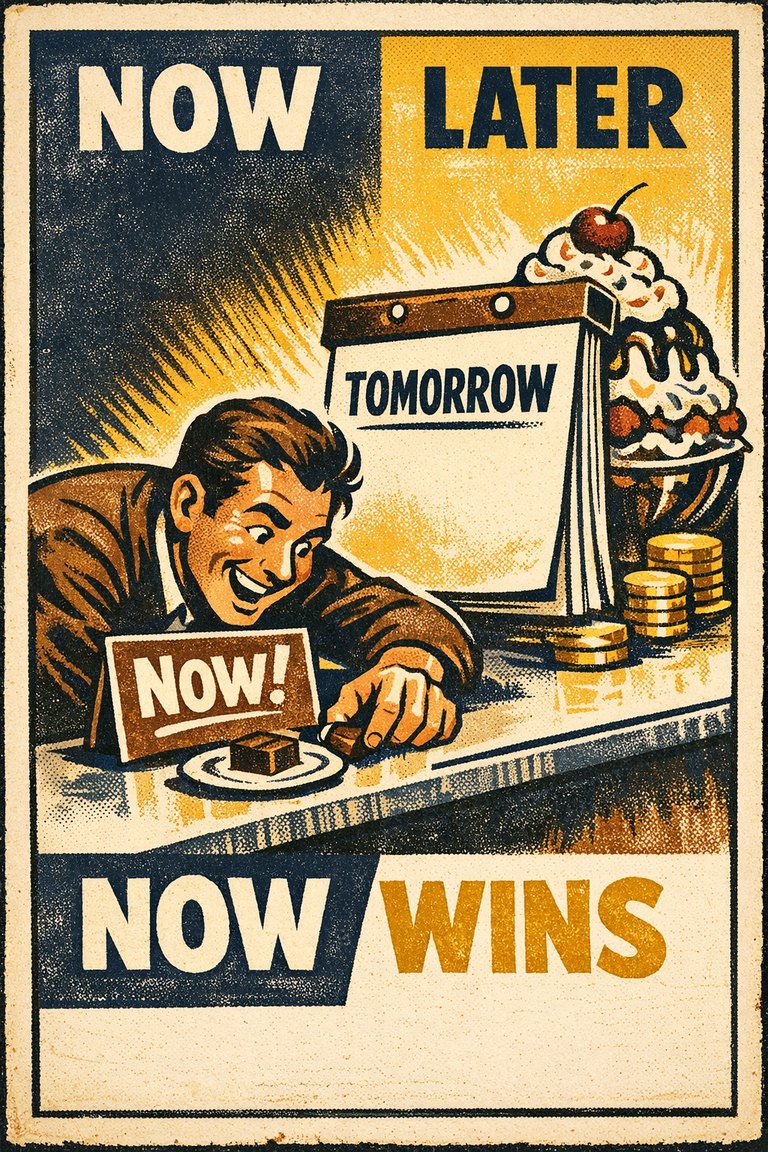
The tendency to give disproportionate weight to immediate costs and payoffs relative to later ones, even when the later consequences are larger.

The tendency to expect or predict more extreme outcomes than those outcomes that actually happen.

The tendency for current satisfaction to distort how positively or negatively past experience is remembered.
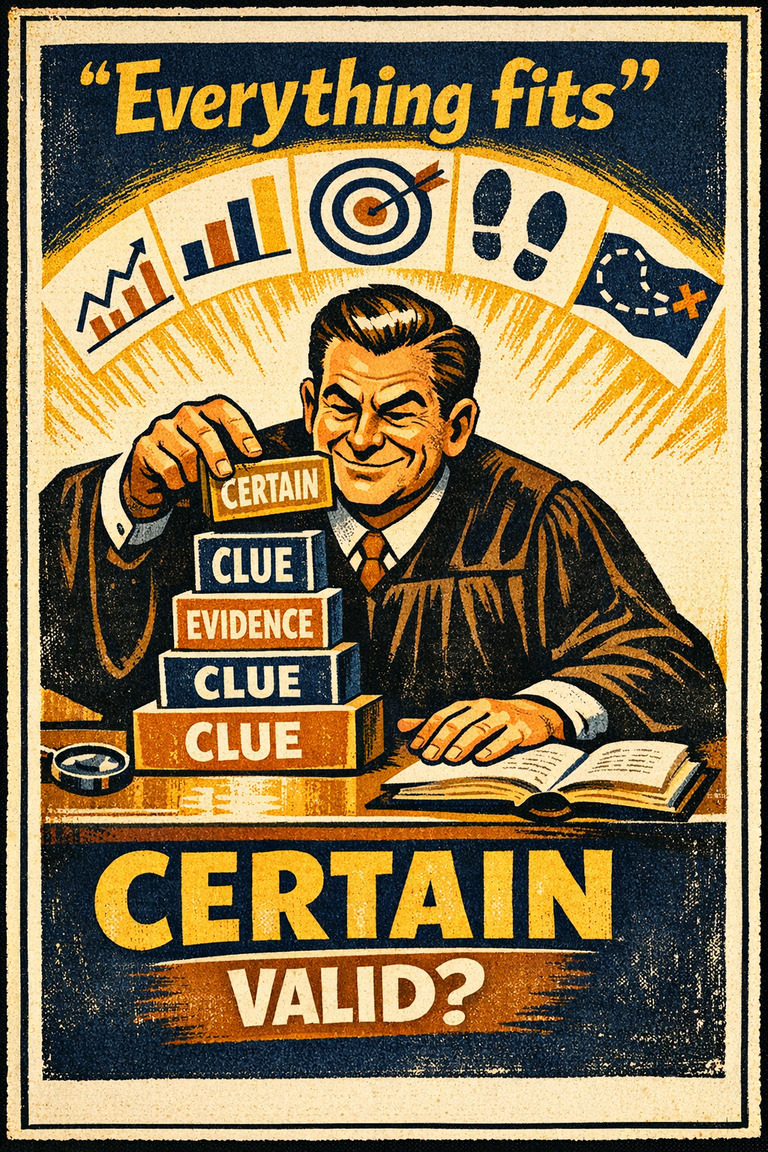
The tendency to overestimate the accuracy of one's judgments, especially when available information is consistent or inter-correlated.
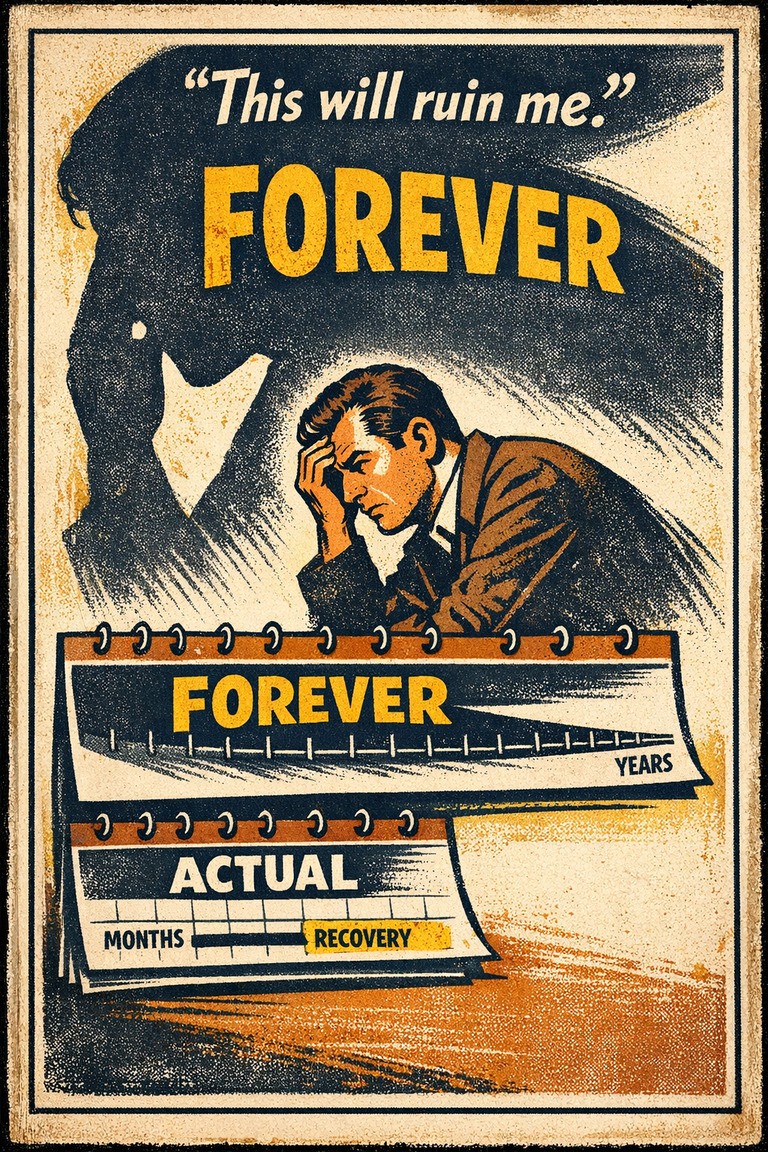
The tendency to overestimate the length or the intensity of the impact of future feeling states.