Common in institutions
88
Especially strong in systems where changing course carries responsibility and friction.
Rare
Frequent

Cognitive Biases
A practical cognitive-bias site with clear definitions, learning paths, assessments, self-audits, and debiasing tools.
Cognitive Bias
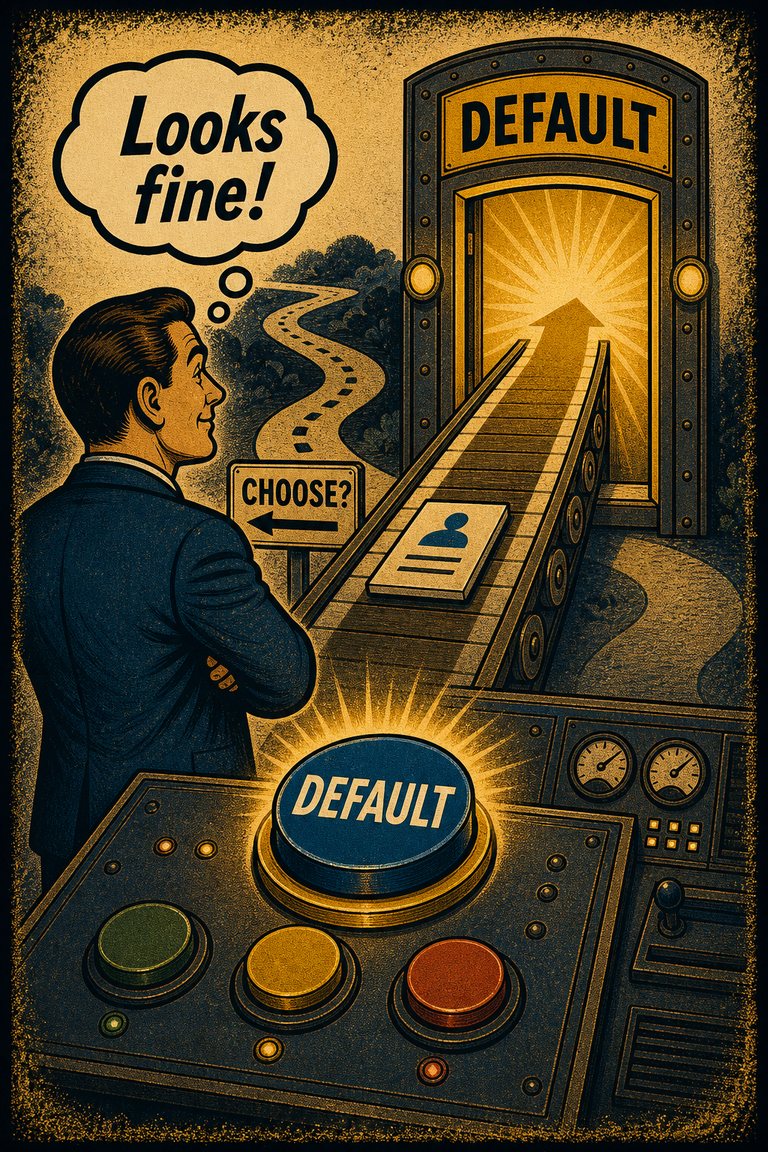
The tendency to prefer the current option, default, or inherited arrangement simply because it is the current option, default, or inherited arrangement.
What it distorts
It disguises omission as neutrality and can make inferior defaults look prudent.
Typical trigger
Complex choices, uncertain outcomes, and systems with sticky defaults.
First countermove
Reframe the current default as just another option that needs to earn its place.
Best use
Structured process
Would this option still feel safest if it were presented as just one alternative rather than as the current arrangement?
Change carries cognitive cost, anticipated regret, and responsibility. The existing state feels safer because its risks are already normalized.
These are classroom-facing editorial estimates for comparing how the bias behaves in use. They are teaching aids, not measured statistics.
Common in institutions
88
Especially strong in systems where changing course carries responsibility and friction.
Easy to spot from outside
55
Easier to notice once the current option is rewritten as one explicit choice among others.
Easy to innocently commit
82
Staying put often feels like neutrality rather than like a decision.
Teaching difficulty
37
Very teachable when paired with real option rewrites.
This comparison makes the hidden pull easier to see before the technical label has to do all the work.
Biased move
This is like treating the furniture layout you inherited from the previous tenant as if it had already been proven optimal.
Clearer comparison
Familiar placement can feel sensible long before it has earned that feeling. Inherited arrangements need a forward-looking case too.
Do not use this label whenever someone prefers continuity. Continuity can be justified. The distortion begins when the current arrangement receives extra legitimacy simply because it is current.
Use this label when the burden of proof quietly shifts so the alternative must look overwhelmingly better while the existing option is spared the same scrutiny.
Use the quick check, caveat, and nearby confusions together. The fastest diagnosis is often the noisiest one.
Each example changes the surface context while keeping the same hidden distortion in place.
Someone keeps an overpriced subscription or outdated routine because revisiting the default feels like unnecessary hassle.
A team retains an inherited tool or process because switching would create visible transition pain even though the current workflow quietly bleeds time.
A harmful rule survives because reformers must prove perfection while defenders of the default are treated as mere custodians of normality.
Doing nothing feels neutral even when doing nothing is actually a very active choice with its own risks.
Teaching note: This page helps students see that omission can be just as biased as action.
The strongest debiasing moves change the process, not just the label.
Write the current default on paper as one option among peers instead of as the background.
Ask someone to argue for the best alternative before the group re-approves the inherited choice.
Use sunset reviews so defaults must periodically earn renewal.
Practice And Repair
Status quo bias works by hiding choice inside continuity. The present arrangement gets to masquerade as the background rather than as a rival proposal that should have to earn its place.
A complex or uncertain decision includes a current arrangement that already feels administratively normal.
Changing now feels like adding risk, responsibility, and disruption, while preserving the current path feels cleaner and safer.
The existing option receives a lighter evidential burden than the alternatives, so inertia looks like prudence.
Rename the current setup as Option A, list genuine alternatives beside it, and compare all paths from today forward under the same standards.
What costs belong to preserving the current arrangement that we only keep writing down for the alternatives?
Spot It
Slow It
Reframe It
These distinction guides slow down the most common nearby-label confusions before the diagnosis hardens.
The default effect is a choice-architecture pull toward the preselected option; status quo bias is a broader preference for leaving things as they are.
Quick rule: Ask whether people are staying because the option was preselected or because change itself feels costly, risky, or abnormal.
These are nearby labels that can share the same outer appearance while differing in what actually drives the distortion. Use the overlap, the distinction, and the diagnostic question together before settling the call.
Why compare it: Status quo bias can persist even without major past investment; sunk cost effect specifically treats prior investment as a reason to continue.
Why compare it: Anchoring sticks to an initial reference point; status quo bias sticks to the current arrangement as the option that feels safest.
Why compare it: Endowment effect inflates the value of what is already owned; status quo bias makes the existing arrangement feel entitled to remain.
These are useful when the label seems roughly right but the process change still feels underspecified.
If the current default were proposed fresh today, would I choose it?
What hidden costs of inaction have been normalized into invisibility?
Am I comparing one vivid transition cost against many quiet recurring losses?
These sourced cases do not prove what was in someone's head with perfect certainty. They are teaching cases for showing where the bias pressure becomes visible in practice.
Samuelson and Zeckhauser's status quo experiments
Participants disproportionately preferred options framed as the existing state, even when the same options lost that advantage once the frame changed.
Why it fits: The current arrangement was receiving psychological credit for being current rather than for being substantively best.
1988
Inherited portfolio allocations stay sticky
Investors and institutions often preserve existing allocations longer than the forward-looking case justifies because reallocation feels like added responsibility.
Why it fits: The inherited setup is treated as safer than it really is simply because its risks have become normalized.
Modern finance examples
These linked tools turn the page into practice instead of leaving it at the level of definition.
2 related paths place this bias beside the distortions it most often travels with in practice.
Direct path
Use this path when you want the minimum set of pages that gives the rest of the site immediate traction.
Direct path
Use this path before a major project, strategy choice, or resource commitment.
These short audits help catch this bias before it hardens into a verdict, forecast, or decision.
Direct audit
Am I choosing the best forward-looking option, or the most comfortable inherited one?
Direct audit
Before You Treat The Default As Neutral
Is the default genuinely best, or just easiest to leave in place?
This bias is not yet the named center of its own kit, but it already appears in nearby workshop material that teaches the same pressure in context.
Same workshop family · Choice architecture
Product Choice-Architecture Audit
A product and UX kit for testing whether defaults, decoys, metrics, and automation are helping users choose or quietly manufacturing preference.
These scenarios mix direct and nearby cases so you can practice the label itself and the broader judgment pattern around it.
Direct scenario
Keep the policy unless the replacement is perfect
A team treats the current policy as automatically acceptable, while demanding that any proposed replacement clear a much higher evidential bar before it can even be piloted.
Same scenario family · Decision under uncertainty
The plan everyone kept because it was checked
A subscription page preselects an annual plan with add-ons. Most users keep it, and the product team describes that as proof users preferred the bundle.
These links widen the frame around the bias without interrupting the core lesson on this page.
An article on why one taxonomy tracks the judgment task being distorted while another tracks the recurring shape of the distortion itself.
CogBias theory
An article on why defaults, omissions, and inherited arrangements often steer judgment and outcome as strongly as explicit choices do.
CogBias theory
These neighbors were selected from shared categories, shared patterns, and explicit editorial links where available.
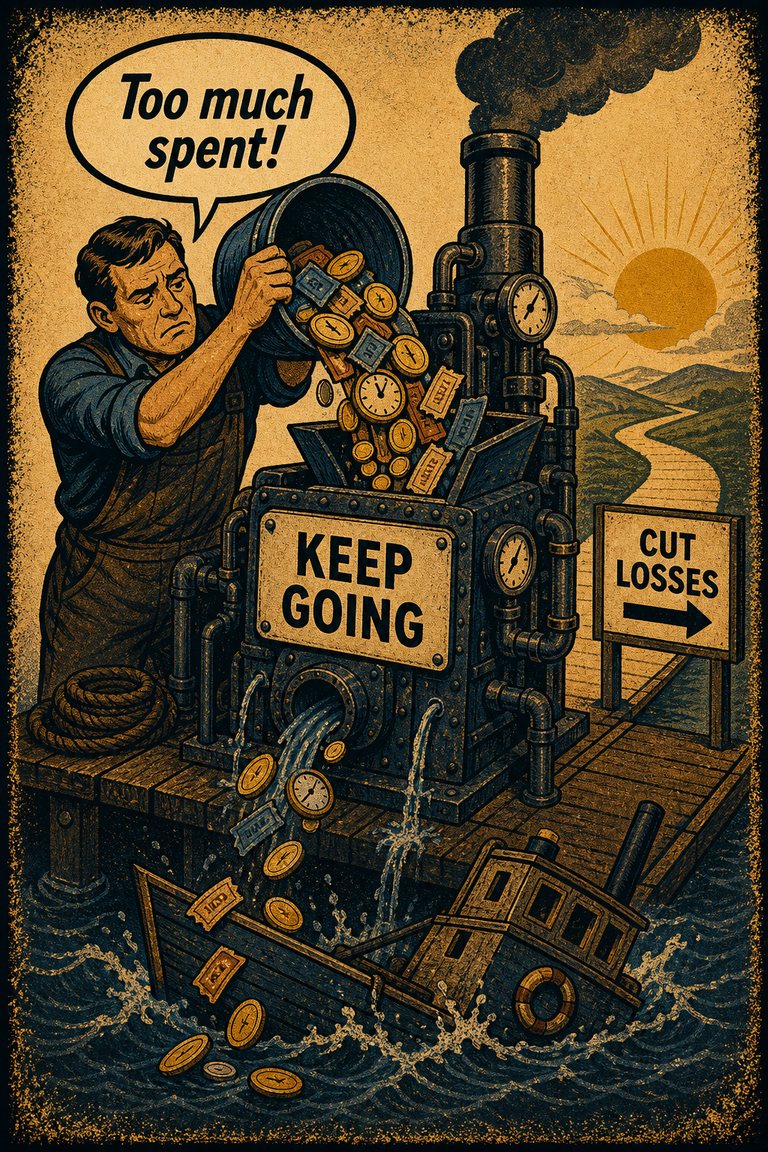
The tendency to keep investing in a losing path because of what has already been spent, even when the forward-looking case has weakened.
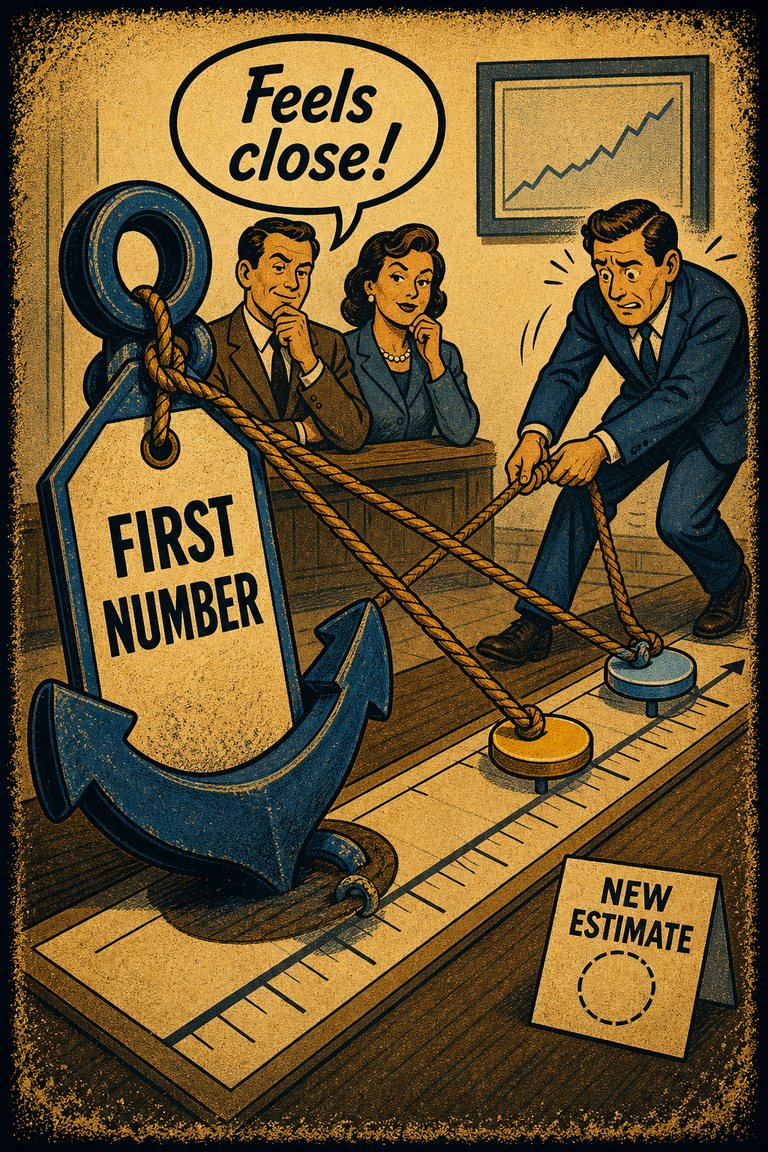
The tendency for the first salient number, frame, or option to pull later estimates toward itself even when it is arbitrary or weakly relevant.

The tendency to use reasoning as a defense lawyer for desired conclusions rather than as an impartial search for what is most likely true.
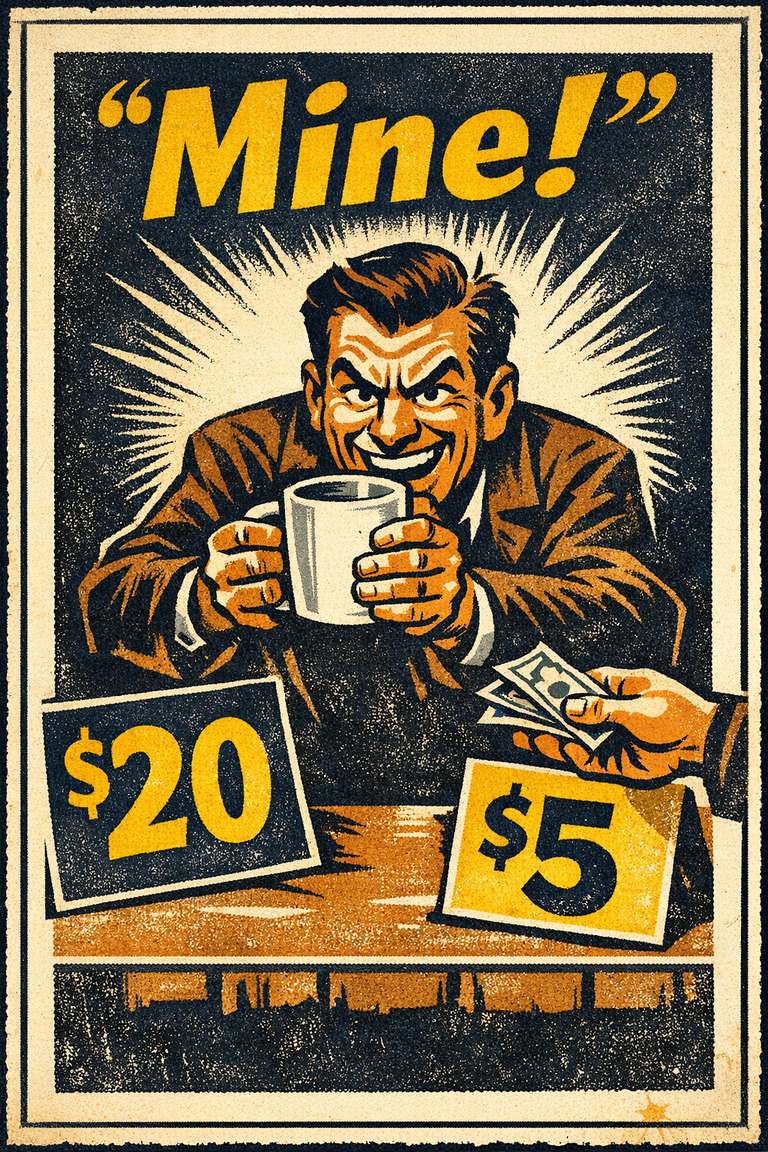
The tendency to value something more highly once it is already owned, possessed, or treated as part of the current arrangement.
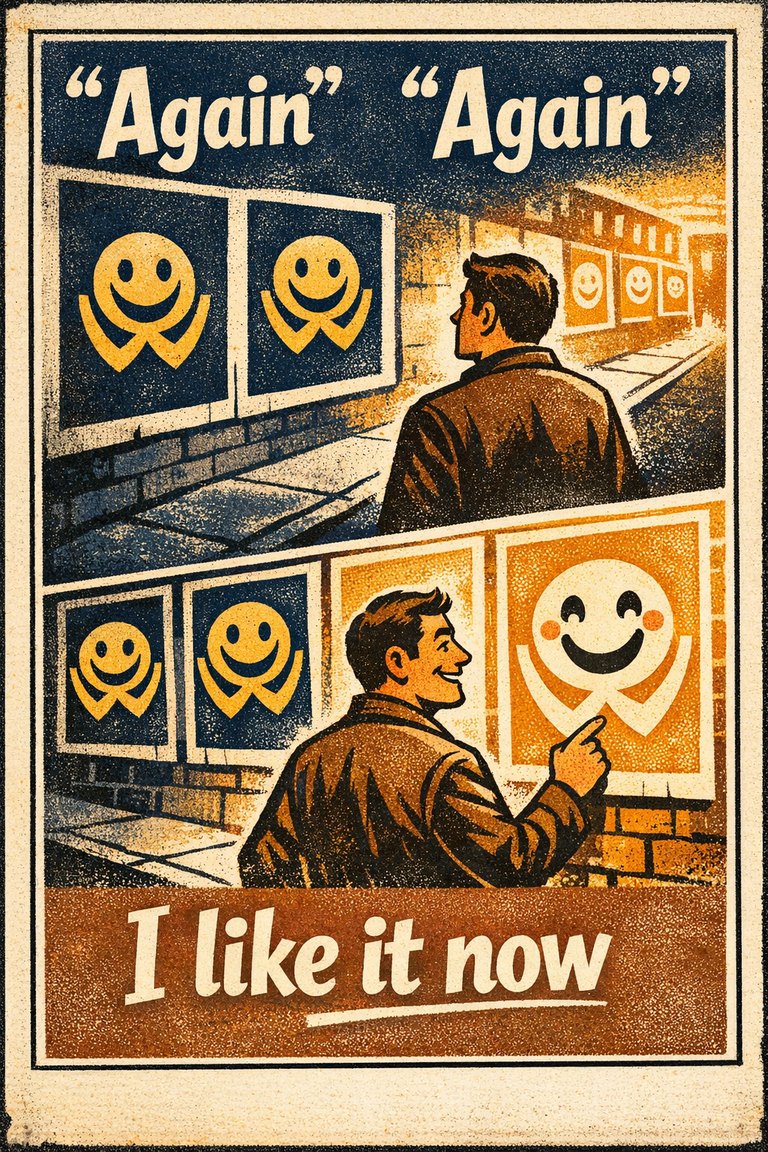
The tendency to like, trust, or feel more comfortable with something simply because it has become familiar.
The tendency to favor the preselected or default option simply because it is already positioned as the path of least resistance.