Common in live judgment
66
Often appears in public moral commentary and reactions to suffering.
Rare
Frequent

Cognitive Biases
A practical cognitive-bias site with clear definitions, learning paths, assessments, self-audits, and debiasing tools.
Cognitive Bias
The tendency to assume that people usually get what they deserve, which encourages reinterpretation of suffering, injustice, or bad luck as somehow earned.
What it distorts
It bends moral judgment and causal explanation by laundering bad outcomes into signs of deservingness.
Typical trigger
Victim-blaming, inequality, crime narratives, social distance from the harmed person, and situations where randomness or structural injustice feels destabilizing.
First countermove
Separate the question of what happened from the question of what the person deserves before you start filling in motive or blame.
Best use
Structured process
Am I explaining this harm in a way that restores moral balance more neatly than reality may deserve?
A fair world feels psychologically safer and more coherent than an arbitrary one. When reality threatens that picture, the mind often protects the fairness story by adjusting its interpretation of the victim instead of the world.
These are classroom-facing editorial estimates for comparing how the bias behaves in use. They are teaching aids, not measured statistics.
Common in live judgment
66
Often appears in public moral commentary and reactions to suffering.
Easy to spot from outside
58
Usually visible once the moral balancing need is named explicitly.
Easy to innocently commit
75
A deservedness story can feel steadier than admitting unfairness.
Teaching difficulty
53
Needs nuance because responsibility and bias can coexist in messy real cases.
This comparison makes the hidden pull easier to see before the technical label has to do all the work.
Biased move
This is like forcing every broken vase into a story where someone must have secretly deserved the cut from the shards.
Clearer comparison
A tidy moral story can feel stabilizing, but unfair events do not need hidden justice in order to have happened.
Do not use this label every time responsibility is discussed. Sometimes victims and harmed parties really did make relevant choices. The issue is insisting on deservedness mainly because randomness or structural unfairness feels intolerable.
Use this label when people bend explanations toward victim fault or moral balance in order to make an injustice feel less arbitrary than it really is.
Use the quick check, caveat, and nearby confusions together. The fastest diagnosis is often the noisiest one.
Each example changes the surface context while keeping the same hidden distortion in place.
A person hears about misfortune and instinctively looks for what the victim must have done wrong before asking whether the event was simply unfair.
People explain someone else's setback as a reflection of their character rather than of the structural pressures or bad luck that also mattered.
Victims of poverty, violence, or disaster are judged through a lens of deservedness because a random or unjust world feels harder to tolerate.
The deservedness story can feel like hard moral realism because the alternative is admitting that serious harm can arrive without moral balance.
Teaching note: This page gives the site moral and political depth because it shows how people protect a worldview of fairness by distorting their reading of harm.
The strongest debiasing moves change the process, not just the label.
Force yourself to name the non-deserved pathways by which the same outcome could have happened.
In debriefs or public discussions, ask explicitly which structural, random, or situational factors are being crowded out by moral storytelling.
Use review and reporting formats that separate causal analysis from moral evaluation so bad outcomes are not automatically recoded as deserved ones.
Practice And Repair
Just-world thinking turns moral discomfort into explanation. The mind reaches for a deservedness story because a world where bad things happen without balance feels unnerving and hard to house emotionally.
A serious harm, inequality, or injustice appears with no satisfying moral symmetry built into it.
A story about how the harmed person somehow invited, deserved, or could easily have prevented the outcome feels grounding.
Victim-blaming or system-excusing explanations gain traction because they restore moral order, not because they best fit the evidence.
Separate causal explanation from moral comfort and ask what the evidence would support if you were not trying to make the world feel fairer.
What explanation would remain if I stopped trying to protect the belief that serious harm usually arrives in proportion to merit?
Spot It
Slow It
Reframe It
These are nearby labels that can share the same outer appearance while differing in what actually drives the distortion. Use the overlap, the distinction, and the diagnostic question together before settling the call.
Why compare it: Fundamental attribution error overweights personal traits; just-world fallacy adds the moral assumption that the person's outcome therefore makes sense as deserved.
Why compare it: Hostile-attribution bias reads bad intent into ambiguous behavior; just-world fallacy reads deservedness into harmful outcomes.
Why compare it: Self-serving bias protects the self's image in explaining outcomes; just-world fallacy protects a belief in moral order when explaining others' suffering.
These are useful when the label seems roughly right but the process change still feels underspecified.
What part of this interpretation is trying to protect my belief that the world is basically fair?
If the same harm struck someone I loved, would I tell the same deservedness story?
What structural or random factors am I shrinking because they make the case harder to morally organize?
These sourced cases do not prove what was in someone's head with perfect certainty. They are teaching cases for showing where the bias pressure becomes visible in practice.
Lerner's victim-derogation studies
Research tied to the just-world hypothesis found that observers often shift toward blaming or devaluing victims when they cannot stop the injustice they are witnessing.
Why it fits: The deservedness story helps restore moral balance even when the evidence for it is thin.
1960s onward
Victims recast as responsible so the world feels orderly
Observers may infer that targets of poverty, abuse, or misfortune must have invited some part of their fate because a morally legible world feels easier to hold than random unfairness.
Why it fits: Blame is being recruited to protect the intuition that outcomes usually track deserts.
Modern social psychology
These linked tools turn the page into practice instead of leaving it at the level of definition.
This bias does not yet have a dedicated path, but these nearby paths are usually the clearest place to see the same family of distortion in motion.
Nearby path
Use this path when ambiguous behavior is being read through threat, bad faith, or us-versus-them interpretation.
Nearby path
Use this path after a win, loss, surprise, or failure when the group needs to learn rather than merely narrate.
This bias does not yet have its own dedicated self-check, but these nearby audits usually catch the same kind of drift before it hardens.
Nearby audit
Before You Read Hostility Into It
What else could explain this besides threat, contempt, or bad faith?
Nearby audit
Before You Explain What Happened
What part of this explanation is genuinely shown, and what part merely feels satisfying now that the ending is known?
This bias is not yet the named center of its own kit, but it already appears in nearby workshop material that teaches the same pressure in context.
Nearby workshop
Relationship Conflict Attribution Reset
A reflective kit for slowing motive-reading, character verdicts, and self-protective memory during conflict.
There is no dedicated scenario for this bias yet, but these nearby cases test the same kind of pressure and repair move.
Nearby scenario
He must have meant that as a slight
A colleague sends a short reply with no greeting, and another teammate immediately starts interpreting the message as deliberate disrespect without seriously considering time pres…
Nearby scenario
The message that sounded hostile
A short work chat message says, 'We need to talk about the draft.' The recipient immediately reads it as anger, even though the sender often writes brief messages when rushing bet…
These links widen the frame around the bias without interrupting the core lesson on this page.
A theory essay on why favorable outcomes and tidy moral stories often make weak reasoning look stronger after the fact than it was under uncertainty.
CogBias theory
These neighbors were selected from shared categories, shared patterns, and explicit editorial links where available.
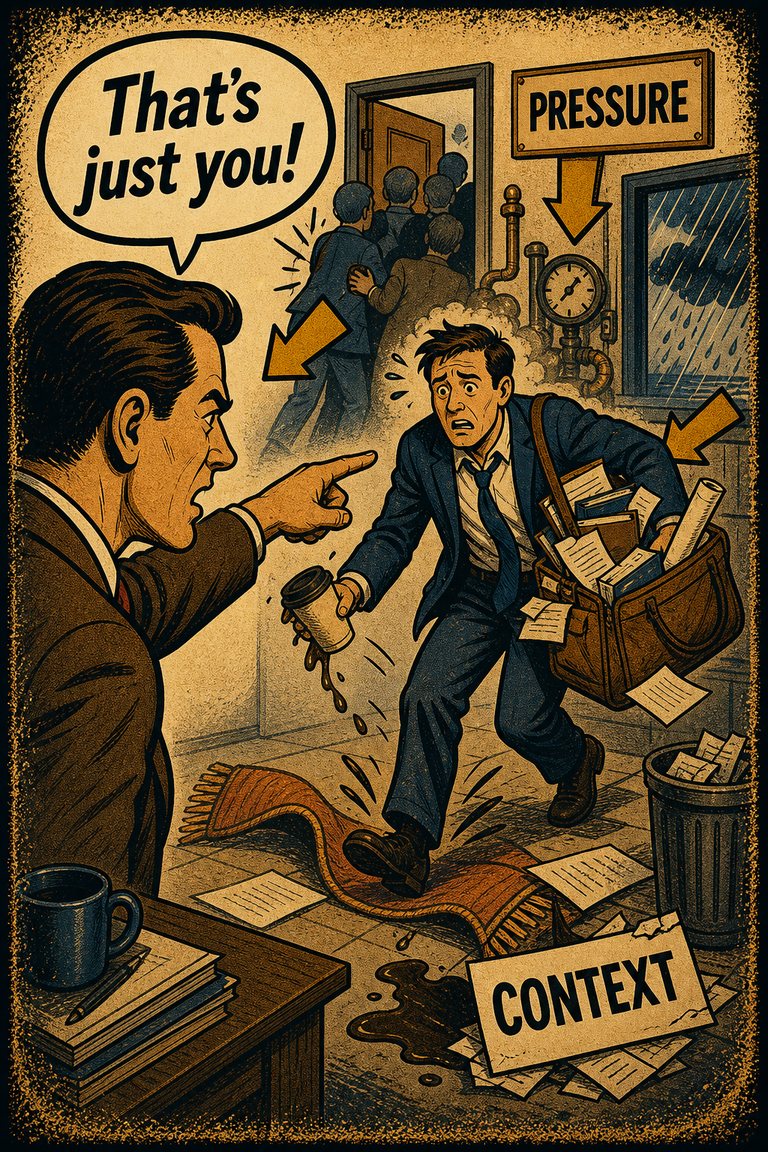
The tendency to explain other people's behavior too quickly in terms of character while underweighting situational pressures and constraints.
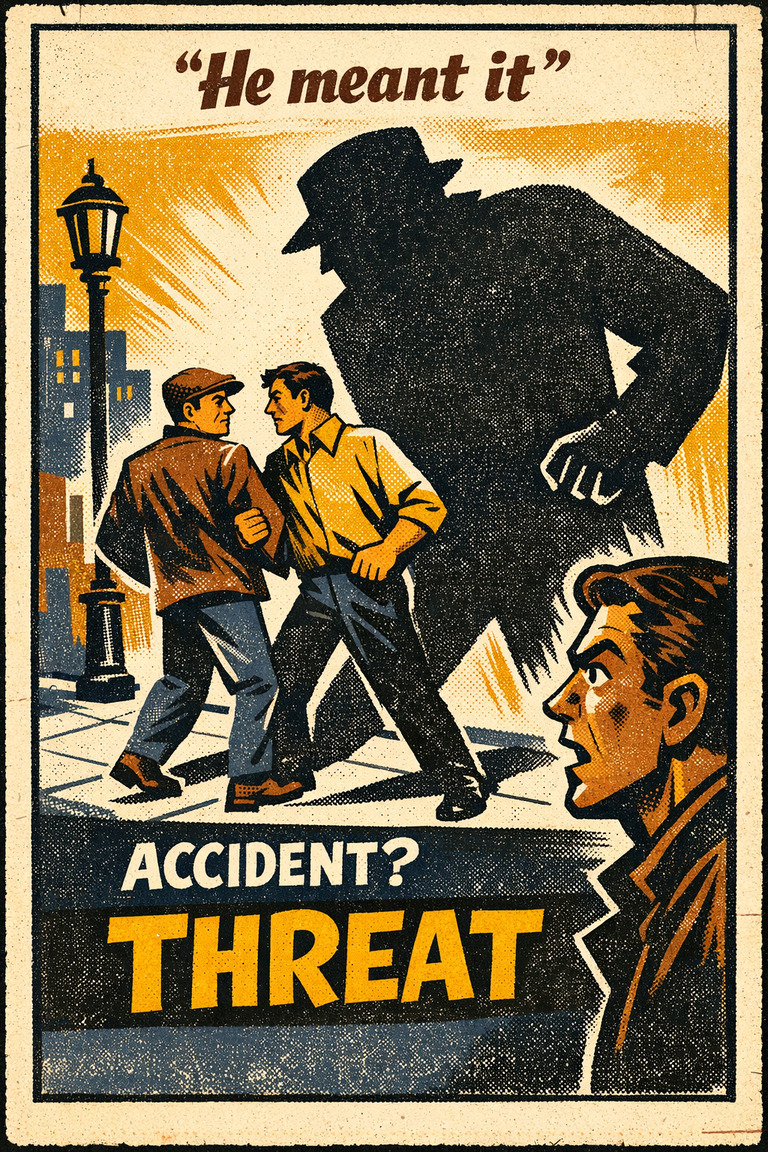
The tendency to read ambiguous behavior as hostile, threatening, or intentionally disrespectful even when the evidence is underdetermined.
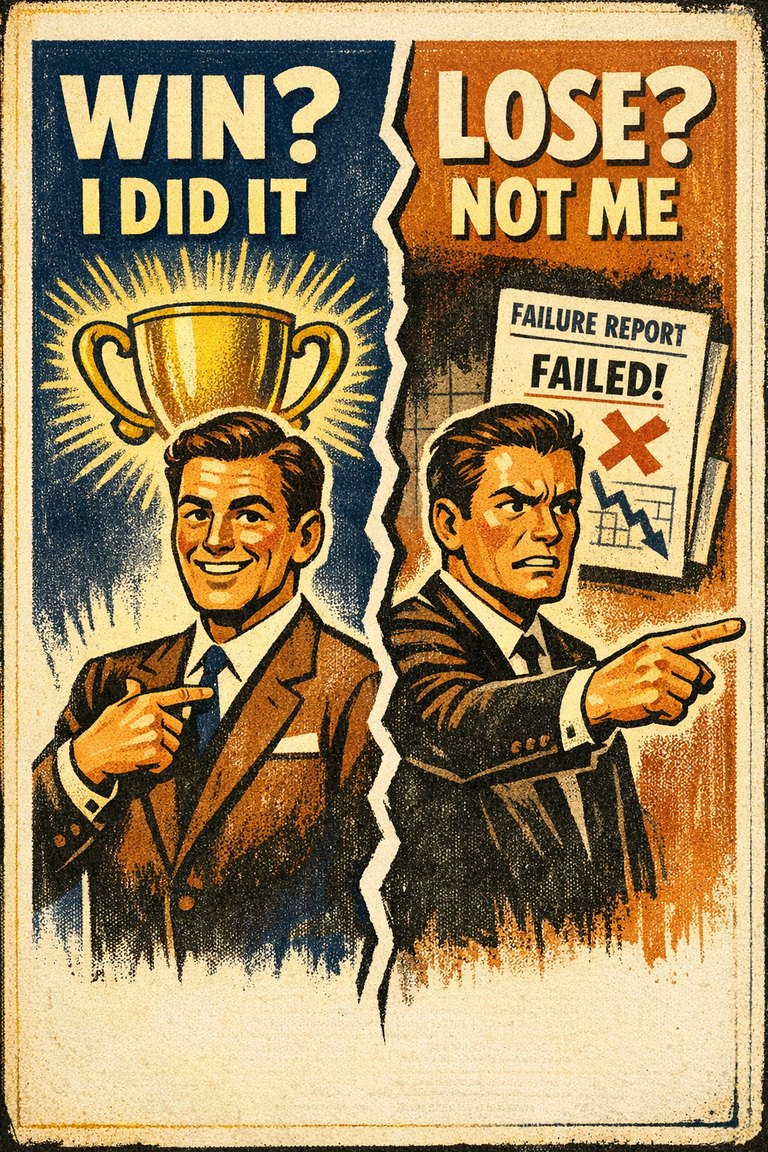
The tendency to take disproportionate credit for successes while locating failures in bad luck, unfair circumstances, or other people.
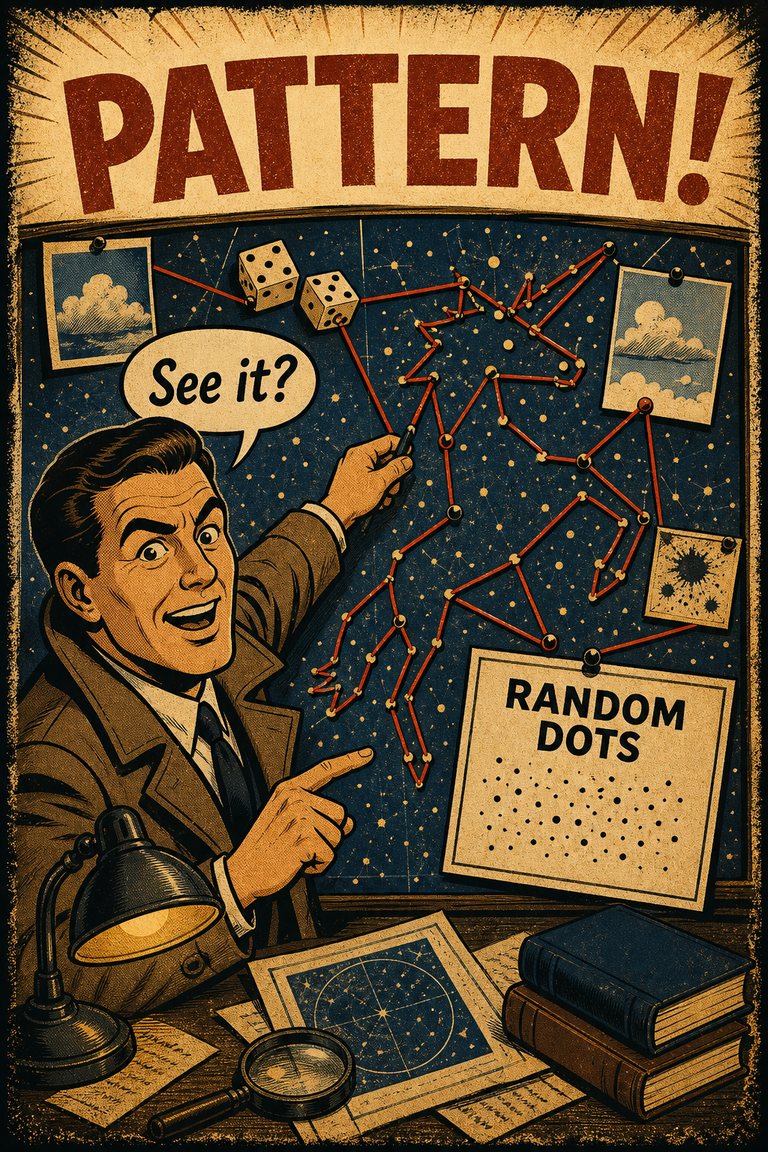
The tendency to perceive meaningful connections or patterns between unrelated things.
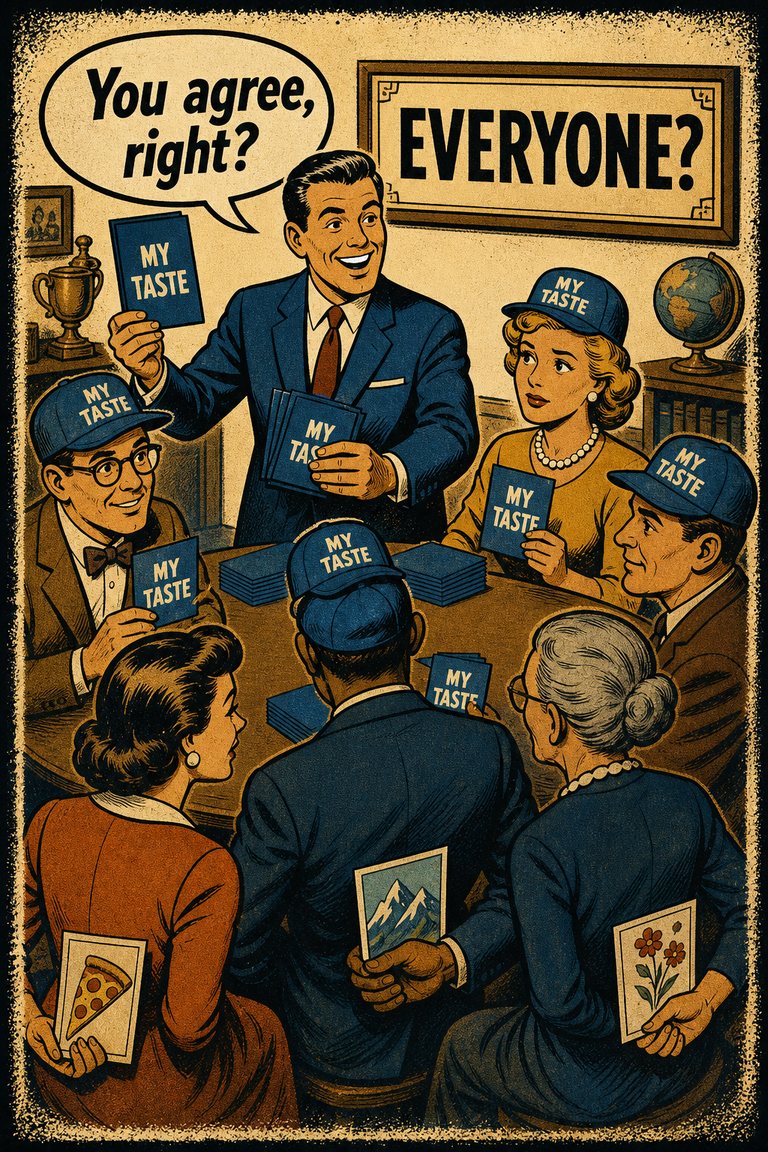
The tendency to assume other people are more similar to oneself than they really are.
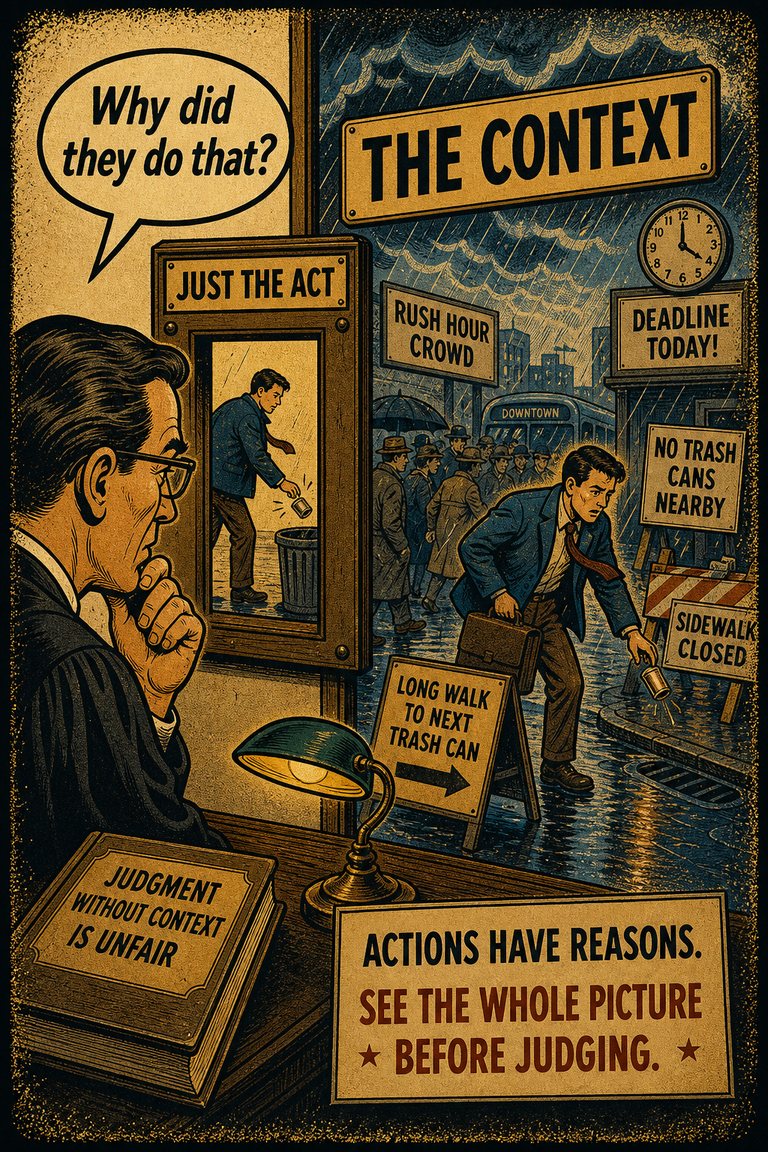
The tendency to neglect the human context of technological challenges.