Common in live reasoning
92
Shows up wherever people already care which answer wins.
Rare
Frequent

Cognitive Biases
A practical cognitive-bias site with clear definitions, learning paths, assessments, self-audits, and debiasing tools.
Cognitive Bias
The tendency to notice, seek, and remember evidence that supports the story you already prefer more readily than evidence that threatens it.
What it distorts
It makes the evidence stream look more one-sided than it really is.
Typical trigger
Identity-charged topics and early hunches formed under uncertainty.
First countermove
Write down what evidence would seriously lower confidence before searching for more support.
Best use
Structured process
Am I testing my current view, or just feeding it better-looking support?
Once a hypothesis feels plausible, attention and memory become selective. Friendly evidence feels weighty while counterevidence feels weak, atypical, or unimportant.
These are classroom-facing editorial estimates for comparing how the bias behaves in use. They are teaching aids, not measured statistics.
Common in live reasoning
92
Shows up wherever people already care which answer wins.
Easy to spot from outside
44
Often easier to diagnose after the search process is reconstructed.
Easy to innocently commit
88
Feels like ordinary curiosity unless the missing search path is named.
Teaching difficulty
46
Simple to define, but much harder to self-diagnose honestly.
This comparison makes the hidden pull easier to see before the technical label has to do all the work.
Biased move
This is like grading a debate by writing down only the points your favorite side landed cleanly.
Clearer comparison
You might end up with a neat notebook and a distorted verdict. A real test has to give disconfirming evidence equal rights at the table.
Do not use this label for every disagreement with your conclusion. The issue is not that someone ended up on one side. The issue is that the search, weighting, or interpretation of evidence is being tilted toward preserving that side.
Use this label when a person is selectively searching for, noticing, or retaining confirming material while giving weaker treatment to live disconfirmation.
Use the quick check, caveat, and nearby confusions together. The fastest diagnosis is often the noisiest one.
Each example changes the surface context while keeping the same hidden distortion in place.
A parent becomes convinced a school policy is harmful, then mainly notices stories and screenshots that reinforce that conclusion while skimming past the counterexamples.
A hiring manager forms an early impression in the first ten minutes of an interview and spends the rest of the conversation collecting reasons that the first impression was right.
A commentator starts with a fixed political story, then treats each new event as another exhibit for the preferred narrative rather than as a fresh test of it.
It rarely feels like cherry-picking. It feels like the evidence is finally lining up, while the awkward cases merely look low-quality or beside the point.
Teaching note: This is often the gateway bias for the rest of the site because it explains why many other distortions can survive in plain view.
The strongest debiasing moves change the process, not just the label.
Write down what evidence would change your mind before reading one more source.
Assign someone to build the strongest live countercase using the same standards the favored case receives.
Use review templates that require rival explanations and explicit disconfirmation criteria.
Practice And Repair
This bias does not usually arrive wearing a label. It arrives as a respectable search process that quietly keeps giving one side home-field advantage.
A person already has a favored answer, identity investment, or emotionally attractive explanation before the evidence review is complete.
Confirming evidence feels naturally diagnostic, while disconfirming material feels exceptional, weak, or somehow less relevant.
The evidence base itself becomes skewed, so the final confidence can look earned even though the test was tilted.
Force the rival hypothesis onto the page and ask what evidence would make it stronger before collecting one more supportive detail.
What result would count against my current view strongly enough that I would have to revise it?
Spot It
Slow It
Reframe It
These distinction guides slow down the most common nearby-label confusions before the diagnosis hardens.
Both protect a favored conclusion, but confirmation bias narrows the search and motivated reasoning bends the whole evaluation around what the person wants to be true.
Quick rule: Ask whether the main failure is selective evidence intake or desire-driven evaluation after evidence arrives.
These are nearby labels that can share the same outer appearance while differing in what actually drives the distortion. Use the overlap, the distinction, and the diagnostic question together before settling the call.
Why compare it: Confirmation bias is selective noticing and memory; motivated reasoning is the broader asymmetry in how standards get applied.
Why compare it: Availability is about what comes to mind most easily; confirmation bias is about preferentially searching for and retaining supporting material.
Why compare it: Survivorship bias is one way a distorted sample gets created; confirmation bias is the larger habit of treating the distorted sample as enough.
These are useful when the label seems roughly right but the process change still feels underspecified.
What result would most seriously lower confidence in the current story?
Which rival explanation has been actively tested rather than merely mentioned?
Am I sampling evidence to learn, or to defend an identity-laden conclusion?
These sourced cases do not prove what was in someone's head with perfect certainty. They are teaching cases for showing where the bias pressure becomes visible in practice.
Wason's card-selection task
Participants often preferred cards that could confirm the rule they had in mind rather than the cards that could genuinely falsify it.
Why it fits: The task is a compact classroom model of how people confuse confirmation with testing.
1966 onward
Biased assimilation in polarized evidence review
People exposed to the same mixed evidence about a disputed topic often came away more convinced of the side they already favored.
Why it fits: The evidence did not merely persuade differently. It was interpreted through a preserving filter.
1979
Natural laws accepted as friendly evidence
A worldview argument treats natural laws and intelligibility as evidence for God while portraying atheist explanations as simply assuming the laws of nature.
Why it fits: This is a candidate confirmation-bias example because friendly evidence is allowed to confirm the preferred hypothesis while the rival position is framed less fully. The classification depends on whether rival explanations are compared under shared criteria.
Frank Turek, I Don't Have Enough FAITH to Be an ATHEIST · 2024-04-18
These linked tools turn the page into practice instead of leaving it at the level of definition.
2 related paths place this bias beside the distortions it most often travels with in practice.
Direct path
Use this path when you want the minimum set of pages that gives the rest of the site immediate traction.
Direct path
Use this path when you suspect that the apparent evidential picture is itself distorted.
These audits combine direct and nearby checks so you can test the label itself and the broader judgment pattern around it.
Direct audit
Is this memorable because it is representative, or because it is dramatic and easy to circulate?
Same audit family · Evidence and explanation
Before You Explain What Happened
What part of this explanation is genuinely shown, and what part merely feels satisfying now that the ending is known?
This bias is not yet the named center of its own kit, but it already appears in nearby workshop material that teaches the same pressure in context.
Same workshop family · Public claims and repetition
A 45-minute lesson for separating vivid stories, repeated claims, and missing denominators before a news item becomes belief.
These scenarios mix direct and nearby cases so you can practice the label itself and the broader judgment pattern around it.
Direct scenario
Research with a favorite answer
A manager asks for evidence about remote work, opens five articles supporting the policy she already prefers, and stops there because the picture now feels clear enough.
Same scenario family · Public claims and repetition
Learning only from the winners on stage
A founder draws strategic lessons from ten celebrated startup stories without asking how many similar startups followed the same playbook and disappeared before anyone invited the…
This bias is also featured on Slugfester, a companion site with its own reference format and teaching angle.
This cross-link introduces a parallel reference page on Slugfester, useful for readers who want another presentation of selective evidence-seeking in action.
These links widen the frame around the bias without interrupting the core lesson on this page.
A practical article on why cognitive biases often shape what feels plausible before anyone states a neat argument aloud.
CogBias theory
An article on why one taxonomy tracks the judgment task being distorted while another tracks the recurring shape of the distortion itself.
CogBias theory
These neighbors were selected from shared categories, shared patterns, and explicit editorial links where available.
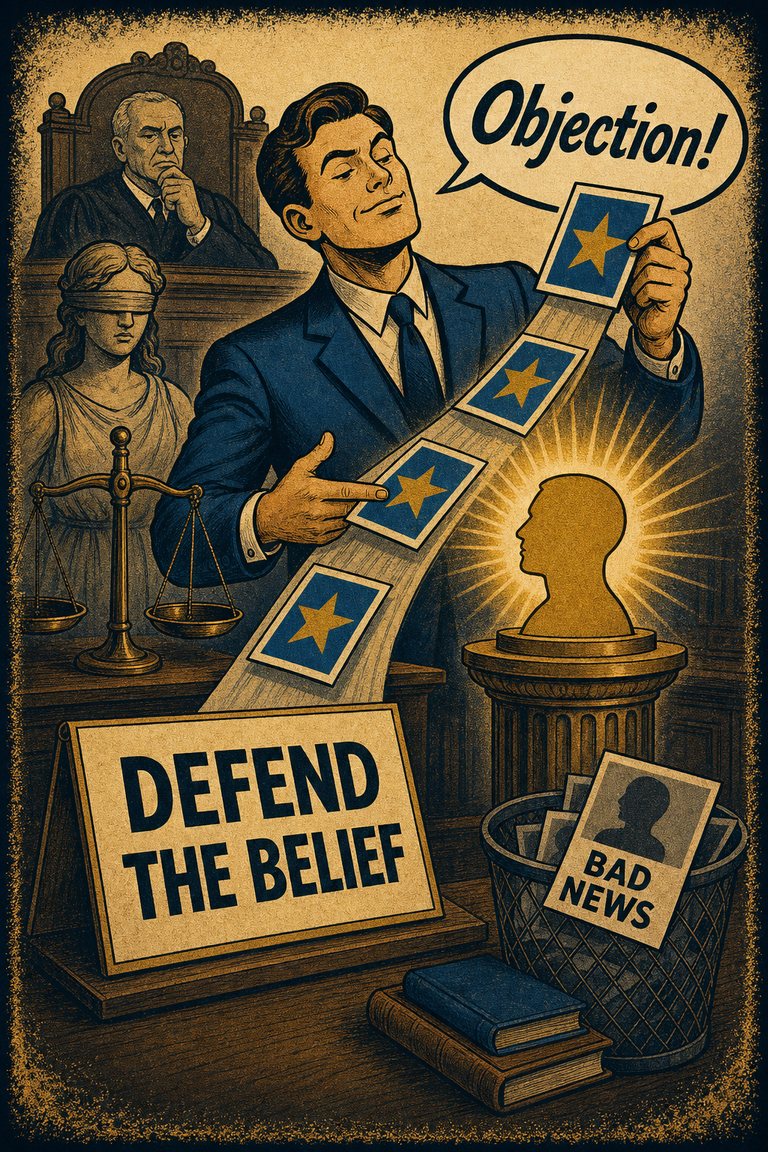
The tendency to use reasoning as a defense lawyer for desired conclusions rather than as an impartial search for what is most likely true.
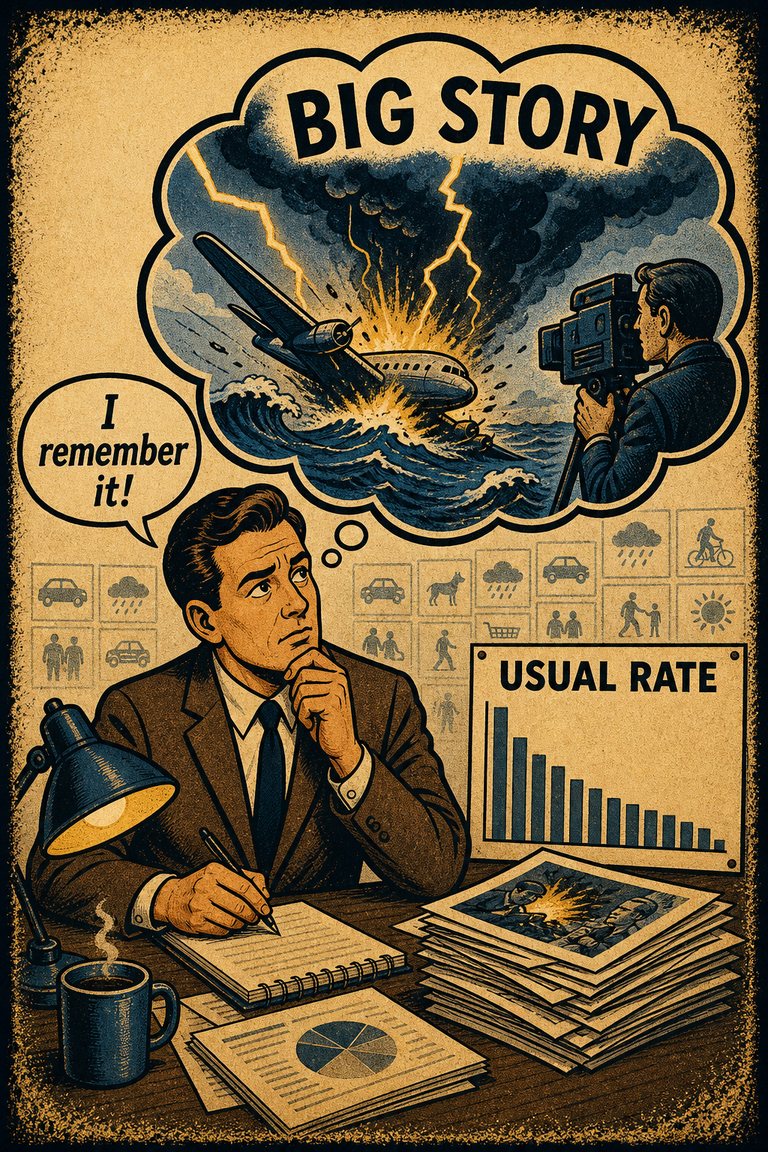
The tendency to judge frequency, risk, or importance by how easily examples come to mind.

The tendency to learn from the visible winners while overlooking the invisible failures that dropped out of view.
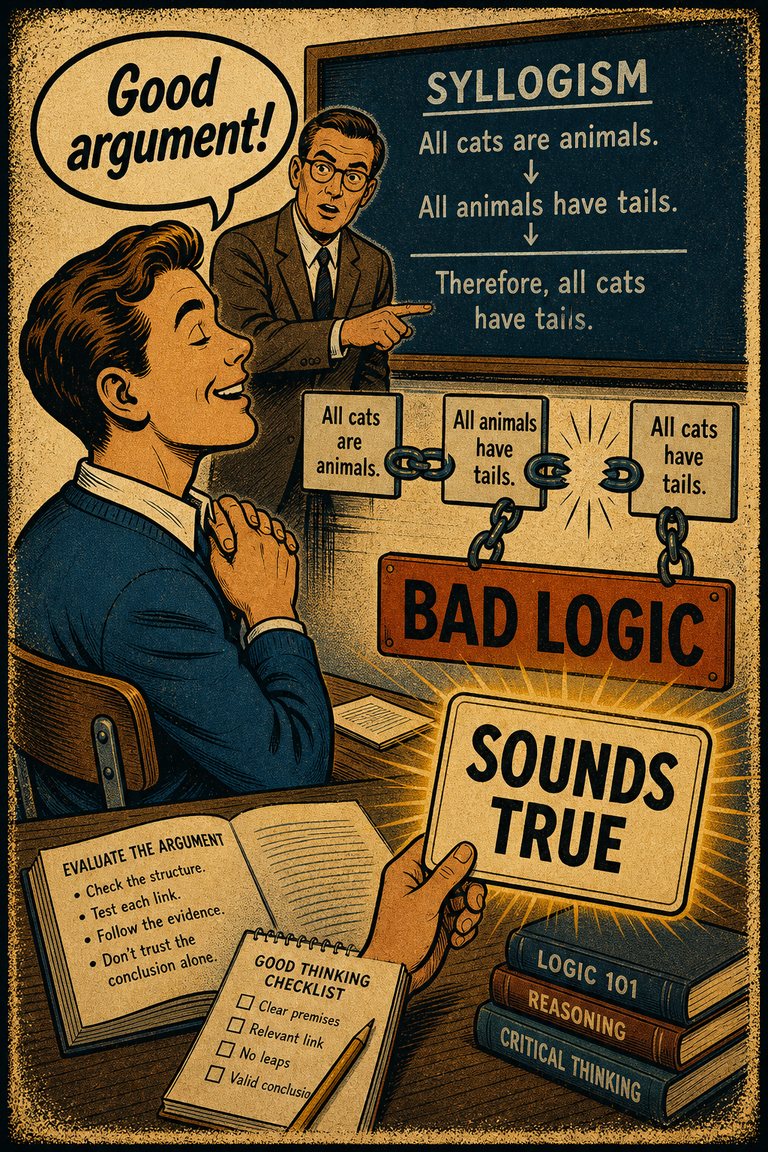
The tendency to judge an argument as stronger when its conclusion seems believable and weaker when its conclusion seems unbelievable, even if the reasoning structure is unchanged.
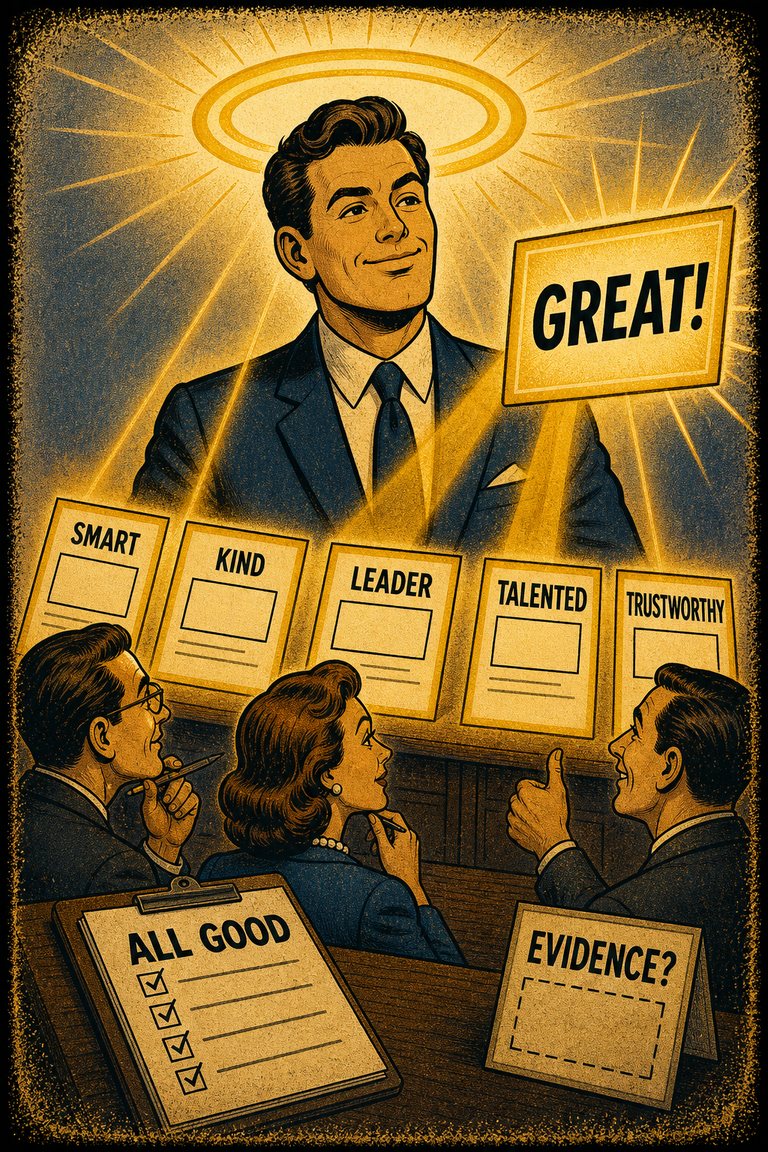
The tendency for one salient positive or negative impression to spill over into unrelated judgments about a person, product, or institution.
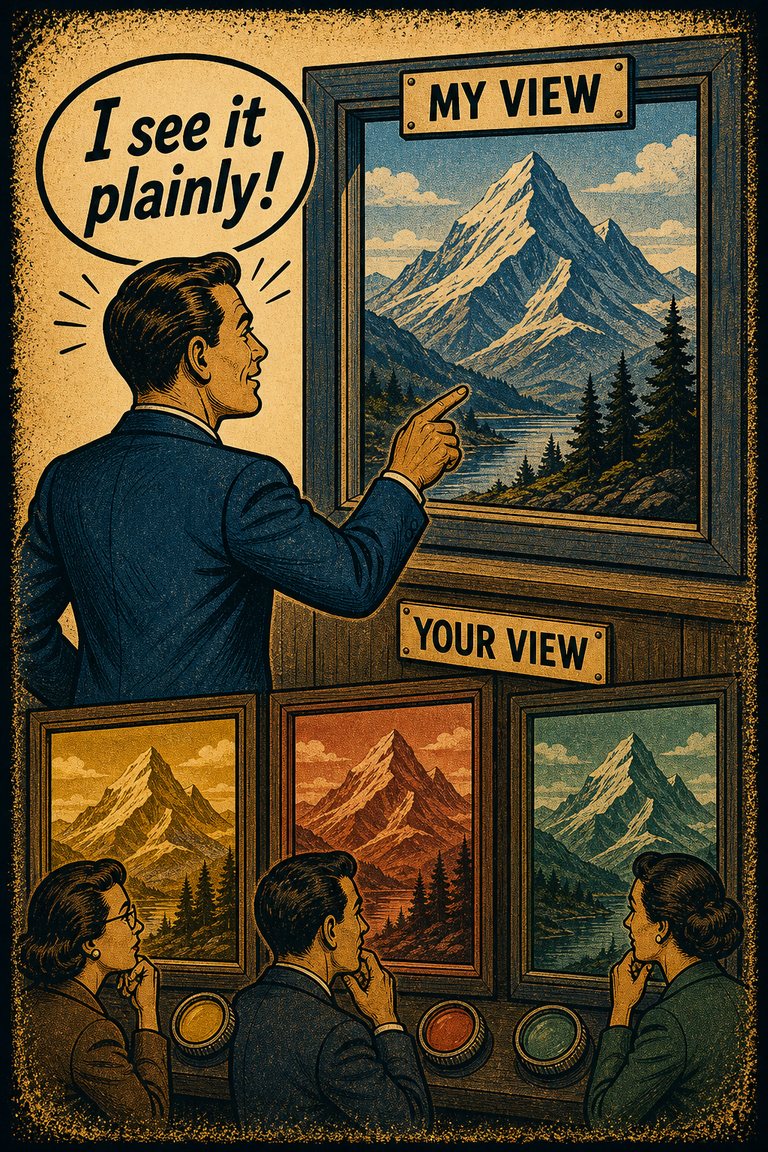
The tendency to see one's own view as plain reality and disagreement as ignorance, bias, or irrationality.