Common in bias discourse
91
Paradoxically strong among people who know many bias labels already.
Rare
Frequent

Cognitive Biases
A practical cognitive-bias site with clear definitions, learning paths, assessments, self-audits, and debiasing tools.
Cognitive Bias
The tendency to see oneself as less biased than other people, or to be able to identify more cognitive biases in others than in oneself
What it distorts
Biases that distort what people say they believe, prefer, or remember believing.
Typical trigger
Situations where opinion reporting is already difficult and the self-perspective cue feels easier to trust than a fuller review.
First countermove
Start with the opinion reporting question instead of the first intuitive answer, then check whether the self-perspective pattern is doing invisible work.
Best use
Quick reference
What distortion do I think only the other side is susceptible to here?
In opinion reporting problems, the bias intensifies when ego, identity, ownership, or asymmetry between self and others enters the picture before a fuller check catches up.
These are classroom-facing editorial estimates for comparing how the bias behaves in use. They are teaching aids, not measured statistics.
Common in bias discourse
91
Paradoxically strong among people who know many bias labels already.
Easy to spot from outside
37
Hard to detect because self-neutrality is built into the experience.
Easy to innocently commit
92
One's own view rarely feels like one view among many from inside.
Teaching difficulty
61
A meta-bias that can survive shallow literacy about bias.
This comparison makes the hidden pull easier to see before the technical label has to do all the work.
Biased move
This is like carrying a smudged lens cleaner and using it only on everyone else's glasses.
Clearer comparison
The ability to diagnose distortion in others does not guarantee cleaner vision in yourself. Sometimes it just makes self-exemption easier to narrate.
Do not use this label as a clever way of saying everyone is equally biased in every case. The issue is asymmetry of self-diagnosis, not flat moral equivalence.
Use this label when bias awareness seems to travel outward much more easily than inward.
Use the quick check, caveat, and nearby confusions together. The fastest diagnosis is often the noisiest one.
Each example changes the surface context while keeping the same hidden distortion in place.
Someone quickly names friends' double standards but treats their own judgment as ordinary common sense.
A team prides itself on being data driven while noticing politics and ego distortions mainly in other departments.
People diagnose propaganda, tribalism, and motivated reasoning everywhere except in the information environments they already trust.
Other people's bias patterns are easy to notice because they look like interpretation, while your own view still feels like direct access to what is simply there.
Teaching note: This page is a strong meta-entry because it explains why simply learning bias labels does not automatically make users safer from them.
The strongest debiasing moves change the process, not just the label.
Name the bias risk on your own side before naming it on the other side.
Build routines where each person states how their own position could be distorted before critiquing rivals.
Use paired red-team reviews that require self-critique and out-group critique under the same format.
Practice And Repair
Bias blind spot is what keeps bias education humbling. The more articulate a person is about others' distortions, the easier self-exemption can become.
A conflict, debate, or judgment invites psychological explanation.
Other people look like interpreters while the self still looks like the witness.
Debiasing becomes a tool for diagnosing rivals instead of disciplining one's own process.
State the strongest bias risk on your own side before naming it on the opposing side.
Which bias label gives me the strongest feeling of superiority when I apply it to others?
Spot It
Slow It
Reframe It
These are nearby labels that can share the same outer appearance while differing in what actually drives the distortion. Use the overlap, the distinction, and the diagnostic question together before settling the call.
Why compare it: Naive realism treats one's view as the facts; bias blind spot adds the asymmetry that others seem more susceptible to distortion than oneself.
Why compare it: Self-serving bias protects outcomes and self-image; bias blind spot protects one's sense of being the comparatively unbiased observer.
Why compare it: Confirmation bias skews evidence search; bias blind spot hides that skew more effectively in oneself than in others.
These are useful when the label seems roughly right but the process change still feels underspecified.
Which bias do I find easiest to see in others but hardest to imagine in myself?
What would someone skeptical of my view say is bending my judgment here?
If I am less biased than average on this issue, what is the evidence for that unusually flattering conclusion?
These sourced cases do not prove what was in someone's head with perfect certainty. They are teaching cases for showing where the bias pressure becomes visible in practice.
People rate themselves as less biased than others
Research on bias blind spot finds that people often judge themselves as less susceptible to bias than other people even while endorsing the general reality of bias.
Why it fits: The concept is accepted in the abstract but self-application lags far behind other-application.
Modern social psychology
Bias literacy that points outward more than inward
People who can fluently identify many biases in other people may still assume that their own judgments are mainly evidence-driven and only minimally distorted.
Why it fits: Bias knowledge becomes diagnostic ammunition rather than a mirror.
Modern social psychology
Prior commitments diagnosed asymmetrically
A resurrection-evidence discussion describes Muslims and atheists as potentially closed to the evidence because of prior worldview commitments.
Why it fits: This is a candidate bias-blind-spot example because prior commitments are treated as a problem for outgroups while the same diagnostic lens may not be applied to Christian commitments. The observation becomes stronger if all sides' priors and standards are examined symmetrically.
Frank Turek, I Don't Have Enough FAITH to Be an ATHEIST · 2025-04-22
These linked tools turn the page into practice instead of leaving it at the level of definition.
2 related paths place this bias beside the distortions it most often travels with in practice.
Direct path
Misinformation, Memory, And Crowds
Use this path when a claim is gaining traction partly because it is circulating well rather than because it has been carefully verified.
Direct path
Self-Justification And Meta-Bias
Use this path when the real work is not spotting another person's bias, but seeing how your own story is defending itself.
These audits combine direct and nearby checks so you can test the label itself and the broader judgment pattern around it.
Direct audit
What tension, tradeoff, or contradiction am I trying to make disappear too cheaply?
Nearby audit
Before You Read Hostility Into It
What else could explain this besides threat, contempt, or bad faith?
These scenarios mix direct and nearby cases so you can practice the label itself and the broader judgment pattern around it.
Direct scenario
The bias is always on the other side
A discussion group becomes highly skilled at naming motivated reasoning and tribal distortion in opponents, but almost never uses the same vocabulary to examine its own position.
Nearby scenario
The other side is just biased
Two teams read the same incident report and each one experiences its own interpretation as simply the facts, while treating the other team's interpretation as evidence of bad fait…
These links widen the frame around the bias without interrupting the core lesson on this page.
A theory essay on how people defend choices, identity, and coherence by editing memory, standards, and self-description rather than by simply declaring that they refuse to change.
CogBias theory
These neighbors were selected from shared categories, shared patterns, and explicit editorial links where available.
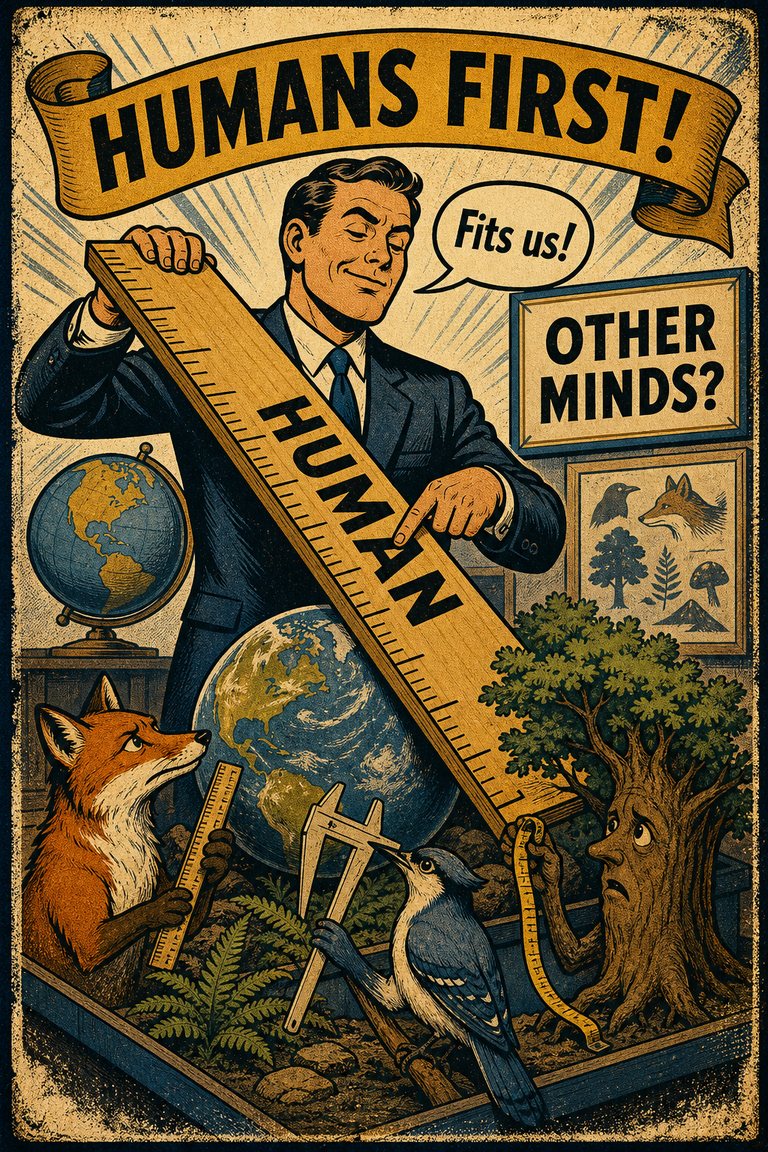
The tendency to use human analogies as a basis for reasoning about other, less familiar, biological phenomena.
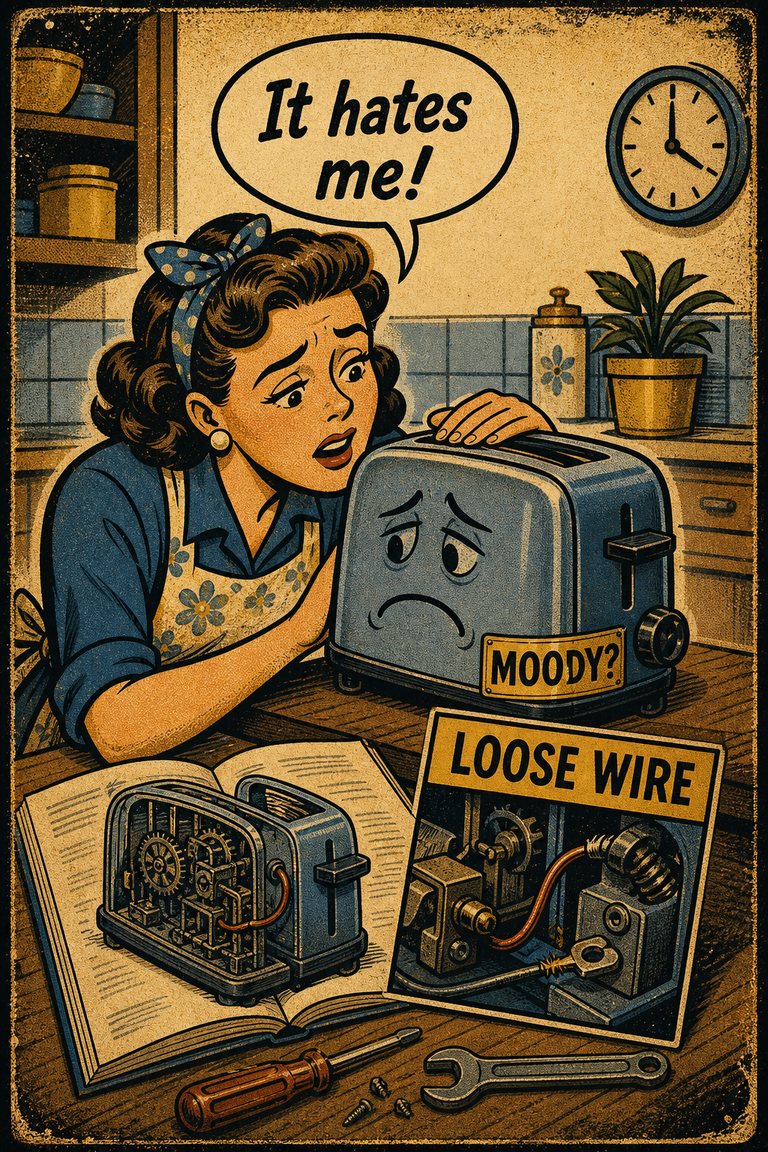
The tendency to treat animals, objects, or abstractions as if they had human thoughts, feelings, or intentions.
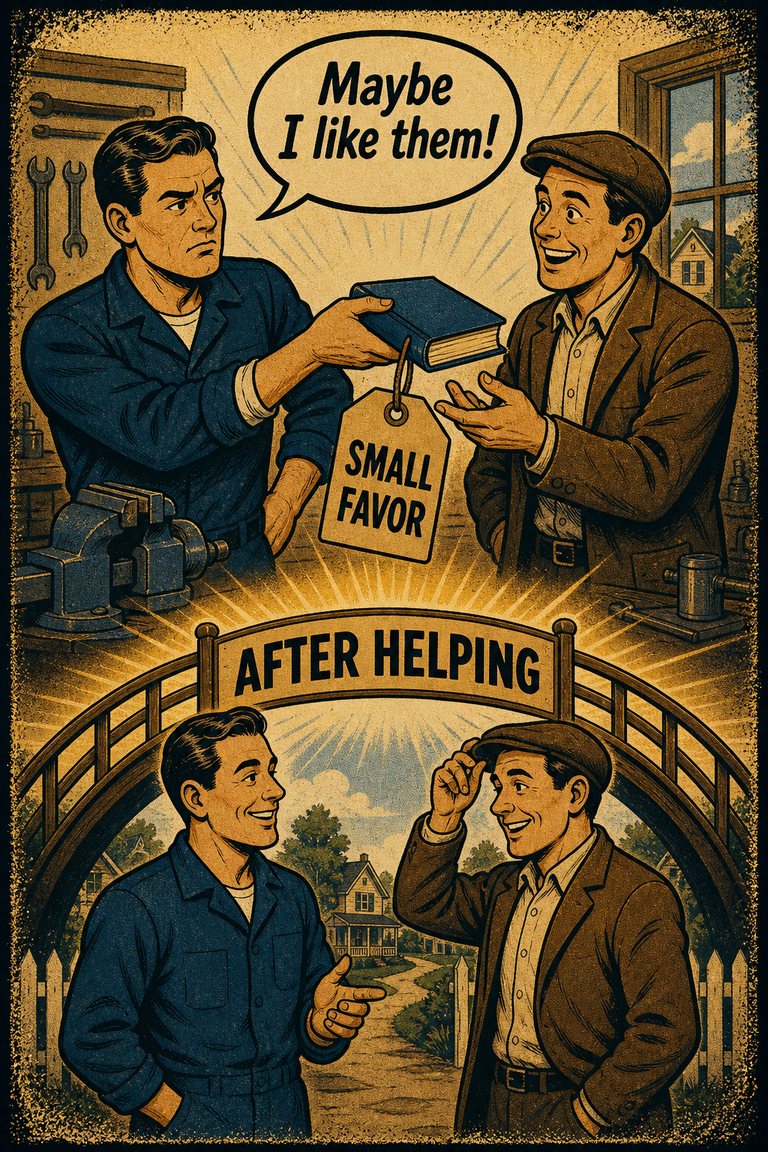
The tendency to like or help someone more after already doing that person a favor.
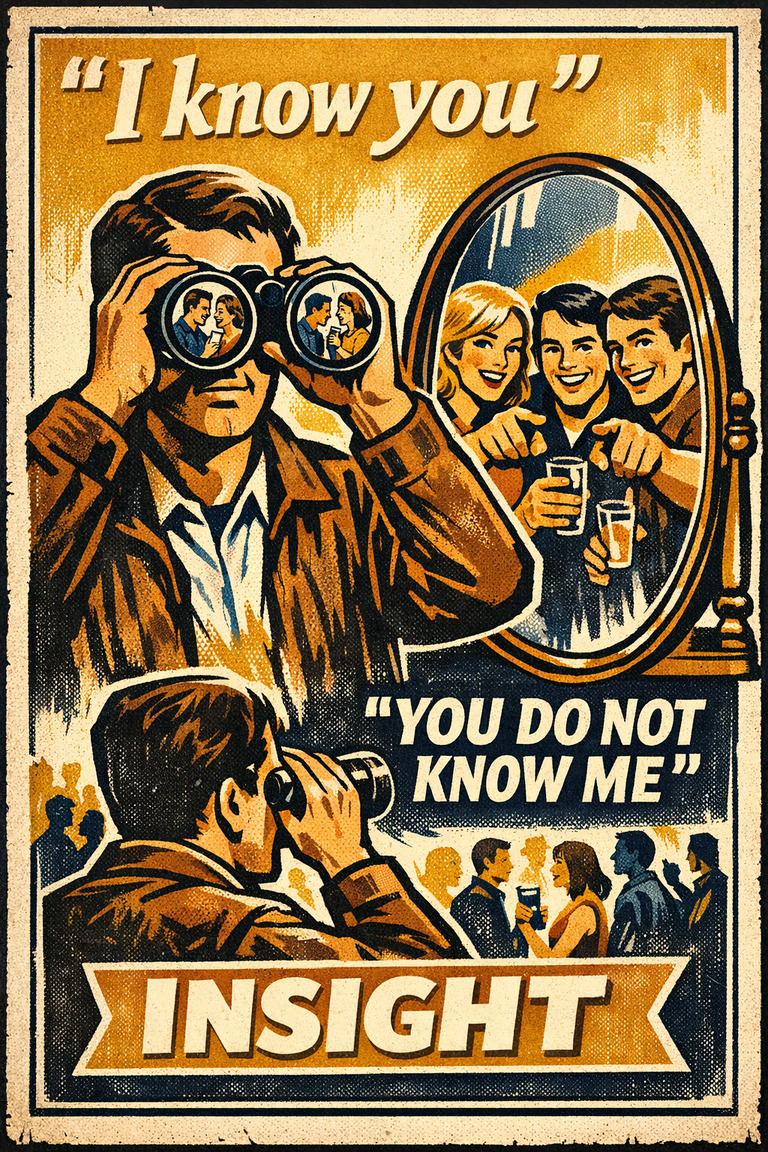
The tendency to think one understands others better than they understand oneself.
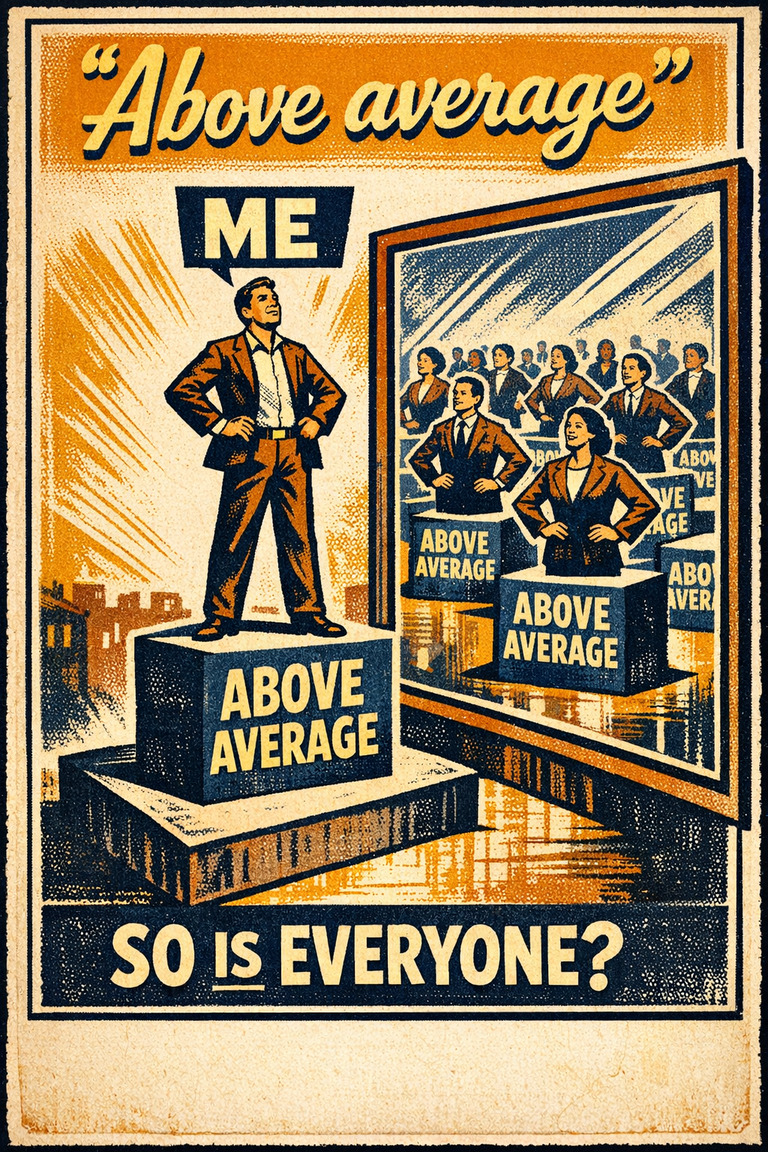
The tendency to overestimate one's desirable qualities, and underestimate undesirable qualities, relative to other people.
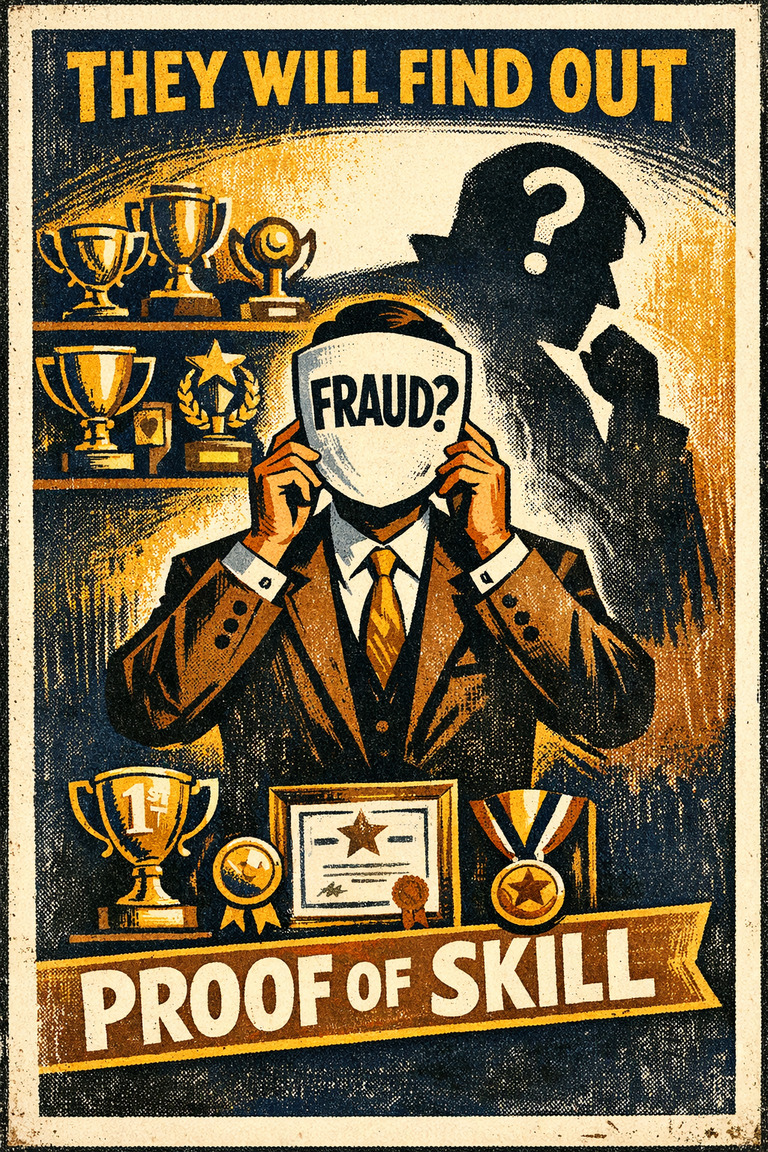
The tendency to doubt one's competence and fear being exposed as a fraud despite evidence of ability.