Common in live judgment
76
Shows up in pricing, policy preferences, and identity-laden possessions.
Rare
Frequent

Cognitive Biases
A practical cognitive-bias site with clear definitions, learning paths, assessments, self-audits, and debiasing tools.
Cognitive Bias
The tendency to value something more highly once it is already owned, possessed, or treated as part of the current arrangement.
What it distorts
It skews negotiation, valuation, retention, and policy design by making what is already held feel uniquely worth preserving.
Typical trigger
Ownership, incumbency, institutional inheritance, and choices where surrender is more vivid than acquisition.
First countermove
Ask what you would pay to acquire the thing if you did not already have it.
Best use
Structured process
Would I value this the same way if it were not already mine?
Ownership changes the emotional baseline. Giving something up starts to feel like a loss rather than like an even exchange, which inflates the price of parting with it.
These are classroom-facing editorial estimates for comparing how the bias behaves in use. They are teaching aids, not measured statistics.
Common in live judgment
76
Shows up in pricing, policy preferences, and identity-laden possessions.
Easy to spot from outside
63
Often easy to hear once willingness-to-pay and willingness-to-accept are compared directly.
Easy to innocently commit
81
Ownership makes value feel self-evident from the inside.
Teaching difficulty
34
Concrete trading examples make it teachable quickly.
This comparison makes the hidden pull easier to see before the technical label has to do all the work.
Biased move
This is like treating the chair in your house as more special the day after delivery than it looked in the store the day before.
Clearer comparison
Ownership can add meaning, but it can also add unearned valuation gravity. Good comparison asks what changed besides possession itself.
Do not use this label whenever attachment is real. Sometimes owning something genuinely reveals its use or meaning. The issue is that possession alone is inflating valuation beyond what the same item would command before ownership.
Use this label when giving something up feels far more costly than acquiring the same thing ever felt, even though the object itself has not changed much.
Use the quick check, caveat, and nearby confusions together. The fastest diagnosis is often the noisiest one.
Each example changes the surface context while keeping the same hidden distortion in place.
A person prices an item they own far above what they would ever have paid for the same item if it had belonged to someone else.
A department treats its current tool, budget line, or process as uniquely precious because it is already embedded in the local environment.
Benefits, subsidies, exemptions, or symbolic protections become politically expensive to change once they are treated as already possessed.
Once something becomes yours, its value seems self-evident, and the burden of parting with it starts to look far steeper than the burden of acquiring it ever did.
Teaching note: This page helps readers see how ownership quietly changes valuation without ever announcing itself as a distortion.
The strongest debiasing moves change the process, not just the label.
Run one valuation pass as if the item belonged to someone else and you were deciding whether to buy in.
Ask a less invested outsider to estimate the value before the owners anchor the discussion.
Make periodic re-justification normal for owned resources, benefits, and inherited structures.
Practice And Repair
Endowment effect adds valuation through possession. Once something is 'mine,' losing it feels like a different kind of event than not gaining it ever did.
A person owns, has chosen, or has been assigned an object, option, or arrangement.
The owned item feels more naturally valuable, and parting with it feels like a sharper loss than acquiring it once felt like a gain.
Ownership itself becomes part of the valuation rather than a separate fact about possession.
Run the comparison from the outside: what would you pay for it if you did not already have it, and what would you recommend if it belonged to someone else?
What price or policy verdict would I give here if I encountered the same object before it became mine?
Spot It
Slow It
Reframe It
These are nearby labels that can share the same outer appearance while differing in what actually drives the distortion. Use the overlap, the distinction, and the diagnostic question together before settling the call.
Why compare it: Loss aversion is the broader overweighting of losses; the endowment effect is a specific inflation that emerges once an item is already treated as yours.
Why compare it: Status quo bias favors the current arrangement broadly; the endowment effect specifically inflates the value of owned or inherited components of that arrangement.
Why compare it: Sunk cost effect protects prior investment; endowment effect protects what is already possessed even when no large sunk investment is involved.
These are useful when the label seems roughly right but the process change still feels underspecified.
What would I pay for this if I did not already own it?
Am I protecting utility or protecting possession?
Would this still feel this valuable if it were someone else's default rather than mine?
These sourced cases do not prove what was in someone's head with perfect certainty. They are teaching cases for showing where the bias pressure becomes visible in practice.
Mug-trading experiments
People randomly given mugs often demand more to give them up than others are willing to pay to acquire equivalent mugs.
Why it fits: Possession itself is changing the valuation, not just the object's objective features.
1980s onward
Owners price their own holdings above market peers
People often assign extra value to houses, collectibles, or equipment once those items are theirs, leading them to ask more to give them up than others would pay to acquire them.
Why it fits: Ownership itself is inflating the valuation.
Modern behavioral economics
These linked tools turn the page into practice instead of leaving it at the level of definition.
This bias appears directly in one guided sequence and also in nearby paths that frame the same judgment problem from a slightly wider angle.
Direct path
Use this path when the real pull seems to be preserving what is already in hand rather than comparing options cleanly.
Nearby path
Use this path before a major project, strategy choice, or resource commitment.
This bias does not yet have its own dedicated self-check, but these nearby audits usually catch the same kind of drift before it hardens.
Same audit family · Loss, ownership, and omission
Before You Treat The Default As Neutral
Is the default genuinely best, or just easiest to leave in place?
Same audit family · Loss, ownership, and omission
Am I choosing the best forward-looking option, or the most comfortable inherited one?
These scenarios mix direct and nearby cases so you can practice the label itself and the broader judgment pattern around it.
Direct scenario
Now that it is ours, it feels worth much more
A team receives a tool through a merger and quickly starts demanding a much higher price to give it up than they ever would have proposed paying to acquire it from scratch.
Same scenario family · Loss, ownership, and omission
Keep the policy unless the replacement is perfect
A team treats the current policy as automatically acceptable, while demanding that any proposed replacement clear a much higher evidential bar before it can even be piloted.
These links widen the frame around the bias without interrupting the core lesson on this page.
An article on how repeated exposure, possession, and group identity can all make an option feel more worthy before explicit reasons have earned the difference.
CogBias theory
These neighbors were selected from shared categories, shared patterns, and explicit editorial links where available.
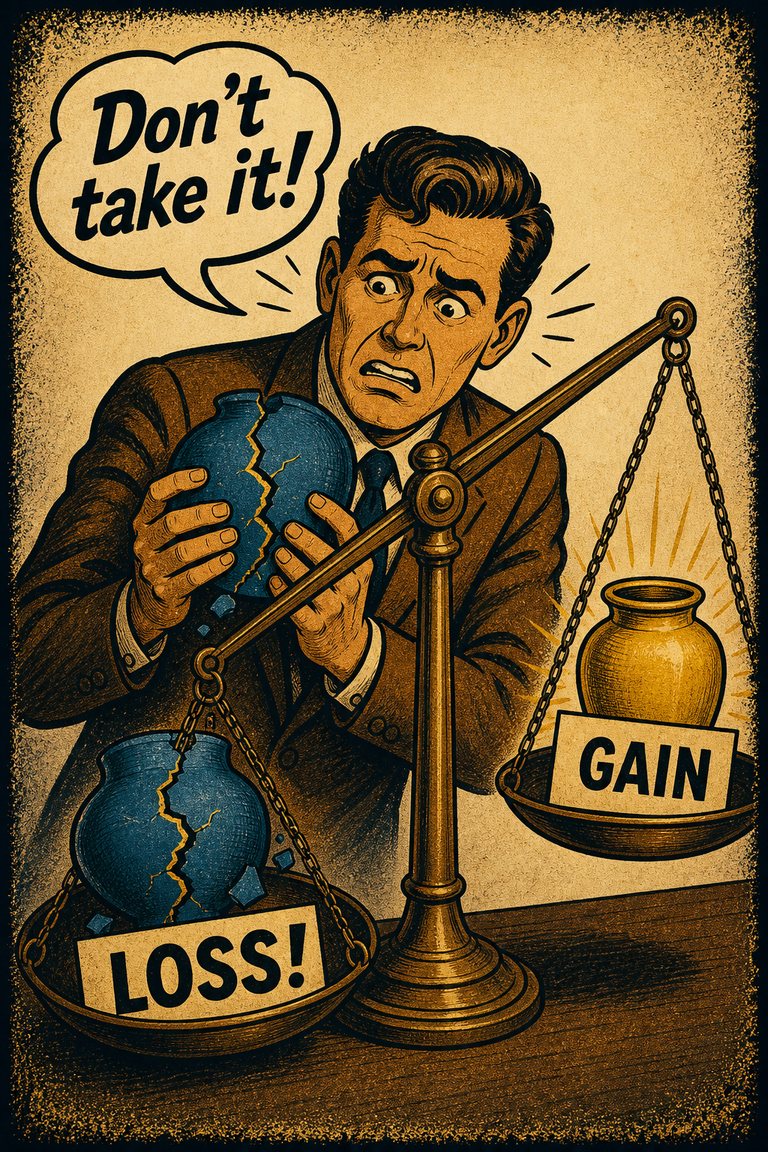
The tendency for losses or giving something up to feel worse than equivalent gains feel good.
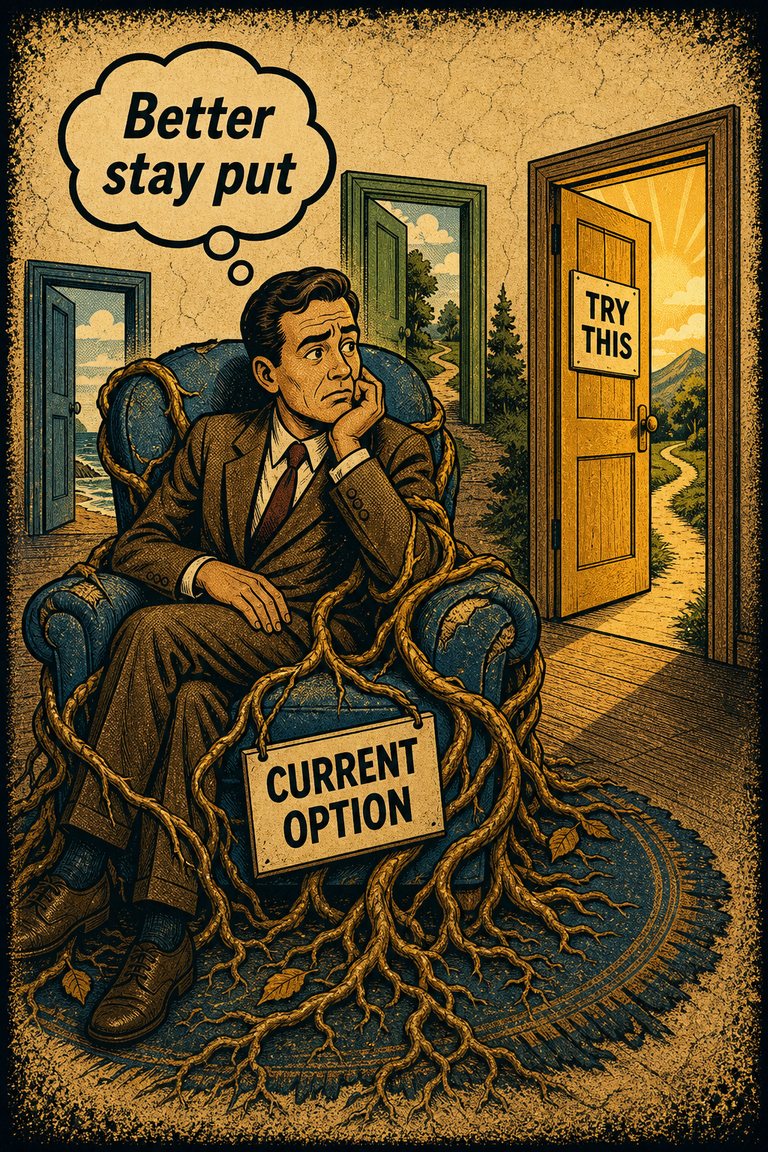
The tendency to prefer the current option, default, or inherited arrangement simply because it is the current option, default, or inherited arrangement.
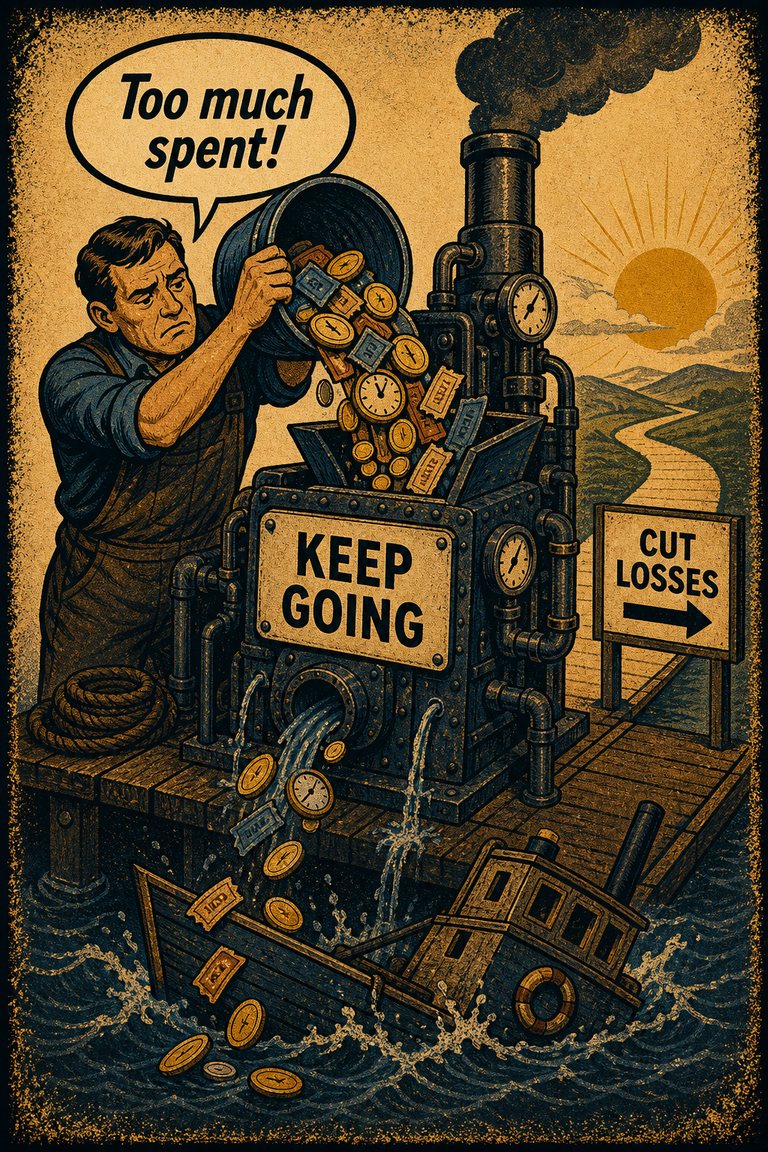
The tendency to keep investing in a losing path because of what has already been spent, even when the forward-looking case has weakened.
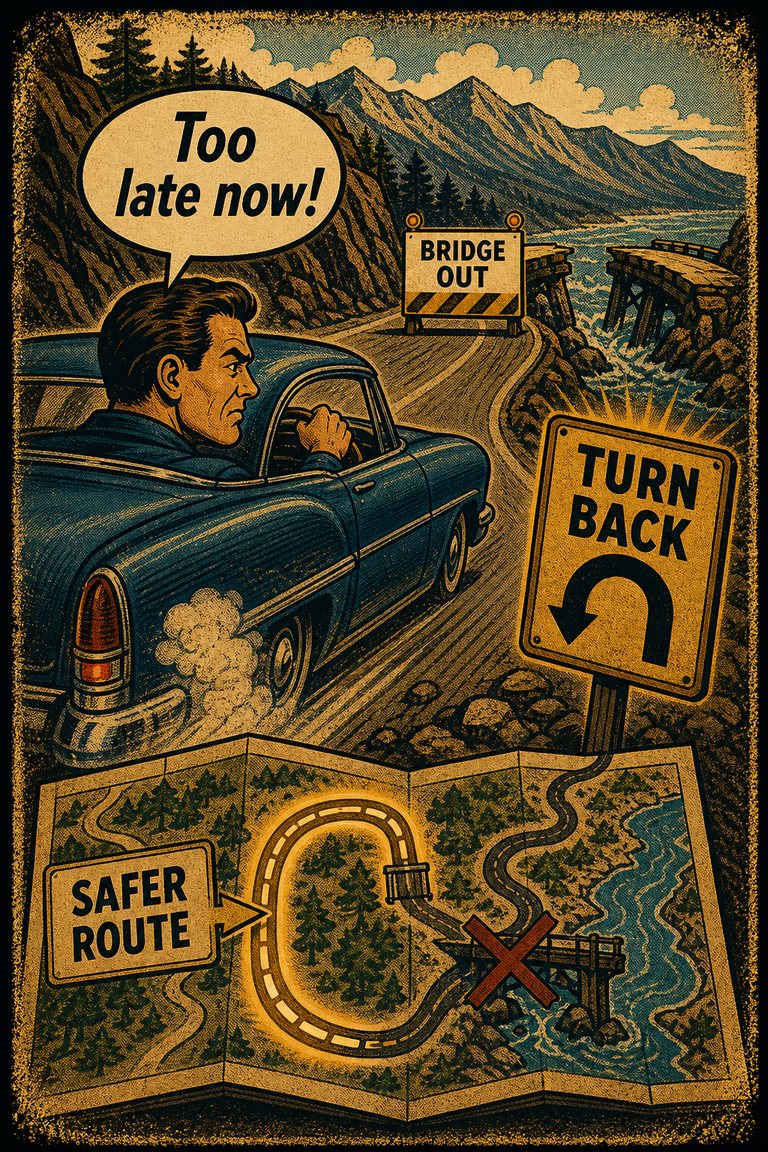
The tendency to resist restarting or retracing steps even when doing so would save time or effort.
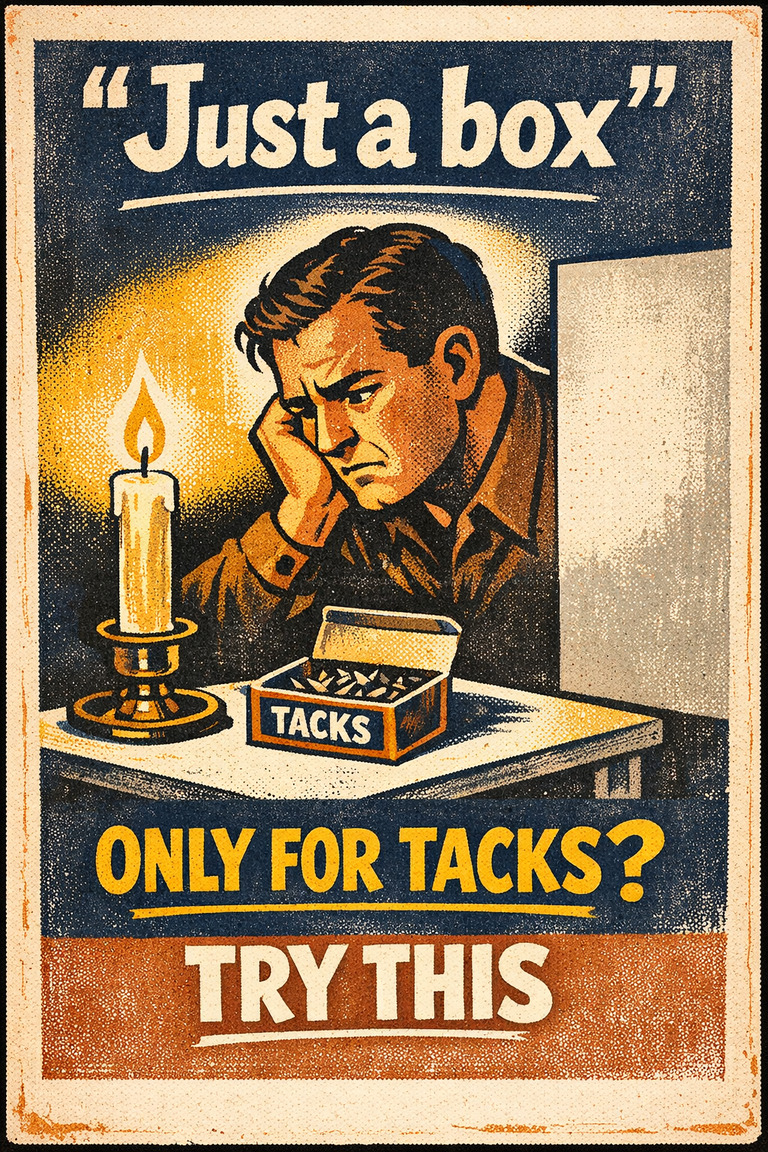
A tendency limiting a person to using an object only in the way it is traditionally used.
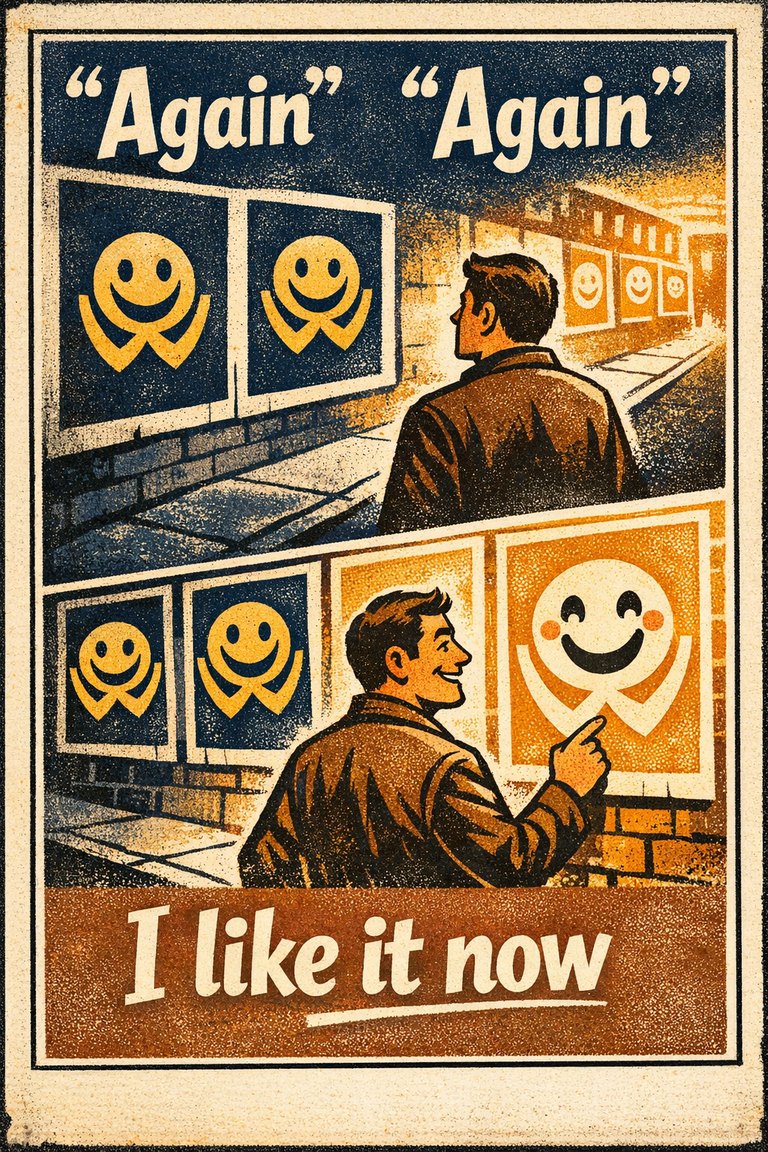
The tendency to like, trust, or feel more comfortable with something simply because it has become familiar.