Common in probability talk
71
Especially active when stories are vivid and categories are abstract.
Rare
Frequent

Cognitive Biases
A practical cognitive-bias site with clear definitions, learning paths, assessments, self-audits, and debiasing tools.
Cognitive Bias
The tendency to assume that specific conditions are more probable than a more general version of those same conditions
What it distorts
Biases that distort numerical judgment, risk perception, calibration, and first-pass estimates.
Typical trigger
Situations where estimation is already difficult and the association cue feels easier to trust than a fuller review.
First countermove
Start with the estimation question instead of the first intuitive answer, then check whether the association pattern is doing invisible work.
Best use
Quick reference
Am I calling the narrower story more probable just because it feels more representative?
In estimation problems, the mind overweights resemblance, vividness, proximity, or intuitive linkage before a fuller check catches up.
These are classroom-facing editorial estimates for comparing how the bias behaves in use. They are teaching aids, not measured statistics.
Common in probability talk
71
Especially active when stories are vivid and categories are abstract.
Easy to spot from outside
50
Clear once the set relation is named explicitly.
Easy to innocently commit
84
Representativeness feels like a strong cue if the math is not foregrounded.
Teaching difficulty
35
One of the best biases for teaching the distance between coherence and probability.
This comparison makes the hidden pull easier to see before the technical label has to do all the work.
Biased move
This is like thinking a decorated branch is bigger than the tree because it is more interesting to look at.
Clearer comparison
Interesting stories can fit well and still belong inside a larger category that remains more probable. Specificity is not probability.
Do not use this label every time someone tells a detailed story. The issue is the mathematical mistake of rating the specific conjunction above the broader set that contains it.
Use this label when narrative fit or representativeness makes the richer option feel more likely than the more general one.
Use the quick check, caveat, and nearby confusions together. The fastest diagnosis is often the noisiest one.
Each example changes the surface context while keeping the same hidden distortion in place.
A description of someone seems so specific that people judge the narrower story as more likely than the more general one that contains it.
A team treats a detailed failure chain as more probable than the simpler broader event of the project merely slipping.
Commentary gives extra probability credit to narratives that feel coherent and representative even when the added conditions should mathematically reduce likelihood.
The richer, more vivid story feels more probable because it seems to fit the person or situation better, even though adding details should not make the event more likely than the broader category.
Teaching note: This page is especially useful for teaching that coherence and probability are not interchangeable, even when the coherent story feels smarter.
The strongest debiasing moves change the process, not just the label.
Translate the story into set language and ask which option is the broader container.
Force probability judgments to be stated before the narrative embellishment is read aloud.
Use forecasting templates that separate scenario vividness from numerical likelihood.
Practice And Repair
Conjunction fallacy is what happens when narrative fit outruns set logic.
A specific story feels highly representative of a person or event.
The richer description seems more likely because it seems more revealing.
Specificity gets mistaken for probability, and the narrower event outranks the broader container.
Ask which option contains the other, then remember that the container cannot be less probable than one of its subsets.
Which option is the superset here, and why am I letting the more vivid subset feel stronger?
Spot It
Slow It
Reframe It
These are nearby labels that can share the same outer appearance while differing in what actually drives the distortion. Use the overlap, the distinction, and the diagnostic question together before settling the call.
Why compare it: Base-rate neglect ignores the background prevalence; conjunction fallacy specifically violates the rule that adding conditions cannot increase probability.
Why compare it: Availability uses memorable examples; conjunction fallacy uses representativeness and vivid narrative fit to overrate the narrower story.
Why compare it: Attribute substitution can explain part of the mechanism when representativeness or vivid fit is used instead of actual probability.
These are useful when the label seems roughly right but the process change still feels underspecified.
Does the added detail really add probability, or only vividness?
Which option contains the other as a subset?
Am I grading plausibility of the story or probability of the event?
These sourced cases do not prove what was in someone's head with perfect certainty. They are teaching cases for showing where the bias pressure becomes visible in practice.
The Linda problem
In the famous Linda problem, many people judge a more specific description of Linda as more probable than the broader one that logically contains it.
Why it fits: Representativeness and vivid fit defeat the simpler probability rule.
1983
Detailed suspect profiles outrank broader categories
In case-style reasoning, richly detailed descriptions can make a narrow conjunction feel more probable than the simpler broader category that contains it.
Why it fits: Coherence and narrative fit are doing the work that probability should be doing.
Modern probability research
These linked tools turn the page into practice instead of leaving it at the level of definition.
This bias appears directly in one guided sequence and also in nearby paths that frame the same judgment problem from a slightly wider angle.
Direct path
Comparison Traps And Choice Architecture
Use this path when you suspect the choice set itself is manufacturing preference rather than merely revealing it.
Same path family · Evidence and explanation
Use this path when you want the minimum set of pages that gives the rest of the site immediate traction.
These scenarios mix direct and nearby cases so you can practice the label itself and the broader judgment pattern around it.
Direct scenario
The richer story must be more likely
A committee judges a detailed and very representative-sounding failure chain as more probable than the simpler, broader event of the launch just going badly in some way.
Same scenario family · Evidence and explanation
Risk gets replaced by fear
A team discussing cyber risk keeps answering how dangerous a scenario feels instead of how probable it actually is, and the emotional force of the scenario quietly becomes the ver…
These links widen the frame around the bias without interrupting the core lesson on this page.
An article on why identifiable cases, vivid prototypes, and human-scale stories can overpower larger but more abstract evidence and need deliberate rebalancing.
CogBias theory
These neighbors were selected from shared categories, shared patterns, and explicit editorial links where available.
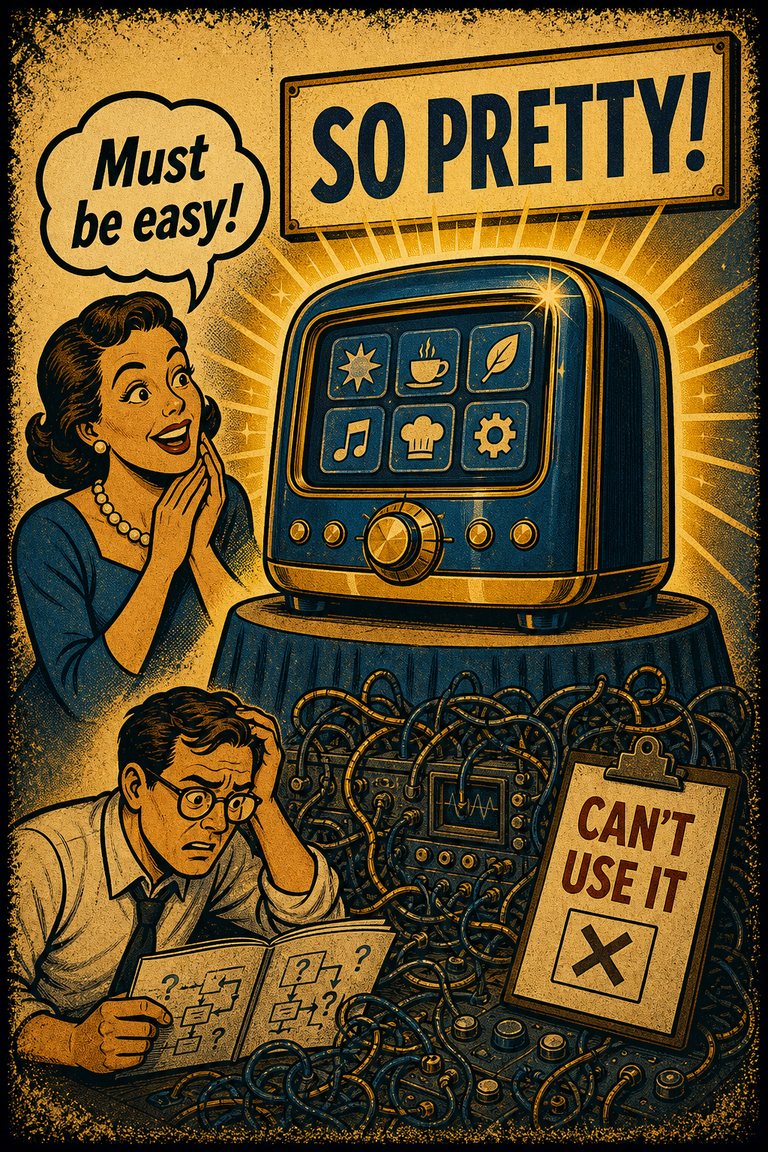
The tendency to treat attractive things as more usable than they really are.
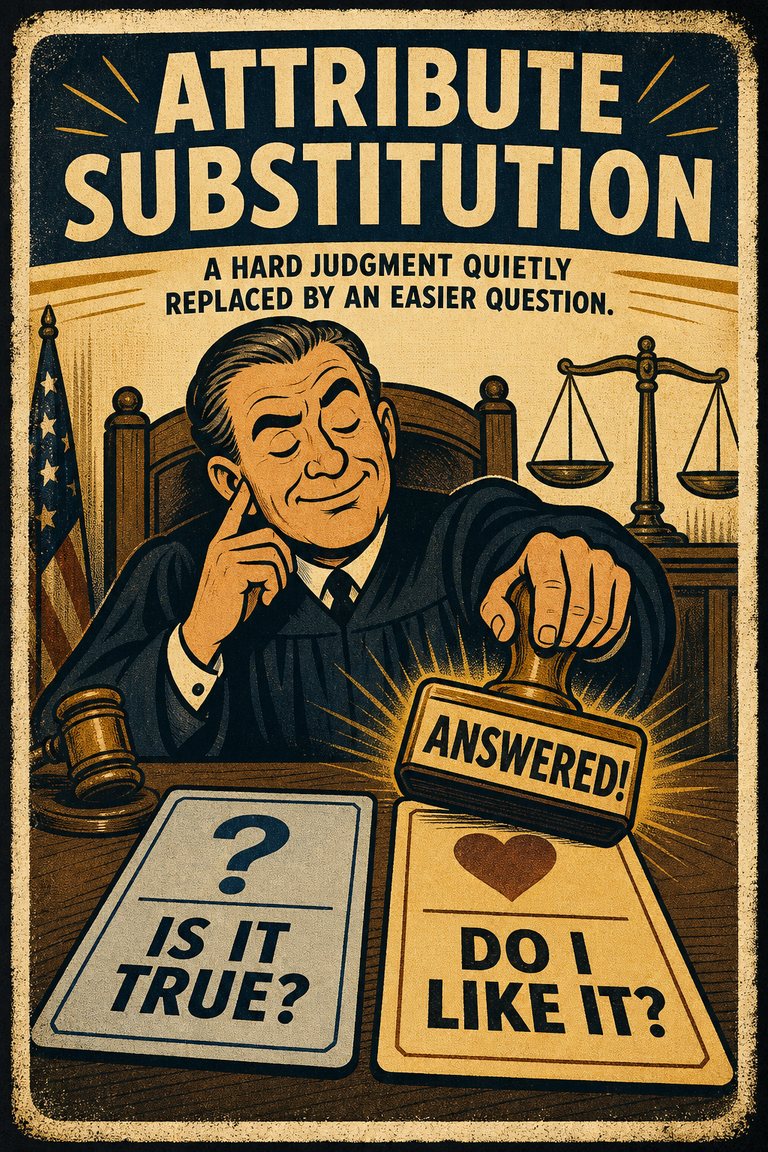
The tendency to answer a hard judgment question by unconsciously substituting an easier one.
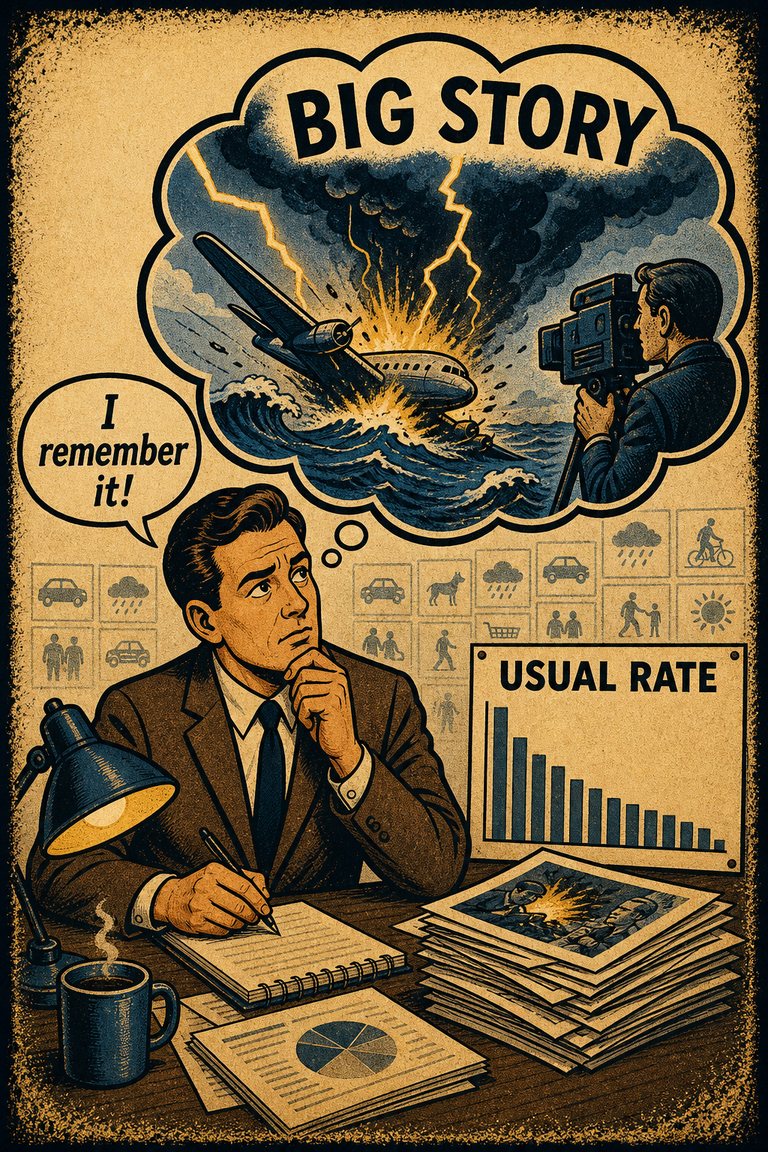
The tendency to judge frequency, risk, or importance by how easily examples come to mind.
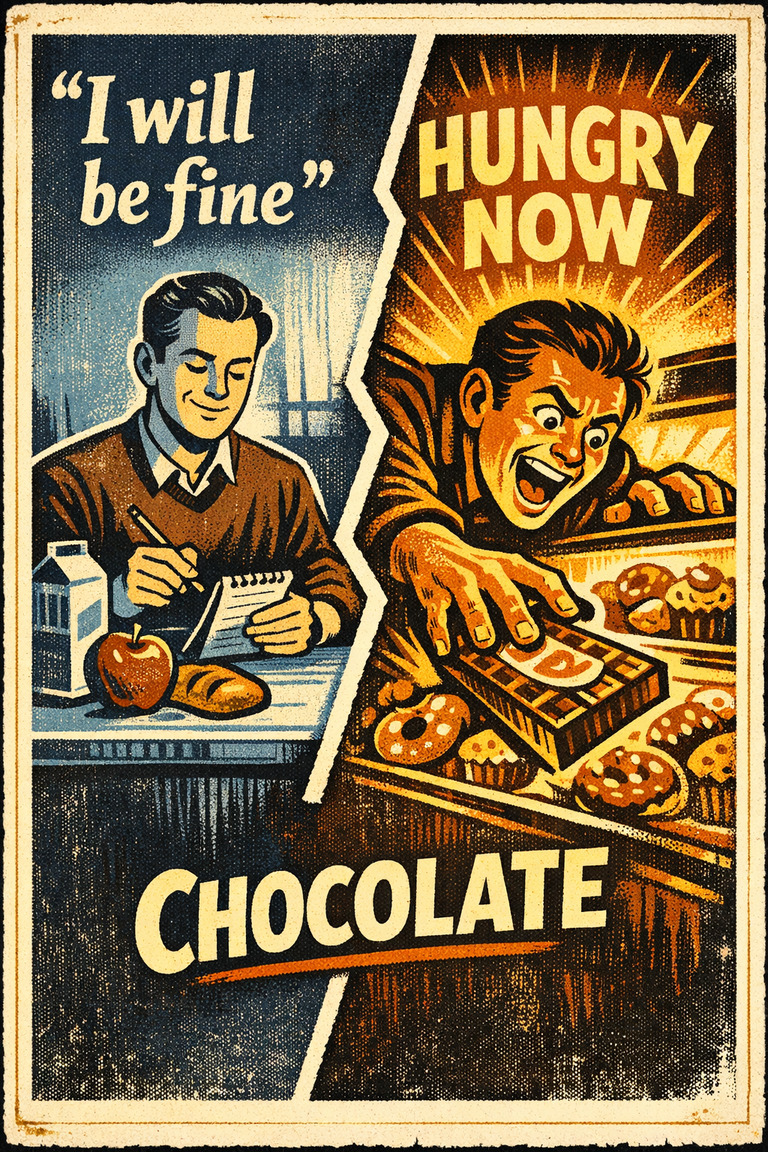
The tendency to underestimate the influence of visceral drives on one's attitudes, preferences, and behaviors.
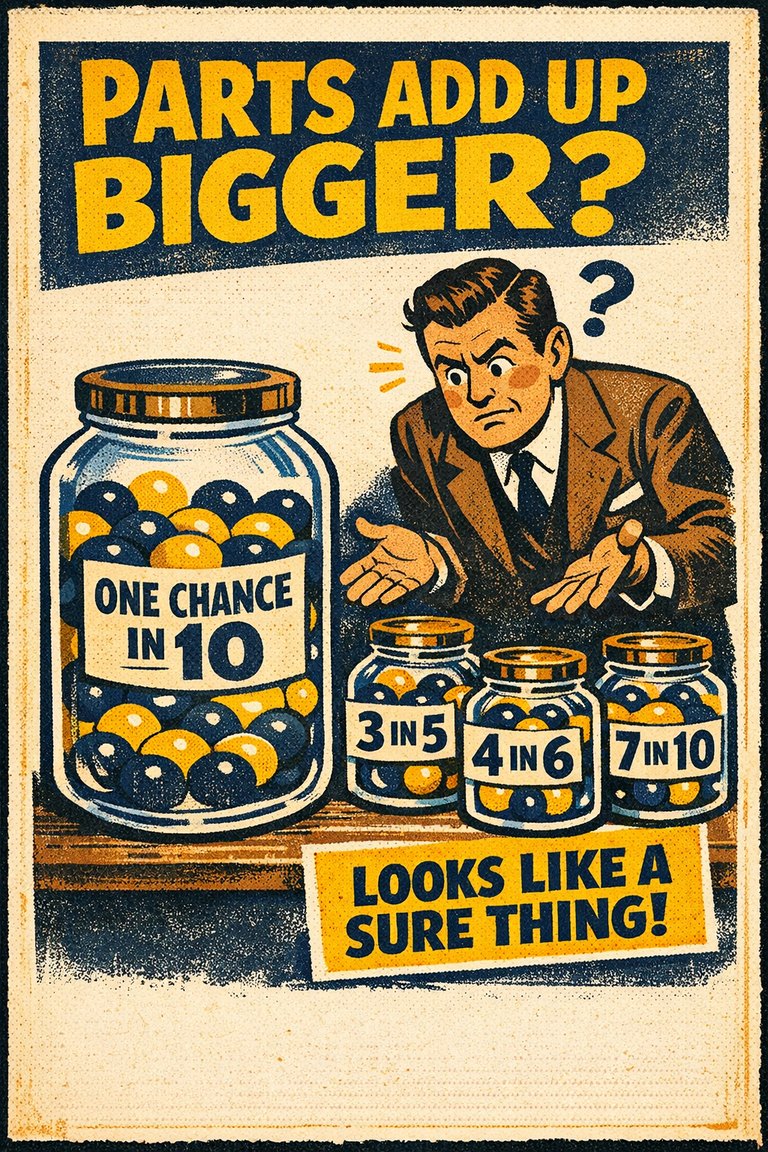
The tendency to estimate that the likelihood of a remembered event is less than the sum of its mutually exclusive components.
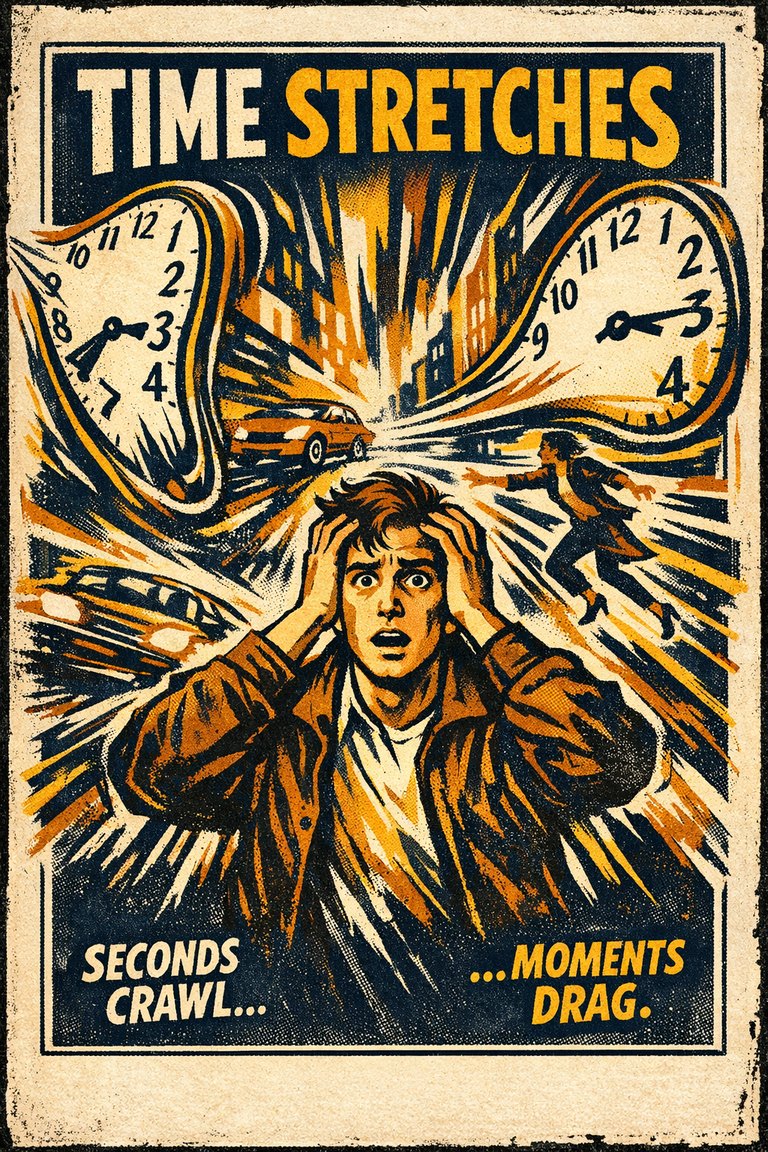
The tendency for time to feel slowed down or sped up during intense stress or arousal.