Common in fast judgment
88
This is one of the hidden engines under many other biases.
Rare
Frequent

Cognitive Biases
A practical cognitive-bias site with clear definitions, learning paths, assessments, self-audits, and debiasing tools.
Cognitive Bias
The tendency to answer a hard question by unconsciously replacing it with an easier one.
What it distorts
Biases that distort numerical judgment, risk perception, calibration, and first-pass estimates.
Typical trigger
Situations where estimation is already difficult and the association cue feels easier to trust than a fuller review.
First countermove
Start with the estimation question instead of the first intuitive answer, then check whether the association pattern is doing invisible work.
Best use
Quick reference
Which easier question am I answering instead of the one I was actually asked?
In estimation problems, the mind overweights resemblance, vividness, proximity, or intuitive linkage before a fuller check catches up.
These are classroom-facing editorial estimates for comparing how the bias behaves in use. They are teaching aids, not measured statistics.
Common in fast judgment
88
This is one of the hidden engines under many other biases.
Easy to spot from outside
34
Often only visible after the original question is restated cleanly.
Easy to innocently commit
90
The substitute answer often feels like the original answer.
Teaching difficulty
57
Powerful once learned, but more abstract than many surface-level bias labels.
This comparison makes the hidden pull easier to see before the technical label has to do all the work.
Biased move
This is like grading a book's argument by how elegant the cover feels in your hands.
Clearer comparison
The easier cue may correlate sometimes, but correlation is not permission to forget the original question.
Do not use this label every time a proxy is used. Proxies can be useful. The problem begins when the proxy quietly replaces the target without acknowledgment.
Use this label when a hard attribute such as risk, competence, or probability is being answered through a simpler cue like fear, polish, or familiarity.
Use the quick check, caveat, and nearby confusions together. The fastest diagnosis is often the noisiest one.
Each example changes the surface context while keeping the same hidden distortion in place.
A person asked how risky something is starts answering how scary it feels instead.
A hiring panel asked who will perform best starts drifting toward who seemed most polished in the interview room.
People asked whether a policy will work begin answering whether they like the group proposing it.
The hard judgment disappears and a simpler question quietly takes its place, but the final answer still feels as if it addressed the original problem.
Teaching note: This entry is a good bridge from classic heuristics into more general process diagnosis because it reveals how many other biases ride on proxy questions.
The strongest debiasing moves change the process, not just the label.
State the target question in plain language and name the proxy you are tempted to use instead.
Separate the decision criteria and ask which criterion each person is actually using.
Design review templates that require direct evidence for the target attribute rather than free-form impressions.
Practice And Repair
Attribute substitution is a hidden-question swap. The final answer still sounds responsive, but the underlying judgment target has shifted.
A complex judgment demands effort or unfamiliar calculation.
A simpler cue offers a fast and confident-seeming answer.
The easier cue begins masquerading as direct access to the harder attribute.
State both the target attribute and the tempting proxy in separate sentences before deciding which one is actually being measured.
What evidence would answer the original hard question directly rather than through a shortcut?
Spot It
Slow It
Reframe It
These are nearby labels that can share the same outer appearance while differing in what actually drives the distortion. Use the overlap, the distinction, and the diagnostic question together before settling the call.
Why compare it: Availability uses ease of recall as evidence; attribute substitution is the broader swap from a hard attribute to an easier one.
Why compare it: Halo effect lets one positive trait spread; attribute substitution replaces a complex judgment with an easier cue altogether.
Why compare it: Anchoring clings to the first reference point; attribute substitution answers a different and easier question.
These are useful when the label seems roughly right but the process change still feels underspecified.
What was the original hard question before the easier one replaced it?
Which cue am I actually measuring right now?
What evidence would directly answer the target attribute rather than its proxy?
These sourced cases do not prove what was in someone's head with perfect certainty. They are teaching cases for showing where the bias pressure becomes visible in practice.
Risk judged by affect
People often answer how risky something is by answering how good or bad it feels, letting affect stand in for analytic risk judgment.
Why it fits: An easier evaluative question replaces the harder target attribute while still feeling like the same judgment.
Modern judgment research
Affect heuristic in technology and environmental risk
People frequently answer 'How risky is it?' by first answering 'How bad does this feel?' which lets a global like-or-dislike impression stand in for specific tradeoff analysis.
Why it fits: An easier emotional question silently substitutes for the harder one that was actually asked.
Modern judgment research
These linked tools turn the page into practice instead of leaving it at the level of definition.
This bias appears directly in one guided sequence and also in nearby paths that frame the same judgment problem from a slightly wider angle.
Direct path
Comparison Traps And Choice Architecture
Use this path when you suspect the choice set itself is manufacturing preference rather than merely revealing it.
Same path family · Evidence and explanation
Use this path when you want the minimum set of pages that gives the rest of the site immediate traction.
These audits combine direct and nearby checks so you can test the label itself and the broader judgment pattern around it.
Direct audit
Before You Let The Menu Decide
Am I choosing the best option, or the option the current frame is making easiest to endorse?
Same audit family · Evidence and explanation
Is this memorable because it is representative, or because it is dramatic and easy to circulate?
These scenarios mix direct and nearby cases so you can practice the label itself and the broader judgment pattern around it.
Direct scenario
Risk gets replaced by fear
A team discussing cyber risk keeps answering how dangerous a scenario feels instead of how probable it actually is, and the emotional force of the scenario quietly becomes the ver…
Same scenario family · Evidence and explanation
The richer story must be more likely
A committee judges a detailed and very representative-sounding failure chain as more probable than the simpler, broader event of the launch just going badly in some way.
These links widen the frame around the bias without interrupting the core lesson on this page.
An article on how menus, proxies, defaults, system outputs, and urgency cues can manufacture what later feels like a straightforward preference.
CogBias theory
These neighbors were selected from shared categories, shared patterns, and explicit editorial links where available.

The tendency to treat attractive things as more usable than they really are.
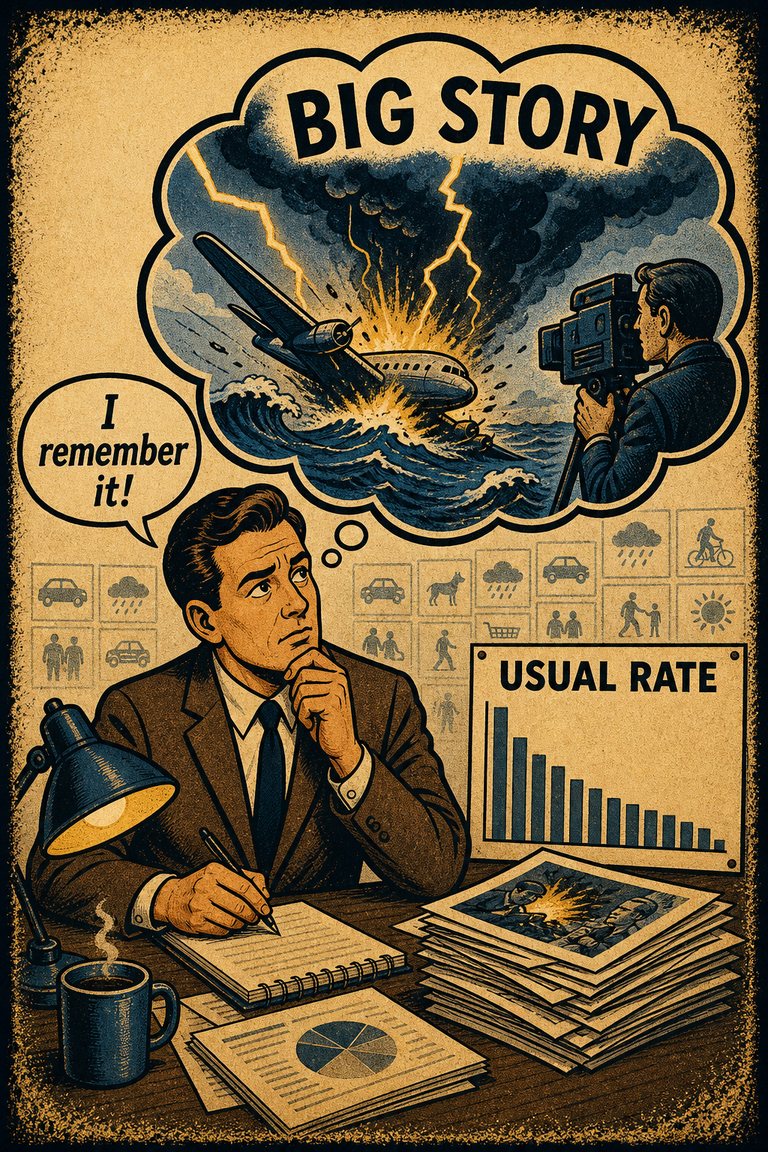
The tendency to judge frequency, risk, or importance by how easily examples come to mind.

The tendency to assume that specific conditions are more probable than a more general version of those same conditions.
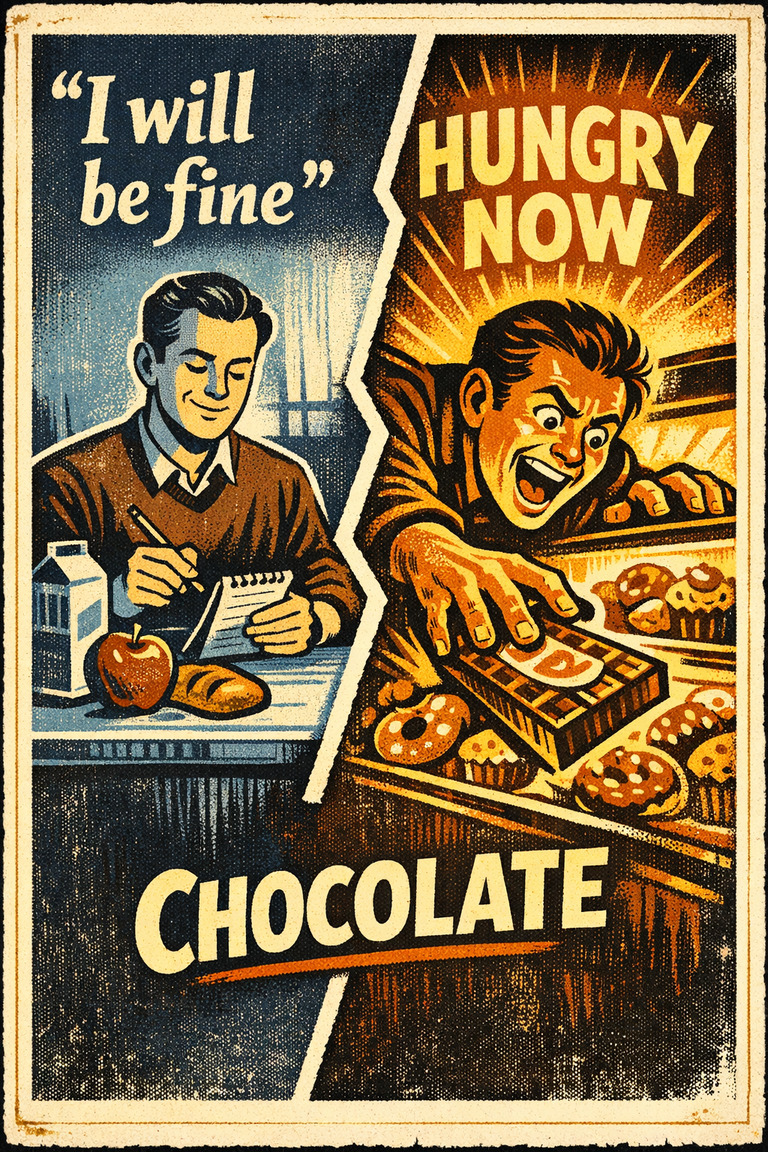
The tendency to underestimate the influence of visceral drives on one's attitudes, preferences, and behaviors.
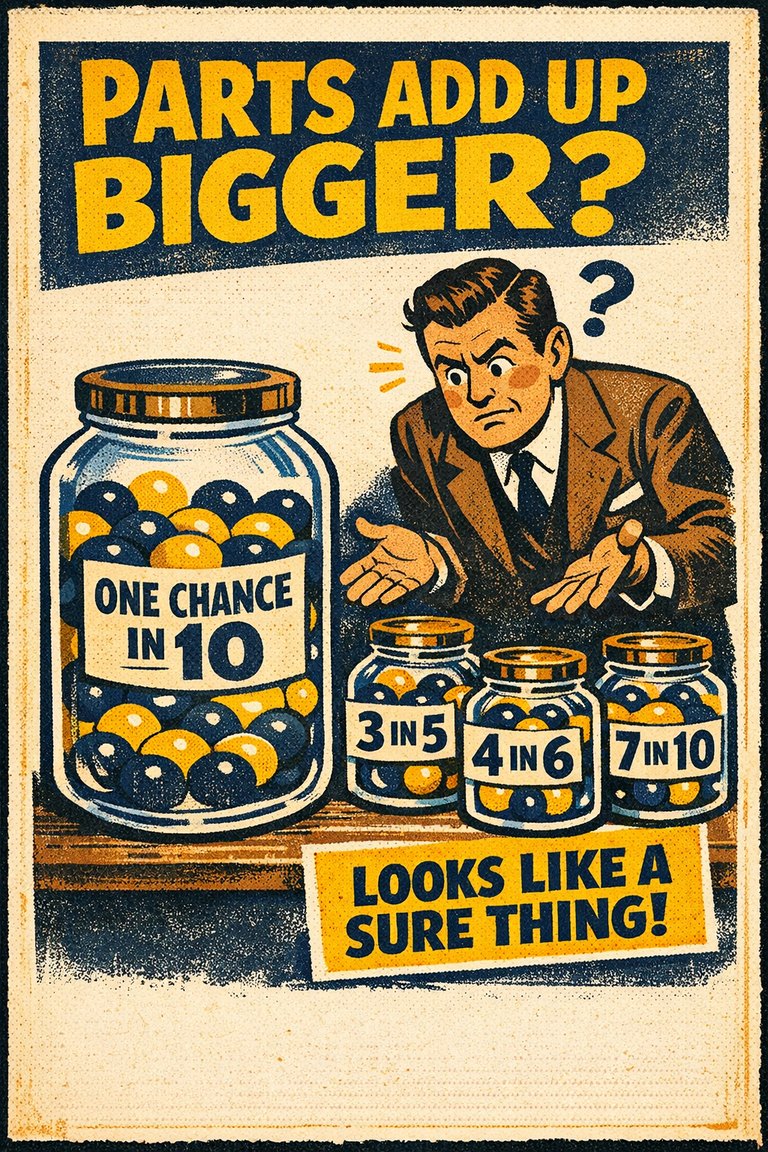
The tendency to estimate that the likelihood of a remembered event is less than the sum of its mutually exclusive components.
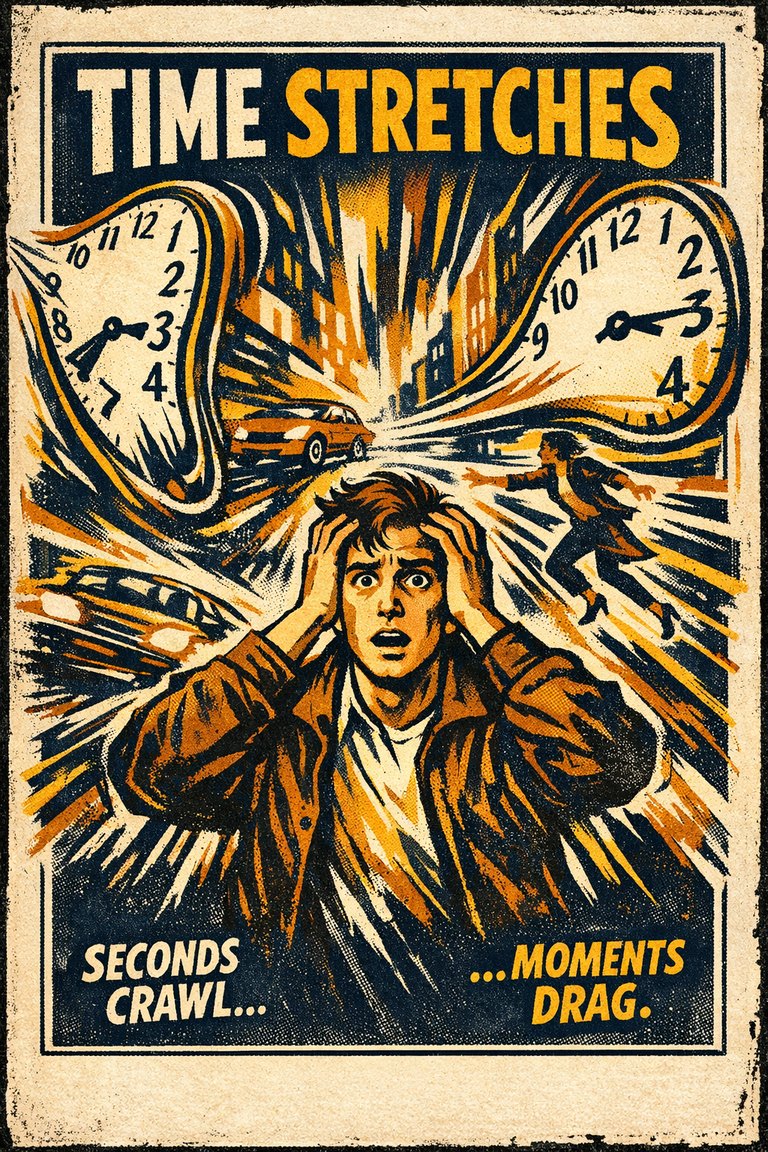
The tendency for time to feel slowed down or sped up during intense stress or arousal.