Common in self-narration
81
Strong whenever people need their personal history to look coherent and legible.
Rare
Frequent

Cognitive Biases
A practical cognitive-bias site with clear definitions, learning paths, assessments, self-audits, and debiasing tools.
Cognitive Bias
The tendency to remember past attitudes or behavior as more consistent with the present than they really were.
What it distorts
Biases that selectively reshape memory, retrieval, and retrospective interpretation.
Typical trigger
Situations where recall is already difficult and the association cue feels easier to trust than a fuller review.
First countermove
Start with the recall question instead of the first intuitive answer, then check whether the association pattern is doing invisible work.
Best use
Quick reference
Am I recalling the past, or editing it so my earlier self looks smoother and more continuous with who I am now?
In recall problems, the mind overweights resemblance, vividness, proximity, or intuitive linkage before a fuller check catches up.
These are classroom-facing editorial estimates for comparing how the bias behaves in use. They are teaching aids, not measured statistics.
Common in self-narration
81
Strong whenever people need their personal history to look coherent and legible.
Easy to spot from outside
39
Often only visible after old notes, votes, messages, or journals are recovered.
Easy to innocently commit
87
The present self feels like the natural narrator of the past self.
Teaching difficulty
46
A memory-bias concept that becomes vivid once dated records are compared to recollection.
This comparison makes the hidden pull easier to see before the technical label has to do all the work.
Biased move
This is like repainting old diary entries in the color of today's convictions.
Clearer comparison
Continuity is comforting, but real memory also includes reversals, ambivalence, and genuine change. A tidy arc is not the same thing as an accurate one.
Do not use this label whenever someone has remained stable over time. Some people really were consistent. The issue is retrospective editing that makes the past look more aligned with the present than the dated record supports.
Use this label when earlier beliefs, tastes, or stances are being remembered as if they already closely resembled the current self, despite evidence that the earlier position was messier or different.
Use the quick check, caveat, and nearby confusions together. The fastest diagnosis is often the noisiest one.
Each example changes the surface context while keeping the same hidden distortion in place.
Someone who now dislikes a hobby starts remembering that they were never really into it, even though the earlier enthusiasm was real at the time.
After a strategy shift succeeds, leaders recall themselves as having been more skeptical of the old approach than they actually were.
People retell political or moral changes as if their present stance had always been latent and obvious, flattening the real movement.
Your current self starts to feel like the self you must have always been.
Teaching note: This entry helps people see that memory distortion is not only about events; it is also about identity continuity.
The strongest debiasing moves change the process, not just the label.
Look for traces of your earlier position before trusting the elegant retrospective summary.
Use dated records in debriefs so present alignment does not rewrite earlier disagreement.
Keep decision journals and archived rationale when belief change itself is important to learn from.
Practice And Repair
Consistency bias protects autobiographical coherence. The past gets trimmed until it better fits the person you now believe yourself to be.
A present belief, identity, or emotional stance becomes important to explain or defend.
The current self feels authoritative enough that the earlier self is recalled through its lens almost automatically.
Old ambivalence, experiment, or disagreement is flattened so the timeline looks cleaner than it was.
Compare the present recollection with something genuinely dated before treating the smoother story as memory rather than reconstruction.
What dated trace of my earlier view would most likely complicate the elegant version I am now telling?
Spot It
Slow It
Reframe It
These are nearby labels that can share the same outer appearance while differing in what actually drives the distortion. Use the overlap, the distinction, and the diagnostic question together before settling the call.
Why it looks similar: Both clean up the past after later knowledge becomes available.
Key distinction: Hindsight bias rewrites what seemed predictable before an outcome. Consistency bias rewrites who you remember yourself to have been before the present stance solidified.
Ask: Am I revising what I thought would happen, or revising what kind of person I remember myself as being?
Why it looks similar: Both protect the self from a less flattering or less stable story.
Key distinction: Self-serving bias mainly reallocates credit and blame. Consistency bias mainly reallocates continuity, making the self look more stable across time.
Ask: Is the distortion about looking better, or about looking more continuous than I really was?
Why it looks similar: Both beautify the past after commitment has already happened.
Key distinction: Choice-supportive bias polishes the remembered quality of a decision and its options. Consistency bias polishes the remembered continuity of your past attitudes and identity.
Ask: Am I editing the choice itself, or am I editing the earlier self who made it?
These are useful when the label seems roughly right but the process change still feels underspecified.
What evidence do I have of my earlier view besides my present memory of it?
Am I allowing real change, or forcing the past to line up neatly with who I am now?
Which old notes, messages, or decisions would complicate this smoother story?
These sourced cases include a few closely related examples where that helps make the same pressure visible in practice.
Retrospective reports of past opinions
Consistency bias is often discussed through cases where people remember their past beliefs, tastes, or political positions as having been more similar to their current views than contemporaneous records suggest.
Why it fits: The memory error preserves a coherent self-narrative by pulling the past toward the present.
The Seven Sins of Memory review · 2021
Deese-Roediger-McDermott false-memory experiments
Participants exposed to lists of related words often confidently recalled or recognized a closely associated lure word that had never actually been presented.
Why it fits: The mind experiences the lure as remembered because semantic fit and familiarity are standing in for genuine occurrence.
Related through: False memory
Roediger and McDermott · 1995
These linked tools turn the page into practice instead of leaving it at the level of definition.
2 related paths place this bias beside the distortions it most often travels with in practice.
Direct path
Use this path after a win, loss, surprise, or failure when the group needs to learn rather than merely narrate.
Direct path
Self-Justification And Meta-Bias
Use this path when the real work is not spotting another person's bias, but seeing how your own story is defending itself.
These short audits help catch this bias before it hardens into a verdict, forecast, or decision.
Direct audit
Before You Explain What Happened
What part of this explanation is genuinely shown, and what part merely feels satisfying now that the ending is known?
Direct audit
What tension, tradeoff, or contradiction am I trying to make disappear too cheaply?
There is no dedicated scenario for this bias yet, but these nearby cases test the same kind of pressure and repair move.
Same scenario family · Memory and recall
The chosen option keeps looking better in memory
Months after choosing a software stack, a team remembers the winning option as having been clearly superior and the rejected options as much weaker than their original notes actua…
Same scenario family · Memory and recall
It was obvious all along
After a vendor fails badly, people in the postmortem begin talking as if the warning signs made the collapse easy to foresee, even though no one had written those concerns down be…
These neighbors were selected from shared categories, shared patterns, and explicit editorial links where available.
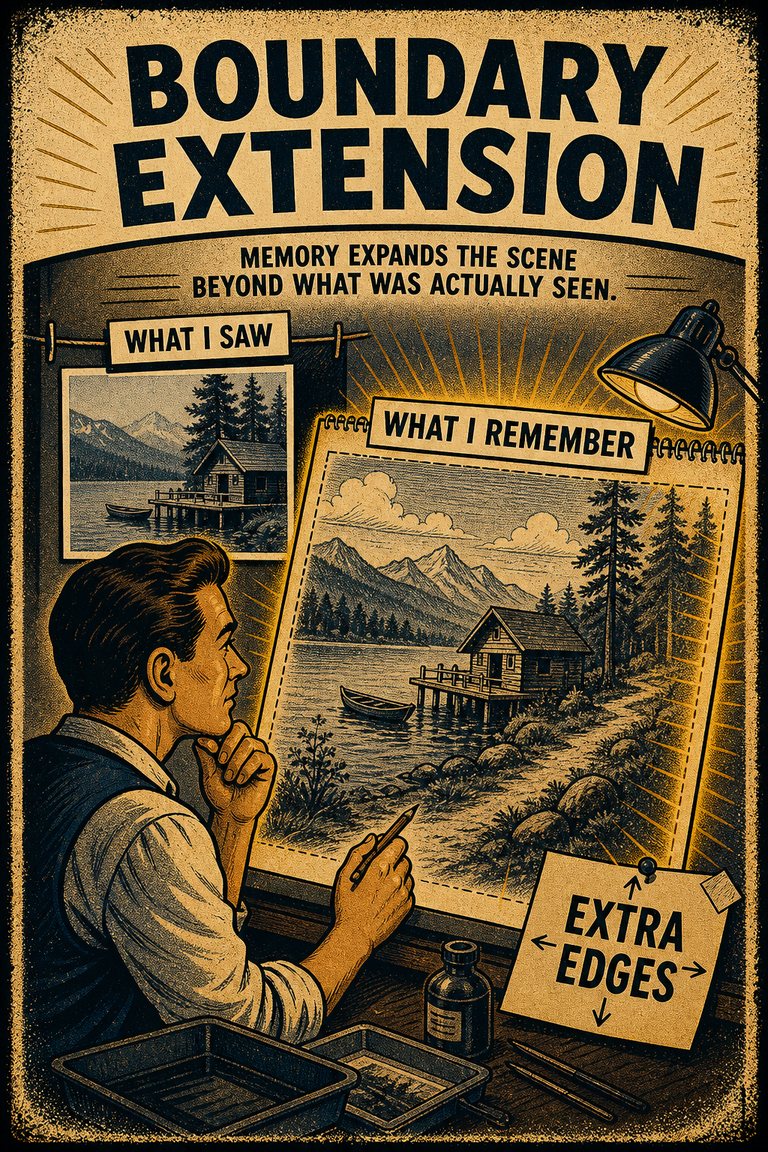
The tendency to remember a scene as having included more surrounding space than was actually shown.
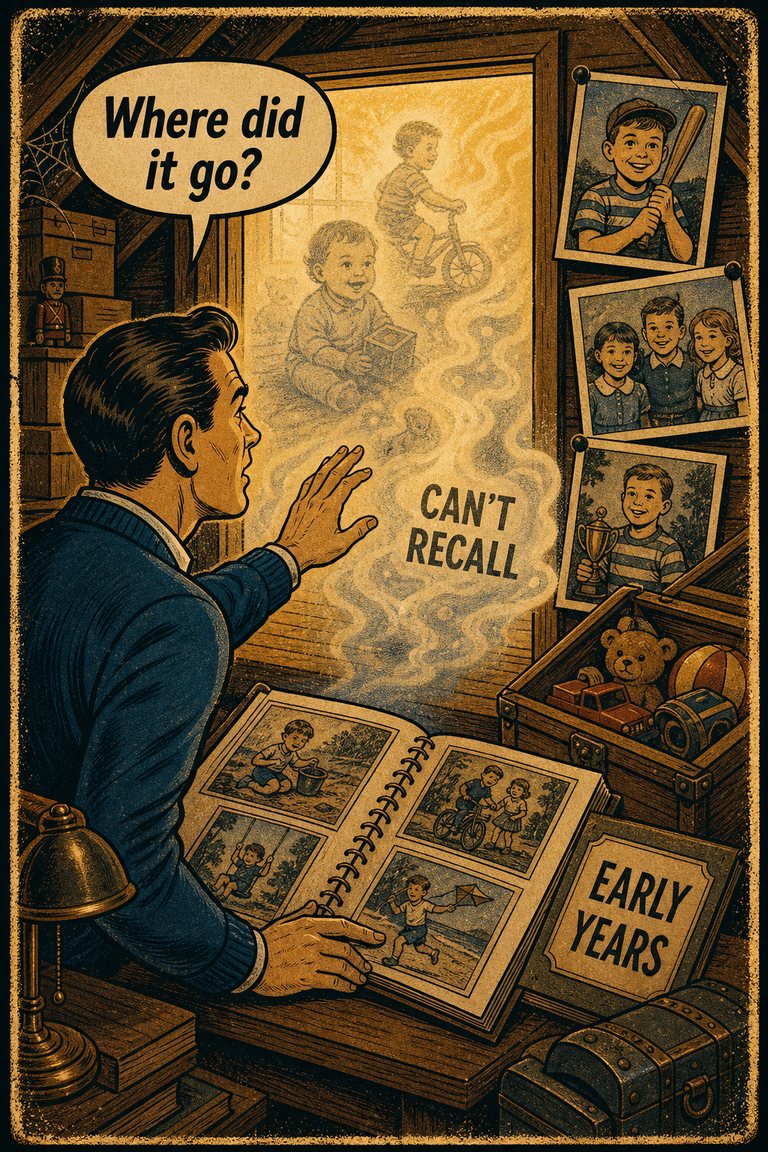
The retention of few memories from before the age of four.
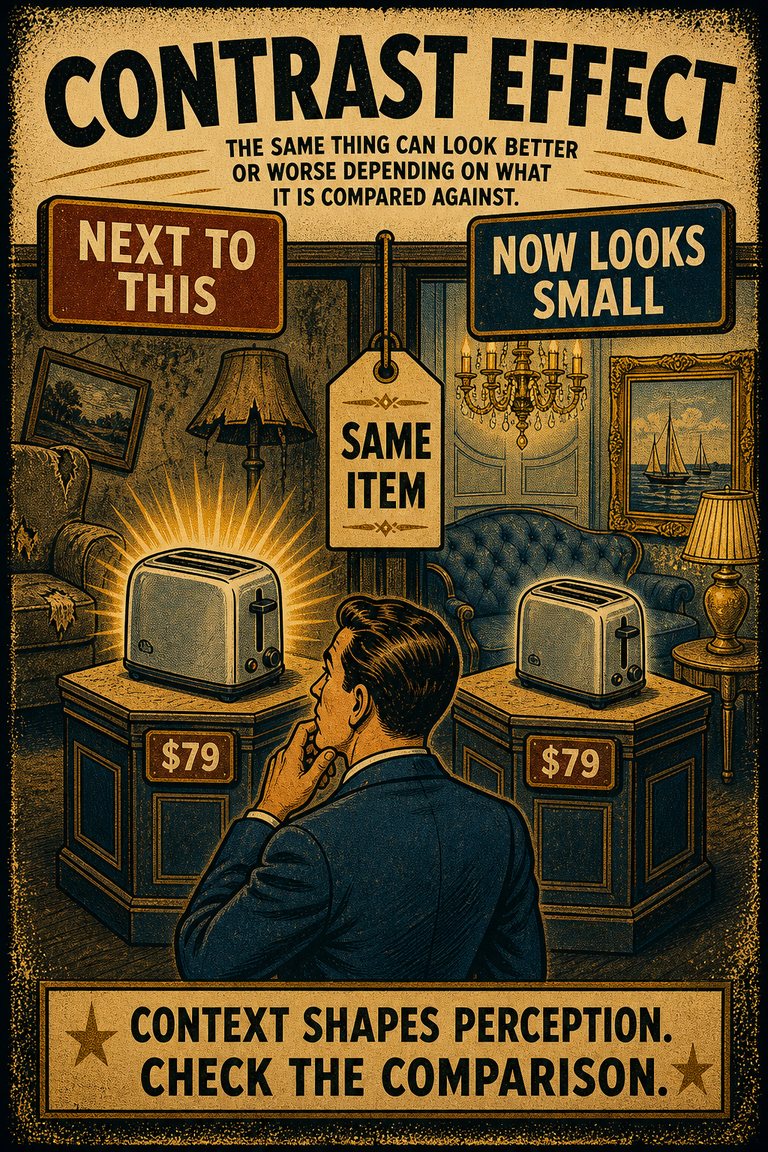
The enhancement or reduction of a certain stimulus's perception when compared with a recently observed, contrasting object.
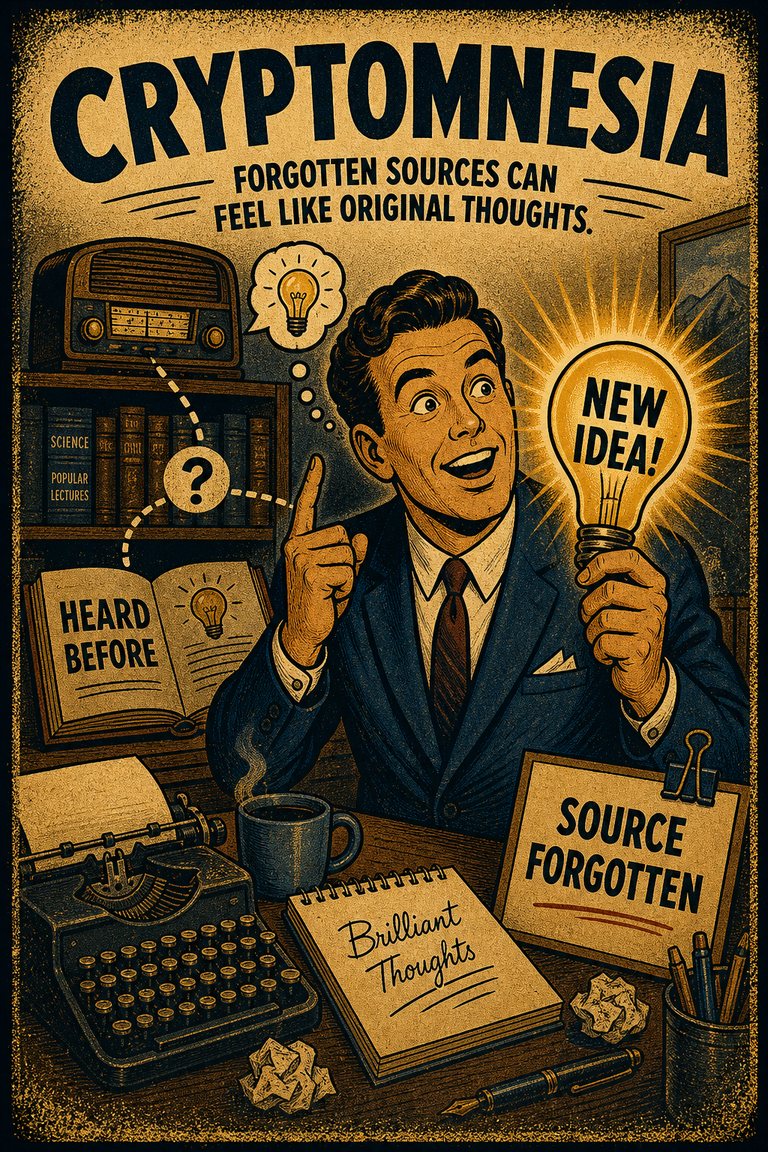
The tendency to mistake an old memory or borrowed idea for a new original thought.
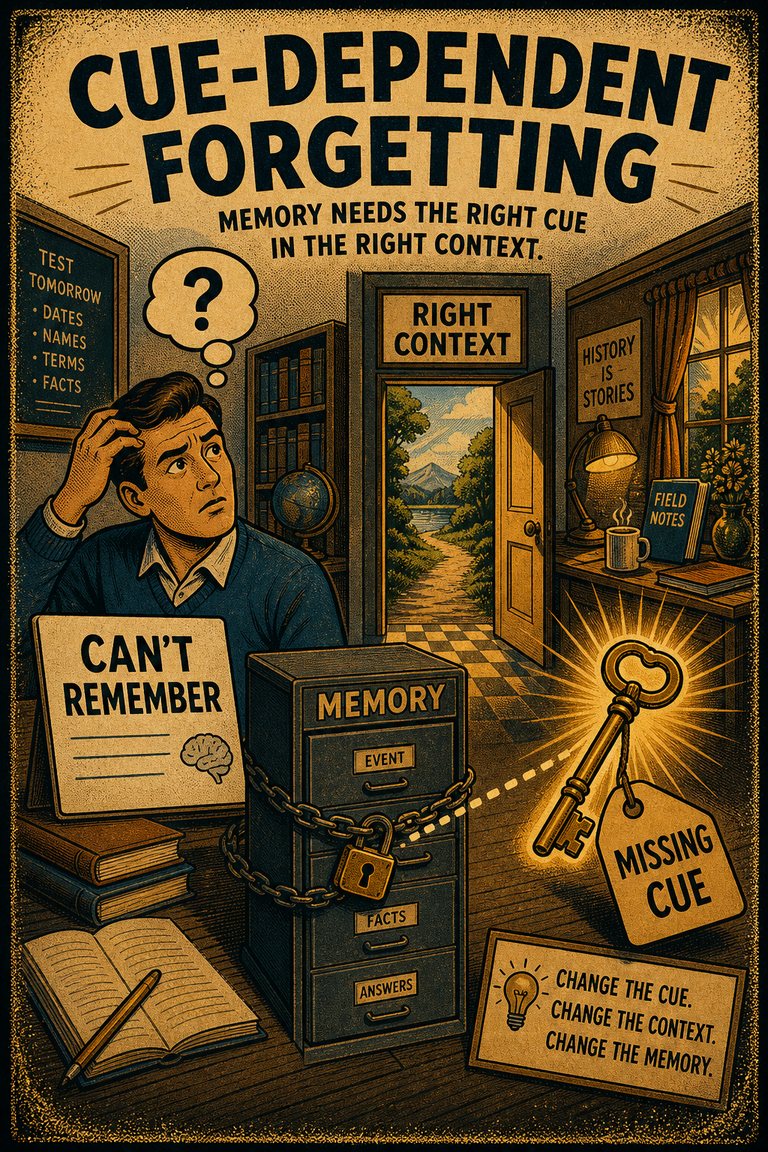
The tendency for recall to weaken when the original context or cues are missing.
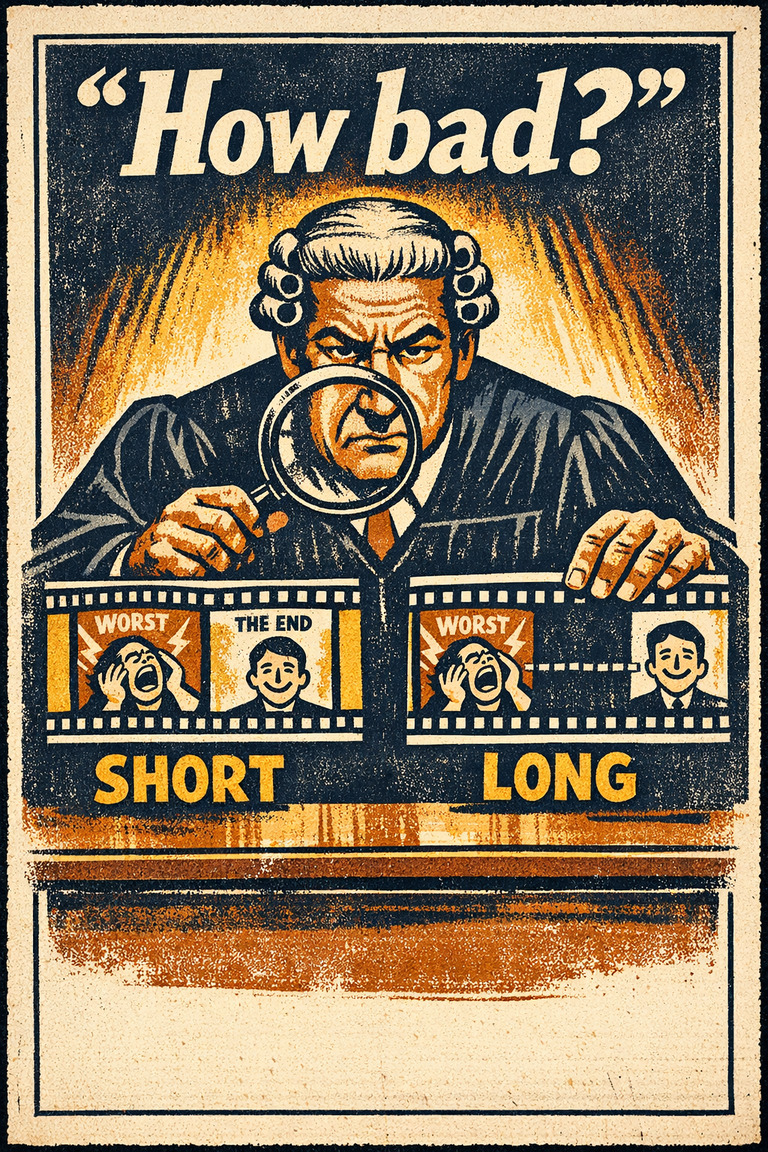
The neglect of the duration of an episode in determining its value.