Common in reconstruction
82
Memory is routinely rebuilt from pieces, not replayed from a neutral archive.
Rare
Frequent

Cognitive Biases
A practical cognitive-bias site with clear definitions, learning paths, assessments, self-audits, and debiasing tools.
Cognitive Bias
The tendency to remember imagined, suggested, or reconstructed events as if they had actually happened.
What it distorts
Biases that selectively reshape memory, retrieval, and retrospective interpretation.
Typical trigger
Situations where recall is already difficult and the association cue feels easier to trust than a fuller review.
First countermove
Start with the recall question instead of the first intuitive answer, then check whether the association pattern is doing invisible work.
Best use
Quick reference
What record supports this memory besides how vivid or familiar it feels right now?
In recall problems, the mind overweights resemblance, vividness, proximity, or intuitive linkage before a fuller check catches up.
These are classroom-facing editorial estimates for comparing how the bias behaves in use. They are teaching aids, not measured statistics.
Common in reconstruction
82
Memory is routinely rebuilt from pieces, not replayed from a neutral archive.
Easy to spot from outside
31
Hard to detect from inside because the memory often arrives with real conviction.
Easy to innocently commit
91
The feeling of remembering is a poor guarantee that the remembered content was actually there.
Teaching difficulty
53
Needs careful framing so healthy caution does not become total memory nihilism.
This comparison makes the hidden pull easier to see before the technical label has to do all the work.
Biased move
This is like mistaking the polished retelling for the original footage.
Clearer comparison
A memory can feel sincere and detailed while still being reconstructed, contaminated, or partly imported from later suggestion. Vividness is not a timestamp.
Do not use this label whenever someone remembers something differently from you. Memory disagreement alone is not proof of false memory. The issue is that later suggestion, imagination, reconstruction, or source confusion may have installed details the present mind now experiences as recollection.
Use this label when a remembered detail, event, or sequence is being trusted mainly because it feels vivid or familiar despite weak independent support.
Use the quick check, caveat, and nearby confusions together. The fastest diagnosis is often the noisiest one.
Each example changes the surface context while keeping the same hidden distortion in place.
A family member becomes certain a story happened at one holiday gathering when the detail was actually borrowed from a different year.
A team member insists a warning was raised in an earlier meeting, but the confidence is coming from later discussion and imagination rather than an actual record.
Witnesses or audiences can become sure they saw, heard, or read a detail that was really suggested later by repetition, rumor, or reconstruction.
The memory does not feel invented. It feels like a real recollection with enough detail to deserve trust.
Teaching note: False memory is central to the site's larger theme that recall feels direct even when it is heavily reconstructed.
The strongest debiasing moves change the process, not just the label.
Treat high-confidence memory as a clue, not as a timestamped record.
Recover notes, logs, or recordings before the group negotiates a common memory into existence.
Create contemporaneous records when the later reconstruction will matter for accountability or learning.
Practice And Repair
False memory matters because memory confidence and memory accuracy can come apart while still feeling psychologically unified from the inside.
An event is later revisited through imagination, retelling, cueing, or suggestion.
The reconstructed detail gains familiarity, vividness, or emotional fit and starts to feel like direct recall.
Source confusion lets later material pass as if it were part of the original event.
Treat confidence as one clue among others and check it against a contemporaneous record or a more neutral retrieval process.
What part of this memory comes from the event itself, and what part may have been supplied later by retelling, suggestion, or imagination?
Spot It
Slow It
Reframe It
These are nearby labels that can share the same outer appearance while differing in what actually drives the distortion. Use the overlap, the distinction, and the diagnostic question together before settling the call.
Why it looks similar: Both alter the remembered past after later information becomes available.
Key distinction: Hindsight bias changes how obvious or foreseeable the past now seems. False memory can change whether the remembered detail or event was there at all.
Ask: Am I revising how obvious the past felt, or am I revising what I think actually happened in the first place?
Why it looks similar: Both pull recollection toward what fits the present self more neatly.
Key distinction: Consistency bias specifically edits old attitudes so they resemble current ones. False memory is broader and can insert, distort, or relocate details of the remembered event itself.
Ask: Is the present self bending the remembered attitude, or is the event memory itself becoming partly fabricated or imported?
Why it looks similar: Both can make the past feel cleaner and more justified after commitment.
Key distinction: Choice-supportive bias selectively beautifies remembered options and reasons around a choice. False memory reaches further by altering what the person takes themselves to have actually seen, heard, or recalled.
Ask: Am I merely flattering the remembered decision, or am I trusting details that may never have been part of the original event?
These are useful when the label seems roughly right but the process change still feels underspecified.
What part of this memory comes from direct recall and what part may have been filled in later?
What contemporaneous record would confirm the detail instead of merely matching the current story?
Have I remembered the event, or a later retelling of the event?
These sourced cases include a few closely related examples where that helps make the same pressure visible in practice.
Deese-Roediger-McDermott false-memory experiments
Participants exposed to lists of related words often confidently recalled or recognized a closely associated lure word that had never actually been presented.
Why it fits: The mind experiences the lure as remembered because semantic fit and familiarity are standing in for genuine occurrence.
Roediger and McDermott · 1995
Interview and product-sequence judgments
Contrast effect is commonly illustrated when an average candidate looks excellent after a weak one, or mediocre after a very strong one, despite the target not changing at all.
Why it fits: The verdict is being pulled by sequence and juxtaposition rather than by a fixed standard alone.
Related through: Contrast effect
Overview case
These linked tools turn the page into practice instead of leaving it at the level of definition.
2 related paths place this bias beside the distortions it most often travels with in practice.
Direct path
Use this path after a win, loss, surprise, or failure when the group needs to learn rather than merely narrate.
Direct path
Misinformation, Memory, And Crowds
Use this path when a claim is gaining traction partly because it is circulating well rather than because it has been carefully verified.
These audits combine direct and nearby checks so you can test the label itself and the broader judgment pattern around it.
Direct audit
Before You Explain What Happened
What part of this explanation is genuinely shown, and what part merely feels satisfying now that the ending is known?
Nearby audit
Before You Let The Menu Decide
Am I choosing the best option, or the option the current frame is making easiest to endorse?
These neighbors were selected from shared categories, shared patterns, and explicit editorial links where available.
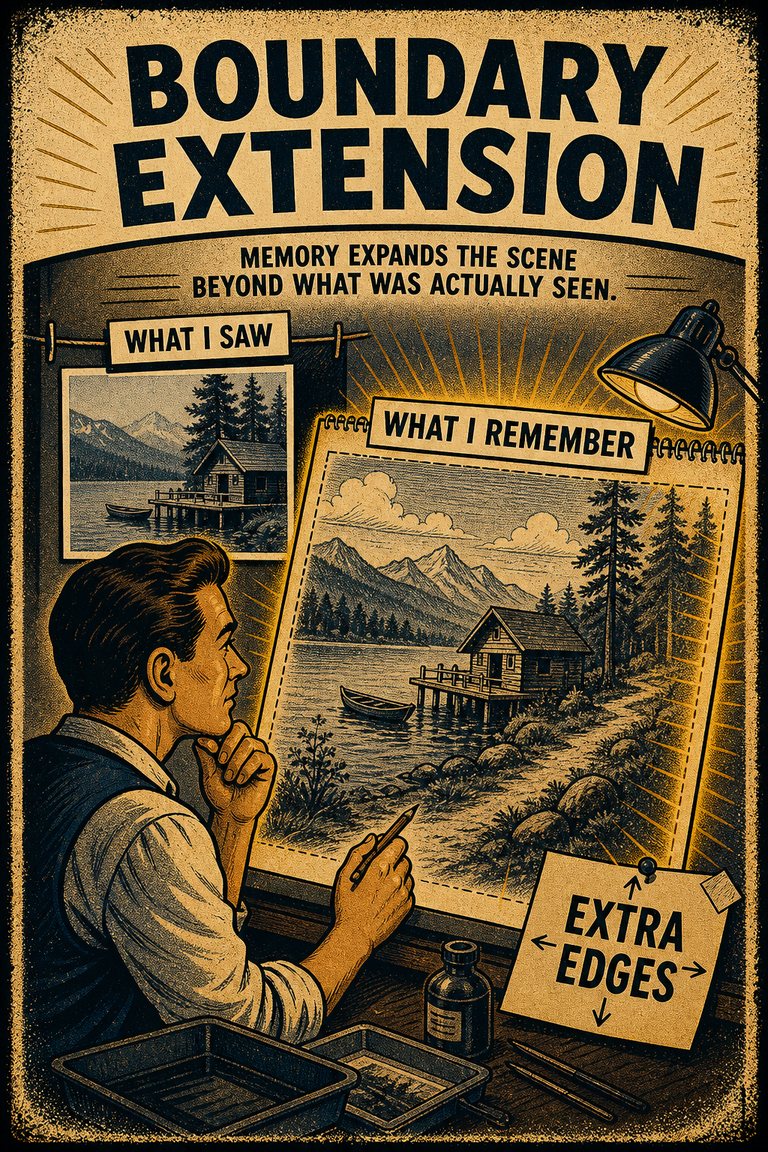
The tendency to remember a scene as having included more surrounding space than was actually shown.
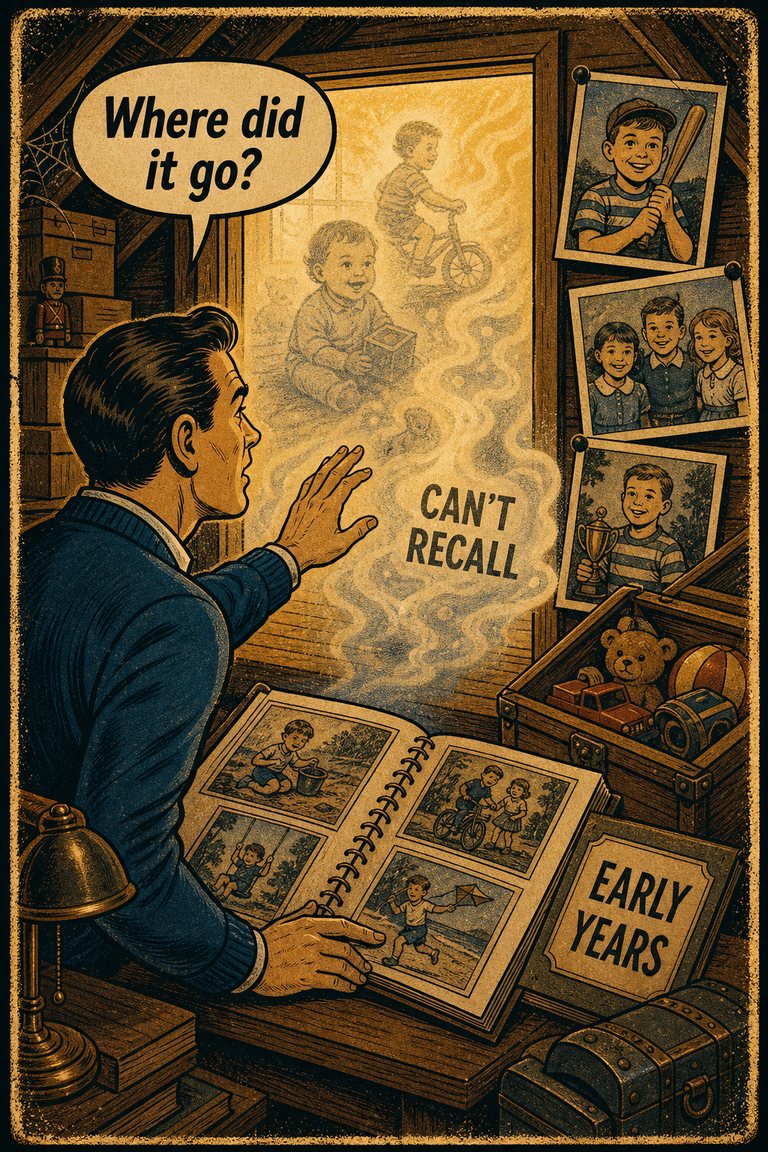
The retention of few memories from before the age of four.
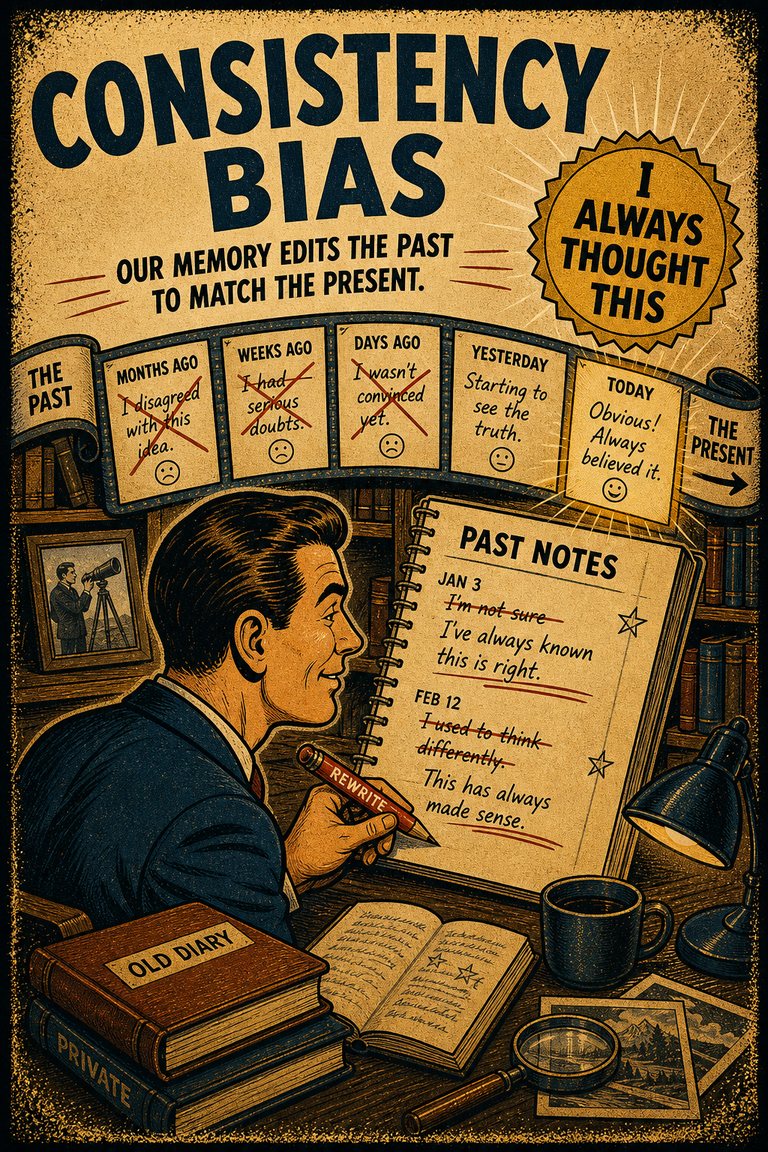
The tendency to remember past attitudes or behavior as more consistent with the present than they really were.
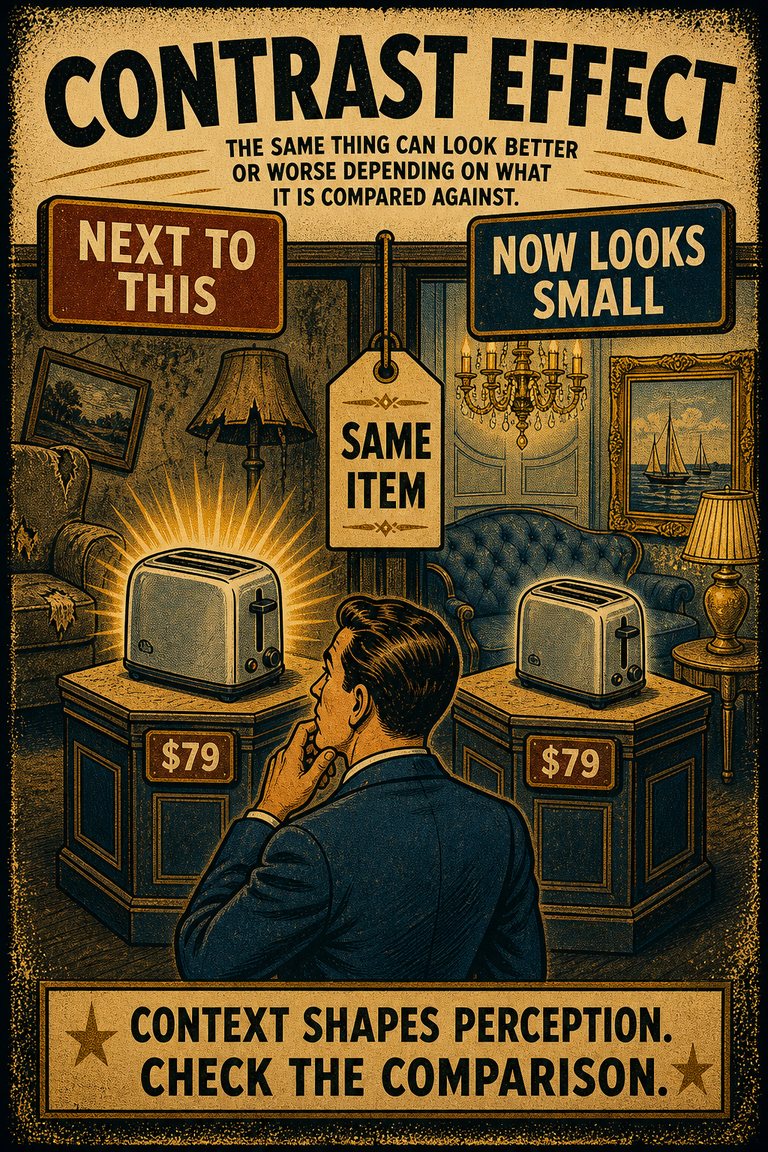
The enhancement or reduction of a certain stimulus's perception when compared with a recently observed, contrasting object.

The tendency to mistake an old memory or borrowed idea for a new original thought.
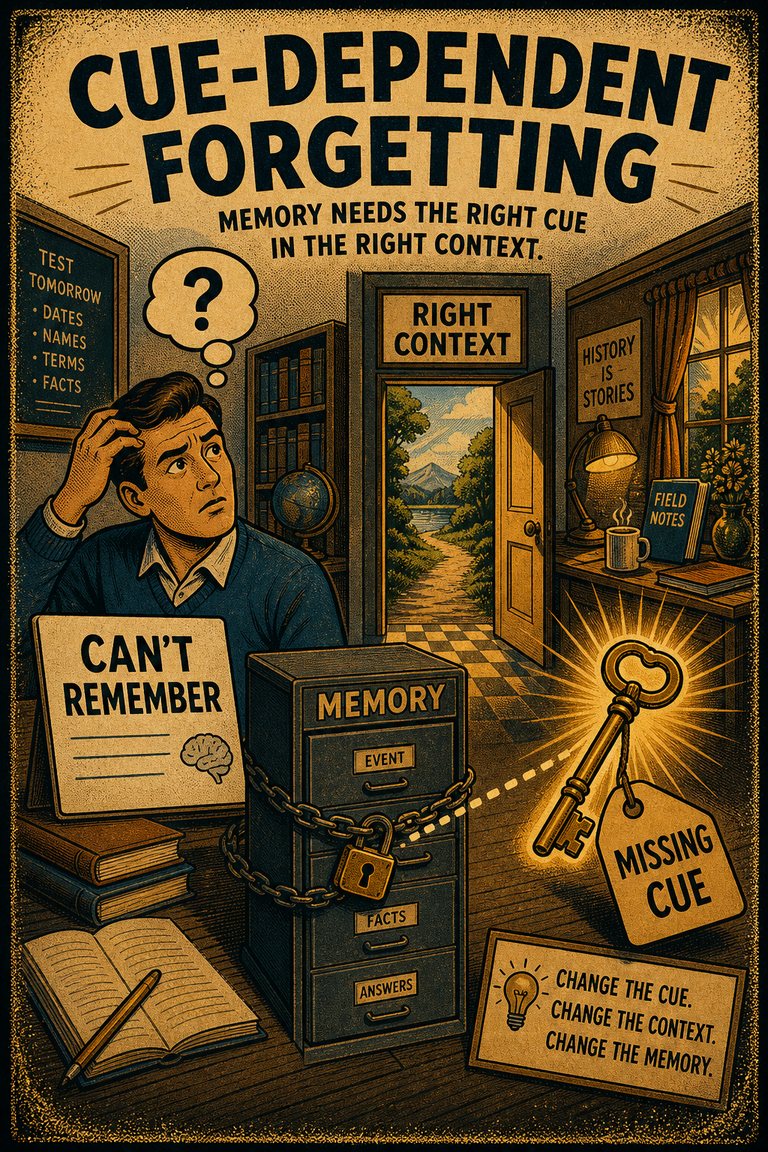
The tendency for recall to weaken when the original context or cues are missing.