Common in status-heavy rooms
74
Most likely when identity, urgency, or hierarchy raises the social cost of dissent.
Rare
Frequent

Cognitive Biases
A practical cognitive-bias site with clear definitions, learning paths, assessments, self-audits, and debiasing tools.
Cognitive Bias
The tendency for groups to preserve harmony, cohesion, or momentum at the cost of critical evaluation and live dissent.
What it distorts
It bends collective judgment by turning agreement into a proxy for soundness and dissent into a threat to the group itself.
Typical trigger
High-pressure meetings, prestigious leaders, identity-charged teams, fast strategic choices, and environments where dissent is socially costly.
First countermove
Ask explicitly which live objections have not yet had equal time in the room.
Best use
Team protocol
Did the room converge because the case got stronger, or because dissent got more expensive?
Belonging pressures, shared identity, perceived urgency, and the discomfort of open disagreement can make consensus feel safer than scrutiny, even when the scrutiny is exactly what the decision needs.
These are classroom-facing editorial estimates for comparing how the bias behaves in use. They are teaching aids, not measured statistics.
Common in status-heavy rooms
74
Most likely when identity, urgency, or hierarchy raises the social cost of dissent.
Easy to spot from outside
47
The room often experiences the same moment as alignment rather than suppression.
Easy to innocently commit
76
Good people often confuse unity with soundness under pressure.
Teaching difficulty
53
Best taught with meeting design and role-structure examples, not definition alone.
This comparison makes the hidden pull easier to see before the technical label has to do all the work.
Biased move
This is like calling the water calm because everyone in the boat stopped rocking it.
Clearer comparison
Stillness can mean stability, but it can also mean people no longer feel free to move. Consensus quality depends on which kind of stillness you have.
Do not use this label for every group agreement. Healthy convergence happens. Groupthink is the special case where harmony, loyalty, or pressure begins crowding out genuine critical testing.
Use this label when a group's need for cohesion or momentum suppresses objection, independent judgment, or fair processing of alternatives.
Use the quick check, caveat, and nearby confusions together. The fastest diagnosis is often the noisiest one.
Each example changes the surface context while keeping the same hidden distortion in place.
A friend group slides toward one plan because nobody wants to be the awkward holdout, even though several people privately have major doubts.
A meeting converges quickly around the senior person's preferred option while objections get softened, delayed, or turned into tone problems.
Institutions repeat a shared story because breaking from it would mark the speaker as disloyal or disruptive rather than as responsibly critical.
It feels like the team is finally aligned, when in fact the conversation has become too socially expensive to challenge honestly.
Teaching note: This is one of the most important editorial additions because it lets CogBias speak directly to organizational failure rather than only to individual misjudgment.
The strongest debiasing moves change the process, not just the label.
If you are the potential dissenter, write the objection concretely before the room's momentum makes you edit it down.
Assign a real dissenter role and make the strongest countercase part of the official agenda.
Structure major decisions so status, sequence, and social cost do not all push toward premature consensus.
Practice And Repair
The key diagnostic is not simple agreement. It is whether the room still has enough oxygen for live challenge after a preferred direction begins to emerge.
A high-status room faces time pressure, identity pressure, or leadership gravity while a preferred answer is already taking shape.
Alignment starts feeling like progress, and objections begin to look like delay, disloyalty, or needless difficulty.
The group mistakes social convergence for evidential convergence and closes too early around a tidy consensus.
Get independent first passes, invite the strongest objection first, and make dissent a required input rather than a personality trait.
Which objection in this room is currently hardest to say out loud, and what does that tell me?
Spot It
Slow It
Reframe It
These distinction guides slow down the most common nearby-label confusions before the diagnosis hardens.
Groupthink is a group decision dynamic that suppresses dissent; social desirability bias is distorted reporting caused by wanting to look acceptable.
Quick rule: Ask whether the main distortion is convergence in group deliberation or self-presentational reporting.
These are nearby labels that can share the same outer appearance while differing in what actually drives the distortion. Use the overlap, the distinction, and the diagnostic question together before settling the call.
Why compare it: Social desirability bias distorts what people report about themselves or their views; groupthink is the larger group-level suppression of real dissent and evaluation.
Why compare it: Authority bias gives excess weight to high-status voices; groupthink includes that force but also the wider social pressure to preserve harmony.
Why compare it: Ingroup bias favors one's own side over outsiders; groupthink describes how the inside of the group stops testing itself honestly.
These are useful when the label seems roughly right but the process change still feels underspecified.
Which objections would be socially hardest to voice in this room?
Can the group articulate the best opposing case as strongly as the preferred one?
Would the same discussion look different if the highest-status person had spoken last?
These sourced cases do not prove what was in someone's head with perfect certainty. They are teaching cases for showing where the bias pressure becomes visible in practice.
The Bay of Pigs planning failure
The event is often used in teaching as a case where group cohesion and leadership dynamics muted the scrutiny the plan needed.
Why it fits: The room's social dynamics appear to have narrowed its willingness to test the preferred story seriously.
1961
The Challenger launch decision
The Challenger disaster is frequently studied for how organizational pressure and normalized risk can overwhelm dissenting technical concerns.
Why it fits: A socially and administratively charged context can make challenge feel harder precisely when it is most needed.
1986
Bay of Pigs planning as a groupthink teaching case
Janis used the Bay of Pigs decision process as a major example of cohesive groups suppressing dissent and overvaluing apparent consensus.
Why it fits: Group harmony and leadership pressure can make a plan feel more settled than the evidence warrants.
Victims of Groupthink · 1972
These linked tools turn the page into practice instead of leaving it at the level of definition.
This bias appears directly in one guided sequence and also in nearby paths that frame the same judgment problem from a slightly wider angle.
Direct path
Use this path when a room feels aligned too quickly or when private judgment is likely being bent by social cost.
Same path family · Conflict and social threat
Use this path when ambiguous behavior is being read through threat, bad faith, or us-versus-them interpretation.
These audits combine direct and nearby checks so you can test the label itself and the broader judgment pattern around it.
Direct audit
Would I still hold this view if I had to write it down alone before hearing the room?
Same audit family · Conflict and social threat
Before You Read Hostility Into It
What else could explain this besides threat, contempt, or bad faith?
This bias is featured in a printable lesson or workshop packet.
Direct workshop
A facilitation kit for rooms where agreement, hierarchy, and speed may be replacing independent judgment.
These scenarios mix direct and nearby cases so you can practice the label itself and the broader judgment pattern around it.
Direct scenario
A room that converges too quickly
A strategy meeting seems settled within ten minutes after the founder speaks. Several people privately have doubts, but no one wants to be the person who slows the room down.
Same scenario family · Group pressure and belonging
The famous name at the end of the memo
Executives begin treating a recommendation as almost settled once they learn a famous advisor endorsed it, even though the written rationale itself is thin and the advisor's exper…
These links widen the frame around the bias without interrupting the core lesson on this page.
A practical essay on why awareness is helpful but rarely sufficient, and why durable repair usually arrives through workflow, not willpower alone.
CogBias theory
An essay on how social cost changes what gets noticed, said, and challenged long before a formal group decision is written down.
CogBias theory
These neighbors were selected from shared categories, shared patterns, and explicit editorial links where available.
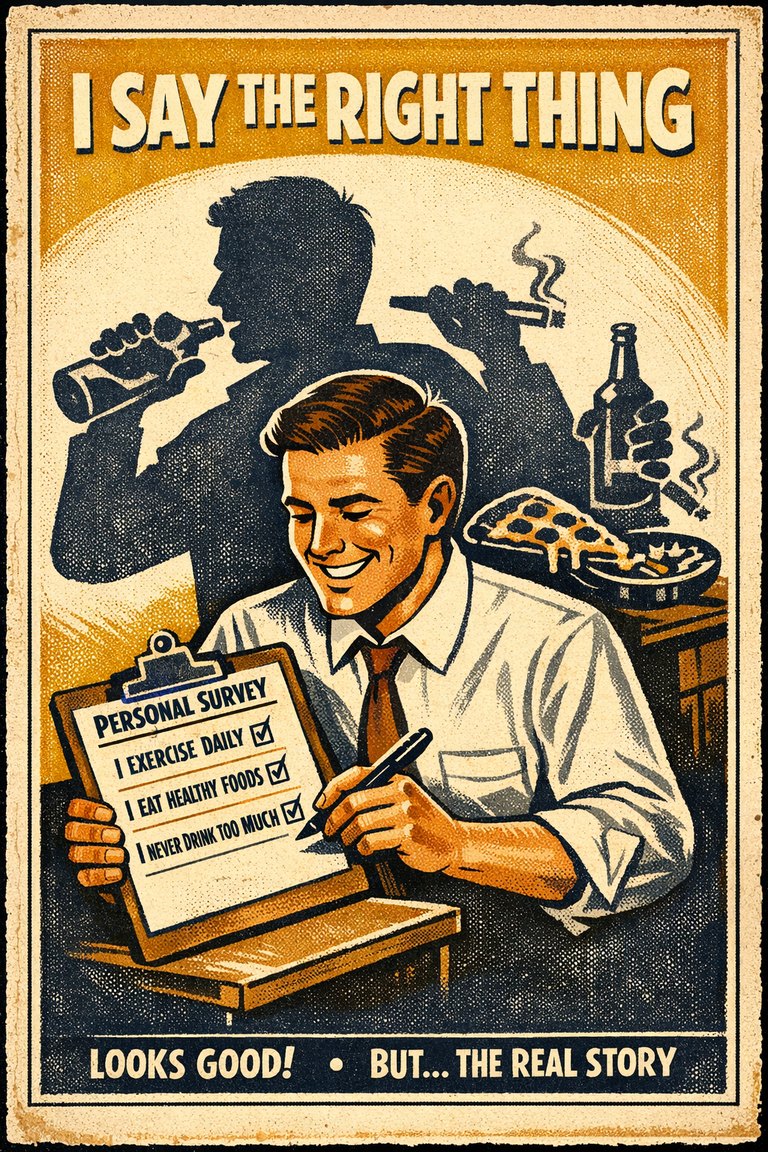
The tendency to over-report socially approved attitudes or behaviors and under-report the ones likely to invite embarrassment, judgment, or sanction.

The tendency to give excess weight to the opinion of a high-status or authoritative source independent of whether the source has earned that weight on the specific issue.
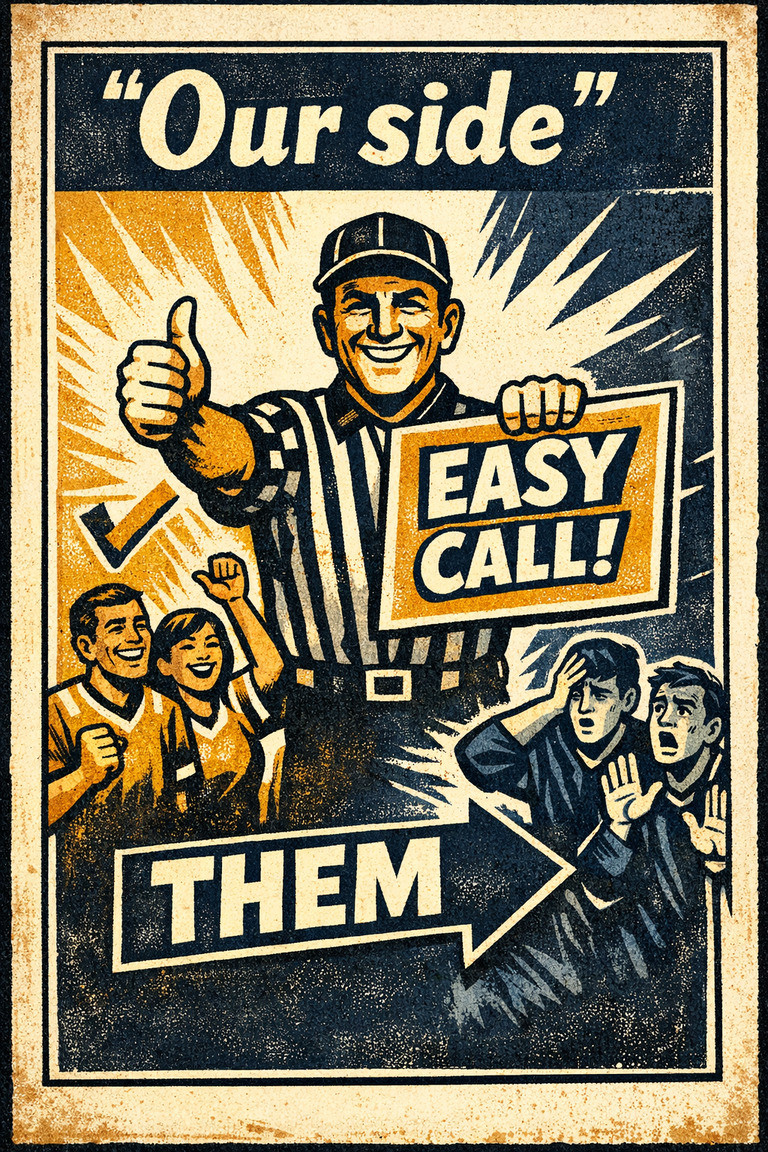
The tendency to favor, trust, defend, or positively interpret people and claims associated with one's own group more readily than comparable outsiders.
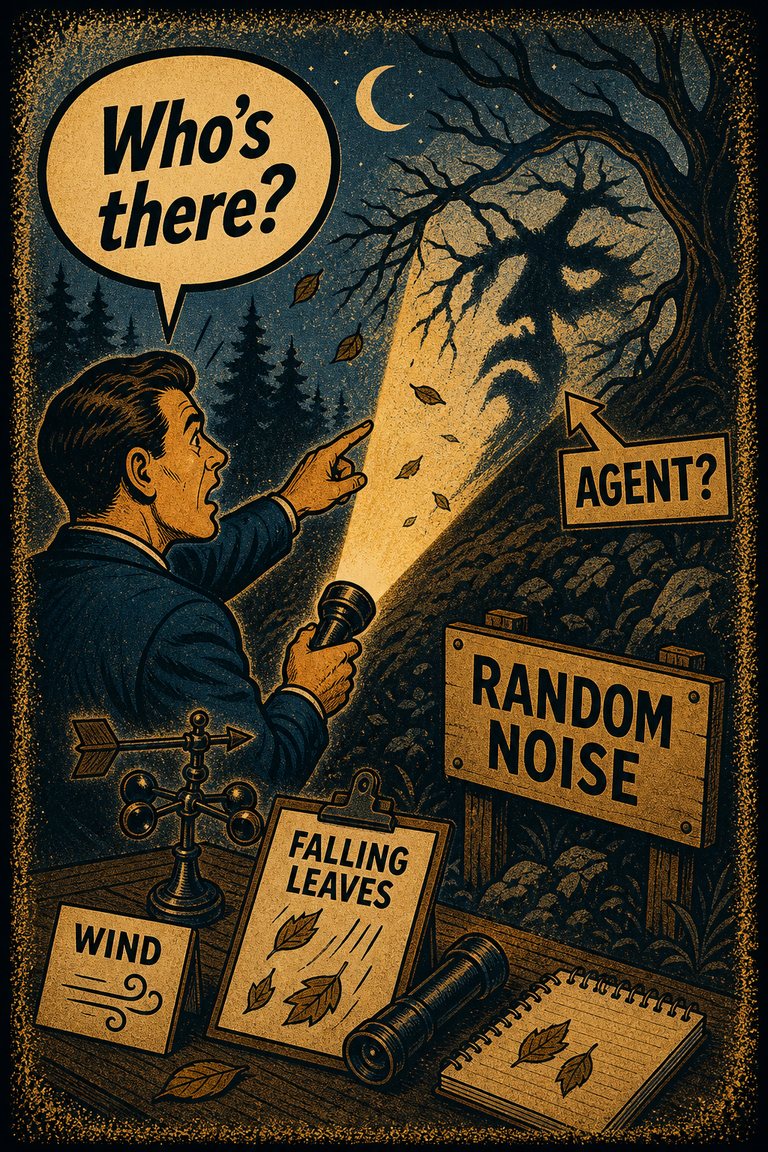
The inclination to presume the purposeful intervention of a sentient or intelligent agent.
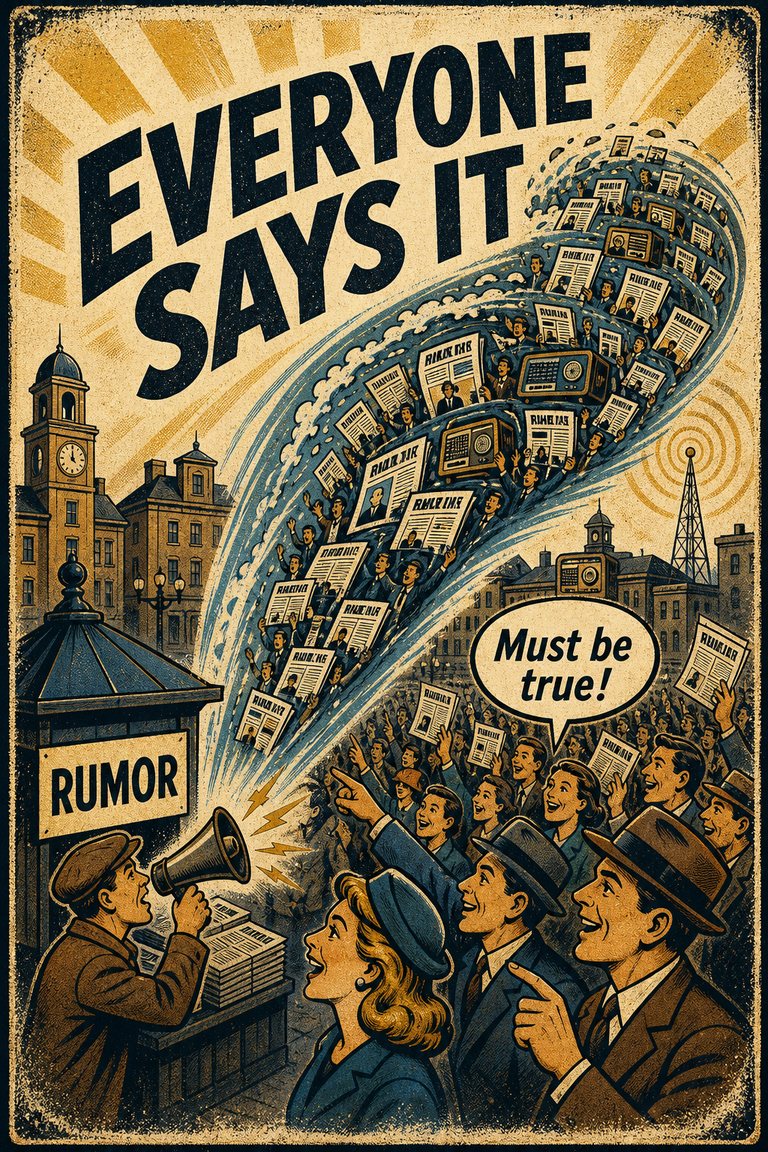
A belief becoming more plausible through repeated public repetition, social uptake, and feedback.

The perception of contradictory information and the mental toll of it.