Common in estimates and negotiation
87
Shows up anywhere a first number arrives before an independent estimate.
Rare
Frequent

Cognitive Biases
A practical cognitive-bias site with clear definitions, learning paths, assessments, self-audits, and debiasing tools.
Cognitive Bias
The tendency for the first salient number, frame, or option to pull later estimates toward itself even when it is arbitrary or weakly relevant.
What it distorts
It biases negotiation, forecasting, pricing, and planning by shrinking the range of considered outcomes.
Typical trigger
Opening offers, first forecasts, suggested budgets, and round numbers.
First countermove
Record an independent estimate before exposing yourself to any outside number.
Best use
Structured process
What starting number or frame is still pulling this judgment even after better evidence arrived?
Initial values set a starting point, and later adjustment is usually too small. The mind mistakes a convenient first reference for an informative one.
These are classroom-facing editorial estimates for comparing how the bias behaves in use. They are teaching aids, not measured statistics.
Common in estimates and negotiation
87
Shows up anywhere a first number arrives before an independent estimate.
Easy to spot from outside
63
Visible once the sequence of exposure is reconstructed.
Easy to innocently commit
82
Adjustment feels rational even while the opener keeps owning the frame.
Teaching difficulty
32
Easy to demonstrate with side-by-side estimate exercises.
This comparison makes the hidden pull easier to see before the technical label has to do all the work.
Biased move
This is like setting a thermostat with the first random temperature you hear and only making tiny adjustments from there.
Clearer comparison
The final setting may look deliberate, but the random opener still shaped the whole range of movement.
Do not use anchoring for every decision that begins somewhere. The issue is not that a starting point existed. The issue is that the starting point exerts more influence than its evidential quality deserves.
Use this label when the first number, estimate, or frame quietly owns the later judgment even after stronger comparisons are available.
Use the quick check, caveat, and nearby confusions together. The fastest diagnosis is often the noisiest one.
Each example changes the surface context while keeping the same hidden distortion in place.
A buyer sees an inflated list price first, then treats the later discount as reasonable even though the first number was arbitrary.
The opening forecast for a launch becomes the gravitational center of later discussion even after new information should have widened the range.
Early polling, first casualty counts, or first inflation headlines set the mental baseline that later coverage struggles to escape.
The first number does not feel like a trap. It feels like the natural place the conversation started.
Teaching note: This is one of the cleanest demonstrations that judgment can be skewed even when people know the anchor is weak.
The strongest debiasing moves change the process, not just the label.
Write an independent estimate before hearing the offer or suggested forecast.
Collect private first-pass ranges before the group sees the loudest estimate.
Require forecasts to show outside-view reference classes next to the inside-view narrative.
Practice And Repair
Anchoring often looks like careful adjustment. That is what makes it persuasive. The later reasoning is real, but it is happening inside a range the opener set too cheaply.
A first number, forecast, price, or framing baseline arrives before an independent estimate has been written.
Later movement away from the anchor feels like correction, so the resulting number can seem balanced and thoughtful.
The judgment remains centered on the opener's gravity rather than on the best available comparison class.
Generate a clean estimate from scratch or from the outside view, then compare it to the anchor instead of reasoning inside it.
What number would I have written down first if the anchor had never been shown to me?
Spot It
Slow It
Reframe It
These distinction guides slow down the most common nearby-label confusions before the diagnosis hardens.
Anchoring pulls judgment toward a starting value; framing changes judgment by changing how the same substance is described.
Quick rule: Ask whether the distortion is caused by a starting point or by a presentation shift.
These are nearby labels that can share the same outer appearance while differing in what actually drives the distortion. Use the overlap, the distinction, and the diagnostic question together before settling the call.
Why compare it: Overconfidence concerns unjustified certainty; anchoring concerns excessive pull from the initial frame or number.
Why compare it: Status quo bias sticks to the inherited option; anchoring sticks to the inherited reference point even when the option set changes.
Why compare it: Base-rate neglect forgets the broader distribution; anchoring can happen even when the broader distribution is known but the first number still exerts pull.
These are useful when the label seems roughly right but the process change still feels underspecified.
What would my estimate have been if a different first number had appeared?
Is this opening value evidence or just sequence?
What outside-view range should have been built before the negotiation began?
These sourced cases do not prove what was in someone's head with perfect certainty. They are teaching cases for showing where the bias pressure becomes visible in practice.
The wheel-of-fortune anchoring experiment
Participants exposed to a random number from a wheel later gave higher or lower estimates in line with that arbitrary anchor.
Why it fits: A plainly irrelevant opener still dragged later quantitative judgment.
1974
List prices and opening offers in ordinary valuation
People routinely treat asking prices and initial offers as if they reveal more about value than they really do.
Why it fits: The starting number becomes the invisible center of the negotiation.
Modern examples
These linked tools turn the page into practice instead of leaving it at the level of definition.
2 related paths place this bias beside the distortions it most often travels with in practice.
Direct path
Use this path when you want the minimum set of pages that gives the rest of the site immediate traction.
Direct path
Use this path before a major project, strategy choice, or resource commitment.
These short audits help catch this bias before it hardens into a verdict, forecast, or decision.
Direct audit
Am I choosing the best forward-looking option, or the most comfortable inherited one?
Direct audit
What would the outside view say before the inside story takes over?
These workshop packets mix direct coverage with nearby classroom material that makes the same distortion easier to teach.
Direct workshop
Product Choice-Architecture Audit
A product and UX kit for testing whether defaults, decoys, metrics, and automation are helping users choose or quietly manufacturing preference.
Nearby workshop
A 45-minute lesson for separating vivid stories, repeated claims, and missing denominators before a news item becomes belief.
2 mixed scenarios let you diagnose this bias from the case rather than the heading.
Direct scenario
The first number in the room
A product team sees one early retention number from a tiny pilot and keeps comparing every later forecast to that first number, even after much larger cohorts come in.
Direct scenario
The first price that owned the conversation
A pricing team opens a discussion with a very high enterprise price. Every later proposal is judged relative to that opening number, even after competitive data suggests a lower r…
These links widen the frame around the bias without interrupting the core lesson on this page.
An article on why one taxonomy tracks the judgment task being distorted while another tracks the recurring shape of the distortion itself.
CogBias theory
A practical essay on why awareness is helpful but rarely sufficient, and why durable repair usually arrives through workflow, not willpower alone.
CogBias theory
These neighbors were selected from shared categories, shared patterns, and explicit editorial links where available.
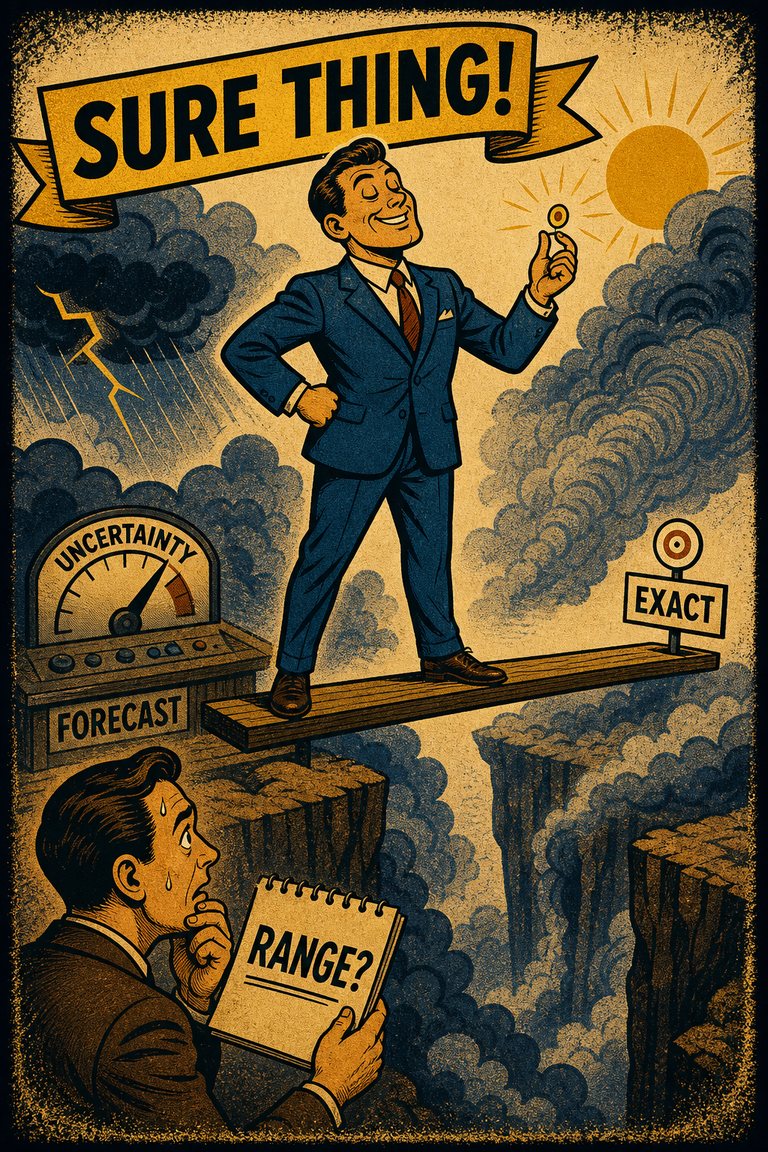
The tendency to be more certain about judgments, forecasts, or abilities than the evidence warrants.
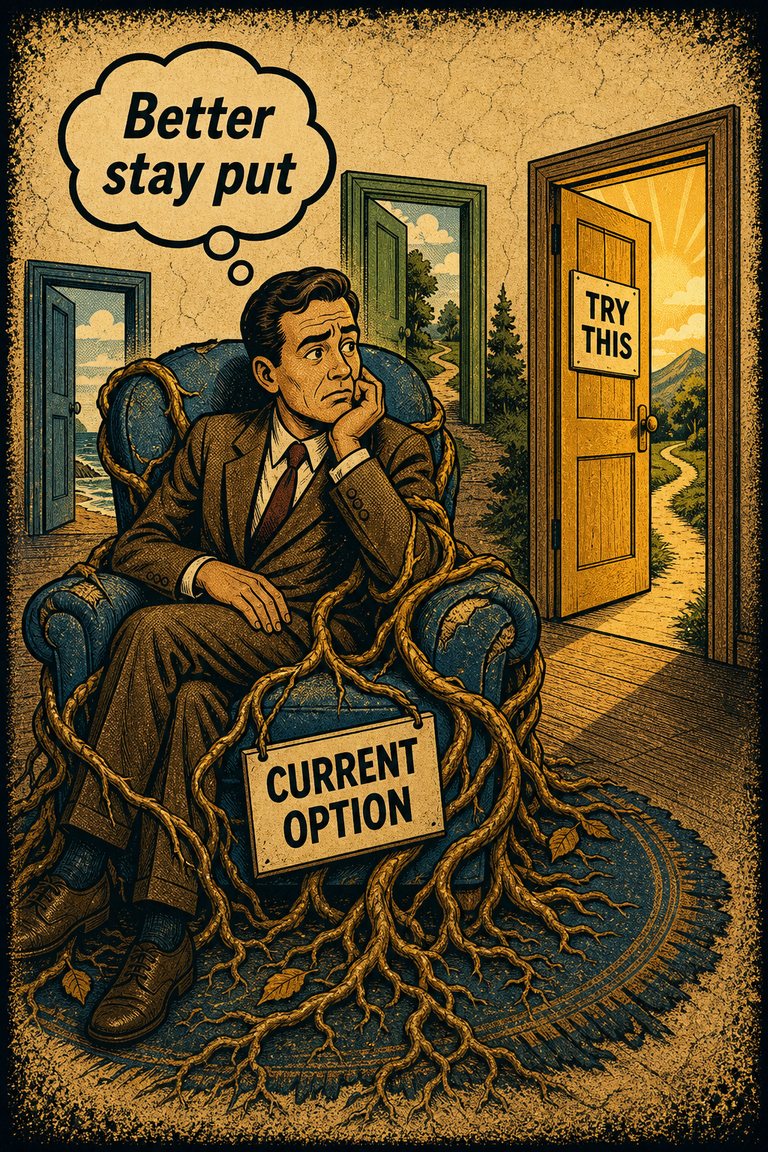
The tendency to prefer the current option, default, or inherited arrangement simply because it is the current option, default, or inherited arrangement.
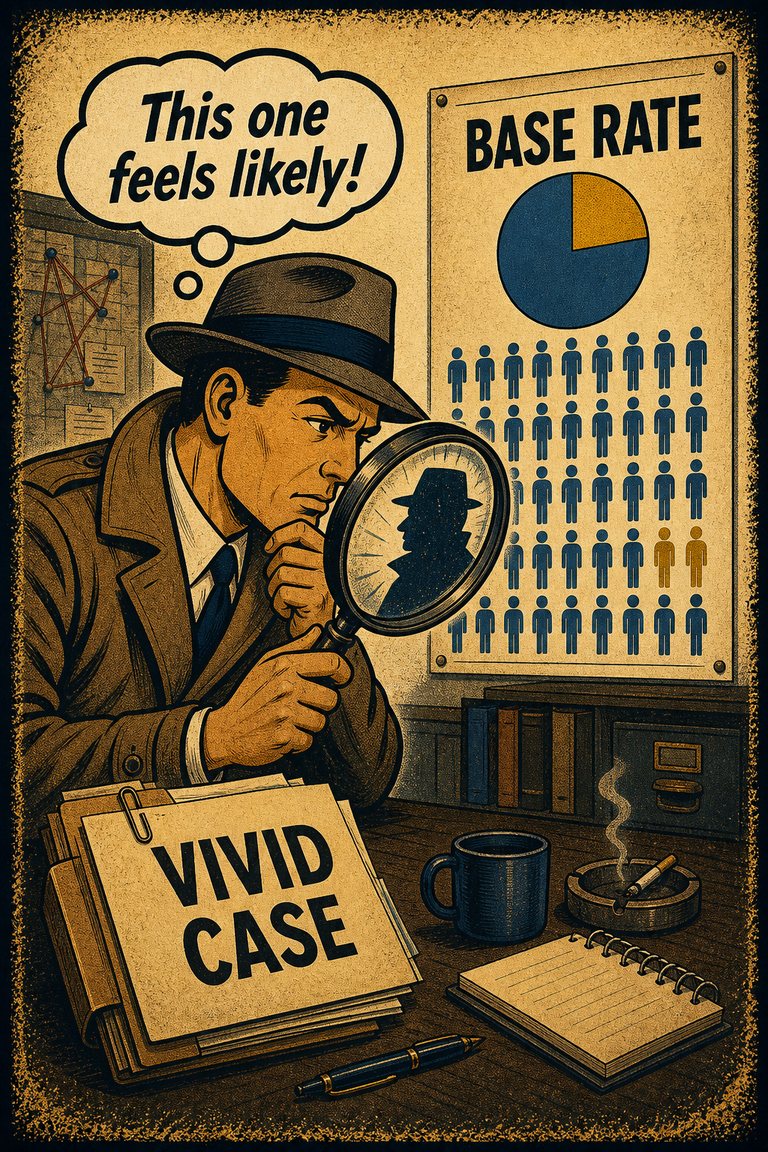
The tendency to underweight general prevalence information when vivid case-specific details are available.

The tendency for low skill or shallow understanding to produce overestimation of one's own competence, while higher-skill people may underestimate how unusual their competence really is.
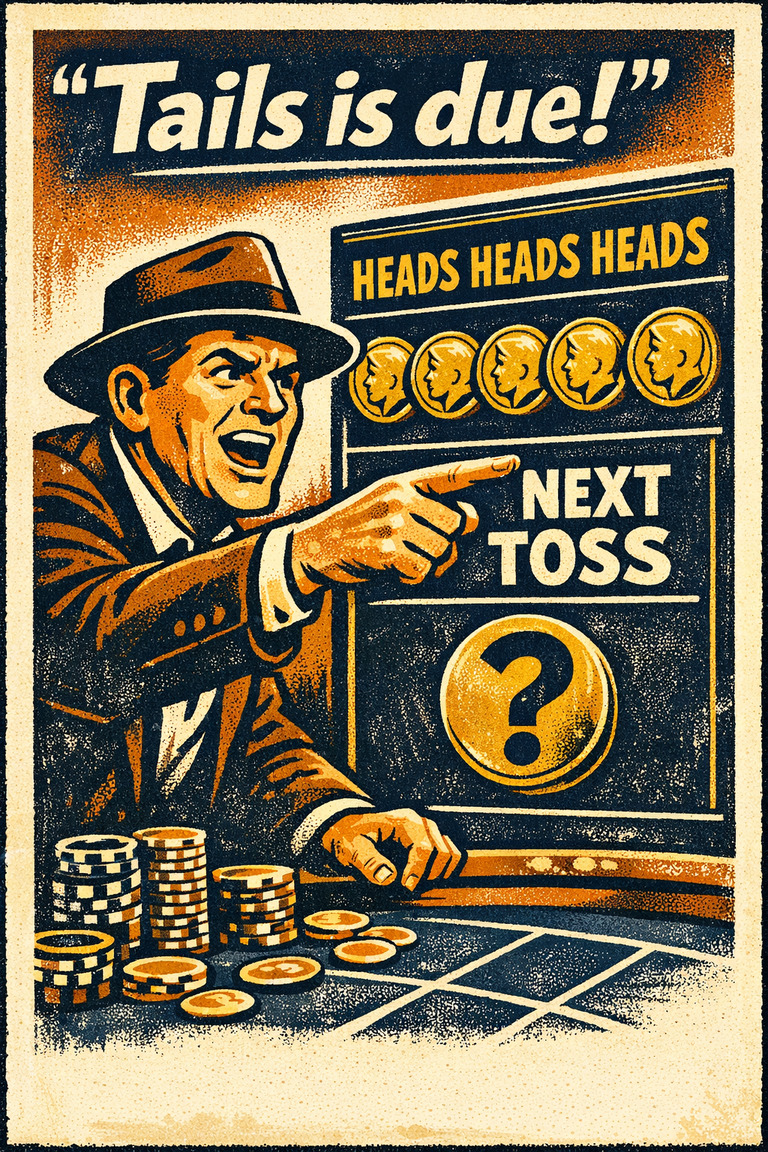
The tendency to think that future probabilities are altered by past events, when in reality they are unchanged.
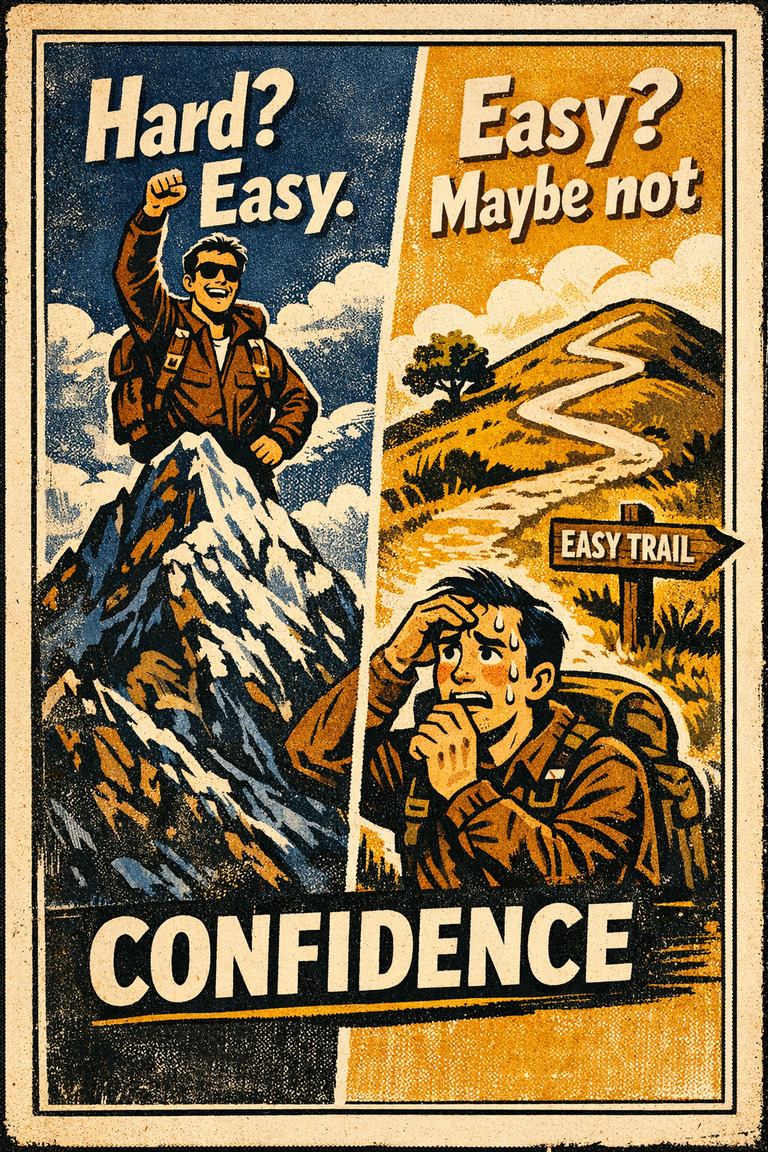
The tendency to overestimate one's ability to accomplish hard tasks, and underestimate one's ability to accomplish easy tasks.