Common in live judgment
75
Common in shopping, scheduling, lifestyle planning, and self-control design.
Rare
Frequent

Cognitive Biases
A practical cognitive-bias site with clear definitions, learning paths, assessments, self-audits, and debiasing tools.
Cognitive Bias
The tendency to overestimate how much your future preferences, values, and reactions will resemble whatever you feel strongly right now.
What it distorts
It bends planning and consumption by making today's mood, appetite, urgency, or identity feel more stable across time than it really is.
Typical trigger
Shopping, scheduling, food decisions, time commitments, emotional states, and any situation where a present preference is being used to plan for a later self.
First countermove
Ask how often your preferences have actually shifted across similar situations in the past.
Best use
Structured process
How much am I assuming my future self will want what my current self wants right now?
The current state anchors the imagination of the future self. Because present preferences are vivid and available, they are overprojected into later circumstances where they may not survive intact.
These are classroom-facing editorial estimates for comparing how the bias behaves in use. They are teaching aids, not measured statistics.
Common in live judgment
75
Common in shopping, scheduling, lifestyle planning, and self-control design.
Easy to spot from outside
50
Often obvious after the temporary state has passed.
Easy to innocently commit
87
The current preference feels stable while it is being experienced.
Teaching difficulty
33
Easy to teach with appetite, mood, and convenience examples.
This comparison makes the hidden pull easier to see before the technical label has to do all the work.
Biased move
This is like grocery shopping while starving and planning the whole week as if every future version of you will stay that hungry.
Clearer comparison
Current states are informative, but they are not permanent. Good planning keeps today's appetite from impersonating tomorrow's preferences.
Do not use this label whenever plans reflect current values. The issue is overprojecting a temporary present state into future selves who will not share it as strongly as imagined.
Use this label when current mood, appetite, desire, or discomfort is being treated as if it will stay stable enough to guide future choice reliably.
Use the quick check, caveat, and nearby confusions together. The fastest diagnosis is often the noisiest one.
Each example changes the surface context while keeping the same hidden distortion in place.
Someone makes a future-oriented decision while hungry, tired, excited, or upset and assumes the later self will endorse the same preference structure.
A team commits future capacity based on today's enthusiasm without accounting for how priorities and energy levels will shift.
People support plans built around their current emotional weather and later discover that the assumed future appetite for sacrifice or restraint did not hold.
The current preference feels stable enough to build around, even though it may belong more to the moment than to the future self you are planning for.
Teaching note: This entry helps readers distinguish immediate temptation from the subtler mistake of assuming the future self will be psychologically continuous with the present moment.
The strongest debiasing moves change the process, not just the label.
Make the decision from a calmer, more typical state or revisit it when the present feeling is less dominant.
Review future commitments in a second meeting after the initial emotional peak has passed.
Build delayed confirmation, cooling-off periods, or staged commitments into plans that depend heavily on future motivation.
Practice And Repair
Projection bias mistakes the present self for the future baseline. What you feel now seems like the natural planning anchor even when it is unusually temporary and state-dependent.
A current state such as hunger, fatigue, urgency, desire, or irritation is active while future planning is happening.
The current state feels stable enough that building around it seems sensible.
Plans fit the present self unusually well and future selves poorly.
Ask what you usually want in the cooler baseline state, then compare that answer with what the current state is requesting.
What does my calmer or more ordinary self usually prefer when this temporary state is not steering the plan?
Spot It
Slow It
Reframe It
These are nearby labels that can share the same outer appearance while differing in what actually drives the distortion. Use the overlap, the distinction, and the diagnostic question together before settling the call.
Why compare it: Present bias overweights immediate payoffs and costs; projection bias additionally assumes the future self will share the present self's tastes and priorities.
Why compare it: Optimism bias expects favorable outcomes; projection bias expects future preferences to mirror current ones.
Why compare it: Status quo bias protects the current arrangement; projection bias protects the current preference state by extending it too far into the future.
These are useful when the label seems roughly right but the process change still feels underspecified.
How often has my preference shifted in comparable situations before?
What part of this plan is built on a feeling that may not survive the context change?
What would this choice look like if I planned for a more ordinary future mood instead of today's state?
These sourced cases do not prove what was in someone's head with perfect certainty. They are teaching cases for showing where the bias pressure becomes visible in practice.
Hungry-shopper and state-dependent planning examples
Projection bias is often illustrated by cases where current hunger, heat, mood, or desire leads people to make plans and purchases that their future selves do not actually endorse.
Why it fits: The present state is being mistaken for a stable future preference structure.
Modern behavioral economics
Shoppers buy for the appetite they feel now, not later
Hungry shoppers routinely buy more food than they later want because they treat the present craving state as a good model of the future self's preferences.
Why it fits: The current state is being projected forward as though it were durable.
Modern behavioral economics
These linked tools turn the page into practice instead of leaving it at the level of definition.
This bias does not yet have a dedicated path, but these nearby paths are usually the clearest place to see the same family of distortion in motion.
Same path family · People judgment
Use this path when you want the minimum set of pages that gives the rest of the site immediate traction.
Nearby path
Use this path before a major project, strategy choice, or resource commitment.
This bias does not yet have its own dedicated self-check, but these nearby audits usually catch the same kind of drift before it hardens.
Nearby audit
Am I choosing the best forward-looking option, or the most comfortable inherited one?
Nearby audit
Before You Treat The Default As Neutral
Is the default genuinely best, or just easiest to leave in place?
This bias is featured in a printable lesson or workshop packet.
Direct workshop
Relationship Conflict Attribution Reset
A reflective kit for slowing motive-reading, character verdicts, and self-protective memory during conflict.
2 mixed scenarios let you diagnose this bias from the case rather than the heading.
Direct scenario
The team will still feel this way next quarter
Leaders approve an intense volunteer initiative while enthusiasm is high and assume the same energy will still be present months later when the difficult maintenance work begins.
Direct scenario
The future weekend felt like the current mood
After an exhausting week, someone cancels a future trip because she assumes she will still want isolation next month, even though her energy usually returns after rest.
These neighbors were selected from shared categories, shared patterns, and explicit editorial links where available.
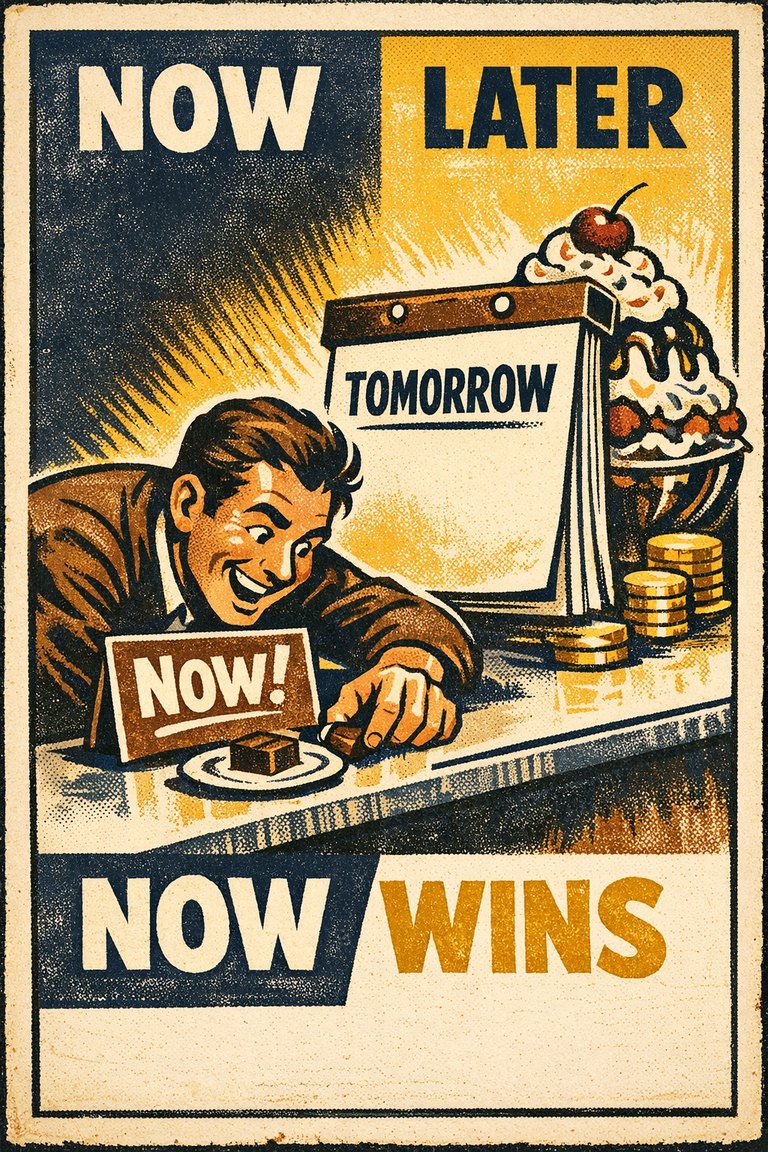
The tendency to give disproportionate weight to immediate costs and payoffs relative to later ones, even when the later consequences are larger.
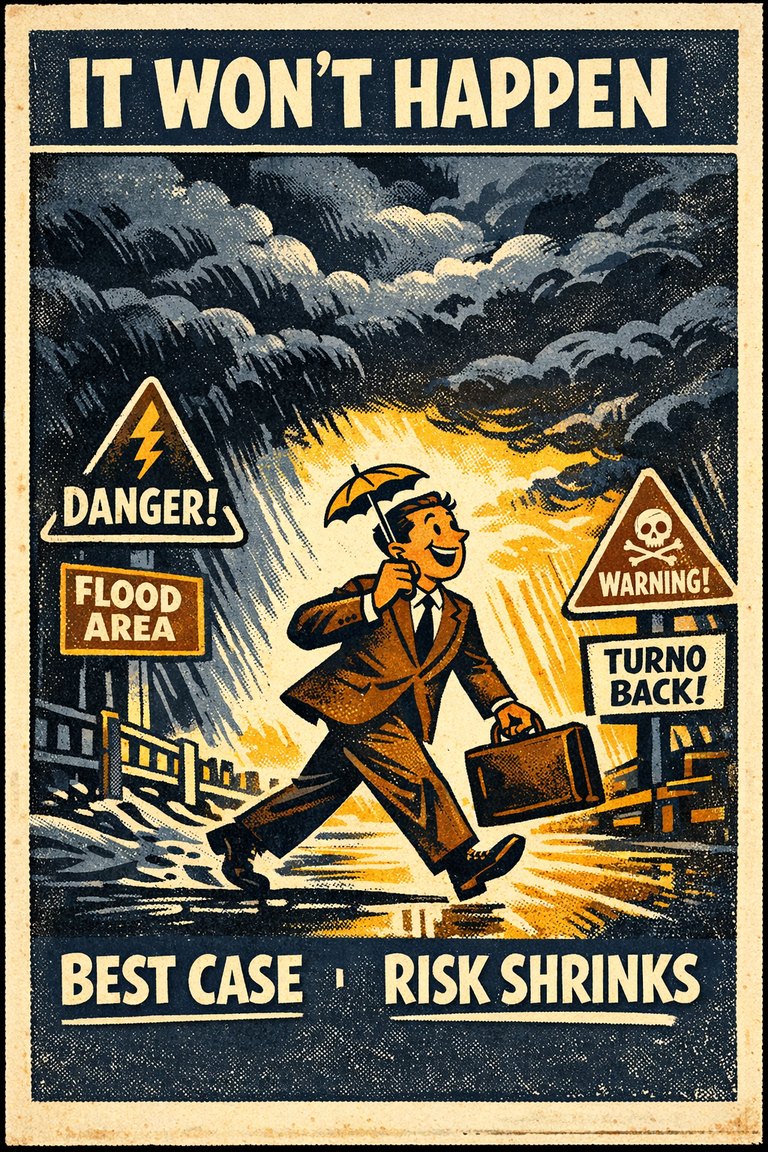
The tendency to overestimate favorable outcomes and underestimate the probability or impact of unfavorable ones, especially for oneself or one's own plans.
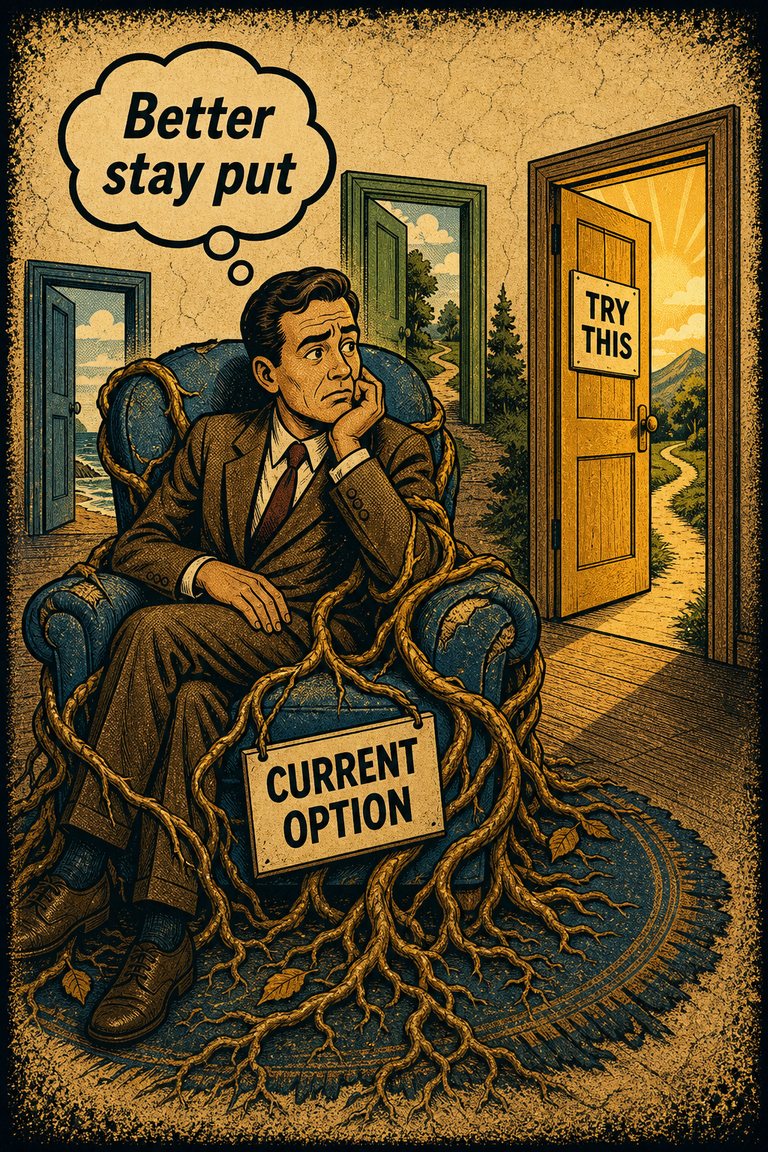
The tendency to prefer the current option, default, or inherited arrangement simply because it is the current option, default, or inherited arrangement.
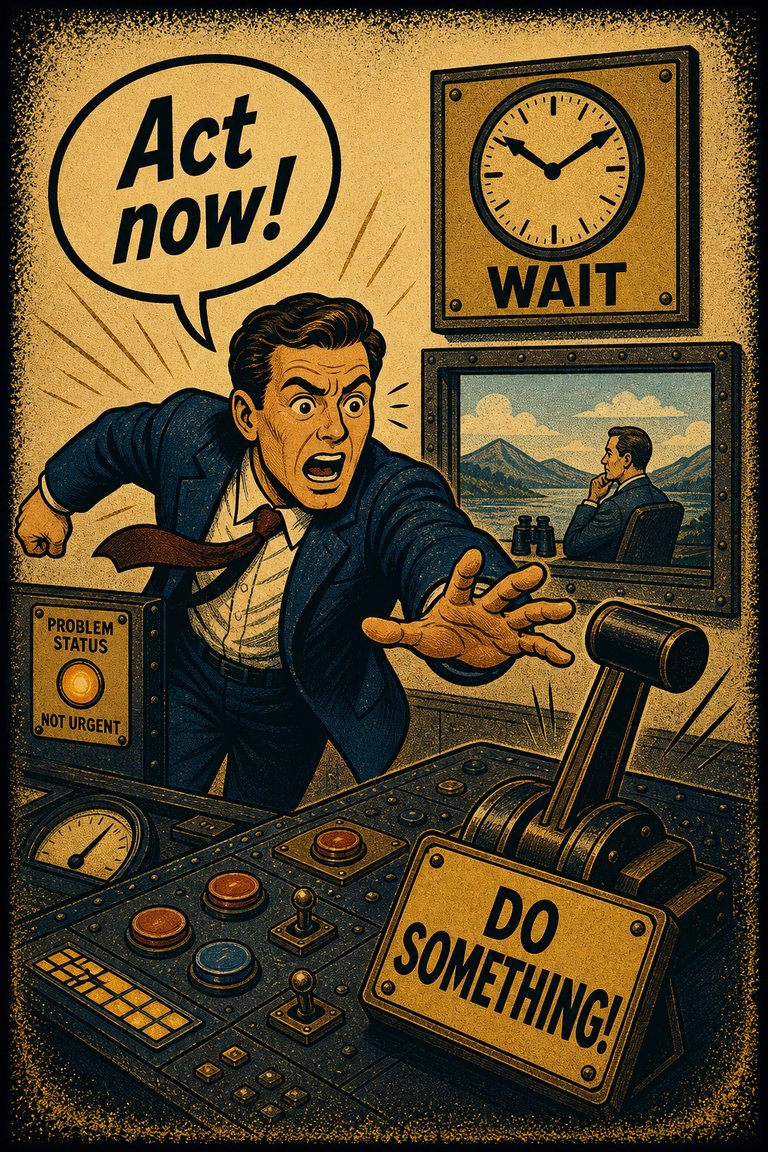
The tendency for someone to act when faced with a problem even when inaction would be more effective, or to act when no evident problem exists.
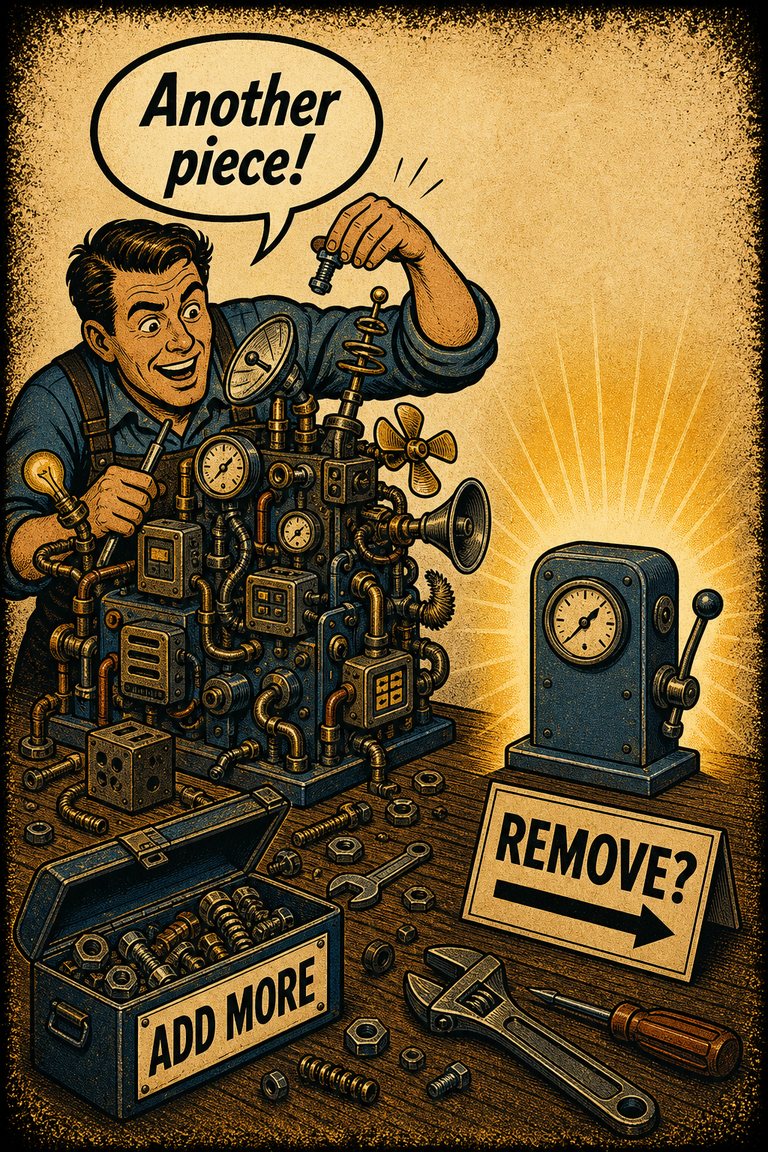
The tendency to solve problems through addition, even when subtraction is a better approach.
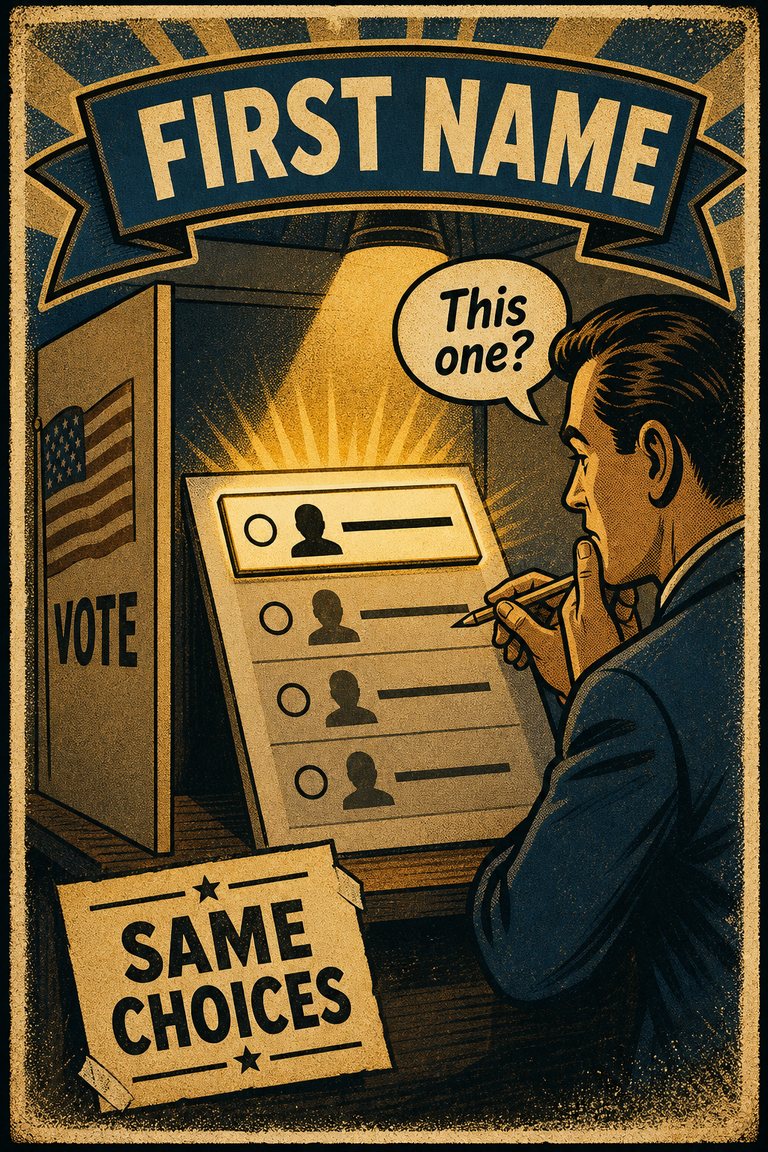
The tendency for candidates listed first on a ballot to gain a small voting advantage.