Common in misinformation
83
Especially important where corrections are late, thin, or non-explanatory.
Rare
Frequent

Cognitive Biases
A practical cognitive-bias site with clear definitions, learning paths, assessments, self-audits, and debiasing tools.
Cognitive Bias
Misinformation continues to influence memory and reasoning about an event, despite the misinformation having been corrected. cf. misinformation effect, where the original memory is affected by incorrect information received later
What it distorts
Biases that selectively reshape memory, retrieval, and retrospective interpretation.
Typical trigger
Situations where recall is already difficult and the inertia cue feels easier to trust than a fuller review.
First countermove
Start with the recall question instead of the first intuitive answer, then check whether the inertia pattern is doing invisible work.
Best use
Quick reference
What part of the old false story is still doing reasoning work because the correction never replaced it?
In recall problems, beliefs, habits, or commitments resist updating even when better movement is available before a fuller check catches up.
These are classroom-facing editorial estimates for comparing how the bias behaves in use. They are teaching aids, not measured statistics.
Common in misinformation
83
Especially important where corrections are late, thin, or non-explanatory.
Easy to spot from outside
39
Often only visible when the person's later inferences are examined closely.
Easy to innocently commit
87
People can sincerely accept a correction and still reason with the old story.
Teaching difficulty
48
A powerful media-literacy concept because it explains why debunking can feel incomplete.
This comparison makes the hidden pull easier to see before the technical label has to do all the work.
Biased move
This is like removing a broken beam from a bridge diagram without drawing a new support line, then wondering why everyone still imagines the old structure.
Clearer comparison
Retractions often subtract. Good corrections also rebuild. Otherwise the first explanatory frame keeps living in the empty space.
Do not use this label whenever someone remembers the original rumor. The key issue is that corrected misinformation still shapes explanation and inference.
Use this label when people acknowledge the correction but continue reasoning as if part of the first false account remained true.
Use the quick check, caveat, and nearby confusions together. The fastest diagnosis is often the noisiest one.
Each example changes the surface context while keeping the same hidden distortion in place.
A person repeats a corrected rumor's implied causal story days later because the first version still feels more explanatory than the correction.
A debunked incident narrative keeps shaping discussion because the team still lacks a satisfying replacement explanation.
Even after a false claim is corrected, commentary and memory keep using it as if part of the story were still basically true.
The correction is remembered, but the original misinformation still keeps sneaking back into explanation as if it left a residue the retraction never fully cleared.
Teaching note: This page is crucial for media literacy because it shows why 'we already corrected that' is often not enough.
The strongest debiasing moves change the process, not just the label.
Replace the false claim with an explicit alternative explanation rather than merely crossing it out mentally.
When correcting misinformation, say what happened instead and why the first account stuck.
Design correction protocols that include replacement causal stories, not just retraction language.
Practice And Repair
Continued influence effect is the residue problem of misinformation. A correction can remove a claim without removing the explanatory work the claim was doing.
A vivid misinformation frame arrives early and fills an explanatory gap.
The original account keeps a cognitive advantage because it remains narratively useful.
Later reasoning still leans on the old frame even after the person endorses the correction.
Replace the false claim with a satisfying alternative explanation instead of offering retraction alone.
What explanation should occupy the slot the misinformation used to fill?
Spot It
Slow It
Reframe It
These are nearby labels that can share the same outer appearance while differing in what actually drives the distortion. Use the overlap, the distinction, and the diagnostic question together before settling the call.
Why compare it: Misinformation effect changes memory content itself; continued influence effect focuses on corrected misinformation still shaping later reasoning.
Why compare it: Availability cascade spreads the claim socially; continued influence effect explains why it keeps affecting reasoning even after correction.
Why compare it: Confirmation bias favors supportive material; continued influence effect can persist even when people acknowledge the correction sincerely.
These are useful when the label seems roughly right but the process change still feels underspecified.
What explanatory gap did the misinformation fill that the correction left empty?
Am I still using the original story because it remains more narratively satisfying than the retraction?
What replacement account should occupy the space the false claim used to fill?
These sourced cases do not prove what was in someone's head with perfect certainty. They are teaching cases for showing where the bias pressure becomes visible in practice.
Corrected fire-warehouse narratives
People can continue citing corrected details from a fire story in later inferences when the correction does not provide a strong replacement explanation.
Why it fits: The mind keeps using the first causal frame because the retraction alone did not rebuild the story.
Modern cognitive psychology
Retractions that remove a claim without replacing the story
Corrections are less effective when they only say a claim was false but do not supply a sturdier alternative explanation for what happened.
Why it fits: The initial story keeps guiding inference because the later correction leaves a causal vacuum.
Modern cognitive psychology
Retractions that subtract the claim but leave the explanation empty
Misinformation-correction research shows that people may continue using a false causal explanation after a correction, especially when no replacement explanation is supplied.
Why it fits: The old frame keeps doing explanatory work after the factual claim has been challenged.
Psychological Science in the Public Interest · 2012
These linked tools turn the page into practice instead of leaving it at the level of definition.
This bias appears directly in one guided sequence and also in nearby paths that frame the same judgment problem from a slightly wider angle.
Direct path
Misinformation, Memory, And Crowds
Use this path when a claim is gaining traction partly because it is circulating well rather than because it has been carefully verified.
Same path family · Evidence and explanation
Use this path when you suspect that the apparent evidential picture is itself distorted.
These audits combine direct and nearby checks so you can test the label itself and the broader judgment pattern around it.
Direct audit
What part of this claim's plausibility is coming from repetition, correction failure, or visible uptake rather than from direct support?
Same audit family · Evidence and explanation
Before You Explain What Happened
What part of this explanation is genuinely shown, and what part merely feels satisfying now that the ending is known?
This bias is featured in a printable lesson or workshop packet.
Direct workshop
A 45-minute lesson for separating vivid stories, repeated claims, and missing denominators before a news item becomes belief.
2 mixed scenarios let you diagnose this bias from the case rather than the heading.
Direct scenario
The correction that did not replace the story
A breaking-news explanation is later corrected, but the original causal story keeps appearing in class discussion because it gave students a simple account of why the event happen…
Direct scenario
The correction landed, but the old explanation still runs
After a rumor is debunked, people stop repeating the exact false claim but continue drawing conclusions that still depend on the original rumor's causal story.
These links widen the frame around the bias without interrupting the core lesson on this page.
A theory article on how repetition, uptake, and residue can make weak claims feel progressively more settled without substantially improving the evidence underneath them.
CogBias theory
These neighbors were selected from shared categories, shared patterns, and explicit editorial links where available.

The tendency of perception to be affected by recurring thoughts.
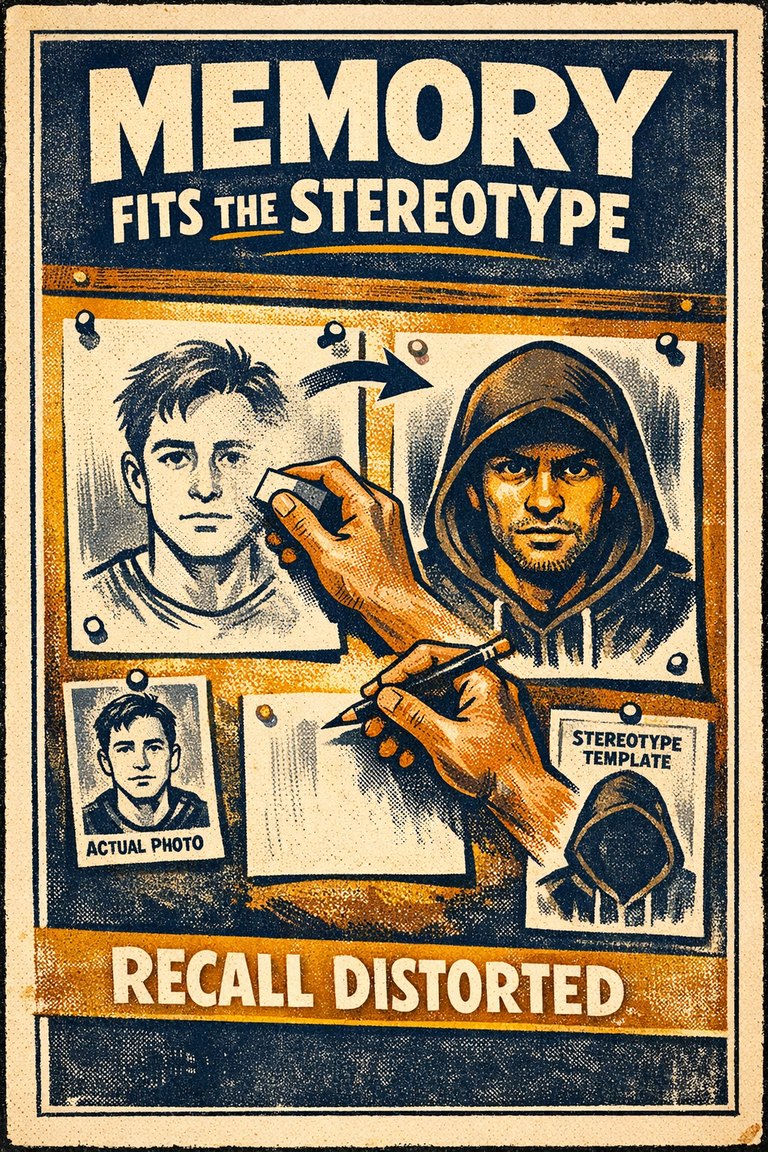
The tendency for memory or judgment to drift toward familiar social stereotypes.
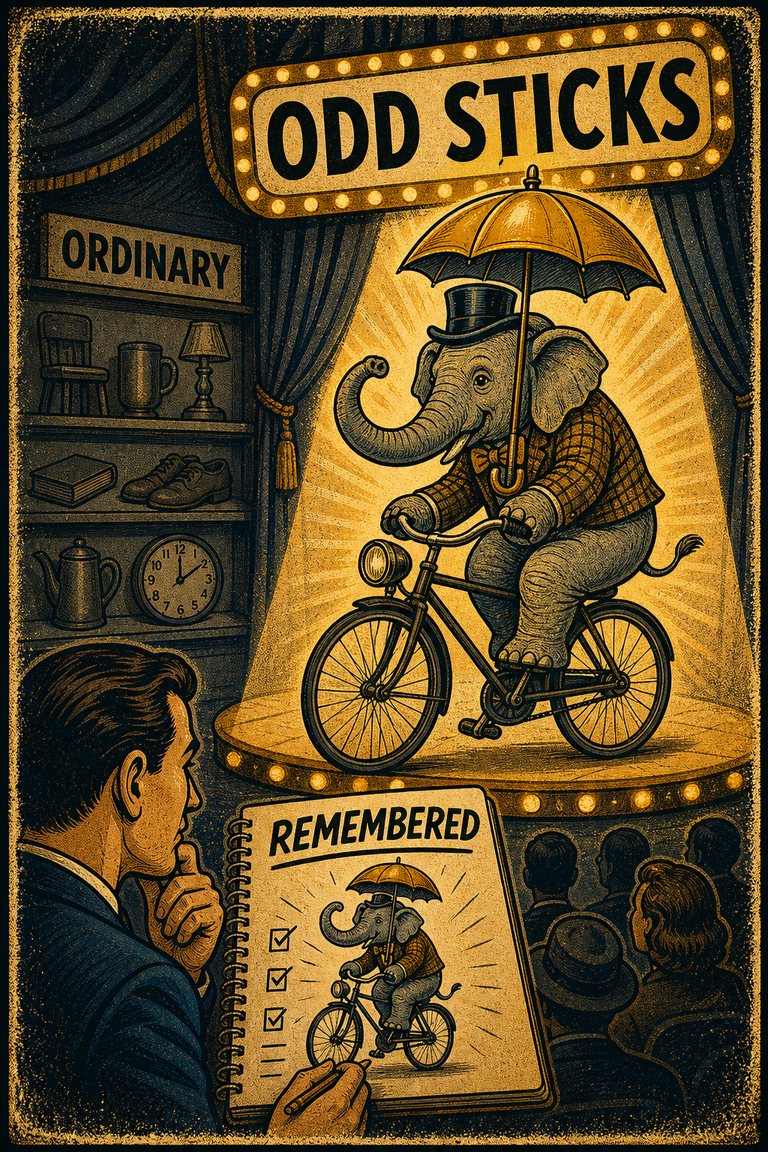
The tendency to remember bizarre or unusual material better than ordinary material.
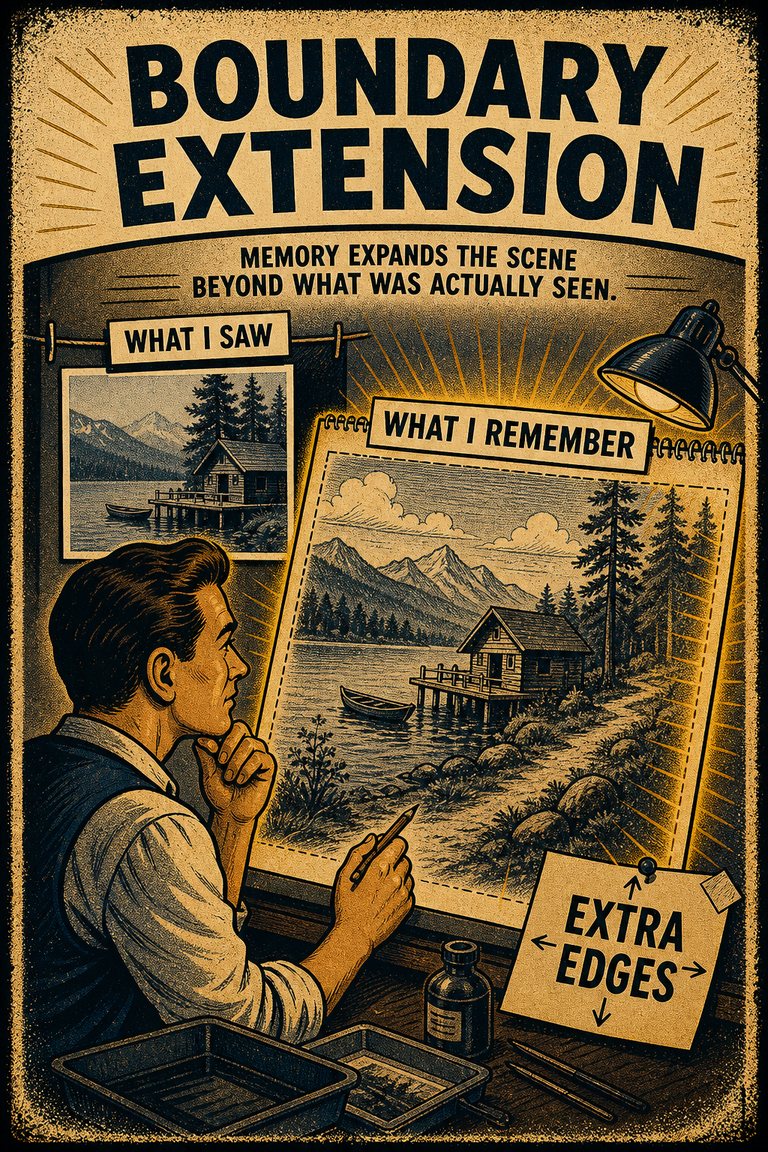
The tendency to remember a scene as having included more surrounding space than was actually shown.
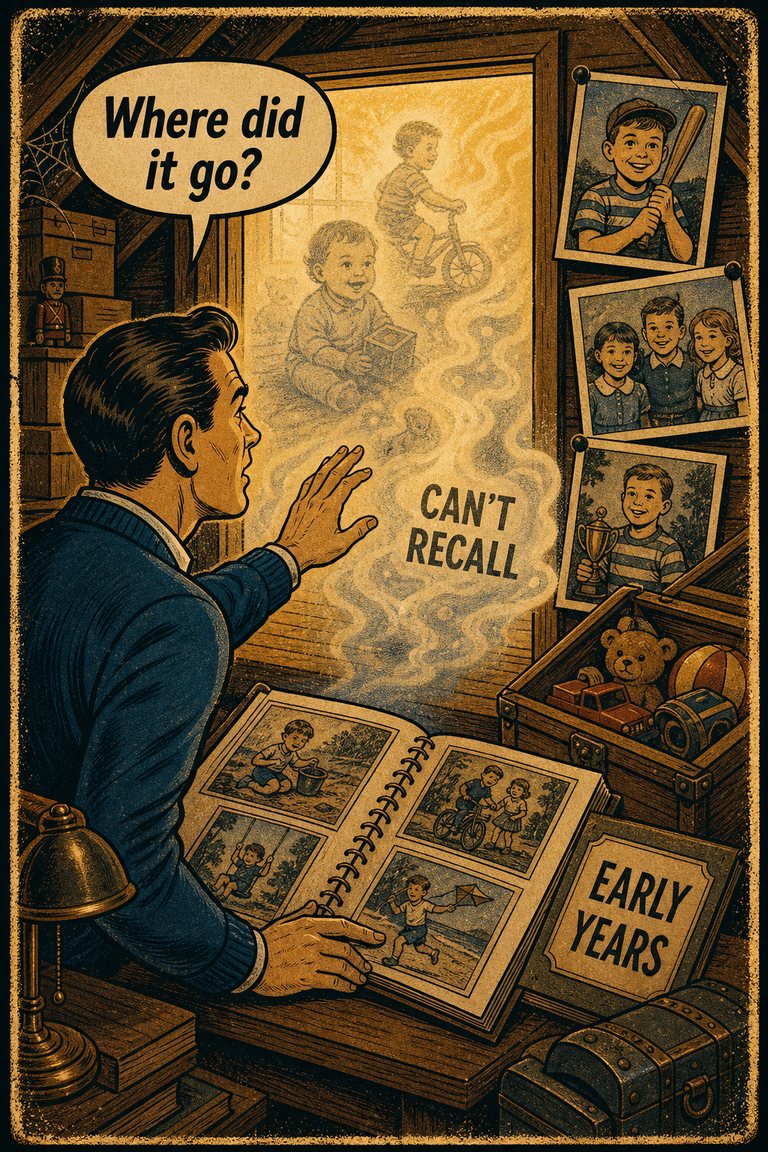
The retention of few memories from before the age of four.
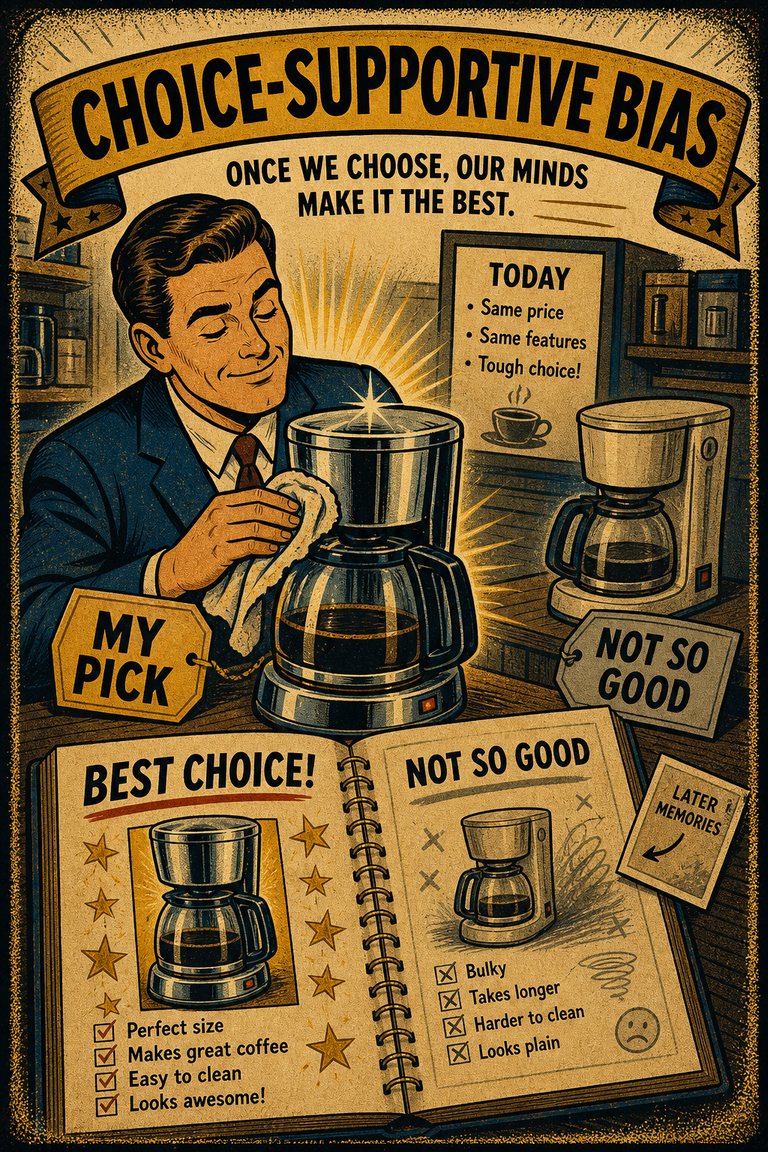
The tendency to remember one's choices as better than they actually were.