Common in evaluation sequences
79
Shows up in interviews, grading, pricing, hiring, and product comparison.
Rare
Frequent

Cognitive Biases
A practical cognitive-bias site with clear definitions, learning paths, assessments, self-audits, and debiasing tools.
Cognitive Bias
The enhancement or reduction of a certain stimulus's perception when compared with a recently observed, contrasting object
What it distorts
Biases that selectively reshape memory, retrieval, and retrospective interpretation.
Typical trigger
Situations where recall is already difficult and the association cue feels easier to trust than a fuller review.
First countermove
Start with the recall question instead of the first intuitive answer, then check whether the association pattern is doing invisible work.
Best use
Quick reference
Would this seem as strong or weak if I judged it alone rather than right after the comparison case?
In recall problems, the mind overweights resemblance, vividness, proximity, or intuitive linkage before a fuller check catches up.
These are classroom-facing editorial estimates for comparing how the bias behaves in use. They are teaching aids, not measured statistics.
Common in evaluation sequences
79
Shows up in interviews, grading, pricing, hiring, and product comparison.
Easy to spot from outside
57
Often becomes visible once the order of presentation is changed.
Easy to innocently commit
85
The mind naturally uses nearby cases as a standard unless told not to.
Teaching difficulty
34
Simple demonstrations make the point quickly.
This comparison makes the hidden pull easier to see before the technical label has to do all the work.
Biased move
This is like calling lukewarm water hot because your hand just left the ice bucket.
Clearer comparison
Relative difference can sharpen perception, but it can also hijack evaluation. A good judgment still needs a stable standard, not only a recent neighbor.
Do not use this label whenever comparison matters. Comparison is often informative. The issue is that sequence or juxtaposition is dragging the verdict more than the target's own merits justify.
Use this label when a target looks better or worse mainly because of what it was placed beside, before, or after.
Use the quick check, caveat, and nearby confusions together. The fastest diagnosis is often the noisiest one.
Each example changes the surface context while keeping the same hidden distortion in place.
A perfectly ordinary apartment feels luxurious after touring two bad ones, then mediocre again after visiting a premium listing.
An interview answer seems stronger because it followed a much weaker candidate rather than because it met the job standard on its own merits.
A policy proposal can sound moderate or extreme depending on which neighboring proposals were shown first.
The current target looks better or worse than it really is because of what was just beside it.
Teaching note: This is a useful long-tail page for product, hiring, and pricing contexts because the distortion is often procedural rather than ideological.
The strongest debiasing moves change the process, not just the label.
Score the target against a written criterion before comparing it to its neighbors.
Randomize order when possible and keep a shared rubric visible during evaluation.
Design review processes that reduce sequence effects by separating scoring from side-by-side persuasion.
Practice And Repair
Contrast effect is a sequence trap. The current target inherits part of its value from the standard just created by the previous target.
A judgment happens in a sequence where one item is evaluated after a noticeably stronger or weaker comparison case.
The relative difference feels like the target's actual quality rather than as a context effect on perception.
The standard shifts under the evaluator's feet, so the same target could receive a different verdict in a different order.
Pause to restate the fixed criterion and judge the target once with the comparison hidden and once with it visible.
What stable standard would I use here if I were forced to judge this case without the immediately surrounding comparison?
Spot It
Slow It
Reframe It
These are nearby labels that can share the same outer appearance while differing in what actually drives the distortion. Use the overlap, the distinction, and the diagnostic question together before settling the call.
Why it looks similar: Both make earlier context linger in later judgment.
Key distinction: Anchoring leaves too much pull with an initial number or frame. Contrast effect changes the target's appearance relative to a nearby comparison standard.
Ask: Is the earlier input acting like a sticky starting value, or is it acting like a comparison backdrop that makes the current target look larger or smaller?
Why it looks similar: Both can distort evaluation without the evaluator noticing the transfer.
Key distinction: Halo effect spreads one positive or negative trait across other traits of the same target. Contrast effect changes the evaluation because the target is being judged beside another case.
Ask: Is one trait spilling into another, or is one comparison object warping the whole rating?
Why it looks similar: Both can make a nearby option reshape preference for the focal option.
Key distinction: Decoy effect is a structured choice-architecture move inside a menu. Contrast effect is the broader phenomenon where neighboring cases alter perceived quality even outside formal menu design.
Ask: Is this a menu engineered to steer preference, or a simpler sequence/juxtaposition effect on perception?
These are useful when the label seems roughly right but the process change still feels underspecified.
How would this look if I judged it against a fixed standard instead of the item that came right before it?
What comparison object is inflating or shrinking the current target?
Am I evaluating quality or just reacting to sequence?
These sourced cases include a few closely related examples where that helps make the same pressure visible in practice.
Interview and product-sequence judgments
Contrast effect is commonly illustrated when an average candidate looks excellent after a weak one, or mediocre after a very strong one, despite the target not changing at all.
Why it fits: The verdict is being pulled by sequence and juxtaposition rather than by a fixed standard alone.
Overview case
Deese-Roediger-McDermott false-memory experiments
Participants exposed to lists of related words often confidently recalled or recognized a closely associated lure word that had never actually been presented.
Why it fits: The mind experiences the lure as remembered because semantic fit and familiarity are standing in for genuine occurrence.
Related through: False memory
Roediger and McDermott · 1995
These linked tools turn the page into practice instead of leaving it at the level of definition.
2 related paths place this bias beside the distortions it most often travels with in practice.
Direct path
Use this path when someone sounds sure, fluent, or experienced and you need to know whether the underlying understanding is actually there.
Direct path
Comparison Traps And Choice Architecture
Use this path when you suspect the choice set itself is manufacturing preference rather than merely revealing it.
These audits combine direct and nearby checks so you can test the label itself and the broader judgment pattern around it.
Direct audit
Before You Let The Menu Decide
Am I choosing the best option, or the option the current frame is making easiest to endorse?
Nearby audit
Before You Explain What Happened
What part of this explanation is genuinely shown, and what part merely feels satisfying now that the ending is known?
These neighbors were selected from shared categories, shared patterns, and explicit editorial links where available.
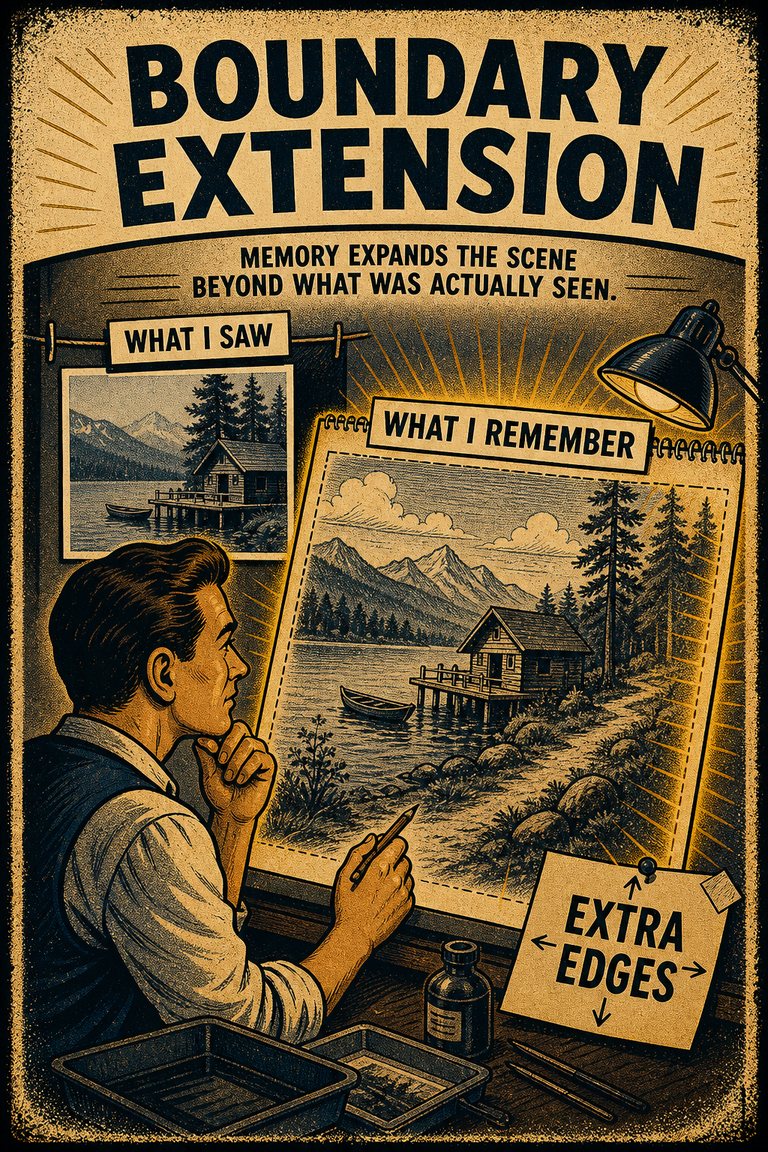
The tendency to remember a scene as having included more surrounding space than was actually shown.
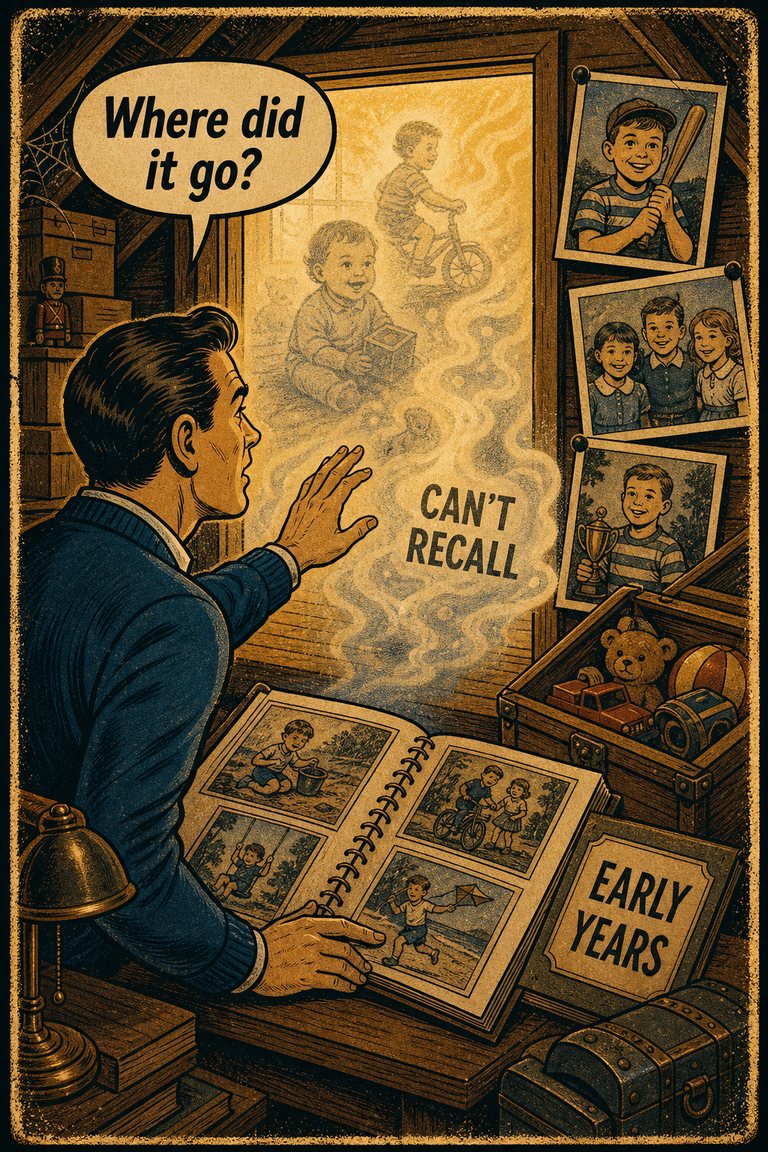
The retention of few memories from before the age of four.
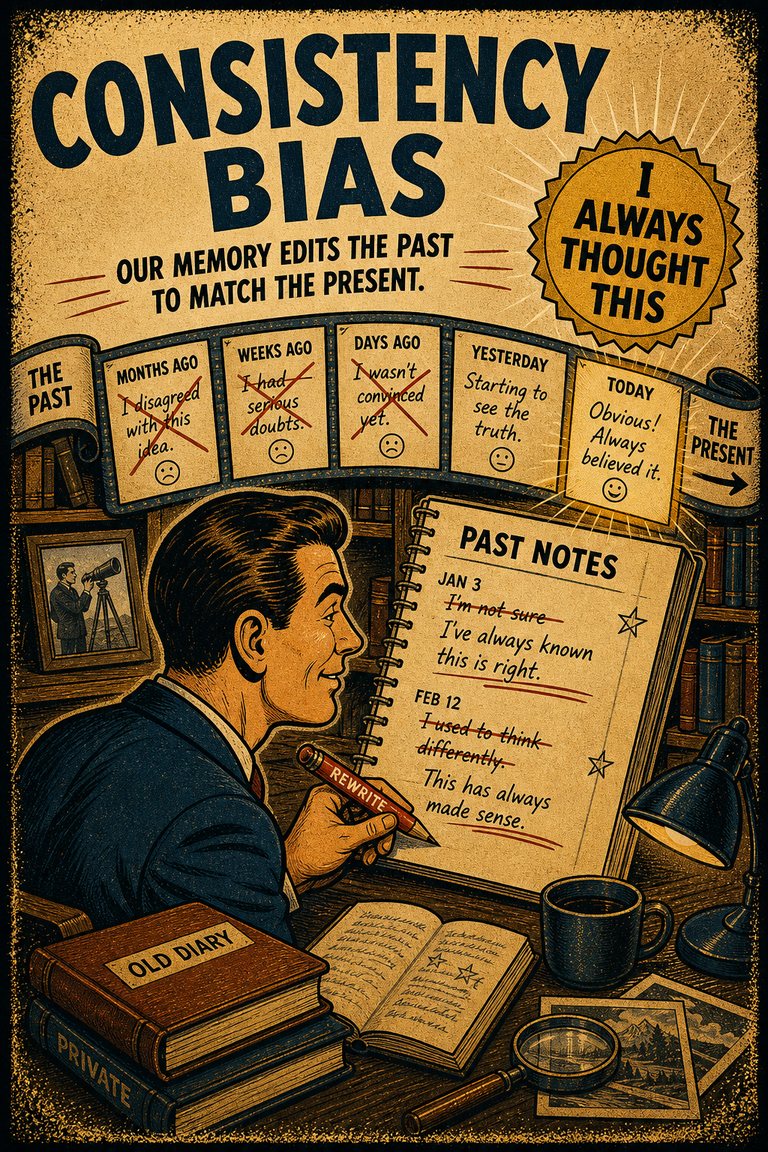
The tendency to remember past attitudes or behavior as more consistent with the present than they really were.
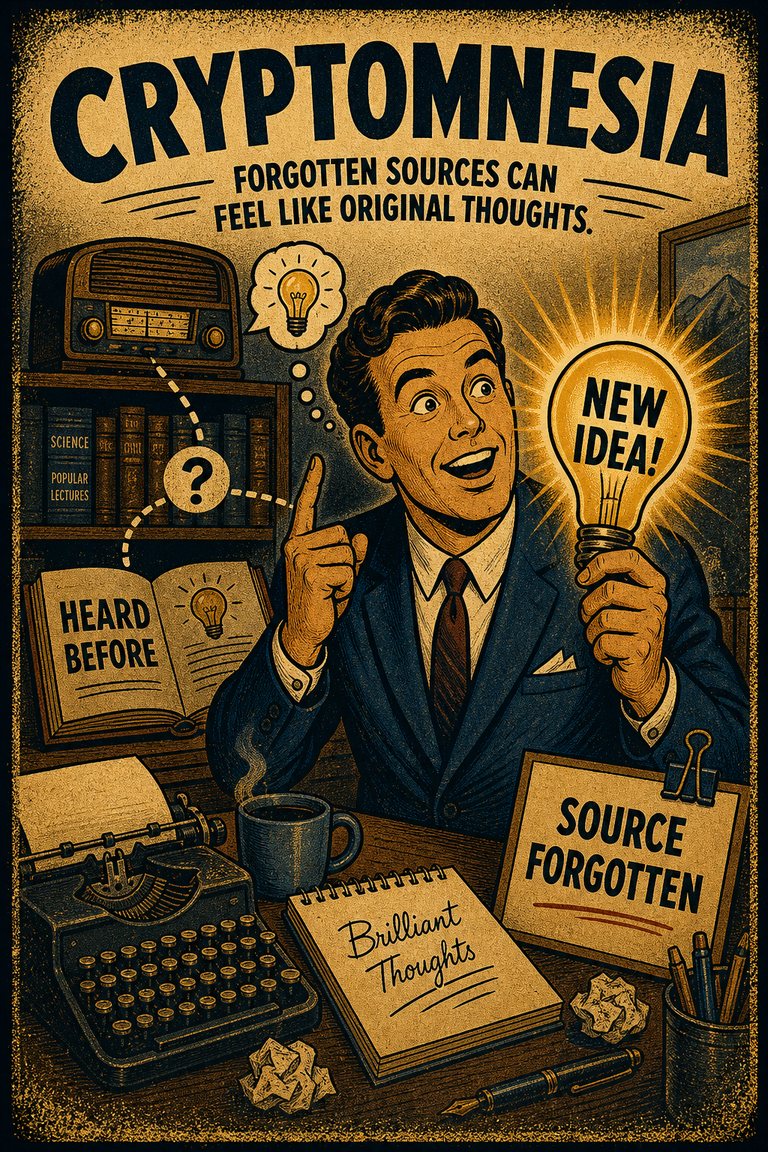
The tendency to mistake an old memory or borrowed idea for a new original thought.
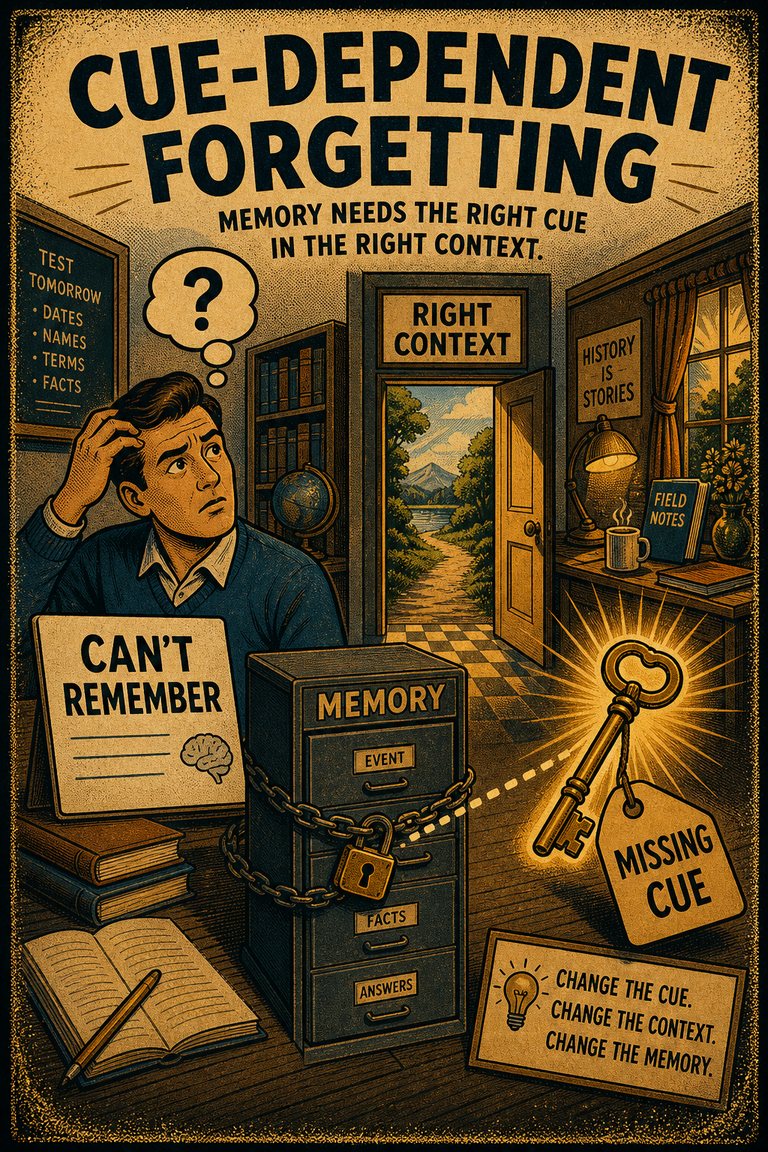
The tendency for recall to weaken when the original context or cues are missing.
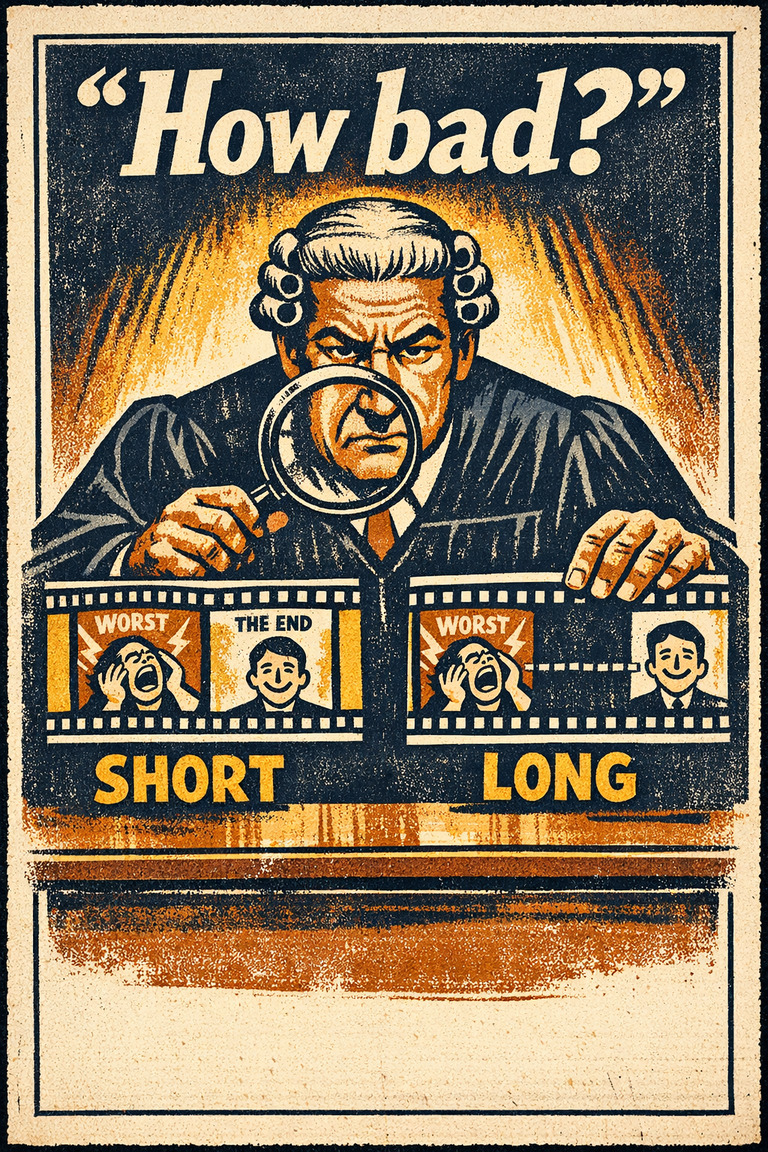
The neglect of the duration of an episode in determining its value.