Common in uncertainty
73
Strong where randomness, fear, or emotionally loaded material makes pattern hunger more active.
Rare
Frequent

Cognitive Biases
A practical cognitive-bias site with clear definitions, learning paths, assessments, self-audits, and debiasing tools.
Cognitive Bias
The tendency to perceive meaningful connections between unrelated things
What it distorts
Biases that bend explanations about why events happened and who or what caused them.
Typical trigger
Situations where causal attribution is already difficult and the outcome cue feels easier to trust than a fuller review.
First countermove
Start with the causal attribution question instead of the first intuitive answer, then check whether the outcome pattern is doing invisible work.
Best use
Quick reference
Am I detecting a real signal, or rescuing coincidence from meaninglessness because the pattern feels too evocative to leave alone?
In causal attribution problems, the result of an event bends how the process, evidence, memory, or explanation is interpreted afterward before a fuller check catches up.
These are classroom-facing editorial estimates for comparing how the bias behaves in use. They are teaching aids, not measured statistics.
Common in uncertainty
73
Strong where randomness, fear, or emotionally loaded material makes pattern hunger more active.
Easy to spot from outside
48
Outsiders often see the jump from coincidence to meaning earlier than insiders do.
Easy to innocently commit
88
A meaningful-seeming pattern often feels like insight rather than like interpretation.
Teaching difficulty
55
Best taught with noisy examples where the need for a discriminating test becomes visible.
This comparison makes the hidden pull easier to see before the technical label has to do all the work.
Biased move
This is like pinning strings between scattered pushpins until the corkboard starts to feel more like a plot than a pile of dots.
Clearer comparison
Some connections are real, but connection density is not evidence by itself. A meaningful pattern still needs an independent check that survives outside the board.
Do not use this label every time someone notices a pattern. Pattern detection is often exactly what intelligence is for. The issue is that weak coincidence is being promoted into significance before discriminating tests have been done.
Use this label when sparse correspondences, coincidences, or symbolic echoes start carrying more explanatory weight than the evidence can actually bear.
Use the quick check, caveat, and nearby confusions together. The fastest diagnosis is often the noisiest one.
Each example changes the surface context while keeping the same hidden distortion in place.
A person notices a few eerie coincidences around a decision and begins treating them as if they reveal the right path.
A team finds a thematic link among unrelated customer remarks and starts building a high-confidence causal narrative from the resemblance alone.
Observers connect unrelated events into a single hidden design because a pattern-rich story feels more explanatory than scattered contingency.
Loose coincidence starts to feel too connected to ignore, and the urge for meaning outruns the evidence for linkage.
Teaching note: Apophenia is one of the clearest entries for showing why pattern hunger can become an explanatory liability.
The strongest debiasing moves change the process, not just the label.
Write the connection you think you see, then write the missing mechanism that would need to be demonstrated.
Reward alternative explanations for coincidence before the room falls in love with the first meaningful pattern.
Separate exploratory pattern noticing from decision thresholds so suggestive links do not automatically become operating beliefs.
Practice And Repair
Apophenia is not just seeing a pattern. It is treating a pattern-feel as if it already came with evidential credentials.
Several details rhyme in a way that feels too pointed, too thematic, or too improbable to ignore.
The pattern begins to feel discovered rather than constructed, so skepticism starts looking unimaginative.
Weak connection gets upgraded into hidden design, causal structure, or intentional signaling before competing baselines are tested.
Ask what observation would still separate a real pattern from a vivid coincidence if the emotional charge were removed.
What independent test would tell me that this pattern is doing more than satisfying my need for coherence?
Spot It
Slow It
Reframe It
These are nearby labels that can share the same outer appearance while differing in what actually drives the distortion. Use the overlap, the distinction, and the diagnostic question together before settling the call.
Why it looks similar: Both make noisy data feel more structured than it really is.
Key distinction: Clustering illusion overreads a local run or pocket in the data. Apophenia is broader and can spin significance out of scattered correspondences that do not even need to form one tight cluster.
Ask: Am I overreading one local streak, or am I building a larger web of meaning out of scattered coincidences?
Why it looks similar: In both cases a few vivid examples become disproportionately influential.
Key distinction: Availability makes certain examples easier to retrieve. Apophenia goes further and treats the retrieved coincidences as evidence of hidden structure or design.
Ask: Would this still feel significant if the examples stayed vivid but lost their aura of meaningful linkage?
Why compare it: Continued influence keeps an old explanation alive after correction; apophenia can generate the explanation from the felt pattern in the first place.
Why it looks similar: Both can end with a person confidently seeing support everywhere they look.
Key distinction: Confirmation bias selectively protects or gathers evidence for a view already on the table. Apophenia is often what supplies the tantalizing pattern candidate in the first place.
Ask: Am I mainly defending an existing pattern, or am I first inventing the pattern from loose correspondences?
These are useful when the label seems roughly right but the process change still feels underspecified.
What actually links these things besides my strong impression that they belong together?
Could the pattern feel meaningful without being evidentially strong?
What mechanism would have to be shown before this moved from suggestive to persuasive?
These sourced cases include a few closely related examples where that helps make the same pressure visible in practice.
Conspiracy-board style pattern hunting
Apophenia is often illustrated through situations where unrelated signals, names, dates, or events are woven into a hidden-order story that feels too meaningful to dismiss as coincidence.
Why it fits: The persuasive force comes from the pattern-feel itself long before the links have survived independent testing.
Overview case
Ambiguous peer behavior read as hostile intent
Dodge's work on children's social cognition showed how ambiguous provocations can be interpreted as hostile, especially among aggressive children.
Why it fits: Uncertain behavior gets filled in with threat before the evidence can support that conclusion.
Related through: Hostile attribution bias
Child Development · 1980
These linked tools turn the page into practice instead of leaving it at the level of definition.
2 related paths place this bias beside the distortions it most often travels with in practice.
Direct path
Use this path when you suspect that the apparent evidential picture is itself distorted.
Direct path
Misinformation, Memory, And Crowds
Use this path when a claim is gaining traction partly because it is circulating well rather than because it has been carefully verified.
These audits combine direct and nearby checks so you can test the label itself and the broader judgment pattern around it.
Direct audit
Is this memorable because it is representative, or because it is dramatic and easy to circulate?
Nearby audit
Before You Read Hostility Into It
What else could explain this besides threat, contempt, or bad faith?
This bias is not yet the named center of its own kit, but it already appears in nearby workshop material that teaches the same pressure in context.
Same workshop family · Public claims and repetition
A 45-minute lesson for separating vivid stories, repeated claims, and missing denominators before a news item becomes belief.
Nearby workshop
Relationship Conflict Attribution Reset
A reflective kit for slowing motive-reading, character verdicts, and self-protective memory during conflict.
There is no dedicated scenario for this bias yet, but these nearby cases test the same kind of pressure and repair move.
Same scenario family · Public claims and repetition
Learning only from the winners on stage
A founder draws strategic lessons from ten celebrated startup stories without asking how many similar startups followed the same playbook and disappeared before anyone invited the…
Same scenario family · Public claims and repetition
Research with a favorite answer
A manager asks for evidence about remote work, opens five articles supporting the policy she already prefers, and stops there because the picture now feels clear enough.
These neighbors were selected from shared categories, shared patterns, and explicit editorial links where available.
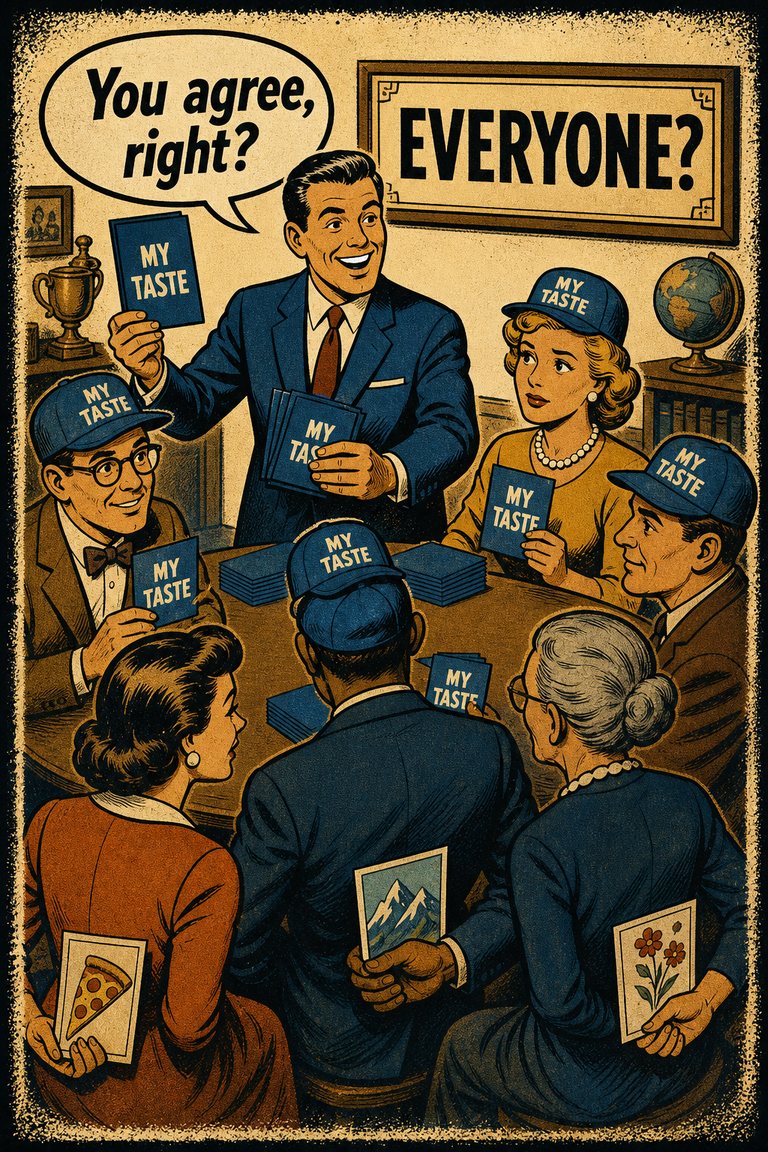
The tendency to assume other people are more similar to oneself than they really are.
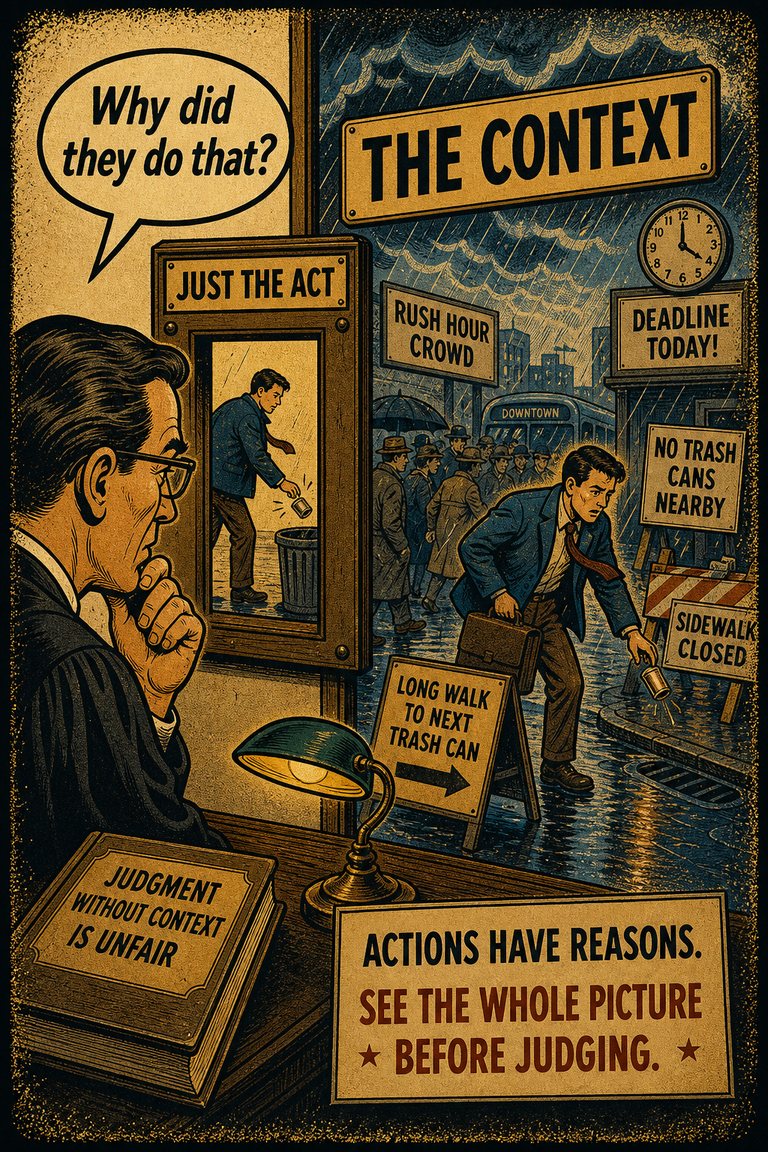
The tendency to neglect the human context of technological challenges.
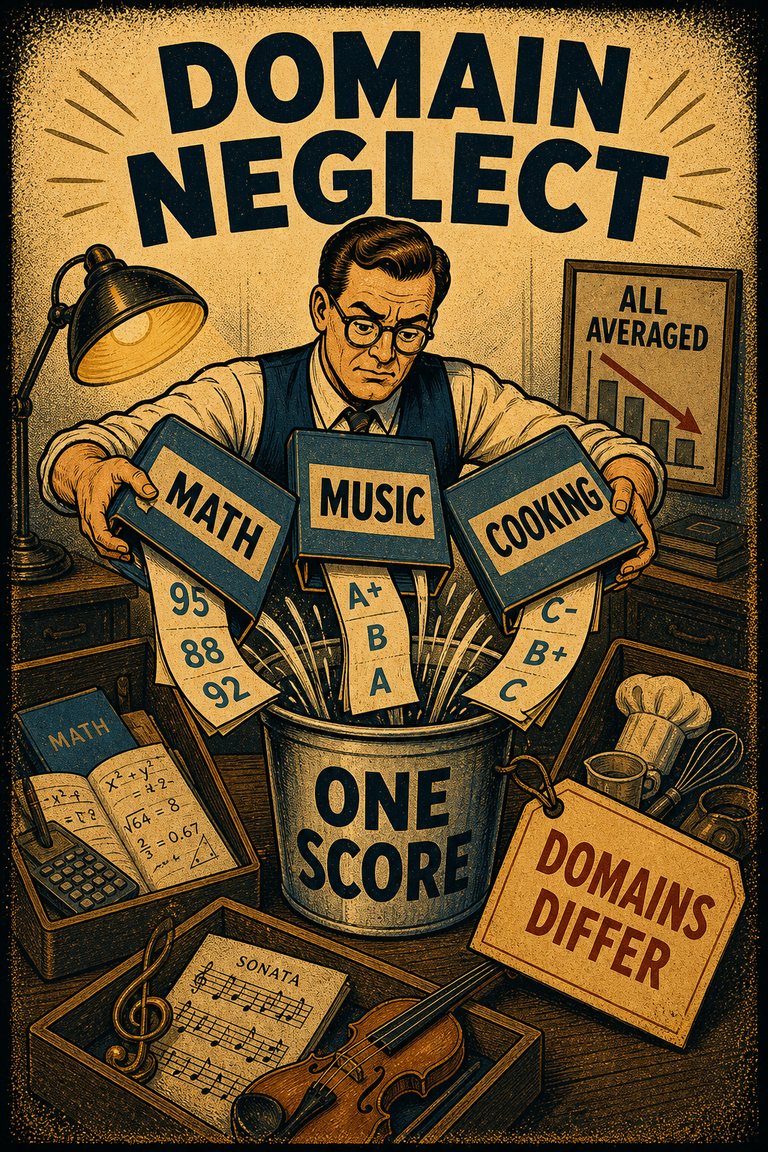
The tendency to ignore relevant domain knowledge when reasoning across unfamiliar fields.
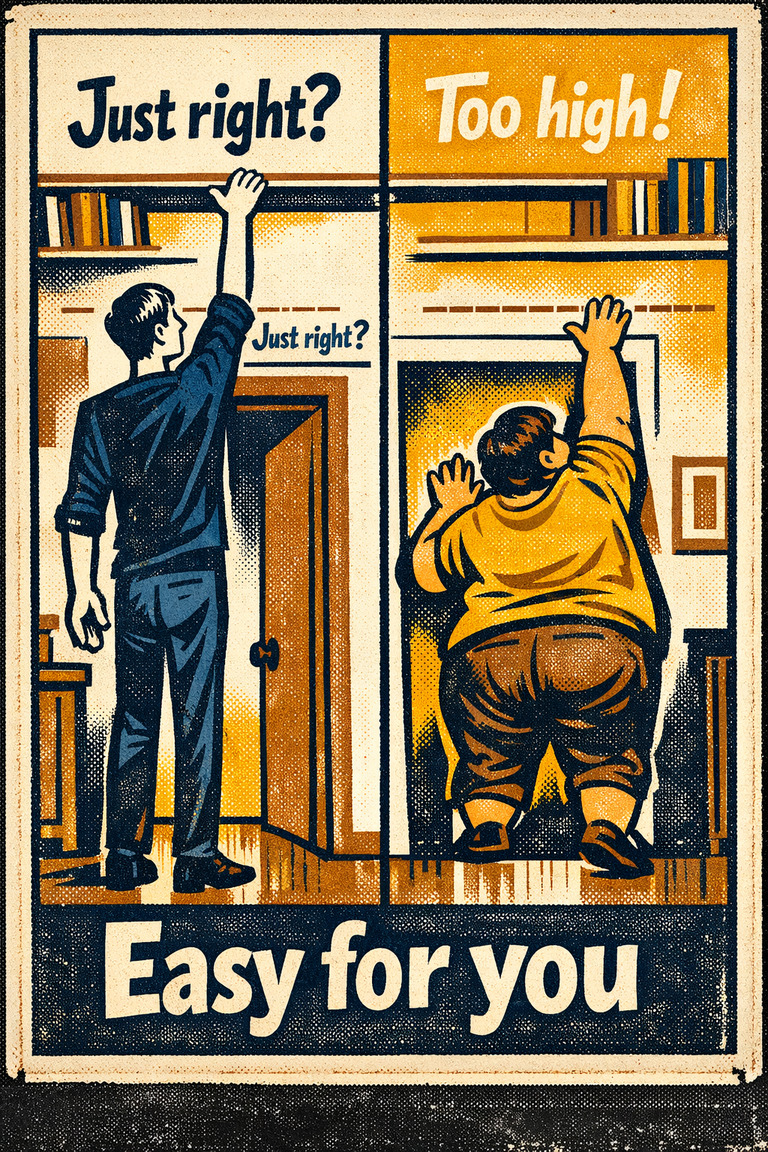
Biases in attribution of meaning and perceived properties to objects or events based on the physical capacities and properties of the body, such as sex and temperament.
In human–robot interaction, the tendency of people to make systematic errors when interacting with a robot.
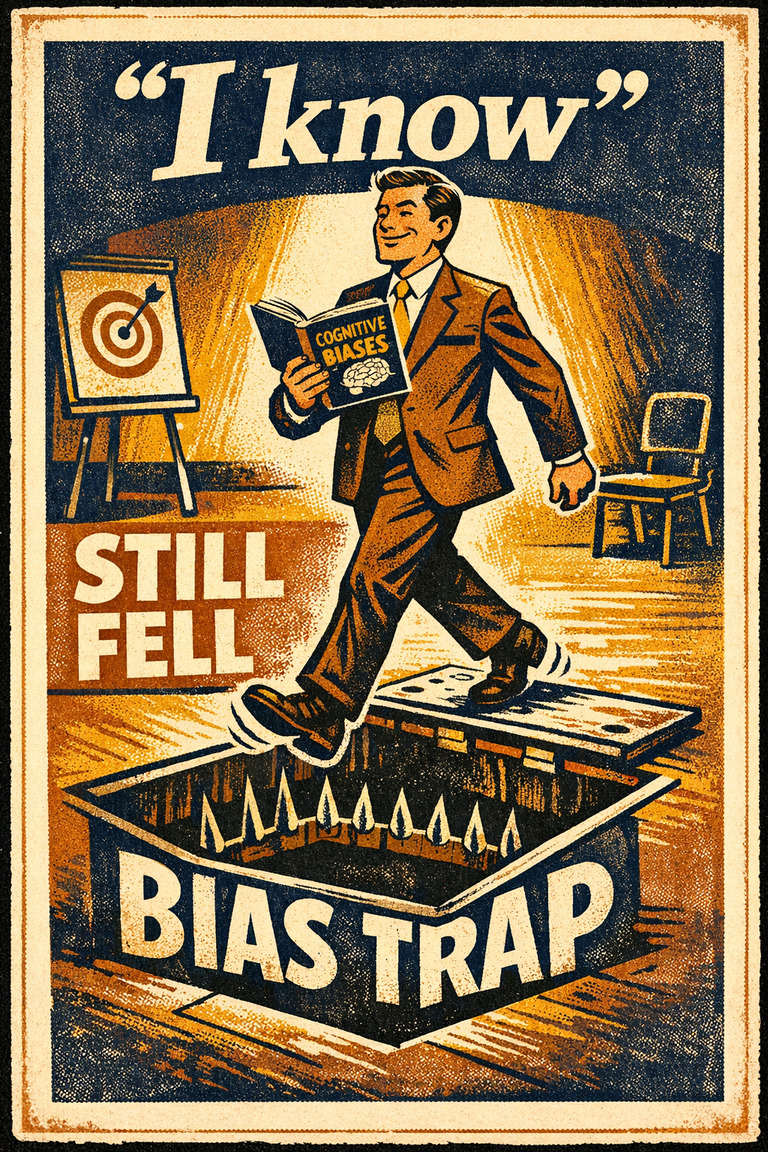
The tendency to think that knowing about cognitive bias is enough to overcome it.