Common in people judgment
90
One of the central distortions in hiring, conflict, and moral interpretation.
Rare
Frequent

Cognitive Biases
A practical cognitive-bias site with clear definitions, learning paths, assessments, self-audits, and debiasing tools.
Cognitive Bias
The tendency to explain other people's behavior too quickly in terms of character while underweighting situational pressures and constraints.
What it distorts
It turns local behavior into overly global character judgments.
Typical trigger
Conflict, disappointment, public mistakes, and thin background knowledge.
First countermove
List three situational explanations before settling on a trait explanation.
Best use
Quick reset
What situational pressure could explain this before I turn it into a character verdict?
Behavior is vivid; context is often hidden. The mind reaches for trait stories because they feel coherent and socially portable.
These are classroom-facing editorial estimates for comparing how the bias behaves in use. They are teaching aids, not measured statistics.
Common in people judgment
90
One of the central distortions in hiring, conflict, and moral interpretation.
Easy to spot from outside
43
The situational blind spot often disappears only after alternatives are forced onto the page.
Easy to innocently commit
87
Behavior is right there in front of you, while pressures and incentives are often not.
Teaching difficulty
43
Easy to define, but applying it fairly requires disciplined situational imagination.
This comparison makes the hidden pull easier to see before the technical label has to do all the work.
Biased move
This is like judging the driver entirely by the car's swerve without looking at the road surface.
Clearer comparison
Sometimes the driver really is the problem. But unless the road conditions get inspected too, trait judgment arrives too cheaply.
Do not use this label whenever traits are mentioned. People do have traits. The error is overweighting traits while underweighting the situational pressures that also shaped the behavior.
Use this label when a person's action is explained too heavily by stable character or disposition without a fair inspection of context, constraint, or incentive.
Use the quick check, caveat, and nearby confusions together. The fastest diagnosis is often the noisiest one.
Each example changes the surface context while keeping the same hidden distortion in place.
A driver gets cut off and instantly concludes the other driver is selfish or reckless without considering confusion, urgency, or poor signage.
A manager sees a missed deadline as proof of laziness before checking workload bottlenecks, conflicting priorities, or missing information.
Commentary about poverty, crime, or protest frames the behavior as character revelation while downplaying incentives, history, and constraint.
The behavior looks so personal and vivid that the unseen situational pressures almost disappear.
Teaching note: This page is especially important because it connects cognitive bias to moral and political judgment without turning every bias discussion into ideology.
The strongest debiasing moves change the process, not just the label.
List three situational explanations before settling on one trait-based story.
Separate description of the behavior from explanation of the cause during reviews.
Build incident templates that require context, incentive, and constraint fields.
Practice And Repair
The error begins the moment behavior is treated as if it already came with its explanation attached. That is where the person's character starts swallowing the scene.
A visible action or tone invites immediate interpretation before the relevant incentives, constraints, or pressures are explored.
The behavior seems to reveal who the person is, so situational inquiry starts to feel like excuse-making.
Trait and motive judgments outrun the evidence while context remains underdescribed.
Describe the behavior first, then list serious situational alternatives before allowing a character-level conclusion.
If I were determined to explain this without using character first, what situational pressures would I have to consider?
Spot It
Slow It
Reframe It
These distinction guides slow down the most common nearby-label confusions before the diagnosis hardens.
The halo effect lets one positive impression spill into unrelated judgments; fundamental attribution error overreads behavior as character while underreading situation.
Quick rule: Ask whether one admired trait is spilling outward, or whether a behavior is being turned into a trait explanation too quickly.
These are nearby labels that can share the same outer appearance while differing in what actually drives the distortion. Use the overlap, the distinction, and the diagnostic question together before settling the call.
Why compare it: Halo effect spreads one impression across many judgments; fundamental attribution error converts specific behavior into global trait explanation.
Why compare it: Implicit bias can influence which trait attributions come fastest; fundamental attribution error is the general overuse of trait explanation itself.
Why compare it: Negativity bias makes bad acts especially weighty; fundamental attribution error turns those acts into stable character verdicts.
These are useful when the label seems roughly right but the process change still feels underspecified.
What situational pressures could produce this same behavior?
Would I tell the same story if the actor were me or my ally?
How much of the surrounding context is currently invisible to me?
These sourced cases do not prove what was in someone's head with perfect certainty. They are teaching cases for showing where the bias pressure becomes visible in practice.
The Jones-Harris Castro essay experiment
Participants often inferred sincere beliefs from pro- or anti-Castro essays even when they knew the writers had been assigned their positions.
Why it fits: The visible statement outweighed the situational fact that the speaker's role had constrained the content.
1967
Everyday workplace trait inflation
Ordinary judgments about lateness, bluntness, or hesitation often drift from local pressures into character verdicts very quickly.
Why it fits: The person gets treated as the whole explanation before the setting gets its share.
Overview source
Harsh criticism explained as internal weakness
In a discussion of harsh atheist criticism, strong tone is interpreted as possible compensation for weak logic, insecurity, or resistance.
Why it fits: This is a candidate fundamental-attribution-error example because behavior is explained by character, emotion, or motive while situational factors and substantive reasons may be underweighted. Tone analysis is more defensible when kept separate from argument quality.
Frank Turek, I Don't Have Enough FAITH to Be an ATHEIST · 2024-08-20
These linked tools turn the page into practice instead of leaving it at the level of definition.
2 related paths place this bias beside the distortions it most often travels with in practice.
Direct path
Use this path when you want the minimum set of pages that gives the rest of the site immediate traction.
Direct path
Use this path when a discussion is drifting from behavior into identity, motive, or character verdict.
These short audits help catch this bias before it hardens into a verdict, forecast, or decision.
Direct audit
Am I reacting to the person, to the situation, or to my own first-pass impression of the person?
Direct audit
Before You Explain What Happened
What part of this explanation is genuinely shown, and what part merely feels satisfying now that the ending is known?
This bias is featured in a printable lesson or workshop packet.
Direct workshop
Relationship Conflict Attribution Reset
A reflective kit for slowing motive-reading, character verdicts, and self-protective memory during conflict.
2 mixed scenarios let you diagnose this bias from the case rather than the heading.
Direct scenario
He is just that kind of person
A manager sees a normally reliable employee snap in a meeting and immediately starts describing the person as unstable and disrespectful without asking what pressures or constrain…
Direct scenario
The late text became a character verdict
A friend replies a day late, and the first interpretation is that she is careless and self-centered. No one has asked whether travel, work, illness, or a missed notification was i…
These links widen the frame around the bias without interrupting the core lesson on this page.
An article on why halo effect, attribution errors, implicit bias, and related distortions tend to compound rather than appear in isolation.
CogBias theory
These neighbors were selected from shared categories, shared patterns, and explicit editorial links where available.
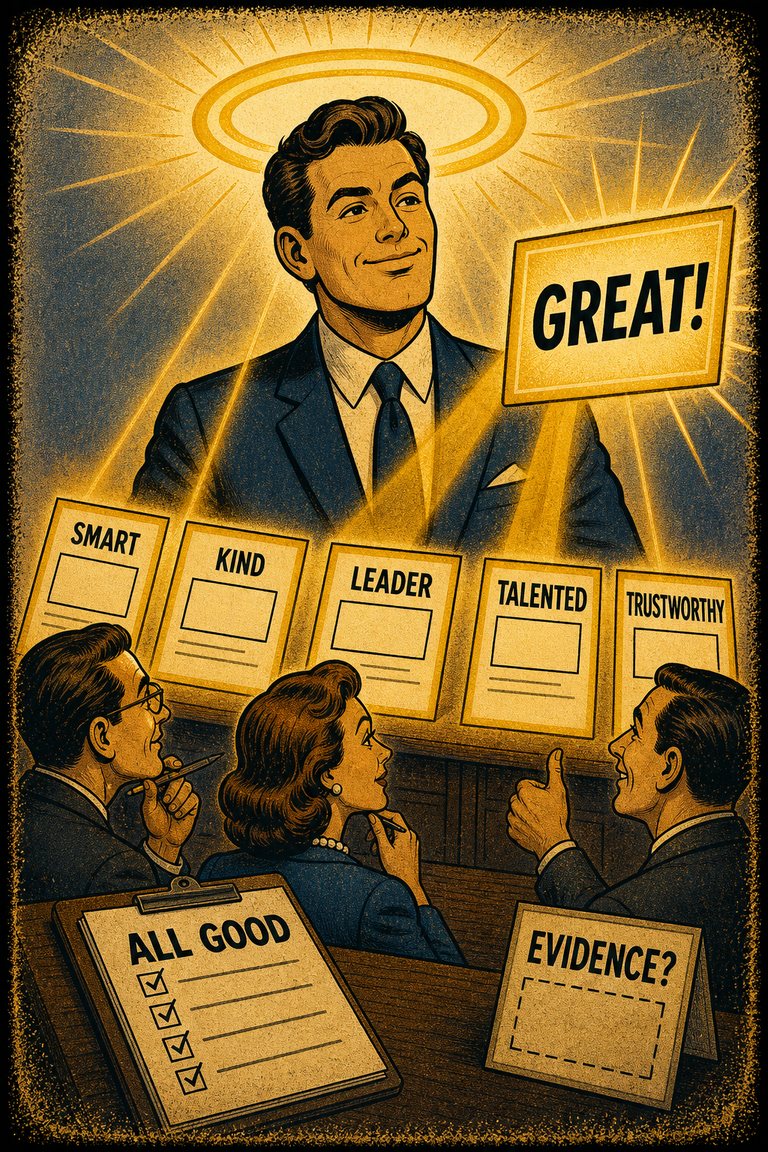
The tendency for one salient positive or negative impression to spill over into unrelated judgments about a person, product, or institution.
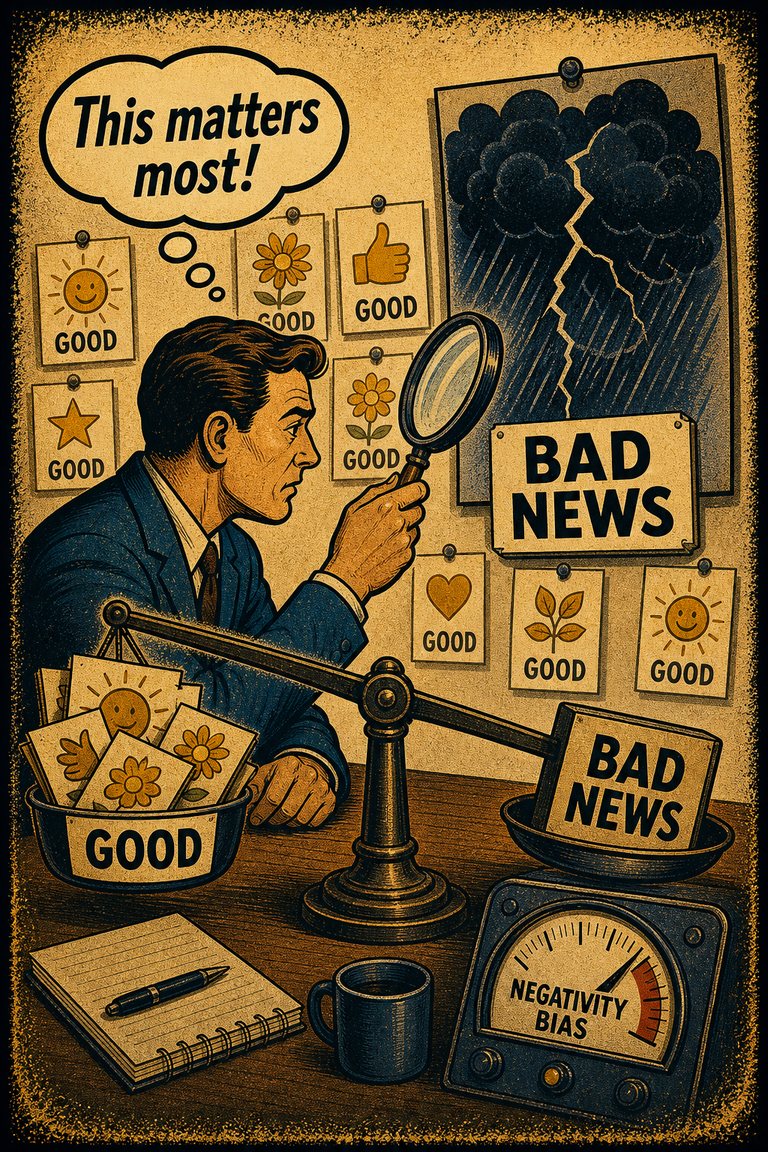
The tendency to give bad news, threats, criticism, and losses more psychological weight than equally sized positives.
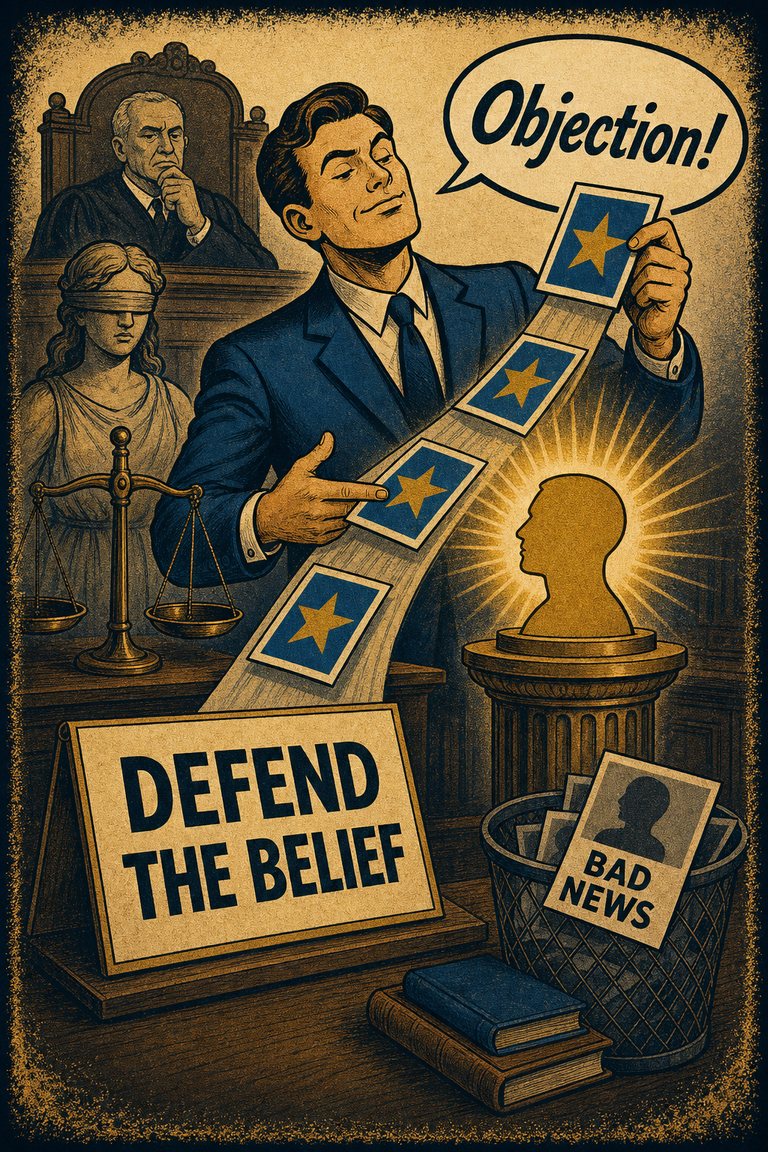
The tendency to use reasoning as a defense lawyer for desired conclusions rather than as an impartial search for what is most likely true.
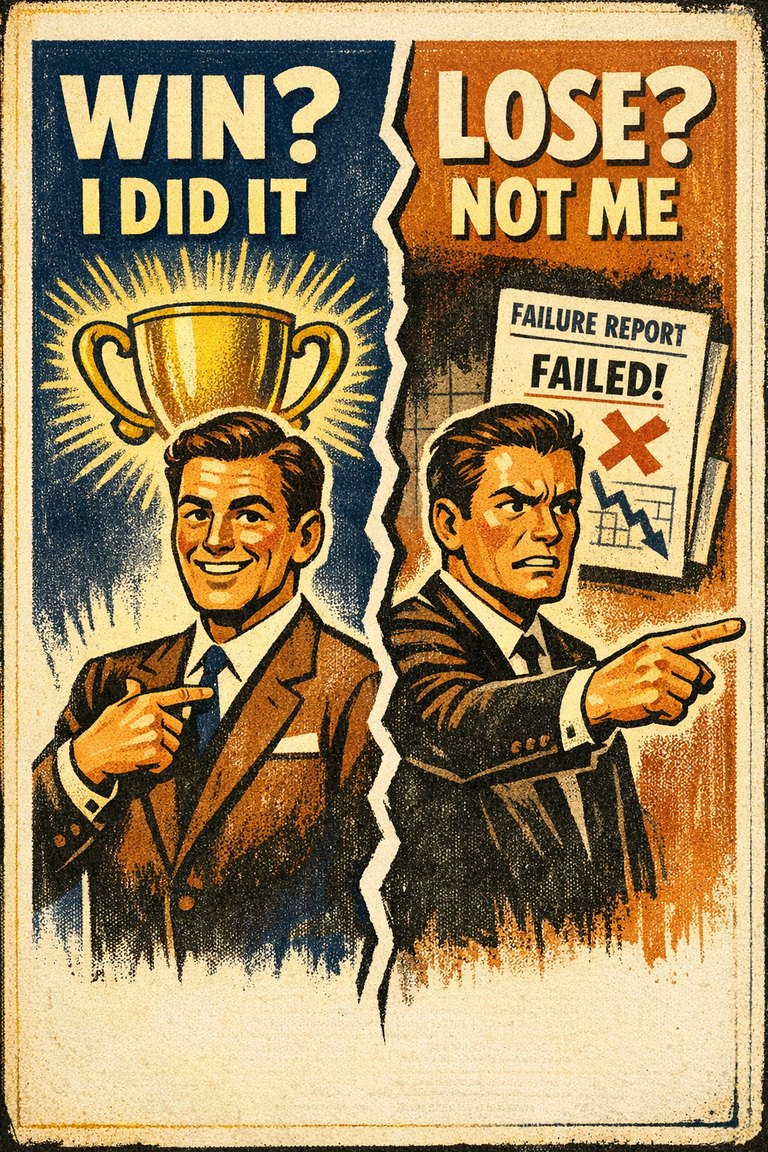
The tendency to take disproportionate credit for successes while locating failures in bad luck, unfair circumstances, or other people.
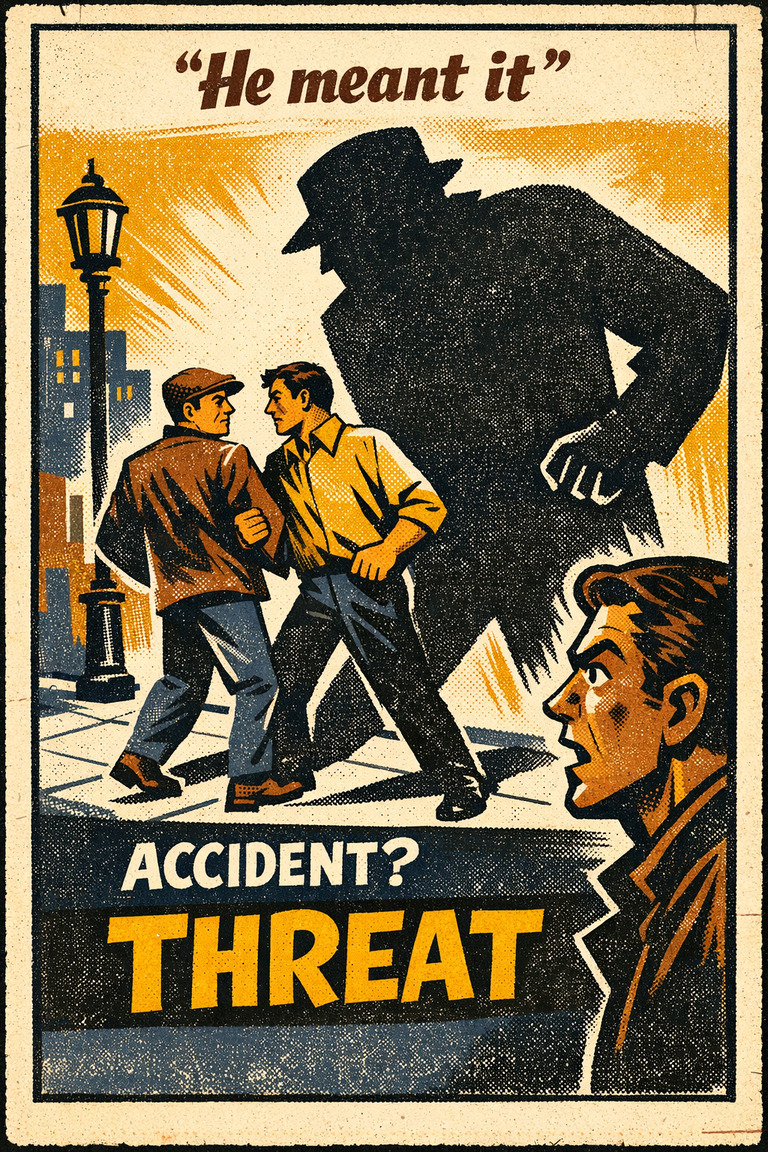
The tendency to read ambiguous behavior as hostile, threatening, or intentionally disrespectful even when the evidence is underdetermined.
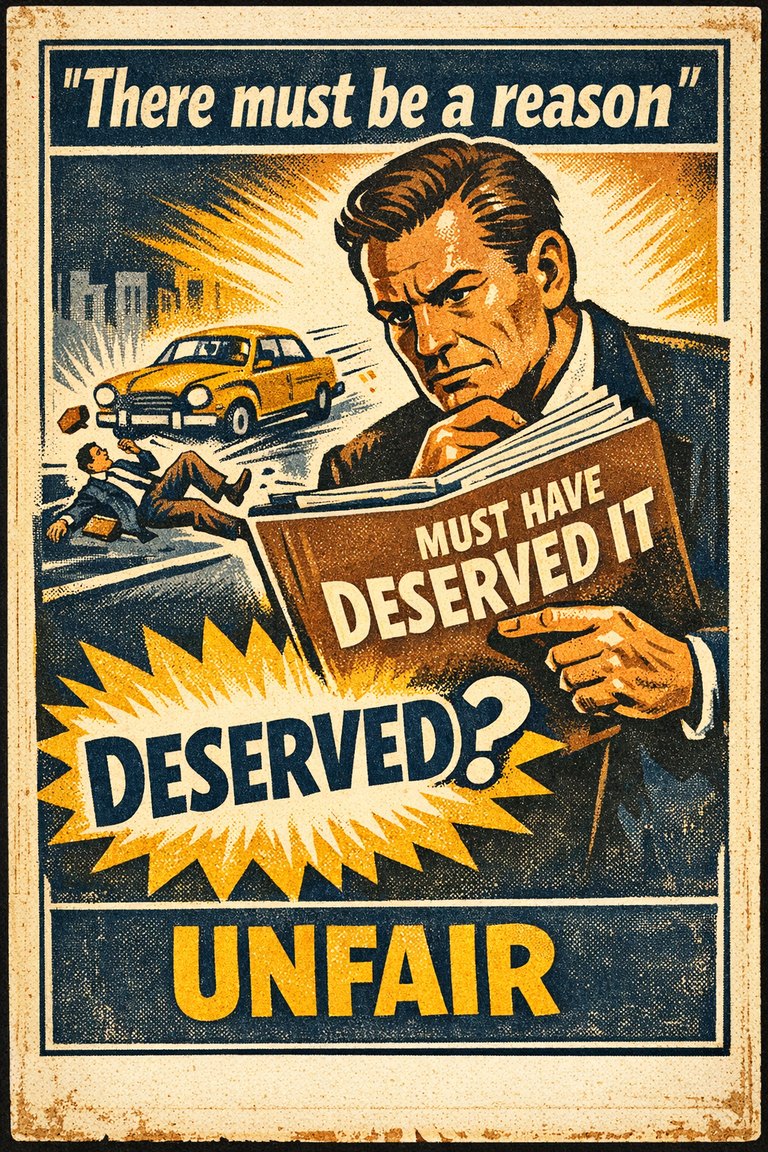
The tendency to assume that people usually get what they deserve, which encourages reinterpretation of suffering, injustice, or bad luck as somehow earned.