Common in media ecosystems
82
Especially common when speed and virality outrun verification.
Rare
Frequent

Cognitive Biases
A practical cognitive-bias site with clear definitions, learning paths, assessments, self-audits, and debiasing tools.
Cognitive Bias
A self-reinforcing process in which a collective belief gains more and more plausibility through its increasing repetition in public discourse (or "repeat something long enough and it will become true"). See also availability heuristic
What it distorts
Biases that skew how people interpret evidence, test explanations, and evaluate claims.
Typical trigger
Situations where hypothesis assessment is already difficult and the association cue feels easier to trust than a fuller review.
First countermove
Start with the hypothesis assessment question instead of the first intuitive answer, then check whether the association pattern is doing invisible work.
Best use
Quick reference
Would this still seem this plausible if it had not been repeated so much in public?
In hypothesis assessment problems, the mind overweights resemblance, vividness, proximity, or intuitive linkage before a fuller check catches up.
These are classroom-facing editorial estimates for comparing how the bias behaves in use. They are teaching aids, not measured statistics.
Common in media ecosystems
82
Especially common when speed and virality outrun verification.
Easy to spot from outside
41
Usually easier to detect after the source chain is reconstructed.
Easy to innocently commit
88
Public repetition naturally feels like social confirmation.
Teaching difficulty
46
A good entry point for misinformation literacy.
This comparison makes the hidden pull easier to see before the technical label has to do all the work.
Biased move
This is like mistaking the echo in a canyon for evidence that more people have joined the conversation.
Clearer comparison
Louder circulation can create the feel of corroboration even when the same weak claim is only bouncing around the same surface.
Do not use this label for every popular claim. Sometimes repetition follows strong evidence. The issue is that repetition itself is providing the credibility lift.
Use this label when public circulation and social uptake are amplifying plausibility faster than direct evidence is.
Use the quick check, caveat, and nearby confusions together. The fastest diagnosis is often the noisiest one.
Each example changes the surface context while keeping the same hidden distortion in place.
A rumor about a school policy keeps circulating until parents begin treating it as basically confirmed because everyone has heard it so often.
A repeated story about why a project failed becomes the accepted account even though the original evidence base was shallow and secondhand.
A public claim becomes harder to question the more often it is repeated across news, commentary, and conversation.
Once enough people keep saying the same thing, the belief starts feeling socially and cognitively settled before the evidence actually catches up.
Teaching note: This is one of the best pages for showing how individual salience and social amplification can work together.
The strongest debiasing moves change the process, not just the label.
Trace the claim back to its earliest evidential anchor instead of judging it by current circulation volume.
Separate 'widely repeated' from 'well supported' explicitly in discussion notes.
Require source chains and evidential summaries for fast-moving public claims before operational decisions are made.
Practice And Repair
Availability cascade is a social plausibility machine. Repetition and circulation create the impression that many minds and many facts have separately endorsed the same claim.
A claim is vivid enough to circulate and simple enough to repeat.
The growing familiarity of the claim starts feeling like growing evidence for the claim.
Public visibility and evidential support become harder to distinguish.
Separate source count, repetition count, and actual evidential count before deciding how much weight the claim deserves.
How many genuinely independent sources support this apart from social repetition?
Spot It
Slow It
Reframe It
These are nearby labels that can share the same outer appearance while differing in what actually drives the distortion. Use the overlap, the distinction, and the diagnostic question together before settling the call.
Why compare it: Availability heuristic concerns easy recall in an individual mind; availability cascade describes a social repetition loop that amplifies that effect collectively.
Why compare it: Bandwagon effect follows what others believe; availability cascade explains how the belief gets socially inflated into seeming more credible in the first place.
Why compare it: Continued influence effect keeps corrected misinformation alive; availability cascade helps that misinformation spread and harden before the correction lands.
These are useful when the label seems roughly right but the process change still feels underspecified.
What was the original evidence before the repetition loop began?
How much of this belief is being carried by social circulation rather than direct support?
If the same claim had stayed quiet, would it still look this plausible?
These sourced cases do not prove what was in someone's head with perfect certainty. They are teaching cases for showing where the bias pressure becomes visible in practice.
Public-risk scares amplified by repetition
Availability cascades describe how repeated public claims can gain plausibility and policy traction mainly through visibility and reinforcement.
Why it fits: The claim's social uptake becomes part of why it feels increasingly true.
Modern public discourse
Satanic-panic rumor amplification
The satanic-panic episode is a classic example of repeated, mutually reinforcing claims gaining social force through media attention, retelling, and institutional uptake faster than reliable evidence supported them.
Why it fits: Repetition and circulation made the narrative feel increasingly self-validating.
1980s and 1990s
These linked tools turn the page into practice instead of leaving it at the level of definition.
This bias appears directly in one guided sequence and also in nearby paths that frame the same judgment problem from a slightly wider angle.
Direct path
Misinformation, Memory, And Crowds
Use this path when a claim is gaining traction partly because it is circulating well rather than because it has been carefully verified.
Nearby path
Self-Justification And Meta-Bias
Use this path when the real work is not spotting another person's bias, but seeing how your own story is defending itself.
These audits combine direct and nearby checks so you can test the label itself and the broader judgment pattern around it.
Direct audit
What part of this claim's plausibility is coming from repetition, correction failure, or visible uptake rather than from direct support?
Nearby audit
Do I really understand this, or has fluency outrun competence?
2 mixed scenarios let you diagnose this bias from the case rather than the heading.
Direct scenario
The pile-on that looked like proof
A claim about a school policy spreads quickly because thousands of people are reacting to one viral thread. Commenters start saying the volume of outrage proves the underlying cla…
Direct scenario
Everyone has heard it by now
A weak public claim is treated as basically established because it has been repeated across several conversations and feeds for weeks, even though most mentions trace back to the…
These links widen the frame around the bias without interrupting the core lesson on this page.
A theory article on how repetition, uptake, and residue can make weak claims feel progressively more settled without substantially improving the evidence underneath them.
CogBias theory
These neighbors were selected from shared categories, shared patterns, and explicit editorial links where available.
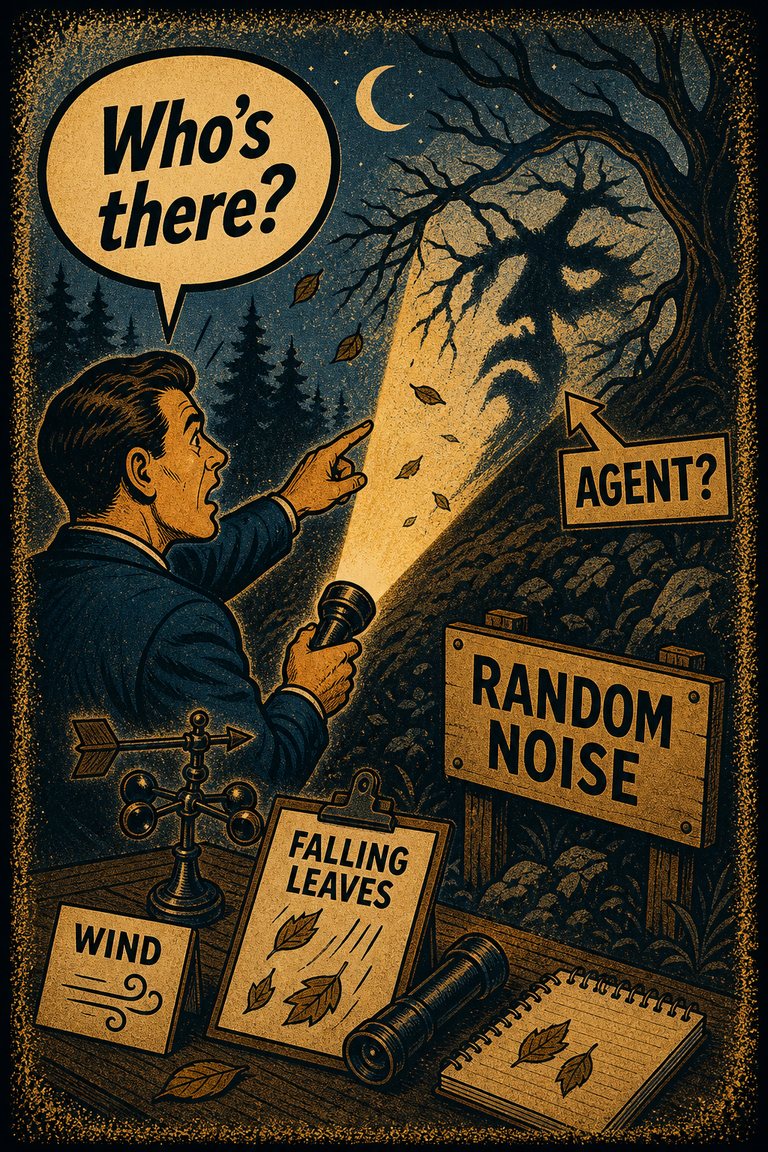
The inclination to presume the purposeful intervention of a sentient or intelligent agent.
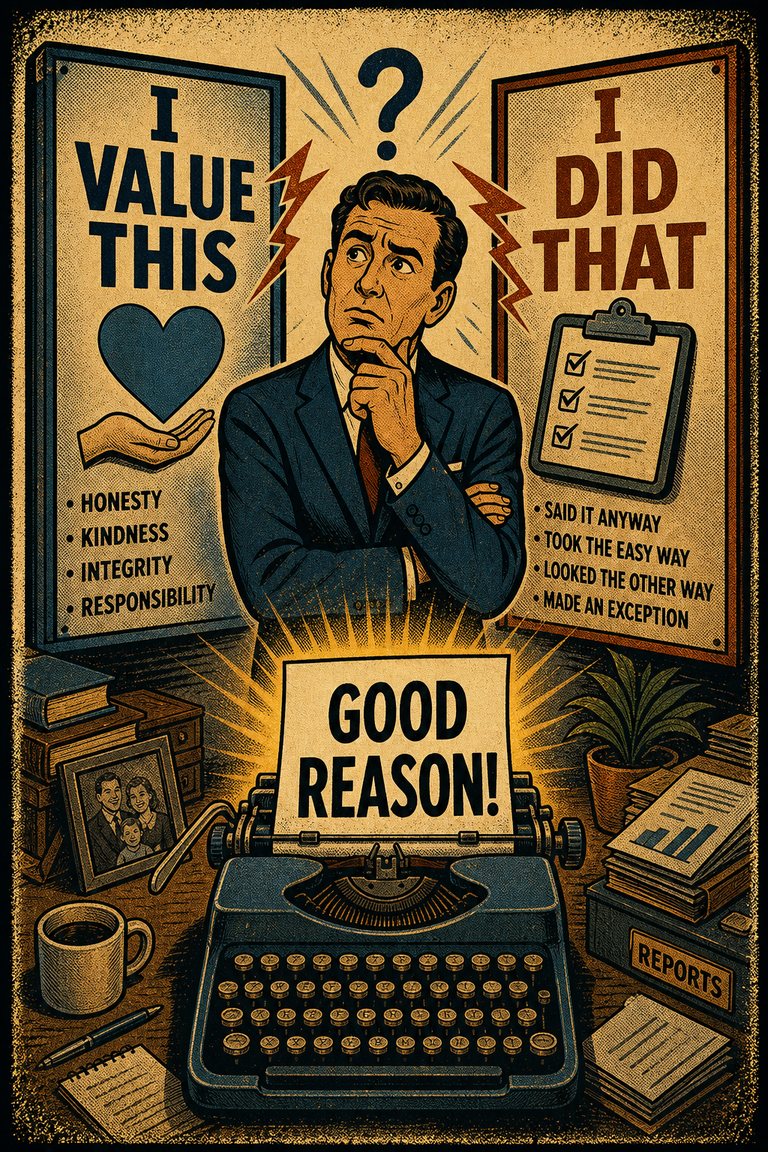
The perception of contradictory information and the mental toll of it.
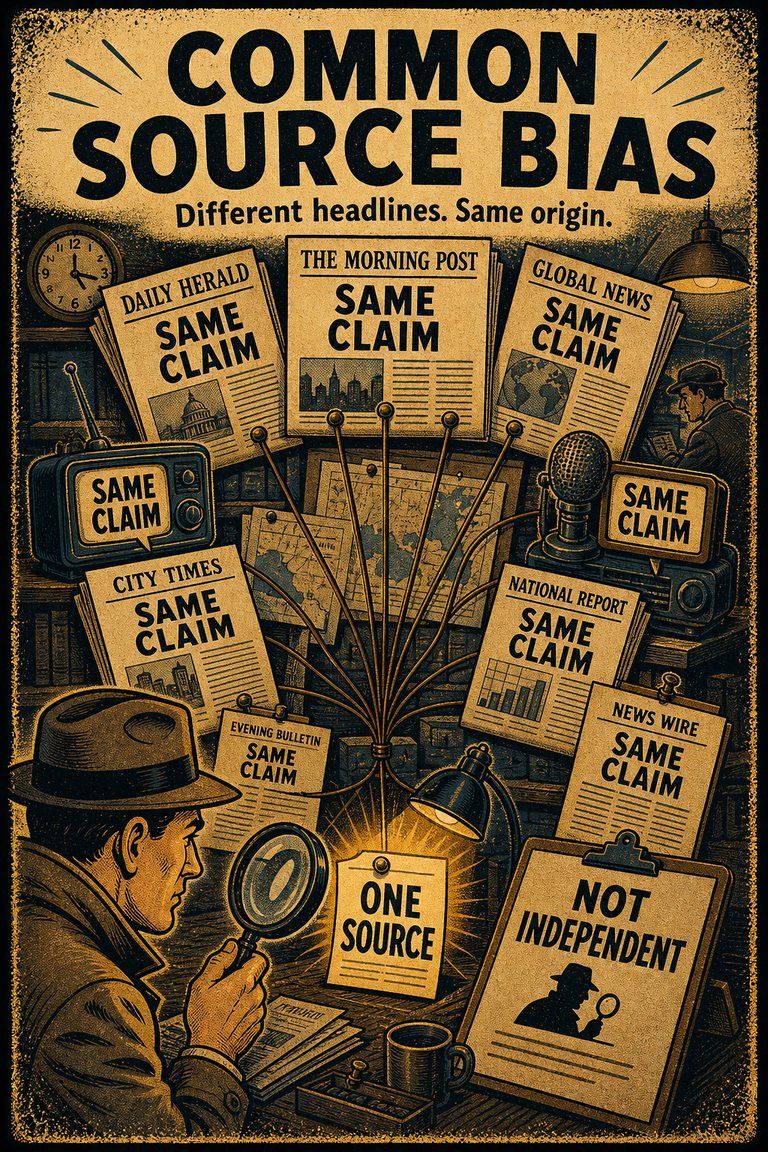
The tendency to combine or compare research studies from the same source, or from sources that use the same methodologies or data.
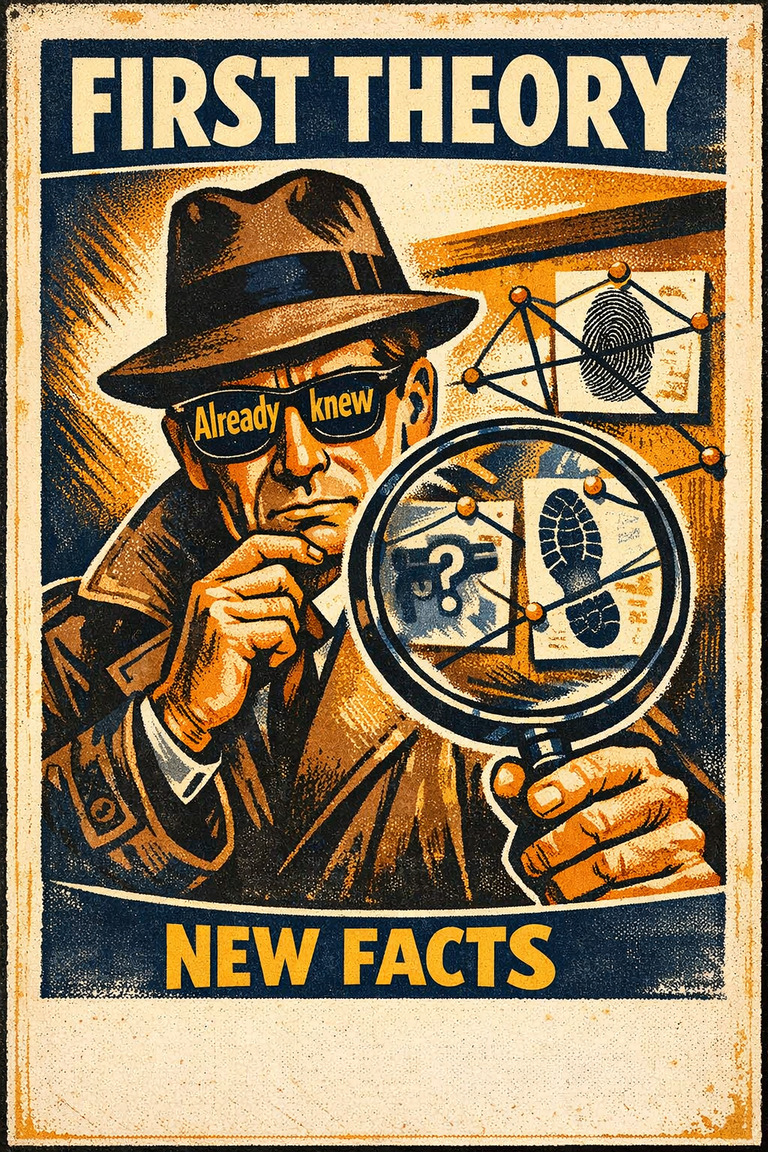
Initial beliefs and knowledge which interfere with the unbiased evaluation of factual evidence and lead to incorrect conclusions.
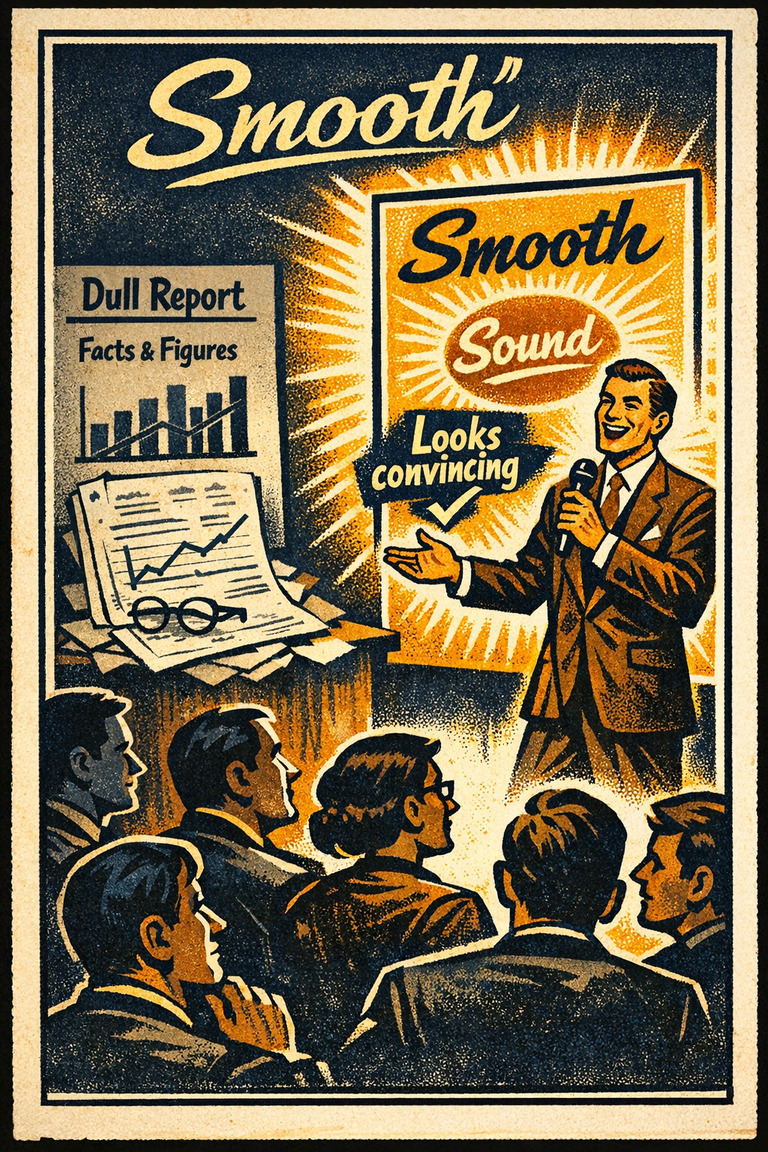
The tendency to treat ideas or options that feel easier to process as better or truer.
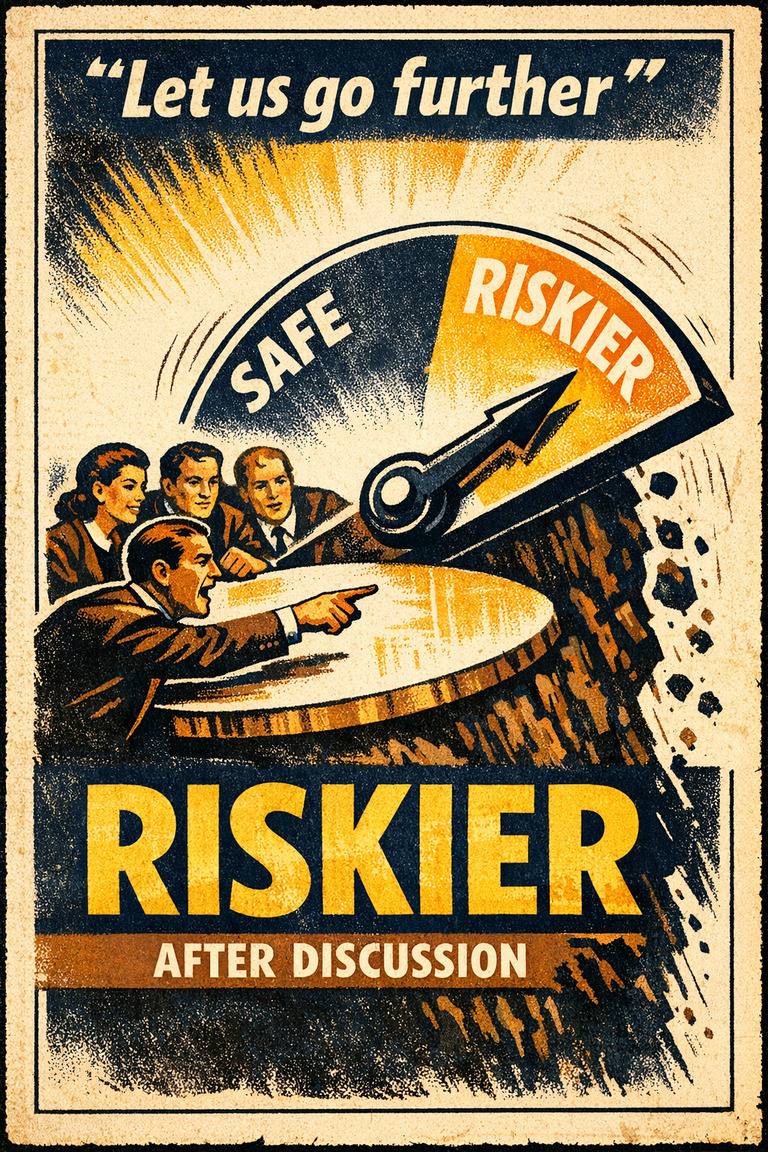
The tendency for decisions to be more risk-seeking or risk-averse than the group as a whole, if the group is already biased in that direction.