Common in long projects
83
The bias gets stronger as pride, visibility, and elapsed effort accumulate.
Rare
Frequent

Cognitive Biases
A practical cognitive-bias site with clear definitions, learning paths, assessments, self-audits, and debiasing tools.
Cognitive Bias
The tendency to keep investing in a losing path because of what has already been spent, even when the forward-looking case has weakened.
What it distorts
It keeps projects, habits, and strategies alive for backward-looking reasons rather than forward-looking ones.
Typical trigger
Public commitments, long-running projects, and high personal ownership.
First countermove
Ask what you would do if the past investment had been made by someone else and could not be recovered.
Best use
Team protocol
If someone else had already spent this time or money, would I still recommend continuing from here?
People hate waste, identity loss, and public admission of error. Past investment becomes psychologically fused with current justification.
These are classroom-facing editorial estimates for comparing how the bias behaves in use. They are teaching aids, not measured statistics.
Common in long projects
83
The bias gets stronger as pride, visibility, and elapsed effort accumulate.
Easy to spot from outside
71
Outsiders often hear the backward-looking justification faster than insiders do.
Easy to innocently commit
78
Continuing can feel like honor, discipline, or loyalty rather than distortion.
Teaching difficulty
31
The logic is easy to teach even when the emotion is hard to overcome.
This comparison makes the hidden pull easier to see before the technical label has to do all the work.
Biased move
This is like staying on a wrong train because getting off would make the ticket feel wasted.
Clearer comparison
The ticket is already gone either way. The only live question is which track gets you to the better destination from this moment forward.
Do not use this label merely because a project has history. The issue is not that past effort exists. The issue is that past effort is being smuggled in as a forward-looking reason to continue.
Use this label when the defense of continuation leans on what has already been spent more than on the expected value of the next step.
Use the quick check, caveat, and nearby confusions together. The fastest diagnosis is often the noisiest one.
Each example changes the surface context while keeping the same hidden distortion in place.
A person keeps reading a terrible book or staying through a bad event because so much time has already been invested.
A team doubles down on a failing project because too much money and prestige have already been spent to walk away now.
A policy remains in force because leaders cannot bear the symbolism of admitting the original judgment was weak.
Continuing feels responsible and quitting feels like disrespecting the sacrifice that already happened.
Teaching note: This is a strong bridge bias for moving from personal habits to organizational governance.
The strongest debiasing moves change the process, not just the label.
Run one clean pass where every prior cost is treated as unrecoverable because it is.
Let a less invested reviewer make the retain-or-exit recommendation.
Attach written continuation criteria and sunset points to projects before they become identity-laden.
Practice And Repair
This bias fuses respect for past effort with justification for future effort. That fusion is emotionally powerful because stopping can feel like insulting the sacrifice that already happened.
A person or team has already invested time, money, status, or identity in a path whose forward-looking case has weakened.
Continuing feels responsible, while stopping feels like waste, humiliation, or disrespect toward the investment already made.
Backward-looking sacrifice starts doing the work that future expected value should have been doing.
Recast the decision from today forward only and ask what course you would choose if none of the prior costs could be recovered, because in reality they cannot.
What forward-looking reason remains once the past investment is removed from the justification?
Spot It
Slow It
Reframe It
These distinction guides slow down the most common nearby-label confusions before the diagnosis hardens.
Loss aversion overweights losses relative to gains; the sunk cost effect keeps investment going because prior costs feel like they must be redeemed.
Quick rule: Ask whether the pain comes from possible future loss or from refusing to accept an unrecoverable past cost.
These are nearby labels that can share the same outer appearance while differing in what actually drives the distortion. Use the overlap, the distinction, and the diagnostic question together before settling the call.
Why compare it: Status quo bias favors the current arrangement because change feels risky; sunk cost effect favors continuation because abandoning past investment feels wasteful.
Why compare it: Outcome bias judges the decision quality by the result; sunk cost effect keeps the decision path alive because of past expenditure.
Why compare it: Endowment effect inflates what is already owned; sunk cost effect inflates what should now be done because of what has already been paid.
These are useful when the label seems roughly right but the process change still feels underspecified.
If someone else had incurred the past cost, would I still recommend continuing?
What forward-looking reason survives once prior investment is ignored?
What stopping rule should have been written before this commitment grew?
These sourced cases do not prove what was in someone's head with perfect certainty. They are teaching cases for showing where the bias pressure becomes visible in practice.
The Concorde fallacy
Governments kept funding the Concorde project long after its economic case had weakened, partly because the amount already spent kept acting like a reason to continue.
Why it fits: Prior investment became psychologically fused with current justification even though the earlier costs could not be recovered.
Late 20th century
Classic sunk-cost ticket experiments
Experimental work found that people often persist more when they have paid more, even when the higher price should not change the value of the next unit of action.
Why it fits: The added prior cost changes commitment even though it does not improve the future payoff.
1985
These linked tools turn the page into practice instead of leaving it at the level of definition.
2 related paths place this bias beside the distortions it most often travels with in practice.
Direct path
Use this path when you want the minimum set of pages that gives the rest of the site immediate traction.
Direct path
Use this path before a major project, strategy choice, or resource commitment.
These audits combine direct and nearby checks so you can test the label itself and the broader judgment pattern around it.
Direct audit
Am I choosing the best forward-looking option, or the most comfortable inherited one?
Same audit family · Loss, ownership, and omission
Before You Treat The Default As Neutral
Is the default genuinely best, or just easiest to leave in place?
2 mixed scenarios let you diagnose this bias from the case rather than the heading.
Direct scenario
We have already invested too much
A department keeps a failing internal tool because abandoning it now would make earlier budget and prestige commitments feel wasted, even though a cleaner replacement is available.
Direct scenario
We already spent too much to stop
A department keeps funding a failing internal tool mainly because cancelling it now would make the last two years of expense and political effort feel humiliating.
These links widen the frame around the bias without interrupting the core lesson on this page.
A theory article on how ego, ownership, and prior commitment change not just what people conclude, but how stubbornly they organize reasons around the conclusion.
CogBias theory
These neighbors were selected from shared categories, shared patterns, and explicit editorial links where available.
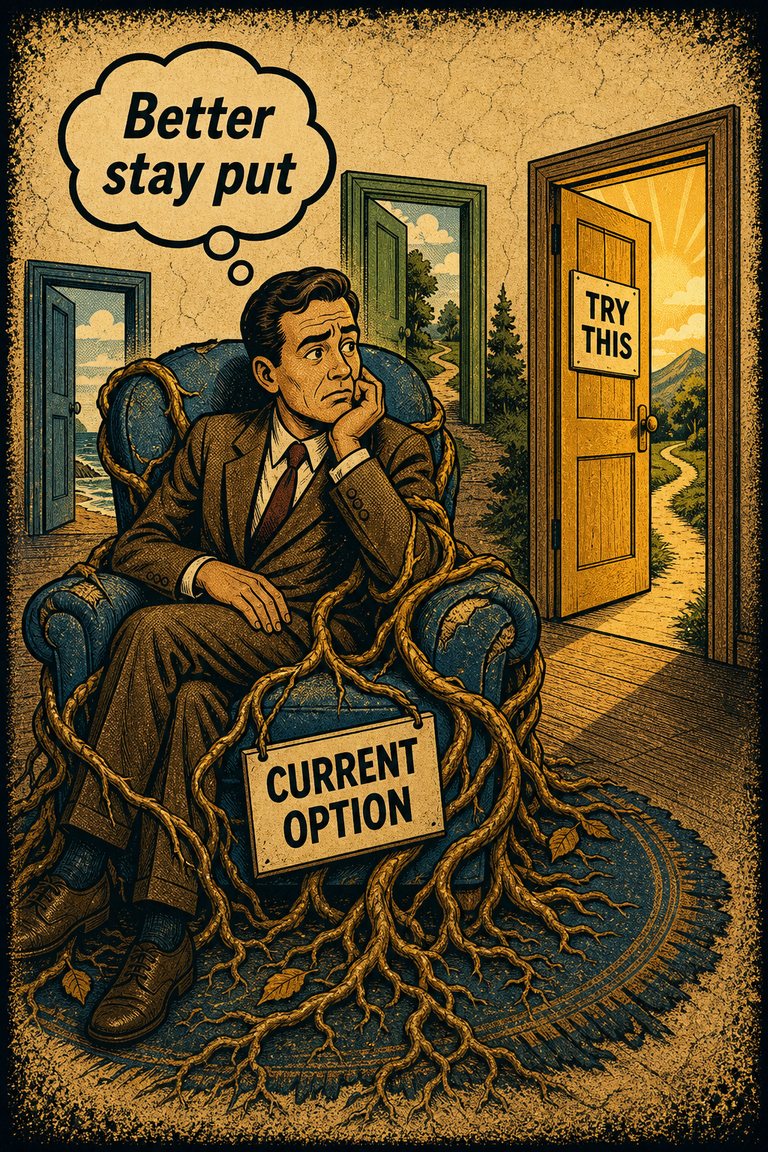
The tendency to prefer the current option, default, or inherited arrangement simply because it is the current option, default, or inherited arrangement.
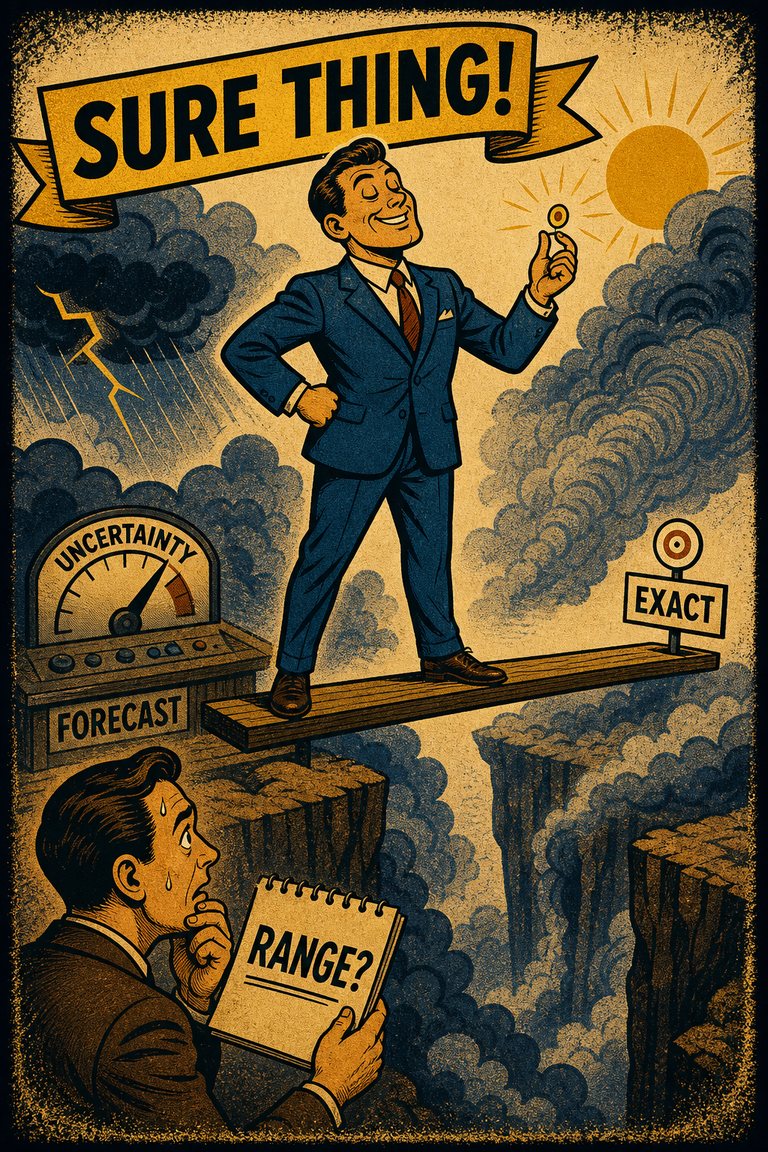
The tendency to be more certain about judgments, forecasts, or abilities than the evidence warrants.
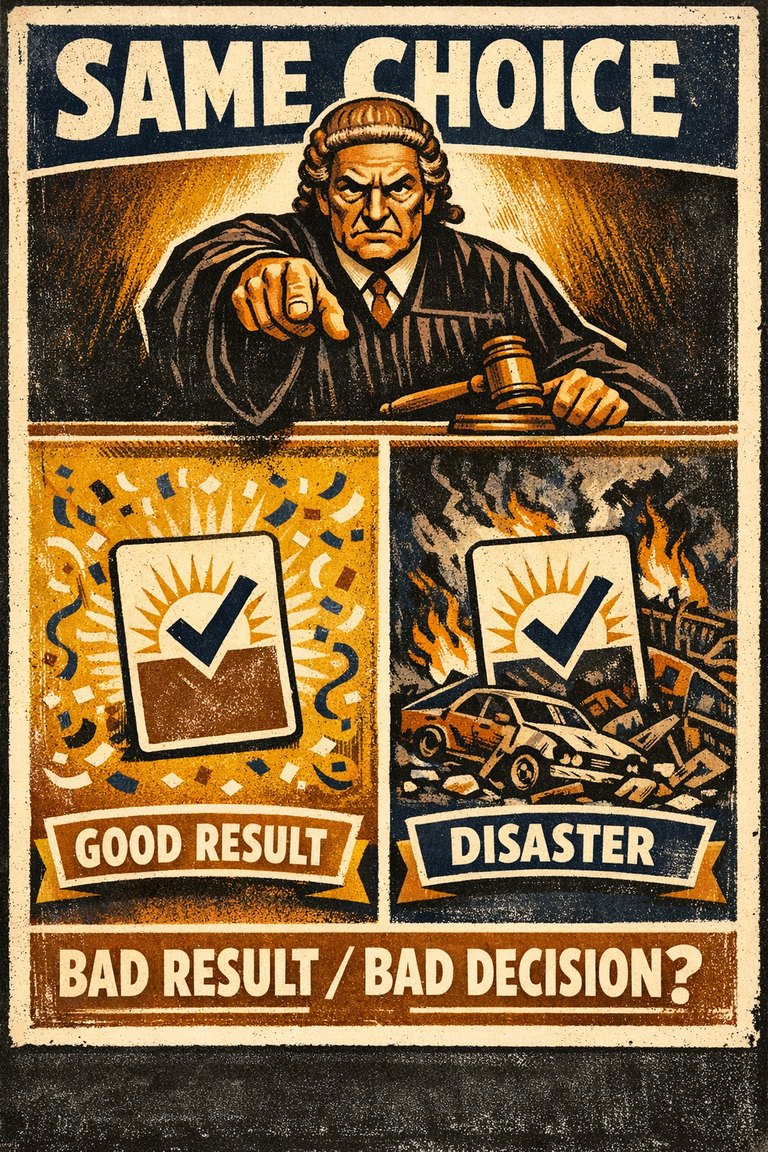
The tendency to judge a decision mainly by its result rather than by the quality of the reasoning behind it.
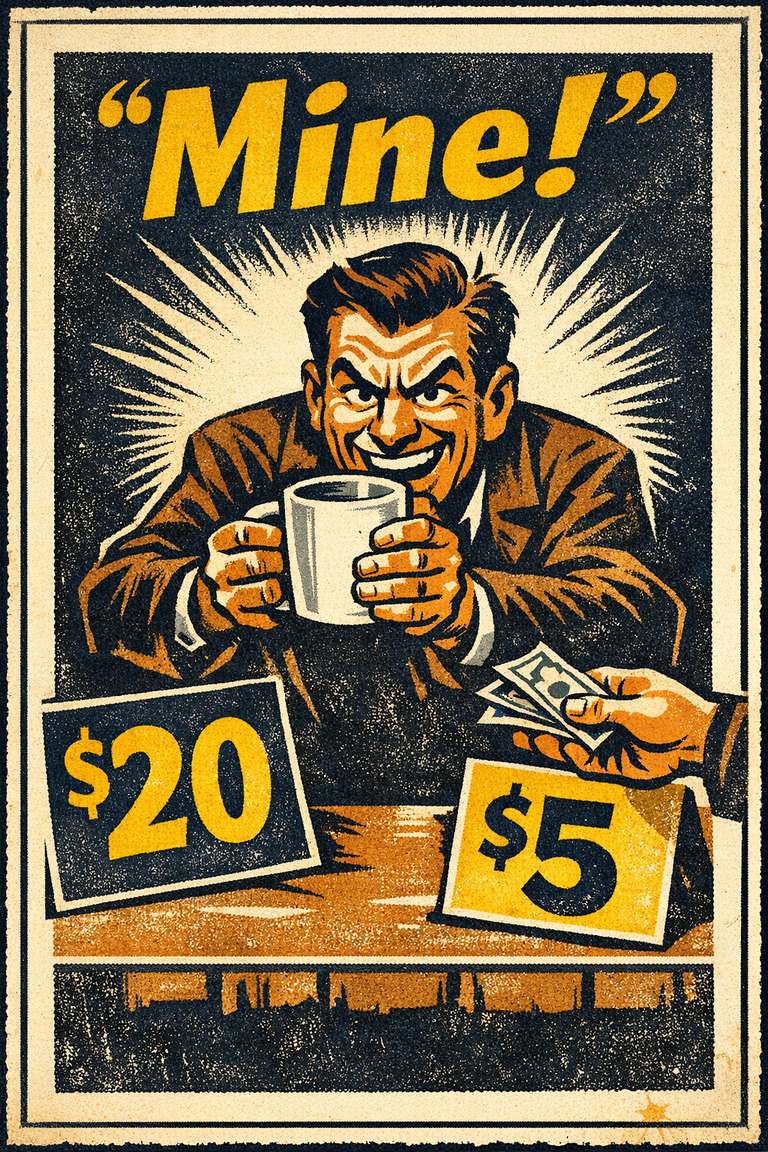
The tendency to value something more highly once it is already owned, possessed, or treated as part of the current arrangement.
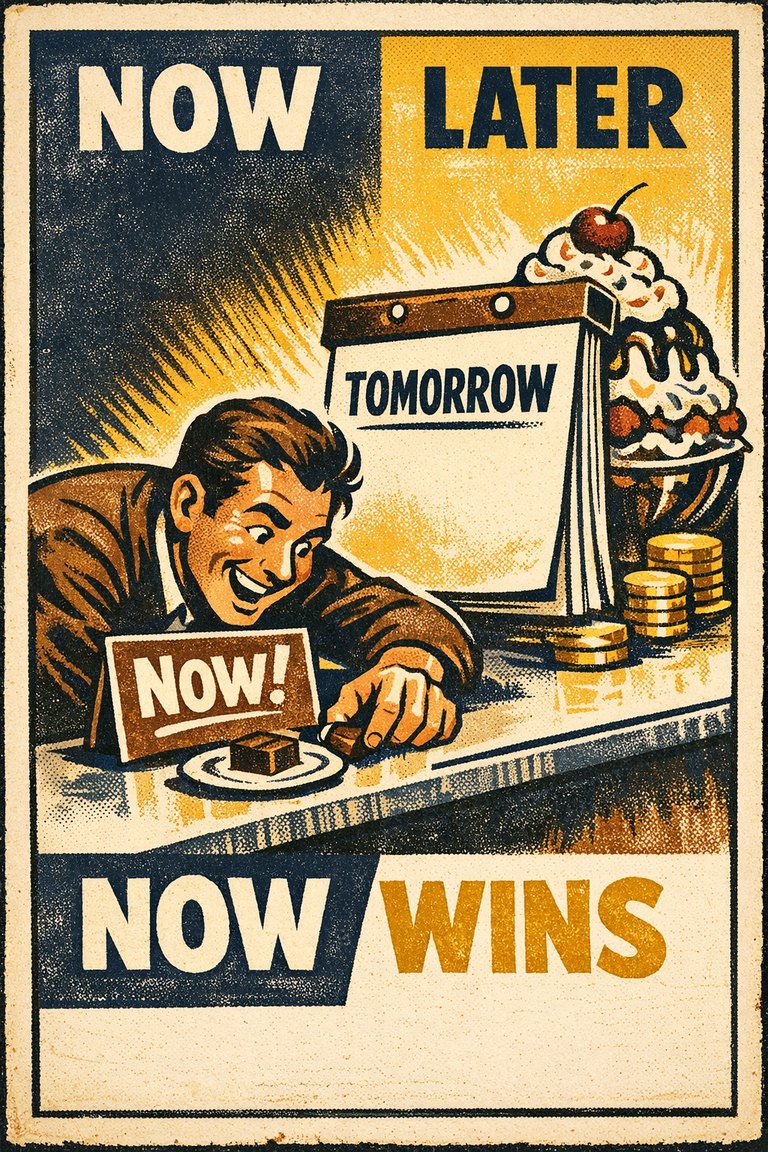
The tendency to give disproportionate weight to immediate costs and payoffs relative to later ones, even when the later consequences are larger.
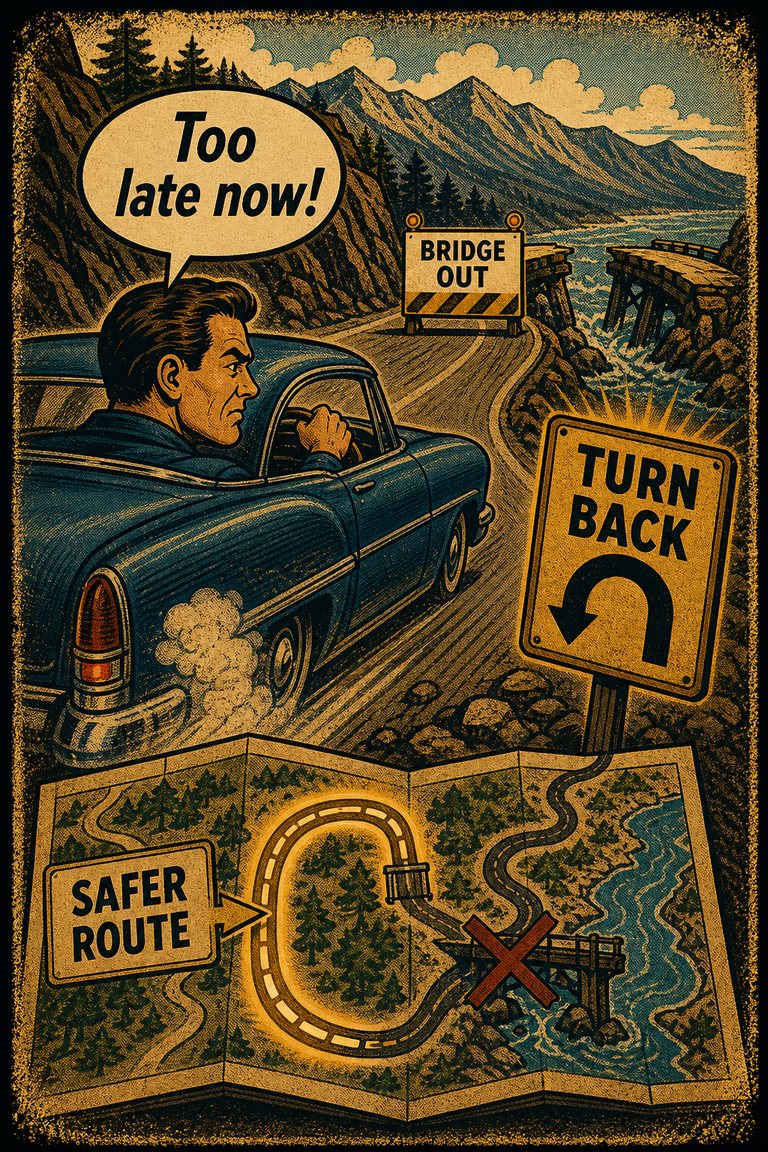
The tendency to resist restarting or retracing steps even when doing so would save time or effort.