Common in live judgment
78
Common in leadership review, investing, medicine, and sports analysis.
Rare
Frequent

Cognitive Biases
A practical cognitive-bias site with clear definitions, learning paths, assessments, self-audits, and debiasing tools.
Cognitive Bias
The tendency to judge the quality of a decision mainly by how things turned out rather than by the quality of the reasoning under the uncertainty that existed at the time.
What it distorts
It confuses luck with judgment and makes postmortems misleading.
Typical trigger
Performance reviews, investing, leadership evaluation, and public retrospective blame.
First countermove
Separate process review from outcome review and ask whether the same decision would be endorsed if the result had flipped.
Best use
Structured process
Would I judge this decision the same way if the exact same process had produced the opposite result?
Outcomes are concrete and emotionally loud, while process quality is abstract and harder to see. Success launders shaky reasoning; failure stains good reasoning.
These are classroom-facing editorial estimates for comparing how the bias behaves in use. They are teaching aids, not measured statistics.
Common in live judgment
78
Common in leadership review, investing, medicine, and sports analysis.
Easy to spot from outside
52
Usually visible once the outcome is flipped while the process is held constant.
Easy to innocently commit
83
Concrete endings are louder than abstract process quality.
Teaching difficulty
37
Works well with counterfactual process-review exercises.
This comparison makes the hidden pull easier to see before the technical label has to do all the work.
Biased move
This is like grading the quality of a coin toss by whether the coin landed on the side you called.
Clearer comparison
Results matter, but they do not retroactively tell you whether the process under uncertainty was good. Luck can flatter or stain a decision after the fact.
Do not use this label whenever outcomes are mentioned. Outcomes obviously matter. The distortion begins when process quality is judged mainly by the ending rather than by what was knowable and reasonable before the ending arrived.
Use this label when a good result launders weak reasoning or a bad result condemns strong reasoning under uncertainty.
Use the quick check, caveat, and nearby confusions together. The fastest diagnosis is often the noisiest one.
Each example changes the surface context while keeping the same hidden distortion in place.
A risky but lucky choice gets remembered as smart judgment, while a careful choice with a bad result gets remembered as poor judgment.
A manager praises a reckless shortcut because the quarter happened to land well, then condemns a sound process because one uncontrollable variable moved against it.
Policies, coaches, traders, and leaders are judged mainly by the headline result instead of by how reasonable the decision looked ex ante.
If the ending was good, the decision feels wise; if the ending was bad, the decision feels foolish, even when the process quality stayed constant.
Teaching note: This page is crucial for helping readers distinguish learning from scoreboard worship.
The strongest debiasing moves change the process, not just the label.
Reconstruct the decision from the information available at the time before discussing the result.
Separate process review from results review in the postmortem agenda.
Score decision quality against precommitted criteria instead of against luck-adjusted headlines.
Practice And Repair
Outcome bias is what happens when the ending colonizes the evaluation. The final result becomes so cognitively loud that the original uncertainty and decision quality shrink out of view.
A choice under uncertainty produces a clearly good or clearly bad result.
The result feels like the cleanest evidence of whether the decision was smart.
Process review gets replaced by retrospective reward or blame, which confuses luck with judgment.
Separate process review from outcome review and ask whether the same choice would deserve the same rating if the result had flipped.
What was the quality of the reasoning before the outcome arrived, not after the ending made one story easier to tell?
Spot It
Slow It
Reframe It
These distinction guides slow down the most common nearby-label confusions before the diagnosis hardens.
Hindsight bias makes the outcome feel predictable after the fact; outcome bias uses the result to grade the earlier decision process.
Quick rule: Ask whether the claim is about prior predictability or decision quality.
These are nearby labels that can share the same outer appearance while differing in what actually drives the distortion. Use the overlap, the distinction, and the diagnostic question together before settling the call.
Why compare it: Hindsight bias makes the outcome seem predictable after the fact; outcome bias uses the outcome itself as the main judge of whether the decision was good.
Why compare it: Sunk cost effect distorts whether to continue; outcome bias distorts how the prior decision process gets evaluated.
Why compare it: Overconfidence inflates certainty before the choice; outcome bias misgrades the quality of the choice once the result appears.
These are useful when the label seems roughly right but the process change still feels underspecified.
What did the choice look like before the result was known?
Would I grade the same process differently if luck had broken the other way?
Am I rewarding outcomes or decision quality?
These sourced cases do not prove what was in someone's head with perfect certainty. They are teaching cases for showing where the bias pressure becomes visible in practice.
Same-decision different-outcome evaluations
People often rate identical decisions differently when they are told different outcomes, even though the decision quality under uncertainty was held constant.
Why it fits: The ending is quietly grading the process instead of merely following it.
Modern decision research
Medical choices judged by patient result rather than process quality
The same treatment choice can be praised as wise after a good outcome and condemned as poor after a bad outcome even when the original evidence and uncertainty were identical.
Why it fits: The ending is rewriting the quality score for the process.
Modern decision research
Decisions judged differently after good or bad results
Baron and Hershey showed that people rated the quality of decisions differently depending on the known outcome, even when the decision process was held constant.
Why it fits: The result contaminates evaluation of the process that produced it.
Journal of Personality and Social Psychology · 1988
These linked tools turn the page into practice instead of leaving it at the level of definition.
2 related paths place this bias beside the distortions it most often travels with in practice.
Direct path
Use this path before a major project, strategy choice, or resource commitment.
Direct path
Use this path when you suspect that the apparent evidential picture is itself distorted.
These audits combine direct and nearby checks so you can test the label itself and the broader judgment pattern around it.
Direct audit
Before You Explain What Happened
What part of this explanation is genuinely shown, and what part merely feels satisfying now that the ending is known?
Same audit family · Retrospection and postmortems
What did the surprise reveal about the world, and what did it reveal about my forecasting habits?
This bias is featured in a printable lesson or workshop packet.
Direct workshop
A facilitation kit for rooms where agreement, hierarchy, and speed may be replacing independent judgment.
These scenarios mix direct and nearby cases so you can practice the label itself and the broader judgment pattern around it.
Direct scenario
The lucky launch became a good process
A team skipped user research, launched quickly, and happened to get strong early numbers. In the retrospective, leaders praise the decision process mainly because the result was g…
Same scenario family · Retrospection and postmortems
It was obvious all along
After a vendor fails badly, people in the postmortem begin talking as if the warning signs made the collapse easy to foresee, even though no one had written those concerns down be…
These links widen the frame around the bias without interrupting the core lesson on this page.
A theory essay on why favorable outcomes and tidy moral stories often make weak reasoning look stronger after the fact than it was under uncertainty.
CogBias theory
These neighbors were selected from shared categories, shared patterns, and explicit editorial links where available.
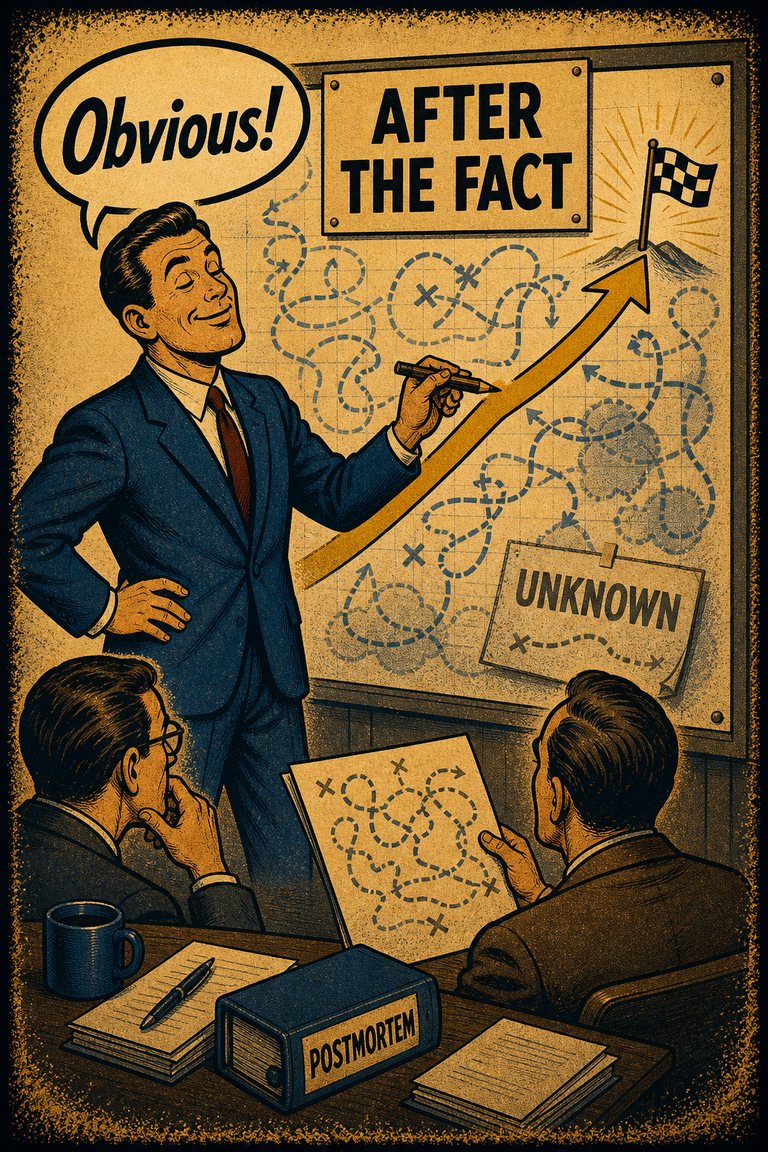
The tendency after an outcome is known, to see it as having been more obvious or predictable than it actually was beforehand.
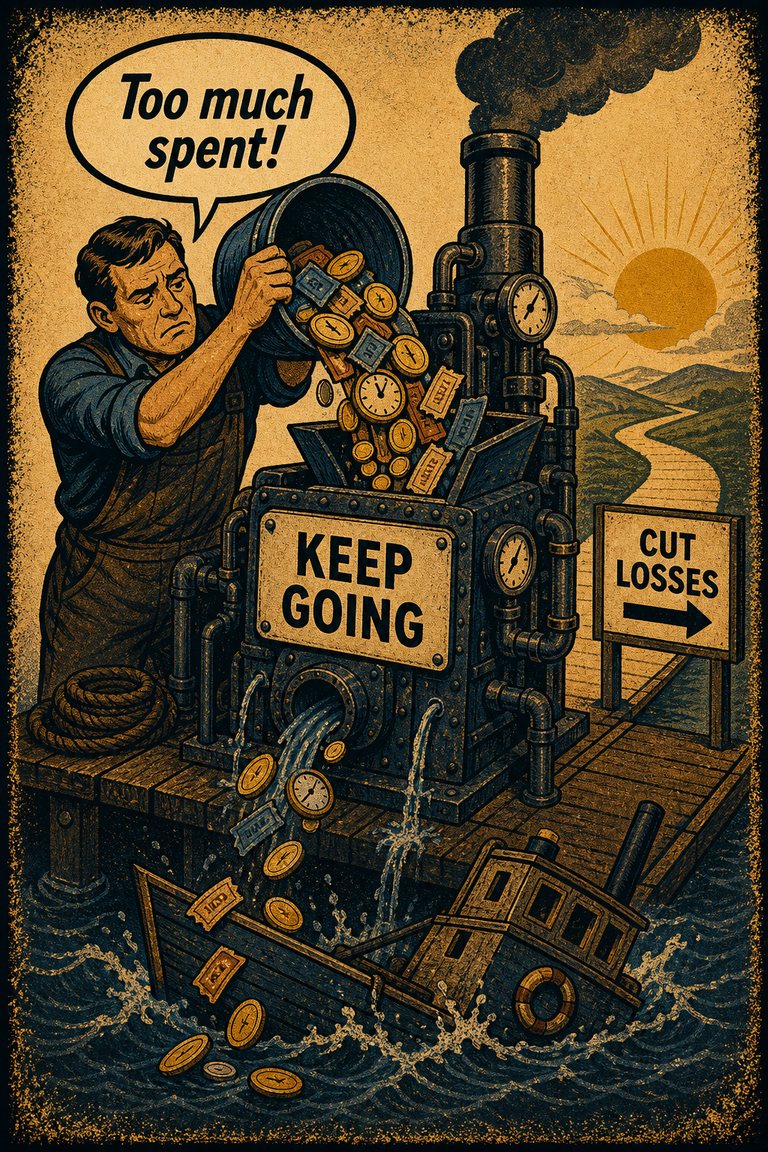
The tendency to keep investing in a losing path because of what has already been spent, even when the forward-looking case has weakened.
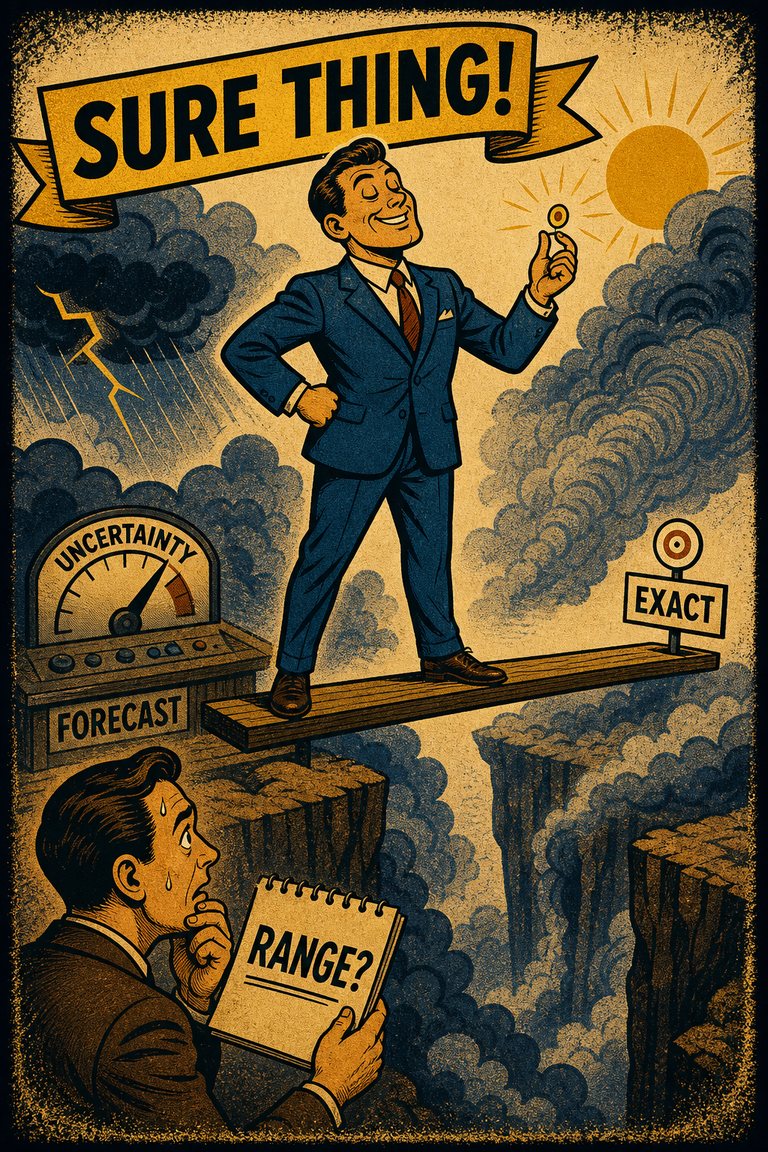
The tendency to be more certain about judgments, forecasts, or abilities than the evidence warrants.
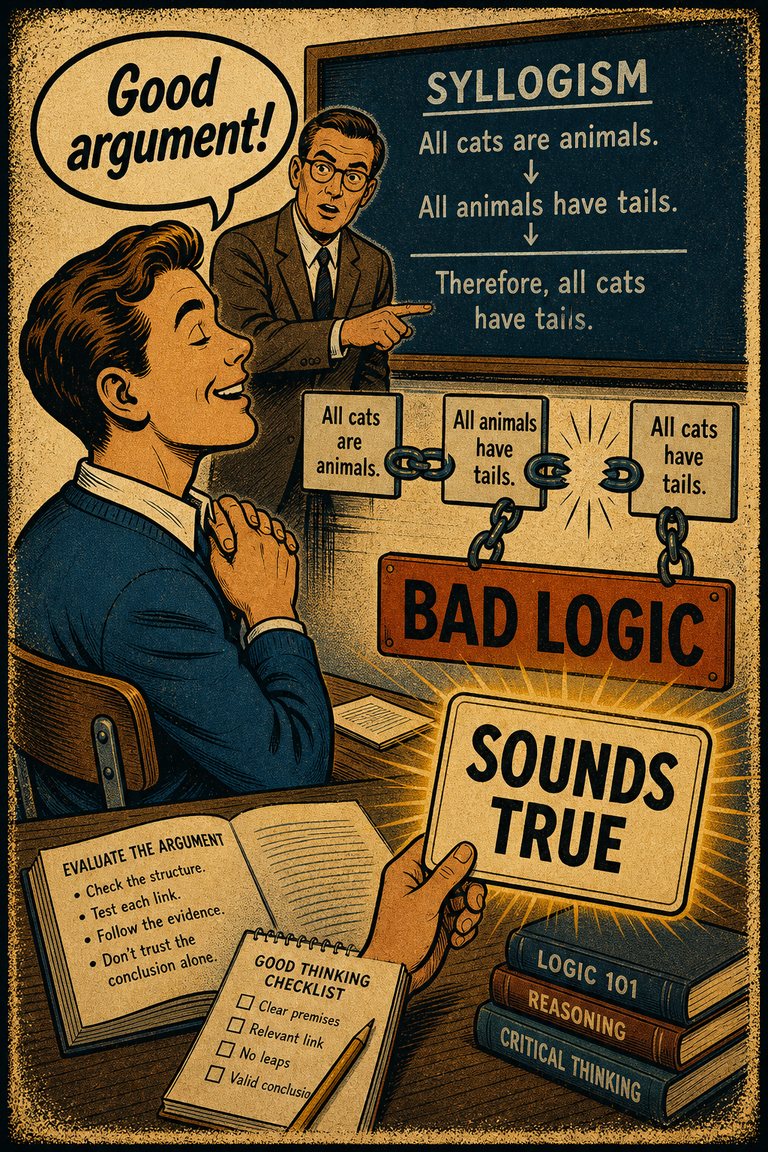
The tendency to judge an argument as stronger when its conclusion seems believable and weaker when its conclusion seems unbelievable, even if the reasoning structure is unchanged.
The tendency to expect or predict more extreme outcomes than those outcomes that actually happen.

The tendency for current satisfaction to distort how positively or negatively past experience is remembered.