Common in live judgment
82
Common in policy, science communication, and everyday concept learning.
Rare
Frequent

Cognitive Biases
A practical cognitive-bias site with clear definitions, learning paths, assessments, self-audits, and debiasing tools.
Cognitive Bias
The tendency to believe you understand how something works more deeply than you actually do, especially until you are forced to explain the mechanism step by step.
What it distorts
It bends self-assessment, learning, debate, and policy discussion by letting shallow grasp present itself as robust explanation.
Typical trigger
Complex systems, everyday technologies, public policy debates, and topics where the broad outline is easier to remember than the workings.
First countermove
Try to explain the mechanism step by step without handwaving over the crucial joins.
Best use
Structured process
Can I actually explain the mechanism here step by step without leaning on slogans?
Recognition, familiarity, and partial narrative fluency can masquerade as causal understanding. The gap only becomes visible when the person has to produce the mechanism in detail.
These are classroom-facing editorial estimates for comparing how the bias behaves in use. They are teaching aids, not measured statistics.
Common in live judgment
82
Common in policy, science communication, and everyday concept learning.
Easy to spot from outside
51
Becomes visible quickly once a mechanism explanation is requested.
Easy to innocently commit
89
Familiarity and verbal fluency feel like understanding from inside.
Teaching difficulty
39
Very teachable with explanation-before-and-after exercises.
This comparison makes the hidden pull easier to see before the technical label has to do all the work.
Biased move
This is like thinking you understand a clock because you recognize it instantly and can name its parts.
Clearer comparison
Recognition is not mechanism. Real understanding shows up when the smooth label has to cash out into working structure.
Do not use this label whenever someone lacks expertise. The issue is not ignorance alone. The issue is overestimating explanatory understanding because familiarity and fluent summary are doing the work.
Use this label when people feel they understand a system deeply until they are asked to specify how it actually works in detail.
Use the quick check, caveat, and nearby confusions together. The fastest diagnosis is often the noisiest one.
Each example changes the surface context while keeping the same hidden distortion in place.
A person is sure they understand how a common object or policy works until they have to explain the actual chain of operations or incentives.
A team feels aligned around a system design or process change because everyone recognizes the top-line story, but deeper questioning reveals major gaps in mechanism.
People debate institutional or economic systems confidently using slogans, labels, and surface narratives that collapse when detailed explanation is required.
The topic feels understood right up until someone asks you to cash the understanding out in detail.
Teaching note: This is a superb page for education because students often discover the bias live when they try to explain rather than merely recognize.
The strongest debiasing moves change the process, not just the label.
Explain the mechanism on paper from start to finish until you hit the first handwave, then mark that gap as the real state of your understanding.
Use teach-back or whiteboard reconstruction instead of nodding along to high-level consensus.
Build review norms that reward mechanism tracing and not just fluent top-line agreement.
Practice And Repair
Illusion of explanatory depth thrives on fluency. If the concept feels familiar enough, the mind rounds that familiarity up into deeper understanding than the mechanism can actually support.
A familiar topic can be named, recognized, and summarized in broad strokes.
Because the topic feels smooth and known, it also starts to feel structurally understood.
Confidence outruns actual mechanism knowledge, which weakens prediction, transfer, and diagnosis.
Explain the mechanism step by step, then apply it to a new case that differs in surface cues from the original example.
Where does my explanation first turn from mechanism into hand-waving?
Spot It
Slow It
Reframe It
These distinction guides slow down the most common nearby-label confusions before the diagnosis hardens.
Illusion of explanatory depth is overestimating how well you understand a mechanism; Dunning-Kruger is miscalibrated self-assessment when limited skill hides what is missing.
Quick rule: Ask whether the missing piece is mechanism explanation or broader competence calibration.
These are nearby labels that can share the same outer appearance while differing in what actually drives the distortion. Use the overlap, the distinction, and the diagnostic question together before settling the call.
Why compare it: Dunning-Kruger is about broader miscalibration of one's own competence; the illusion of explanatory depth is specifically about overstating causal or mechanistic understanding.
Why compare it: Overconfidence is excessive certainty in many domains; this illusion is the special case where understanding is shallower than it feels.
Why compare it: Naive realism assumes one's perception is just the facts; the illusion of explanatory depth assumes one's explanation is already deep enough when it may only feel coherent.
These are useful when the label seems roughly right but the process change still feels underspecified.
Can I explain the mechanism in ordinary language without skipping the crucial link?
Which step in the process am I currently covering with a label instead of an explanation?
Would my confidence survive having to teach this to someone who asks practical follow-up questions?
These sourced cases do not prove what was in someone's head with perfect certainty. They are teaching cases for showing where the bias pressure becomes visible in practice.
Everyday-mechanism explanation studies
People often rate their understanding of familiar mechanisms highly until they are asked to explain in detail how those mechanisms actually work.
Why it fits: The explanatory confidence collapses once the smooth surface summary has to become structure.
Modern cognition research
Toilets, zippers, and bicycles seem explainable until detail is required
People feel they understand ordinary mechanisms quite well until they are asked to lay out the actual causal steps, at which point confidence drops sharply.
Why it fits: A smooth sense of familiarity was mistaken for structured understanding.
Modern cognition research
Everyday devices seem understood until explanation is required
Participants often rated their understanding of ordinary mechanisms highly until they had to explain how those mechanisms actually worked.
Why it fits: Familiarity with the object was mistaken for mechanism-level understanding.
Cognitive Science · 2002
These linked tools turn the page into practice instead of leaving it at the level of definition.
This bias appears directly in one guided sequence and also in nearby paths that frame the same judgment problem from a slightly wider angle.
Direct path
Use this path when someone sounds sure, fluent, or experienced and you need to know whether the underlying understanding is actually there.
Nearby path
Use this path after a win, loss, surprise, or failure when the group needs to learn rather than merely narrate.
These audits combine direct and nearby checks so you can test the label itself and the broader judgment pattern around it.
Direct audit
Do I really understand this, or has fluency outrun competence?
Same audit family · Confidence and understanding
What would the outside view say before the inside story takes over?
This bias is featured in a printable lesson or workshop packet.
Direct workshop
Confidence vs Understanding Classroom Kit
A lesson for showing how fluency, confidence, and real transferable understanding come apart.
2 mixed scenarios let you diagnose this bias from the case rather than the heading.
Direct scenario
The concept that fell apart when explained
A student says she understands how inflation works after watching a short video. When asked to explain the mechanism step by step without the video, she cannot connect the main pa…
Direct scenario
I can explain it, so I must understand it
A student feels certain she understands a public policy after hearing a polished summary, but when asked to explain the mechanism step by step and apply it to a new case, the stru…
These links widen the frame around the bias without interrupting the core lesson on this page.
An article on how recognition and smooth explanation often get mistaken for depth long before the underlying competence is there.
CogBias theory
A guide to building instruction around calibration, comparison, and challenge rather than around confidence displays alone.
CogBias theory
These neighbors were selected from shared categories, shared patterns, and explicit editorial links where available.

The tendency for low skill or shallow understanding to produce overestimation of one's own competence, while higher-skill people may underestimate how unusual their competence really is.
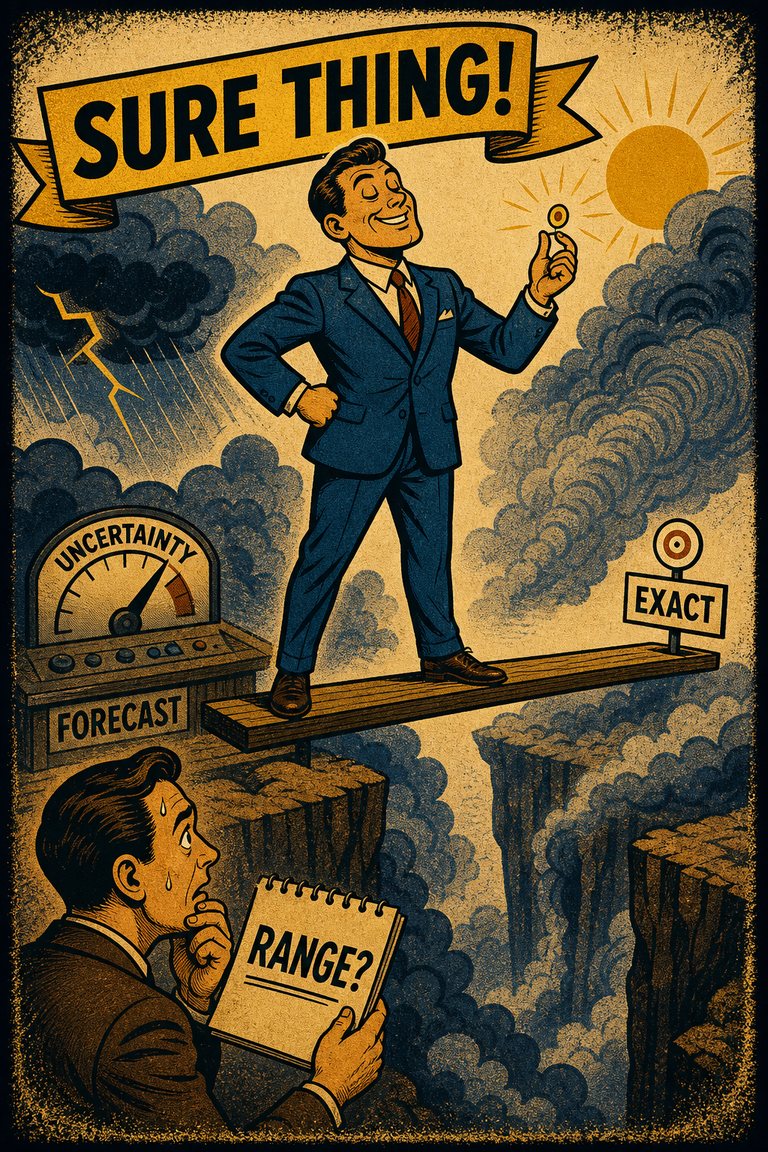
The tendency to be more certain about judgments, forecasts, or abilities than the evidence warrants.

The tendency to see one's own view as plain reality and disagreement as ignorance, bias, or irrationality.
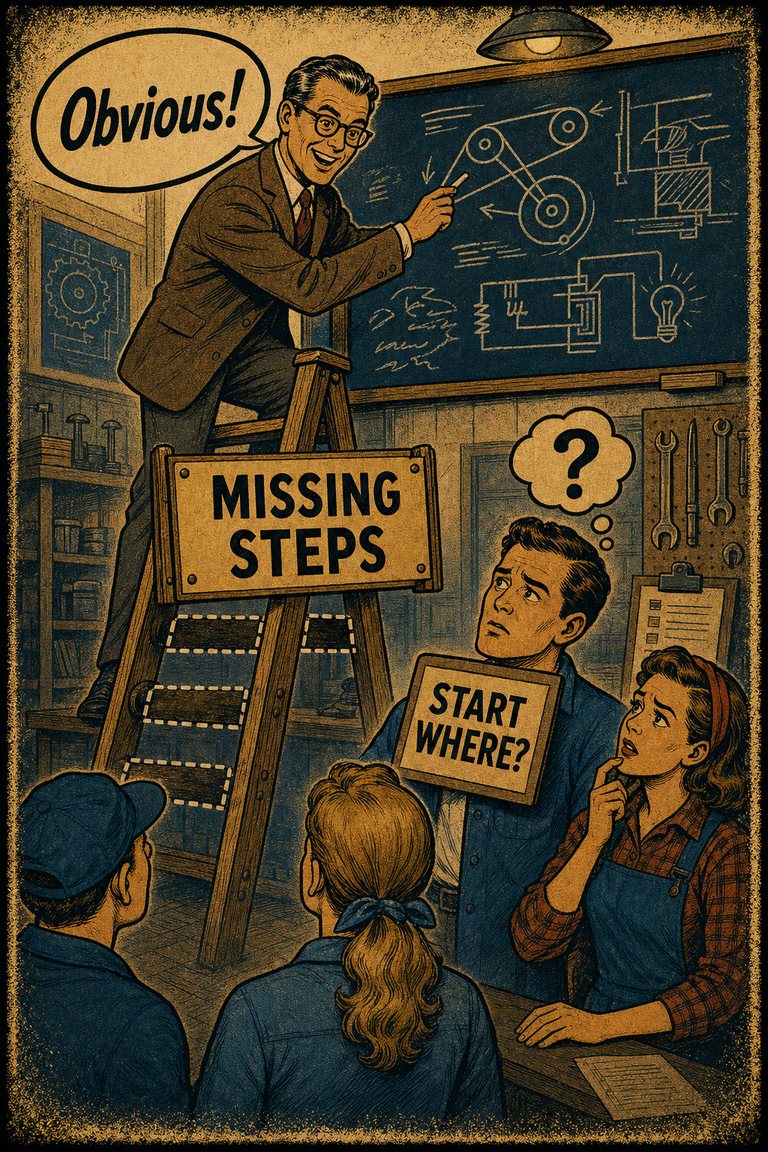
The tendency for better-informed people to underestimate how hard the issue looks to less-informed people.

The inclination to presume the purposeful intervention of a sentient or intelligent agent.
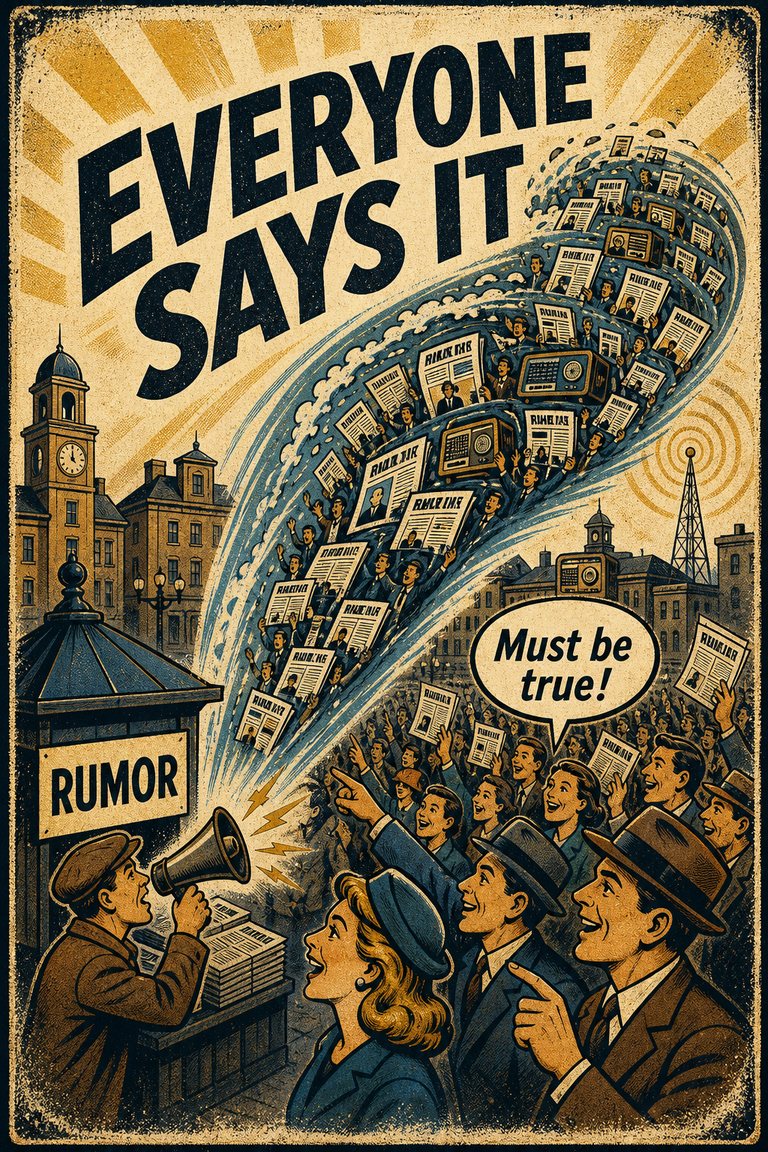
A belief becoming more plausible through repeated public repetition, social uptake, and feedback.