Common in choice under change
84
Especially strong where change feels like giving something up.
Rare
Frequent

Cognitive Biases
A practical cognitive-bias site with clear definitions, learning paths, assessments, self-audits, and debiasing tools.
Cognitive Bias
The tendency to feel losses more strongly than equivalent gains.
What it distorts
It skews risk-taking, negotiation, retention, investment, and policy evaluation by making downside avoidance feel more diagnostic than upside opportunity.
Typical trigger
Tradeoffs framed in terms of surrender, cutbacks, exits, missed upside, or visible sacrifice.
First countermove
Restate the same choice from both the gain frame and the loss frame before deciding which reaction is actually evidence-sensitive.
Best use
Structured process
Would this still feel like the better choice if I rewrote the same tradeoff as an equivalent gain?
Losses feel like removal, pain, or forfeiture, while gains often feel less urgent by comparison. That asymmetry bends choice even when the objective tradeoff is balanced.
These are classroom-facing editorial estimates for comparing how the bias behaves in use. They are teaching aids, not measured statistics.
Common in choice under change
84
Especially strong where change feels like giving something up.
Easy to spot from outside
49
Often becomes clear only after the gain-frame rewrite is attempted.
Easy to innocently commit
86
Loss language is emotionally forceful even when the structure is symmetric.
Teaching difficulty
41
The frame-flip exercise usually makes the lesson concrete quickly.
This comparison makes the hidden pull easier to see before the technical label has to do all the work.
Biased move
This is like valuing the door you would have to close more than the equally good door you could open.
Clearer comparison
The closing feels like pain, so the two doors stop looking equivalent even when the long-run value says they should.
Do not use this label whenever someone dislikes downside. Some losses really are more serious than equal gains are valuable. The bias claim is about an exaggerated asymmetry, not about the mere existence of tradeoffs.
Use this label when equivalent or near-equivalent losses are being weighted more heavily than gains because surrender, removal, or forfeiture feels especially punishing.
Use the quick check, caveat, and nearby confusions together. The fastest diagnosis is often the noisiest one.
Each example changes the surface context while keeping the same hidden distortion in place.
Someone keeps an expensive membership because canceling feels like losing a benefit, even though keeping it mostly preserves an underused cost.
A team rejects a strong but disruptive improvement because the visible short-term loss looms larger than the longer-term gain.
Policy debates get organized around what people might lose, and the fear of removal dominates discussion more than the value of future benefits.
The painful option seems obviously more serious than the rewarding option, even when the two are structurally equivalent.
Teaching note: This entry is a practical bridge between simple choice architecture and the larger family of bias around defaults, ownership, and omission.
The strongest debiasing moves change the process, not just the label.
Write the equivalent gain version of the choice next to the loss version and compare whether your judgment changes.
Force the discussion to include the cost of staying put, not only the cost of changing.
Present major tradeoffs with symmetric gain and loss frames so one emotional register does not own the entire decision.
Practice And Repair
The drift is from a structural tradeoff to an emotionally privileged downside. Once the downside owns the scene, the rest of the comparison starts shrinking.
A choice is experienced as surrender, removal, cancellation, exit, or giving up something already partly treated as yours.
Avoiding the loss feels more urgent and more obviously rational than pursuing the comparable gain.
The downside gets overweighted relative to long-run net value, which can make staying put feel wiser than it is.
Rewrite the tradeoff in a gain frame and then compare the cost of staying exactly as explicitly as the cost of changing.
Which part of this judgment is protecting real asymmetry, and which part is protecting me from the feeling of surrender?
Spot It
Slow It
Reframe It
These distinction guides slow down the most common nearby-label confusions before the diagnosis hardens.
Loss aversion overweights losses relative to gains; the sunk cost effect keeps investment going because prior costs feel like they must be redeemed.
Quick rule: Ask whether the pain comes from possible future loss or from refusing to accept an unrecoverable past cost.
These are nearby labels that can share the same outer appearance while differing in what actually drives the distortion. Use the overlap, the distinction, and the diagnostic question together before settling the call.
Why compare it: Loss aversion is the broader asymmetry between losses and gains; the endowment effect is one way that asymmetry becomes inflated around things already possessed.
Why compare it: Omission bias prefers inaction when action could cause harm; loss aversion is the wider overweighting of negative change itself.
Why compare it: Status quo bias favors the current state; loss aversion helps explain why changing the current state can feel more threatening than it should.
These are useful when the label seems roughly right but the process change still feels underspecified.
Would this look different if I restated it as an equivalent gain rather than a loss?
Am I protecting against a genuine asymmetry or just against the emotional force of surrender?
What long-term value is getting underweighted because the short-term loss is more vivid?
These sourced cases do not prove what was in someone's head with perfect certainty. They are teaching cases for showing where the bias pressure becomes visible in practice.
The endowment and mug-pricing experiments
People often demand much more to give up an item they already possess than they would have paid to acquire it in the first place.
Why it fits: Parting with the item is encoded as a loss rather than as a neutral exchange.
Classic behavioral economics
The disposition effect in investing
Investors often hold losing positions too long while selling winners too quickly.
Why it fits: Realizing a loss feels worse than delaying it, even when delay harms forward-looking judgment.
Modern examples
These linked tools turn the page into practice instead of leaving it at the level of definition.
This bias appears directly in one guided sequence and also in nearby paths that frame the same judgment problem from a slightly wider angle.
Direct path
Use this path when the real pull seems to be preserving what is already in hand rather than comparing options cleanly.
Same path family · Decision under uncertainty
Use this path when you want the minimum set of pages that gives the rest of the site immediate traction.
These audits combine direct and nearby checks so you can test the label itself and the broader judgment pattern around it.
Direct audit
Before You Treat The Default As Neutral
Is the default genuinely best, or just easiest to leave in place?
Same audit family · Decision under uncertainty
Am I choosing the best forward-looking option, or the most comfortable inherited one?
These scenarios mix direct and nearby cases so you can practice the label itself and the broader judgment pattern around it.
Direct scenario
The option that sounds like surrender
A team rejects a strong software migration because the discussion keeps circling around what the team would lose by giving up the old workflow, while barely discussing the gains f…
Same scenario family · Decision under uncertainty
Keep the policy unless the replacement is perfect
A team treats the current policy as automatically acceptable, while demanding that any proposed replacement clear a much higher evidential bar before it can even be piloted.
These links widen the frame around the bias without interrupting the core lesson on this page.
An article on why defaults, omissions, and inherited arrangements often steer judgment and outcome as strongly as explicit choices do.
CogBias theory
These neighbors were selected from shared categories, shared patterns, and explicit editorial links where available.
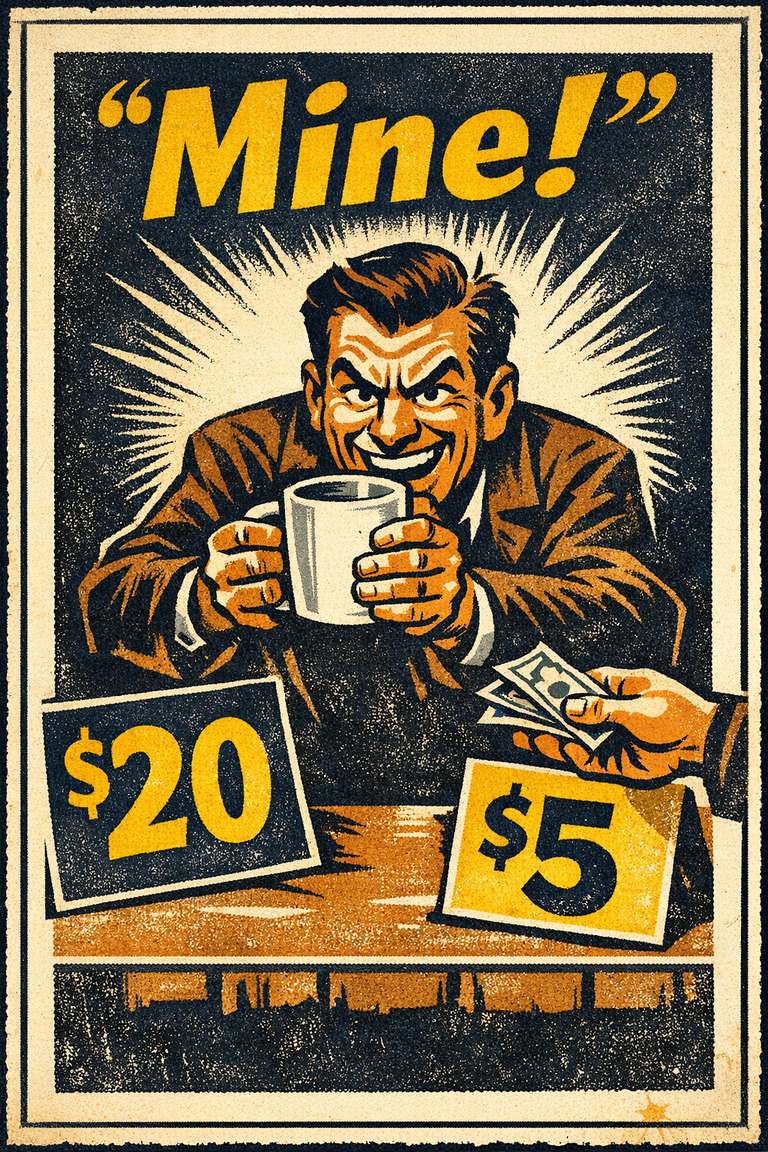
The tendency to value something more highly once it is already owned, possessed, or treated as part of the current arrangement.
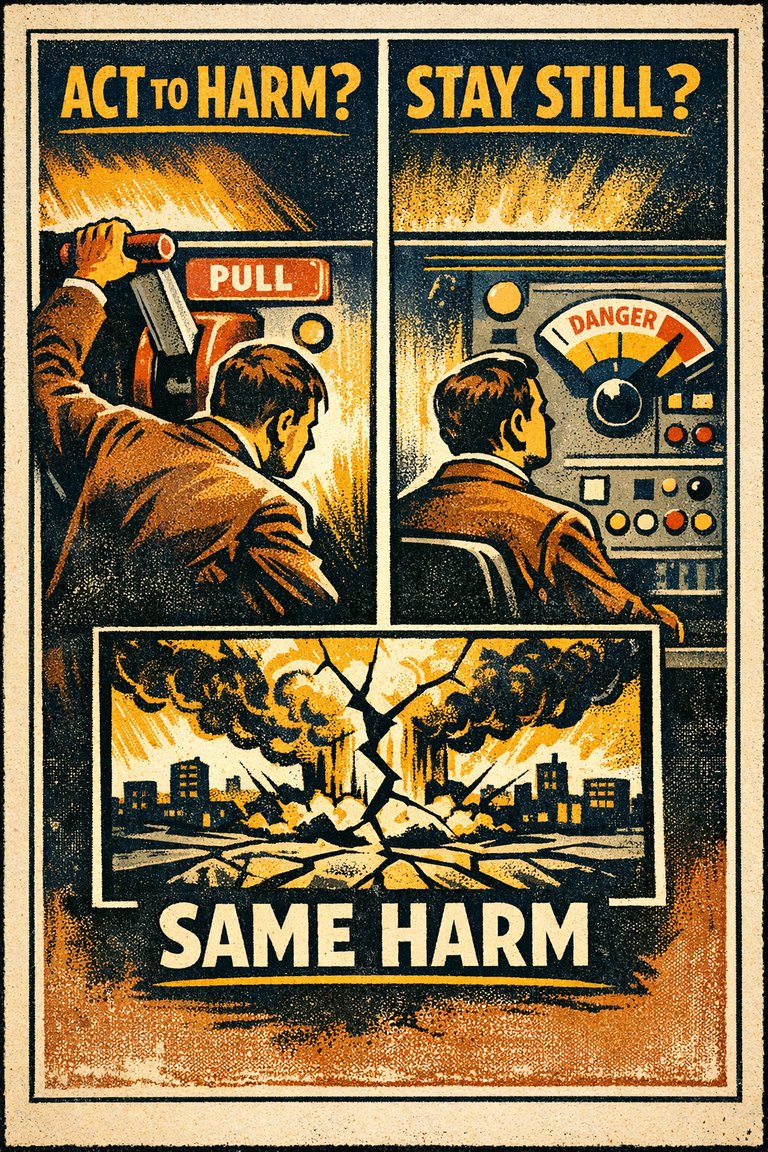
The tendency to judge harmful inaction as more acceptable, or less blameworthy, than equally harmful action.
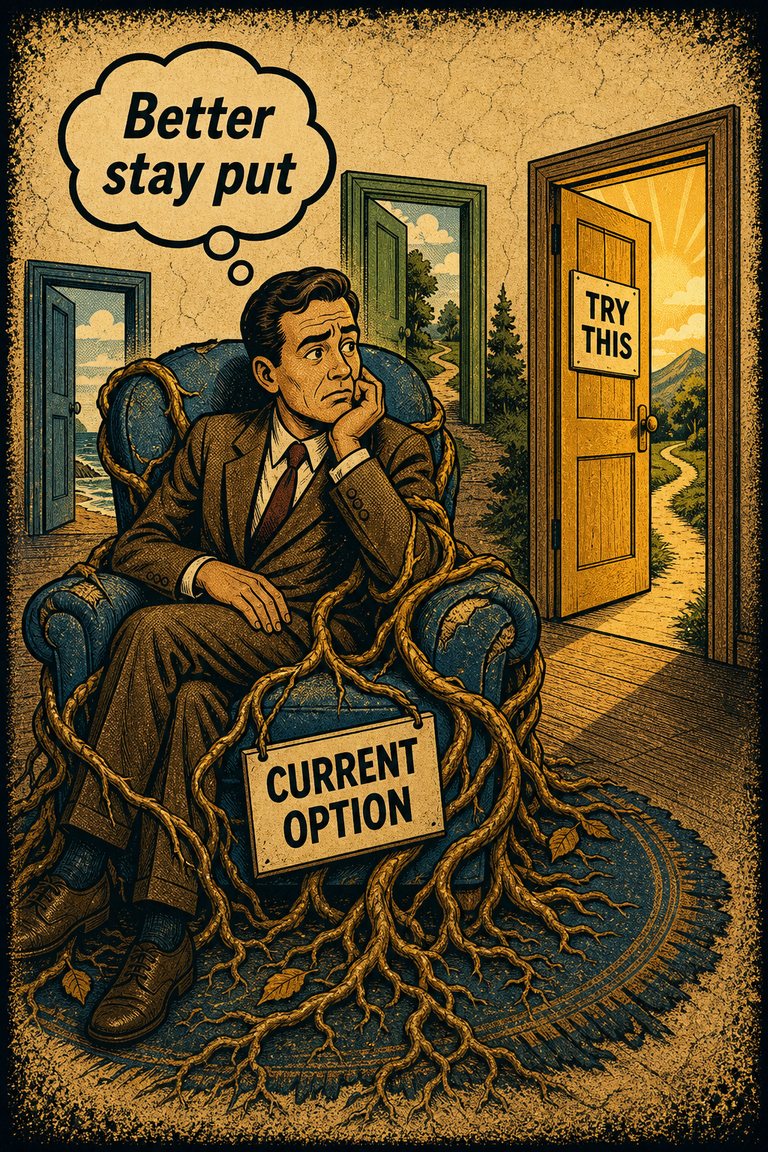
The tendency to prefer the current option, default, or inherited arrangement simply because it is the current option, default, or inherited arrangement.
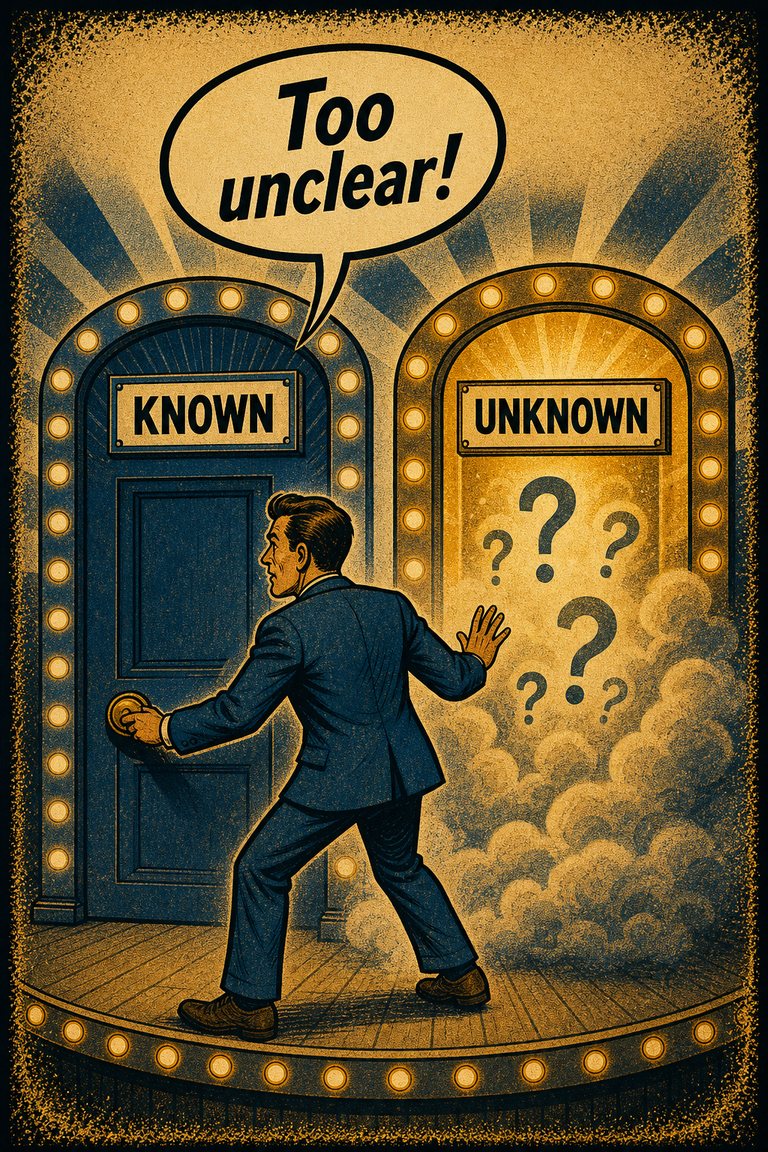
The tendency to avoid options when their probabilities are unclear, even if the unclear option may not actually be worse than the familiar one.
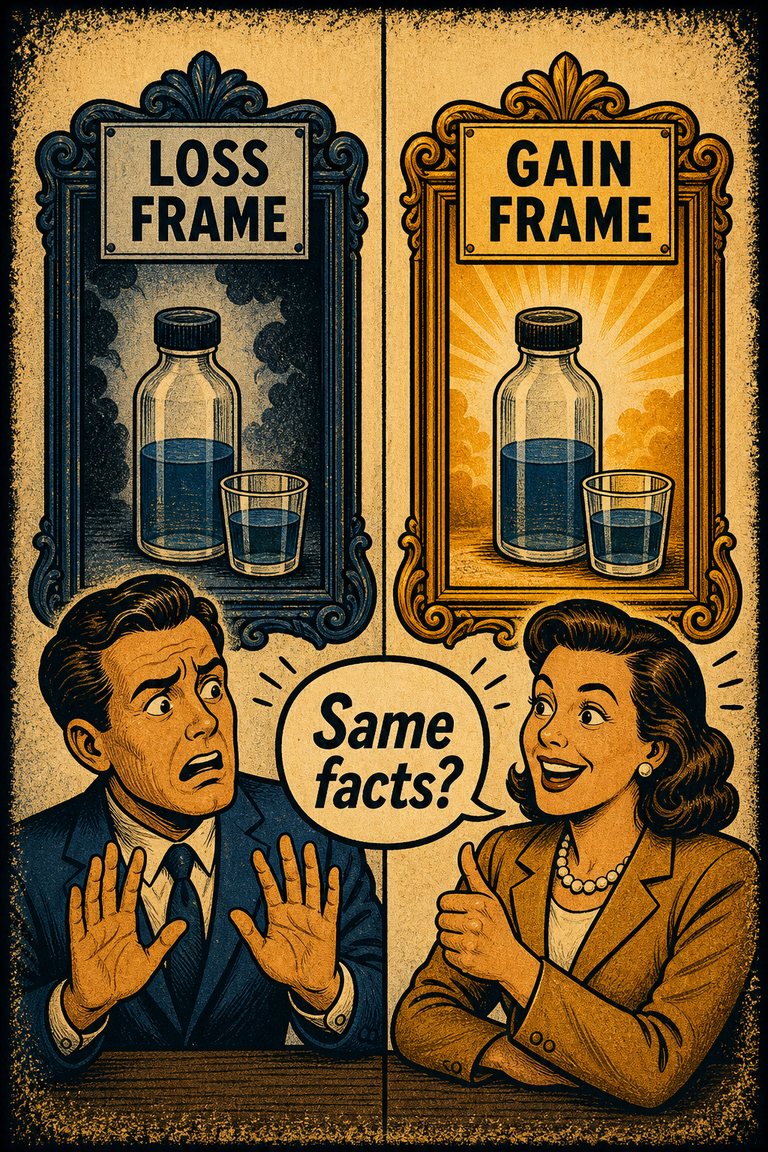
The tendency for the same underlying information to produce different judgments depending on how the options or outcomes are described.
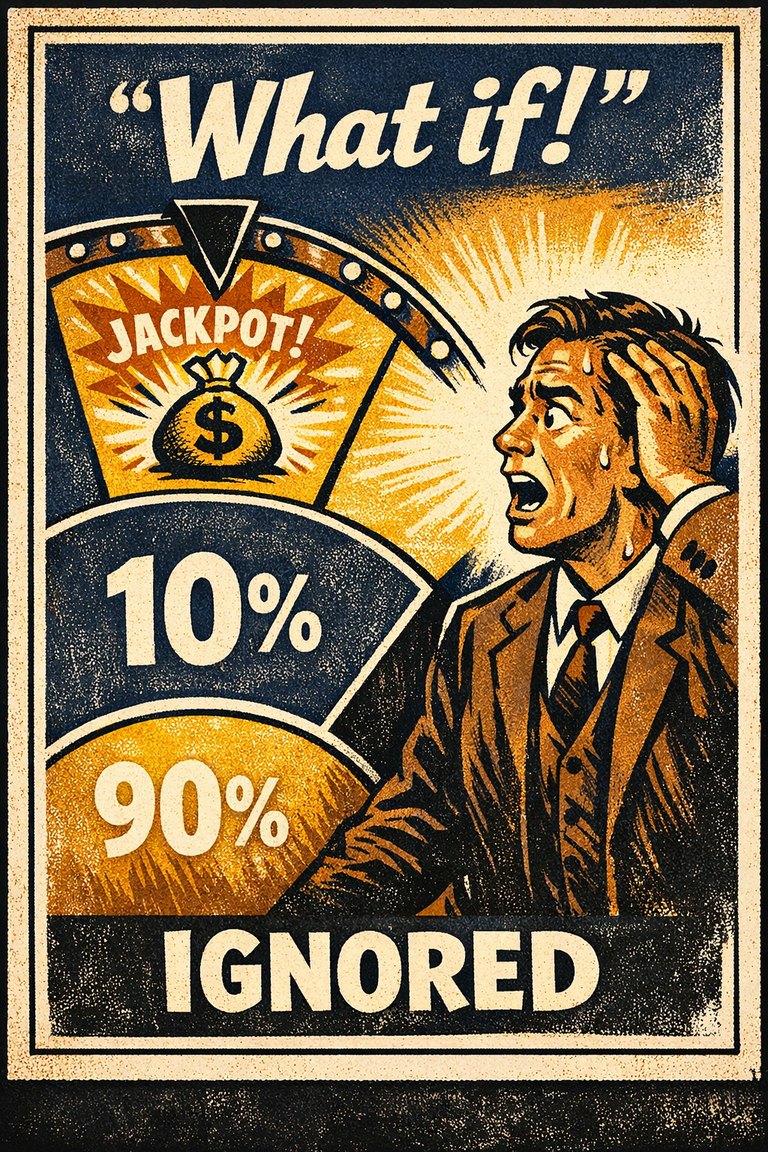
The tendency to ignore or drastically underuse probability information when making decisions under uncertainty.