Common in choice architecture
74
Common in menus, pricing, proposals, and interface design.
Rare
Frequent

Cognitive Biases
A practical cognitive-bias site with clear definitions, learning paths, assessments, self-audits, and debiasing tools.
Cognitive Bias
The tendency for a worse third option to shift preference toward a nearby target option.
What it distorts
Biases that shape choices, commitments, avoidance, preference drift, and action under uncertainty.
Typical trigger
Situations where decision is already difficult and the baseline cue feels easier to trust than a fuller review.
First countermove
Start with the decision question instead of the first intuitive answer, then check whether the baseline pattern is doing invisible work.
Best use
Quick reference
Would my preference stay put if the dominated third option disappeared?
In decision problems, judgment is pulled by the wrong starting point, default frame, or prior expectation before a fuller check catches up.
These are classroom-facing editorial estimates for comparing how the bias behaves in use. They are teaching aids, not measured statistics.
Common in choice architecture
74
Common in menus, pricing, proposals, and interface design.
Easy to spot from outside
62
Often obvious once the dominated option is removed from the display.
Easy to innocently commit
80
Constructed preference feels like discovered preference in the moment.
Teaching difficulty
31
Very teachable through side-by-side product examples.
This comparison makes the hidden pull easier to see before the technical label has to do all the work.
Biased move
This is like preferring one painting over another because a third, clearly weaker painting was hung next to only one of them.
Clearer comparison
The third painting changed the contrast, not the intrinsic quality of the first two. Context can build preference without improving the option.
Do not use this label every time an extra option appears. The issue is asymmetric dominance that changes preference between the original options.
Use this label when a worse third option is steering preference toward a target option by making it look comparatively stronger.
Use the quick check, caveat, and nearby confusions together. The fastest diagnosis is often the noisiest one.
Each example changes the surface context while keeping the same hidden distortion in place.
A buyer suddenly prefers the middle option because a worse nearby option was introduced to make it look especially reasonable.
A pricing or package decision shifts after a dominated offer is added to steer attention toward the target option.
Choice architecture uses a weak comparison option to make one preferred path look like the smart compromise.
A comparison that should be about A versus B starts tilting because C makes one option look like the obvious winner by contrast.
Teaching note: This entry is one of the strongest demonstrations that preferences are often constructed in context rather than merely revealed.
The strongest debiasing moves change the process, not just the label.
Compare the core options pairwise without the decoy present before choosing.
Ask whether the third option would still be worth showing if it were not steering preference.
Audit menus, pricing tables, and proposals for dominated options that exist mainly to manipulate comparison.
Practice And Repair
Decoy effect shows that preferences are not always waiting inside us fully formed. They can be built through asymmetrical comparison.
A third option is added that is clearly inferior to one main option but not the other.
The target option suddenly feels like the balanced or obviously superior choice.
Preference shifts because the comparison frame changed, not because the core merits changed.
Strip the decoy out and compare the original options directly before committing.
Which preference here survives if I only evaluate the original pair?
Spot It
Slow It
Reframe It
These are nearby labels that can share the same outer appearance while differing in what actually drives the distortion. Use the overlap, the distinction, and the diagnostic question together before settling the call.
Why compare it: Default effect privileges the preselected option; decoy effect changes preference by altering the comparison set.
Why compare it: Anchoring fixes on a first number or frame; decoy effect reshapes preference through asymmetric comparison.
Why compare it: Framing changes wording or emphasis; decoy effect changes the option set so one choice looks stronger by contrast.
These are useful when the label seems roughly right but the process change still feels underspecified.
Would my preference between A and B stay the same if C vanished?
Is the new option adding information or only changing the comparison frame?
Which pairwise comparison actually matters here?
These sourced cases do not prove what was in someone's head with perfect certainty. They are teaching cases for showing where the bias pressure becomes visible in practice.
Asymmetric-dominance marketing experiments
Experiments on the decoy effect show that adding a dominated option can reliably shift choice toward the target it makes look stronger by contrast.
Why it fits: The added option changes preference without adding genuine value.
Modern behavioral economics
Popcorn and subscription menus shifted by a dominated option
Pricing menus can steer people toward a target option by including a strategically weaker alternative that makes the target look like the obviously sensible choice.
Why it fits: The comparison set changes the preference even though the buyer's underlying needs have not.
Modern behavioral economics
Asymmetrically dominated alternatives shift preference
Adding an inferior option that is close to one target option can increase preference for the target, even when the target itself has not improved.
Why it fits: The choice set manufactures preference by changing relative comparison.
Journal of Consumer Research · 1982
These linked tools turn the page into practice instead of leaving it at the level of definition.
This bias appears directly in one guided sequence and also in nearby paths that frame the same judgment problem from a slightly wider angle.
Direct path
Comparison Traps And Choice Architecture
Use this path when you suspect the choice set itself is manufacturing preference rather than merely revealing it.
Same path family · Choice architecture
Use this path when the real pull seems to be preserving what is already in hand rather than comparing options cleanly.
These audits combine direct and nearby checks so you can test the label itself and the broader judgment pattern around it.
Direct audit
Before You Let The Menu Decide
Am I choosing the best option, or the option the current frame is making easiest to endorse?
Same audit family · Choice architecture
Before You Treat The Default As Neutral
Is the default genuinely best, or just easiest to leave in place?
This bias is featured in a printable lesson or workshop packet.
Direct workshop
Product Choice-Architecture Audit
A product and UX kit for testing whether defaults, decoys, metrics, and automation are helping users choose or quietly manufacturing preference.
These scenarios mix direct and nearby cases so you can practice the label itself and the broader judgment pattern around it.
Direct scenario
The plan added only to make another plan shine
A checkout page adds a third plan that is worse than the premium plan on every important dimension but close in price. Premium conversions rise even though the premium plan did no…
Same scenario family · Product and policy choice
Keep the policy unless the replacement is perfect
A team treats the current policy as automatically acceptable, while demanding that any proposed replacement clear a much higher evidential bar before it can even be piloted.
These links widen the frame around the bias without interrupting the core lesson on this page.
An article on how menus, proxies, defaults, system outputs, and urgency cues can manufacture what later feels like a straightforward preference.
CogBias theory
These neighbors were selected from shared categories, shared patterns, and explicit editorial links where available.
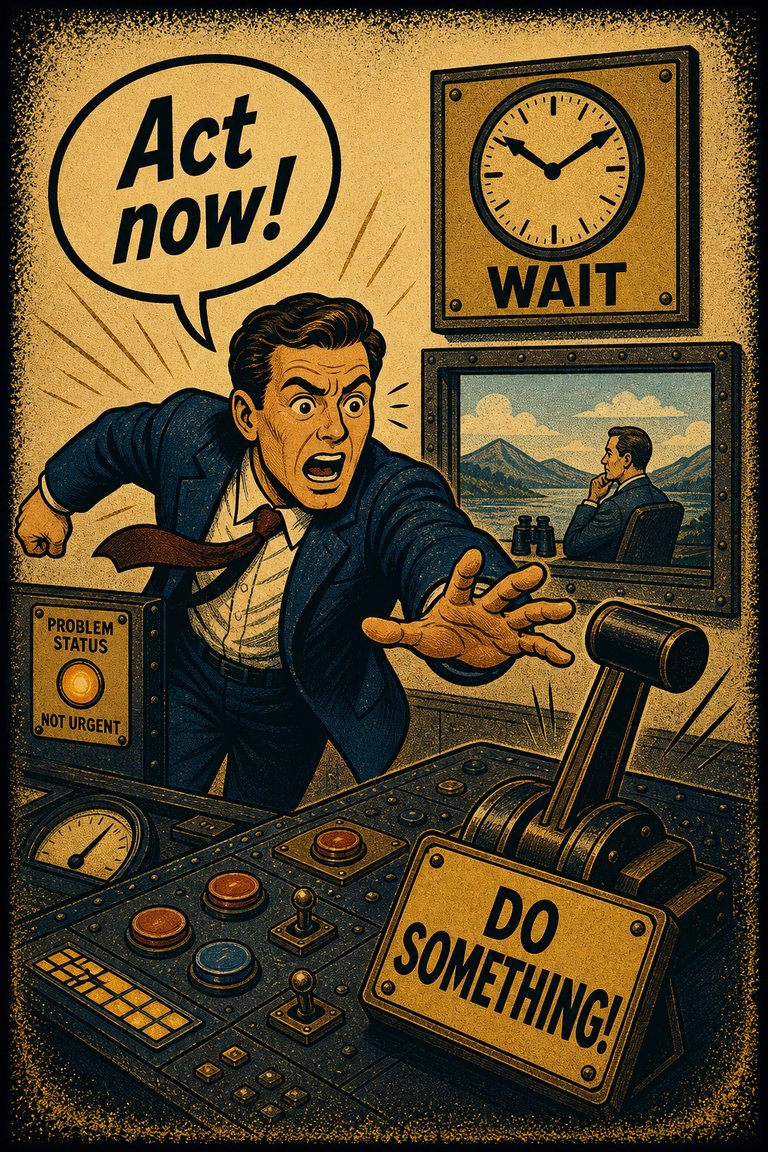
The tendency for someone to act when faced with a problem even when inaction would be more effective, or to act when no evident problem exists.
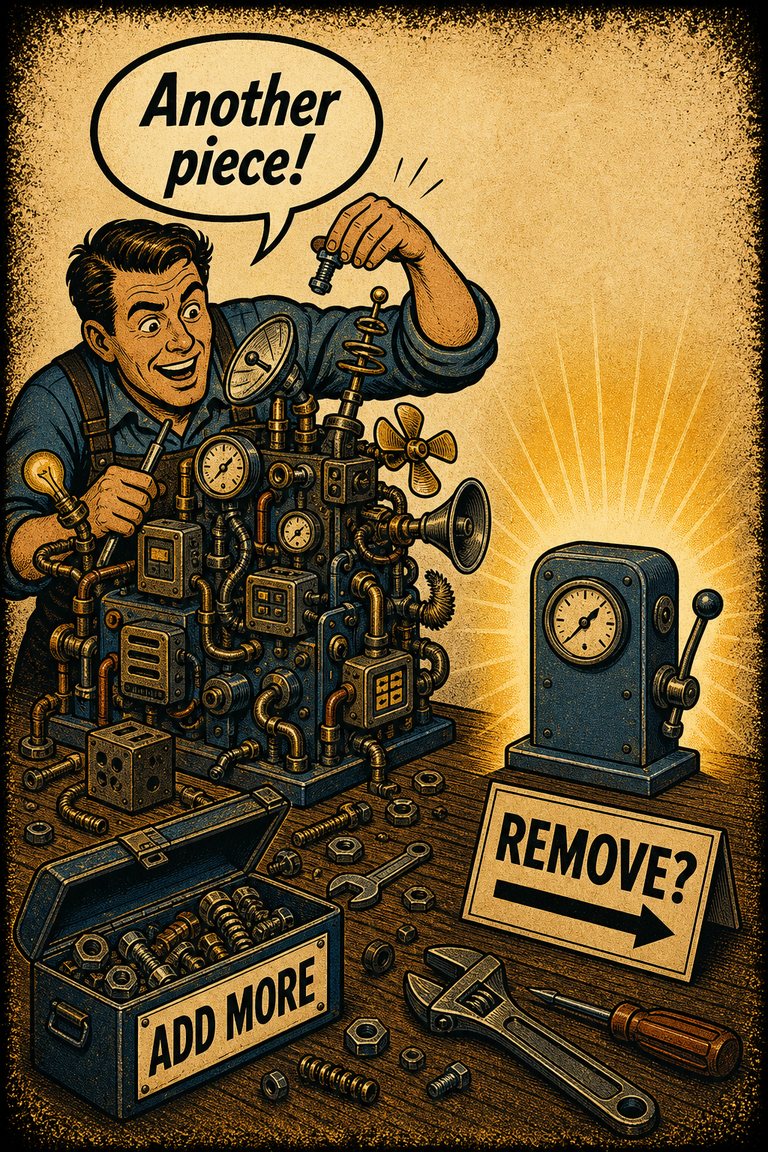
The tendency to solve problems through addition, even when subtraction is a better approach.
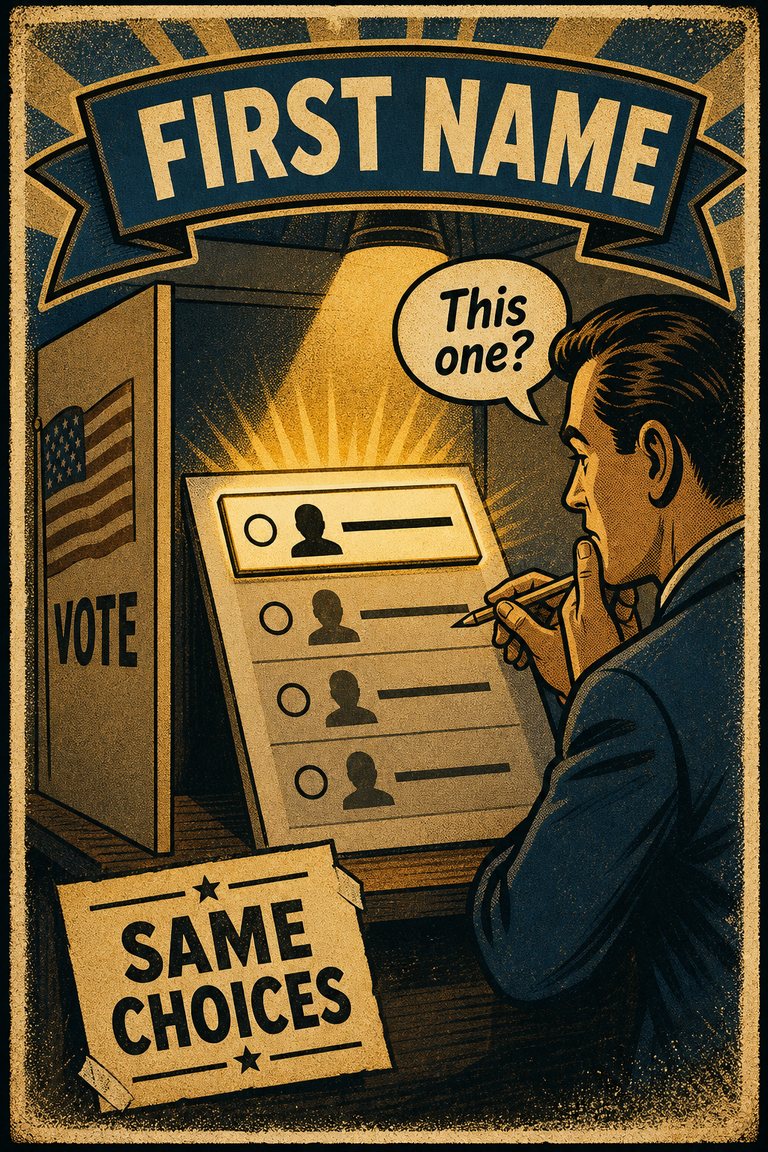
The tendency for candidates listed first on a ballot to gain a small voting advantage.
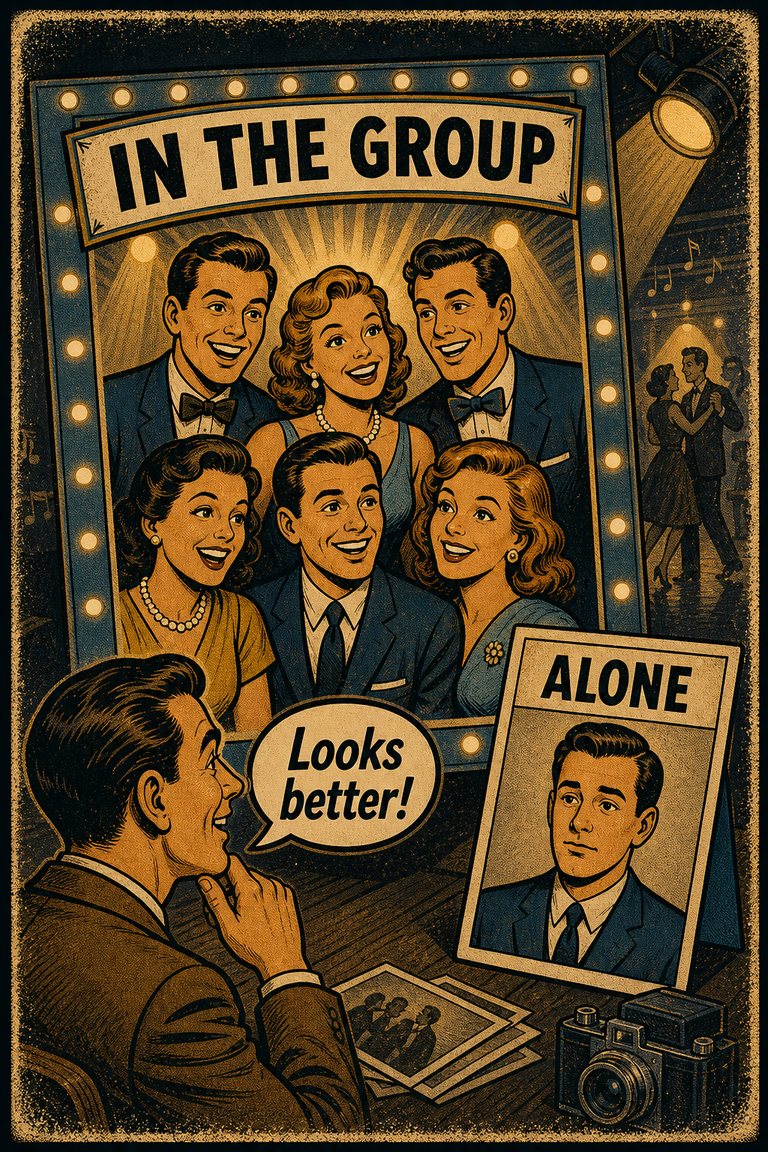
The tendency for people to appear more attractive in a group than in isolation.
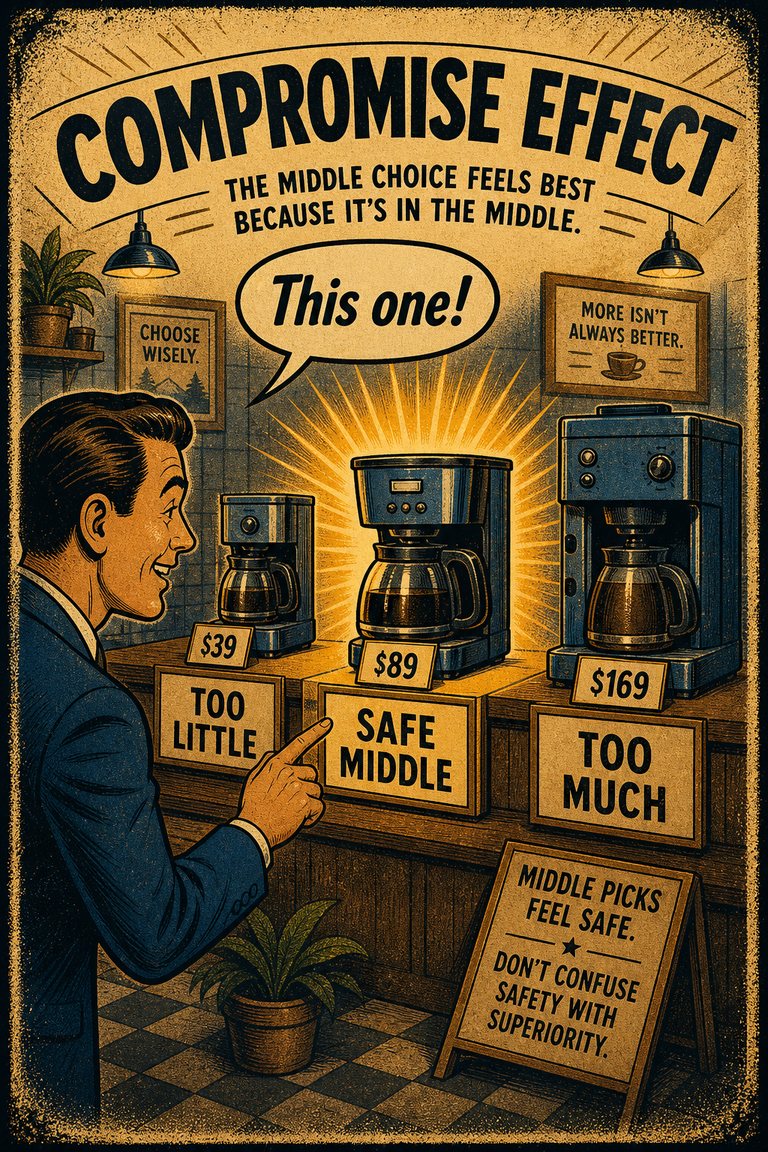
The tendency for an option to seem better when it appears as a middle compromise.
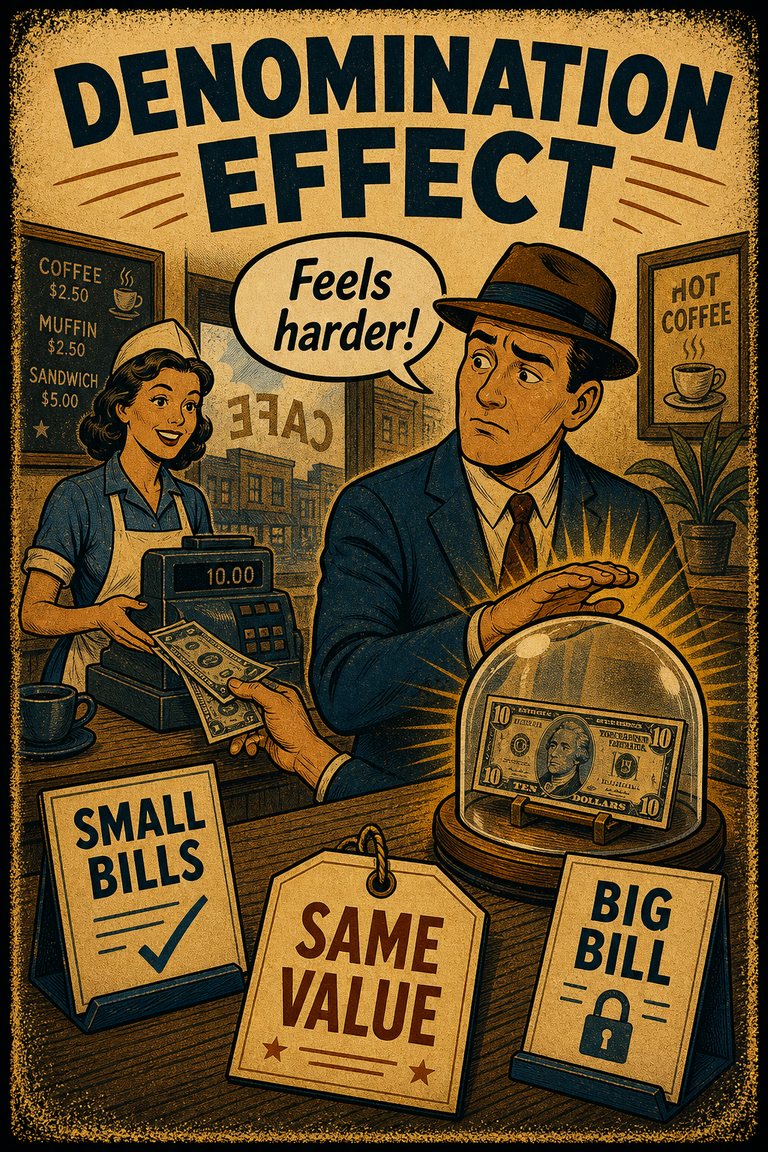
The tendency to spend more money when it is denominated in small amounts rather than large amounts.