Everyday life
In everyday life, this often looks like people leaning on the easiest first interpretation when situations where recall is already difficult and the inertia cue feels easier to trust than a fuller review..

Cognitive Biases
A practical cognitive-bias site with clear definitions, learning paths, assessments, self-audits, and debiasing tools.
Cognitive Bias
The tendency of perception to be affected by recurring thoughts
What it distorts
Biases that selectively reshape memory, retrieval, and retrospective interpretation.
Typical trigger
Situations where recall is already difficult and the inertia cue feels easier to trust than a fuller review.
First countermove
Start with the recall question instead of the first intuitive answer, then check whether the inertia pattern is doing invisible work.
Best use
Quick reference
Are we remembering the original event, or a later reconstruction that now feels cleaner than reality?
In recall problems, beliefs, habits, or commitments resist updating even when better movement is available before a fuller check catches up.
Use the quick check and reflection questions before locking the label. Nearby entries often share the same outer appearance while differing in what actually drives the distortion.
Each example changes the surface context while keeping the same hidden distortion in place.
In everyday life, this often looks like people leaning on the easiest first interpretation when situations where recall is already difficult and the inertia cue feels easier to trust than a fuller review..
At work, this often appears when teams treat the first coherent story as sufficient instead of slowing the process long enough to compare alternatives.
In public discourse, it often surfaces when commentators move too quickly from salience to conclusion while the underlying evidence remains thinner than it sounds.
The distortion usually feels like ordinary good judgment from the inside, which is why procedural repairs matter more than mere recognition.
Teaching note: Start with the recall problem, then show how the inertia pattern makes the distortion feel natural from the inside.
The strongest debiasing moves change the process, not just the label.
Start with the recall question instead of the first intuitive answer, then check whether the inertia pattern is doing invisible work.
Ask someone else to restate the case from a genuinely different starting point before committing.
Change the workflow so this distortion becomes harder to repeat by default next time.
Practice And Repair
Follow the moment where the bias first becomes attractive, then track how that attraction turns into a distorted judgment before jumping straight to the label.
Situations where recall is already difficult and the inertia cue feels easier to trust than a fuller review.
The first coherent reading starts to feel like ordinary good judgment from the inside.
Biases that selectively reshape memory, retrieval, and retrospective interpretation.
Start with the recall question instead of the first intuitive answer, then check whether the inertia pattern is doing invisible work.
Are we remembering the original event, or a later reconstruction that now feels cleaner than reality?
Spot It
Slow It
Reframe It
These are nearby labels that can share the same outer appearance while differing in what actually drives the distortion. Use the overlap, the distinction, and the diagnostic question together before settling the call.
Why compare it: A nearby label worth comparing before settling the diagnosis.
Why compare it: A nearby label worth comparing before settling the diagnosis.
Why compare it: A nearby label worth comparing before settling the diagnosis.
These are useful when the label seems roughly right but the process change still feels underspecified.
Are we remembering the original event, or a later reconstruction that now feels cleaner than reality?
What is staying in place mainly because movement is costly, awkward, or identity-threatening?
What evidence or comparison would most seriously change the current call?
These sourced cases come from closely related biases and help show the same kind of pressure while a direct case for this page catches up.
Corrected fire-warehouse narratives
People can continue citing corrected details from a fire story in later inferences when the correction does not provide a strong replacement explanation.
Why it fits: The mind keeps using the first causal frame because the retraction alone did not rebuild the story.
Related through: Continued influence effect
Modern cognitive psychology
Retractions that remove a claim without replacing the story
Corrections are less effective when they only say a claim was false but do not supply a sturdier alternative explanation for what happened.
Why it fits: The initial story keeps guiding inference because the later correction leaves a causal vacuum.
Related through: Continued influence effect
Modern cognitive psychology
These neighbors were selected from shared categories, shared patterns, and explicit editorial links where available.
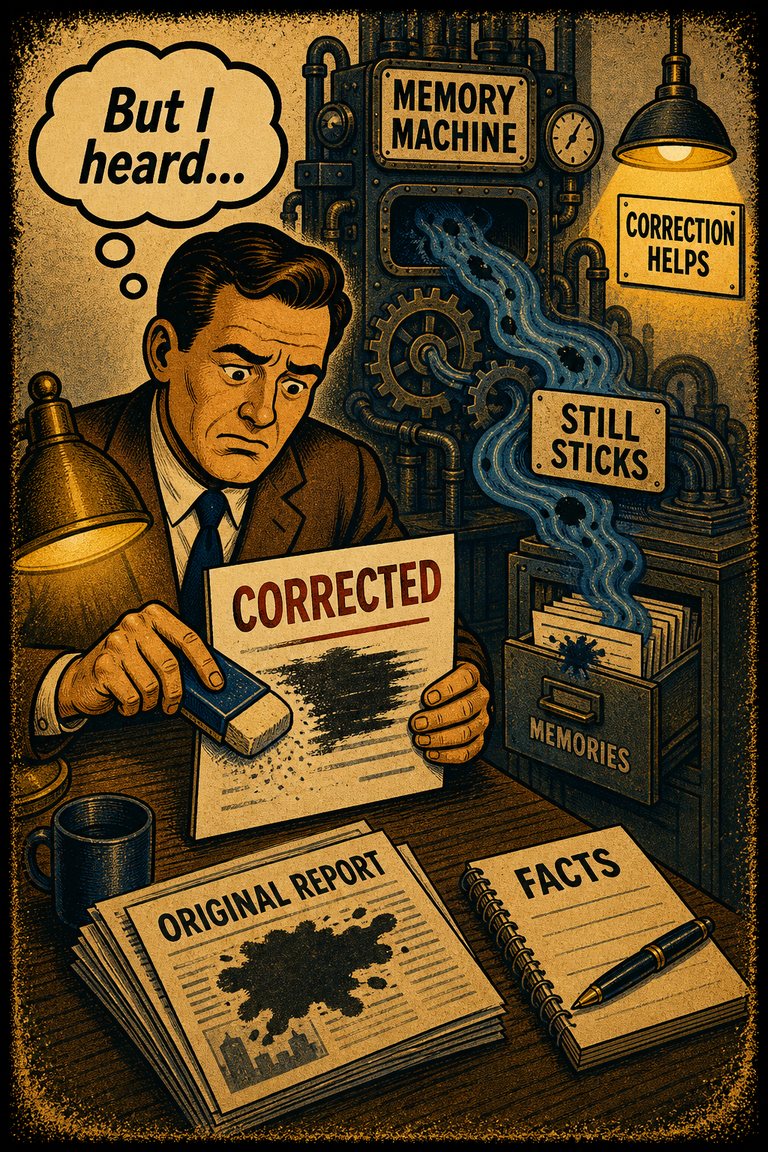
Misinformation continues to influence memory and reasoning about an event, despite the misinformation having been corrected.
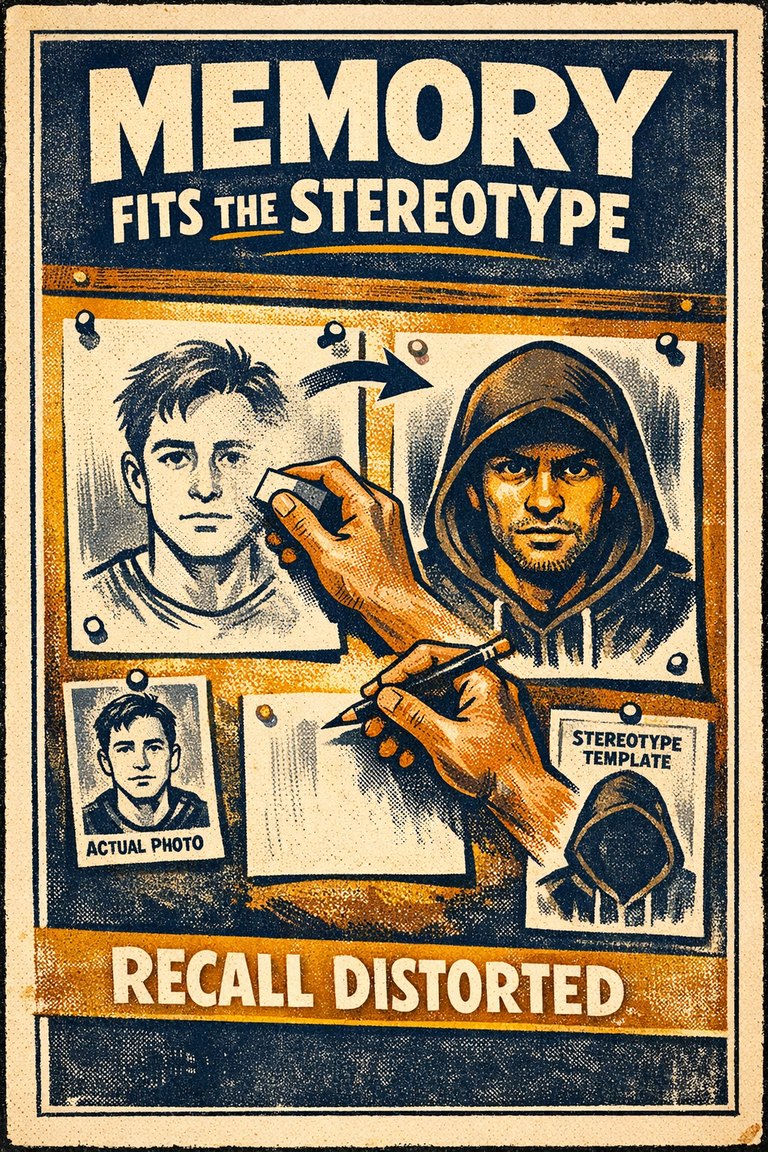
The tendency for memory or judgment to drift toward familiar social stereotypes.
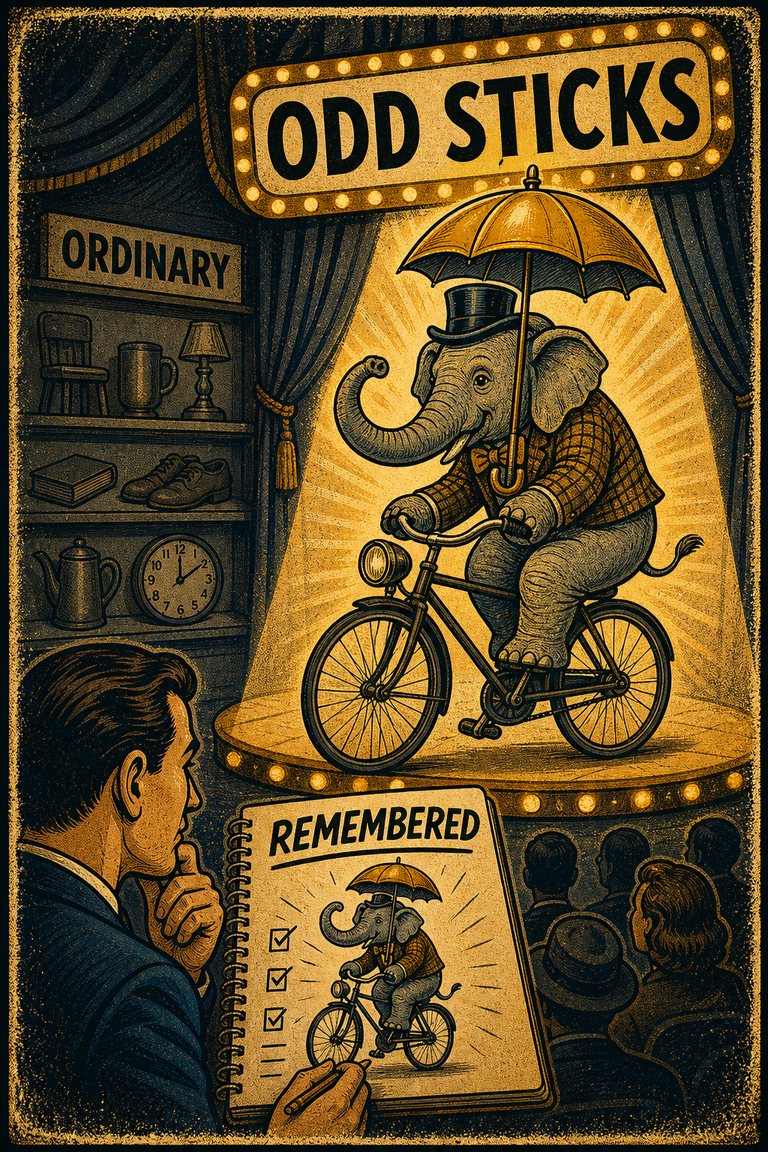
The tendency to remember bizarre or unusual material better than ordinary material.
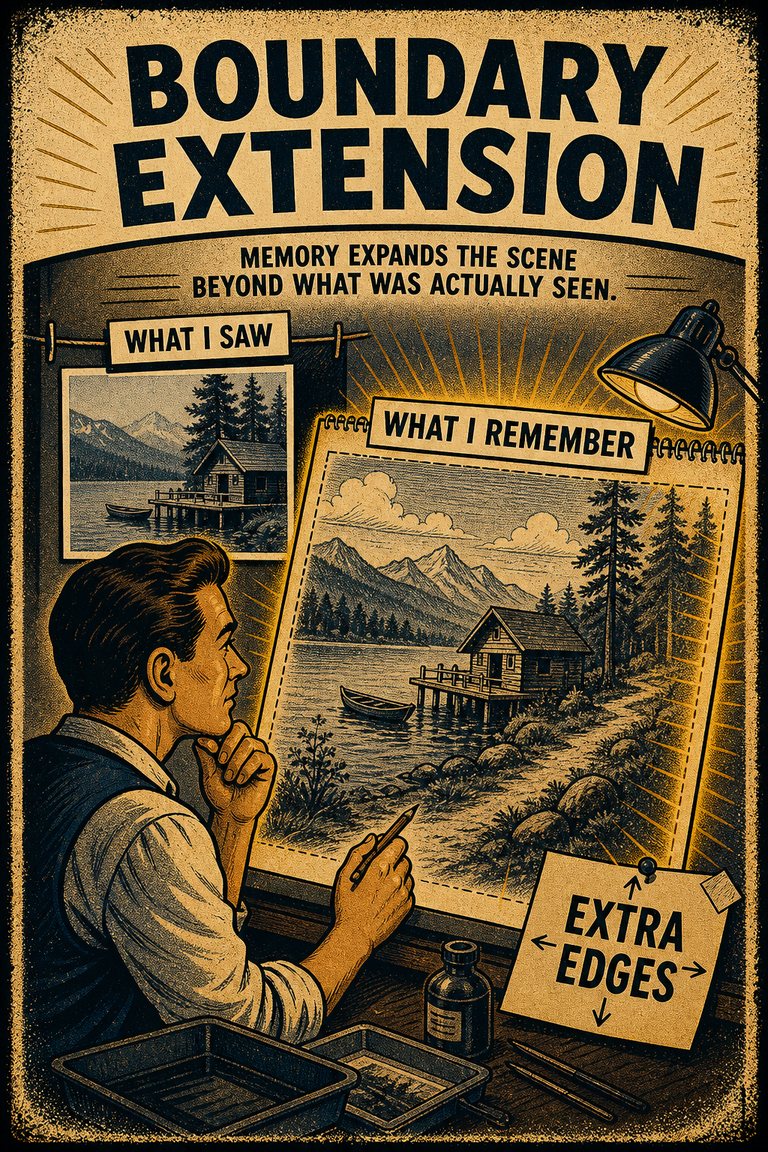
The tendency to remember a scene as having included more surrounding space than was actually shown.
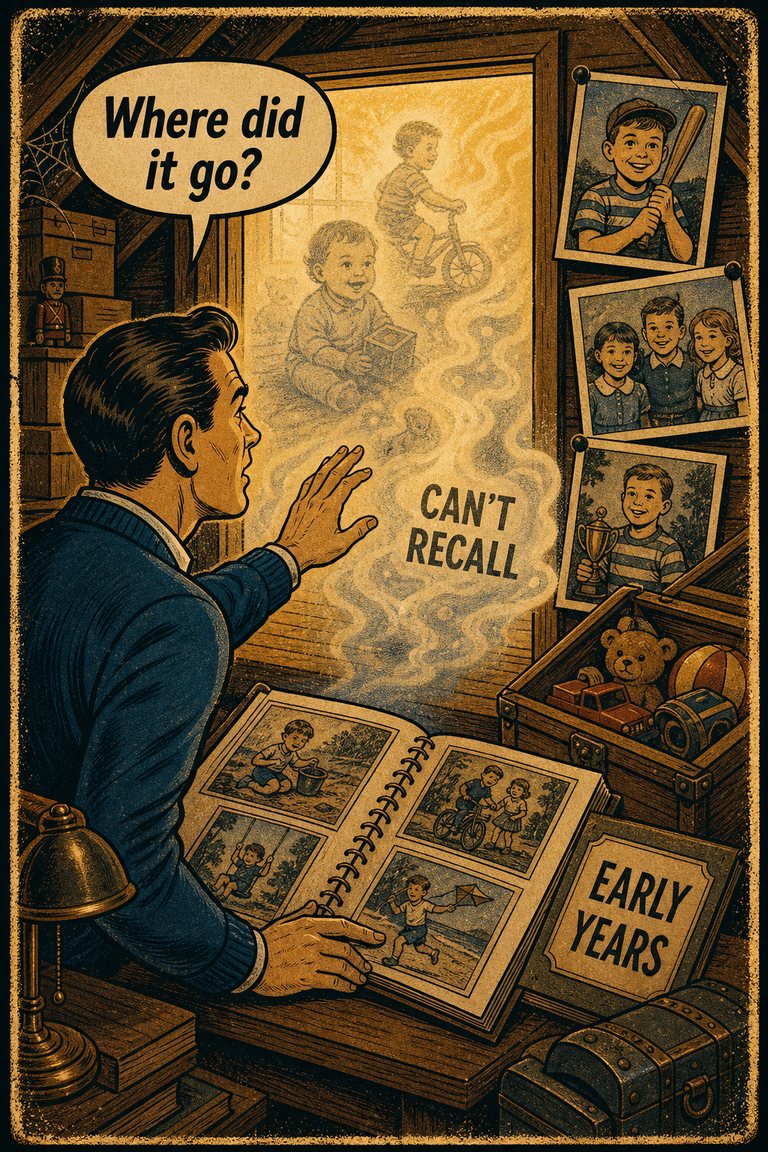
The retention of few memories from before the age of four.
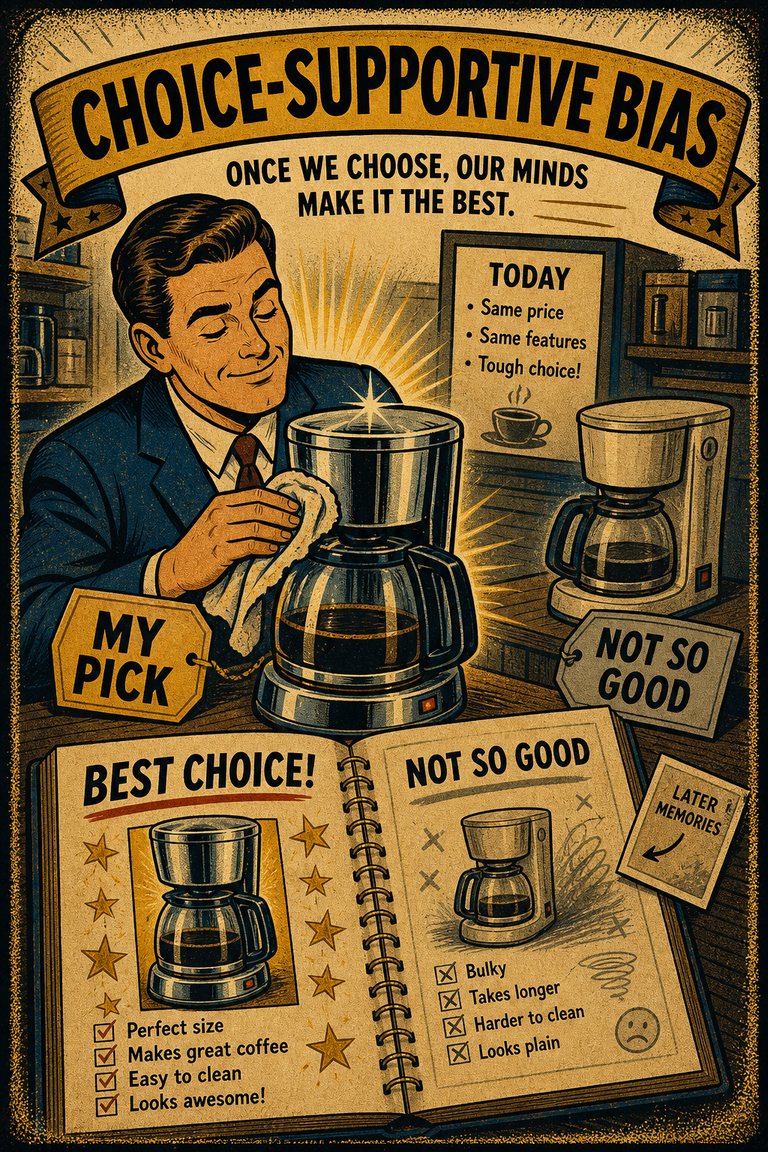
The tendency to remember one's choices as better than they actually were.