Common in live judgment
69
Common in fear, safety, and policy discussion where vivid scenarios dominate.
Rare
Frequent

Cognitive Biases
A practical cognitive-bias site with clear definitions, learning paths, assessments, self-audits, and debiasing tools.
Cognitive Bias
The tendency to ignore or drastically underuse probability information when making decisions under uncertainty.
What it distorts
It bends risk judgment by making the imagination of an outcome more decisive than the likelihood of the outcome.
Typical trigger
Fearful risks, low-probability disasters, dramatic upside stories, and choices where precise probability feels cognitively inconvenient.
First countermove
Write the probability information in plain view before arguing about the scenario itself.
Best use
Structured process
Am I treating this vivid possibility as if its probability barely mattered?
Vivid scenarios, emotional reactions, and categorical thinking crowd out the quieter work of numeracy. The possibility itself feels like enough to drive the choice.
These are classroom-facing editorial estimates for comparing how the bias behaves in use. They are teaching aids, not measured statistics.
Common in live judgment
69
Common in fear, safety, and policy discussion where vivid scenarios dominate.
Easy to spot from outside
49
Becomes clear when the missing probability estimate is requested directly.
Easy to innocently commit
82
A potent scenario can make possibility feel close to plausibility.
Teaching difficulty
45
Needs careful teaching so low-probability high-stakes cases are not flattened.
This comparison makes the hidden pull easier to see before the technical label has to do all the work.
Biased move
This is like planning for a lightning strike with the urgency of a daily weather pattern just because the image is frightening enough.
Clearer comparison
Serious scenarios deserve attention, but seriousness is not the same thing as likelihood. Good judgment keeps probability on the page even when the image is loud.
Do not use this label whenever rare risks are taken seriously. Some low-probability events deserve enormous weight because the stakes are huge. The issue is when probability is being ignored rather than consciously traded off against magnitude.
Use this label when vivid or dreaded possibilities dominate judgment so strongly that their actual probability receives almost no restraining influence.
Use the quick check, caveat, and nearby confusions together. The fastest diagnosis is often the noisiest one.
Each example changes the surface context while keeping the same hidden distortion in place.
A person makes a major choice around a dramatic but very unlikely outcome while barely weighting the much more probable ordinary outcomes.
A team spends heavily to protect against a sensational but low-probability event while underinvesting in routine but frequent losses.
Political debate gets dominated by extreme scenarios whose vividness outruns their actual probability.
Once the scenario is vivid enough, the mind starts treating possibility as if it were nearly the same thing as plausibility.
Teaching note: This is a high-value page for showing how risk talk becomes distorted when imagination outruns quantitative discipline.
The strongest debiasing moves change the process, not just the label.
Force yourself to write the probability range before discussing how frightening or attractive the scenario is.
Separate the probability estimate from the consequence discussion so vividness cannot do all the work at once.
Design risk reviews that surface both frequency and severity instead of allowing only one to dominate attention.
Practice And Repair
Neglect of probability happens when imagination outruns calibration. Once the scenario is vivid enough, the question of how likely it is starts shrinking in practical importance.
A vivid, frightening, or emotionally costly possibility enters the comparison.
The scenario feels so important that its low probability begins to seem like a technicality rather than a core input.
Decision weight is assigned mainly by image and stakes, with probability doing too little corrective work.
Write down both magnitude and probability, then ask what the decision would look like if the same outcome were described without the vivid narrative coating.
What explicit probability estimate is my current reaction refusing to let matter?
Spot It
Slow It
Reframe It
These are nearby labels that can share the same outer appearance while differing in what actually drives the distortion. Use the overlap, the distinction, and the diagnostic question together before settling the call.
Why compare it: Loss aversion overweights downside; neglect of probability underweights the likelihood information that should shape how seriously the downside is taken.
Why compare it: Framing changes how a choice feels; neglect of probability can persist even when the framing is held constant if the numbers themselves are ignored.
Why compare it: Optimism bias tilts forecasts toward desirable outcomes; neglect of probability often drops the quantitative structure entirely.
These are useful when the label seems roughly right but the process change still feels underspecified.
What is the actual probability range, not just the memorable scenario?
Am I reacting to possibility, or to probability-weighted consequence?
Which common but less dramatic outcomes are being crowded out by the vivid one?
These sourced cases do not prove what was in someone's head with perfect certainty. They are teaching cases for showing where the bias pressure becomes visible in practice.
Risk judgments dominated by vivid low-probability threats
Research summarized under neglect of probability shows that once a feared outcome is vivid enough, people often respond similarly across quite different probability levels.
Why it fits: The scenario's psychological force overwhelms the probability information that should have differentiated the choices.
Modern decision research
Lottery and tiny-risk choices ignore scale differences
When an outcome is vivid enough, people may pay too much to avoid a tiny risk or too much to chase a tiny chance, flattening distinctions that probability should keep sharp.
Why it fits: The emotional weight of the scenario swamps the actual odds.
Modern decision research
These linked tools turn the page into practice instead of leaving it at the level of definition.
This bias does not yet have a dedicated path, but these nearby paths are usually the clearest place to see the same family of distortion in motion.
Nearby path
Use this path when the real pull seems to be preserving what is already in hand rather than comparing options cleanly.
Nearby path
Comparison Traps And Choice Architecture
Use this path when you suspect the choice set itself is manufacturing preference rather than merely revealing it.
This bias does not yet have its own dedicated self-check, but these nearby audits usually catch the same kind of drift before it hardens.
Nearby audit
Before You Treat The Default As Neutral
Is the default genuinely best, or just easiest to leave in place?
Nearby audit
Before You Let The Menu Decide
Am I choosing the best option, or the option the current frame is making easiest to endorse?
This bias is not yet the named center of its own kit, but it already appears in nearby workshop material that teaches the same pressure in context.
Nearby workshop
Product Choice-Architecture Audit
A product and UX kit for testing whether defaults, decoys, metrics, and automation are helping users choose or quietly manufacturing preference.
Nearby workshop
A facilitation kit for rooms where agreement, hierarchy, and speed may be replacing independent judgment.
These scenarios mix direct and nearby cases so you can practice the label itself and the broader judgment pattern around it.
Direct scenario
The possibility is so scary that the percentage barely matters
A parent treats two very different low-probability risks almost the same because once the feared outcome is imagined vividly enough, the exact probabilities stop changing the reac…
Nearby scenario
Lives saved versus lives lost
The same medical policy gets much stronger support when it is described as saving 90 of 100 patients than when it is described as allowing 10 of 100 patients to die.
These links widen the frame around the bias without interrupting the core lesson on this page.
An article on why identifiable cases, vivid prototypes, and human-scale stories can overpower larger but more abstract evidence and need deliberate rebalancing.
CogBias theory
A theory article on how ambiguity, vivid possibility, and normal baselines can distort risk judgment before explicit calculation ever gets a fair chance.
CogBias theory
These neighbors were selected from shared categories, shared patterns, and explicit editorial links where available.
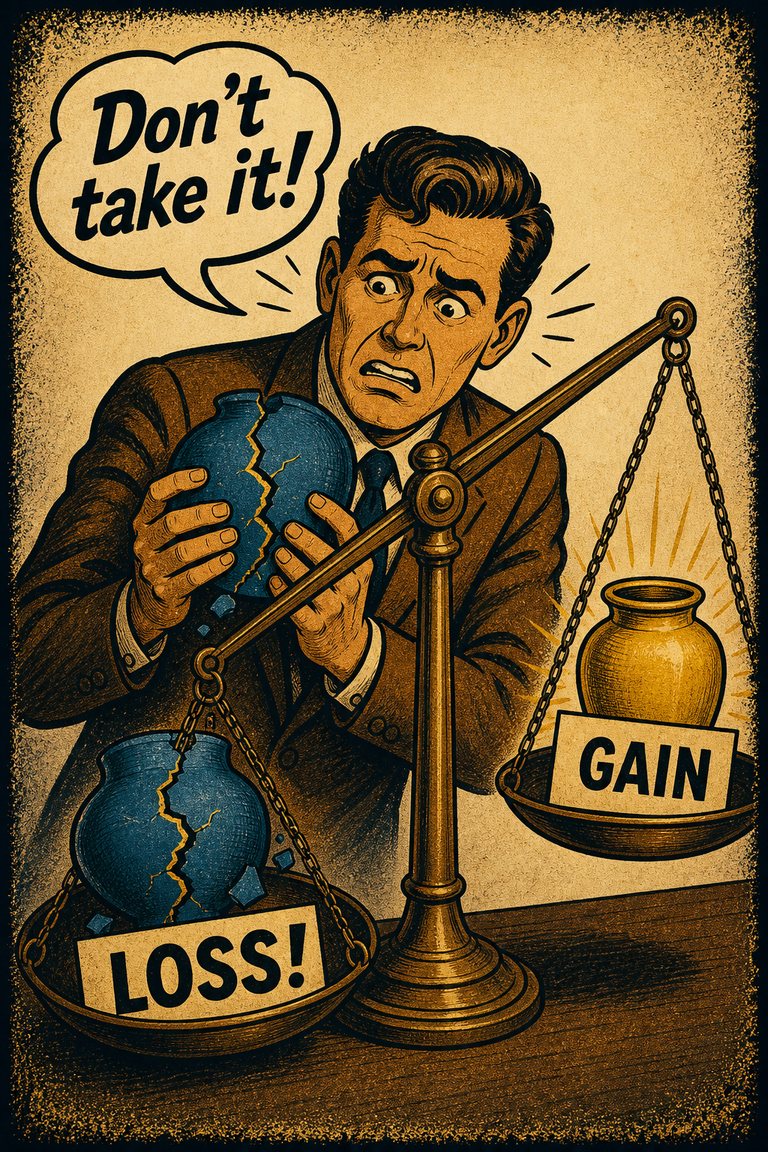
The tendency for losses or giving something up to feel worse than equivalent gains feel good.
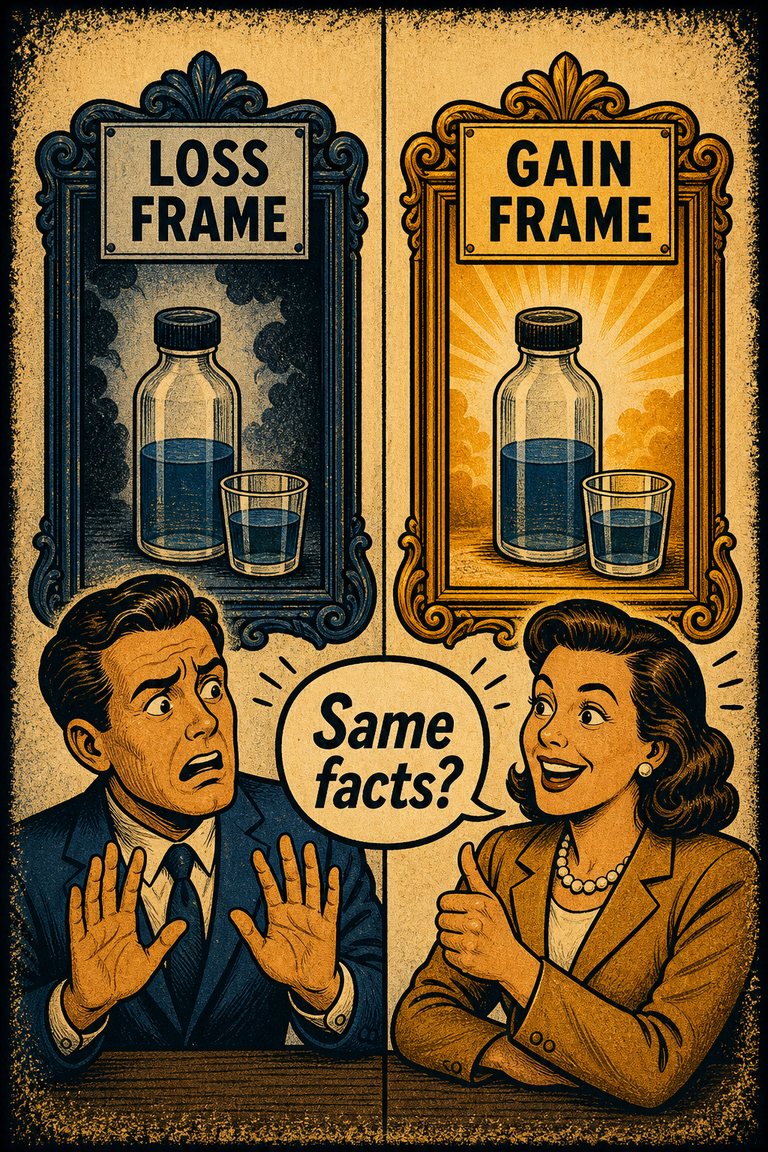
The tendency for the same underlying information to produce different judgments depending on how the options or outcomes are described.
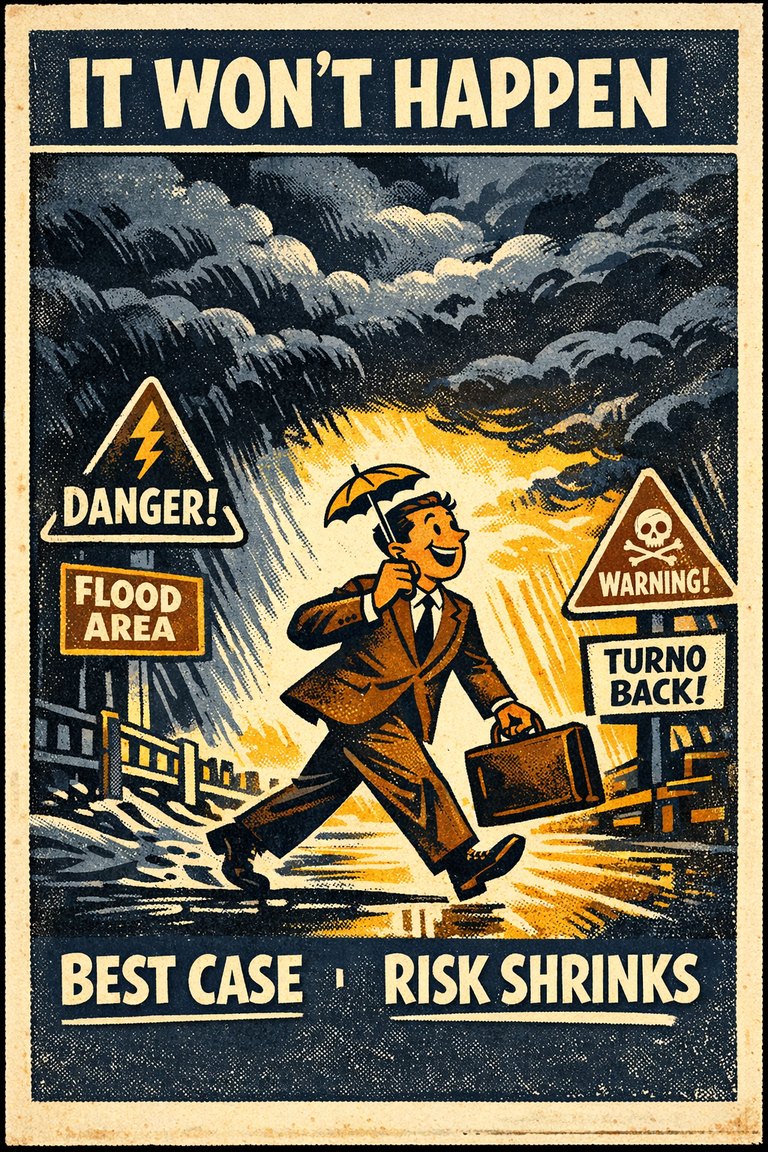
The tendency to overestimate favorable outcomes and underestimate the probability or impact of unfavorable ones, especially for oneself or one's own plans.
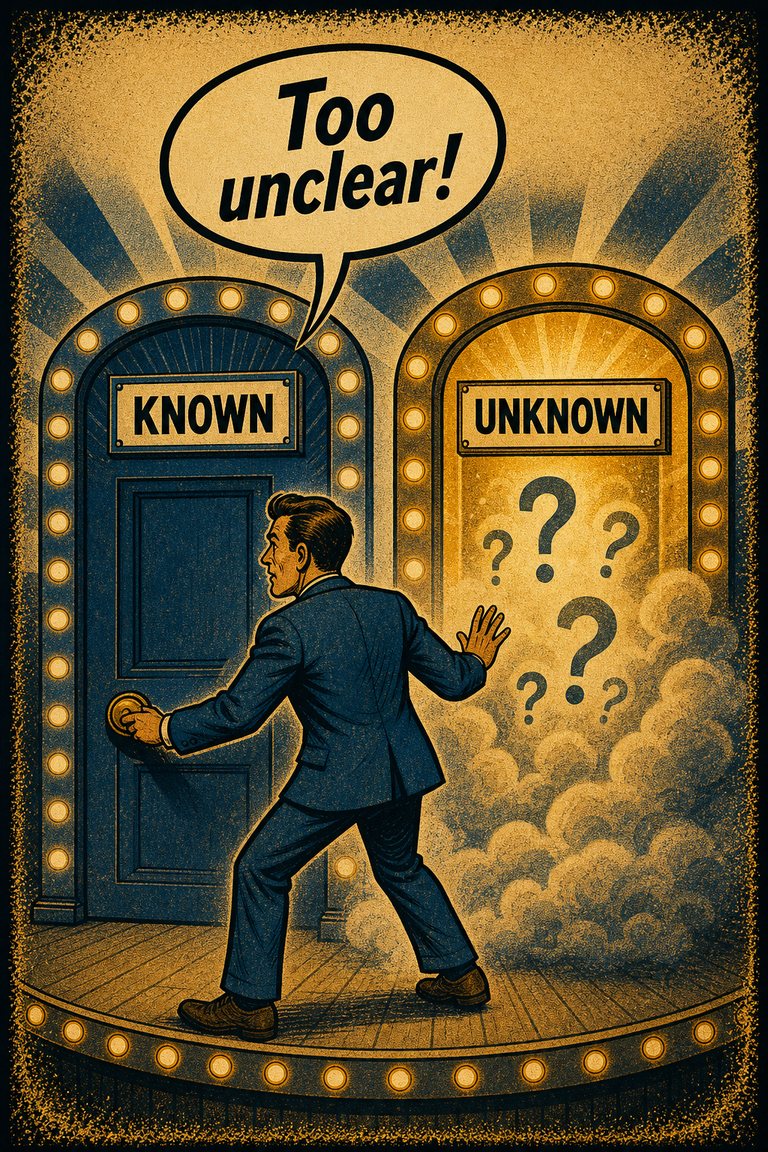
The tendency to avoid options when their probabilities are unclear, even if the unclear option may not actually be worse than the familiar one.
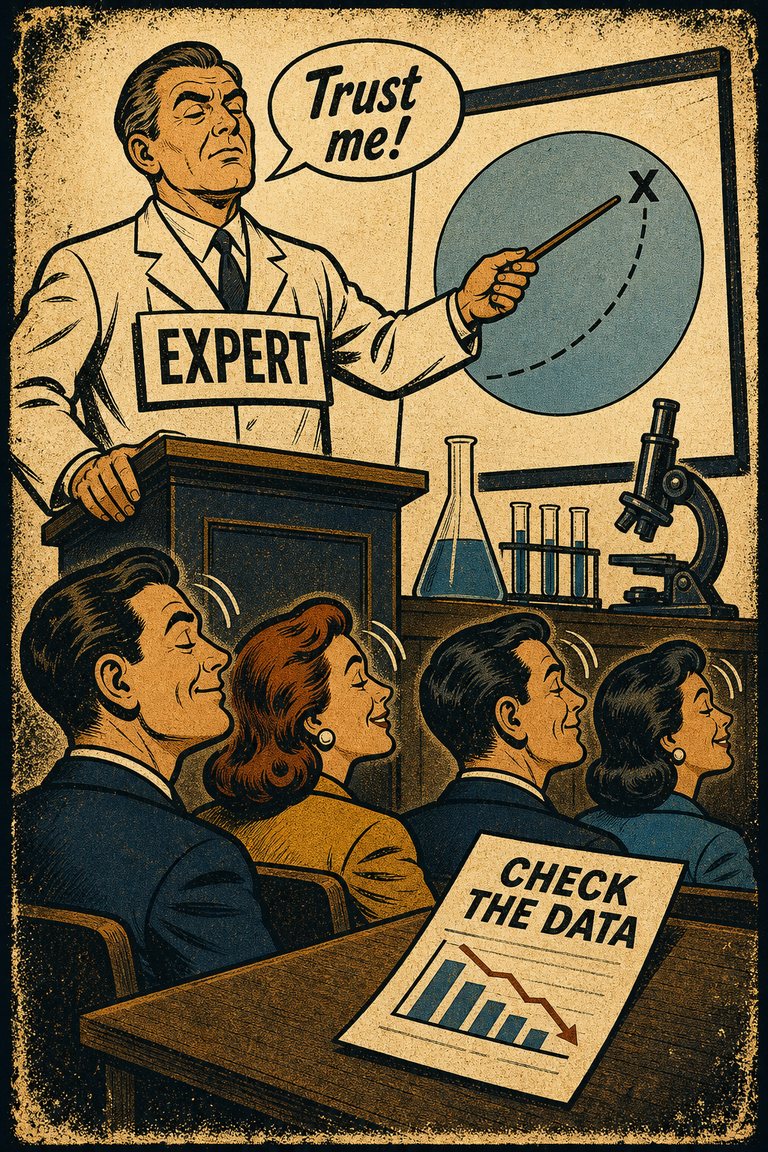
The tendency to give excess weight to the opinion of a high-status or authoritative source independent of whether the source has earned that weight on the specific issue.
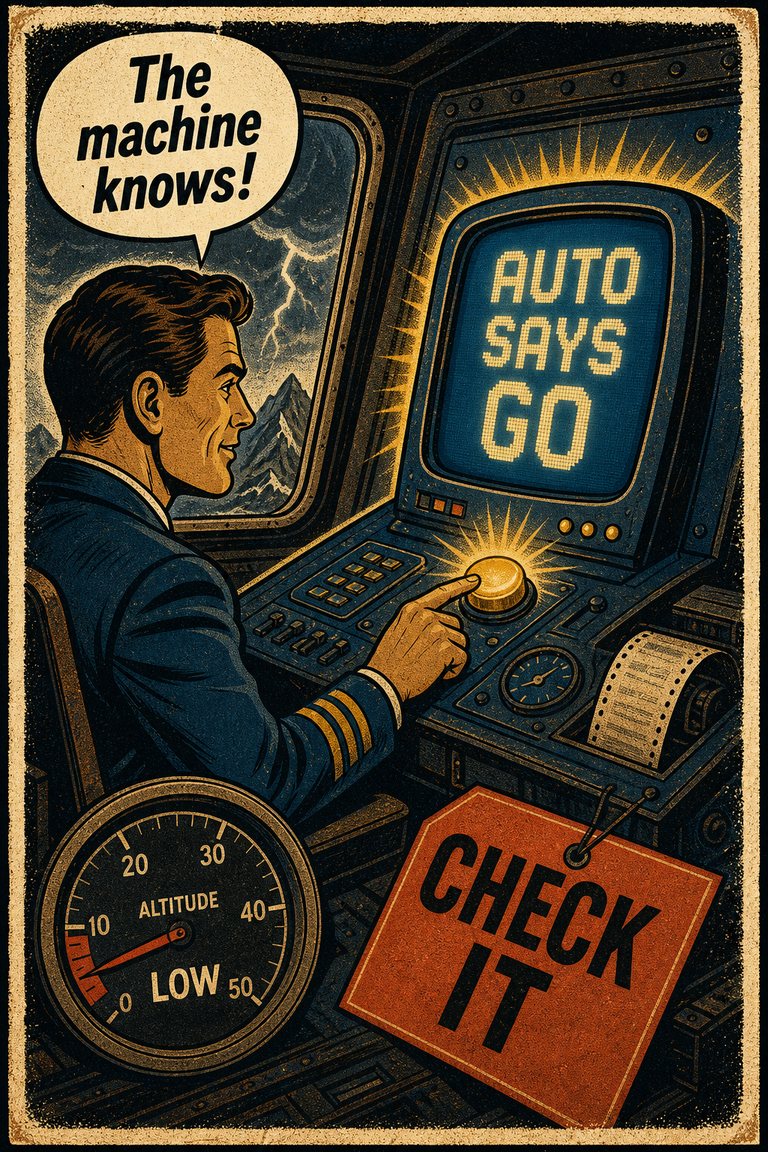
The tendency to depend excessively on automated systems which can lead to erroneous automated information overriding correct decisions.