Common in repeated events
78
Shows up in gambling, sports talk, forecasting, and any judgment about runs.
Rare
Frequent

Cognitive Biases
A practical cognitive-bias site with clear definitions, learning paths, assessments, self-audits, and debiasing tools.
Cognitive Bias
The tendency to think that future probabilities are altered by past events, when in reality they are unchanged. The fallacy arises from an erroneous conceptualization of the law of large numbers . For example, "I've flipped heads with this coin five times consecutively, so the chance of tails coming out on the sixth flip is much greater than heads."
What it distorts
Biases that distort numerical judgment, risk perception, calibration, and first-pass estimates.
Typical trigger
Situations where estimation is already difficult and the baseline cue feels easier to trust than a fuller review.
First countermove
Start with the estimation question instead of the first intuitive answer, then check whether the baseline pattern is doing invisible work.
Best use
Quick reference
What about the next event is actually different, apart from the streak feeling lopsided or overdue for correction?
In estimation problems, judgment is pulled by the wrong starting point, default frame, or prior expectation before a fuller check catches up.
These are classroom-facing editorial estimates for comparing how the bias behaves in use. They are teaching aids, not measured statistics.
Common in repeated events
78
Shows up in gambling, sports talk, forecasting, and any judgment about runs.
Easy to spot from outside
58
Usually clear once independence is restated and the recent sequence is hidden.
Easy to innocently commit
86
The short-run imbalance feels like a problem the process itself should fix.
Teaching difficulty
26
One of the easiest biases to demonstrate with coin flips and roulette.
This comparison makes the hidden pull easier to see before the technical label has to do all the work.
Biased move
This is like thinking the coin keeps a ledger it is now morally obliged to balance.
Clearer comparison
Long-run balance does not mean short-run repayment. Independent events do not remember the aesthetic discomfort of the previous sequence.
Do not use this label whenever someone predicts reversal. Some streaks end for real reasons. The issue is that the prediction is being driven mainly by the felt need for short-run balance in an otherwise independent process.
Use this label when the next event is judged as if recent outcomes have changed its probability even though the underlying process remains independent.
Use the quick check, caveat, and nearby confusions together. The fastest diagnosis is often the noisiest one.
Each example changes the surface context while keeping the same hidden distortion in place.
After seeing several boys born in a family line, someone starts talking as if the next child is now especially likely to be a girl.
A trader who has seen a few red days in a row starts calling a bounce overdue mainly because the sequence feels lopsided.
Fans treat a winning or losing streak as if the next contest now carries built-in balancing pressure rather than a fresh probability.
The streak itself starts to feel like a force that must soon correct, even when the next event is independent.
Teaching note: This page pairs well with clustering illusion because one bias overreads the streak and the other invents a correction from it.
The strongest debiasing moves change the process, not just the label.
Restate the probability of the next event as if the previous outcomes had been hidden from you.
Separate streak description from forecast discussion so the room does not smuggle balancing intuition into prediction.
Display long-run rates next to recent sequences whenever repeated-event judgments are routine.
Practice And Repair
Gambler's fallacy mistakes the law of large numbers for a short-run promise of symmetry.
A repeated independent process produces a visibly lopsided short run.
The imbalance starts feeling too ugly to persist, so reversal seems somehow owed.
Aesthetic discomfort with the streak quietly replaces the actual probability structure of the next event.
State the probability of the next event as if the recent run were hidden from you, then ask whether any real causal factor remains.
If I covered the previous outcomes with my hand, what genuine reason would I still have for moving the probability of the next one?
Spot It
Slow It
Reframe It
These are nearby labels that can share the same outer appearance while differing in what actually drives the distortion. Use the overlap, the distinction, and the diagnostic question together before settling the call.
Why it looks similar: Both let a recent streak distort the next prediction.
Key distinction: Gambler's fallacy expects reversal after the streak. Hot-hand thinking expects the streak itself to continue because the run is treated as momentum.
Ask: Does the streak make the next event feel due for correction, or does it make the streak feel self-reinforcing?
Why it looks similar: Both start with a short run that feels too patterned to ignore.
Key distinction: Clustering illusion overreads the significance of the observed run. Gambler's fallacy adds a separate error by projecting a balancing correction into the next event.
Ask: Am I only overvaluing the run I already saw, or am I also changing the probability of the next event because the run feels lopsided?
Why it looks similar: Both can displace the broader odds with a more immediate story.
Key distinction: Base-rate neglect ignores the larger reference rate in favor of vivid particulars. Gambler's fallacy specifically lets the immediate run distort the perceived probability of the next independent case.
Ask: Am I neglecting the broader rate generally, or am I specifically treating the recent sequence as if it altered the next trial?
These are useful when the label seems roughly right but the process change still feels underspecified.
Would I give the same probability if I looked only at the next event and hid the streak?
Am I confusing the long-run law of large numbers with a short-run promise of balance?
What evidence about the next case exists besides discomfort with the recent run?
These sourced cases include a few closely related examples where that helps make the same pressure visible in practice.
Roulette and coin-flip reversal expectations
The classic case is expecting tails to be especially due after a run of heads, even though the next flip's probability has not changed.
Why it fits: The streak's imbalance is being treated as if it imposes a correcting pressure on the next independent event.
Overview case
Fast confidence in thin-feedback domains
Domains with weak correction loops let confidence outrun competence for longer stretches.
Why it fits: Without robust feedback, fluency keeps masquerading as understanding.
Related through: Dunning-Kruger effect
Modern discussion
These linked tools turn the page into practice instead of leaving it at the level of definition.
This bias appears directly in one guided sequence and also in nearby paths that frame the same judgment problem from a slightly wider angle.
Direct path
Use this path before a major project, strategy choice, or resource commitment.
Same path family · Decision under uncertainty
Use this path when you want the minimum set of pages that gives the rest of the site immediate traction.
These audits combine direct and nearby checks so you can test the label itself and the broader judgment pattern around it.
Direct audit
What would the outside view say before the inside story takes over?
Same audit family · Decision under uncertainty
Am I choosing the best forward-looking option, or the most comfortable inherited one?
These neighbors were selected from shared categories, shared patterns, and explicit editorial links where available.
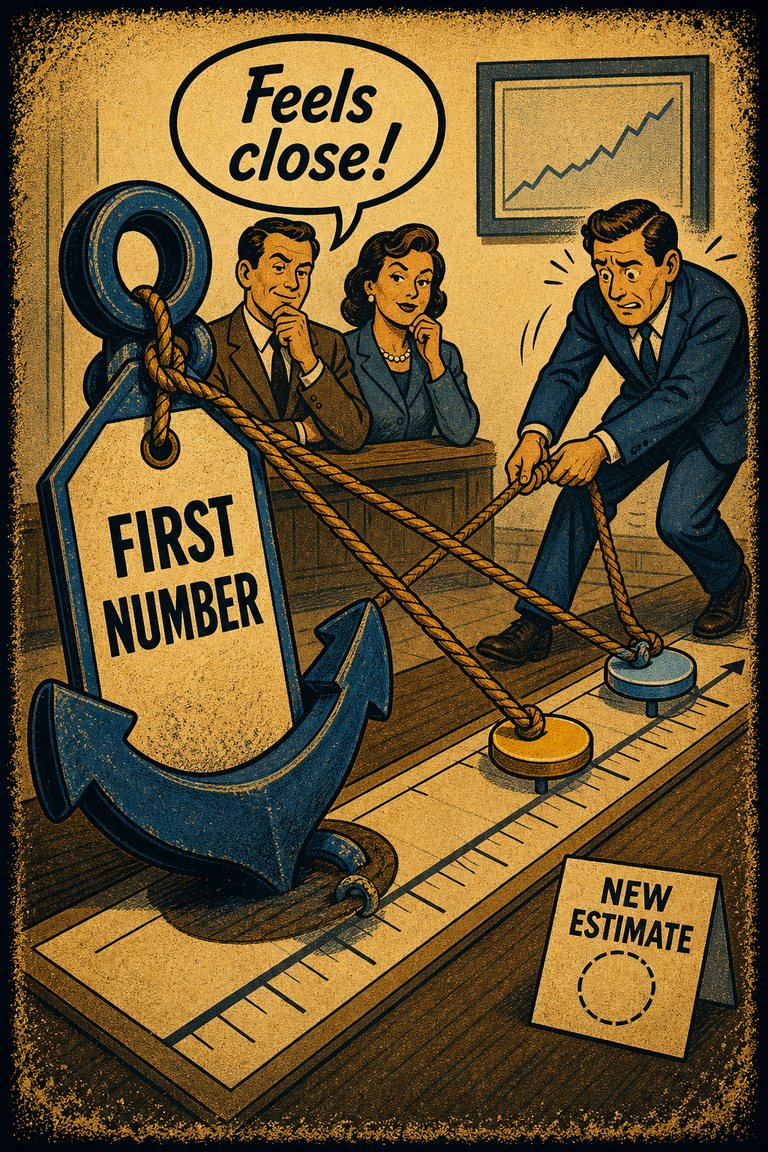
The tendency for the first salient number, frame, or option to pull later estimates toward itself even when it is arbitrary or weakly relevant.
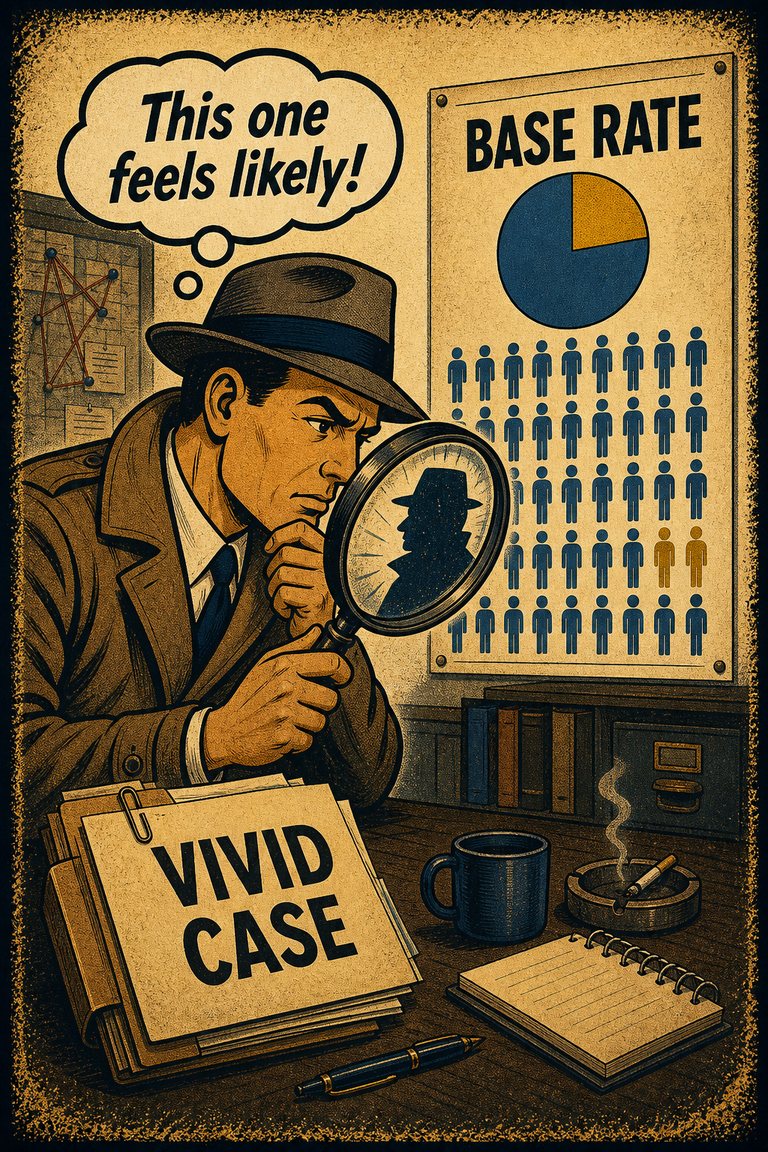
The tendency to underweight general prevalence information when vivid case-specific details are available.

The tendency for low skill or shallow understanding to produce overestimation of one's own competence, while higher-skill people may underestimate how unusual their competence really is.
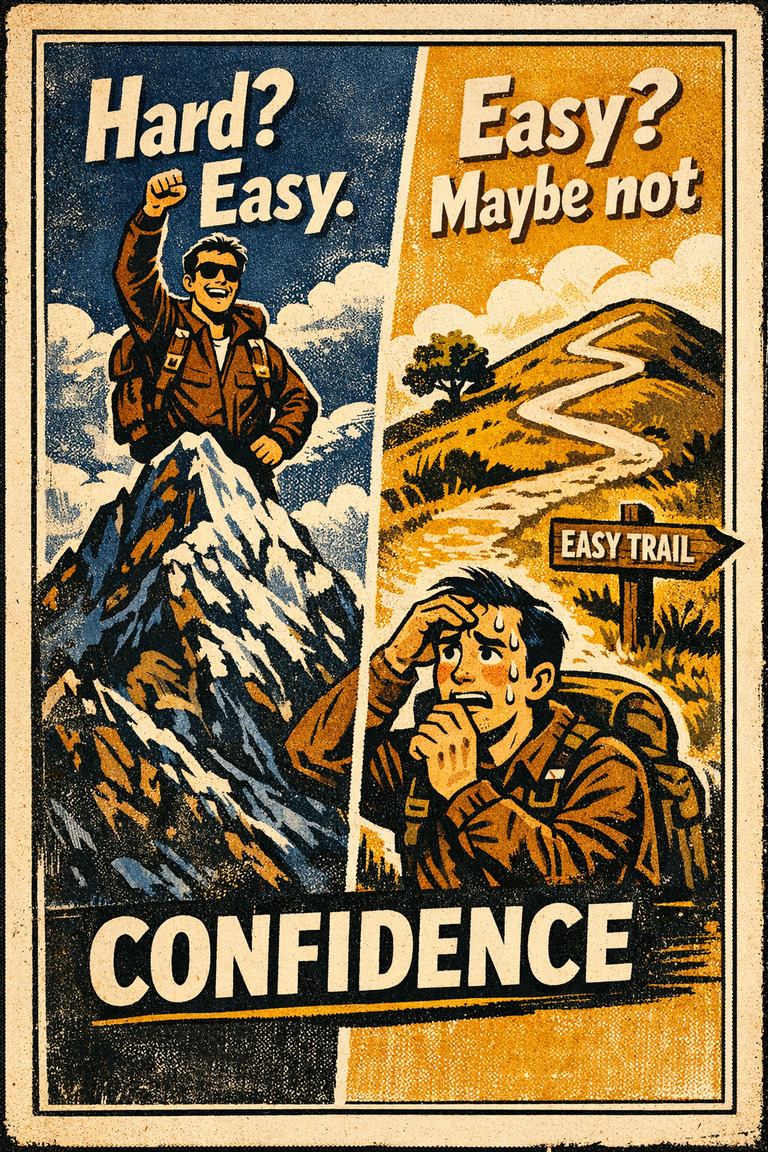
The tendency to overestimate one's ability to accomplish hard tasks, and underestimate one's ability to accomplish easy tasks.
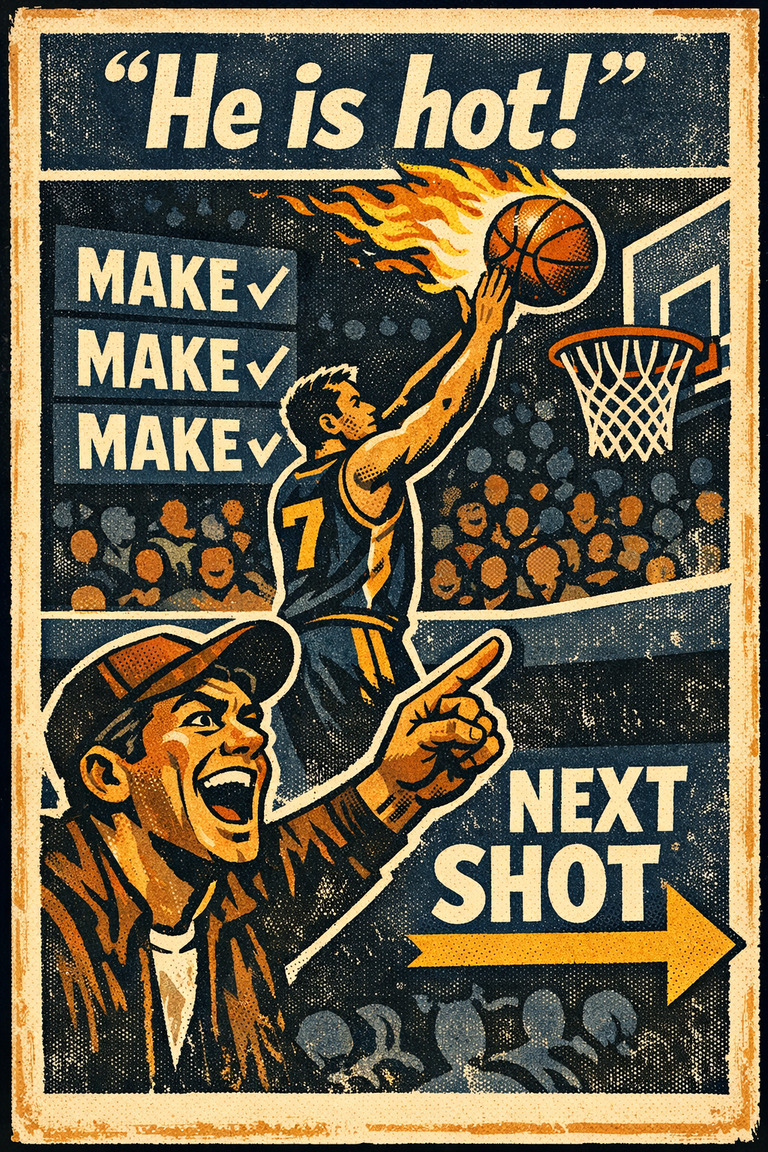
The belief that a person who has experienced success with a random event has a greater chance of further success in additional attempts.
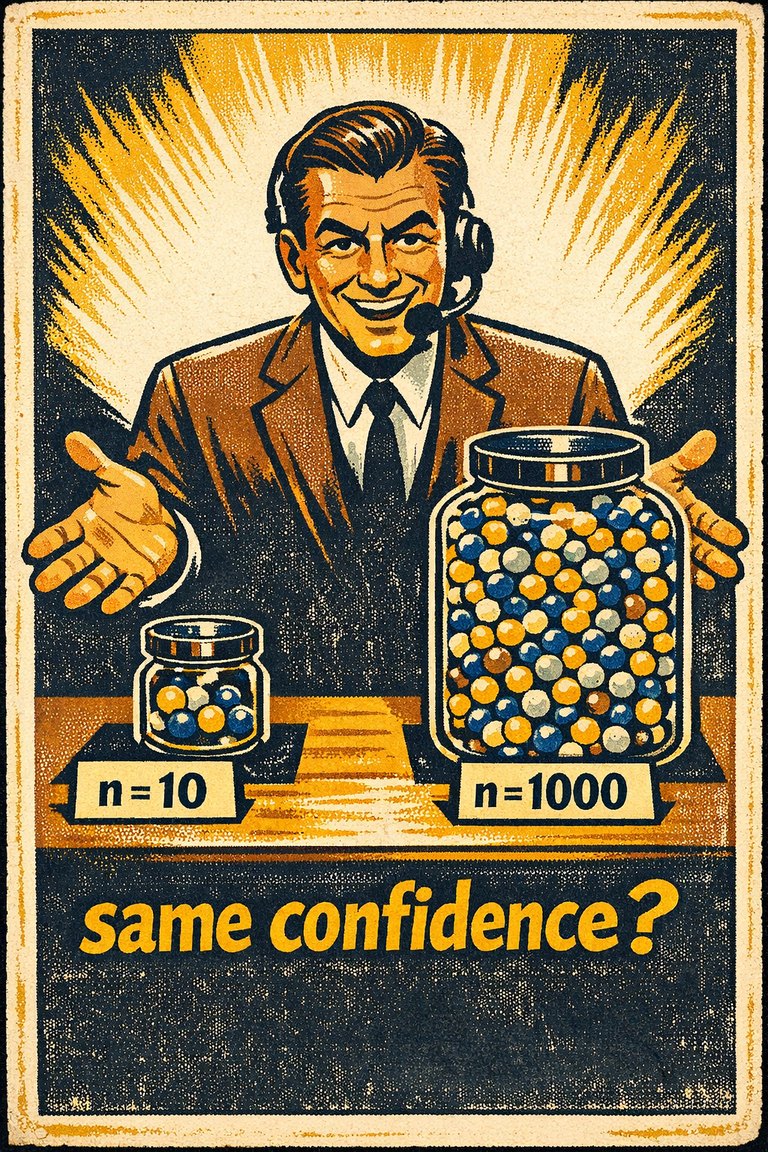
The tendency to under-expect variation in small samples and overread sparse data.