Common after outcomes
93
Almost any retrospective can drift toward it without explicit safeguards.
Rare
Frequent

Cognitive Biases
A practical cognitive-bias site with clear definitions, learning paths, assessments, self-audits, and debiasing tools.
Cognitive Bias
The tendency, after an outcome is known, to see it as having been more obvious or predictable than it actually was beforehand.
What it distorts
It destroys calibration and learning by making past uncertainty vanish.
Typical trigger
Postmortems, political analysis, investing, sports talk, and any outcome with a strong public narrative.
First countermove
Use a decision journal or timestamped notes to recover what was actually known at the time.
Best use
Structured process
What did I actually think before the outcome arrived, not what the ending now makes it tempting to remember?
Once the ending is in place, memory edits the uncertainty out of the original situation. The path to the outcome becomes narratively smoother than it was in real time.
These are classroom-facing editorial estimates for comparing how the bias behaves in use. They are teaching aids, not measured statistics.
Common after outcomes
93
Almost any retrospective can drift toward it without explicit safeguards.
Easy to spot from outside
39
Usually visible only when forecasts, notes, or prior ranges were preserved.
Easy to innocently commit
90
Memory naturally wants the earlier story to fit the ending more smoothly.
Teaching difficulty
44
Best taught with decision journals and timestamped forecasts.
This comparison makes the hidden pull easier to see before the technical label has to do all the work.
Biased move
This is like redrawing yesterday's weather map after you already know where the storm landed.
Clearer comparison
The finished map can look cleaner and more predictive than the actual uncertainty anyone had to work with in real time.
Do not use this label every time someone recognizes clues after the fact. Postmortem learning matters. The bias claim is that the known outcome is rewriting what seemed knowable beforehand.
Use this label when the final result makes the earlier uncertainty look flatter, more obvious, or more foreseeable than it really was at the time.
Use the quick check, caveat, and nearby confusions together. The fastest diagnosis is often the noisiest one.
Each example changes the surface context while keeping the same hidden distortion in place.
After a breakup, job loss, or market move, people start retelling the prior situation as if the signs had pointed clearly in one direction from the start.
A postmortem turns into subtle blame because the team forgets how much uncertainty was live before the result arrived.
Commentary after elections, crises, or sporting outcomes treats the ending as self-evident and rewrites what decision-makers supposedly should have seen.
Once the ending is known, the earlier uncertainty feels strangely incompetent, as if the path had been obvious all along.
Teaching note: This page is central for any site that wants to help people learn rather than merely blame.
The strongest debiasing moves change the process, not just the label.
Keep decision journals or timestamped forecast notes before the result is known.
Read the pre-outcome assumptions aloud at the start of the postmortem.
Score decisions on process quality and calibration, not just on whether the final result looks good.
Practice And Repair
Hindsight bias does not just change the verdict. It changes the remembered shape of the path leading to the verdict, which is why so many weak postmortems still feel wise.
An outcome arrives and immediately becomes the lens through which the earlier evidence and uncertainty are revisited.
Clues that were noisy in real time now line up neatly enough that the ending starts to look predictable all along.
Memory compresses prior uncertainty and inflates how foreseeable the result was before it happened.
Recover the original forecast, assumptions, and range before telling the story of what should have been obvious.
What did the pre-outcome record actually say before my current story started smoothing it?
Spot It
Slow It
Reframe It
These distinction guides slow down the most common nearby-label confusions before the diagnosis hardens.
Hindsight bias makes the outcome feel predictable after the fact; outcome bias uses the result to grade the earlier decision process.
Quick rule: Ask whether the claim is about prior predictability or decision quality.
These are nearby labels that can share the same outer appearance while differing in what actually drives the distortion. Use the overlap, the distinction, and the diagnostic question together before settling the call.
Why compare it: Hindsight bias rewrites what was predictable; outcome bias judges the decision process by whether the result turned out well.
Why compare it: Overconfidence inflates certainty before the fact; hindsight bias edits memory after the fact.
Why compare it: Motivated reasoning can shape the post-hoc story, but hindsight bias is the specific compression of past uncertainty once the ending is known.
These are useful when the label seems roughly right but the process change still feels underspecified.
What was actually known before the outcome arrived?
Which plausible alternatives were live at the time?
Do I have timestamped notes, or am I trusting reconstructed memory?
These sourced cases do not prove what was in someone's head with perfect certainty. They are teaching cases for showing where the bias pressure becomes visible in practice.
Fischhoff's knew-it-all-along experiments
Once people learn an outcome, they often recall having seen it as more likely than they really did beforehand.
Why it fits: The known ending alters memory of the earlier uncertainty.
1975
Retrospectives that inflate predictability
Business, policy, and investing postmortems often overstate how clearly the warning signs pointed to the eventual result.
Why it fits: The outcome changes not just the lesson, but the remembered evidence path.
Overview source
These linked tools turn the page into practice instead of leaving it at the level of definition.
2 related paths place this bias beside the distortions it most often travels with in practice.
Direct path
Use this path when you want the minimum set of pages that gives the rest of the site immediate traction.
Direct path
Use this path before a major project, strategy choice, or resource commitment.
These short audits help catch this bias before it hardens into a verdict, forecast, or decision.
Direct audit
Before You Explain What Happened
What part of this explanation is genuinely shown, and what part merely feels satisfying now that the ending is known?
Direct audit
What did the surprise reveal about the world, and what did it reveal about my forecasting habits?
This bias is not yet the named center of its own kit, but it already appears in nearby workshop material that teaches the same pressure in context.
Nearby workshop
A facilitation kit for rooms where agreement, hierarchy, and speed may be replacing independent judgment.
These scenarios mix direct and nearby cases so you can practice the label itself and the broader judgment pattern around it.
Direct scenario
It was obvious all along
After a vendor fails badly, people in the postmortem begin talking as if the warning signs made the collapse easy to foresee, even though no one had written those concerns down be…
Same scenario family · Memory and recall
The chosen option keeps looking better in memory
Months after choosing a software stack, a team remembers the winning option as having been clearly superior and the rejected options as much weaker than their original notes actua…
These links widen the frame around the bias without interrupting the core lesson on this page.
A practical article on why cognitive biases often shape what feels plausible before anyone states a neat argument aloud.
CogBias theory
A practical essay on why awareness is helpful but rarely sufficient, and why durable repair usually arrives through workflow, not willpower alone.
CogBias theory
These neighbors were selected from shared categories, shared patterns, and explicit editorial links where available.
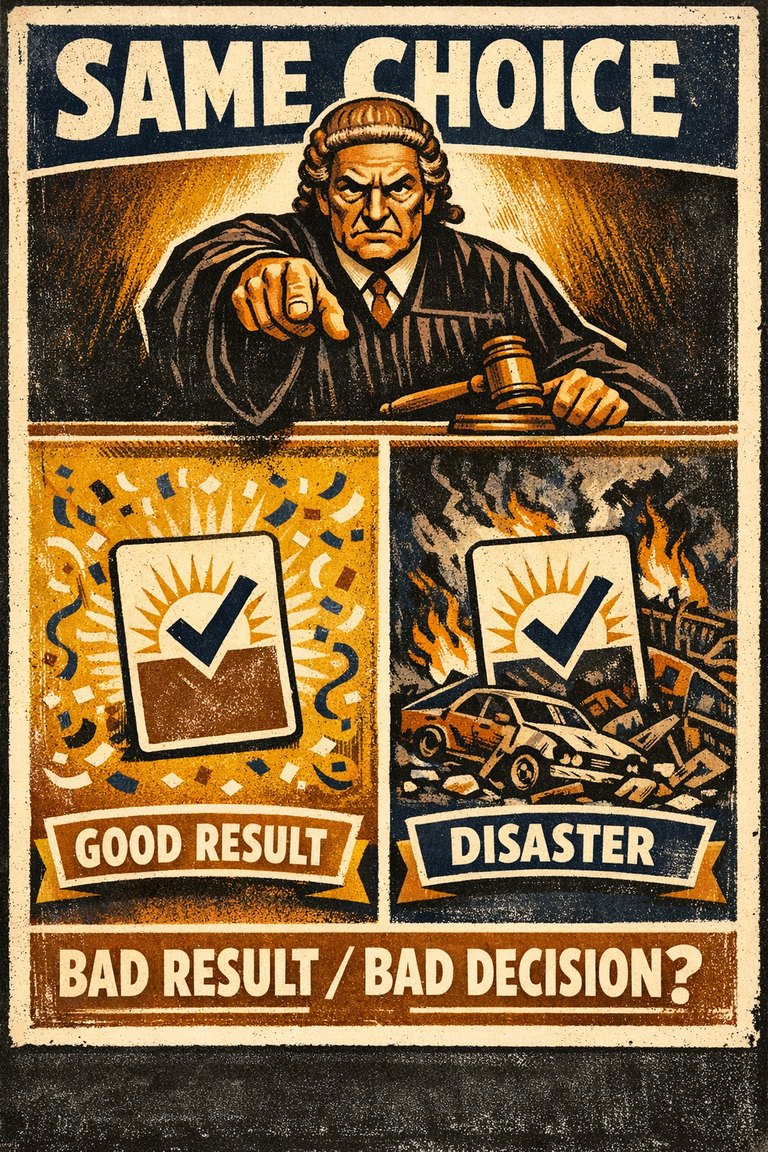
The tendency to judge a decision mainly by its result rather than by the quality of the reasoning behind it.
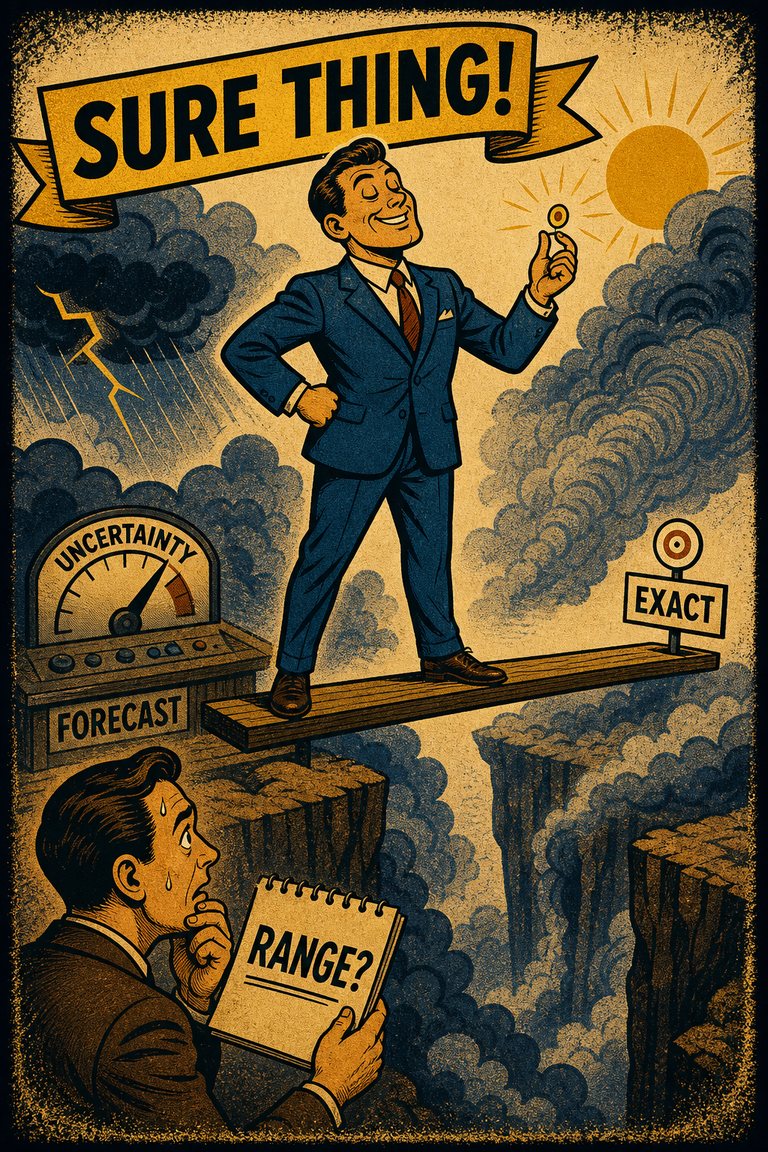
The tendency to be more certain about judgments, forecasts, or abilities than the evidence warrants.

The tendency to use reasoning as a defense lawyer for desired conclusions rather than as an impartial search for what is most likely true.
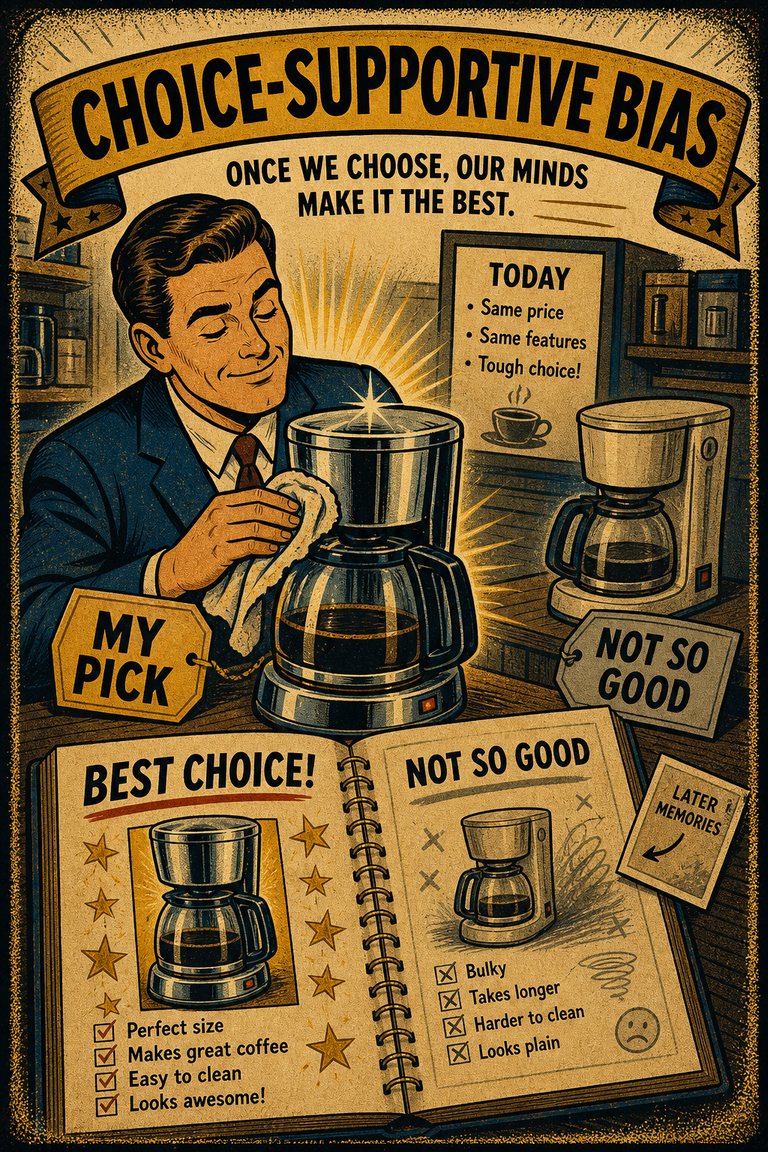
The tendency to remember one's choices as better than they actually were.
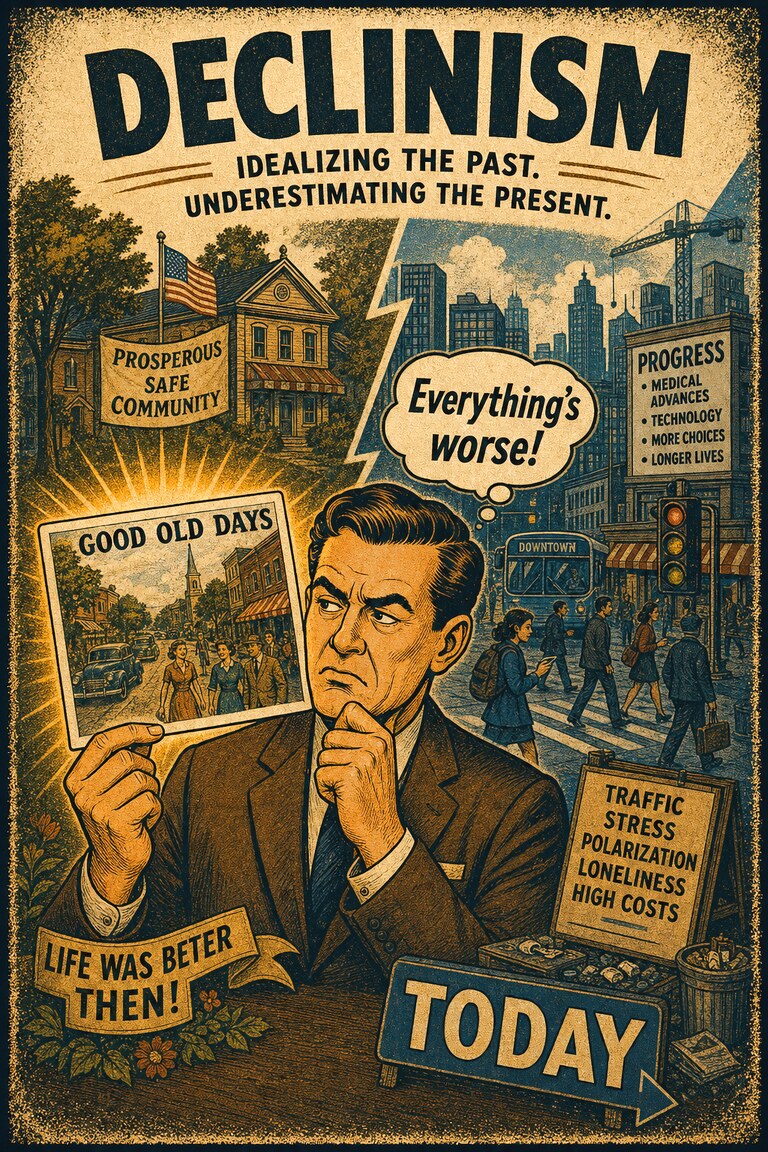
The predisposition to view the past favorably and the future unfavorably.

The tendency of people to remember past experiences favorably while overlooking bad experiences associated with them.