Common in polarization
87
Especially active where shared facts still allow multiple live readings.
Rare
Frequent

Cognitive Biases
A practical cognitive-bias site with clear definitions, learning paths, assessments, self-audits, and debiasing tools.
Cognitive Bias
The tendency to experience one's own perception of reality as the obvious, objective view and to treat disagreement as evidence that others are uninformed, irrational, or biased.
What it distorts
It bends political argument, conflict, and self-assessment by hiding the role of interpretation in one's own judgments while locating interpretation only in other people.
Typical trigger
Identity-charged issues, moralized conflicts, in-group discourse, and settings where disagreement feels like a verdict on character or sanity.
First countermove
State how an intelligent, informed opponent might reconstruct the same facts differently before dismissing the disagreement.
Best use
Structured process
Am I treating my interpretation as the facts themselves while treating the rival interpretation as bias by default?
Because one's own interpretation arrives without visible effort, it feels like direct access to the facts rather than like one perspective among several.
These are classroom-facing editorial estimates for comparing how the bias behaves in use. They are teaching aids, not measured statistics.
Common in polarization
87
Especially active where shared facts still allow multiple live readings.
Easy to spot from outside
28
Hard to detect because the person sincerely experiences the view as plain reality.
Easy to innocently commit
90
The default human experience is not 'my interpretation' but 'what happened.'
Teaching difficulty
62
Requires teaching perspective-taking without collapsing into relativism.
This comparison makes the hidden pull easier to see before the technical label has to do all the work.
Biased move
This is like looking through a tinted window and insisting the tint is reality because it is the only glass you can see through from your side.
Clearer comparison
What feels like direct access is often perspective plus interpretation. Good judgment makes the lens visible before it starts moralizing every disagreement.
Do not use this label for every dispute over facts. Some disagreements really are about evidence quality. Use it when one side treats its own reading as simple reality and the rival reading as proof of irrationality or bad faith without first making interpretation visible.
Use this label when people experience their own perspective as the unfiltered world and interpret disagreement mainly as evidence of bias, ignorance, or hostility in the other person.
Use the quick check, caveat, and nearby confusions together. The fastest diagnosis is often the noisiest one.
Each example changes the surface context while keeping the same hidden distortion in place.
Two people draw different lessons from the same interaction, and each experiences the difference not as perspective but as the other person's distortion.
A team conflict escalates because each side treats its own interpretation of events as the obvious one and reads disagreement as bad faith or incompetence.
Political polarization hardens when citizens experience their own framing as neutral reality and rival framings as propaganda, bias, or delusion.
The view does not feel like a view. It feels like the plain reading of reality, which makes competing interpretations look suspicious before they are heard out.
Teaching note: This page matters because it explains why even intelligent people can be sincerely convinced they are simply seeing the world as it is.
The strongest debiasing moves change the process, not just the label.
Try to write the strongest rival interpretation without mockery, then identify the interpretive fork where your own reading diverges.
Use steelmanning norms before evaluating whether the disagreement is about facts, values, incentives, or framing.
Build deliberative processes that surface competing interpretations explicitly instead of treating one as the default reality.
Practice And Repair
Naive realism is hard to catch because it feels like intellectual honesty. The person is not lying about how the world looks from inside the frame. The problem is forgetting that a frame is there.
An ambiguous event, report, or social conflict allows more than one live interpretation.
One reading feels so direct and natural that it stops feeling like interpretation and starts feeling like reality itself.
Rival views get sorted too quickly into stupidity, propaganda, or bad faith rather than into alternative readings that need comparison.
State the strongest intelligent rival interpretation in full sentences before judging the motives or competence of the people who hold it.
How would the same evidence look if I had to explain why a thoughtful person might read it differently without assuming corruption?
Spot It
Slow It
Reframe It
These are nearby labels that can share the same outer appearance while differing in what actually drives the distortion. Use the overlap, the distinction, and the diagnostic question together before settling the call.
Why compare it: Confirmation bias selectively protects a favored conclusion; naive realism makes the favored conclusion feel like the unfiltered facts to begin with.
Why compare it: Motivated reasoning bends standards in service of desired conclusions; naive realism hides the fact that your own conclusion is an interpretation at all.
Why compare it: Ingroup bias favors your own side; naive realism helps your side's perspective feel like the neutral baseline.
These are useful when the label seems roughly right but the process change still feels underspecified.
How would an intelligent opponent describe the same facts without sounding absurd?
Which interpretive step in my own position am I currently treating as if it were raw reality?
If I were wrong here, what kind of wrongness would still feel to me like obviousness?
These sourced cases do not prove what was in someone's head with perfect certainty. They are teaching cases for showing where the bias pressure becomes visible in practice.
Reactive devaluation in negotiation
Negotiators often judge the same proposal differently depending on who offers it, because their own reading feels like common sense while the rival side's move feels strategic or suspect.
Why it fits: The perspective gap is hidden inside the feeling that one's own interpretation is simply the facts.
Modern conflict research
The hostile media effect
Opposing groups can watch the same coverage and each experience it as biased against them while regarding their own reading as straightforward.
Why it fits: Shared evidence does not feel shared once each side mistakes its own interpretive lens for reality itself.
Modern media research
These linked tools turn the page into practice instead of leaving it at the level of definition.
This bias appears directly in one guided sequence and also in nearby paths that frame the same judgment problem from a slightly wider angle.
Direct path
Use this path when ambiguous behavior is being read through threat, bad faith, or us-versus-them interpretation.
Same path family · People judgment
Use this path when a discussion is drifting from behavior into identity, motive, or character verdict.
These audits combine direct and nearby checks so you can test the label itself and the broader judgment pattern around it.
Direct audit
Before You Read Hostility Into It
What else could explain this besides threat, contempt, or bad faith?
Same audit family · Conflict and social threat
Would I still hold this view if I had to write it down alone before hearing the room?
This bias is not yet the named center of its own kit, but it already appears in nearby workshop material that teaches the same pressure in context.
Same workshop family · People judgment
Relationship Conflict Attribution Reset
A reflective kit for slowing motive-reading, character verdicts, and self-protective memory during conflict.
Same workshop family · Conflict and social threat
A facilitation kit for rooms where agreement, hierarchy, and speed may be replacing independent judgment.
These scenarios mix direct and nearby cases so you can practice the label itself and the broader judgment pattern around it.
Direct scenario
The other side is just biased
Two teams read the same incident report and each one experiences its own interpretation as simply the facts, while treating the other team's interpretation as evidence of bad fait…
Same scenario family · People judgment
He must have meant that as a slight
A colleague sends a short reply with no greeting, and another teammate immediately starts interpreting the message as deliberate disrespect without seriously considering time pres…
These links widen the frame around the bias without interrupting the core lesson on this page.
A practical article on why cognitive biases often shape what feels plausible before anyone states a neat argument aloud.
CogBias theory
These neighbors were selected from shared categories, shared patterns, and explicit editorial links where available.
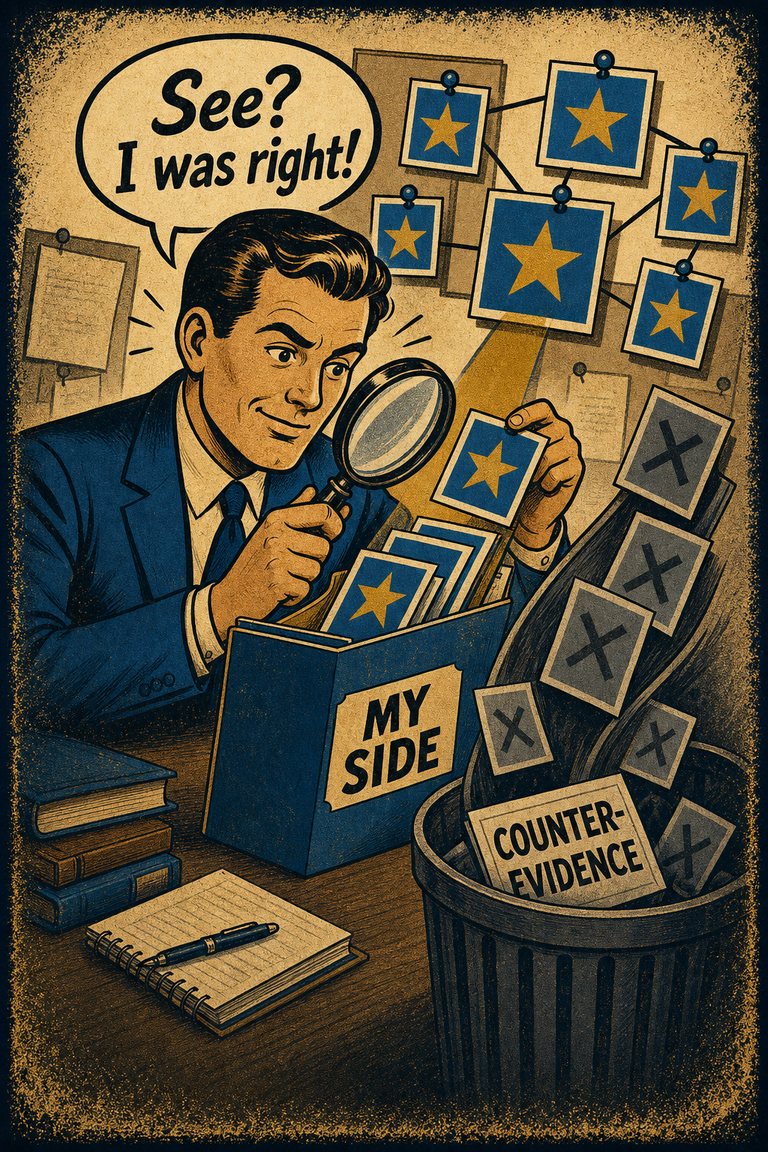
The tendency to notice, seek, and remember evidence that supports the story you already prefer more readily than evidence that threatens it.
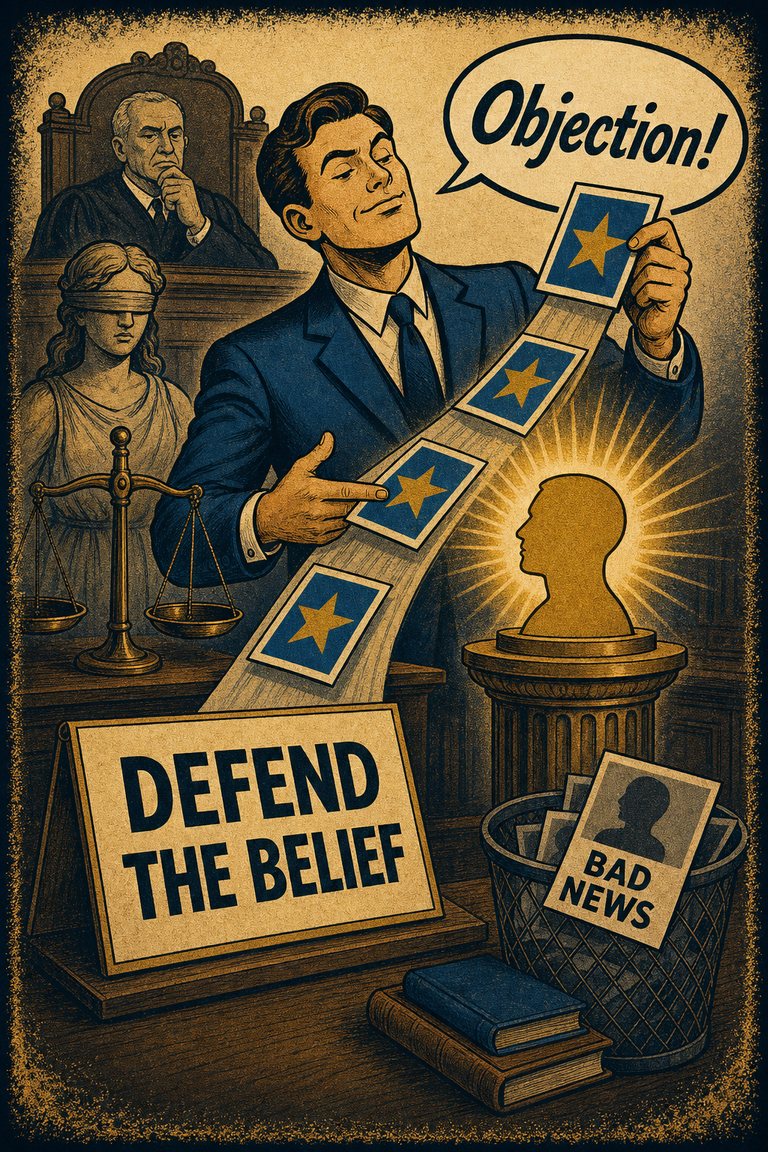
The tendency to use reasoning as a defense lawyer for desired conclusions rather than as an impartial search for what is most likely true.
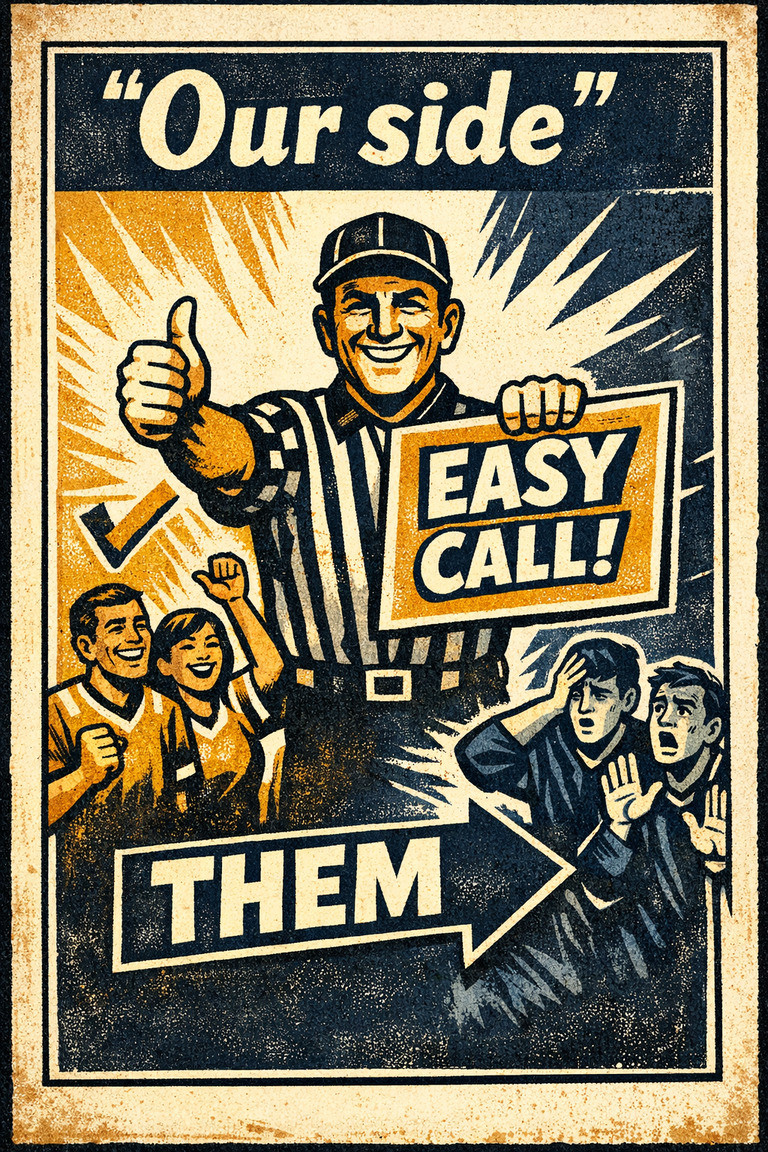
The tendency to favor, trust, defend, or positively interpret people and claims associated with one's own group more readily than comparable outsiders.
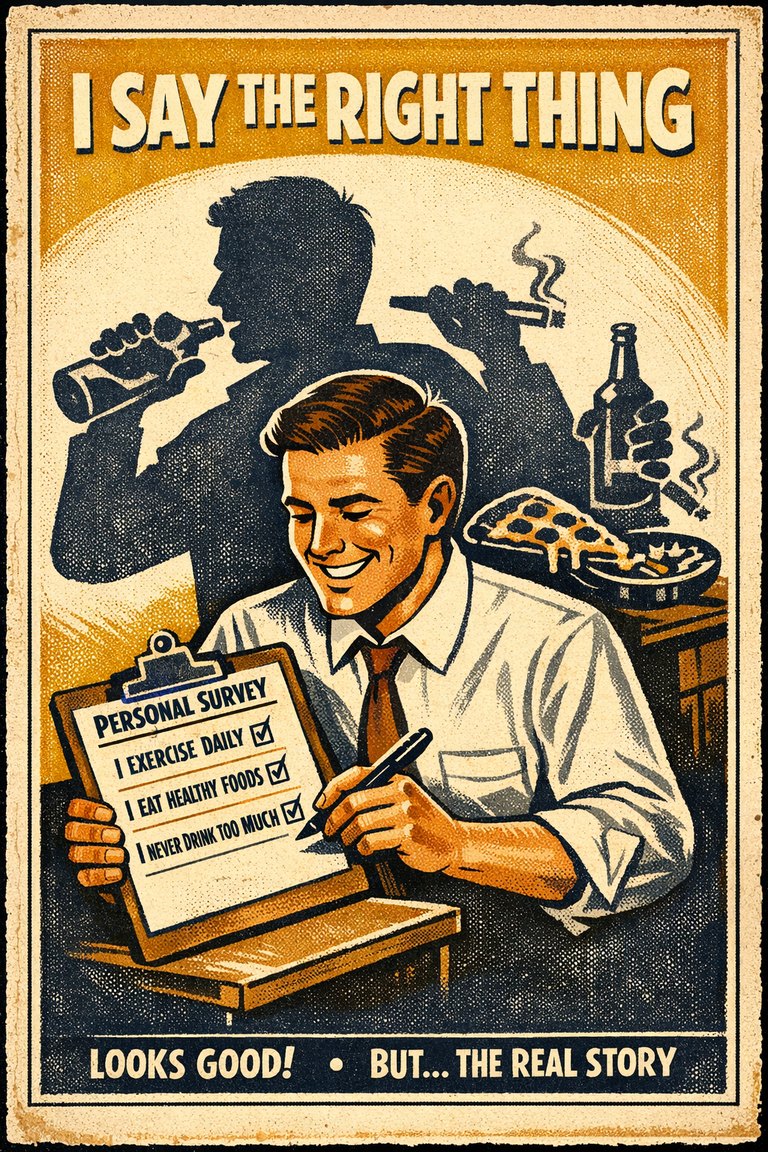
The tendency to over-report socially approved attitudes or behaviors and under-report the ones likely to invite embarrassment, judgment, or sanction.
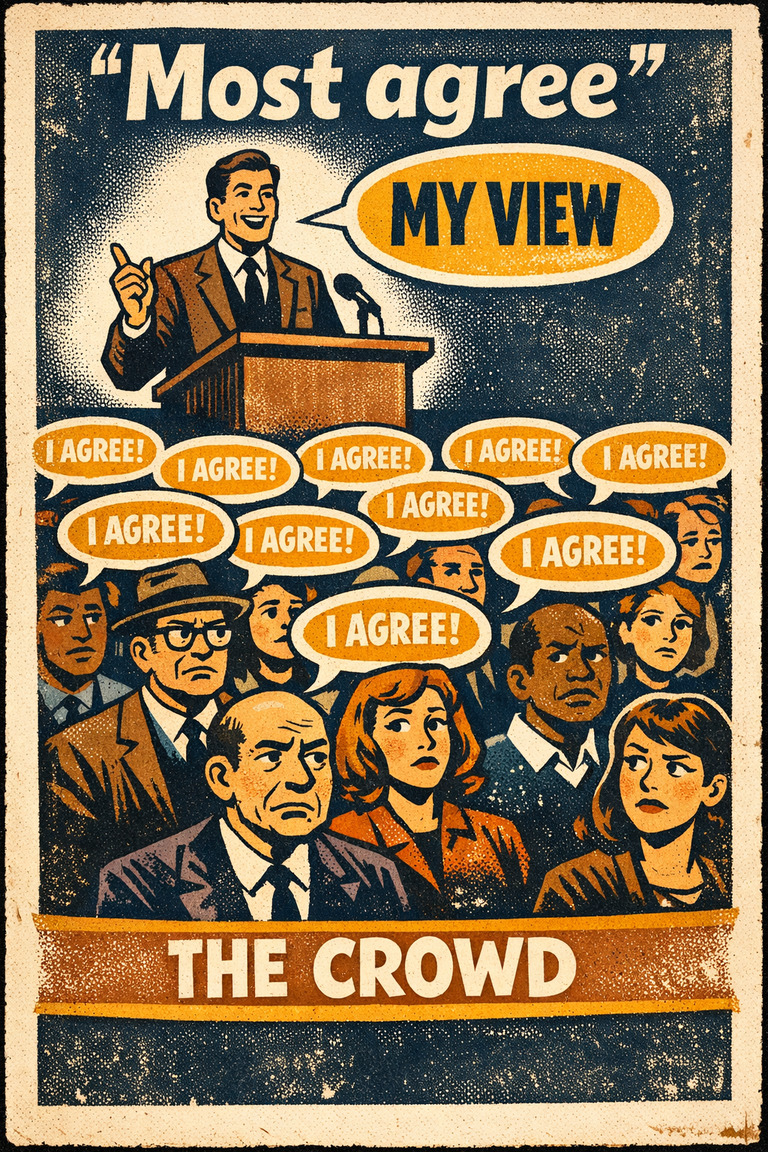
The tendency to overestimate how many other people share one's own beliefs, preferences, habits, or reactions.
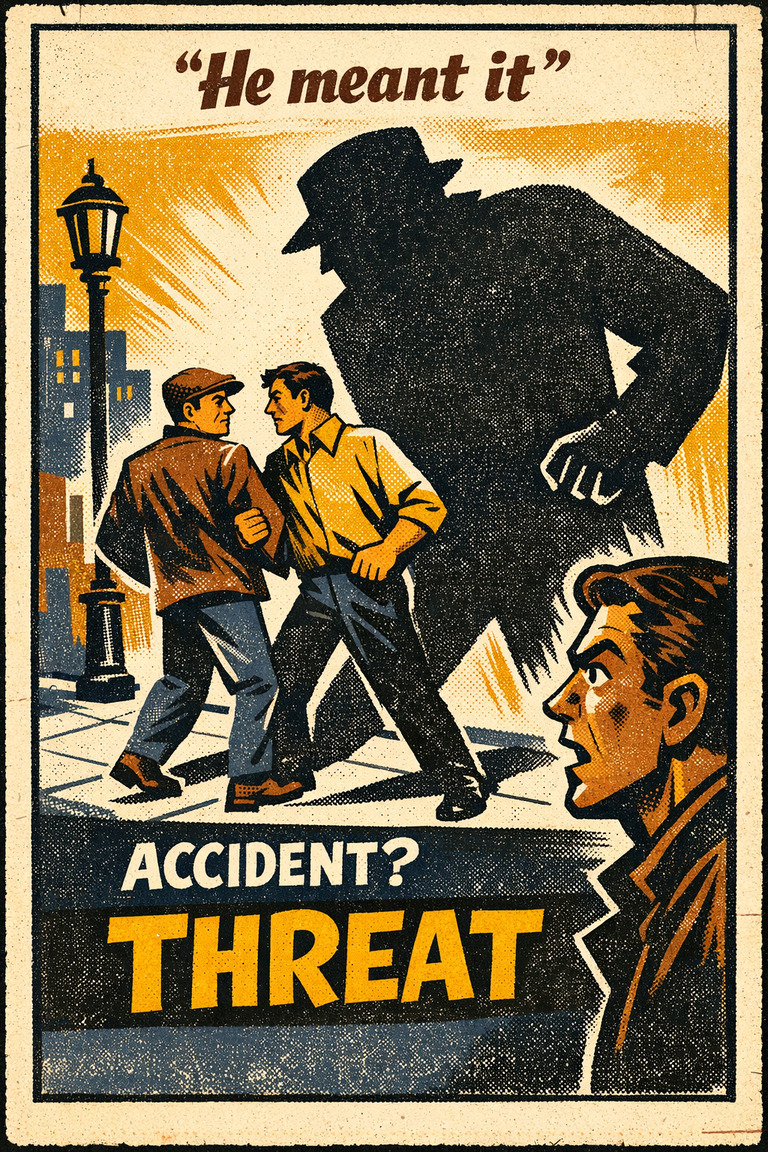
The tendency to read ambiguous behavior as hostile, threatening, or intentionally disrespectful even when the evidence is underdetermined.