Common in forms and flows
91
This bias thrives anywhere a form, renewal, or interface can decide what feels normal first.
Rare
Frequent

Cognitive Biases
A practical cognitive-bias site with clear definitions, learning paths, assessments, self-audits, and debiasing tools.
Cognitive Bias
The tendency to favor the preselected or default option simply because it is already positioned as the path of least resistance.
What it distorts
It bends choice architecture by letting the setup of options determine outcomes more strongly than the underlying merits would justify.
Typical trigger
Forms, settings, subscriptions, benefits enrollment, institutional procedures, and multi-step choices with friction.
First countermove
Evaluate the default as though it were just another proposed option rather than the background setting.
Best use
Quick reset
Is this option winning because it is best, or because the architecture quietly preselected it?
Preselection carries an implicit endorsement and reduces the effort required to stay put. The default begins to feel normal, safe, and institutionally validated.
These are classroom-facing editorial estimates for comparing how the bias behaves in use. They are teaching aids, not measured statistics.
Common in forms and flows
91
This bias thrives anywhere a form, renewal, or interface can decide what feels normal first.
Easy to spot from outside
76
Usually visible as soon as the choice architecture is shown explicitly.
Easy to innocently commit
89
Following the preselected path feels efficient and often morally innocent.
Teaching difficulty
24
One of the easiest biases to demonstrate with interface examples.
This comparison makes the hidden pull easier to see before the technical label has to do all the work.
Biased move
This is like assuming the restaurant's prechecked tip amount must be the right one because it was already on the bill.
Clearer comparison
Preselection can feel like advice or legitimacy even when it is just architecture. A default deserves the same comparison as any explicit option.
Do not use this label for every easy choice. The key sign is that the architecture is quietly endorsing one path by making it the path of least resistance.
Use this label when a preselected option gains extra uptake because people read its preselection as recommendation, legitimacy, or the costless way to proceed.
Use the quick check, caveat, and nearby confusions together. The fastest diagnosis is often the noisiest one.
Each example changes the surface context while keeping the same hidden distortion in place.
A person stays enrolled, subscribed, or selected because the default requires no attention and therefore feels like neutrality.
An institutional form or process quietly channels people into one option because changing the preselection requires extra steps or justification.
Policy outcomes are shaped heavily by what gets set as automatic, opt-out, or administratively normal long before citizens feel they are making an active choice.
The default feels invisible. It does not announce itself as a recommendation, even though that is often exactly how it functions.
Teaching note: This page helps show how institutions can shape judgment without ever needing strong argument or overt pressure.
The strongest debiasing moves change the process, not just the label.
Rewrite the preselected option into the same comparison list as the alternatives and judge it afresh.
Check whether the design of the menu is deciding more than the merits of the options.
Audit defaults periodically because they can steer large behavior patterns quietly and at scale.
Practice And Repair
Default effect is one of the clearest ways architecture reasons for people without sounding like an argument. The path is preloaded, so deliberation begins on an uneven surface.
A choice is embedded in a form, renewal, or interface that has already designated one option as normal.
The preselected path feels like the low-friction, low-blame, probably-recommended option.
Selection rates start reflecting architecture and passivity as much as actual preference or value.
Expose the default as one explicit option among peers and make the comparison as visible as the preselection used to be.
If none of the boxes were prechecked, which option would still earn the most support on the merits?
Spot It
Slow It
Reframe It
These distinction guides slow down the most common nearby-label confusions before the diagnosis hardens.
The default effect is a choice-architecture pull toward the preselected option; status quo bias is a broader preference for leaving things as they are.
Quick rule: Ask whether people are staying because the option was preselected or because change itself feels costly, risky, or abnormal.
These are nearby labels that can share the same outer appearance while differing in what actually drives the distortion. Use the overlap, the distinction, and the diagnostic question together before settling the call.
Why compare it: Status quo bias favors the current arrangement broadly; default effect is the narrower pull exerted by the preselected option in the architecture itself.
Why compare it: Omission bias moralizes inaction; default effect channels behavior through option setup even when morality is not the explicit issue.
Why compare it: Framing effect changes how options are described; default effect changes which option starts out administratively privileged.
These are useful when the label seems roughly right but the process change still feels underspecified.
If this were not the preselected option, would I still choose it?
What friction is protecting the default from real comparison?
Is the default carrying an implicit endorsement I have not yet examined?
These sourced cases do not prove what was in someone's head with perfect certainty. They are teaching cases for showing where the bias pressure becomes visible in practice.
Organ donation opt-in versus opt-out defaults
Enrollment rates in organ donation and similar systems often shift dramatically when the default changes, even if the substantive options stay the same.
Why it fits: The architecture is doing persuasive work that people often mistake for preference.
Modern policy comparisons
Automatic enrollment and retirement savings participation
Savings participation often rises sharply when workers are enrolled by default and must actively opt out rather than opt in.
Why it fits: The change in uptake shows how much preselection can guide action before explicit deliberation begins.
Modern workplace policy
Organ donation defaults and consent rates
Countries with opt-out organ donation defaults often showed much higher consent rates than opt-in systems, despite the same underlying decision being available.
Why it fits: Preselection changes behavior by making one option feel normal, endorsed, or frictionless.
Science · 2003
These linked tools turn the page into practice instead of leaving it at the level of definition.
2 related paths place this bias beside the distortions it most often travels with in practice.
Direct path
Use this path when the real pull seems to be preserving what is already in hand rather than comparing options cleanly.
Direct path
Comparison Traps And Choice Architecture
Use this path when you suspect the choice set itself is manufacturing preference rather than merely revealing it.
These audits combine direct and nearby checks so you can test the label itself and the broader judgment pattern around it.
Direct audit
Before You Treat The Default As Neutral
Is the default genuinely best, or just easiest to leave in place?
Same audit family · Decision under uncertainty
Am I choosing the best forward-looking option, or the most comfortable inherited one?
These workshop packets mix direct coverage with nearby classroom material that makes the same distortion easier to teach.
Direct workshop
Product Choice-Architecture Audit
A product and UX kit for testing whether defaults, decoys, metrics, and automation are helping users choose or quietly manufacturing preference.
Nearby workshop
A facilitation kit for rooms where agreement, hierarchy, and speed may be replacing independent judgment.
2 mixed scenarios let you diagnose this bias from the case rather than the heading.
Direct scenario
The preselected box
Most employees stay enrolled in an expensive benefit package they rarely use because it arrives preselected in the annual renewal form.
Direct scenario
The plan everyone kept because it was checked
A subscription page preselects an annual plan with add-ons. Most users keep it, and the product team describes that as proof users preferred the bundle.
These links widen the frame around the bias without interrupting the core lesson on this page.
An article on why one taxonomy tracks the judgment task being distorted while another tracks the recurring shape of the distortion itself.
CogBias theory
A practical essay on why awareness is helpful but rarely sufficient, and why durable repair usually arrives through workflow, not willpower alone.
CogBias theory
These neighbors were selected from shared categories, shared patterns, and explicit editorial links where available.
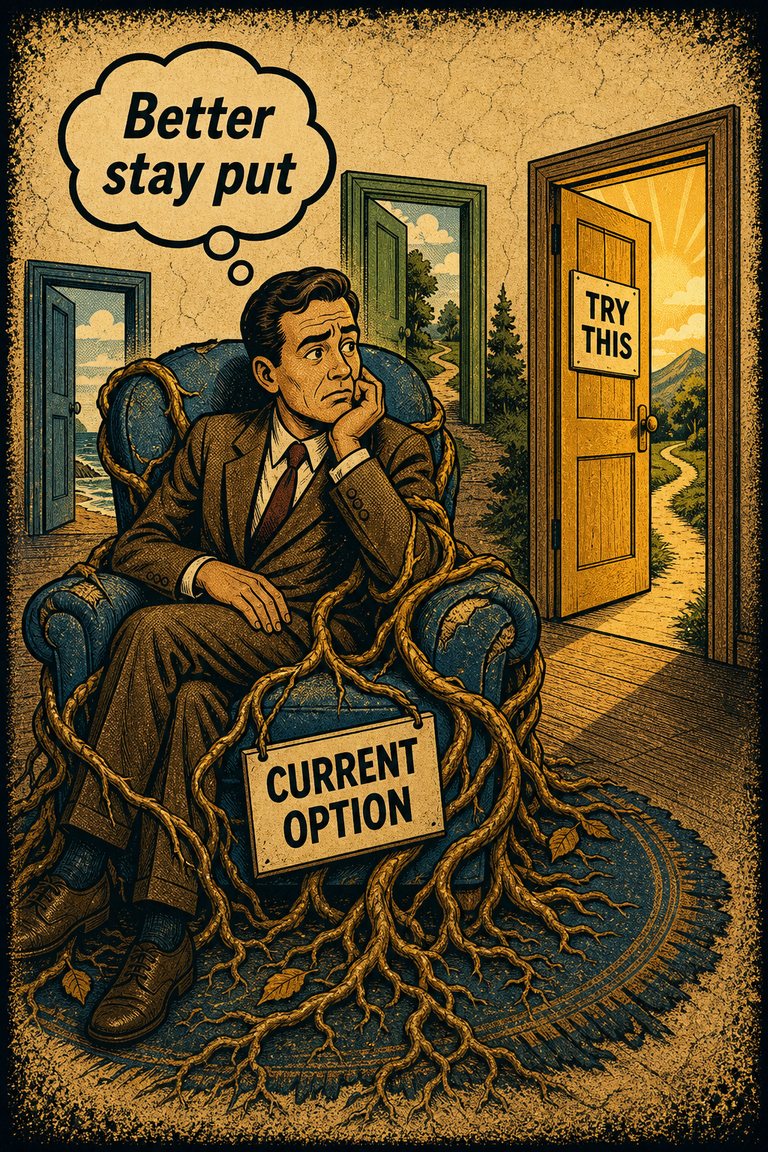
The tendency to prefer the current option, default, or inherited arrangement simply because it is the current option, default, or inherited arrangement.
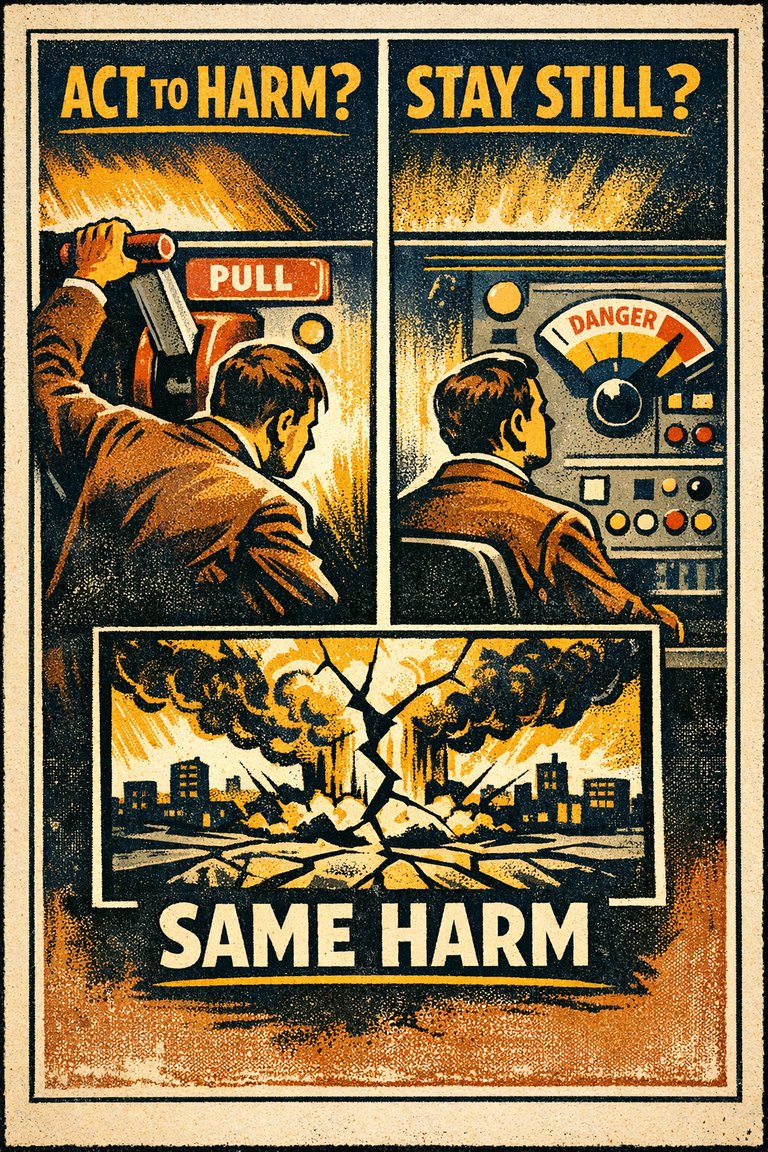
The tendency to judge harmful inaction as more acceptable, or less blameworthy, than equally harmful action.
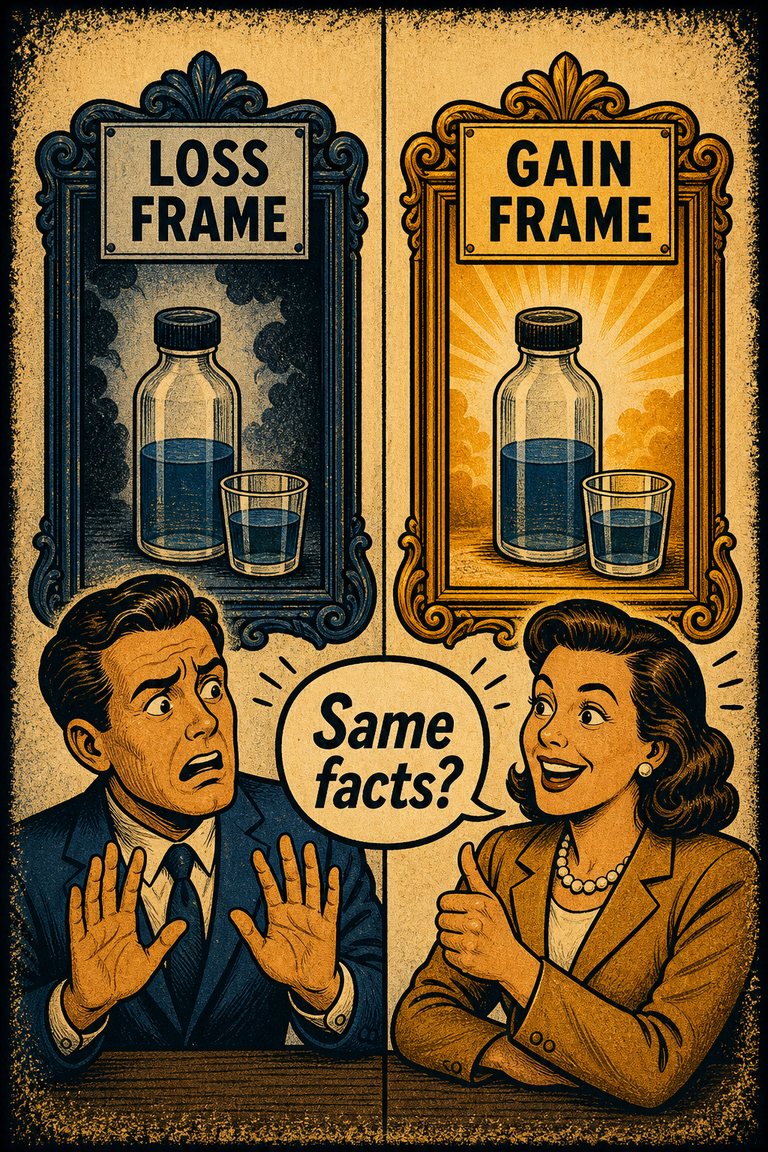
The tendency for the same underlying information to produce different judgments depending on how the options or outcomes are described.
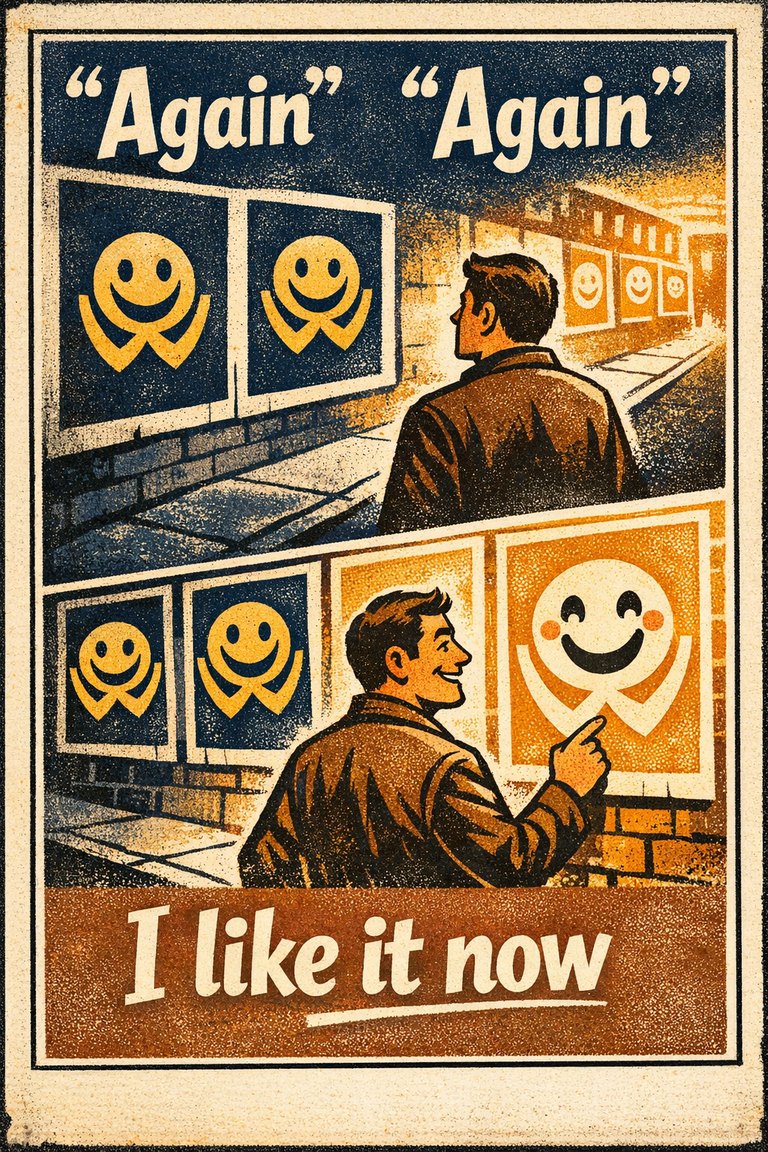
The tendency to like, trust, or feel more comfortable with something simply because it has become familiar.
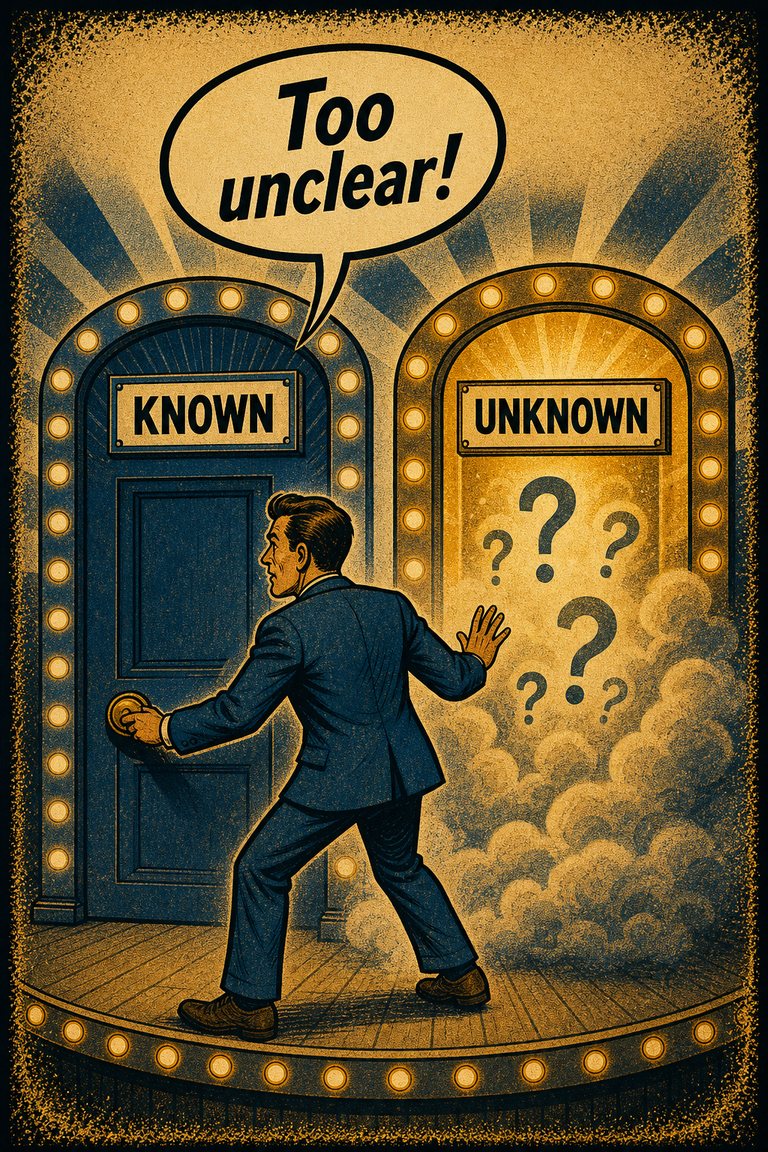
The tendency to avoid options when their probabilities are unclear, even if the unclear option may not actually be worse than the familiar one.
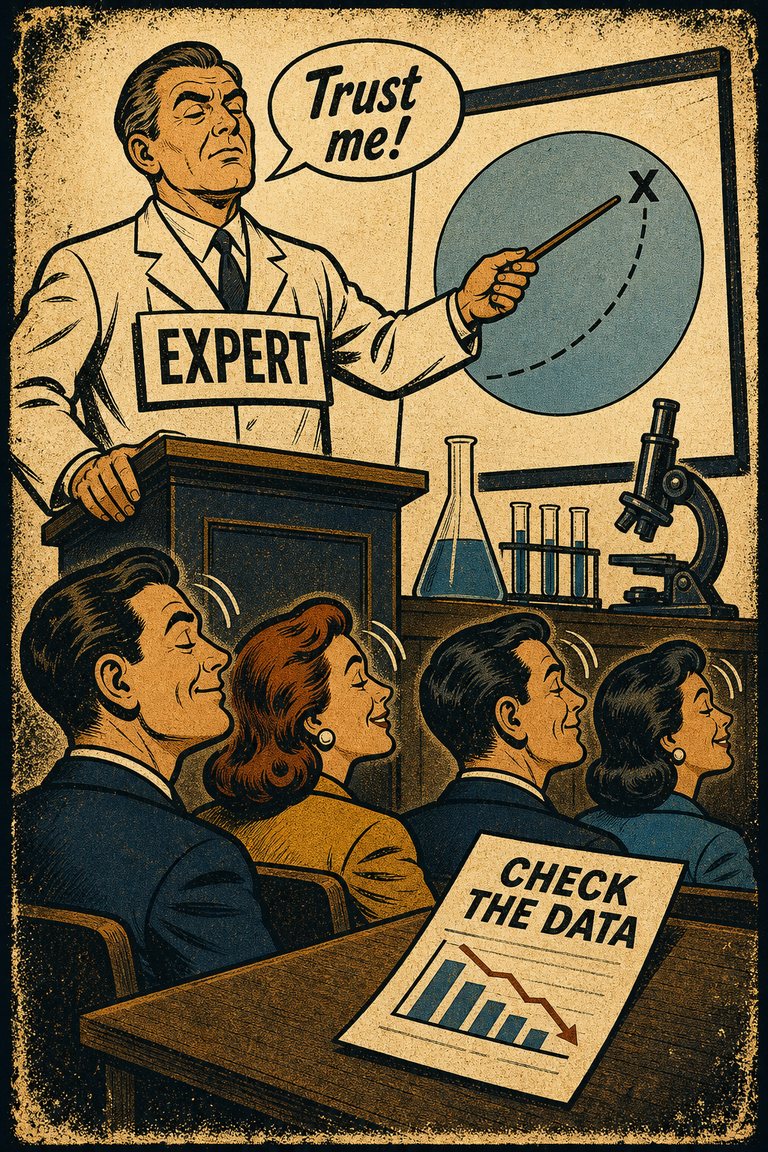
The tendency to give excess weight to the opinion of a high-status or authoritative source independent of whether the source has earned that weight on the specific issue.