Cognitive Biases

CogBias

A practical cognitive-bias site with clear definitions, learning paths, assessments, self-audits, and debiasing tools.

Applied Context

Biases In Teaching And Learning

A hub for classrooms, coaching, tutoring, and curriculum design where fluency, familiarity, and confidence can impersonate understanding.

Use this when

Use this hub when a lesson feels clear, a student sounds confident, or a group seems to understand before transfer has been tested.

Guiding question

Can the learner use the idea in a new case, or only recognize it when the surrounding cues are familiar?

Bias cluster

These are the entries most likely to matter in this domain. Use the cluster to compare nearby pulls before choosing a label.

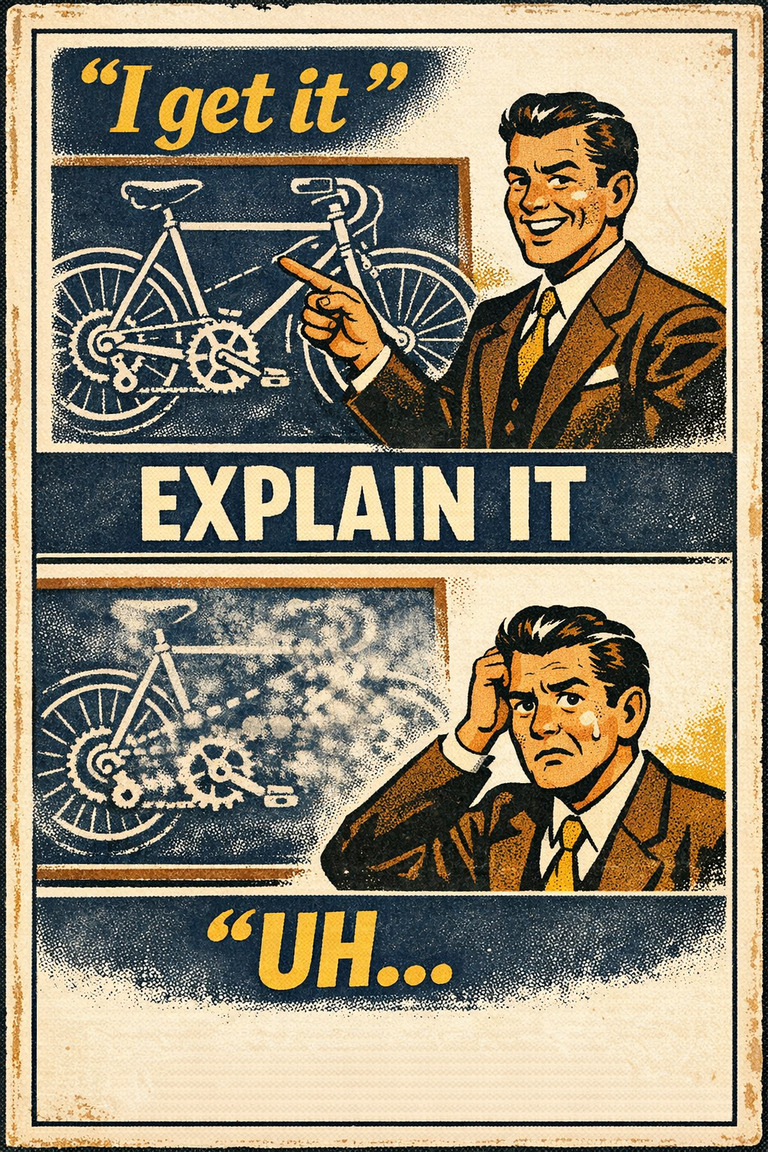
Illusion of explanatory depth

The tendency to believe you understand how something works more deeply than you actually do, especially until you are forced to explain the mechanism step by step.

Hypothesis AssessmentAssociationLearning & expertisePublic reasoning

Dunning-Kruger effect

The tendency for low skill or shallow understanding to produce overestimation of one's own competence, while higher-skill people may underestimate how unusual their competence really is.

EstimationBaselineLearning & expertiseTeams & management
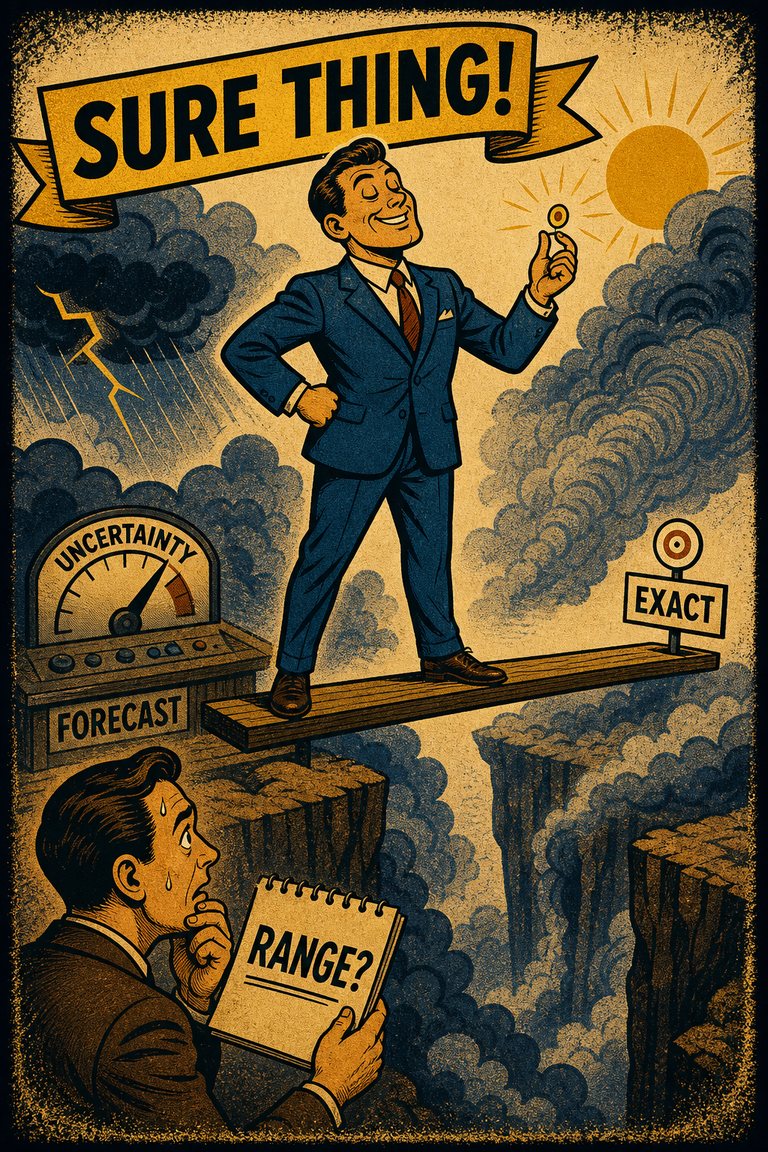
Overconfidence effect

The tendency to be more certain about judgments, forecasts, or abilities than the evidence warrants.

Hypothesis AssessmentOutcomeForecasting & planningTeams & management
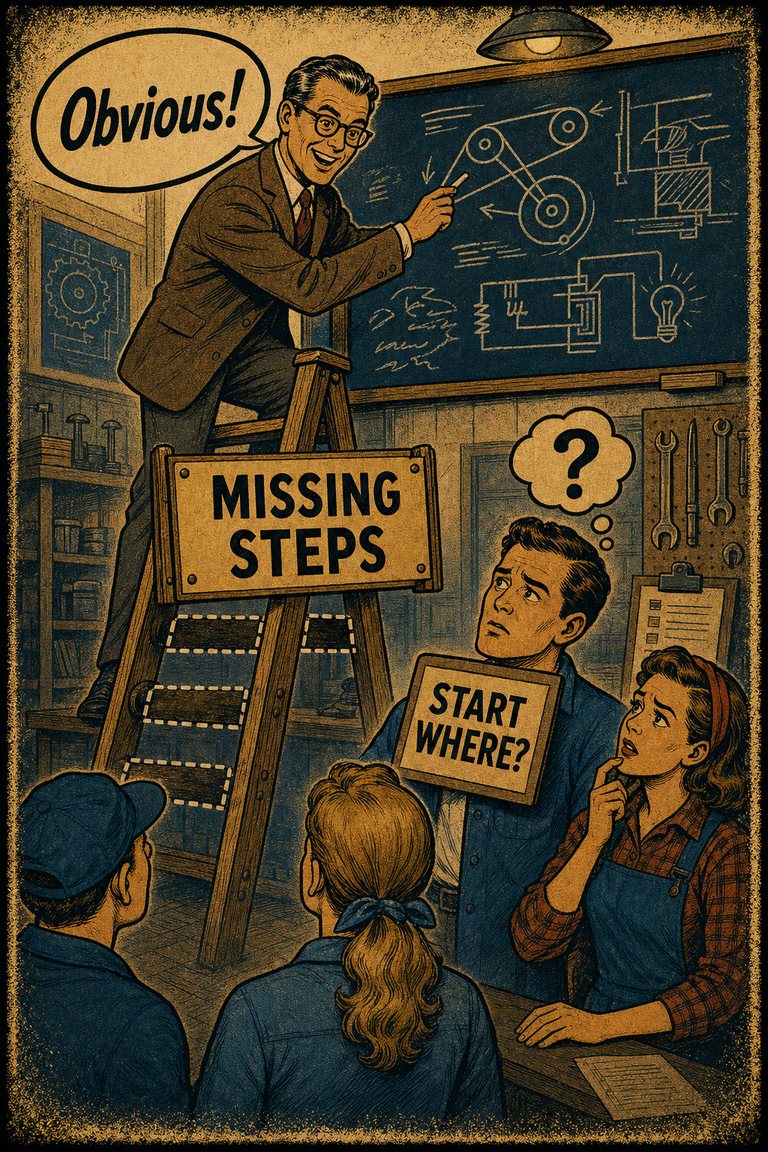
Curse of knowledge

The tendency for informed people to underestimate how hard it is for less-informed people to follow, predict, or reconstruct the same material.

EstimationSelf-PerspectiveLearning & expertiseTeams & management
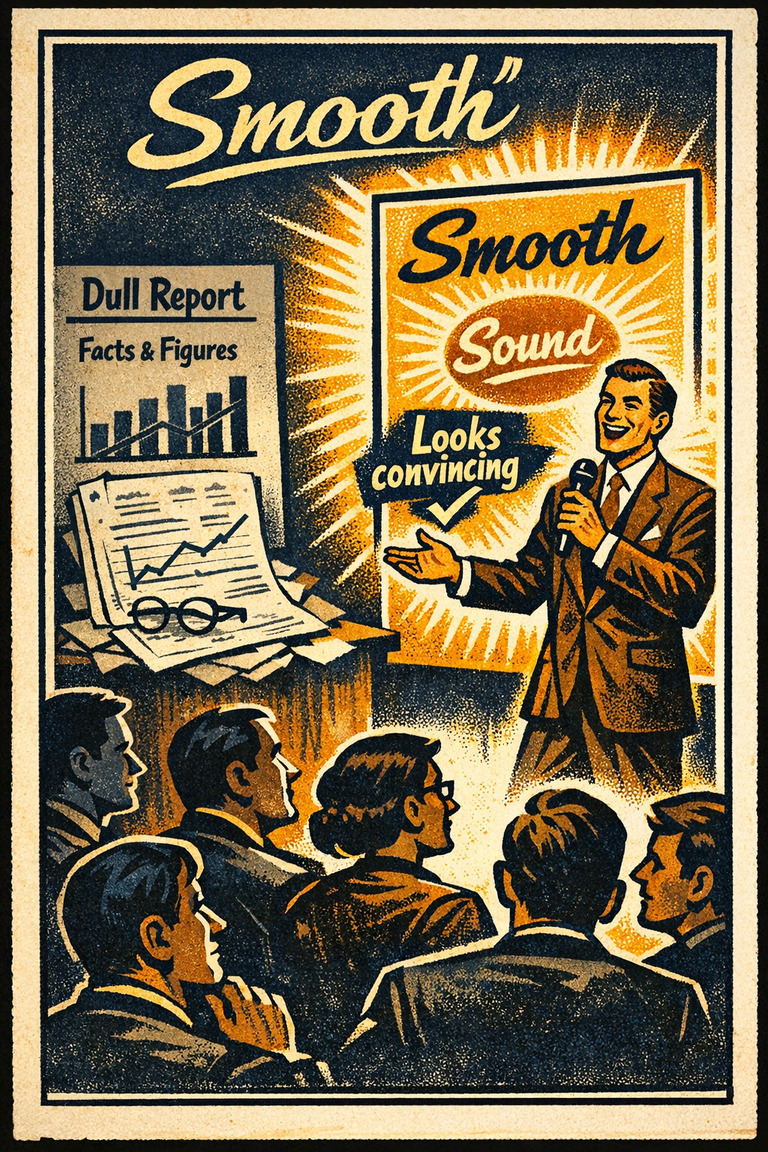
Fluency heuristic

If one object is processed more fluently, faster, or more smoothly than another, the mind infers that this object has the higher value with respect to the question being considered. In other words, the more skillfully or elegantly an idea is communicated, the more likely it is to be considered seriously, whether or not it is logical

Hypothesis AssessmentAssociation

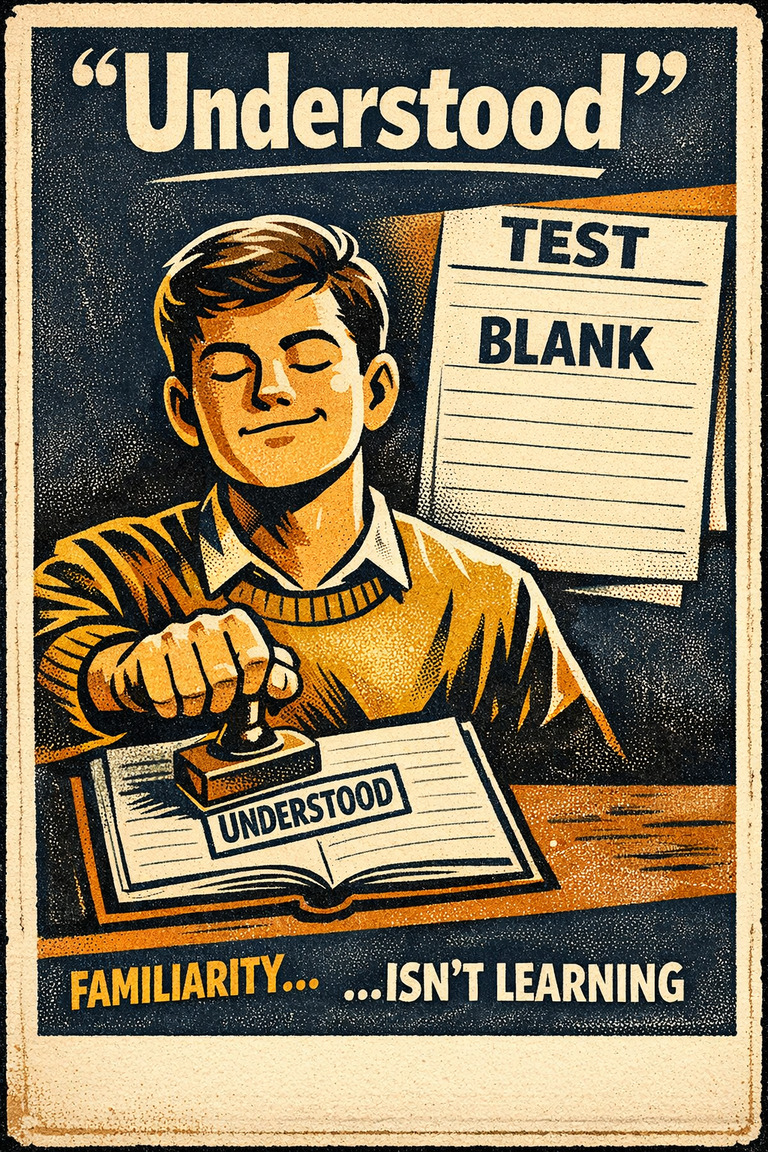
Illusion of learning

A false belief that if you understand something you learned and acquired a knowledge about it

Opinion ReportingOutcome

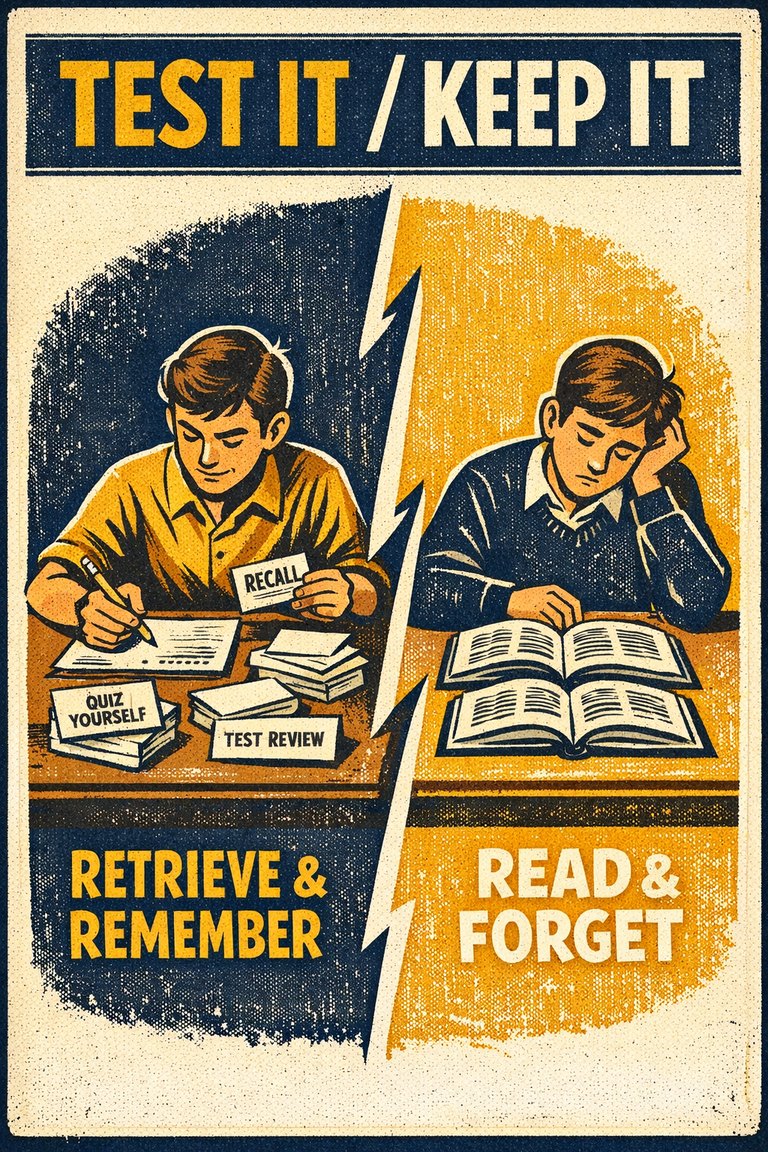
Testing effect

The fact that one more easily recall information one has read by rewriting it instead of rereading it. Frequent testing of material that has been committed to memory improves memory recall

RecallAssociation

Spacing effect

That information is better recalled if exposure to it is repeated over a long span of time rather than a short one

RecallAssociation

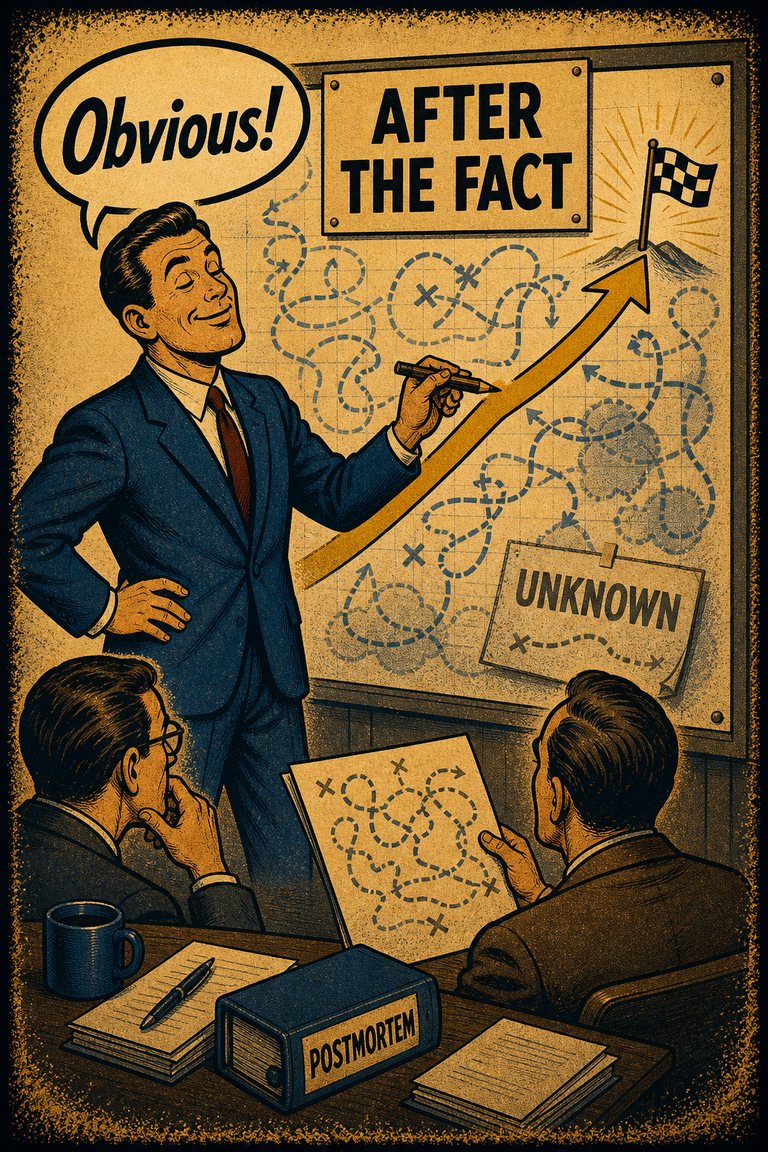
Hindsight bias

The tendency, after an outcome is known, to see it as having been more obvious or predictable than it actually was beforehand.

RecallOutcomePostmortems & learningForecasting & planning
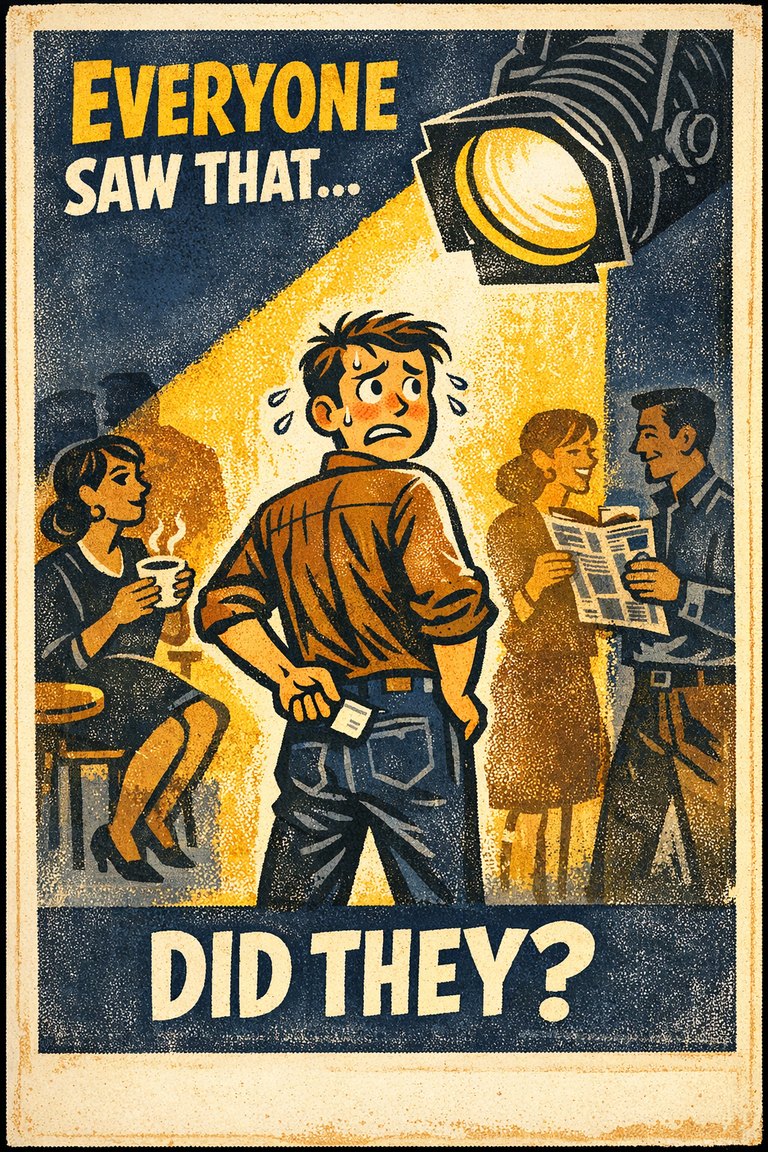
Spotlight effect

The tendency to overestimate how much other people notice, remember, or care about one's appearance, mistakes, or behavior.

EstimationSelf-PerspectivePersonal decisionsConflict & dialogue
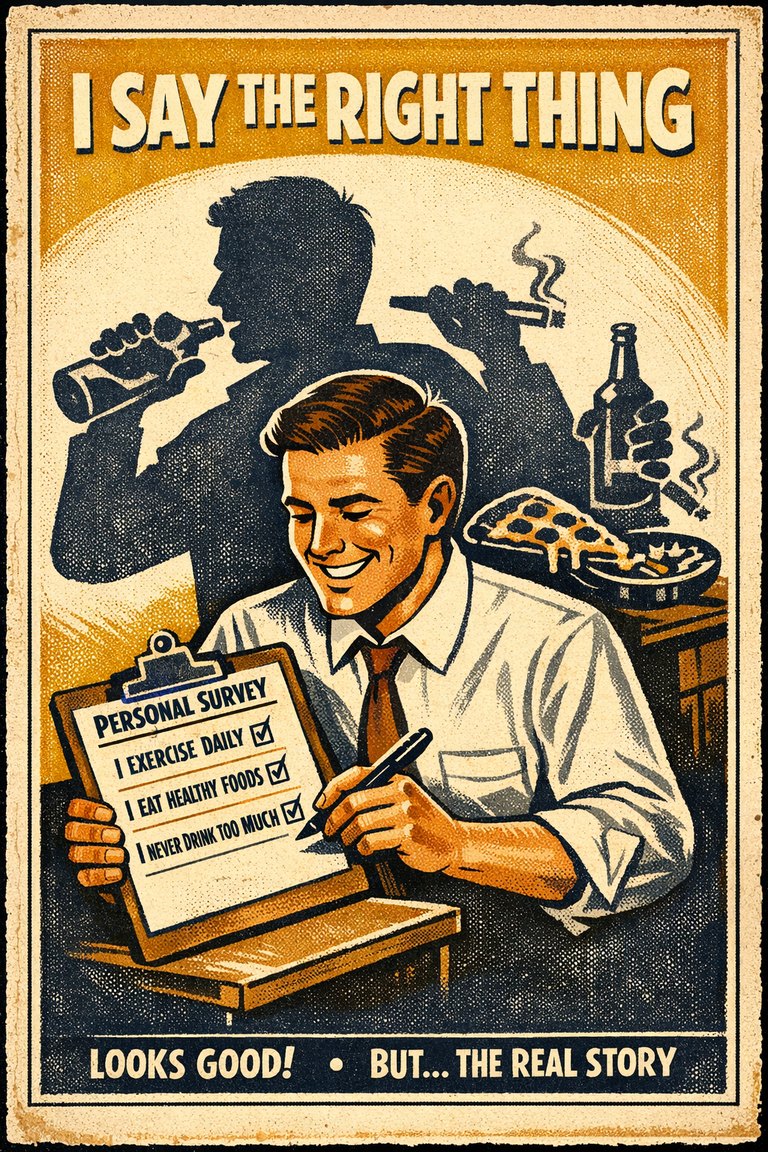
Social desirability bias

The tendency to over-report socially approved attitudes or behaviors and under-report the ones likely to invite embarrassment, judgment, or sanction.

Opinion ReportingOutcomeSurveys & interviewsTeams & management
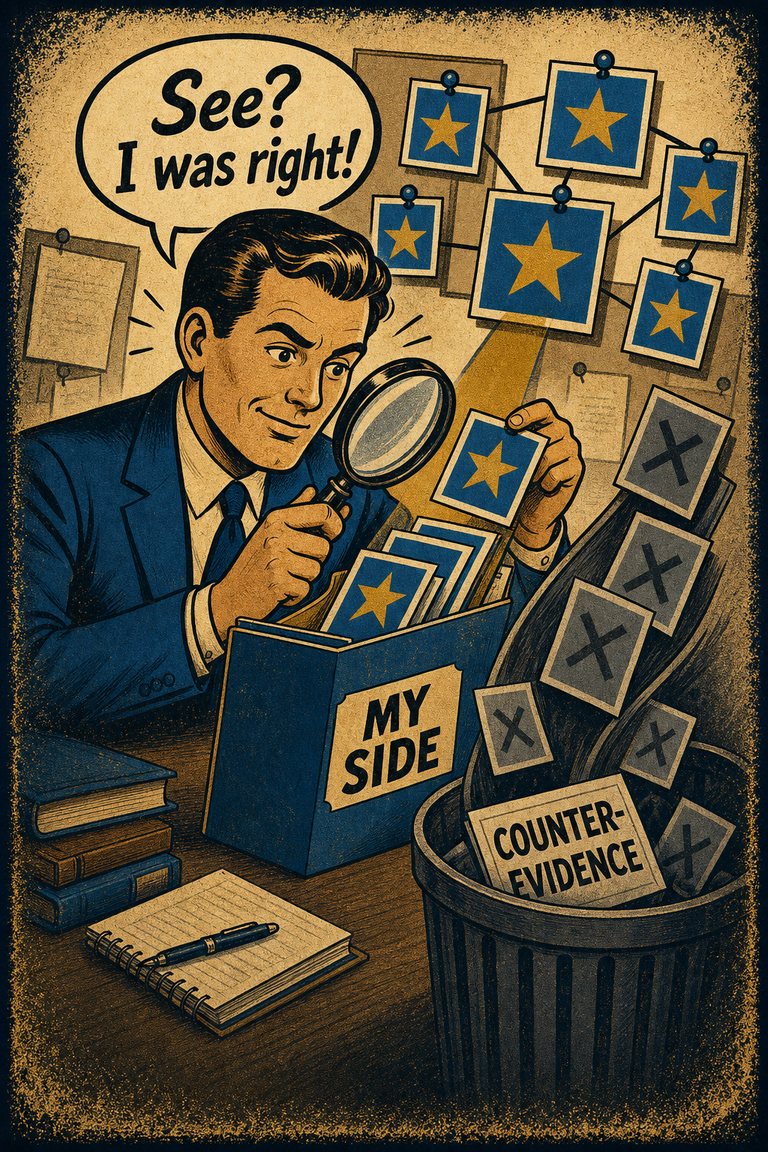
Confirmation bias

The tendency to notice, seek, and remember evidence that supports the story you already prefer more readily than evidence that threatens it.

Hypothesis AssessmentOutcomeMedia & politicsResearch & evidence

Workflow

The hub is meant to change the process, not just supply labels.

Test explanation, not recognition

Ask for a step-by-step mechanism and a transfer case before counting fluency as mastery.

Make expert blind spots visible

Force yourself to name the missing bridge a novice would need, not the shortcut an expert can safely take.

Use retrieval as evidence

Prefer low-stakes retrieval, spacing, and application over the feeling that rereading made the concept familiar.

Watch for

  • Students nodding because the example is familiar, not because the structure is understood.
  • Teachers skipping steps that feel too obvious from the expert side.
  • Confidence rising after exposure but before retrieval or transfer.
  • Learners reporting understanding because admitting confusion is socially costly.

Starter protocol

  1. Ask the learner to explain the mechanism without the original example.
  2. Give one near-transfer and one far-transfer question.
  3. Have the teacher list assumptions hidden in the explanation.
  4. End with a short retrieval prompt scheduled for later.

Use the existing curriculum

These are the closest learning paths and short self-checks for this context.

Confidence And Understanding

A path for the places where confidence, familiarity, explanation, and genuine competence come apart.

7 biases Applied 40 min

What makes exposure or fluency feel like mastery long before it deserves to?

Best for educators, coaches, interviewers, managers, and anyone teaching or evaluating understanding.

Start Here

A first pass through the biases that most often distort everyday judgment, news consumption, and basic decision-making.

9 biases Foundational 45 min

Which recurring distortions show up most often before people can even name what went wrong?

Best for general readers, classrooms, and first-time visitors.

Self-Justification And Meta-Bias

A path for the distortions that protect choices, identities, and self-descriptions by editing memory, standards, or the location of bias itself.

8 biases Teaching And Team Use 55 min

How do people protect coherence and self-respect without fully admitting that protection is happening?

Best for coaching, teaching, leadership review, therapy-adjacent reflection, and intellectual self-discipline.

Before You Call It Obvious

A confidence and explanation check for moments when familiarity starts masquerading as mastery.

Applied Before mistaking fluency for mastery 4 min

Question: Do I really understand this, or has fluency outrun competence?

  • Explain the mechanism in plain language without leaning on jargon.
  • Name the specific task that would test whether you actually understand it.
  • Ask what a novice would still find confusing that you may no longer notice.
  • Distinguish recognition, explanation, and performance instead of treating them as the same.

Before You Predict

A forecasting check for base rates, uncertainty ranges, and planning optimism.

Foundational Before a forecast 4 min

Question: What would the outside view say before the inside story takes over?

  • Name the reference class before you describe the special features of the case.
  • Write a range, not just a point estimate.
  • Compare your forecast with historical cycle times or base rates.
  • List one concrete failure path that would widen the range.

Before You Go With The Room

A meeting and conformity check for consensus that may be social before it is evidential.

Teaching And Team Use Before group convergence 5 min

Question: Would I still hold this view if I had to write it down alone before hearing the room?

  • Write your own initial judgment before the most senior or confident person speaks.
  • Ask which live objection has not yet been given equal airtime.
  • Separate agreement pressure from evidence pressure.
  • Check whether silence is being mistaken for support.

Prompt kits for this domain

Use these after you have written the concrete case clearly enough for a model to help widen the frame.

Explanation Depth Probe

Use this when someone seems highly confident or fluent and you want to test whether the underlying understanding is genuinely robust.

Use when: Paste the claim, explanation, lesson, or proposed plan that needs to be pressure-tested.

Open prompt
Analyze the material below as an explanation-depth probe rather than as a style critique.

Your tasks:
1. Restate the core explanation or claim in plain language.
2. Identify where the explanation relies on labels, vague transitions, or hidden steps.
3. Flag signs of illusion of explanatory depth, overconfidence, or curse-of-knowledge communication.
4. Generate three challenge questions that would test whether the understanding is robust.
5. Rewrite the explanation so a thoughtful novice could follow the mechanism.

Material to probe:
[PASTE THE EXPLANATION, CLAIM, OR PLAN HERE]

People Judgment Scan

Use this when a person is being evaluated and you want the model to separate behavior, context, impression, and trait inference more carefully.

Use when: Paste the behavior, the context you know, and the judgment you are tempted to make about the person.

Open prompt
Analyze the situation below as a people-judgment scan.

Do the following:
1. Describe the observable behavior without interpretation.
2. List plausible situational explanations before any trait explanation.
3. Identify which cognitive biases could be distorting the current evaluation.
4. Separate what is actually evidenced from what is merely inferred.
5. Suggest a fairer next step for gathering information before making a high-confidence judgment.

Use this output structure:
◉ Observable behavior
◉ Situational explanations
◉ Bias risks
◉ What is known vs inferred
◉ Fairer next step

Situation:
[PASTE THE PERSON-JUDGMENT CASE HERE]

Case studies in the neighborhood

These cases are pulled from the linked bias pages so the hub stays connected to concrete examples.

Open case study library

Biased assimilation in polarized evidence review

People exposed to the same mixed evidence about a disputed topic often came away more convinced of the side they already favored.

Why it fits: The evidence did not merely persuade differently. It was interpreted through a preserving filter.

Wikipedia · 1979

Everyday-mechanism explanation studies

People often rate their understanding of familiar mechanisms highly until they are asked to explain in detail how those mechanisms actually work.

Why it fits: The explanatory confidence collapses once the smooth surface summary has to become structure.

Wikipedia · Modern cognition research

Experts write for novices as if key steps were obvious

Teachers, product designers, and subject-matter experts often skip intermediate steps because once they know the structure, it becomes hard to imagine what it feels like not to know it.

Why it fits: Possession of the knowledge compresses the apparent distance between expert and novice.

Wikipedia · Modern communication research

Source anchors

A short trail into the research behind the most central bias pages in this domain.