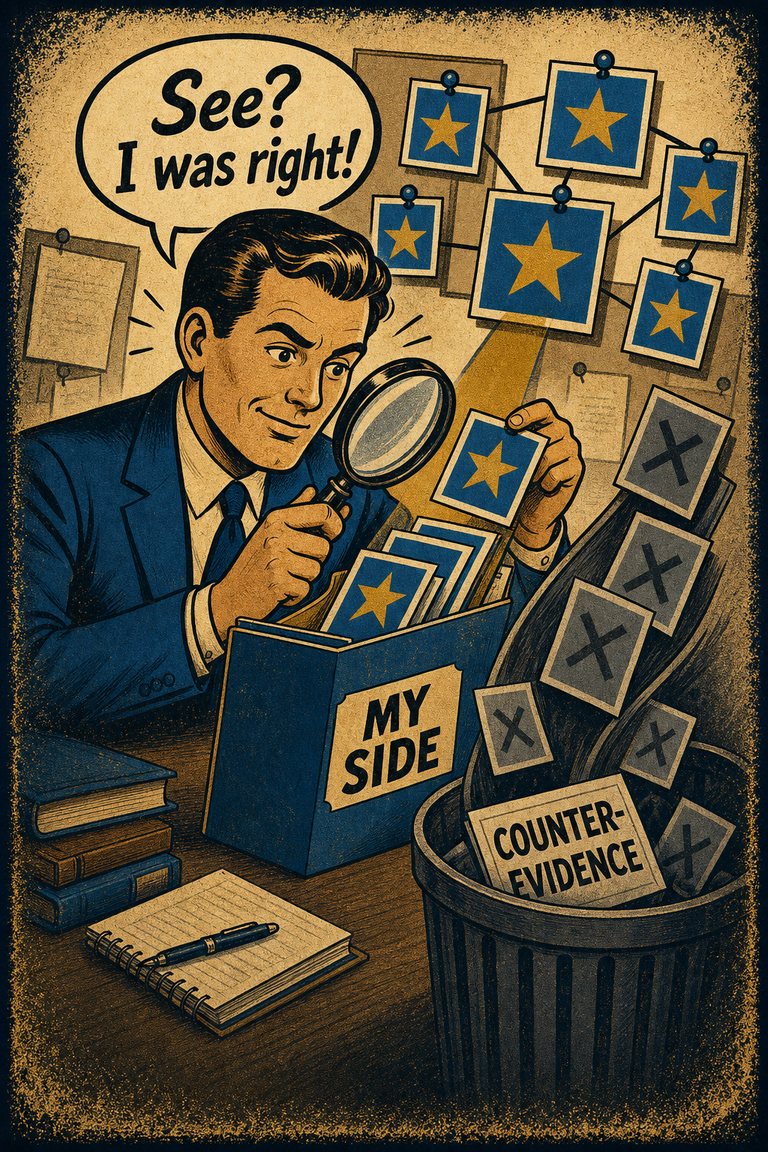
Confirmation bias
The tendency to notice, seek, and remember evidence that supports the story you already prefer more readily than evidence that threatens it.
Hypothesis AssessmentOutcomeMedia & politicsResearch & evidence

Cognitive Biases
A practical cognitive-bias site with clear definitions, learning paths, assessments, self-audits, and debiasing tools.
Learning Path
A first pass through the biases that most often distort everyday judgment, news consumption, and basic decision-making.
Work the pages in order, then loop back and compare which distortions happened earliest, which ones protected the first impression, and which ones interfered with later learning.
Next:
This is a deliberate sequence, not just a themed pile. Start at the top if the context is new to you.
The tendency to notice, seek, and remember evidence that supports the story you already prefer more readily than evidence that threatens it.
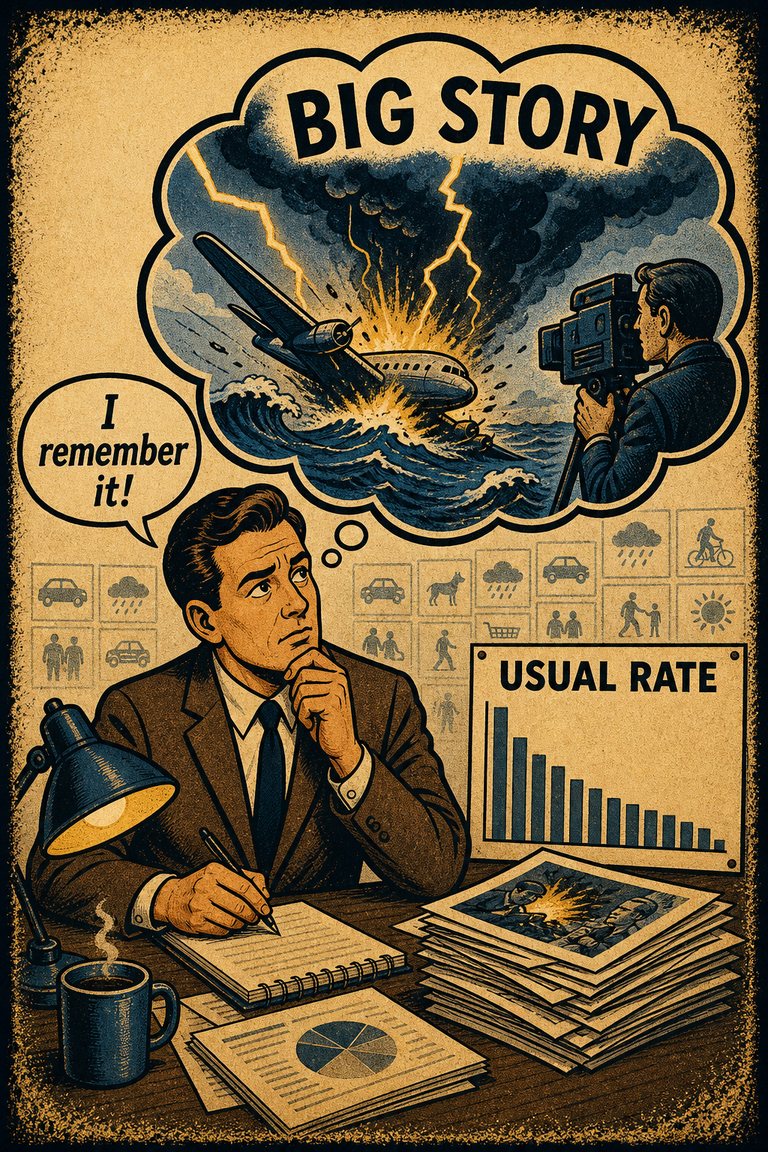
The tendency to judge frequency, risk, or importance by how easily examples come to mind.
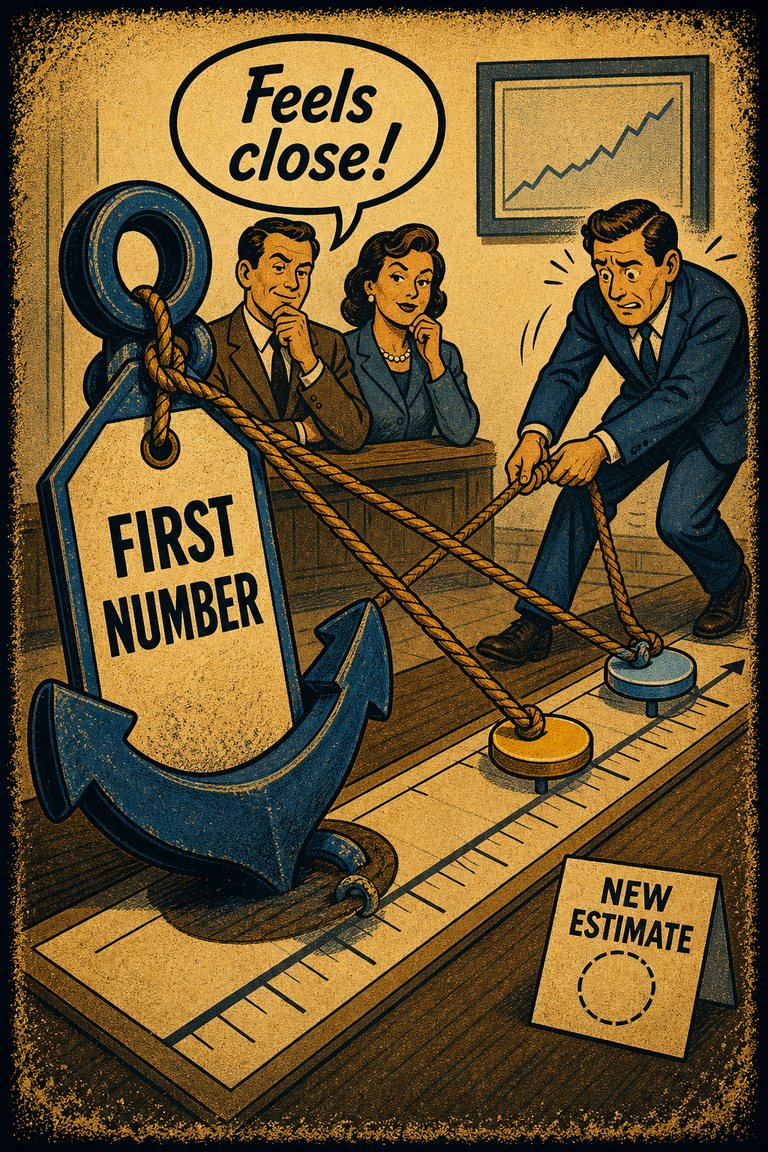
The tendency for the first salient number, frame, or option to pull later estimates toward itself even when it is arbitrary or weakly relevant.
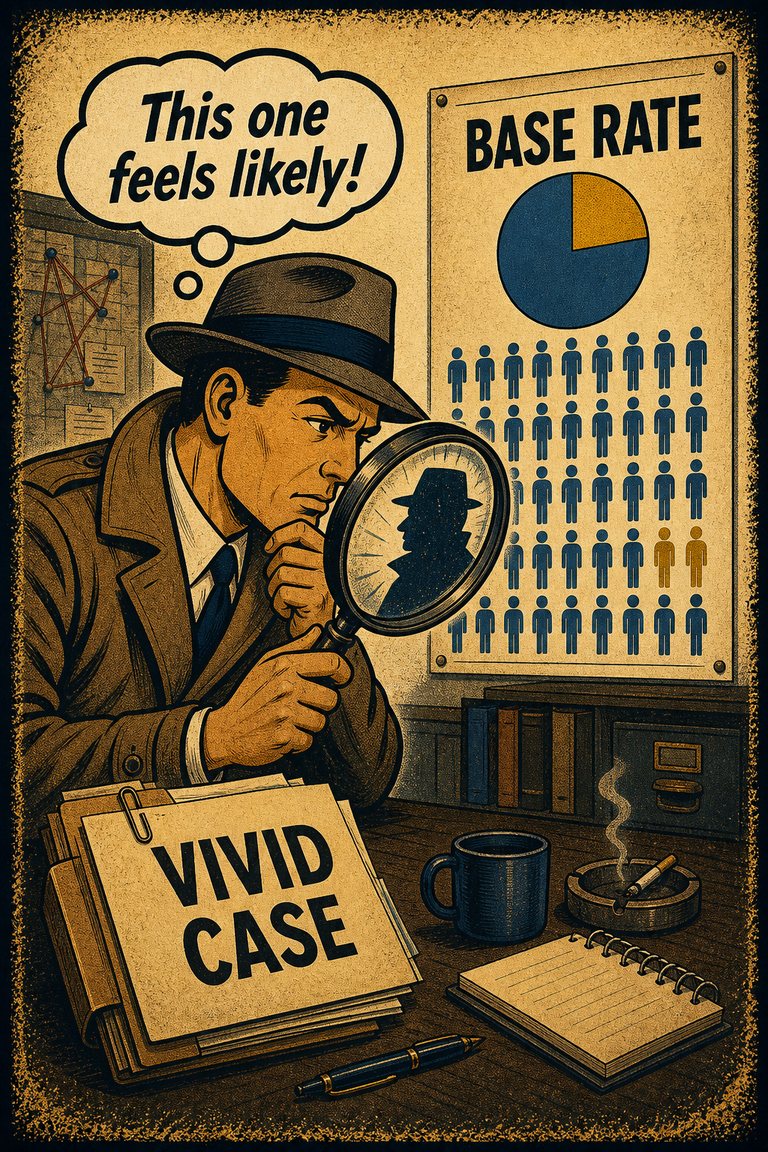
The tendency to underweight general prevalence information when vivid case-specific details are available.
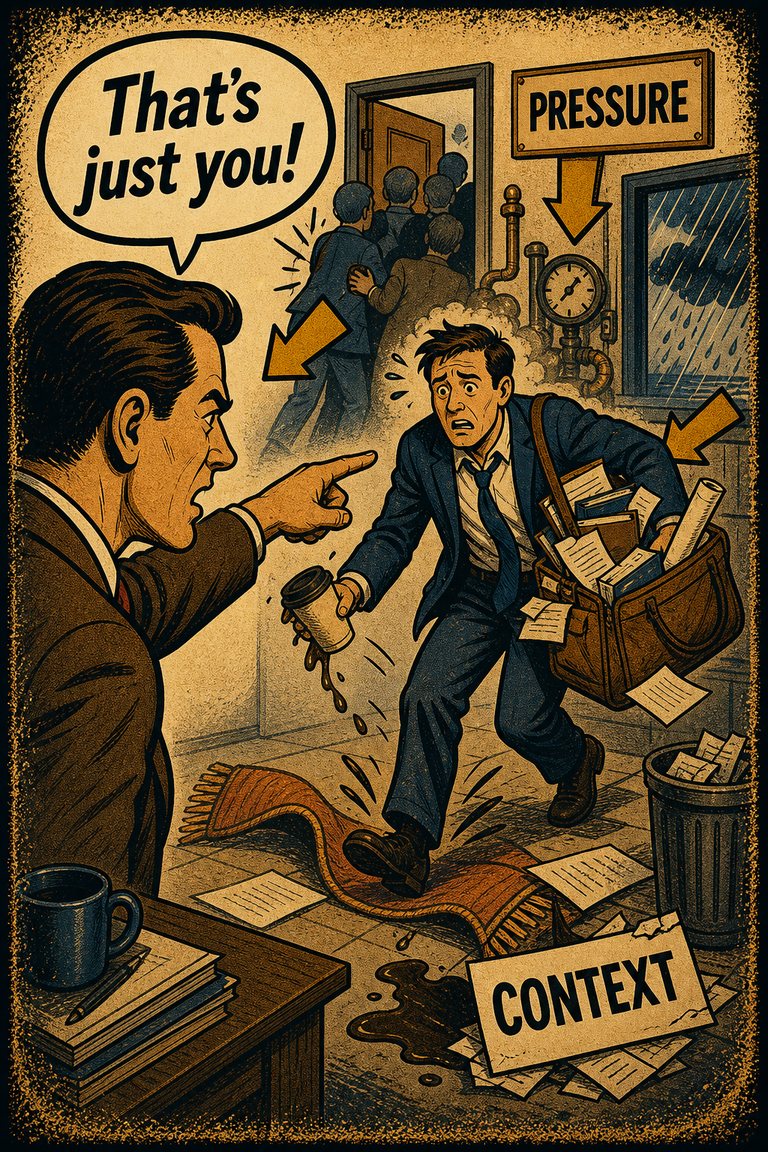
The tendency to explain other people's behavior too quickly in terms of character while underweighting situational pressures and constraints.

The tendency for one salient positive or negative impression to spill over into unrelated judgments about a person, product, or institution.
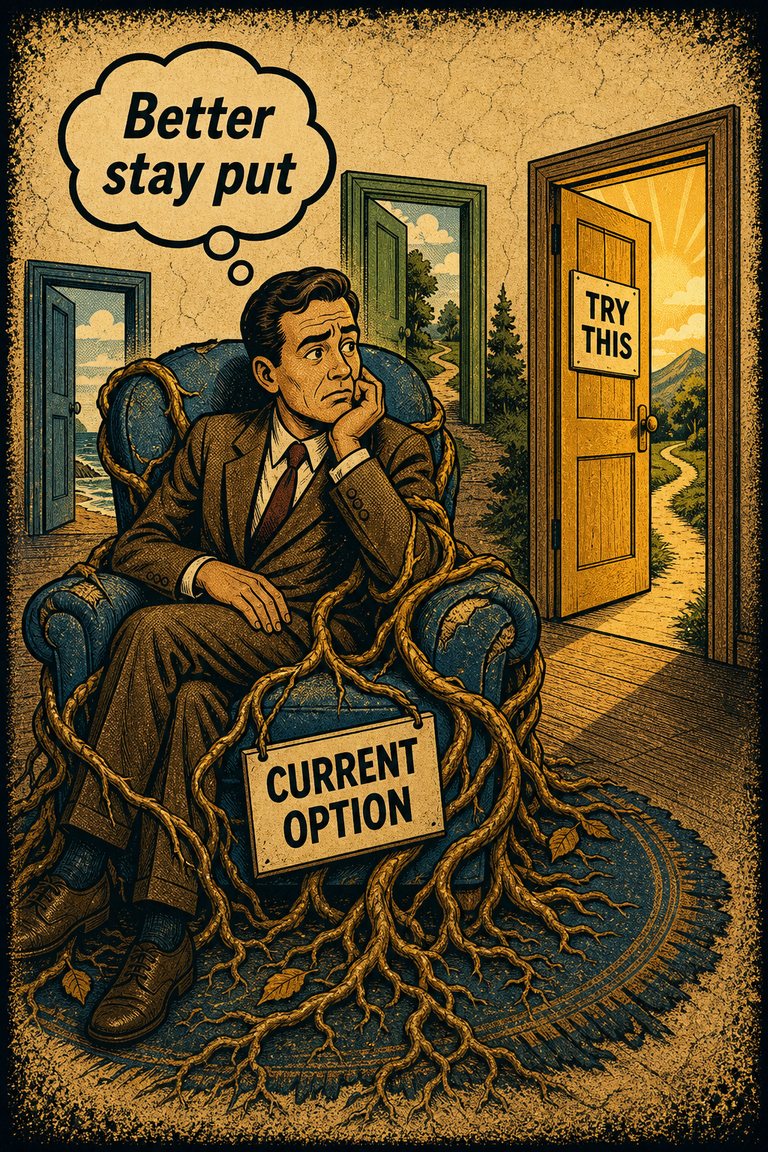
The tendency to prefer the current option, default, or inherited arrangement simply because it is the current option, default, or inherited arrangement.
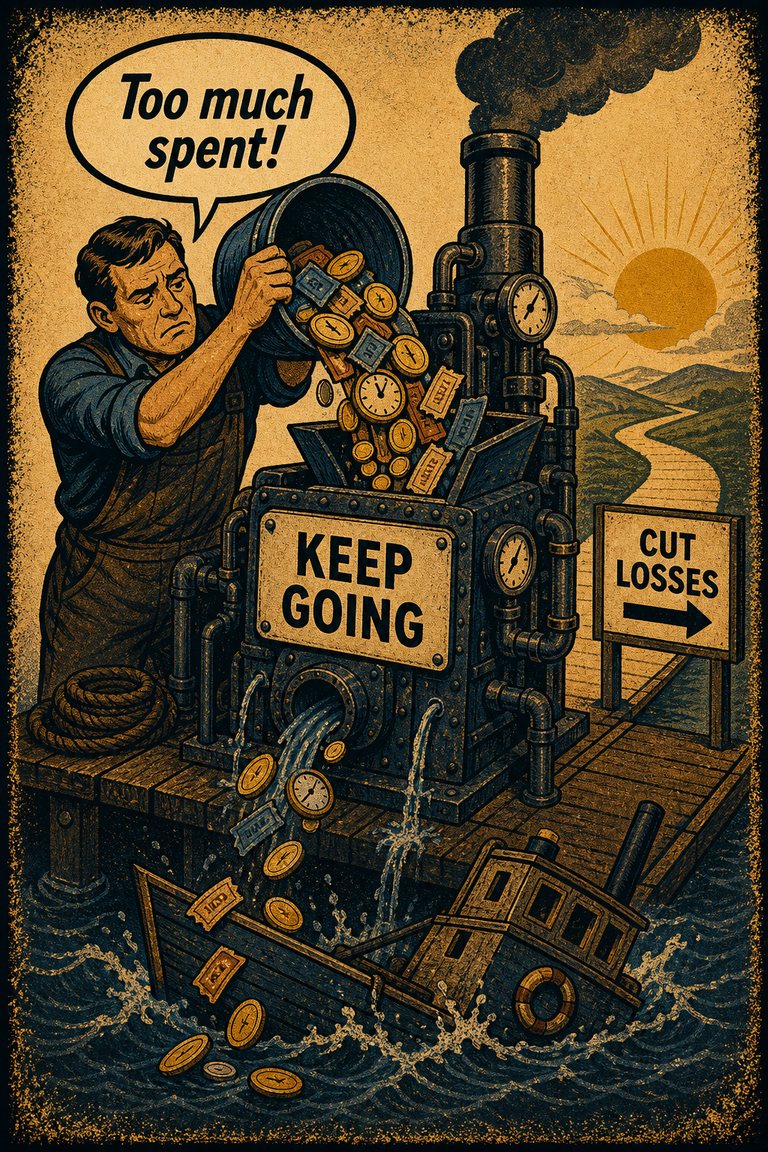
The tendency to keep investing in a losing path because of what has already been spent, even when the forward-looking case has weakened.
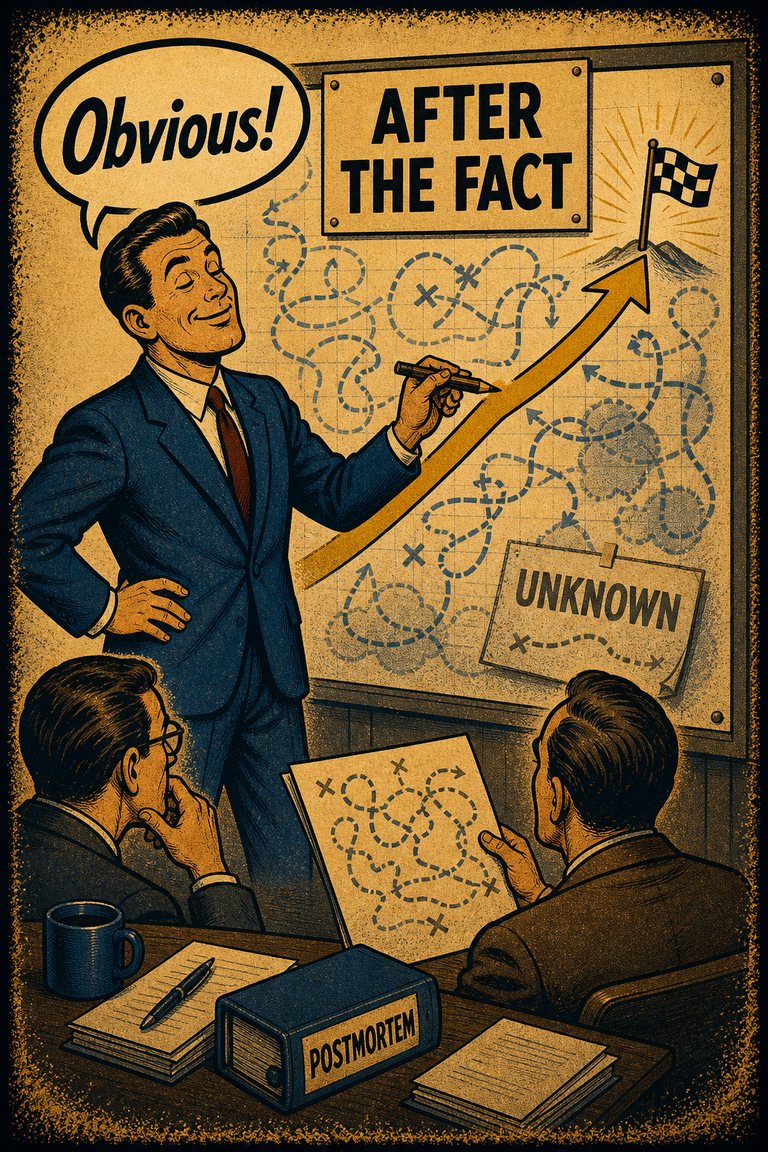
The tendency after an outcome is known, to see it as having been more obvious or predictable than it actually was beforehand.