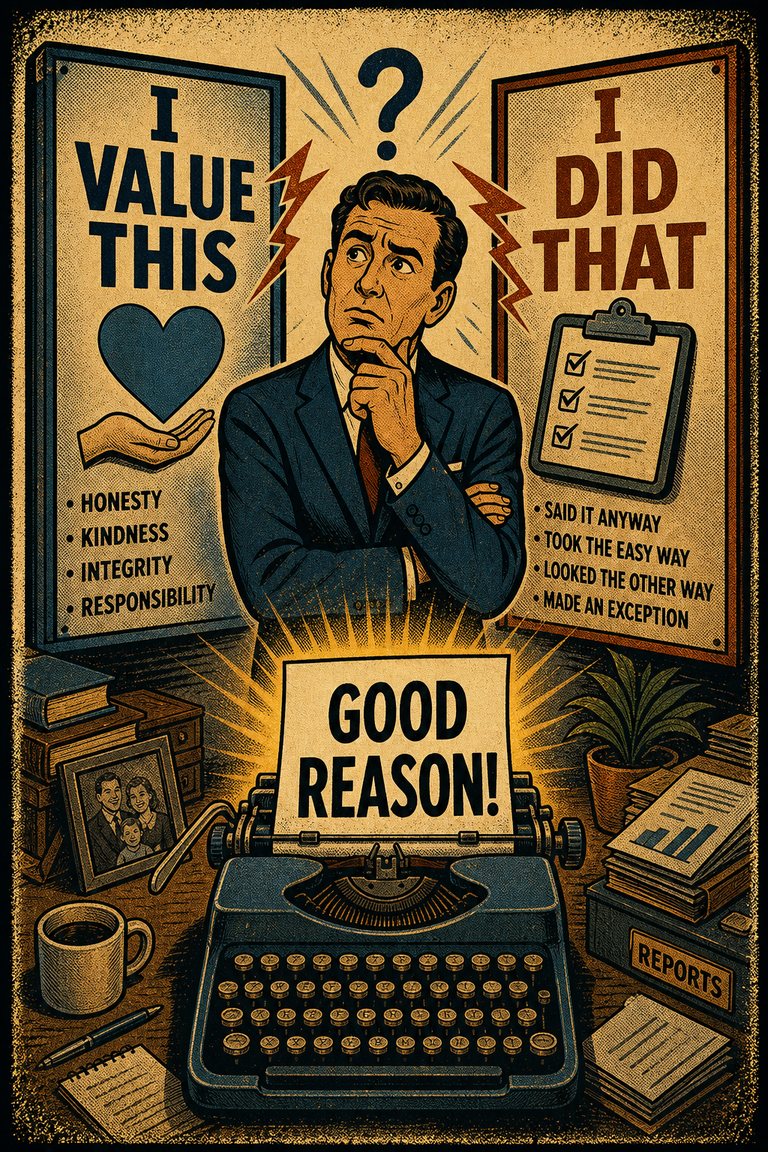
Cognitive dissonance
The perception of contradictory information and the mental toll of it.
Hypothesis AssessmentAssociation

Cognitive Biases
A practical cognitive-bias site with clear definitions, learning paths, assessments, self-audits, and debiasing tools.
Learning Path
A path for the distortions that protect choices, identities, and self-descriptions by editing memory, standards, or the location of bias itself.
Work the pages in order, then loop back and compare which distortions happened earliest, which ones protected the first impression, and which ones interfered with later learning.
This is a deliberate sequence, not just a themed pile. Start at the top if the context is new to you.
The perception of contradictory information and the mental toll of it.
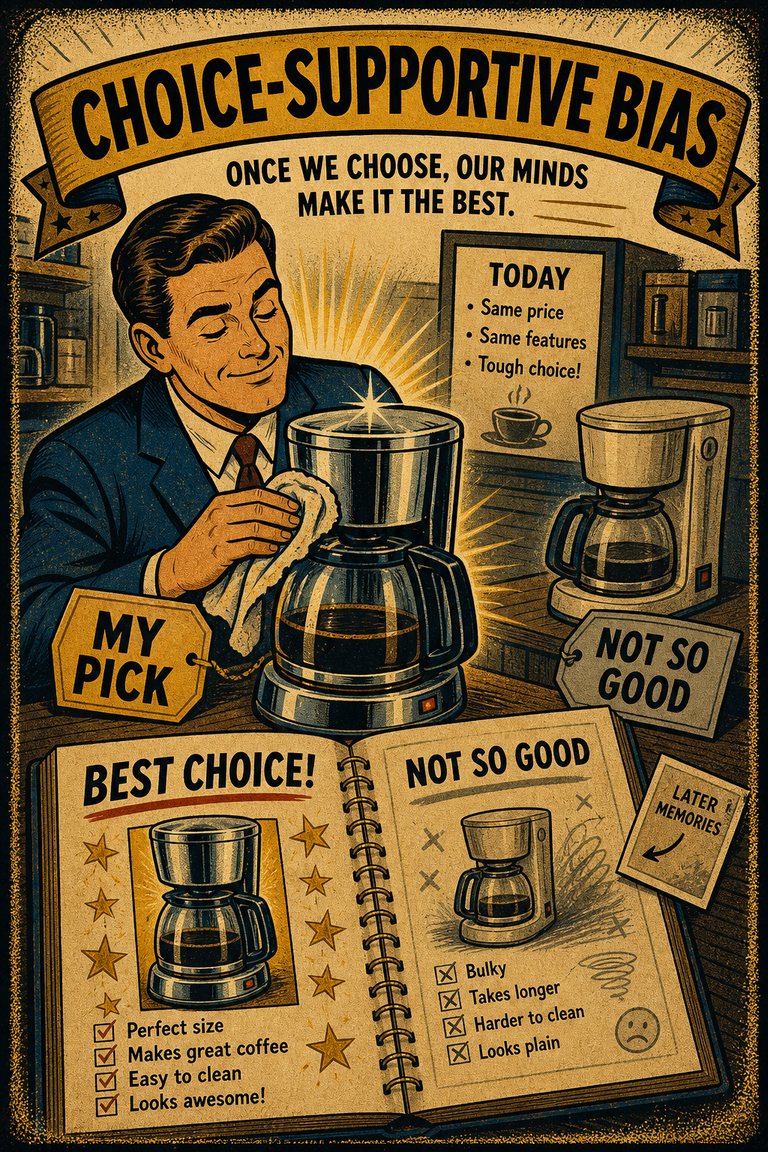
The tendency to remember one's choices as better than they actually were.
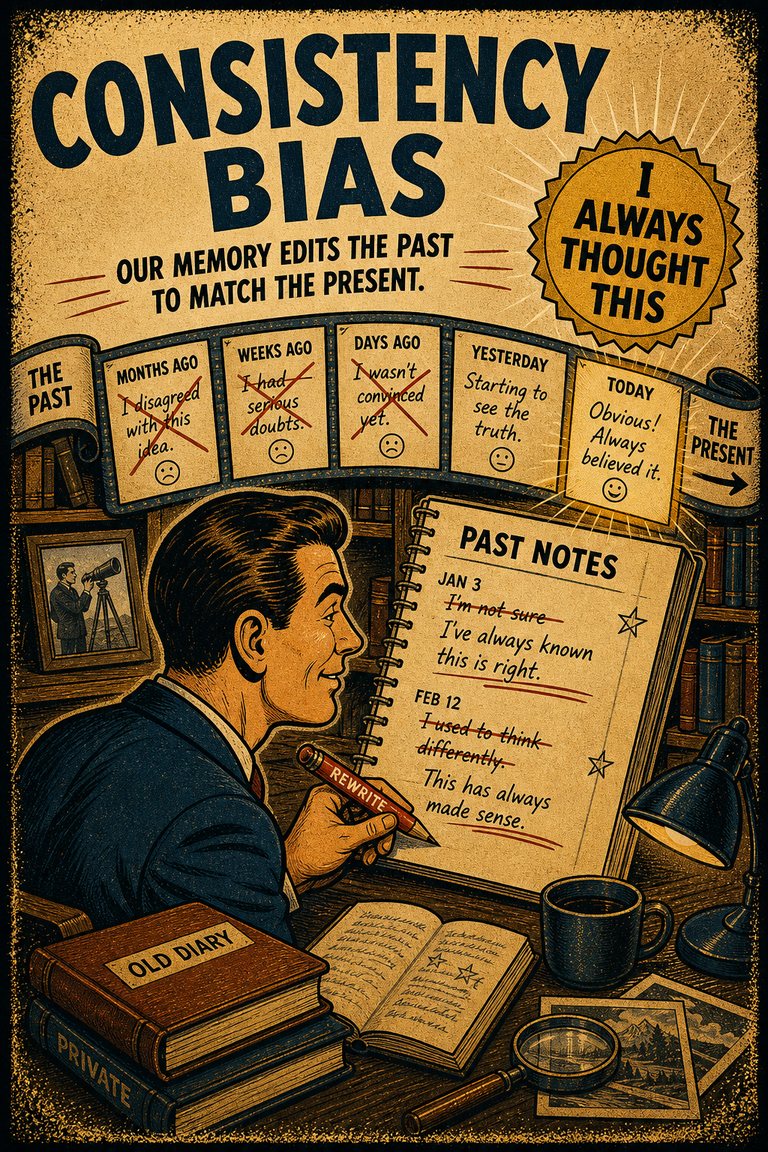
The tendency to remember past attitudes or behavior as more consistent with the present than they really were.
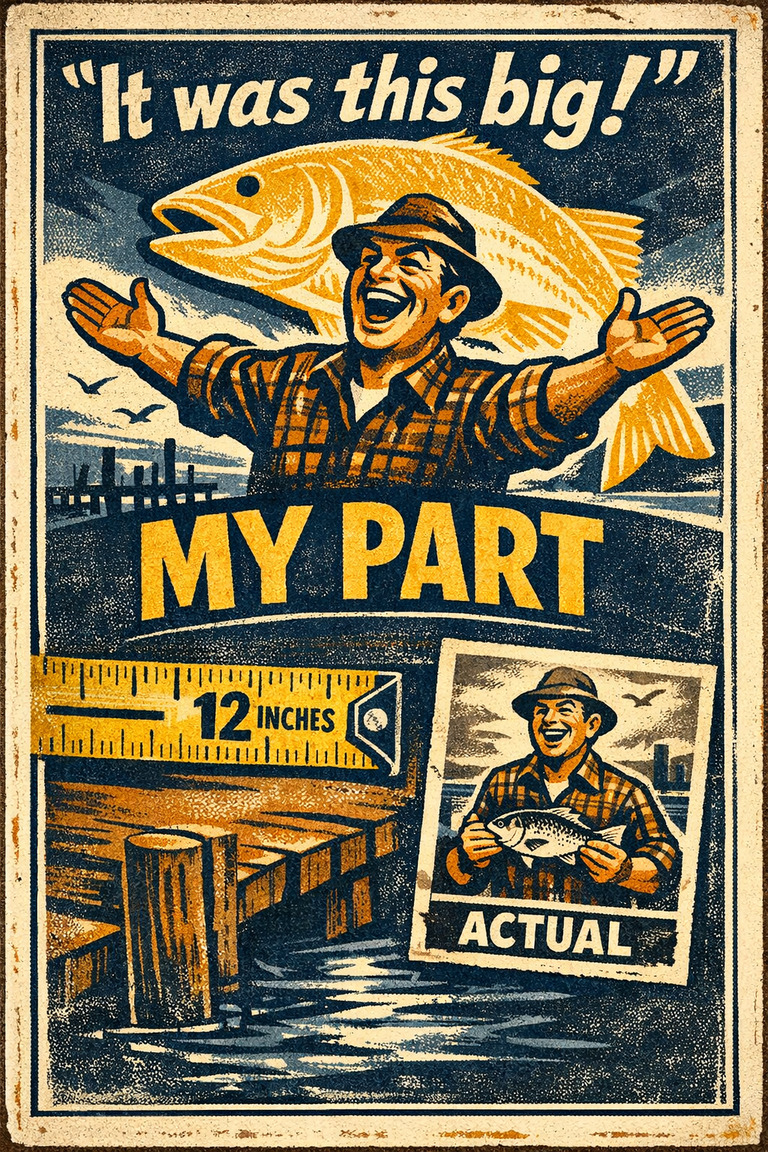
The tendency to remember the past in self-serving ways and overweight one's own perspective.
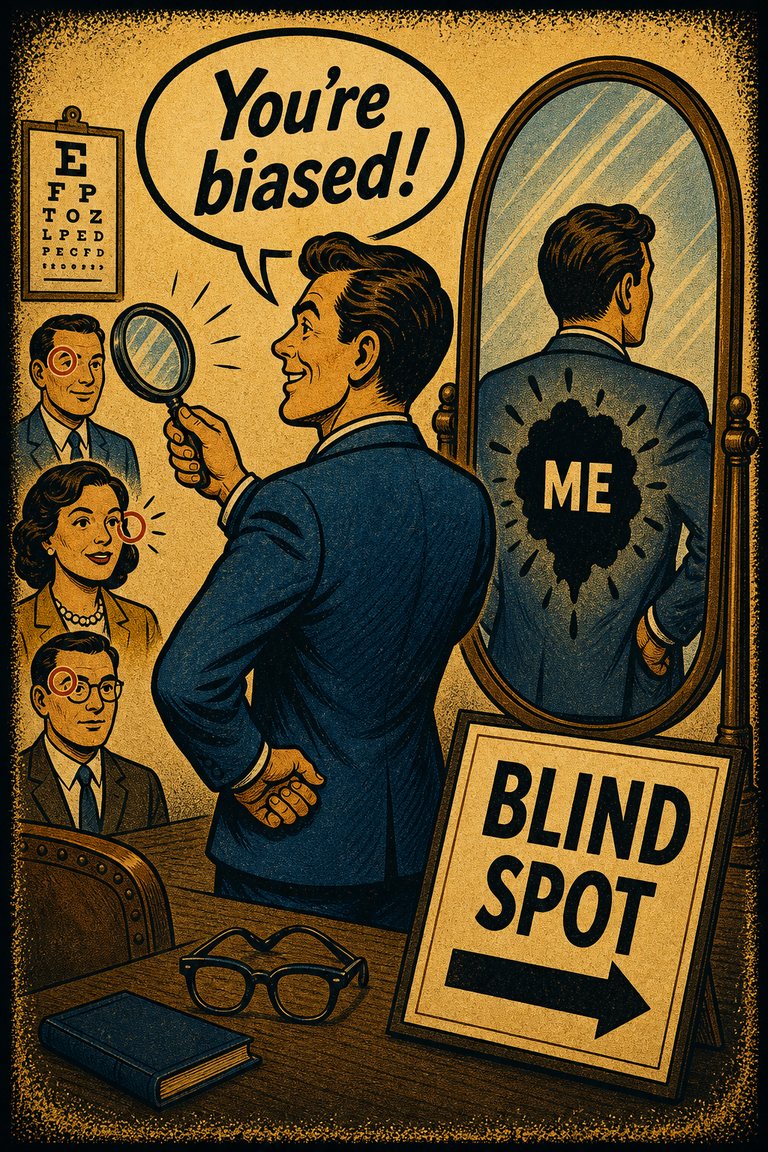
The tendency to see oneself as less biased than other people, or to be able to identify more cognitive biases in others than in oneself.
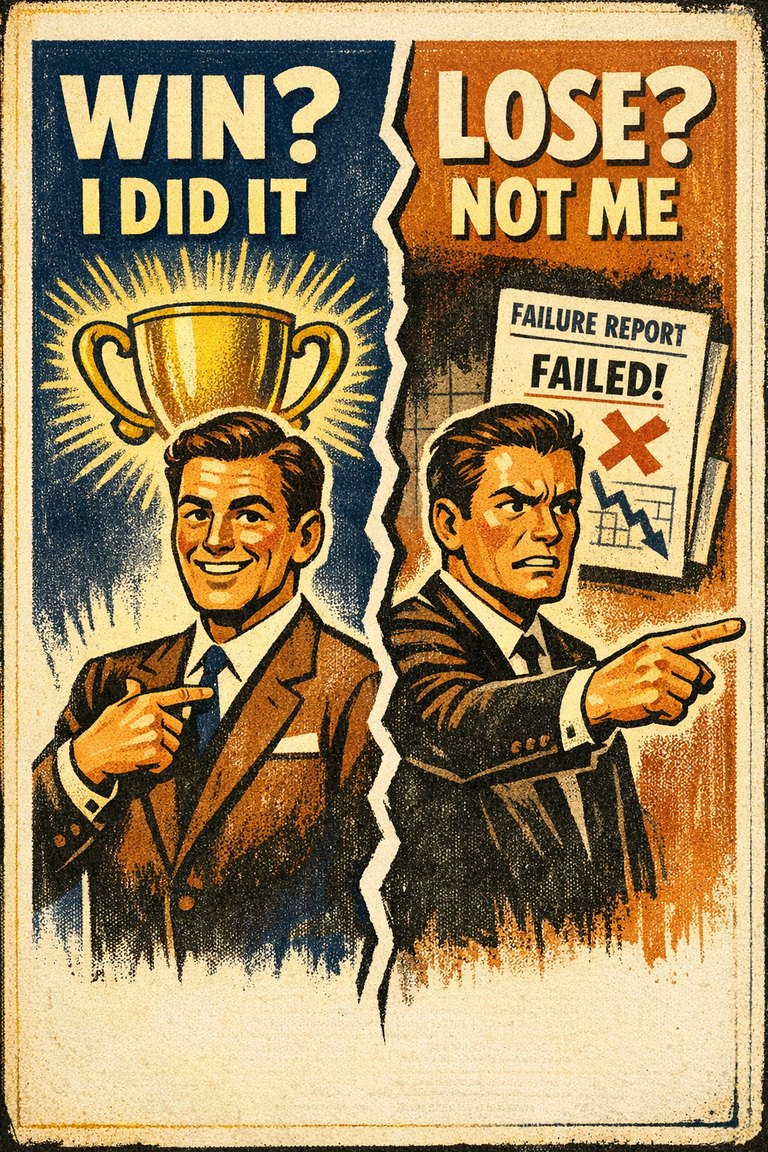
The tendency to take disproportionate credit for successes while locating failures in bad luck, unfair circumstances, or other people.
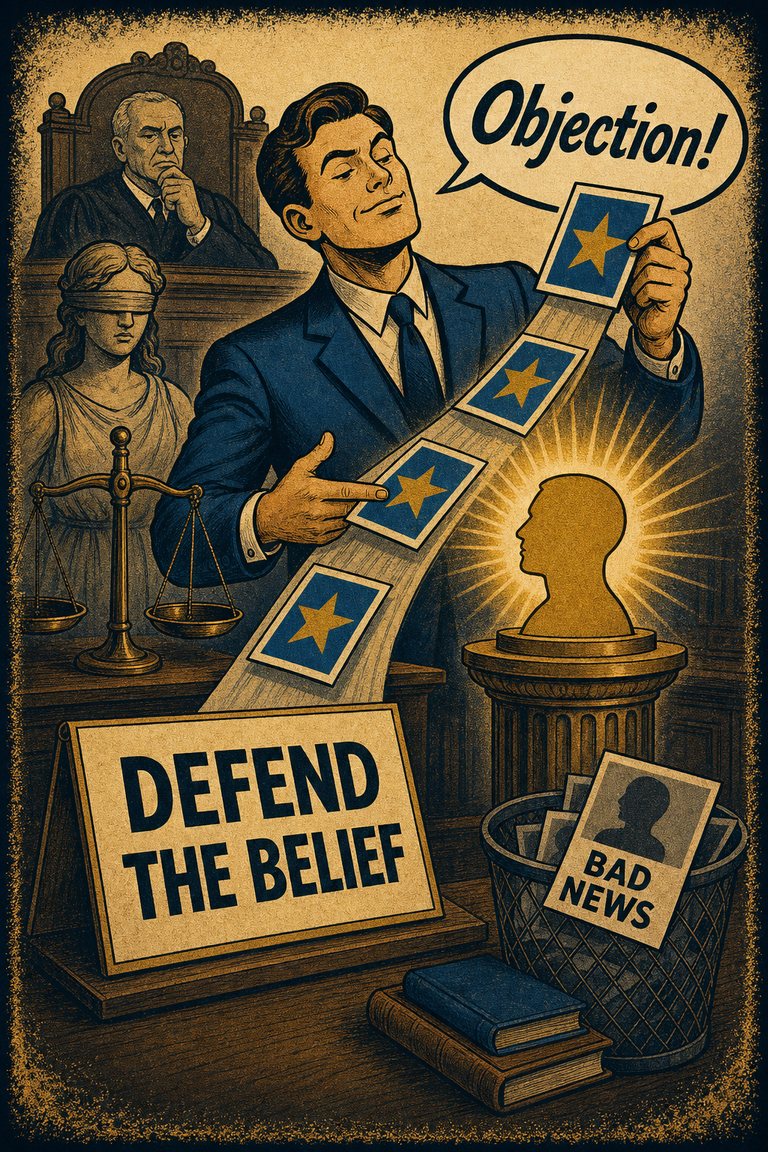
The tendency to use reasoning as a defense lawyer for desired conclusions rather than as an impartial search for what is most likely true.
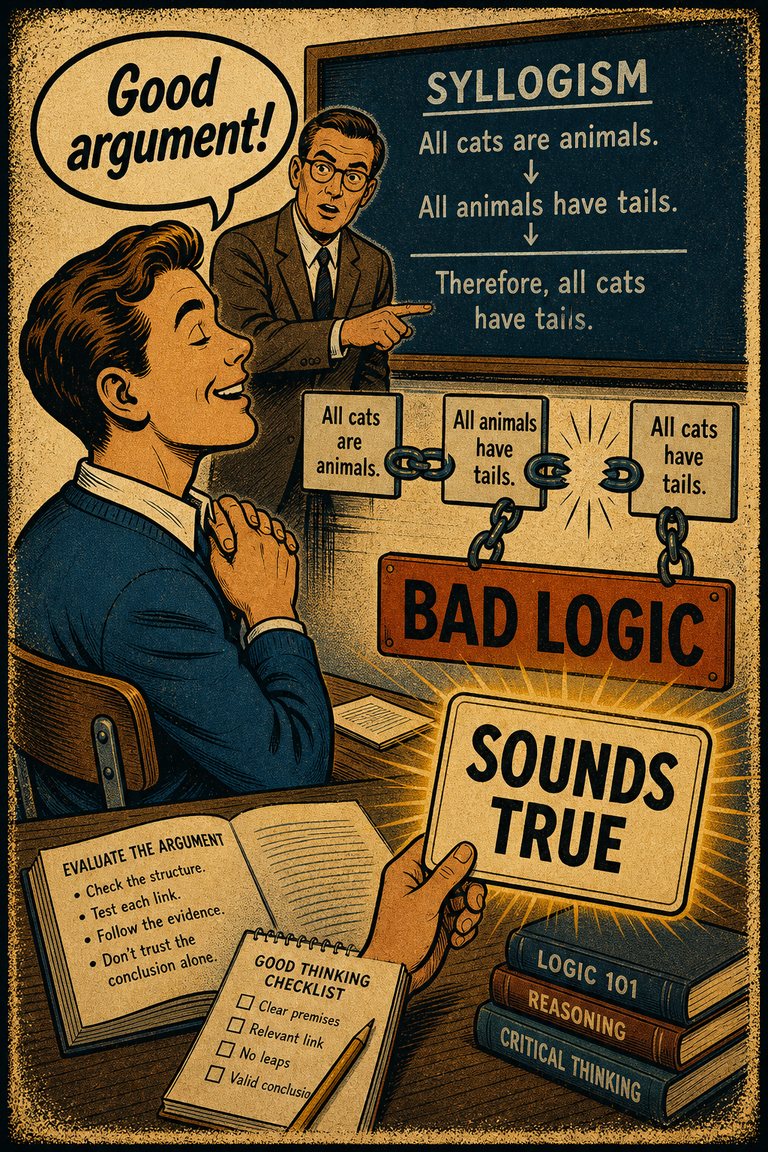
The tendency to judge an argument as stronger when its conclusion seems believable and weaker when its conclusion seems unbelievable, even if the reasoning structure is unchanged.