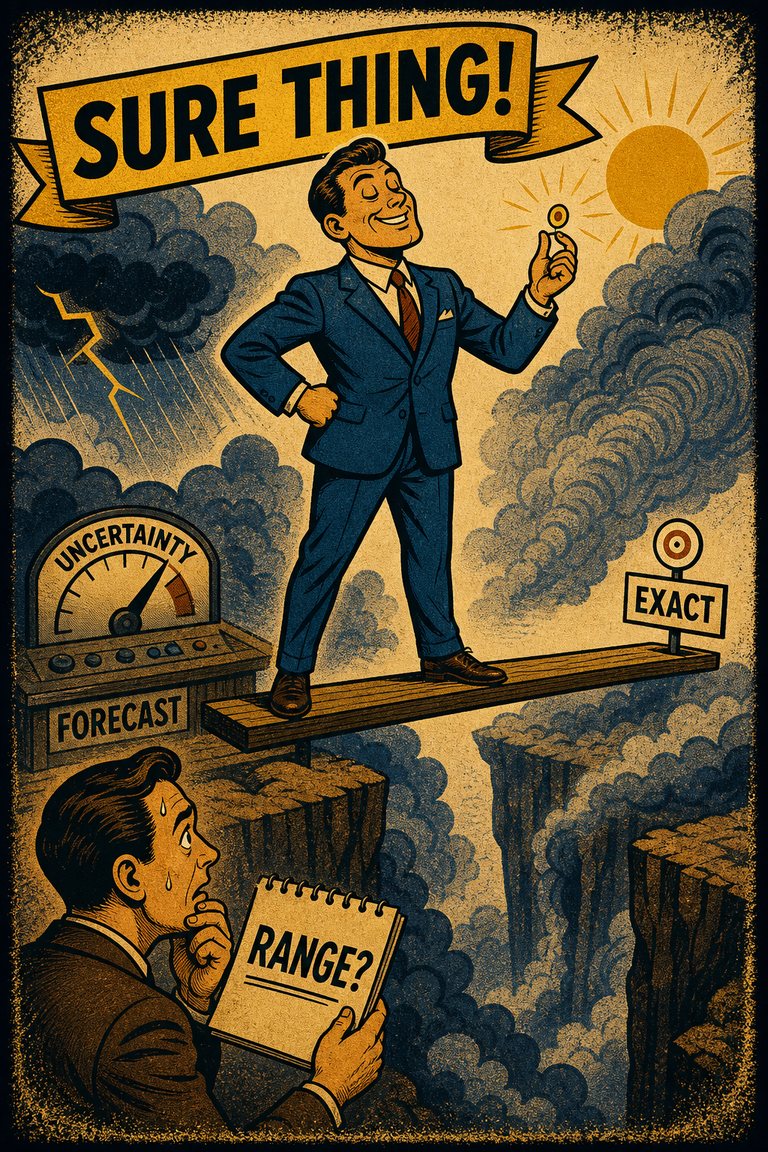
Overconfidence effect
The tendency to be more certain about judgments, forecasts, or abilities than the evidence warrants.
Hypothesis AssessmentOutcomeForecasting & planningTeams & management

Cognitive Biases
A practical cognitive-bias site with clear definitions, learning paths, assessments, self-audits, and debiasing tools.
Learning Path
A path for the places where confidence, familiarity, explanation, and genuine competence come apart.
Work the pages in order, then loop back and compare which distortions happened earliest, which ones protected the first impression, and which ones interfered with later learning.
Next:
This is a deliberate sequence, not just a themed pile. Start at the top if the context is new to you.
The tendency to be more certain about judgments, forecasts, or abilities than the evidence warrants.

The tendency for low skill or shallow understanding to produce overestimation of one's own competence, while higher-skill people may underestimate how unusual their competence really is.
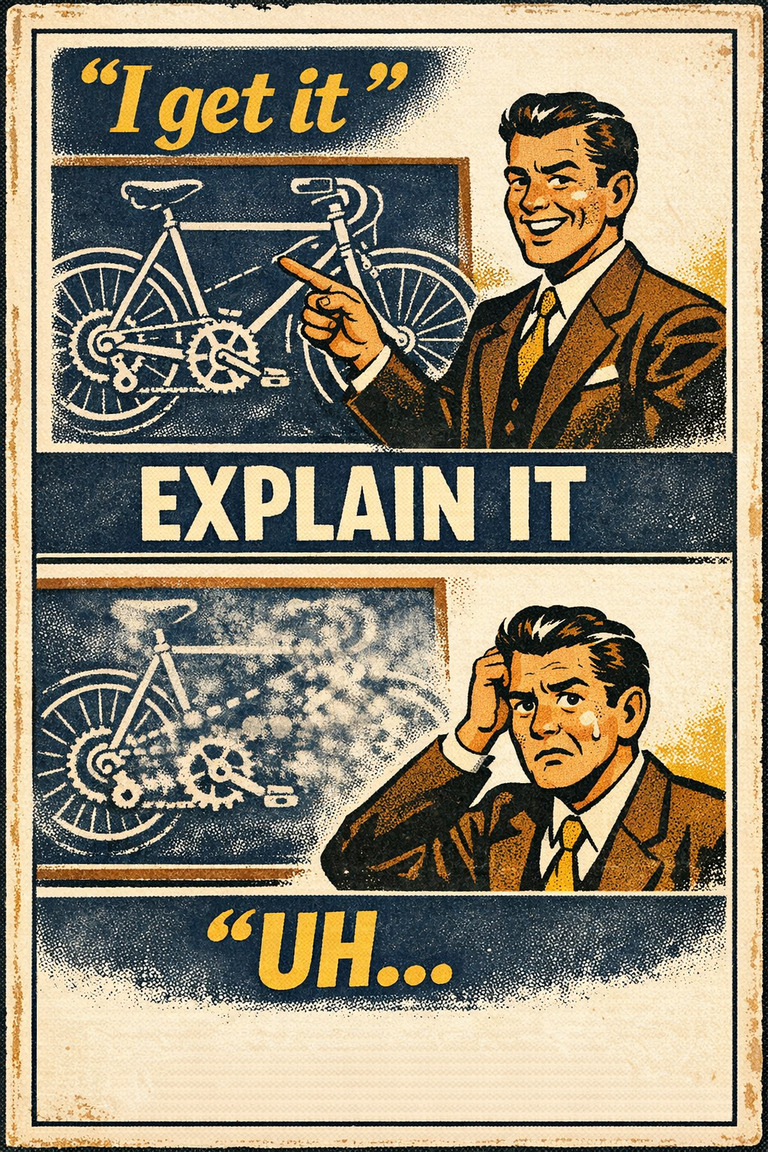
The tendency to believe you understand how something works more deeply than you actually do, especially until you are forced to explain the mechanism step by step.
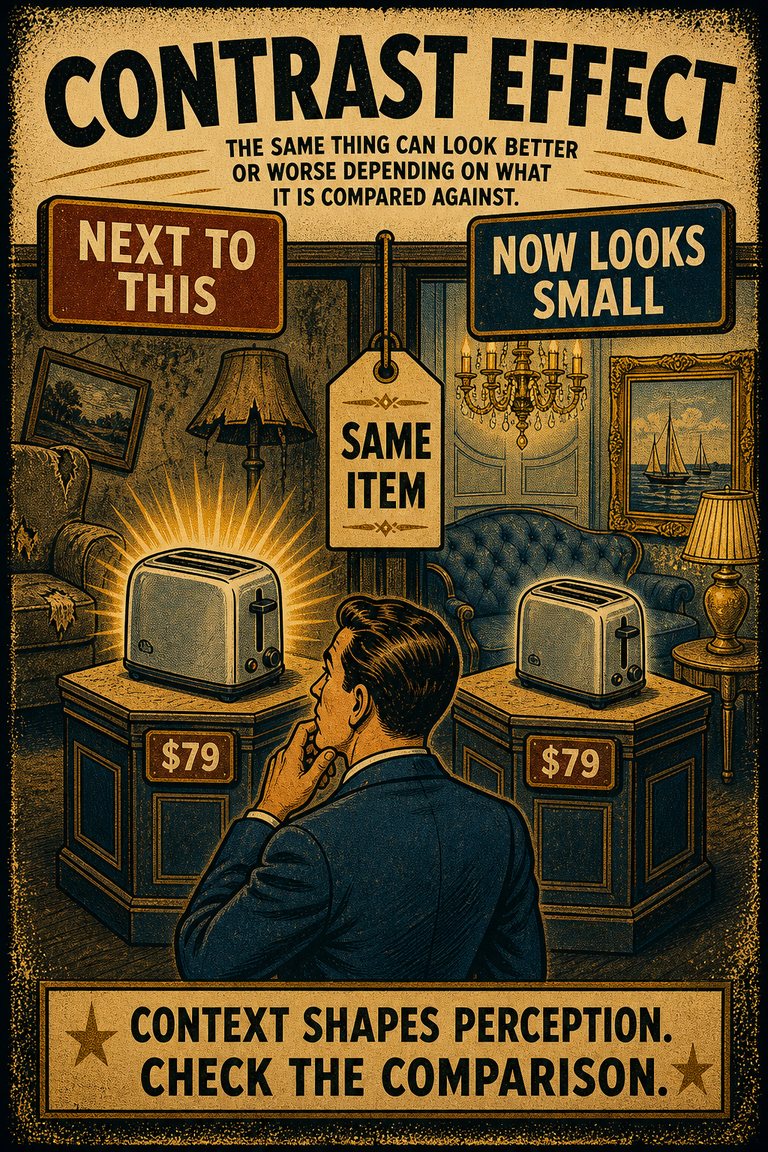
The enhancement or reduction of a certain stimulus's perception when compared with a recently observed, contrasting object.

The tendency for people to underestimate the time it will take them to complete a given task.
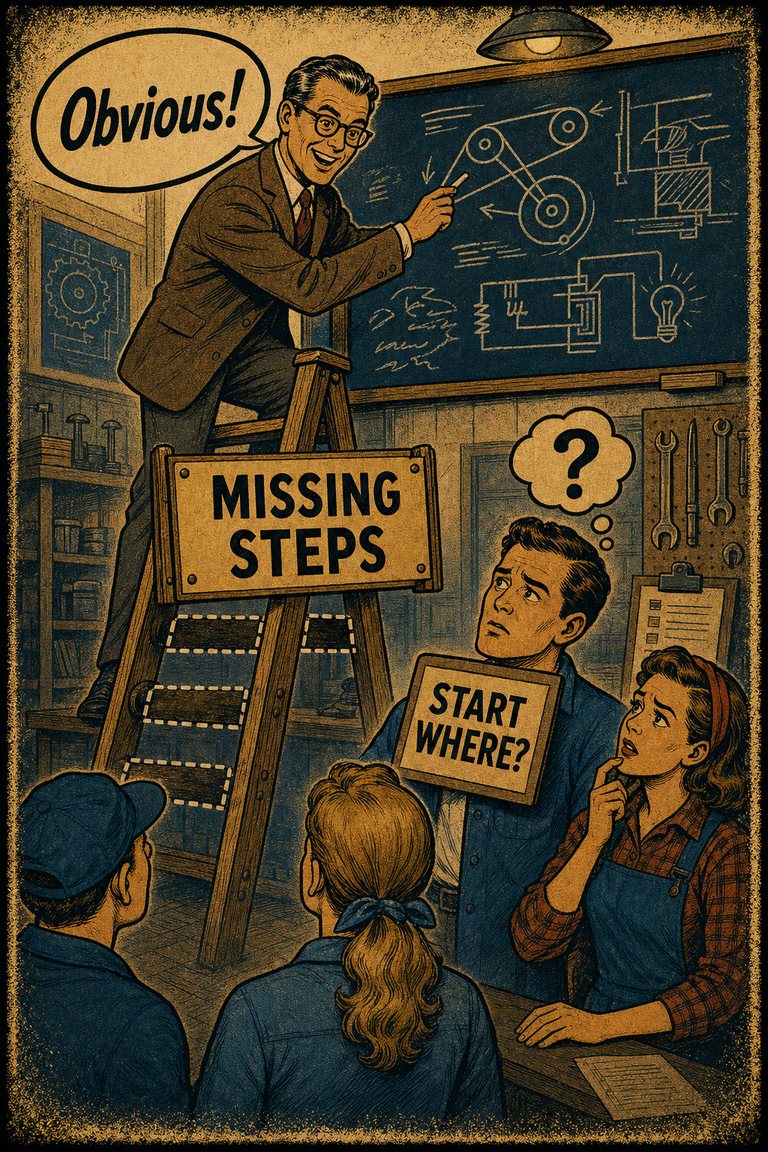
The tendency for better-informed people to underestimate how hard the issue looks to less-informed people.
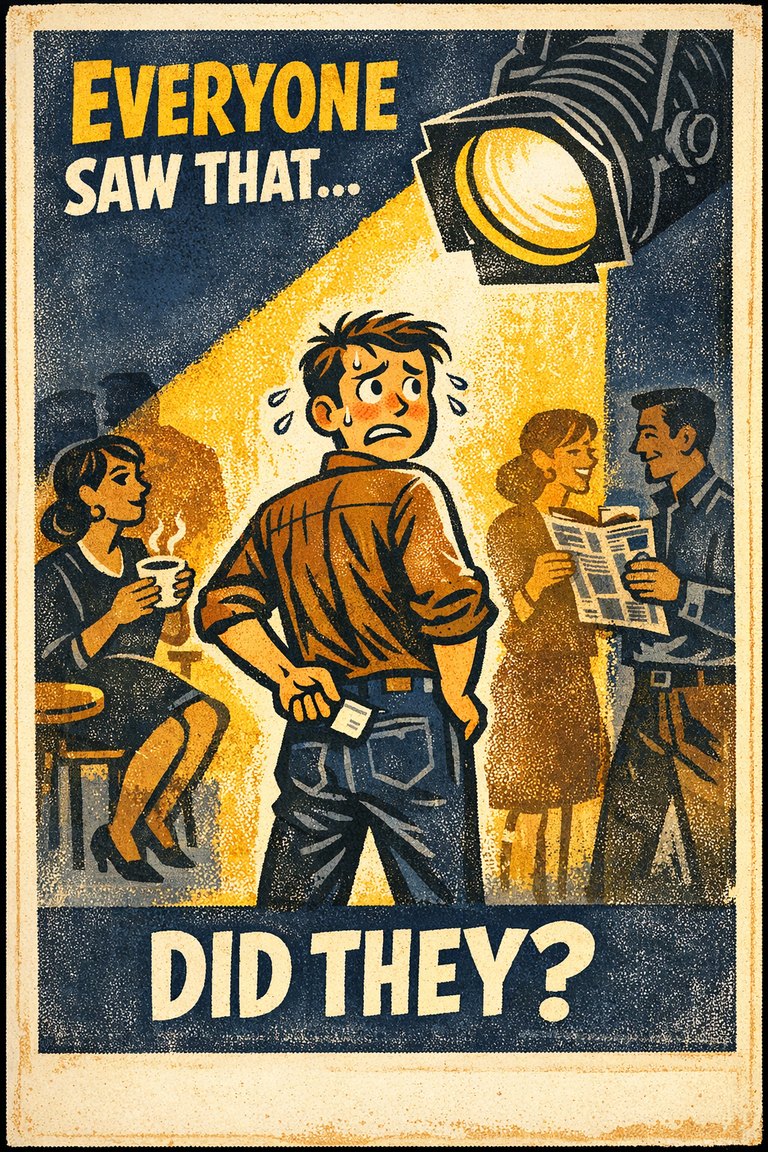
The tendency to overestimate how much other people notice, remember, or care about one's appearance, mistakes, or behavior.