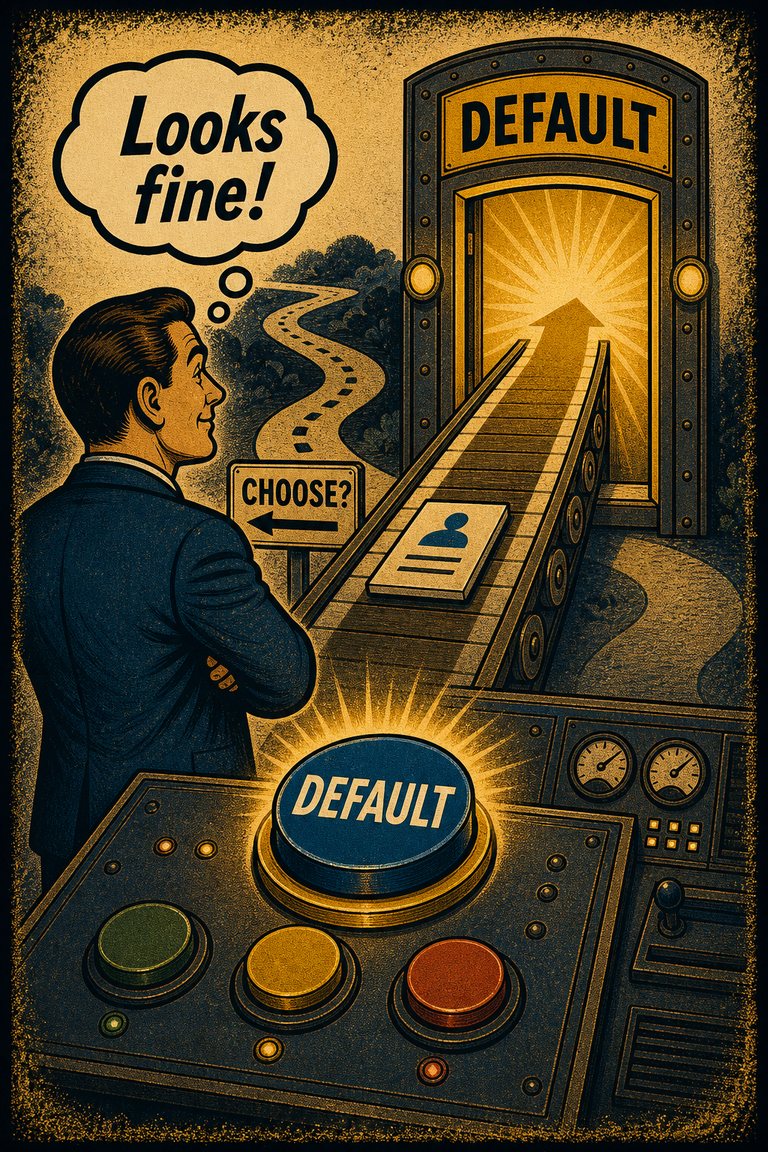
Default effect
The tendency to favor the preselected or default option simply because it is already positioned as the path of least resistance.
DecisionAssociationChoice architecturePersonal decisions

Cognitive Biases
A practical cognitive-bias site with clear definitions, learning paths, assessments, self-audits, and debiasing tools.
Applied Context
A hub for product decisions, interfaces, pricing, defaults, metrics, and AI-assisted workflows where choice architecture can quietly manufacture preference.
Use this hub when the menu, default, metric, recommendation, or comparison structure might be steering users more than informing them.
Is the interface helping users express a preference, or shaping the preference before they notice?
These are the entries most likely to matter in this domain. Use the cluster to compare nearby pulls before choosing a label.
The tendency to favor the preselected or default option simply because it is already positioned as the path of least resistance.
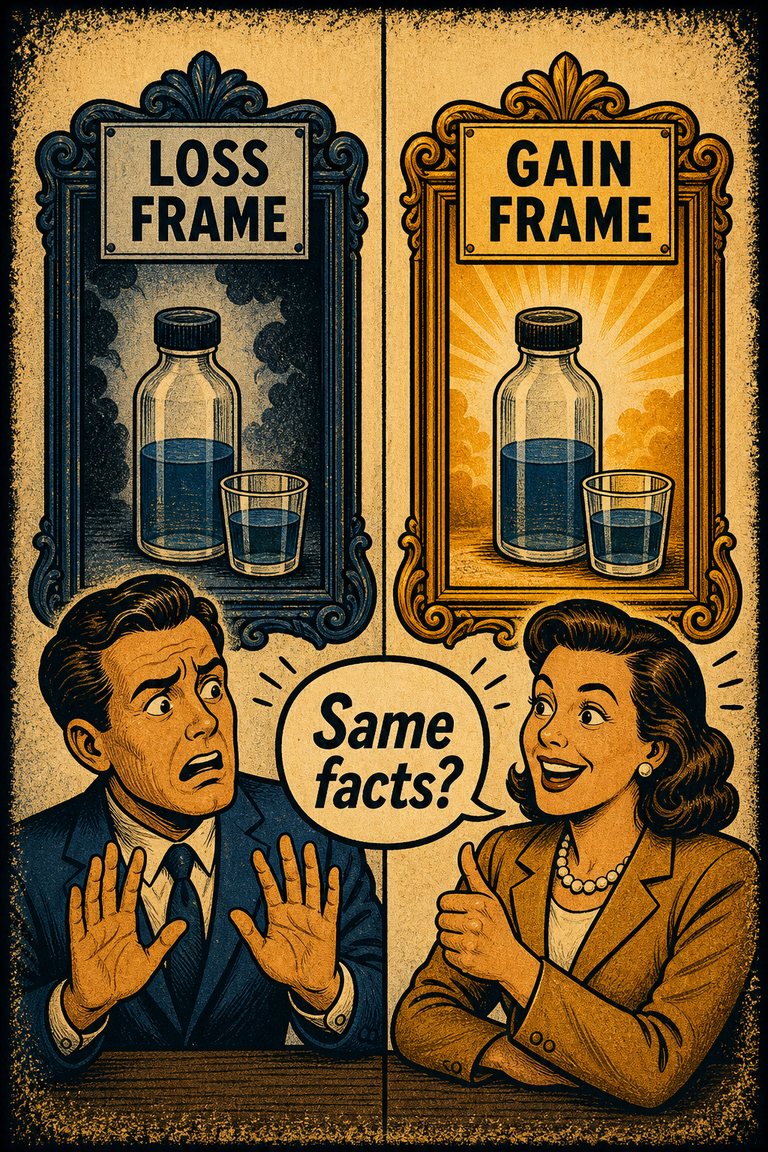
The tendency for the same underlying information to produce different judgments depending on how the options or outcomes are described.
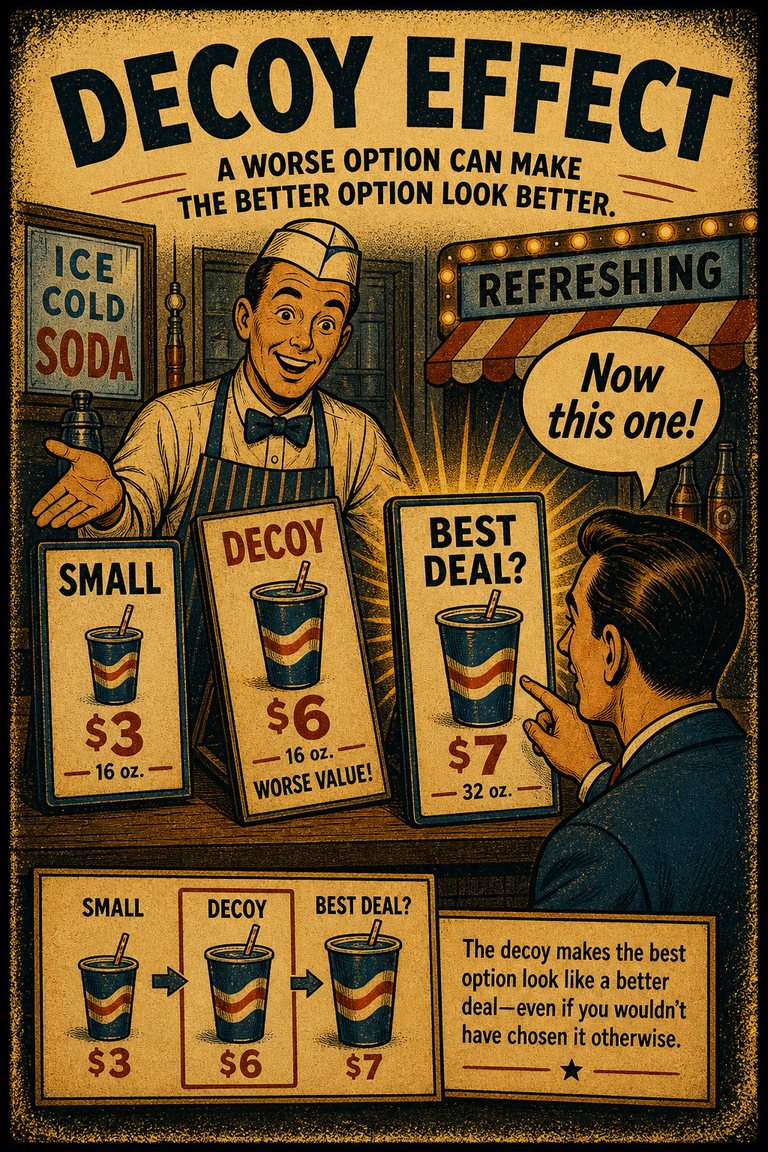
The tendency for a dominated third option to shift preference toward a nearby target option.
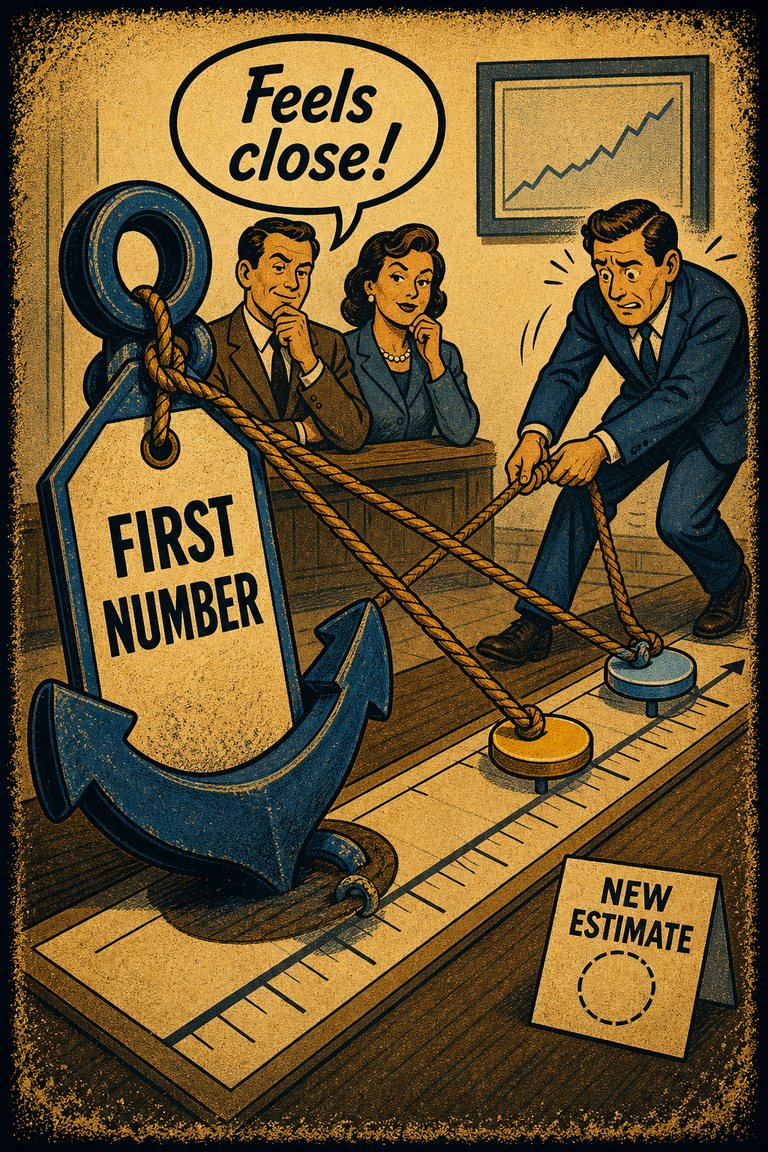
The tendency for the first salient number, frame, or option to pull later estimates toward itself even when it is arbitrary or weakly relevant.
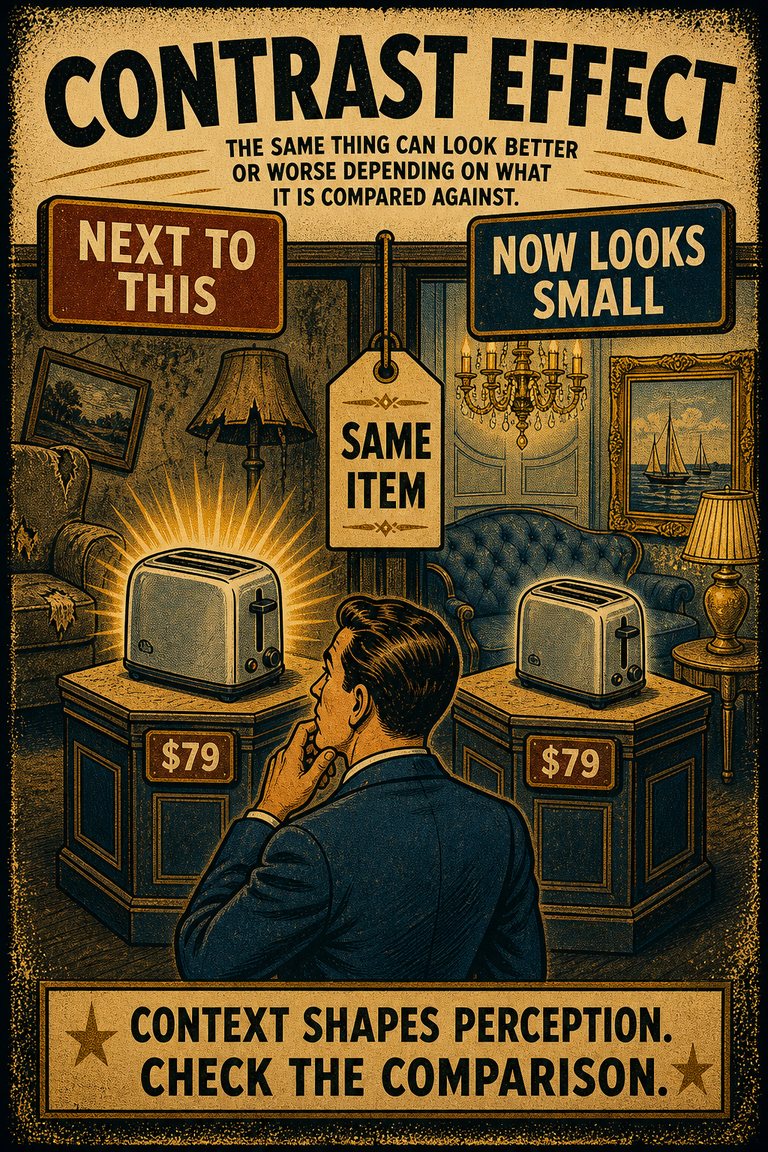
The enhancement or reduction of a certain stimulus's perception when compared with a recently observed, contrasting object.
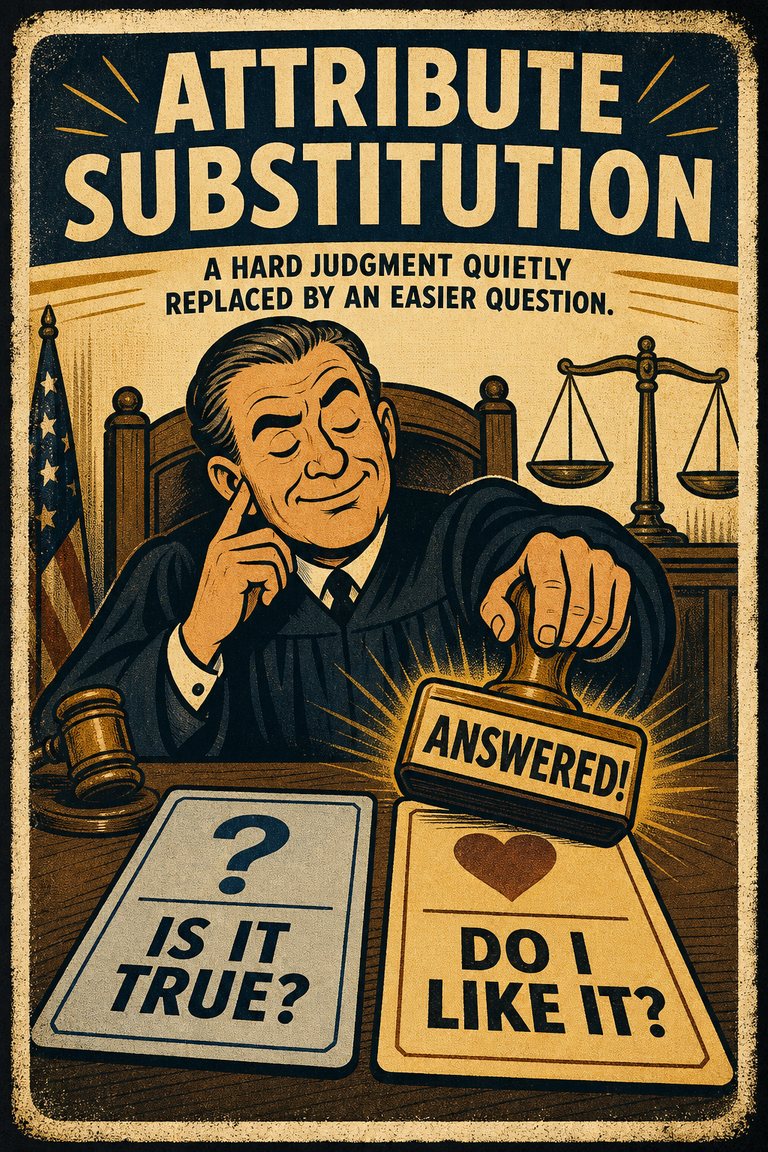
The tendency to answer a hard judgment question by unconsciously substituting an easier one.
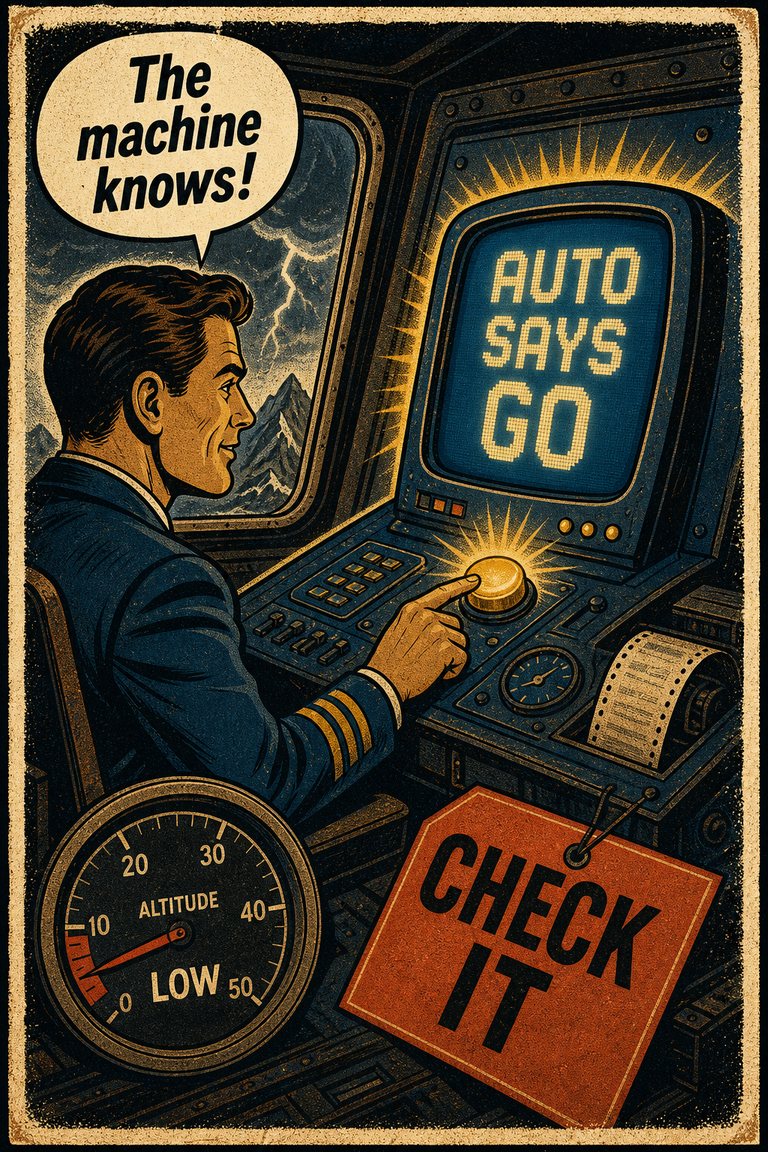
The tendency to depend excessively on automated systems which can lead to erroneous automated information overriding correct decisions.
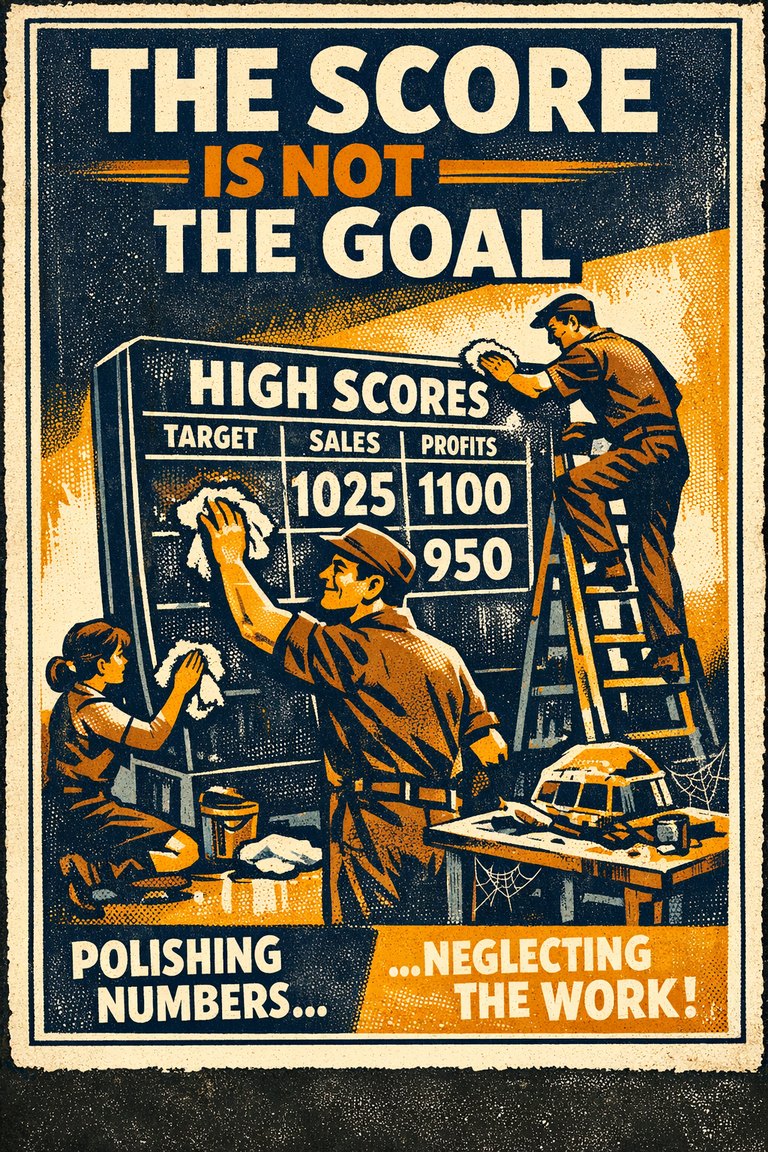
Losing sight of the strategic construct that a measure is intended to represent, and subsequently acting as though the measure is the construct of interest.
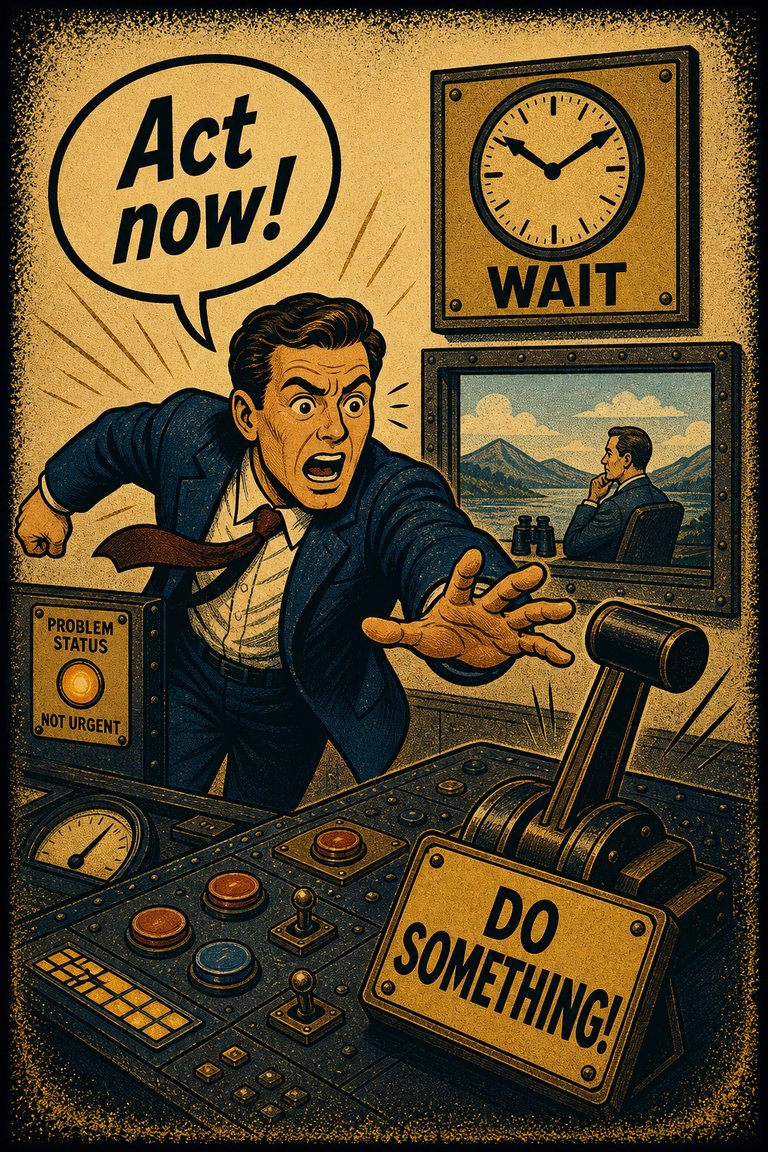
The tendency for someone to act when faced with a problem even when inaction would be more effective, or to act when no evident problem exists.
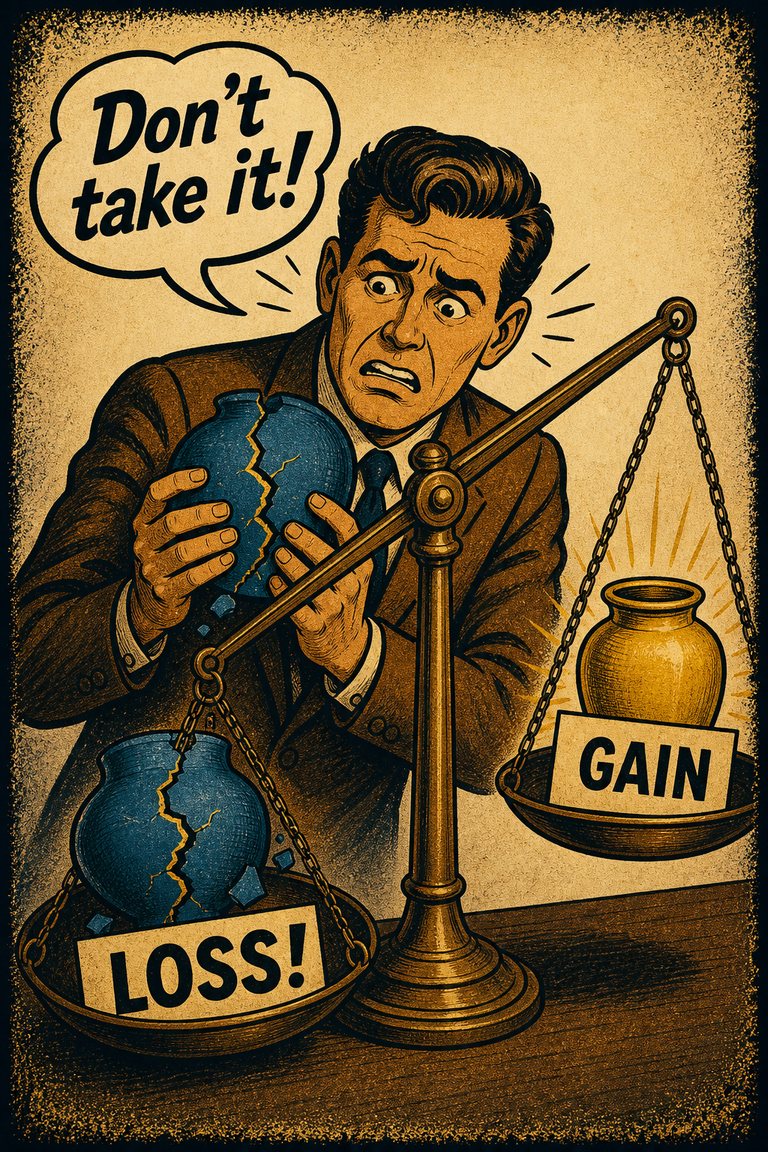
The tendency for losses or giving something up to feel worse than equivalent gains feel good.
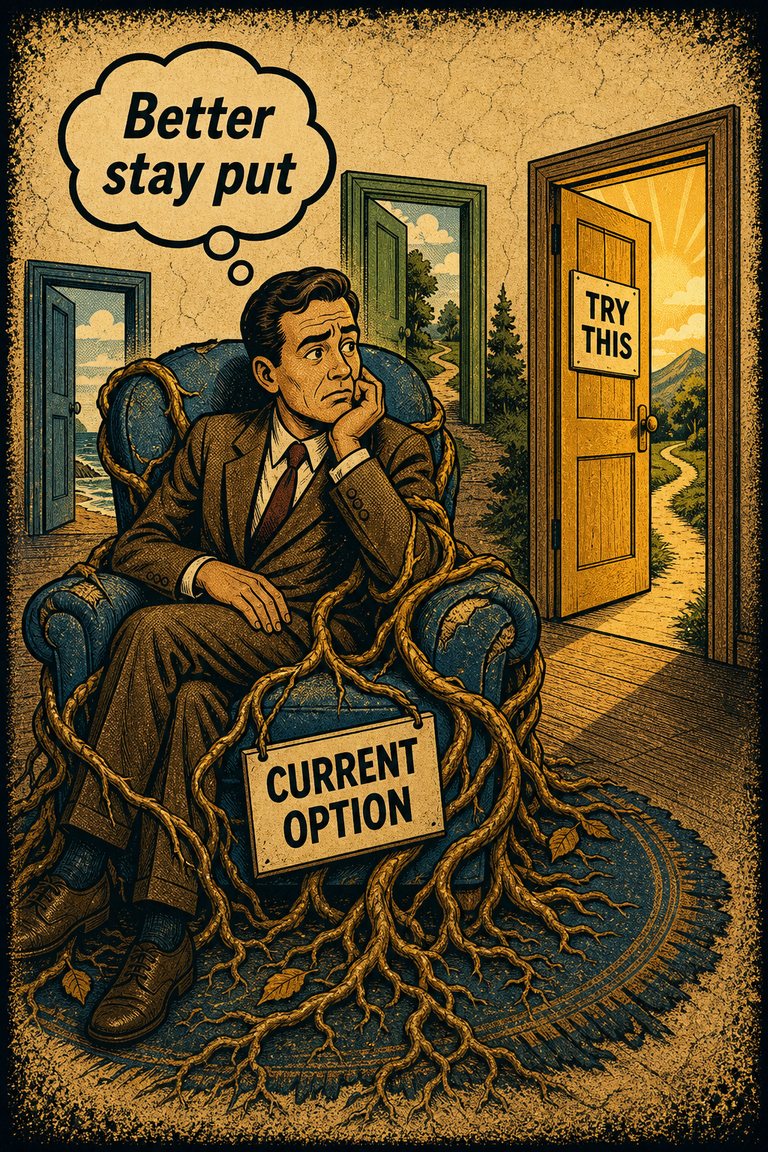
The tendency to prefer the current option, default, or inherited arrangement simply because it is the current option, default, or inherited arrangement.
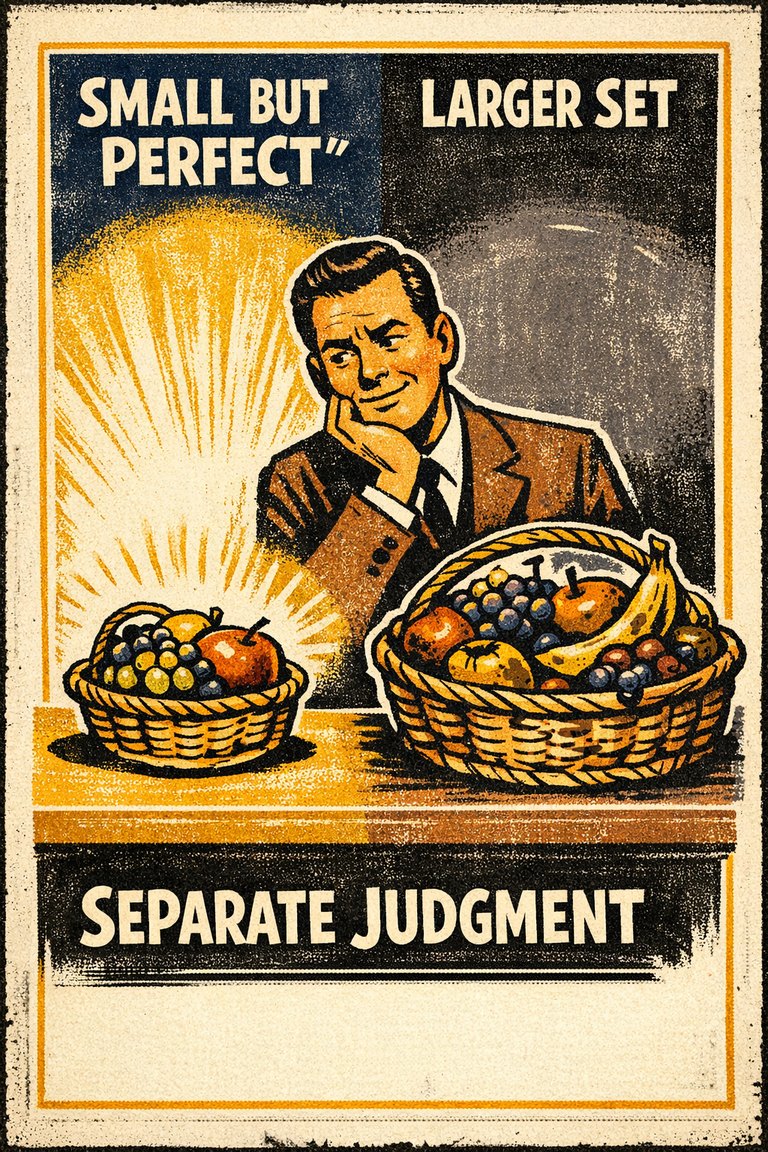
The tendency to prefer a smaller set to a larger set judged separately, but not jointly.
The hub is meant to change the process, not just supply labels.
Treat the current default as one explicit option and ask what case it would need to win without preselection.
Re-run the comparison after removing irrelevant reference prices, dominated options, and first numbers.
Ask whether the proxy metric is improving the real user outcome or becoming the thing the team now optimizes.
These are the closest learning paths and short self-checks for this context.
A path for the biases that reshape preference by changing the frame, the menu, the proxy, or the amount of visible motion in the decision process.
What in the frame or comparison structure is deciding the choice before the merits are cleanly weighed?
Best for product design, pricing, purchasing, strategy, and anyone building or choosing among options.
A decision path for the biases that make change feel costly, surrender feel painful, and inaction feel cleaner than it is.
How do defaults, ownership, and downside language quietly decide the choice before the merits are weighed?
Best for managers, household decisions, policy tradeoffs, pricing, and resource allocation.
Biases that quietly bend choice, forecasting, escalation, and project planning when the future is still unresolved.
What makes a plan feel decisive before it is actually well-calibrated?
Best for managers, founders, operators, and anyone who makes plans under pressure.
A choice-architecture check for decisions that may be getting bent by the comparison set, the proxy being used, or the pressure to act visibly.
Question: Am I choosing the best option, or the option the current frame is making easiest to endorse?
A choice-architecture check for the moments when the preselected option starts feeling invisible, safe, or morally cleaner.
Question: Is the default genuinely best, or just easiest to leave in place?
A quick pre-choice audit for defaults, sunk costs, anchors, and false certainty.
Question: Am I choosing the best forward-looking option, or the most comfortable inherited one?
Use these only after the concrete case is written clearly enough for a model to widen the frame instead of merely echoing it.
Use this when a decision may be getting steered by the menu, the frame, the decoy, the proxy question, or the push to act visibly.
Use when: Paste the choice, the options, any default or recommended option, and how the options are currently being presented.
Analyze the situation below as a deeper choice-architecture audit.

Do the following:
1. Restate the actual decision and the target attribute that should decide it.
2. Identify which easier proxy, comparison trick, system recommendation, or urgency cue may be steering the choice.
3. Explain how the current setup could be manufacturing preference rather than revealing it.
4. Rebuild the decision in a cleaner comparison format that removes the most distorting cue.
5. End with a better decision protocol for the next pass.

Decision setup:
[PASTE THE OPTIONS, PRESENTATION, AND CURRENT LEAN HERE]
Use this when a decision may be getting steered by wording, preselection, loss framing, or the moral comfort of doing nothing.
Use when: Paste the choice, the current wording or interface, and the default option if one exists.
Analyze the decision below as a framing and default audit.

Do the following:
1. Restate the decision in neutral language.
2. Identify the current frame, emotional emphasis, and default path.
3. Explain how framing effect, default effect, loss aversion, or omission bias may be steering judgment.
4. Rewrite the choice in at least two alternative frames, including one that removes the default's privilege.
5. End with a cleaner comparison of the options on their actual merits.

Decision or interface to analyze:
[PASTE THE DECISION, FORM, OR MESSAGE HERE]
Use this when a live decision feels urgent and you want the model to slow the structure of the judgment rather than merely justify a preferred option.
Use when: Paste the current decision, the options under consideration, and any real constraints or deadlines.
Analyze the decision below as a debiasing brief rather than as a recommendation memo.

Your tasks:
1. Restate the decision in one sentence.
2. Identify which options are being compared, including the default or do-nothing option.
3. Flag any likely cognitive biases that may be distorting the choice.
4. For each flagged bias, explain exactly how it may be shaping the current judgment.
5. Provide a cleaner forward-looking evaluation of the options that ignores sunk costs and separates evidence from comfort.
6. End with three concrete questions the decision-maker should answer before committing.

Output format:
◉ Decision restatement
◉ Likely biases at work
◉ Clean forward-looking comparison
◉ Questions before commitment

Decision to analyze:
[PASTE DECISION HERE]
These cases are pulled from the linked bias pages so the hub stays connected to concrete examples.
People frequently answer 'How risky is it?' by first answering 'How bad does this feel?' which lets a global like-or-dislike impression stand in for specific tradeoff analysis.
Why it fits: An easier emotional question silently substitutes for the harder one that was actually asked.
Modern judgment research
Experiments on the decoy effect show that adding a dominated option can reliably shift choice toward the target it makes look stronger by contrast.
Why it fits: The added option changes preference without adding genuine value.
Modern behavioral economics
Adding an inferior option that is close to one target option can increase preference for the target, even when the target itself has not improved.
Why it fits: The choice set manufactures preference by changing relative comparison.
Journal of Consumer Research · 1982
Savings participation often rises sharply when workers are enrolled by default and must actively opt out rather than opt in.
Why it fits: The change in uptake shows how much preselection can guide action before explicit deliberation begins.
Modern workplace policy
Research on automation bias shows that people may miss errors of omission or commission because the system recommendation becomes the assumed baseline.
Why it fits: The automation does not just assist. It begins shaping what the human treats as sufficiently checked.
Modern human-factors research
Automation-bias studies in aviation contexts found that people could miss problems or follow faulty recommendations when automated aids appeared to have the situation covered.
Why it fits: The system output became too much of the evidential baseline.
International Journal of Aviation Psychology · 1998