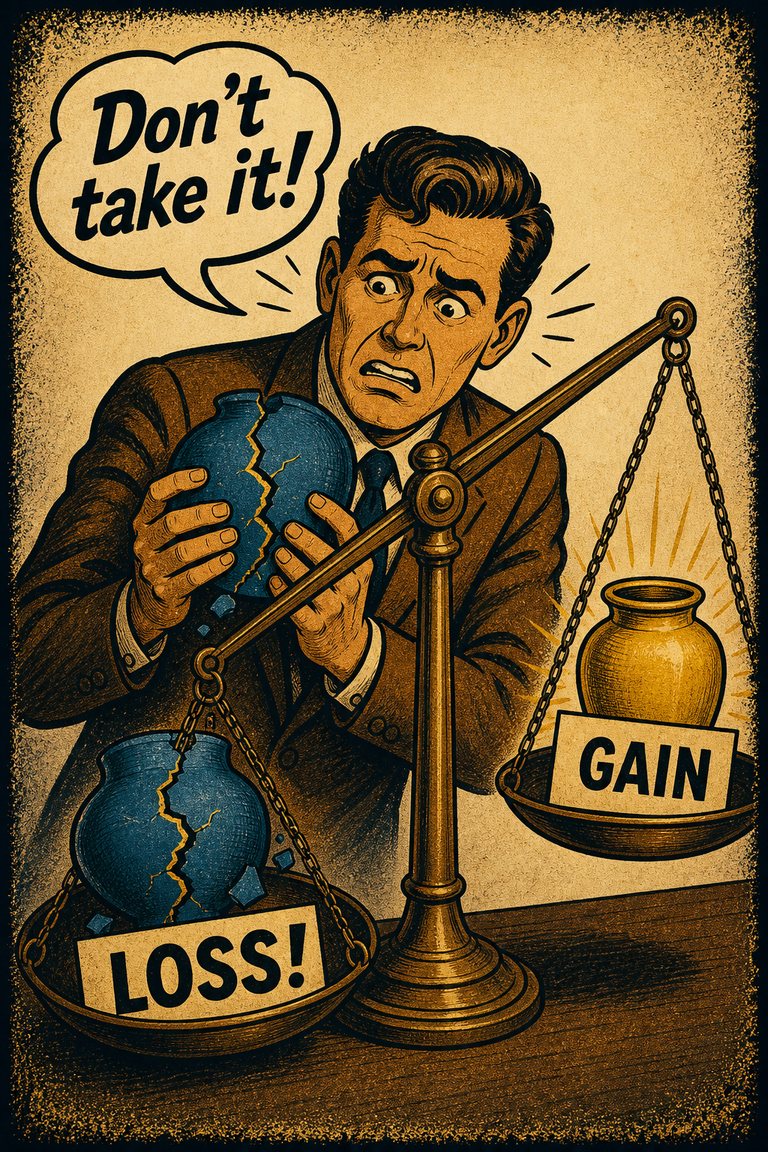
Loss aversion
The tendency for losses or giving something up to feel worse than equivalent gains feel good.
DecisionAssociationPersonal decisionsForecasting & planning

Cognitive Biases
A practical cognitive-bias site with clear definitions, learning paths, assessments, self-audits, and debiasing tools.
Learning Path
A decision path for the biases that make change feel costly, surrender feel painful, and inaction feel cleaner than it is.
Work the pages in order, then loop back and compare which distortions happened earliest, which ones protected the first impression, and which ones interfered with later learning.
Next:
This is a deliberate sequence, not just a themed pile. Start at the top if the context is new to you.
The tendency for losses or giving something up to feel worse than equivalent gains feel good.
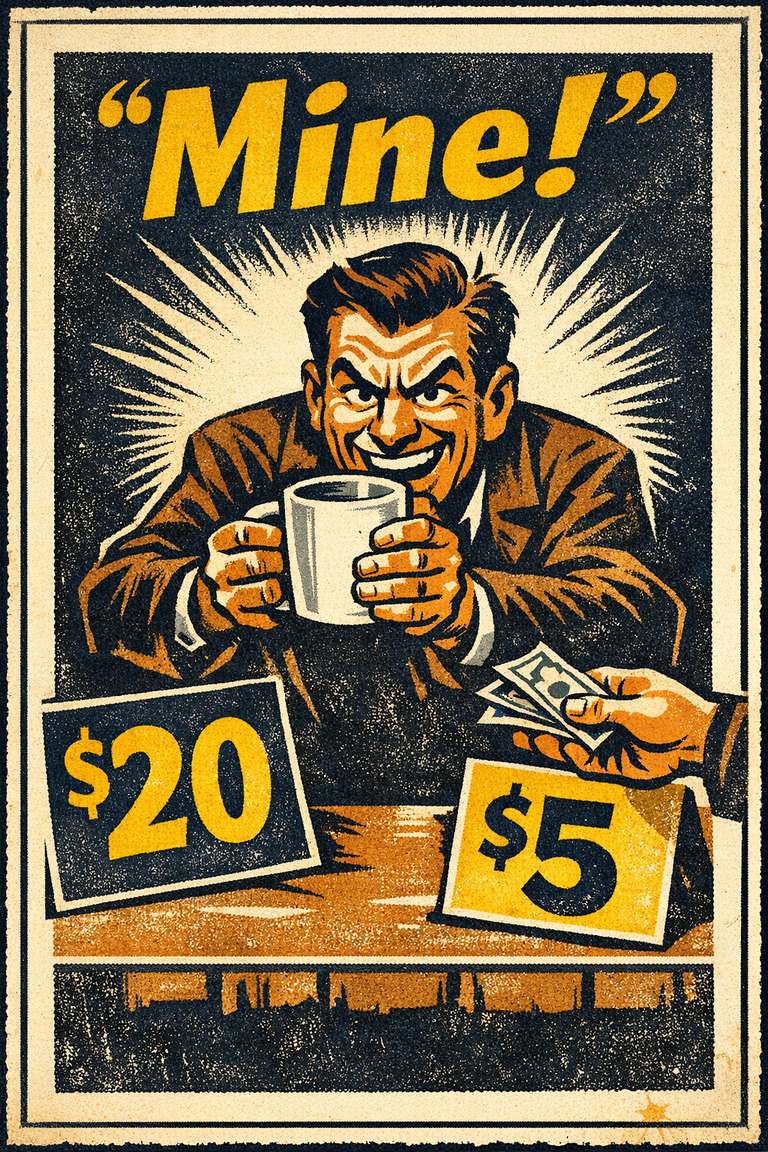
The tendency to value something more highly once it is already owned, possessed, or treated as part of the current arrangement.
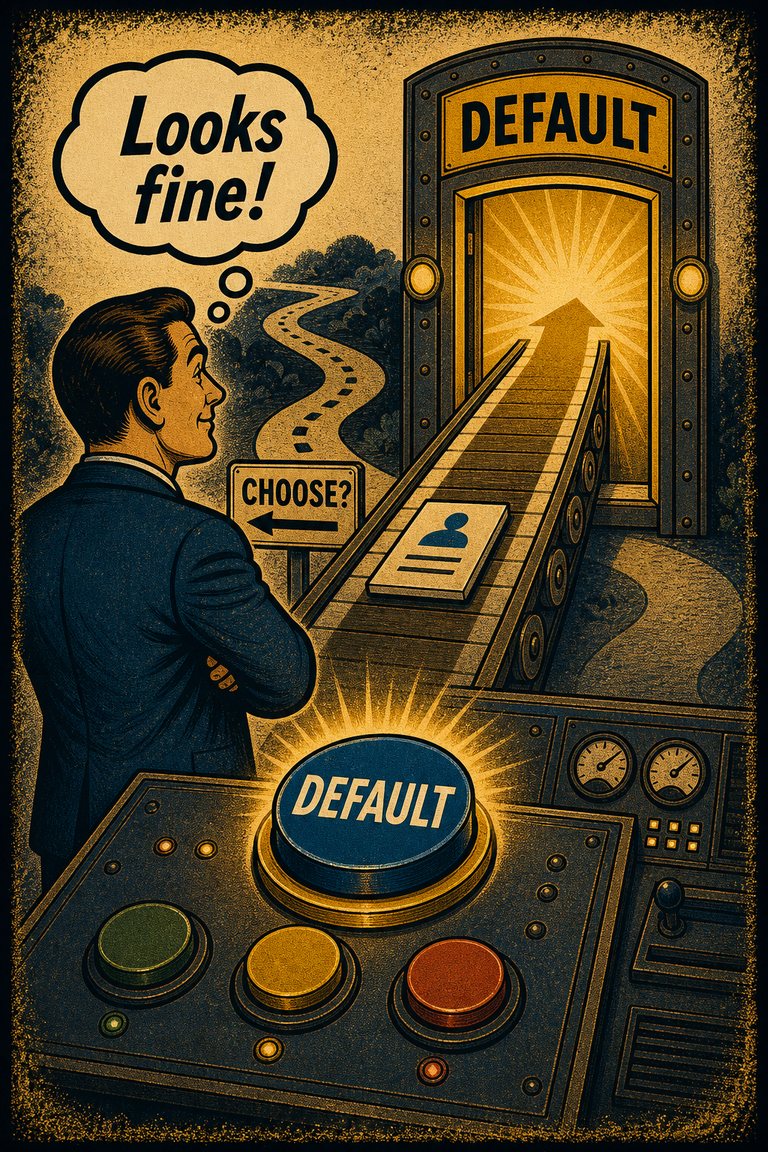
The tendency to favor the preselected or default option simply because it is already positioned as the path of least resistance.
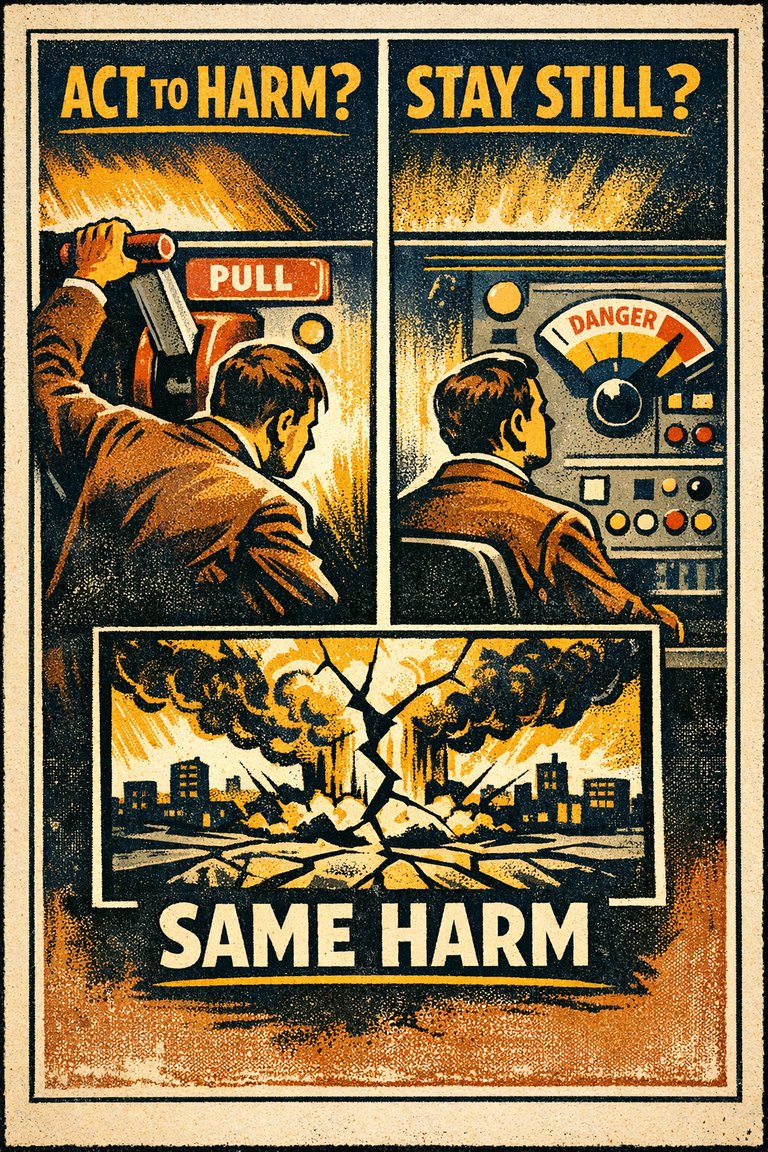
The tendency to judge harmful inaction as more acceptable, or less blameworthy, than equally harmful action.
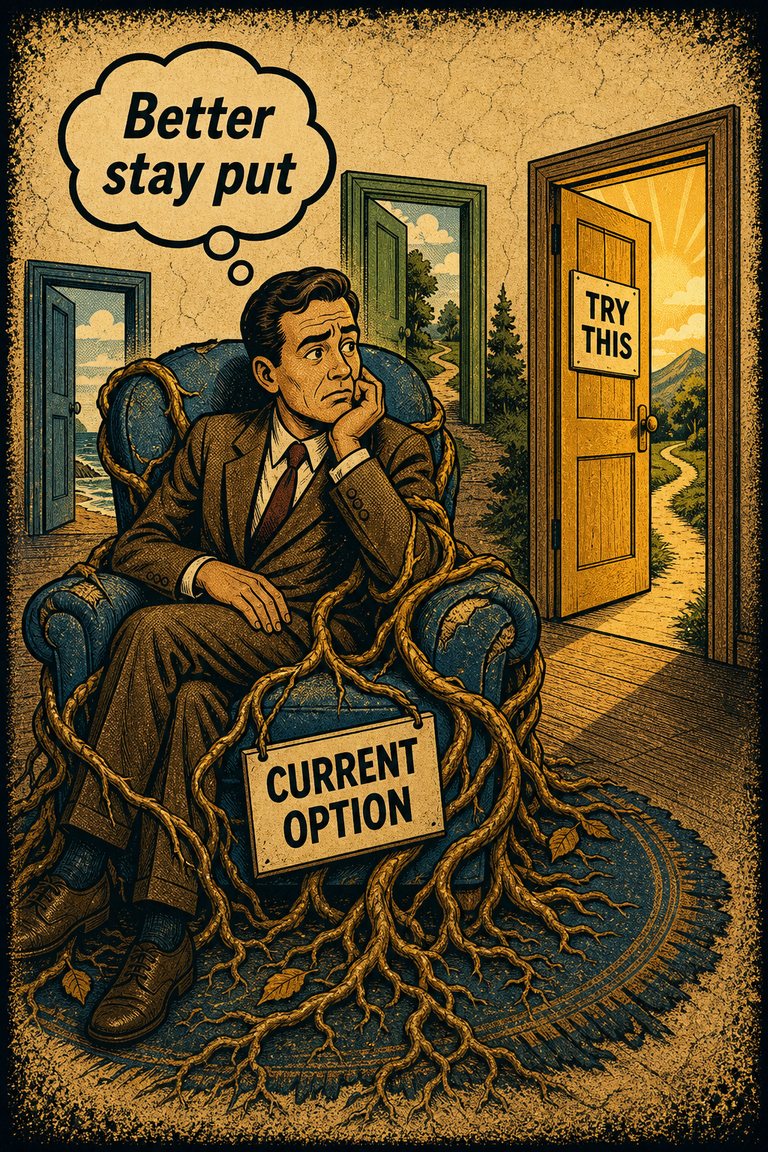
The tendency to prefer the current option, default, or inherited arrangement simply because it is the current option, default, or inherited arrangement.
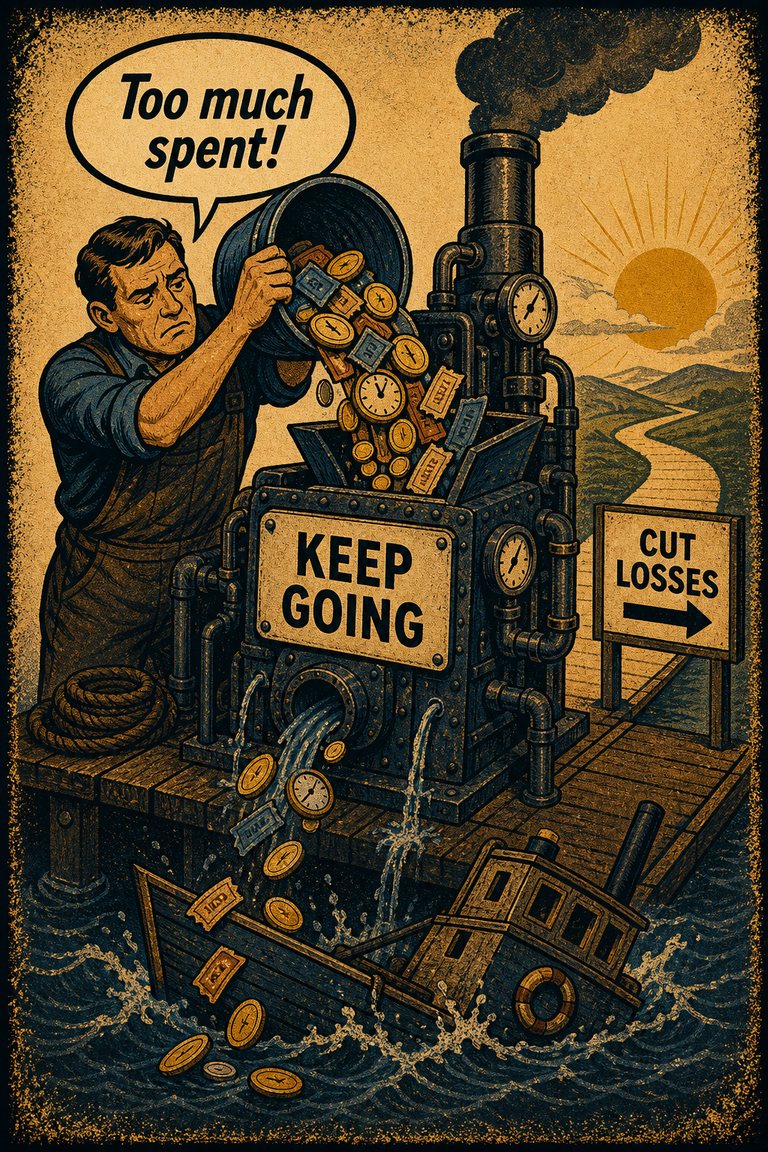
The tendency to keep investing in a losing path because of what has already been spent, even when the forward-looking case has weakened.
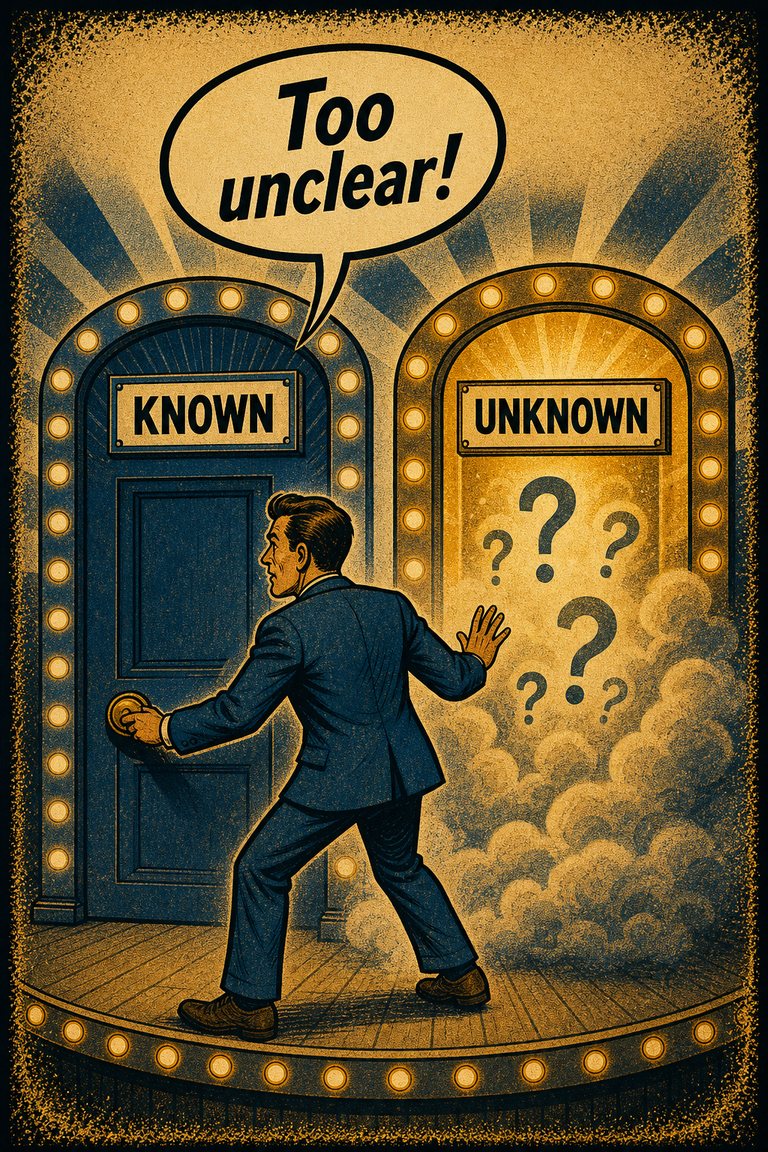
The tendency to avoid options when their probabilities are unclear, even if the unclear option may not actually be worse than the familiar one.