Fundamental attribution error
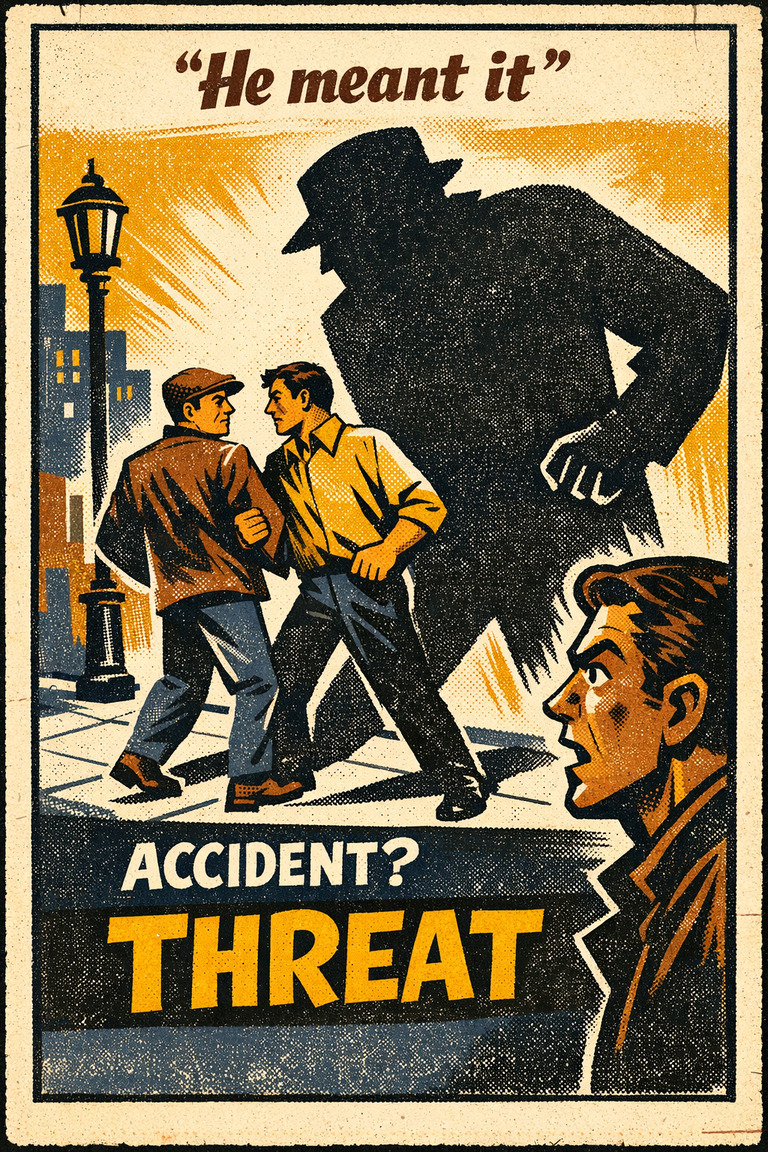
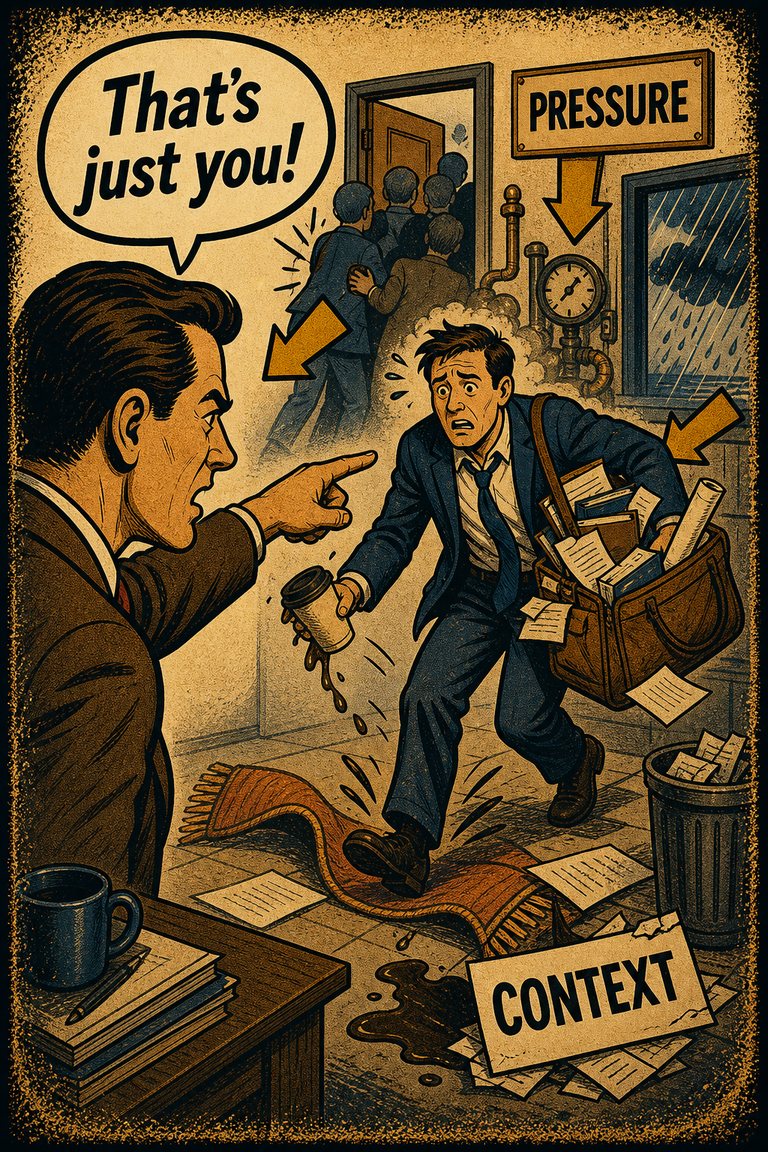
The tendency to explain other people's behavior too quickly in terms of character while underweighting situational pressures and constraints.
Cognitive Biases
A practical cognitive-bias site with clear definitions, learning paths, assessments, self-audits, and debiasing tools.
Applied Context
A hub for friendships, families, couples, workplaces, and communities where self-protection, motive reading, and memory repair can bend interpretation.
Use this hub when a disagreement is becoming a character verdict, when old memories are getting recruited, or when one person's motives suddenly feel obvious.
Am I reading the other person, the situation, or my own need for the story to protect me?
These are the entries most likely to matter in this domain. Use the cluster to compare nearby pulls before choosing a label.
The tendency to explain other people's behavior too quickly in terms of character while underweighting situational pressures and constraints.
The tendency to read ambiguous behavior as hostile, threatening, or intentionally disrespectful even when the evidence is underdetermined.
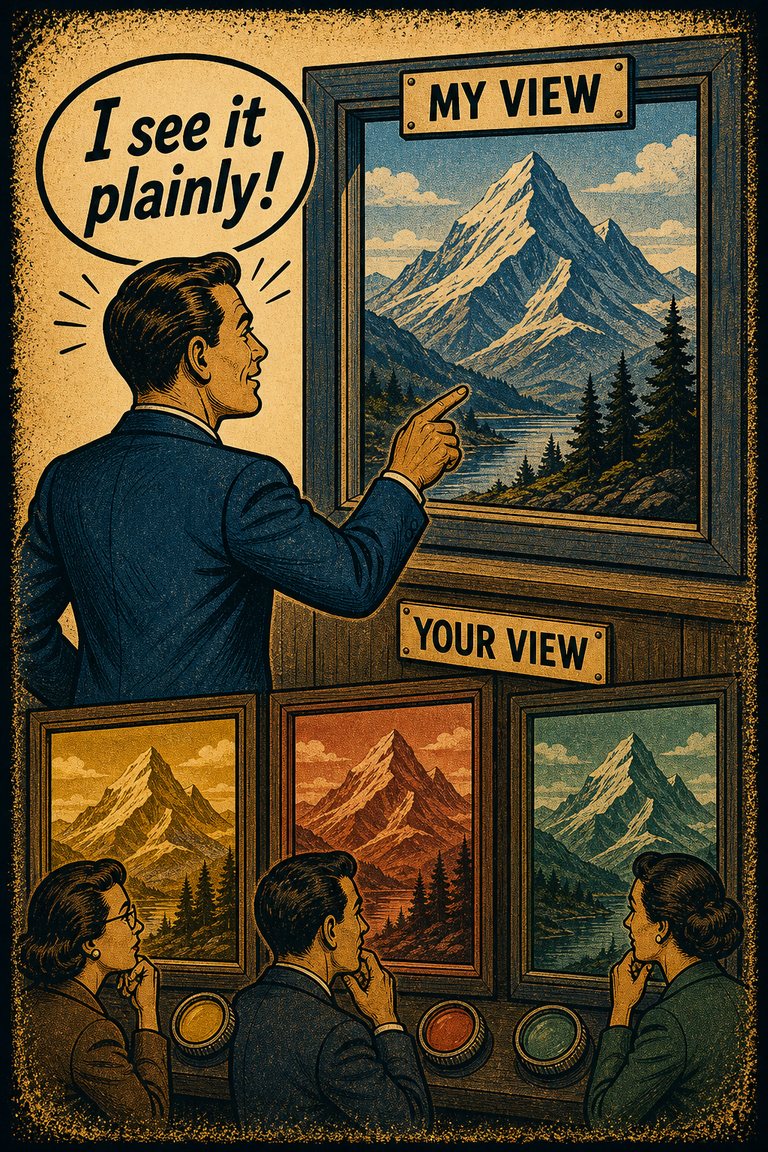
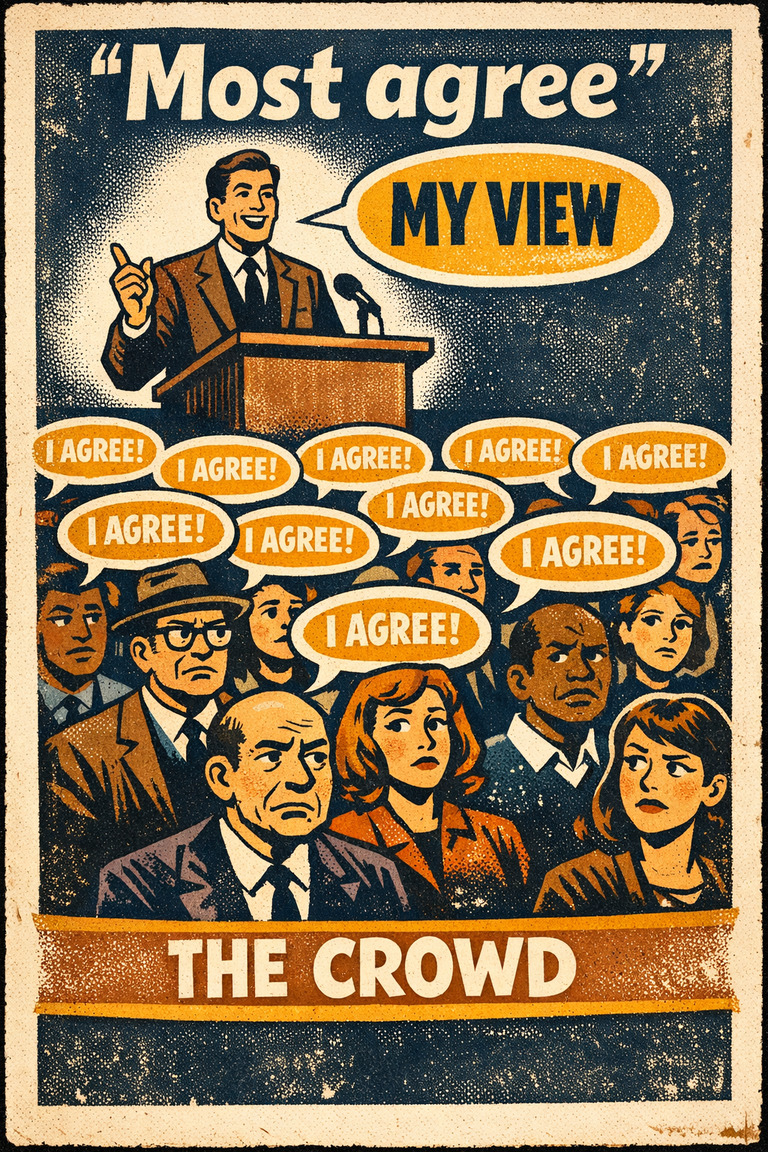
The tendency to experience one's own perception of reality as the obvious, objective view and to treat disagreement as evidence that others are uninformed, irrational, or biased.
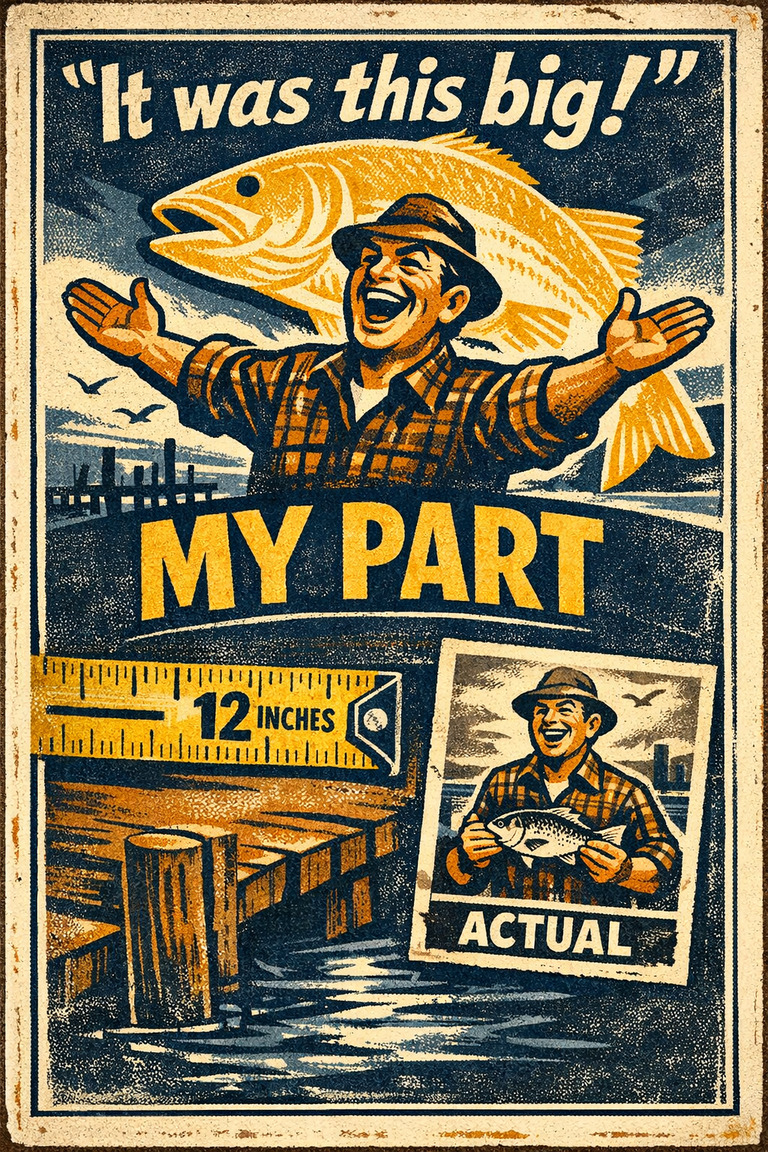
Recalling the past in a self-serving manner, e.g., remembering one's exam grades as being better than they were, or remembering a caught fish as bigger than it really was. Also the tendency to rely too heavily on one's own perspective and/or have a different perception of oneself relative to others
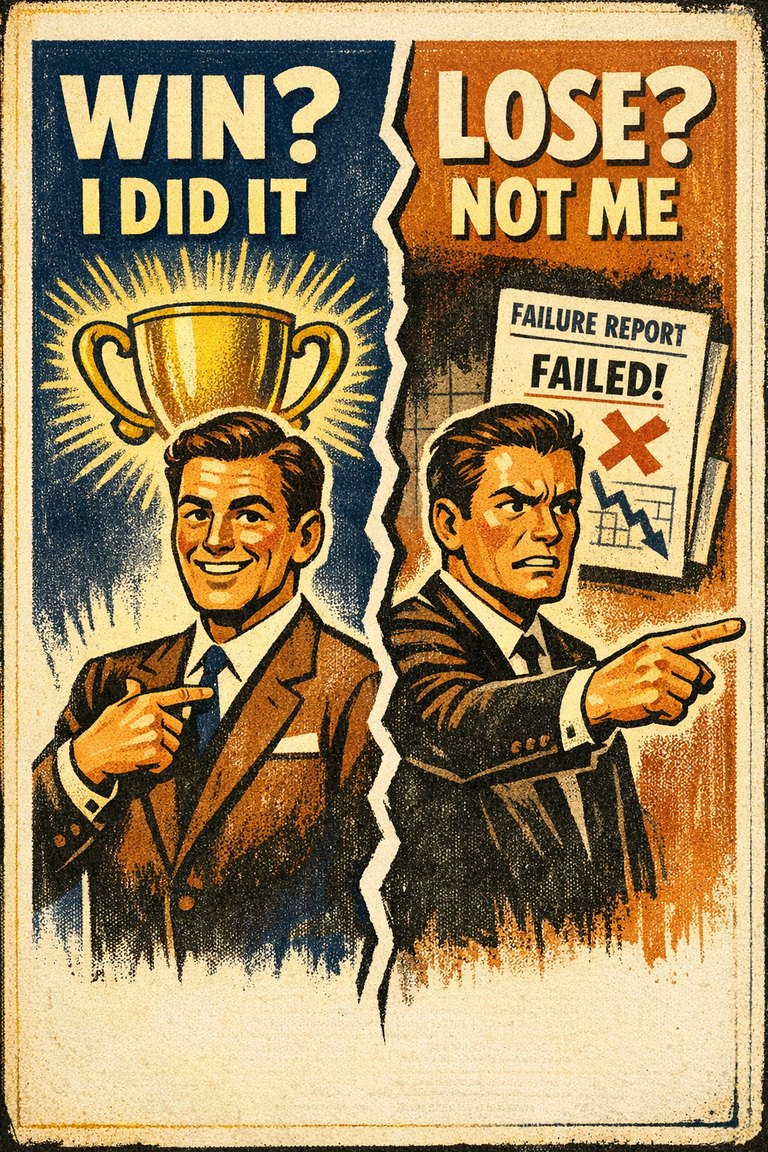
The tendency to take disproportionate credit for successes while locating failures in bad luck, unfair circumstances, or other people.
The tendency to overestimate how many other people share one's own beliefs, preferences, habits, or reactions.
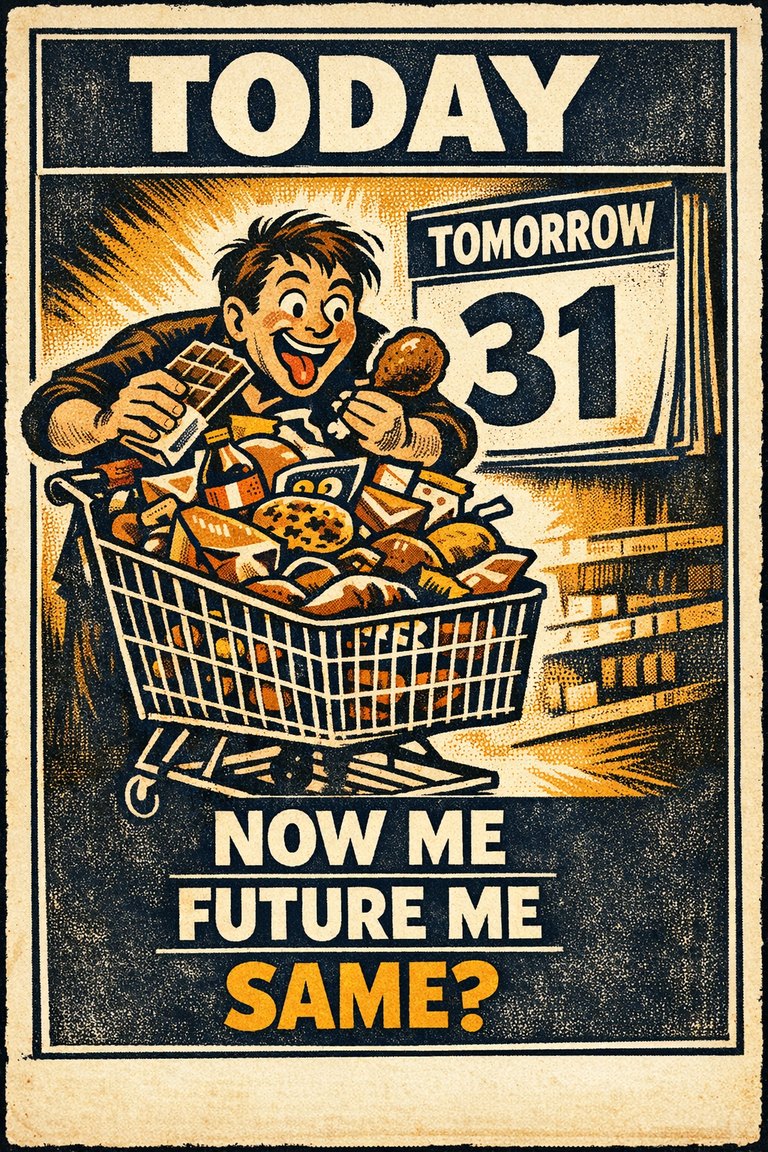
The tendency to overestimate how much your future preferences, values, and reactions will resemble whatever you feel strongly right now.
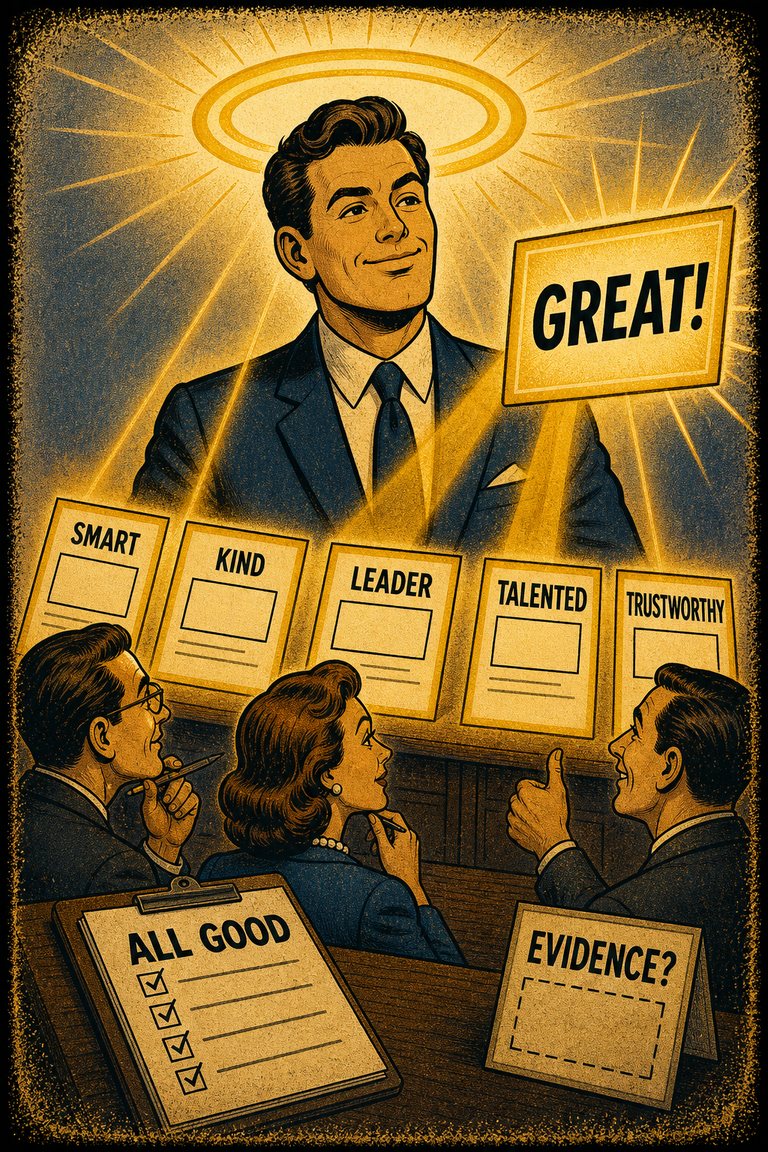
The tendency for one salient positive or negative impression to spill over into unrelated judgments about a person, product, or institution.
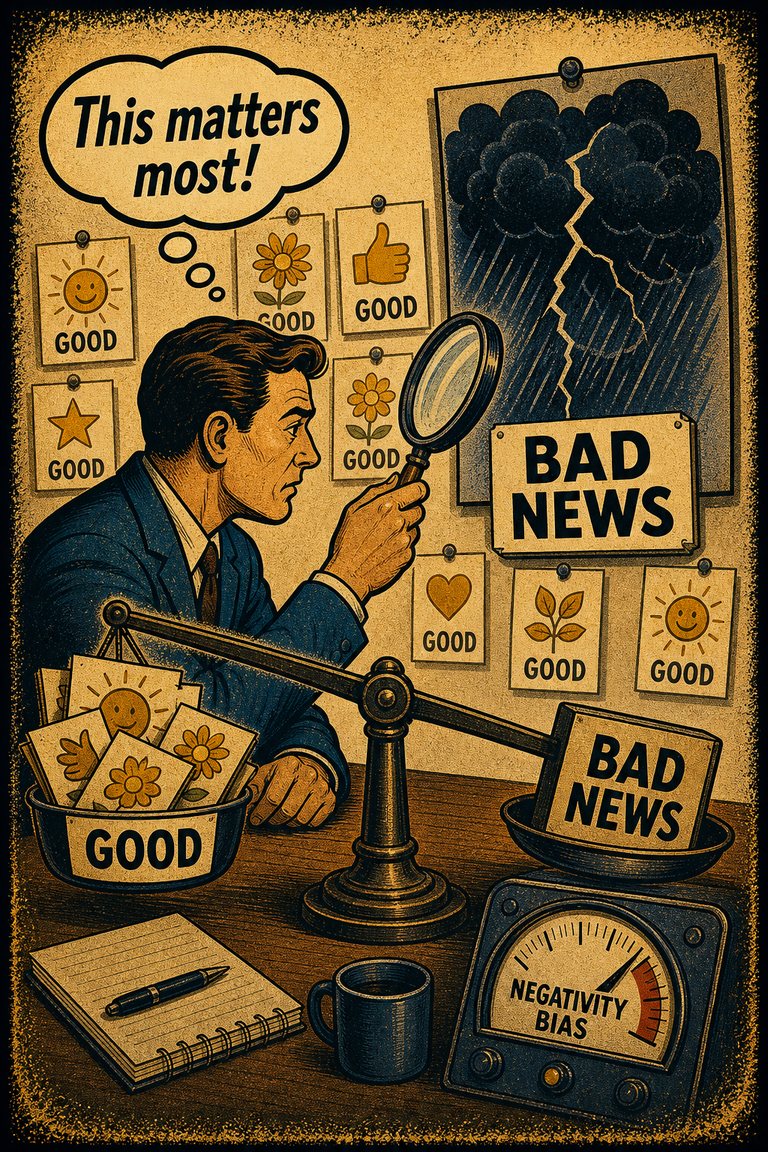
The tendency to give bad news, threats, criticism, and losses more psychological weight than equally sized positives.
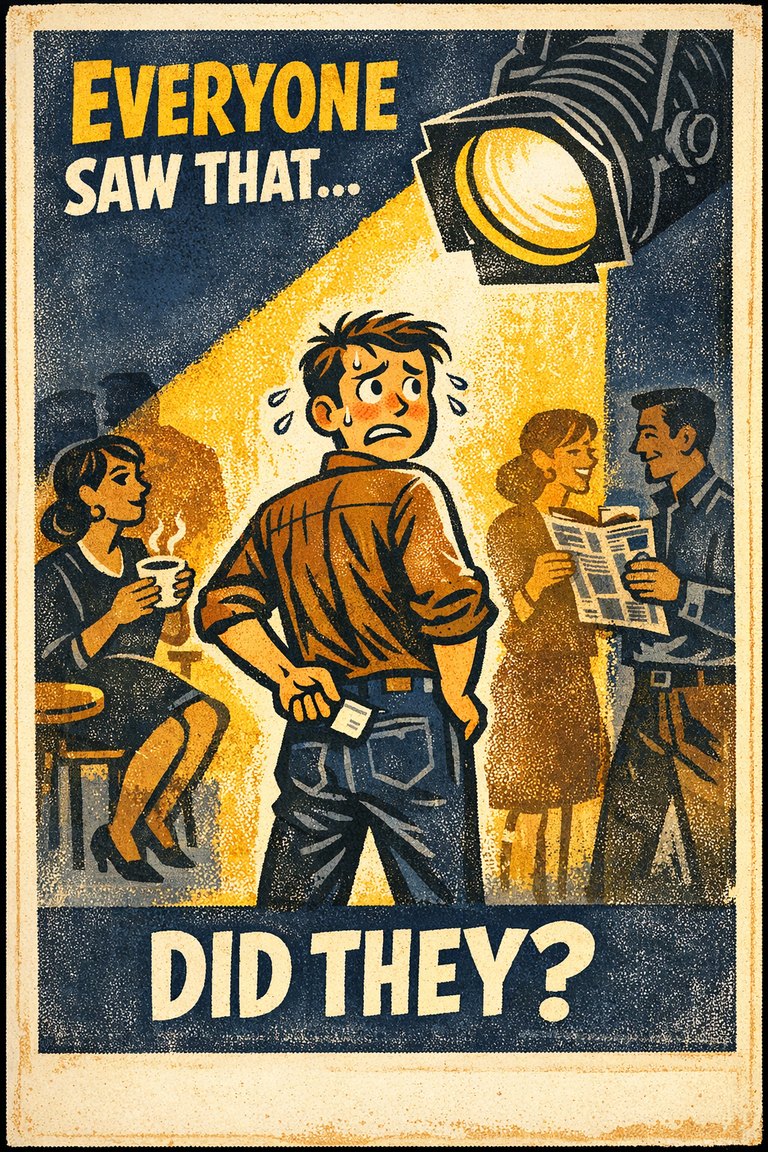
The tendency to overestimate how much other people notice, remember, or care about one's appearance, mistakes, or behavior.
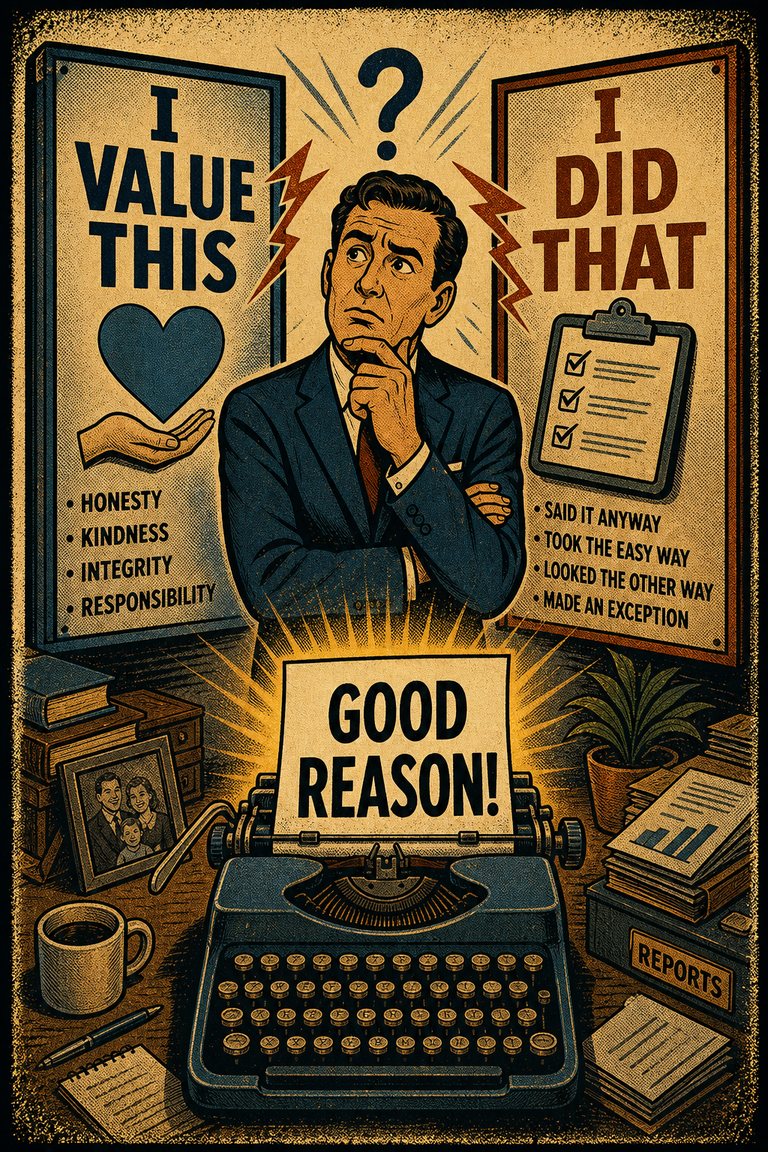
The perception of contradictory information and the mental toll of it
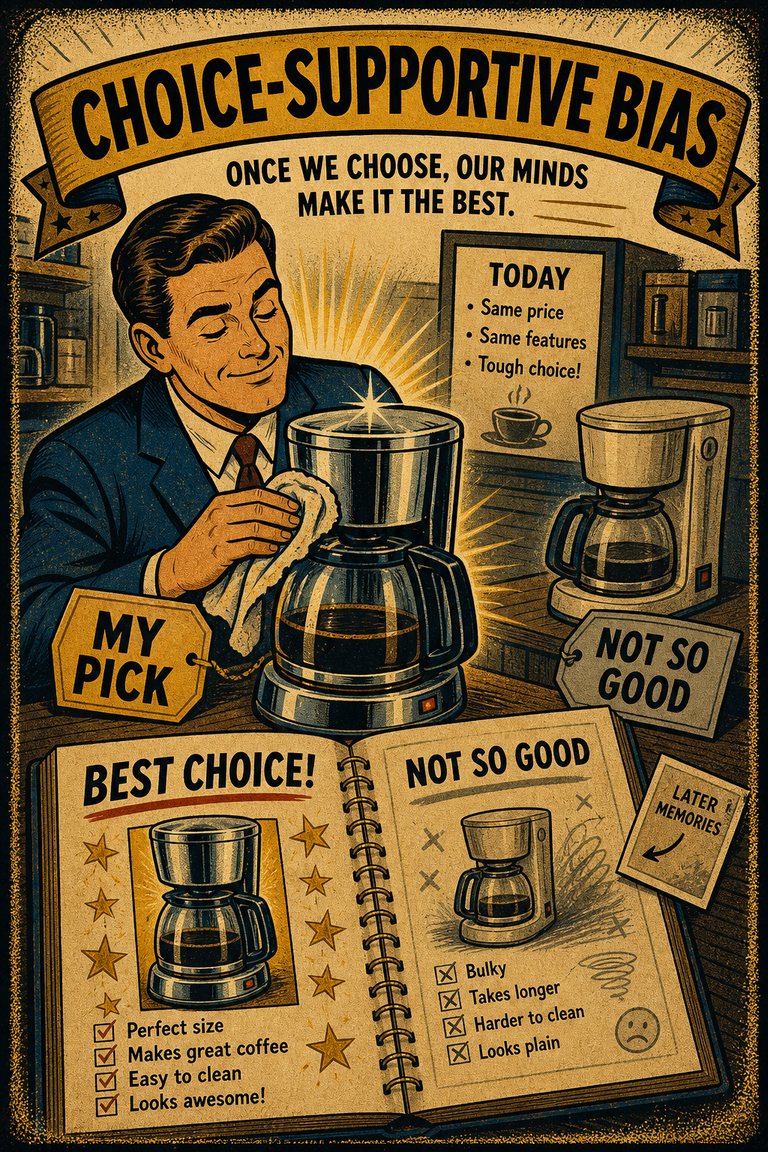
The tendency to remember one's choices as better than they actually were
The hub is meant to change the process, not just supply labels.
Describe what happened in observable terms before choosing a motive, trait, or moral story.
List pressures, misunderstandings, incentives, fatigue, and constraints before treating the behavior as character.
Ask what the current story lets you avoid admitting about your own role, need, or uncertainty.
These are the closest learning paths and short self-checks for this context.
A path for social perception, hiring, leadership, conflict, and the fast trait inferences people make about one another.
How do snap impressions about people become stronger than the evidence available?
Best for teams, educators, interviewers, and anyone doing evaluation of persons rather than objects.
A path for the biases that make disagreement feel hostile, tribal, or morally diagnostic faster than the facts support.
How does conflict become a story about enemies before it becomes a careful account of what happened?
Best for dialogue, mediation, team conflict, moderation, and political reasoning.
A path for the distortions that protect choices, identities, and self-descriptions by editing memory, standards, or the location of bias itself.
How do people protect coherence and self-respect without fully admitting that protection is happening?
Best for coaching, teaching, leadership review, therapy-adjacent reflection, and intellectual self-discipline.
A postmortem path for keeping the known result from rewriting memory, distorting blame, or laundering bad process through luck.
How does the known ending bend memory of what was knowable beforehand?
Best for retrospectives, debriefs, coaching, investing, and performance review.
A social-perception check for trait inflation, first impressions, and hidden asymmetry.
Question: Am I reacting to the person, to the situation, or to my own first-pass impression of the person?
A conflict check for ambiguous behavior that is starting to look more malicious than the evidence actually shows.
Question: What else could explain this besides threat, contempt, or bad faith?
A self-justification check for the moments when memory, standards, or self-description are being rearranged to make a choice or contradiction easier to live with.
Question: What tension, tradeoff, or contradiction am I trying to make disappear too cheaply?
Use these after you have written the concrete case clearly enough for a model to help widen the frame.
Use this when a disagreement is starting to harden into a story about bad motives, threat, or tribal hostility.
Use when: Paste the disputed behavior, the surrounding context, and the hostile or character-level interpretation currently on the table.
Analyze the situation below as a conflict-interpretation reset. Do the following: 1. Separate the observable behavior from the current hostile interpretation. 2. List plausible non-hostile or less-loaded explanations that still fit the facts. 3. Identify which biases may be intensifying threat, tribal reading, or motive certainty. 4. Show what additional evidence would be needed before endorsing the harsher interpretation. 5. End with a lower-heat way to continue the conversation or investigation. Situation: [PASTE THE CONFLICT CASE HERE]
Use this when a person is being evaluated and you want the model to separate behavior, context, impression, and trait inference more carefully.
Use when: Paste the behavior, the context you know, and the judgment you are tempted to make about the person.
Analyze the situation below as a people-judgment scan. Do the following: 1. Describe the observable behavior without interpretation. 2. List plausible situational explanations before any trait explanation. 3. Identify which cognitive biases could be distorting the current evaluation. 4. Separate what is actually evidenced from what is merely inferred. 5. Suggest a fairer next step for gathering information before making a high-confidence judgment. Use this output structure: ◉ Observable behavior ◉ Situational explanations ◉ Bias risks ◉ What is known vs inferred ◉ Fairer next step Situation: [PASTE THE PERSON-JUDGMENT CASE HERE]
Use this when a person, team, or institution seems to be editing memory, standards, or narrative to make a contradiction easier to live with.
Use when: Paste the contradictory commitments, the decision or behavior in question, and the justification currently being used to smooth the conflict.
Analyze the material below as a self-justification and contradiction probe. Your tasks: 1. Name the commitments, values, or memories that are currently in tension. 2. Show how the current narrative reduces discomfort without necessarily resolving the contradiction honestly. 3. Identify which biases may be editing memory, standards, or self-description. 4. Separate the psychologically comforting story from the most evidence-responsible story. 5. End with three questions that would keep the contradiction visible long enough for a cleaner revision. Material to probe: [PASTE THE DECISION, JUSTIFICATION, OR CONFLICT HERE]
These cases are pulled from the linked bias pages so the hub stays connected to concrete examples.
Dodge's work on children's social cognition showed how ambiguous provocations can be interpreted as hostile, especially among aggressive children.
Why it fits: Uncertain behavior gets filled in with threat before the evidence can support that conclusion.
Child Development · 1980
Research on hostile attribution bias shows that some people systematically interpret ambiguous actions as hostile more often than warranted by the available cues.
Why it fits: The hostile reading gets promoted from one possibility to the leading explanation before ambiguity has been treated fairly.
Wikipedia · Modern social psychology
Wins are often explained as proof of preparation, grit, or talent, while losses are more easily framed as officiating, weather, or unlucky breaks.
Why it fits: The explanatory burden shifts with ego value rather than staying stable across outcomes.
Wikipedia · Modern examples
Research tied to halo effect repeatedly shows that visual attractiveness can inflate judgments about unrelated traits such as intelligence, warmth, or credibility.
Why it fits: One socially potent cue begins licensing a much wider verdict than it deserves.
Wikipedia · Modern social psychology
Research collected under the phrase 'bad is stronger than good' shows that negative events, traits, and feedback often have more psychological impact than comparable positives.
Why it fits: The asymmetry is not only moral or strategic. It is a weighting pattern that makes bad signals dominate the record.
Wikipedia · 2001
After picking a school, product, or candidate, people often recall the chosen option as having been more clearly superior than their original notes or tradeoffs actually showed.
Why it fits: Post-choice memory gets reorganized to defend commitment.
Wikipedia · Modern memory research
A short trail into the research behind the most central bias pages in this domain.
The chapter most commonly cited as the conceptual home of the fundamental attribution error.
A foundational source for hostile interpretation patterns in ambiguous social situations.
The clearest source for the social-psychological version of naive realism used in conflict and disagreement work.
The classic source behind contribution overestimation and first-person availability effects in shared outcomes.
A classic review source for asymmetric credit and blame patterns in causal attribution.
The defining paper for overestimating how widely one's own choices and views are shared.