
Naïve realism
The tendency to see one's own view as plain reality and disagreement as ignorance, bias, or irrationality.
Opinion ReportingSelf-PerspectiveMedia & politicsConflict & dialogue

Cognitive Biases
A practical cognitive-bias site with clear definitions, learning paths, assessments, self-audits, and debiasing tools.
Learning Path
A path for the biases that make disagreement feel hostile, tribal, or morally diagnostic faster than the facts support.
Work the pages in order, then loop back and compare which distortions happened earliest, which ones protected the first impression, and which ones interfered with later learning.
Next:
This is a deliberate sequence, not just a themed pile. Start at the top if the context is new to you.
The tendency to see one's own view as plain reality and disagreement as ignorance, bias, or irrationality.
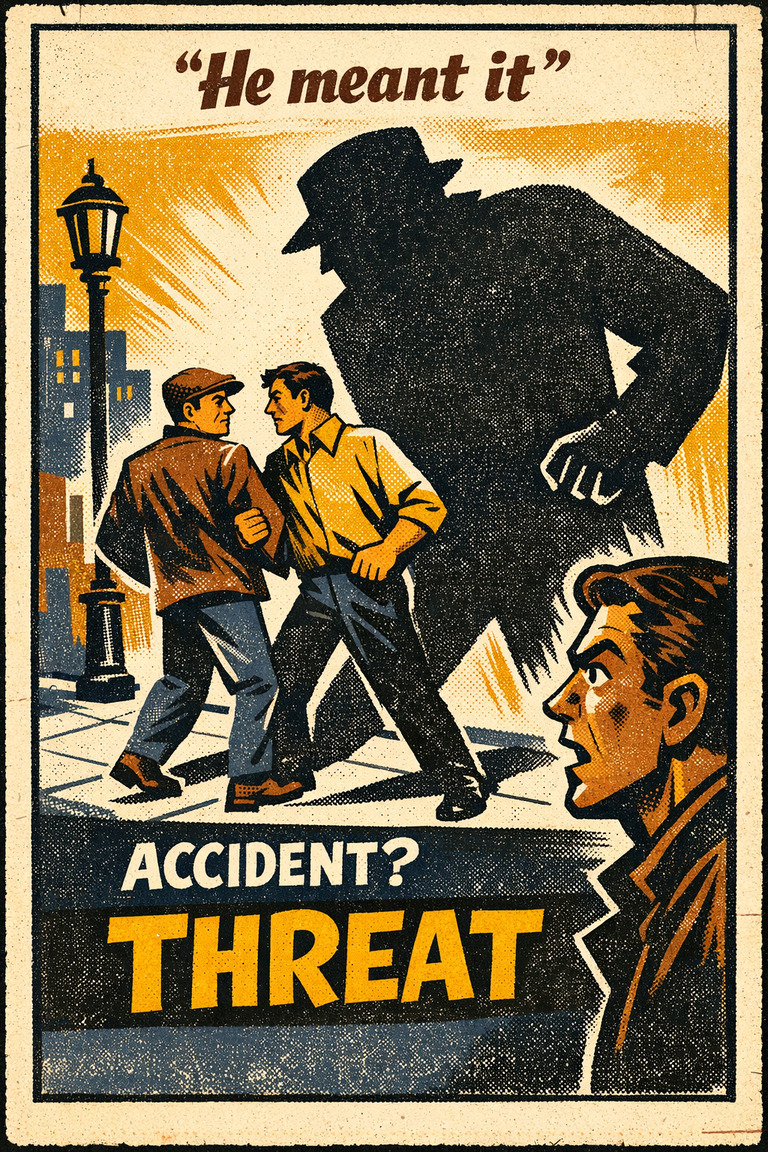
The tendency to read ambiguous behavior as hostile, threatening, or intentionally disrespectful even when the evidence is underdetermined.
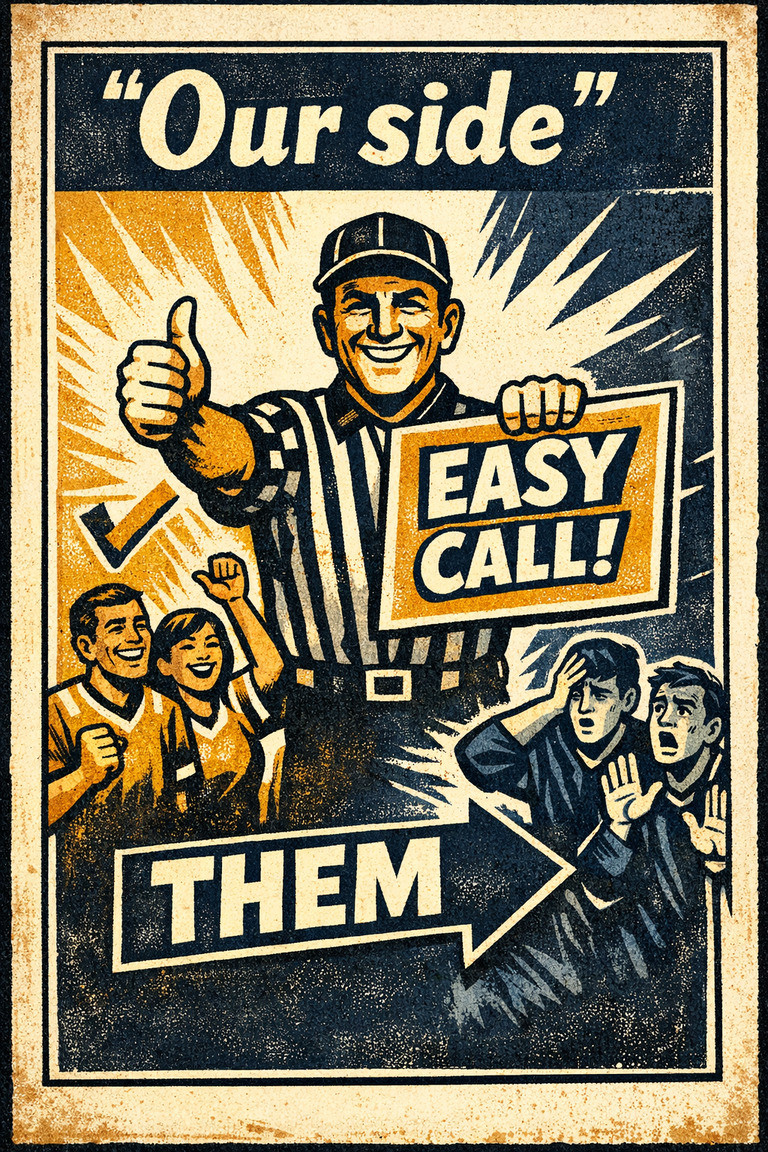
The tendency to favor, trust, defend, or positively interpret people and claims associated with one's own group more readily than comparable outsiders.
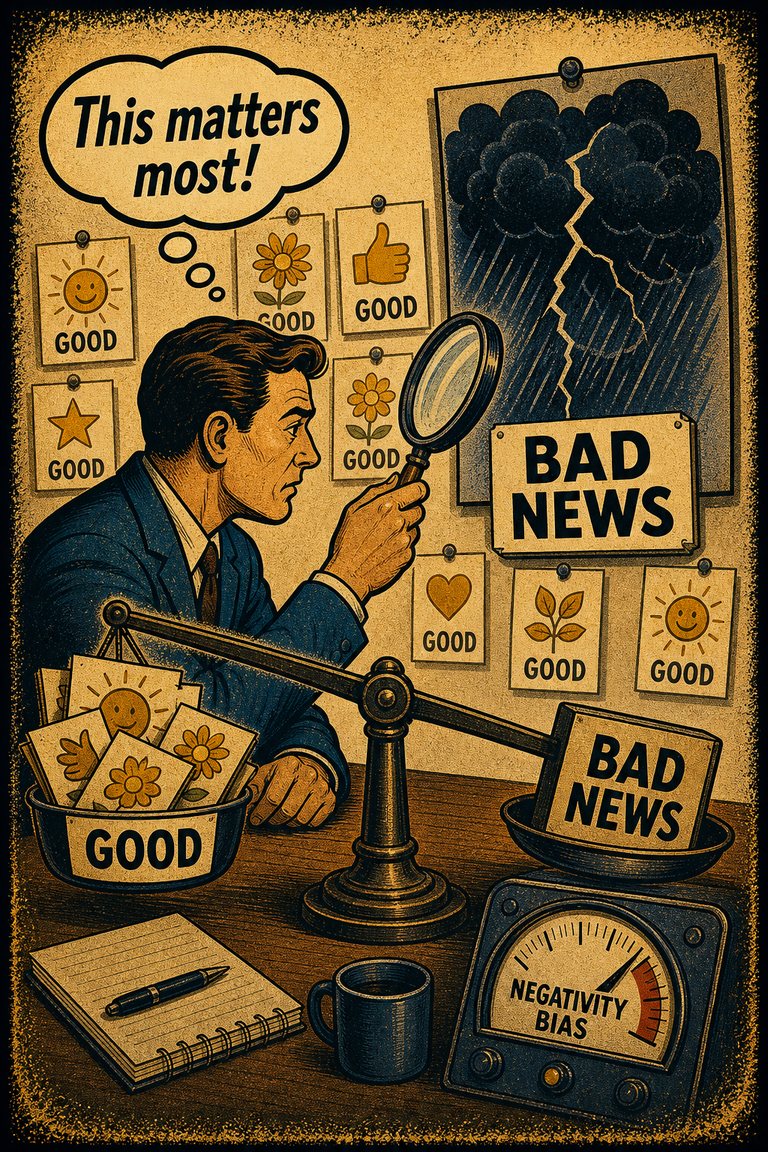
The tendency to give bad news, threats, criticism, and losses more psychological weight than equally sized positives.
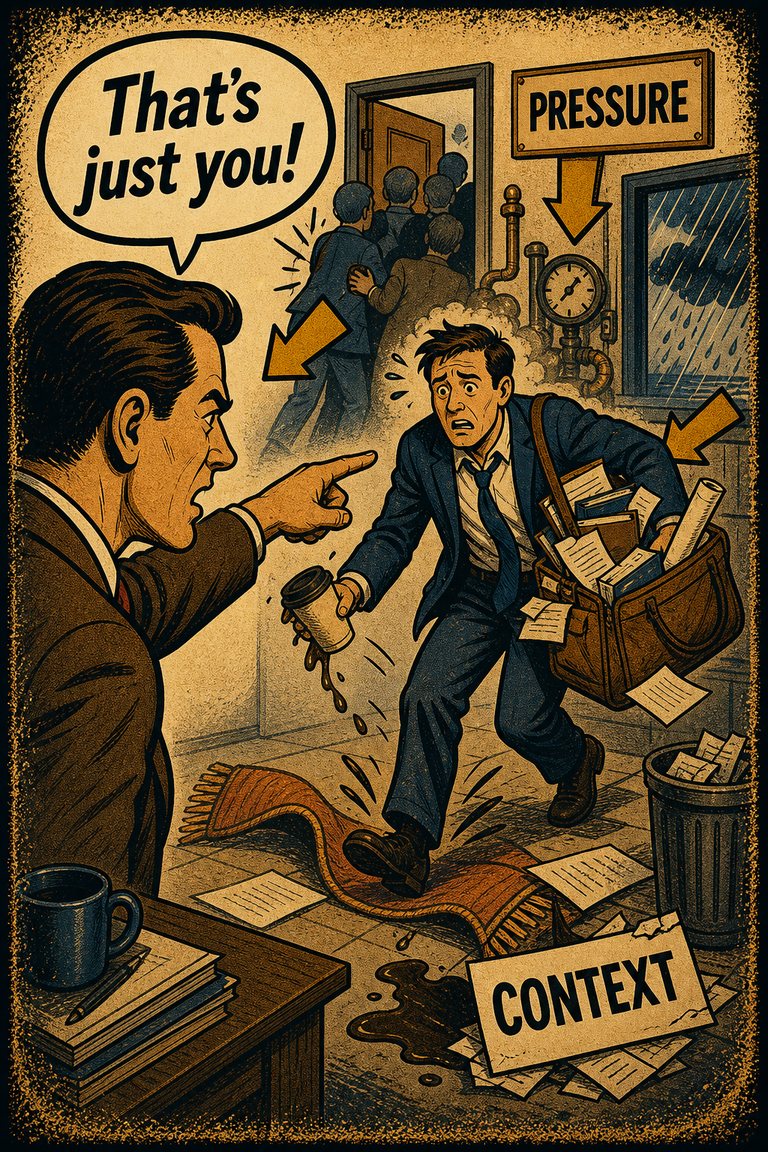
The tendency to explain other people's behavior too quickly in terms of character while underweighting situational pressures and constraints.
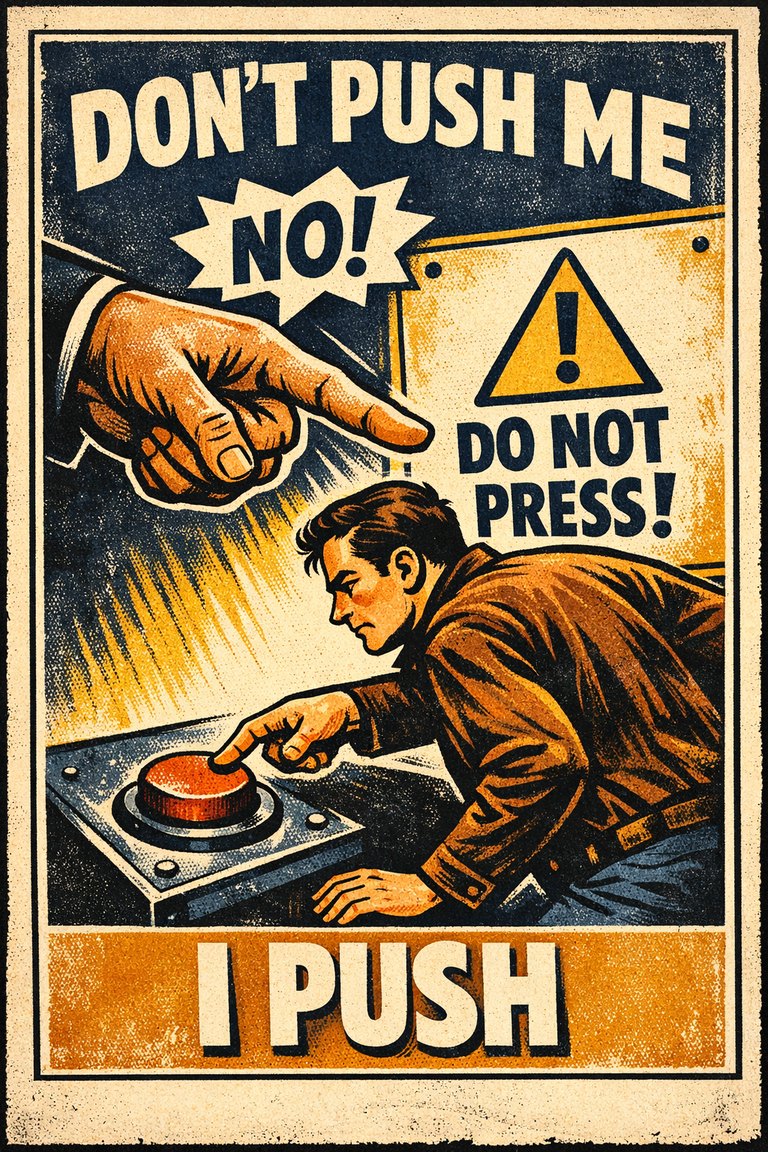
The tendency to push back against a perceived attempt to limit one's freedom of choice, sometimes by moving toward the very option one was being steered away from.
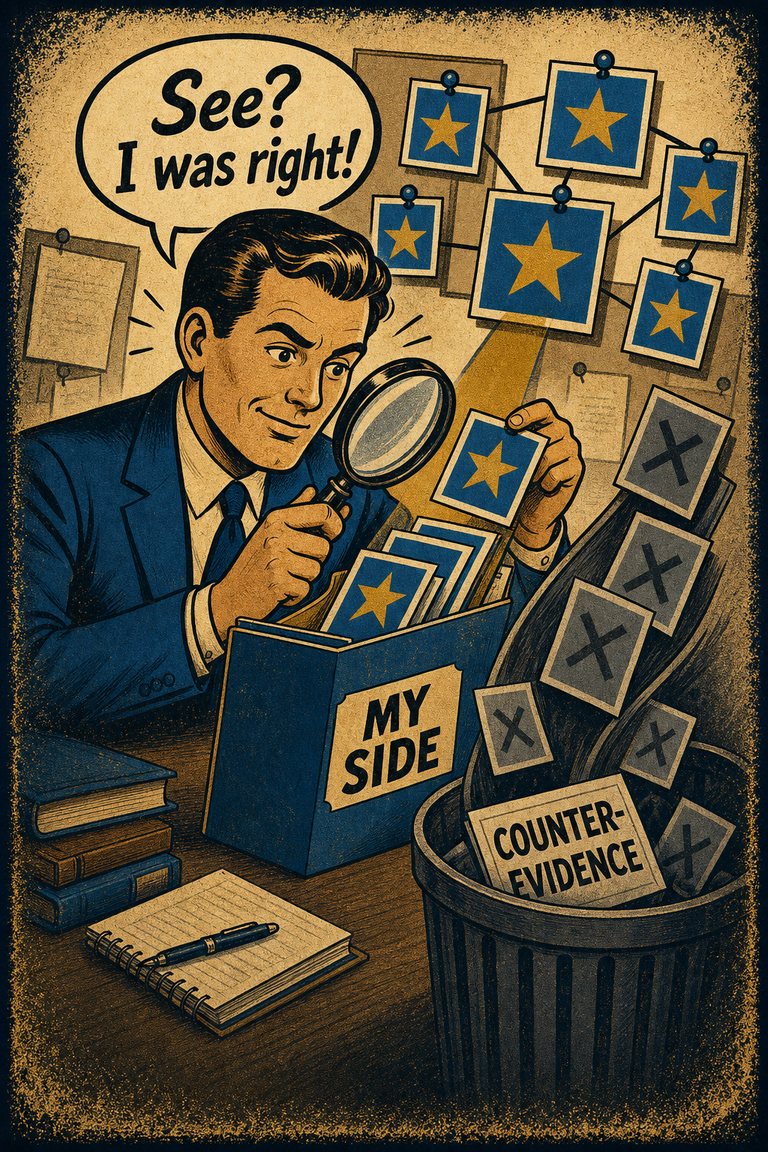
The tendency to notice, seek, and remember evidence that supports the story you already prefer more readily than evidence that threatens it.