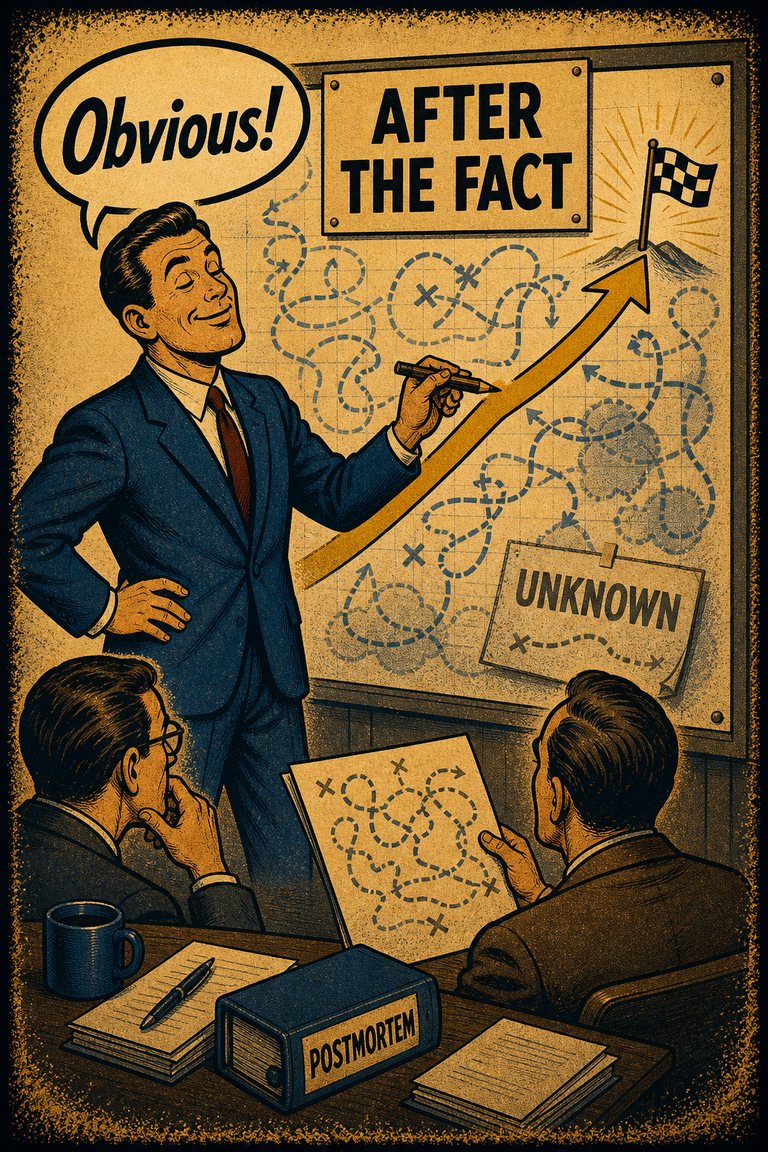
Hindsight bias
The tendency after an outcome is known, to see it as having been more obvious or predictable than it actually was beforehand.
RecallOutcomePostmortems & learningForecasting & planning

Cognitive Biases
A practical cognitive-bias site with clear definitions, learning paths, assessments, self-audits, and debiasing tools.
Learning Path
A postmortem path for keeping the known result from rewriting memory, distorting blame, or laundering bad process through luck.
Work the pages in order, then loop back and compare which distortions happened earliest, which ones protected the first impression, and which ones interfered with later learning.
Next:
This is a deliberate sequence, not just a themed pile. Start at the top if the context is new to you.
The tendency after an outcome is known, to see it as having been more obvious or predictable than it actually was beforehand.
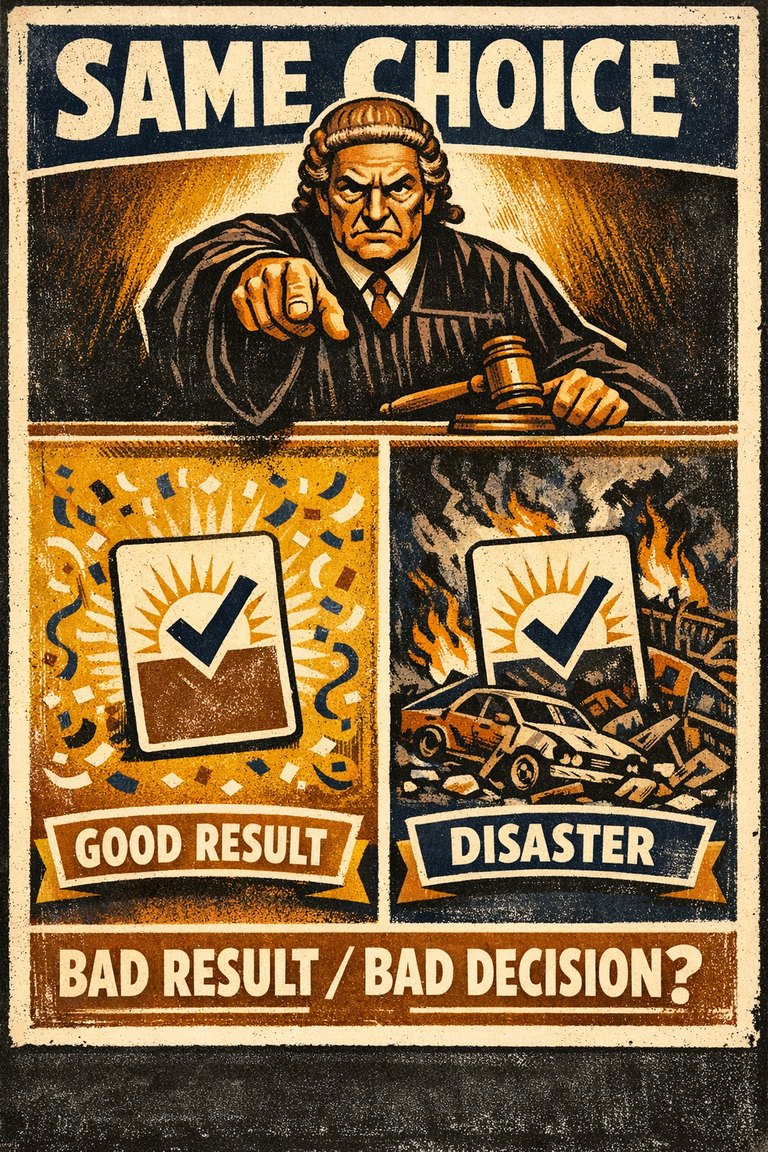
The tendency to judge a decision mainly by its result rather than by the quality of the reasoning behind it.
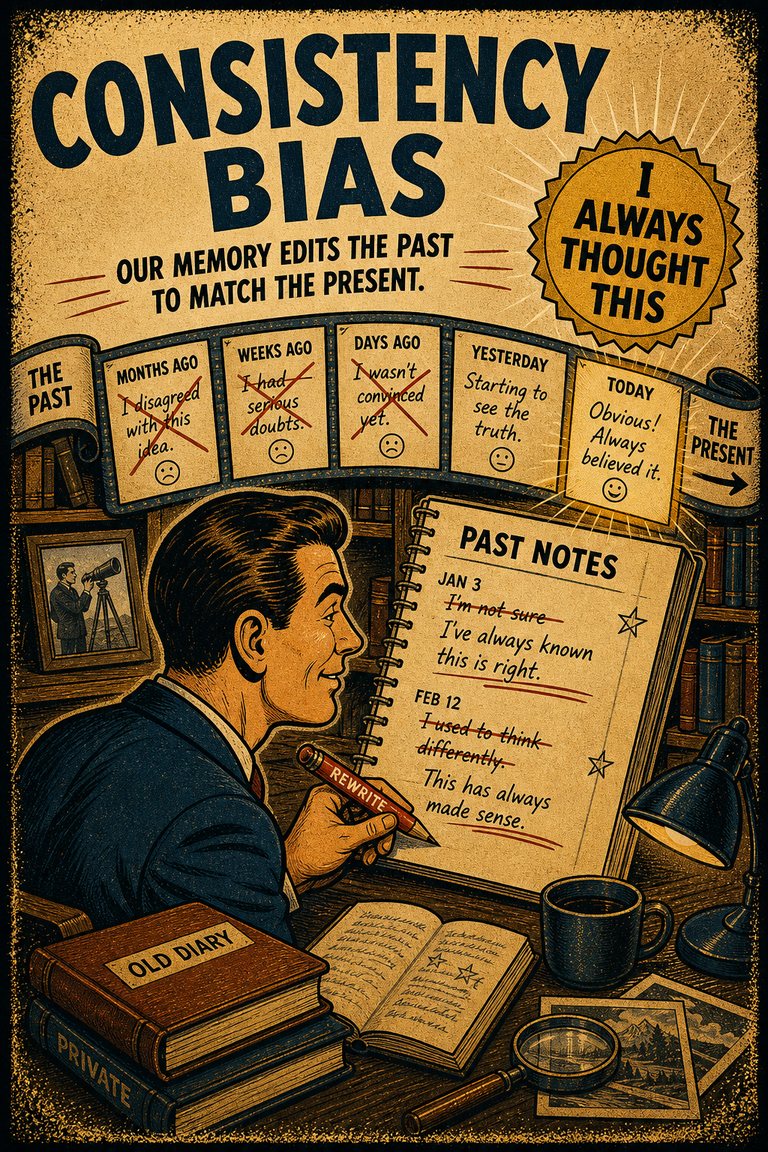
The tendency to remember past attitudes or behavior as more consistent with the present than they really were.

The tendency to mistake imagination, suggestion, or reconstruction for an actual memory.
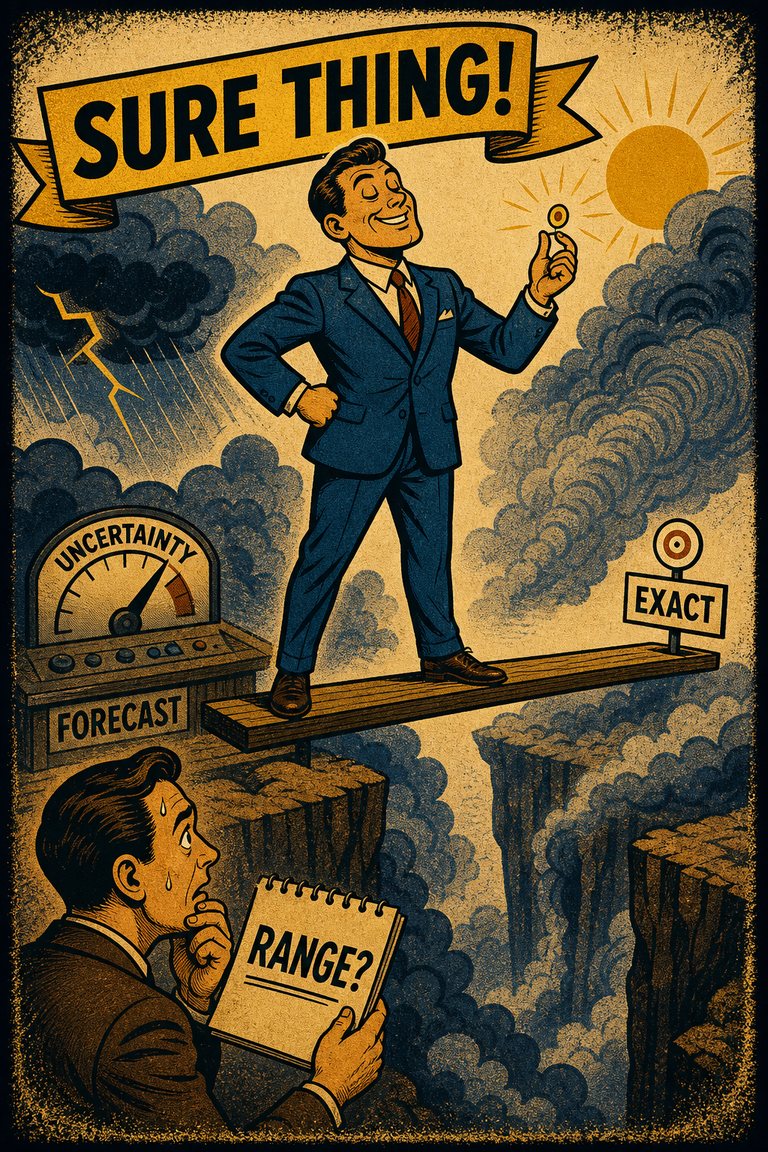
The tendency to be more certain about judgments, forecasts, or abilities than the evidence warrants.
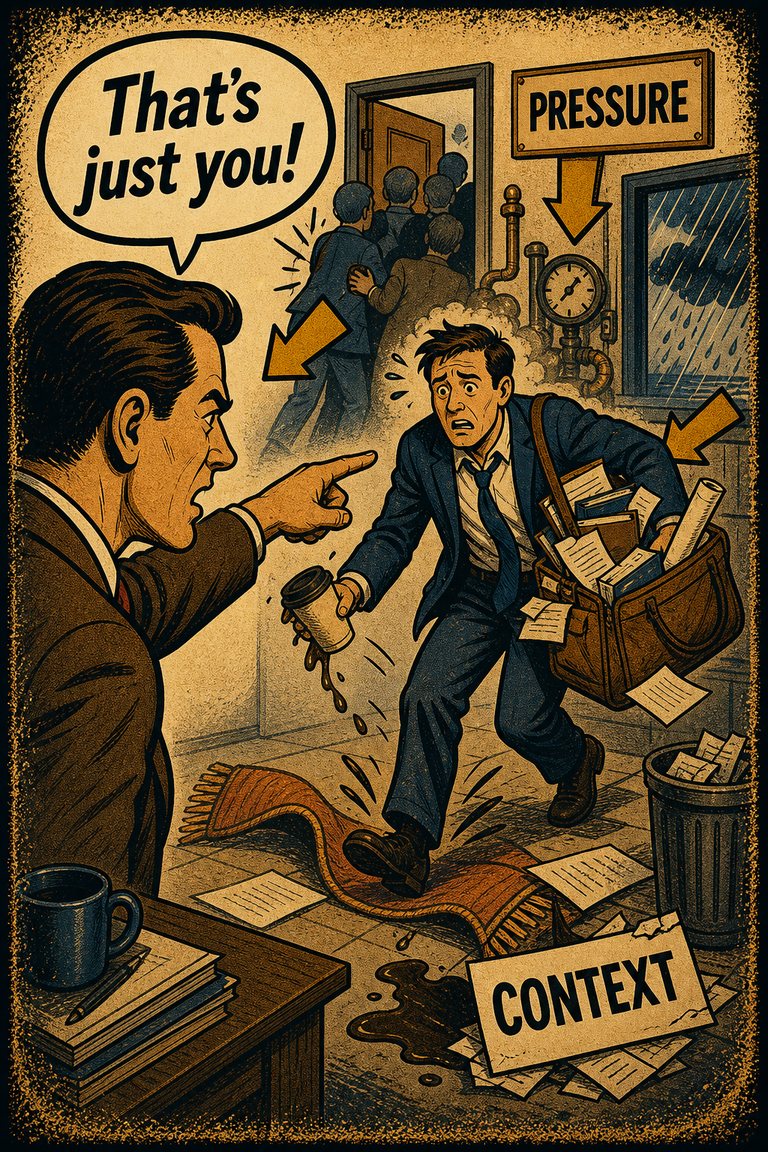
The tendency to explain other people's behavior too quickly in terms of character while underweighting situational pressures and constraints.

The tendency to learn from the visible winners while overlooking the invisible failures that dropped out of view.