Availability heuristic
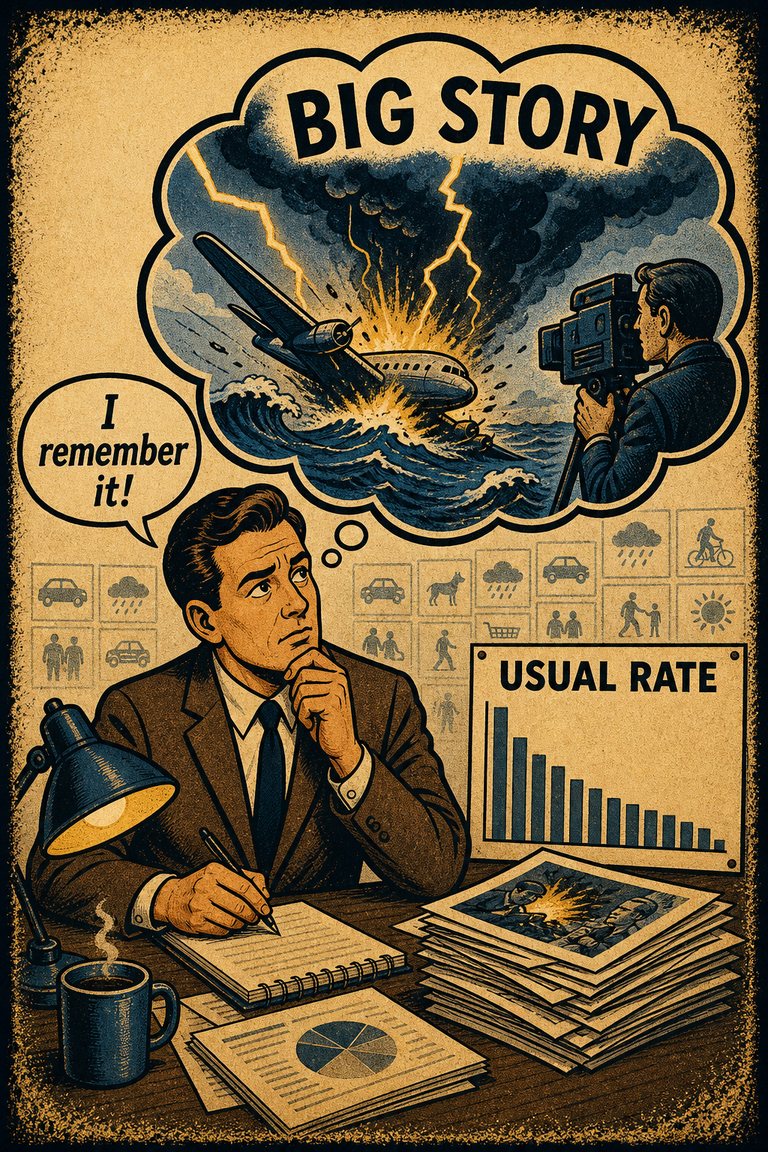
The tendency to judge frequency, risk, or importance by how easily examples come to mind.
EstimationAssociationMedia & politicsPersonal decisions

Cognitive Biases
A practical cognitive-bias site with clear definitions, learning paths, assessments, self-audits, and debiasing tools.
Applied Context
A domain hub for reading headlines, breaking stories, threads, commentary, and corrections without letting vividness or repetition become evidence.
Use this hub when a claim is moving quickly, emotionally, or repeatedly and you need to slow the jump from exposure to belief.
Is this story changing what I know, or mostly changing what feels available, repeated, tribal, or urgent?
These are the entries most likely to matter in this domain. Use the cluster to compare nearby pulls before choosing a label.
The tendency to judge frequency, risk, or importance by how easily examples come to mind.
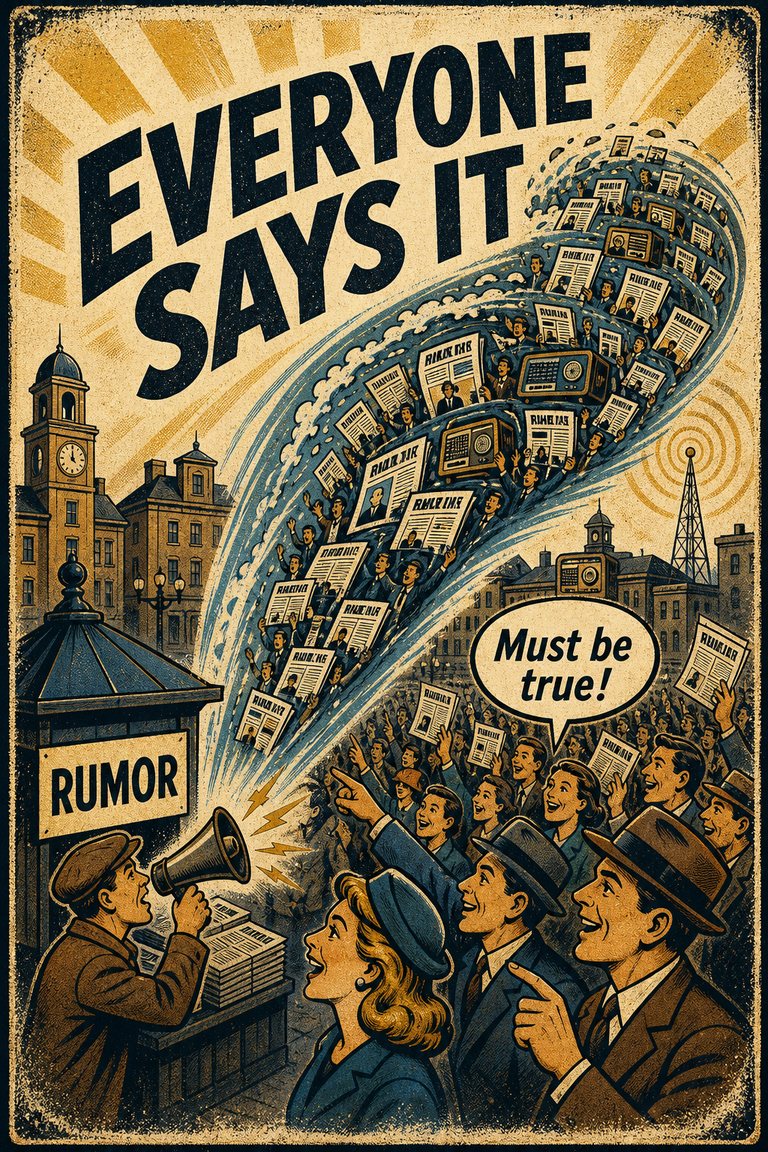
A belief becoming more plausible through repeated public repetition, social uptake, and feedback.
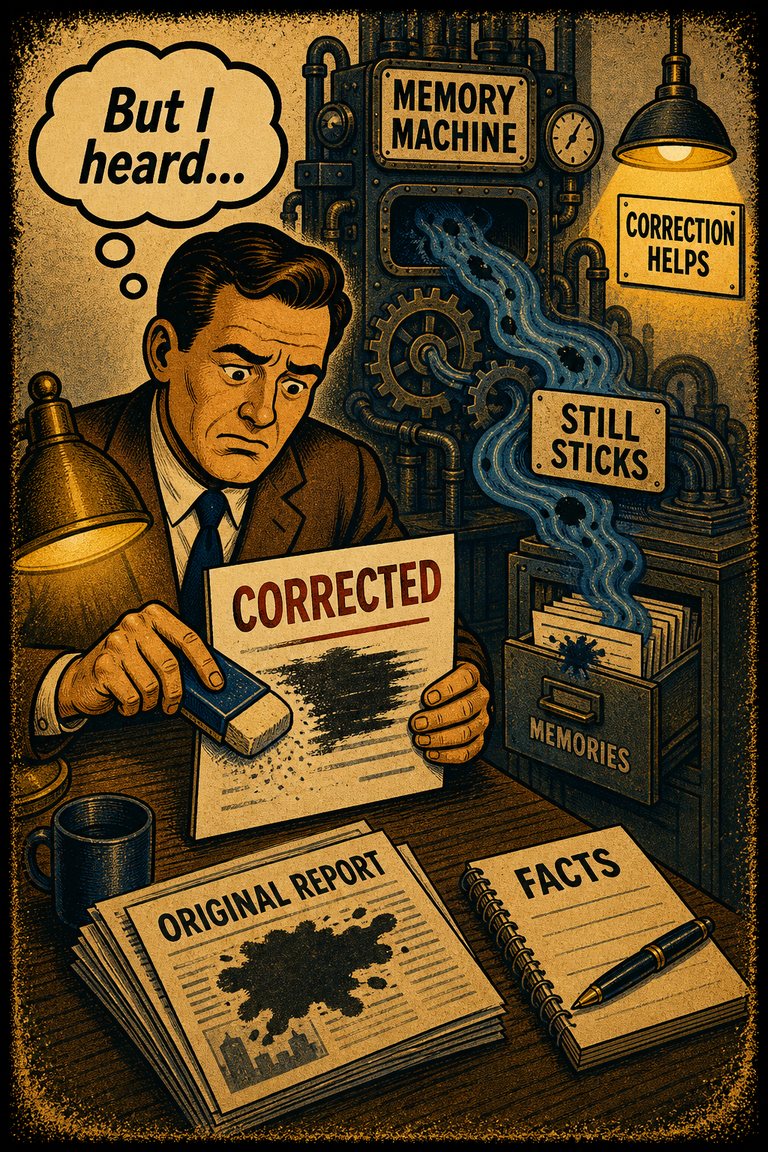
Misinformation continues to influence memory and reasoning about an event, despite the misinformation having been corrected.
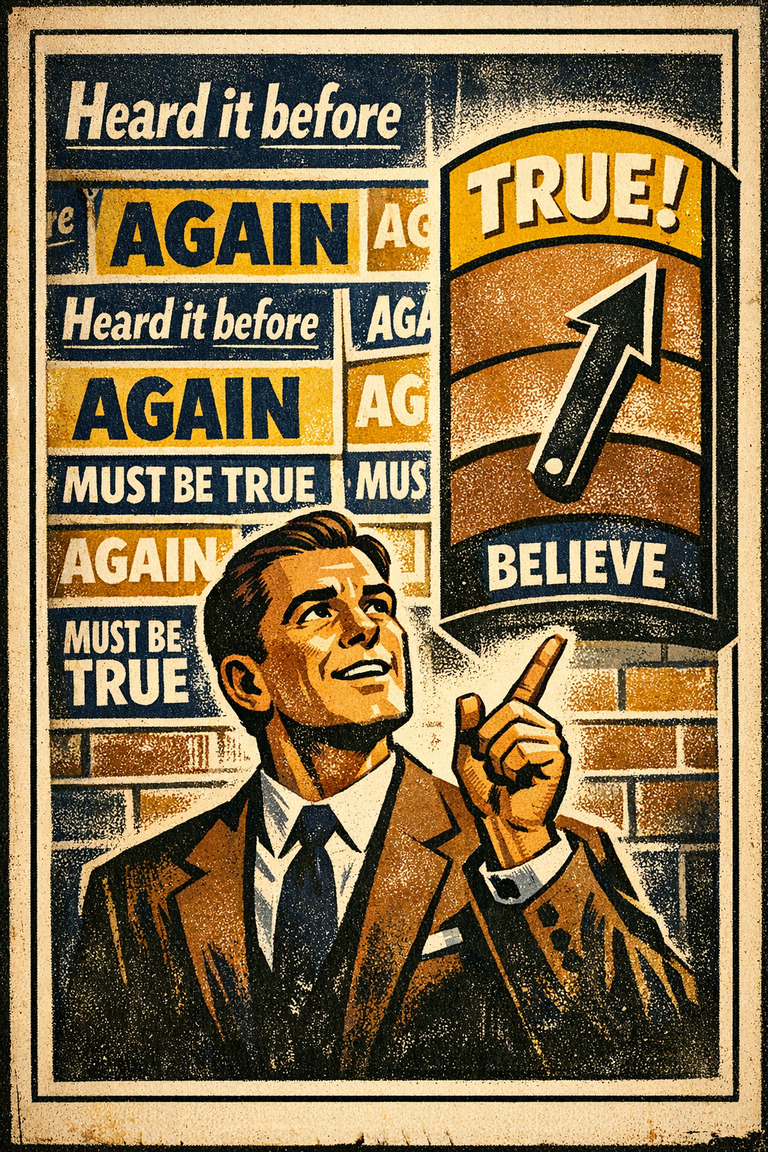
The tendency to believe that a statement is true if it is easier to process, or if it has been stated multiple times, regardless of its actual veracity.
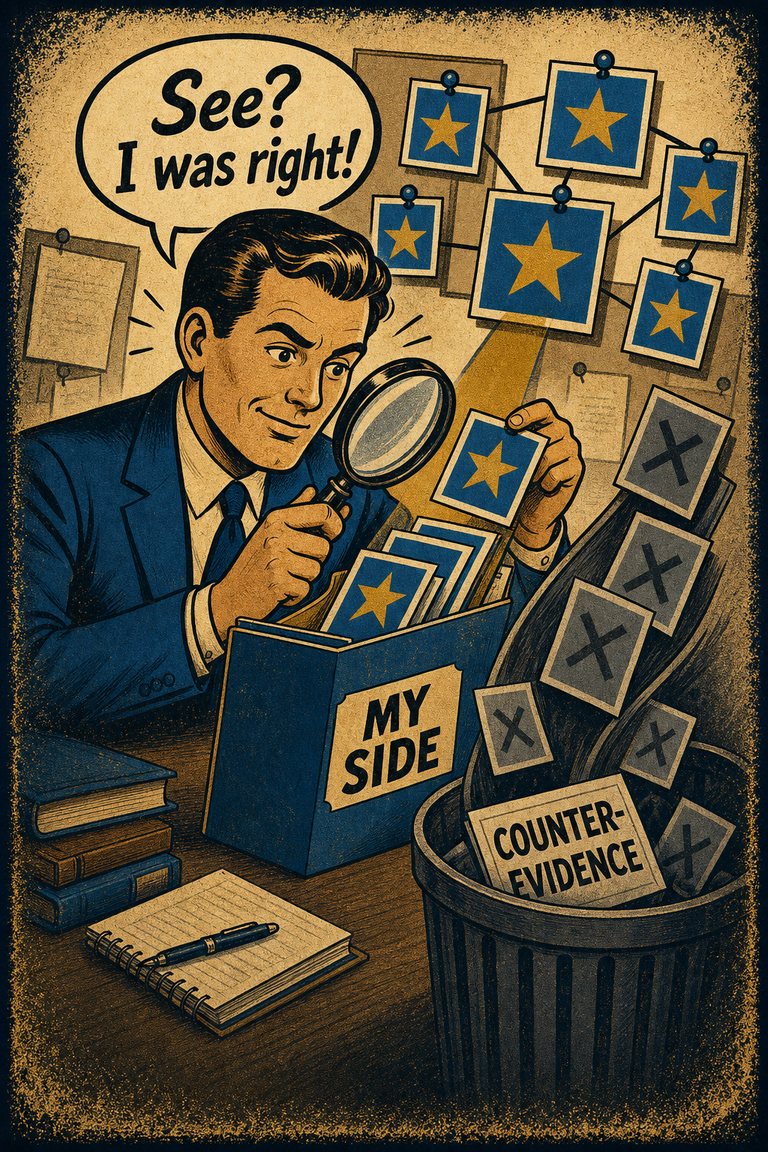
The tendency to notice, seek, and remember evidence that supports the story you already prefer more readily than evidence that threatens it.
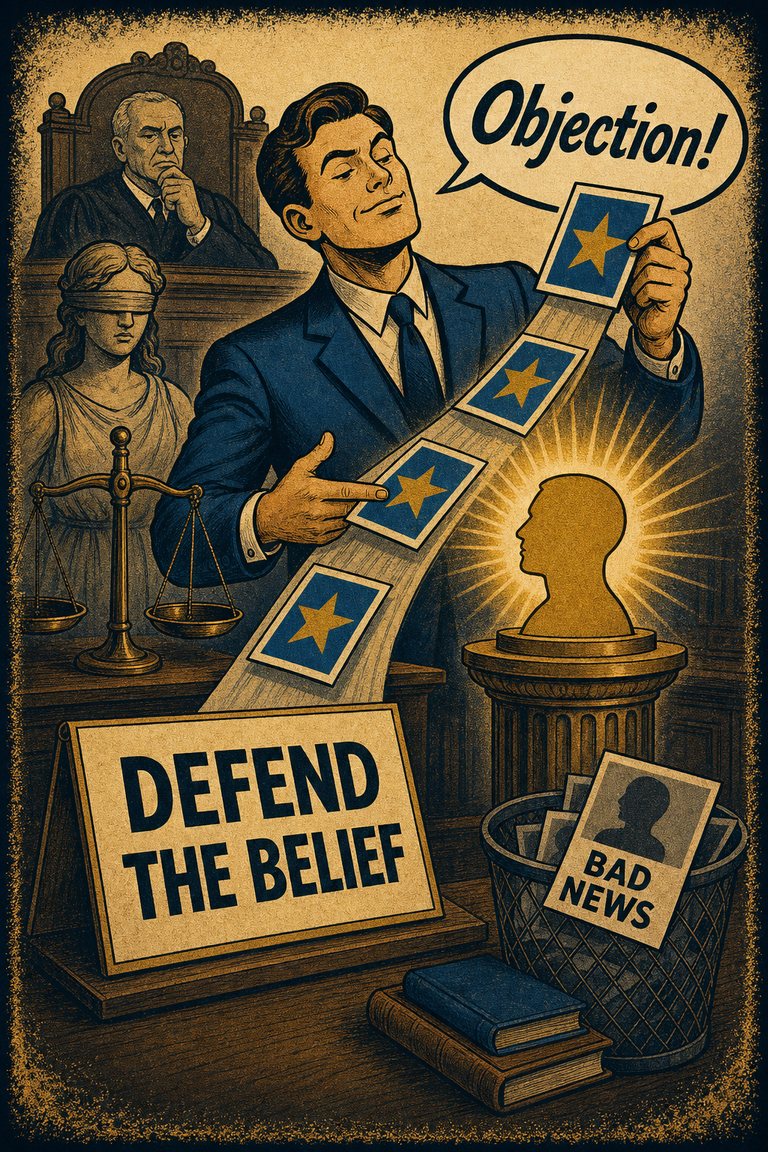
The tendency to use reasoning as a defense lawyer for desired conclusions rather than as an impartial search for what is most likely true.
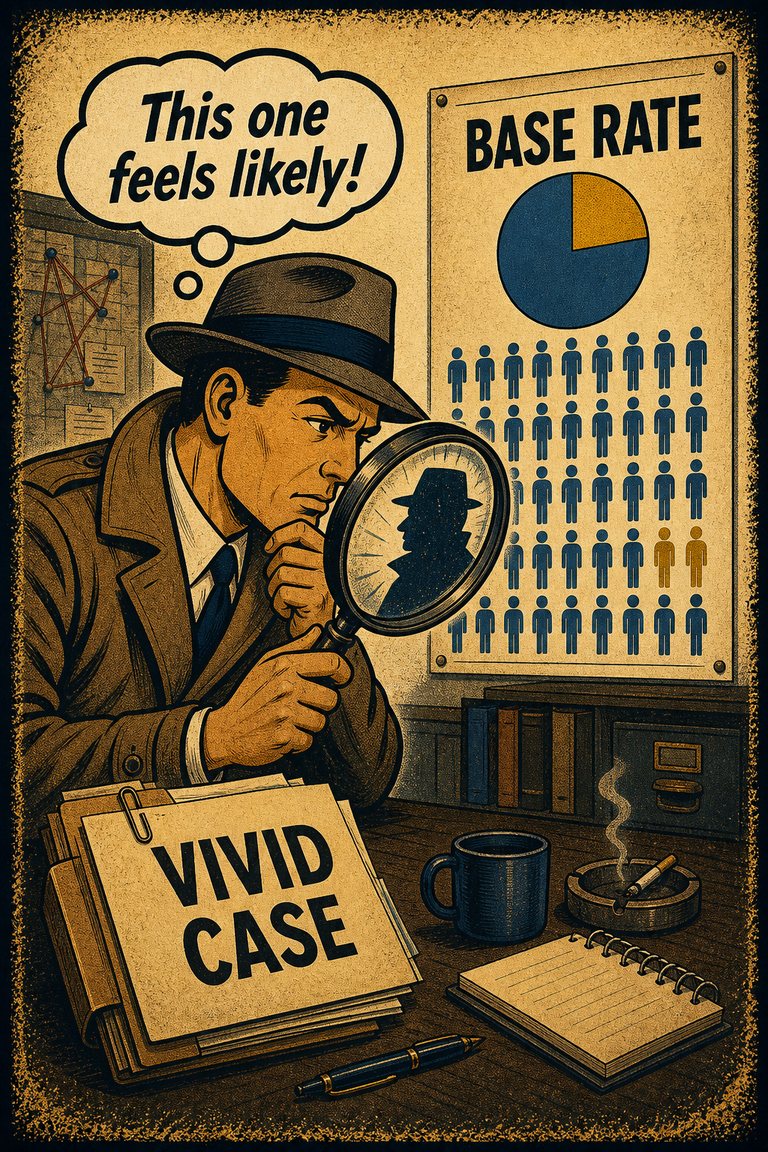
The tendency to underweight general prevalence information when vivid case-specific details are available.

The tendency to learn from the visible winners while overlooking the invisible failures that dropped out of view.
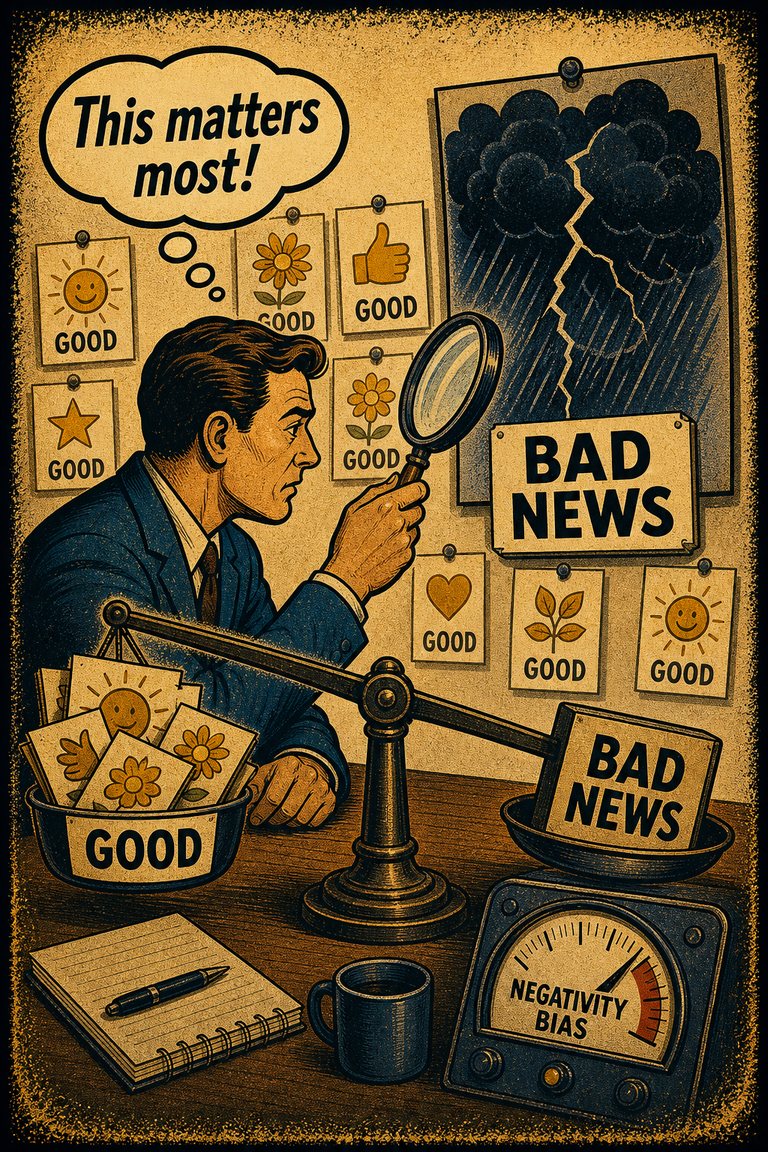
The tendency to give bad news, threats, criticism, and losses more psychological weight than equally sized positives.
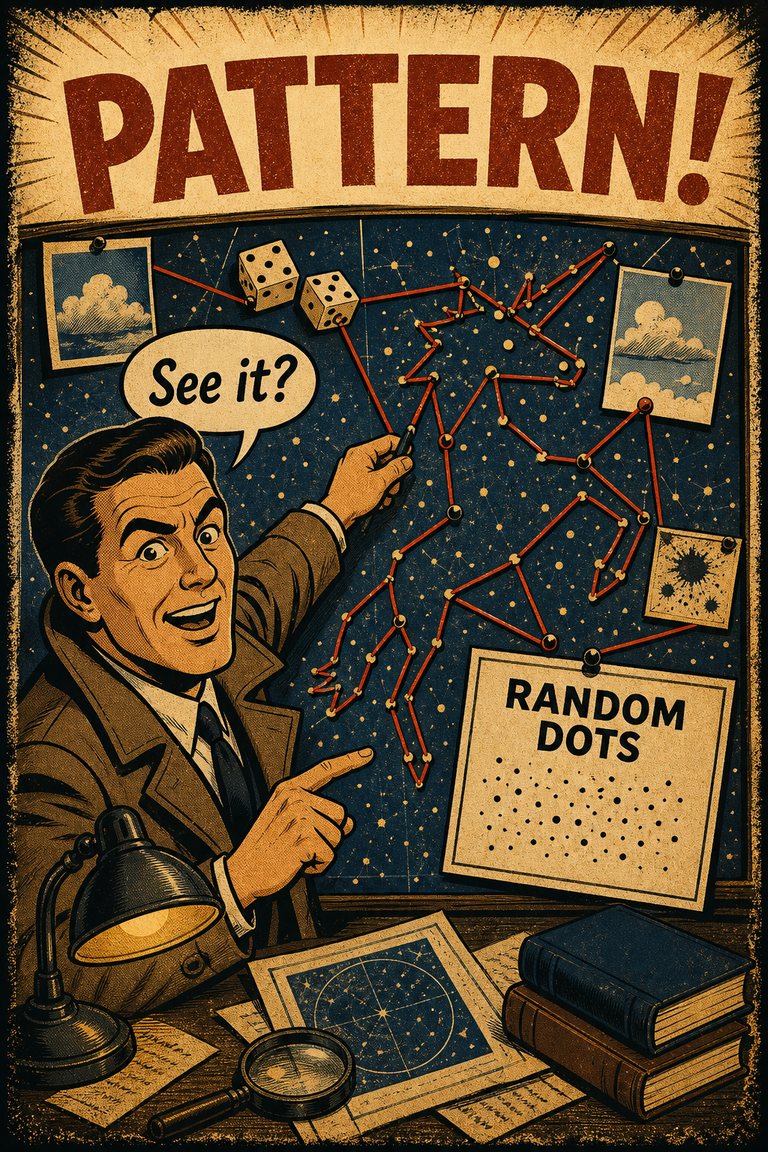
The tendency to perceive meaningful connections or patterns between unrelated things.
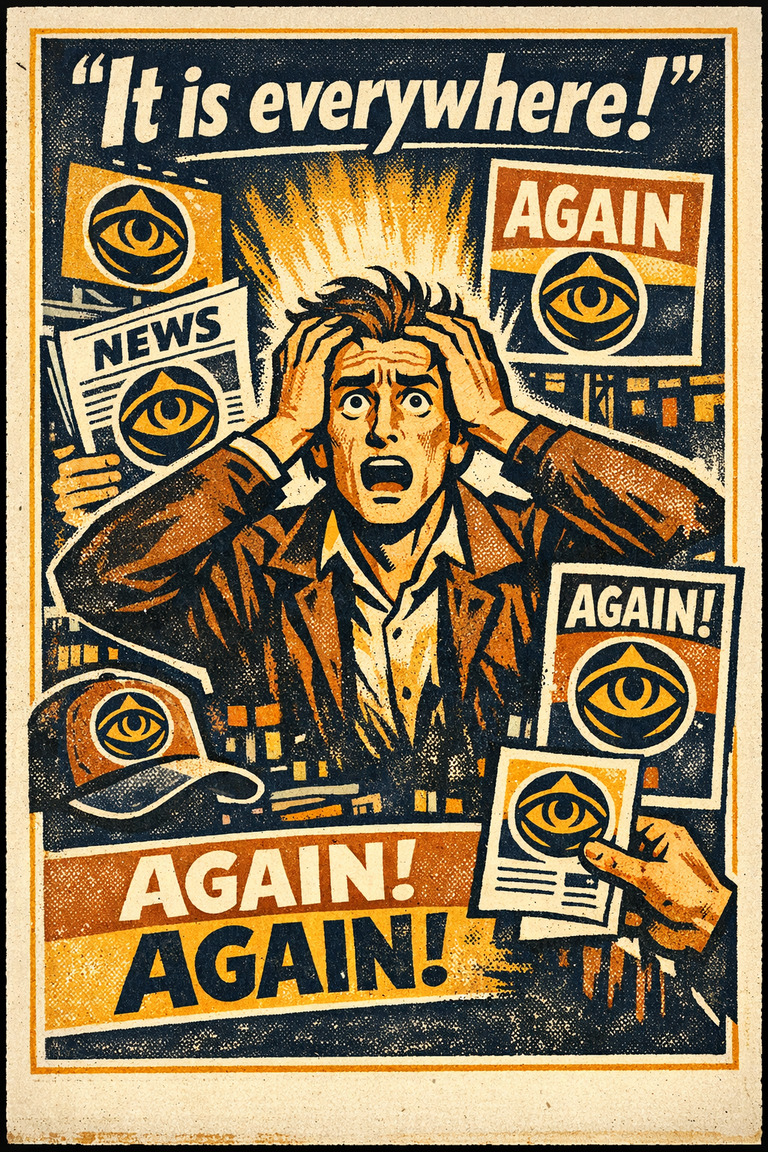
The tendency to notice something once and then feel as if it is suddenly everywhere.
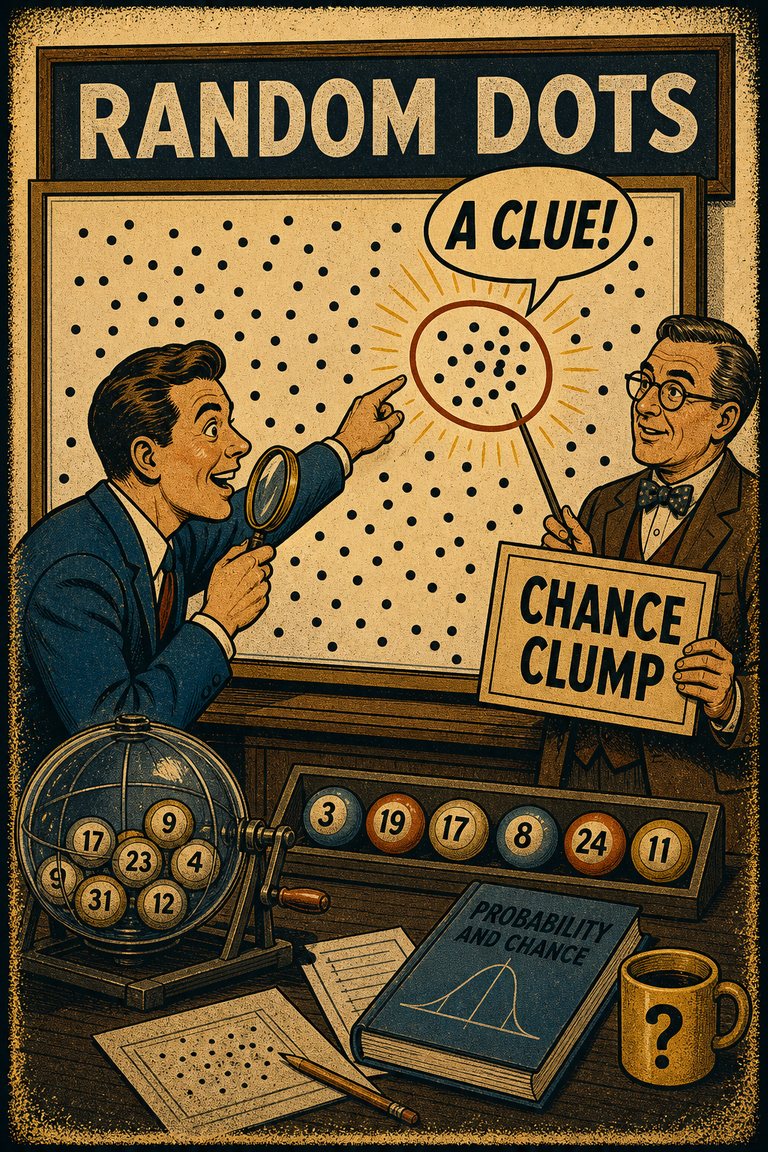
The tendency to overestimate the importance of small runs, streaks, or clusters in large samples of random data.
The hub is meant to change the process, not just supply labels.
Write what you actually learned from the item, then write what merely became more vivid or easier to recall.
Ask what base rate, comparison group, missing sample, or non-newsworthy background rate would change the interpretation.
If a correction appears, check whether it replaces the old causal story or only subtracts the false claim.
These are the closest learning paths and short self-checks for this context.
Biases that corrupt sampling, explanation, and the interpretation of evidence before a confident belief hardens.
What makes a weak sample or flattering story feel like a strong explanation?
Best for research, diagnostics, policy, media literacy, and analytical work.
A path for the way repeated claims spread, harden, survive correction, and recruit social uptake long after the original evidence deserved it.
How do repetition, correction failure, and crowd uptake combine to make weak claims feel increasingly settled?
Best for media literacy, moderation, public reasoning, classrooms, and anyone working in information-rich environments.
A path for the biases that make disagreement feel hostile, tribal, or morally diagnostic faster than the facts support.
How does conflict become a story about enemies before it becomes a careful account of what happened?
Best for dialogue, mediation, team conflict, moderation, and political reasoning.
A media and discourse check for salience, repetition, and flattering narrative compression.
Question: Is this memorable because it is representative, or because it is dramatic and easy to circulate?
A quick information check for claims that feel increasingly true because they are circulating smoothly, not because they have been freshly verified.
Question: What part of this claim's plausibility is coming from repetition, correction failure, or visible uptake rather than from direct support?
A conflict check for ambiguous behavior that is starting to look more malicious than the evidence actually shows.
Question: What else could explain this besides threat, contempt, or bad faith?
Use these only after the concrete case is written clearly enough for a model to widen the frame instead of merely echoing it.
Use this when you want help separating vividness, repetition, and narrative fit from actual representativeness in an article, thread, or speech.
Use when: Paste the relevant excerpt or provide a link and enough context for the model to quote the key passage accurately.
Analyze the passage below for cognitive-bias pressure rather than for partisan agreement or disagreement.

Your tasks:
1. Quote the most vivid or emotionally loaded claims.
2. Identify which cognitive biases the passage may be exploiting or triggering in readers.
3. Explain whether the passage substitutes anecdote, salience, repetition, or winner-story logic for representative evidence.
4. List what denominator, base rate, missing sample, or comparison would be needed to evaluate the claim more responsibly.
5. End with three discussion questions for a reader who wants to stay calibrated.

Passage to analyze:
[PASTE PASSAGE OR LINK CONTEXT HERE]
Use this when a claim has already been corrected or contested, but you suspect the first version is still quietly shaping explanation and uptake.
Use when: Paste the original claim, the correction if one exists, and the current explanation or conversation that still seems influenced by the earlier version.
Analyze the material below as a misinformation-residue scan.

Your tasks:
1. Restate the original false or disputed frame and the later correction separately.
2. Explain what explanatory work the original frame was doing for readers or listeners.
3. Identify signs that the earlier frame is still influencing memory or reasoning after correction.
4. Suggest a replacement explanation that could occupy the space the misinformation used to fill.
5. End with three questions that would help a team or reader stop reasoning with the old frame.

Material to scan:
[PASTE THE CLAIM, CORRECTION, AND CURRENT DISCUSSION HERE]
These cases are pulled from the linked bias pages so the hub stays connected to concrete examples.
Analysts first considered reinforcing the parts of planes that showed the most bullet holes, until Wald pointed out that the missing planes were the crucial unseen data.
Why it fits: The visible survivors looked like the full sample until the invisible failures were restored conceptually.
World War II
Research collected under the phrase 'bad is stronger than good' shows that negative events, traits, and feedback often have more psychological impact than comparable positives.
Why it fits: The asymmetry is not only moral or strategic. It is a weighting pattern that makes bad signals dominate the record.
2001
People on opposing sides who read the same mixed evidence about capital punishment often came away more confident in the conclusion they already favored.
Why it fits: The asymmetry was not only in what was noticed but in how the same evidence was granted or denied force depending on the desired answer.
1979
People exposed to the same mixed evidence about a disputed topic often came away more convinced of the side they already favored.
Why it fits: The evidence did not merely persuade differently. It was interpreted through a preserving filter.
1979
Apophenia is often illustrated through situations where unrelated signals, names, dates, or events are woven into a hidden-order story that feels too meaningful to dismiss as coincidence.
Why it fits: The persuasive force comes from the pattern-feel itself long before the links have survived independent testing.
Overview case
People can continue citing corrected details from a fire story in later inferences when the correction does not provide a strong replacement explanation.
Why it fits: The mind keeps using the first causal frame because the retraction alone did not rebuild the story.
Modern cognitive psychology