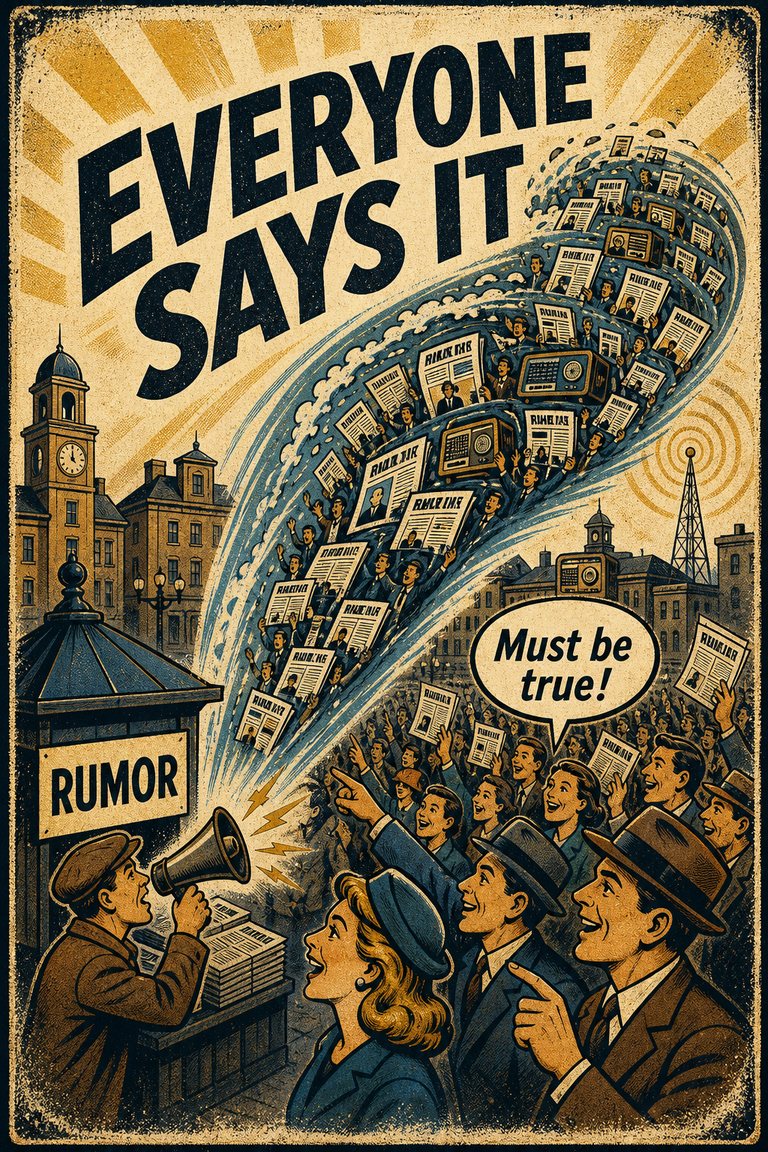
Availability cascade
A belief becoming more plausible through repeated public repetition, social uptake, and feedback.
Hypothesis AssessmentAssociation

Cognitive Biases
A practical cognitive-bias site with clear definitions, learning paths, assessments, self-audits, and debiasing tools.
Learning Path
A path for the way repeated claims spread, harden, survive correction, and recruit social uptake long after the original evidence deserved it.
Work the pages in order, then loop back and compare which distortions happened earliest, which ones protected the first impression, and which ones interfered with later learning.
Next:
This is a deliberate sequence, not just a themed pile. Start at the top if the context is new to you.
A belief becoming more plausible through repeated public repetition, social uptake, and feedback.
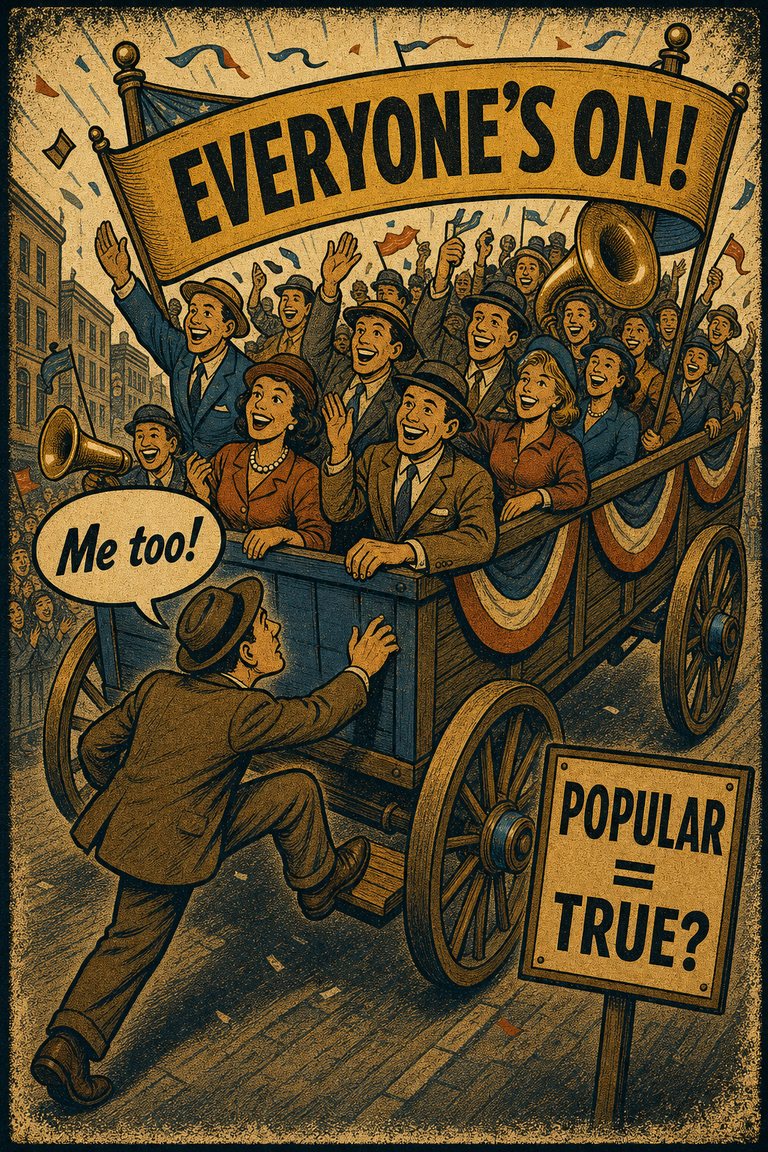
The tendency to do things because many other people do the same.
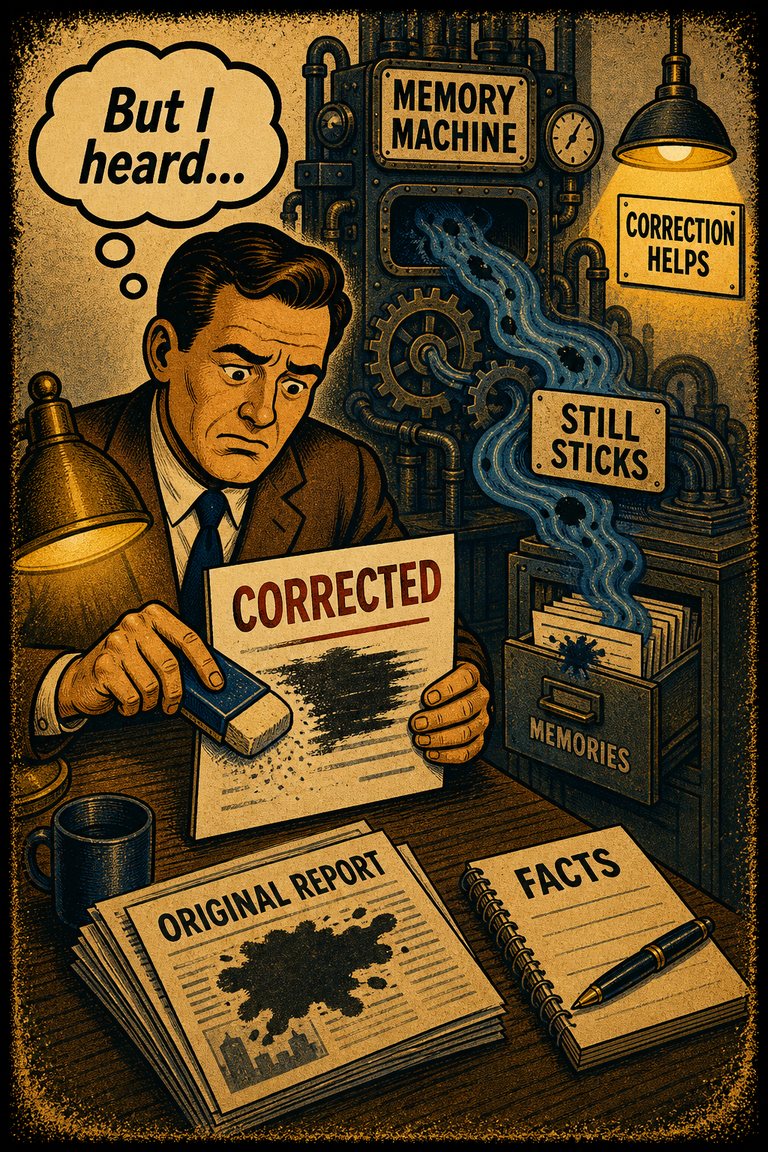
Misinformation continues to influence memory and reasoning about an event, despite the misinformation having been corrected.
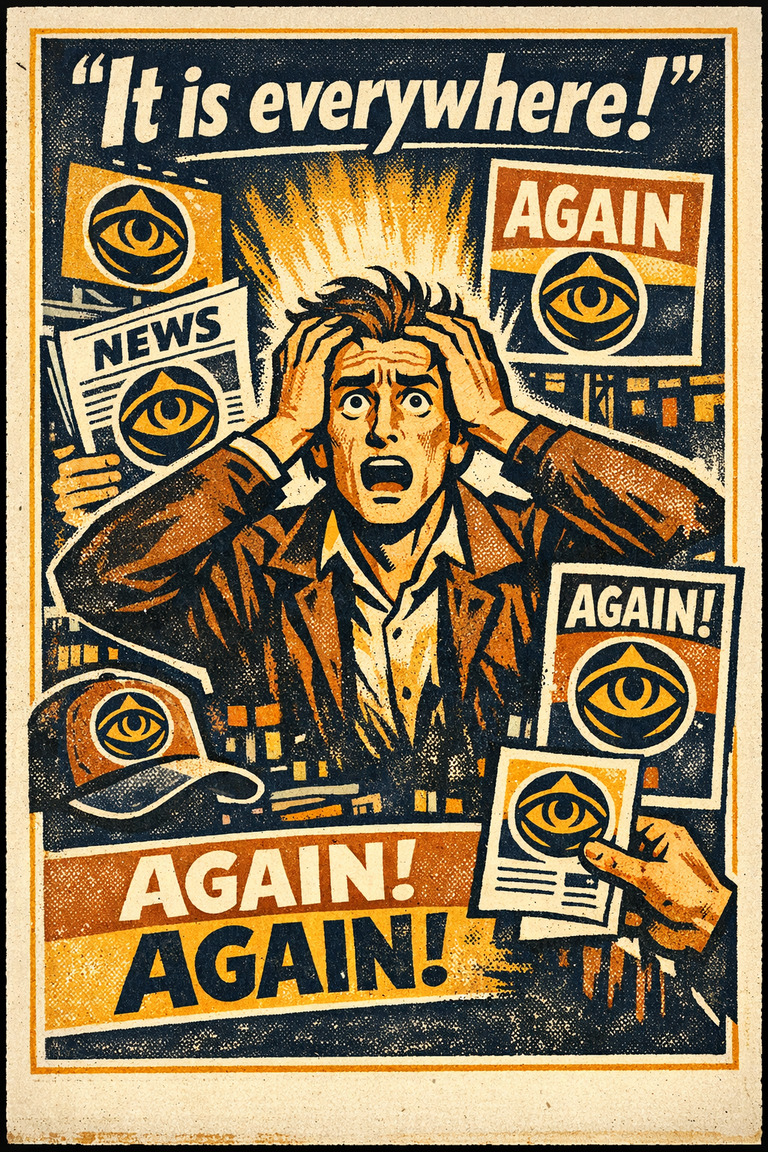
The tendency to notice something once and then feel as if it is suddenly everywhere.
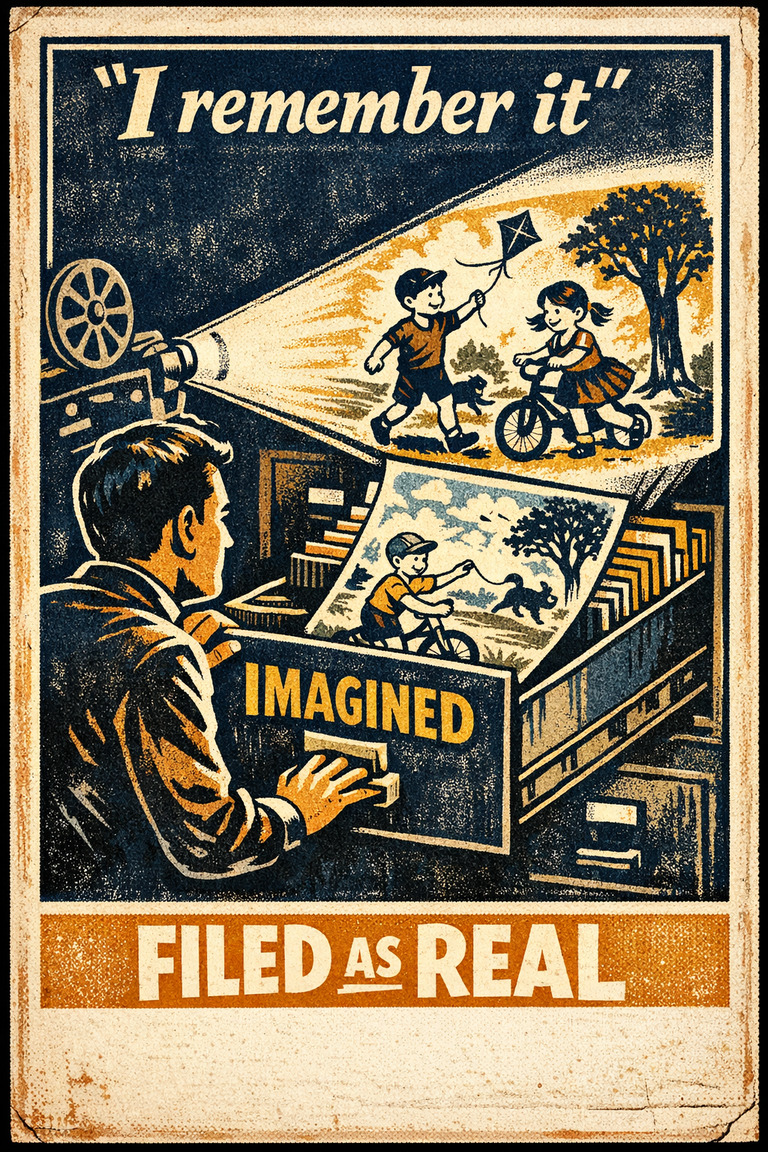
The tendency to mistake imagination, suggestion, or reconstruction for an actual memory.
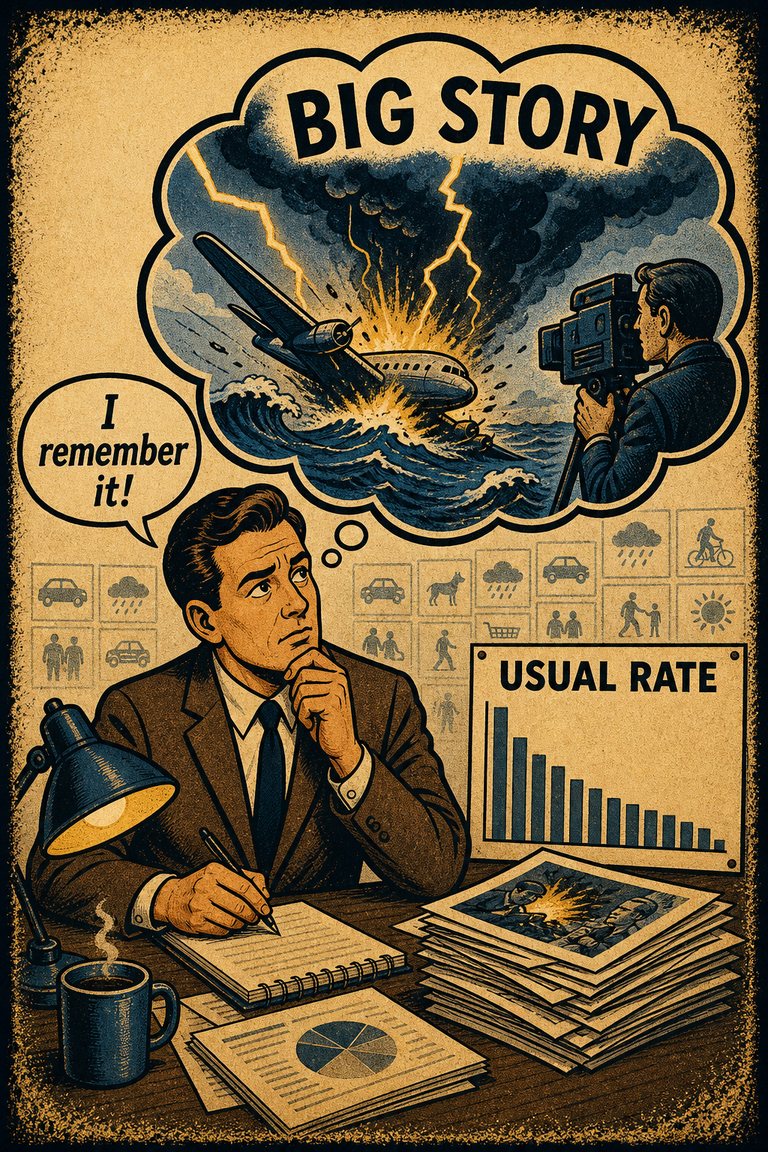
The tendency to judge frequency, risk, or importance by how easily examples come to mind.
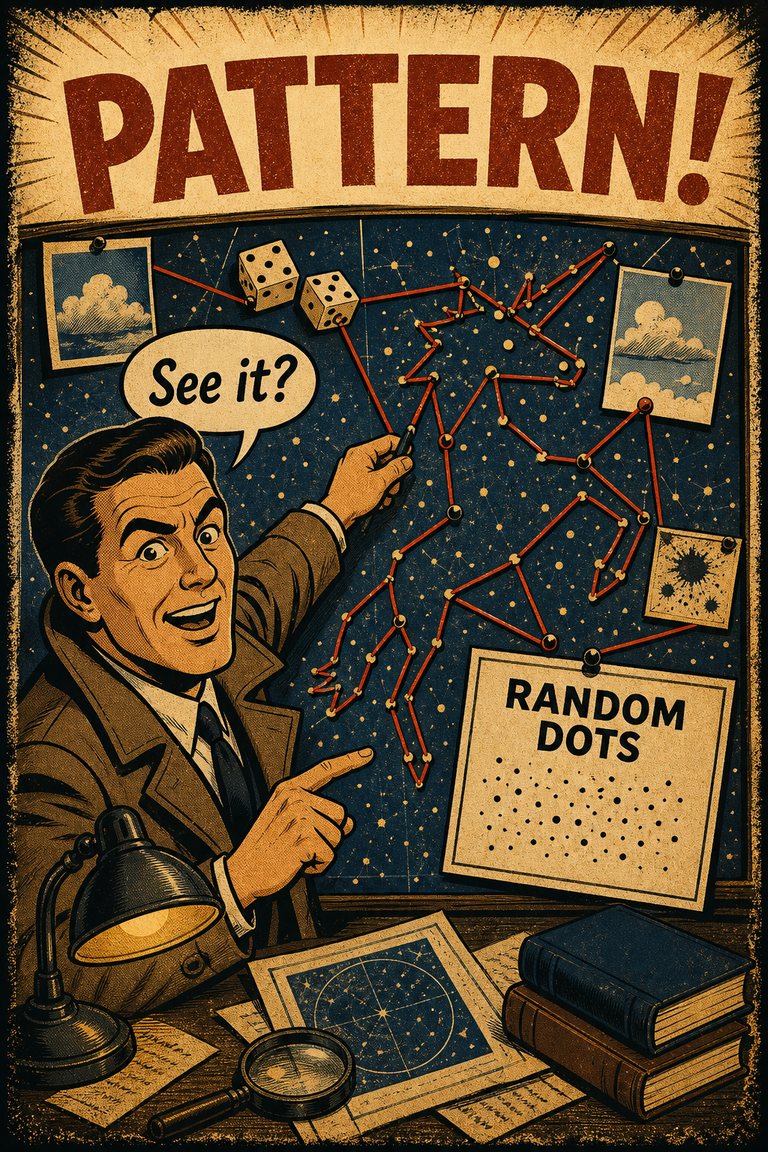
The tendency to perceive meaningful connections or patterns between unrelated things.
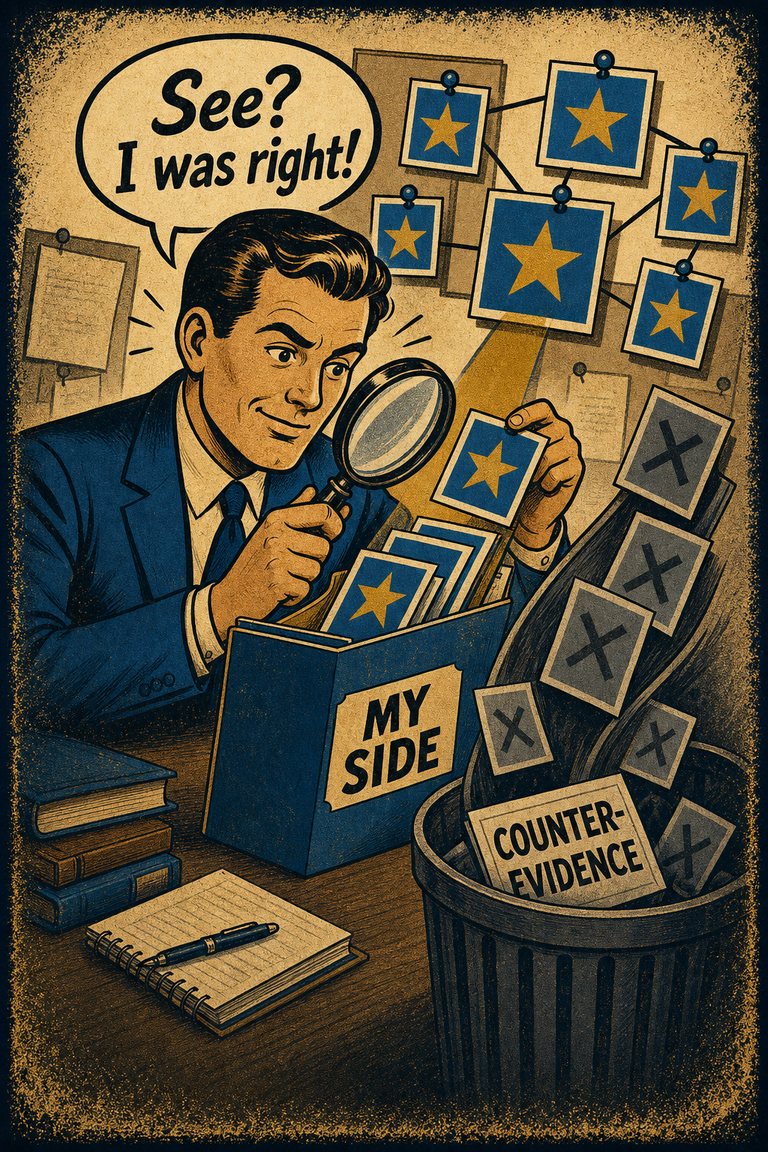
The tendency to notice, seek, and remember evidence that supports the story you already prefer more readily than evidence that threatens it.
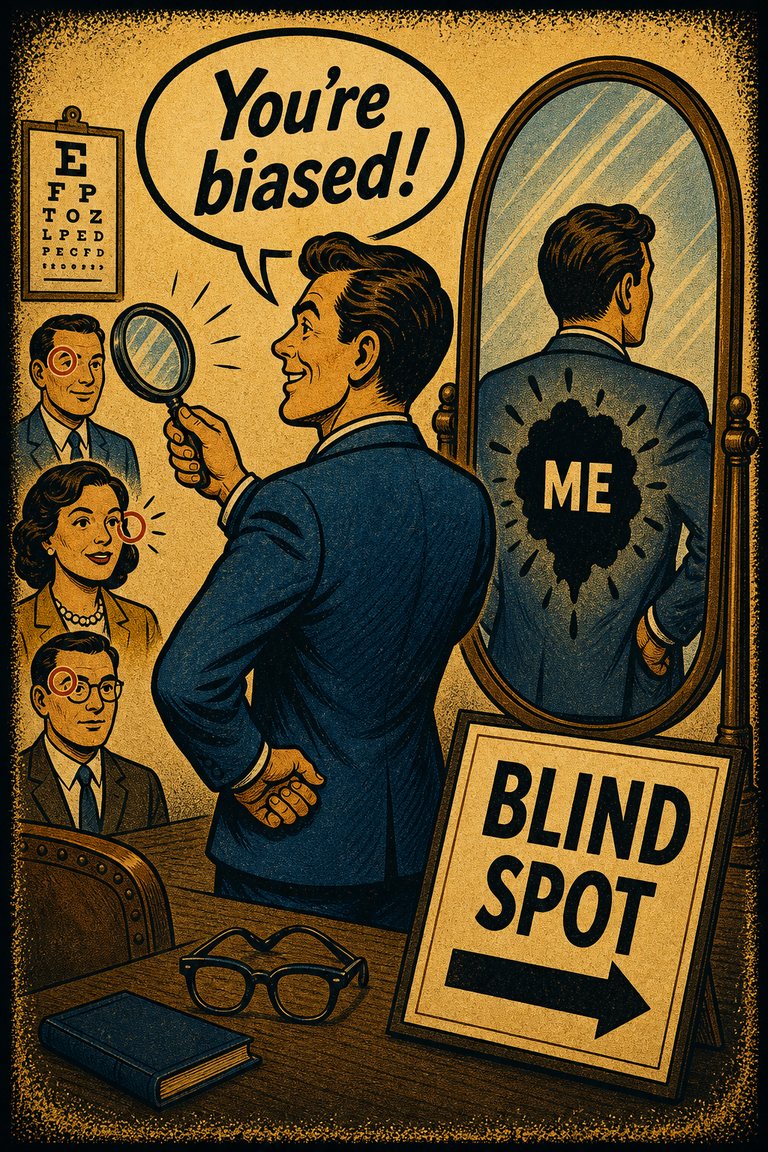
The tendency to see oneself as less biased than other people, or to be able to identify more cognitive biases in others than in oneself.