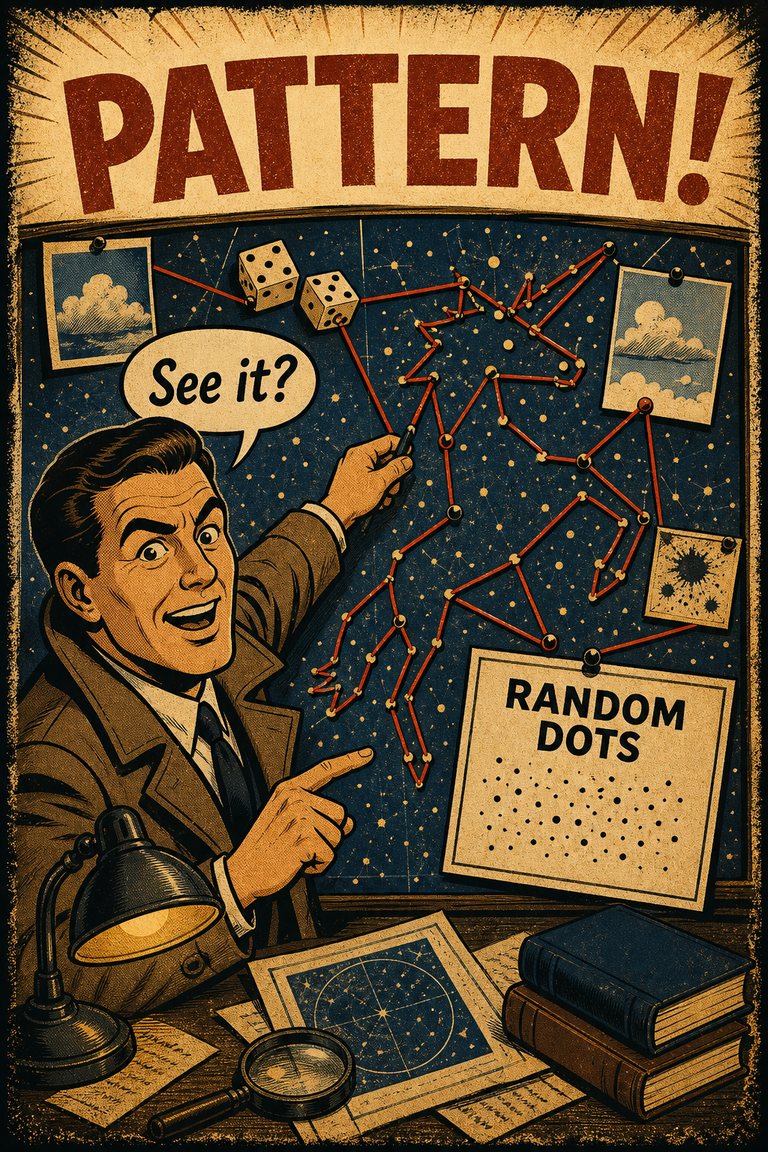
Apophenia
The tendency to perceive meaningful connections or patterns between unrelated things.
Causal AttributionOutcome

Cognitive Biases
A practical cognitive-bias site with clear definitions, learning paths, assessments, self-audits, and debiasing tools.
Learning Path
Biases that corrupt sampling, explanation, and the interpretation of evidence before a confident belief hardens.
Work the pages in order, then loop back and compare which distortions happened earliest, which ones protected the first impression, and which ones interfered with later learning.
Next:
This is a deliberate sequence, not just a themed pile. Start at the top if the context is new to you.
The tendency to perceive meaningful connections or patterns between unrelated things.
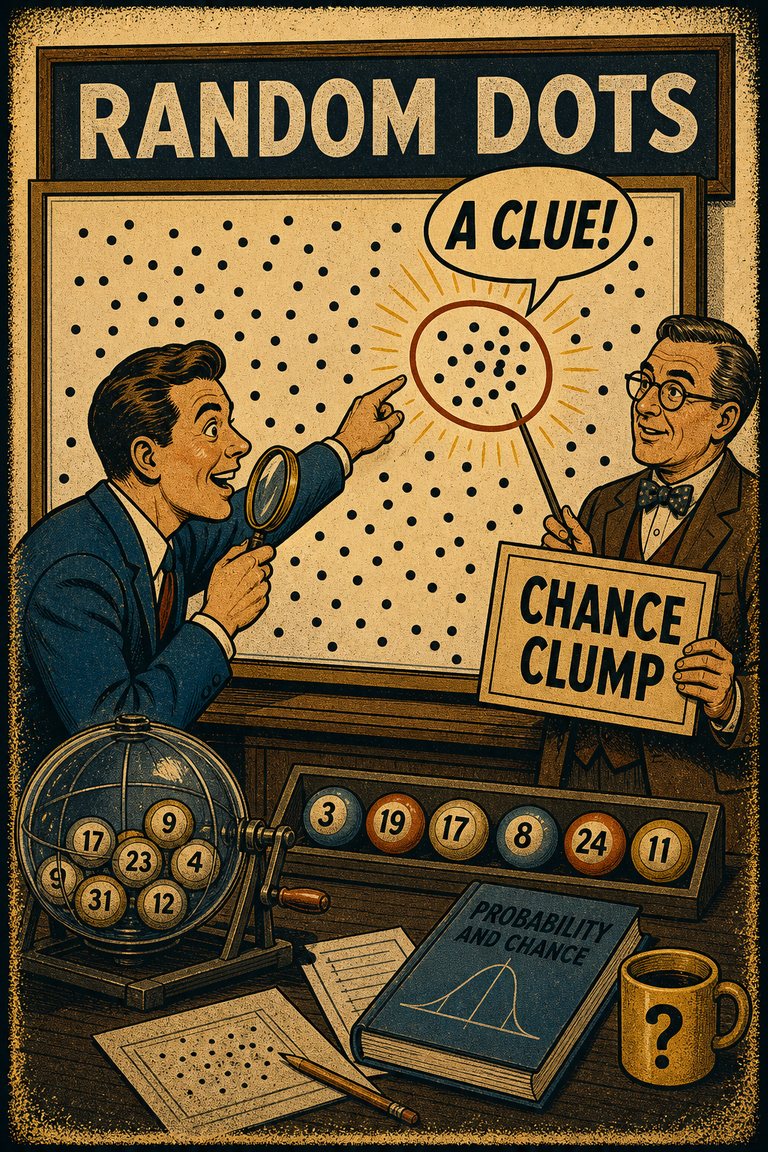
The tendency to overestimate the importance of small runs, streaks, or clusters in large samples of random data.
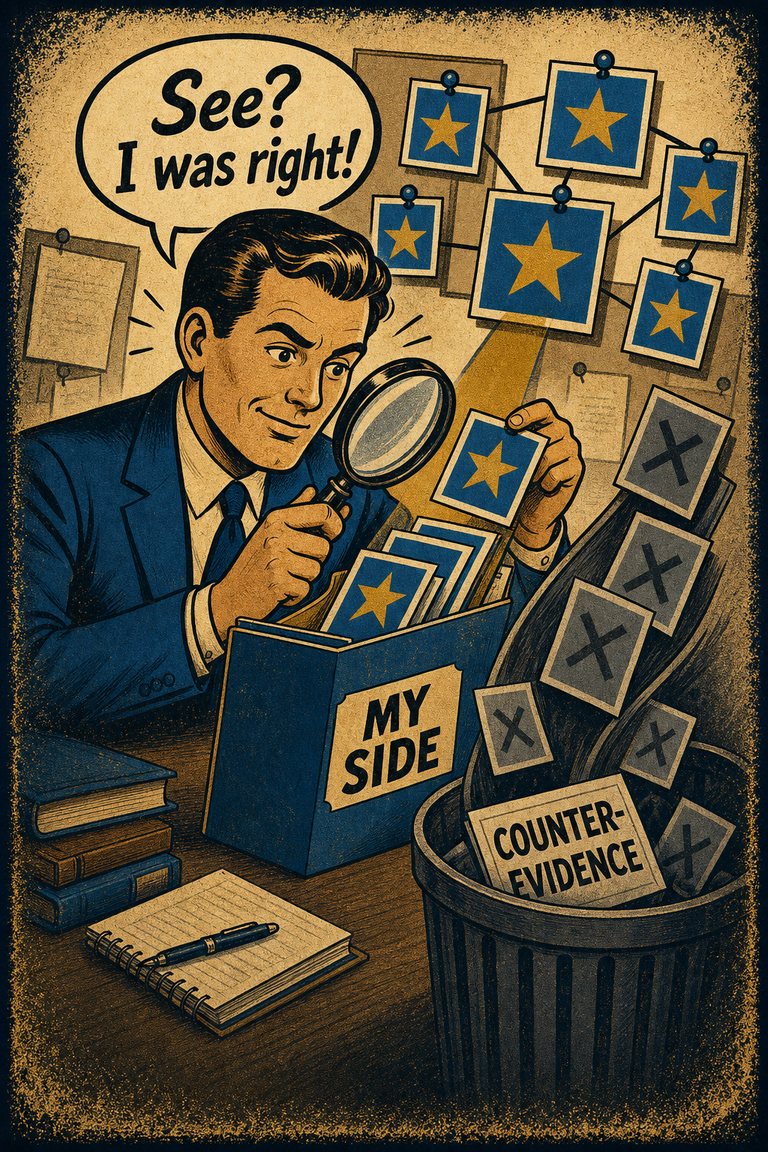
The tendency to notice, seek, and remember evidence that supports the story you already prefer more readily than evidence that threatens it.

The tendency to use reasoning as a defense lawyer for desired conclusions rather than as an impartial search for what is most likely true.
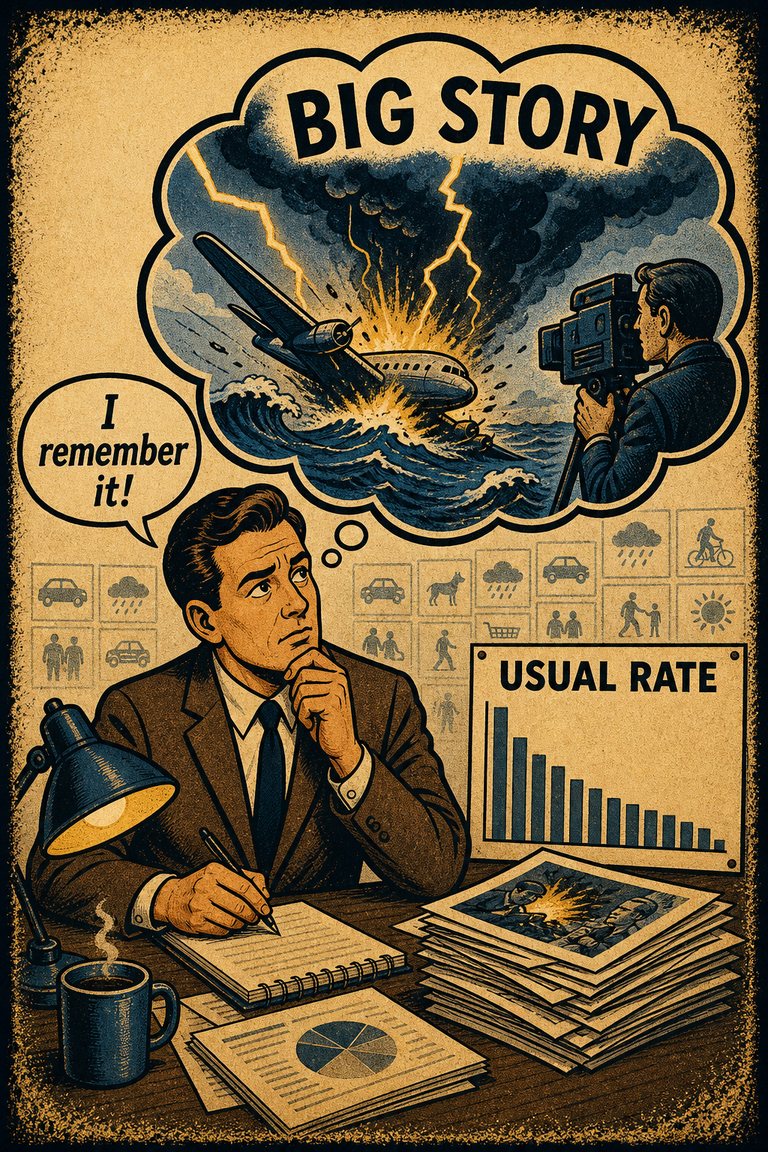
The tendency to judge frequency, risk, or importance by how easily examples come to mind.
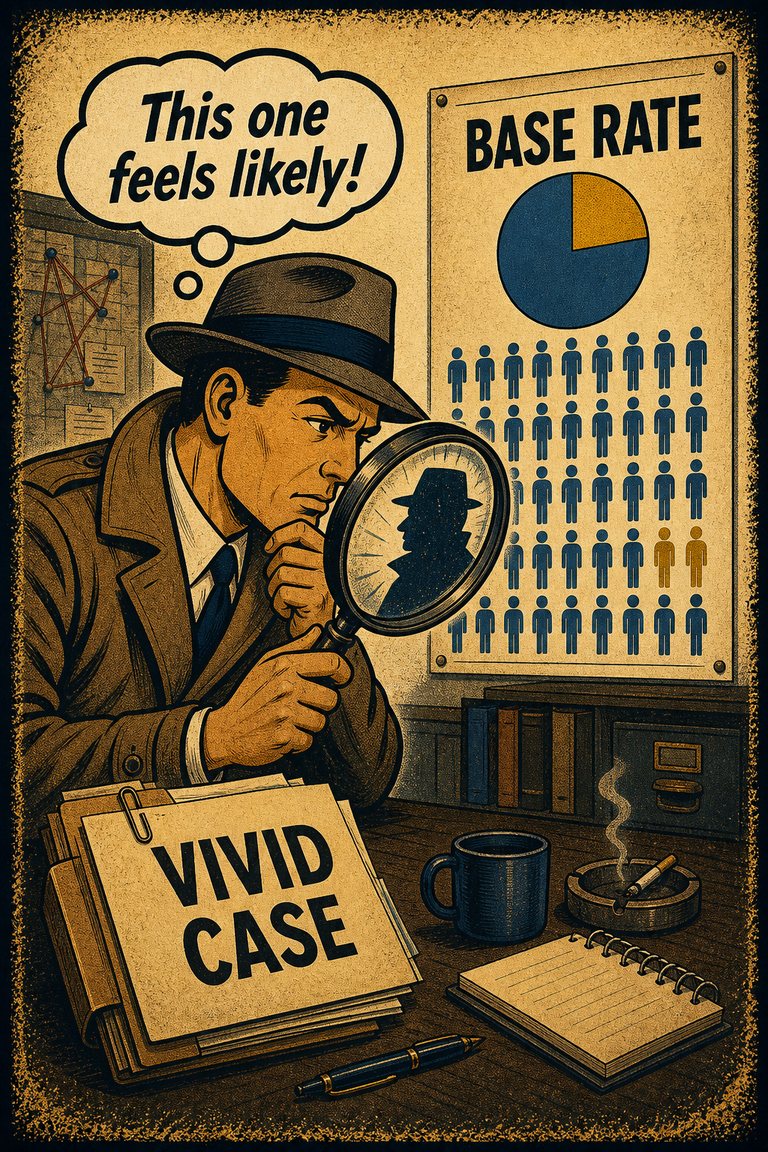
The tendency to underweight general prevalence information when vivid case-specific details are available.

The tendency to learn from the visible winners while overlooking the invisible failures that dropped out of view.
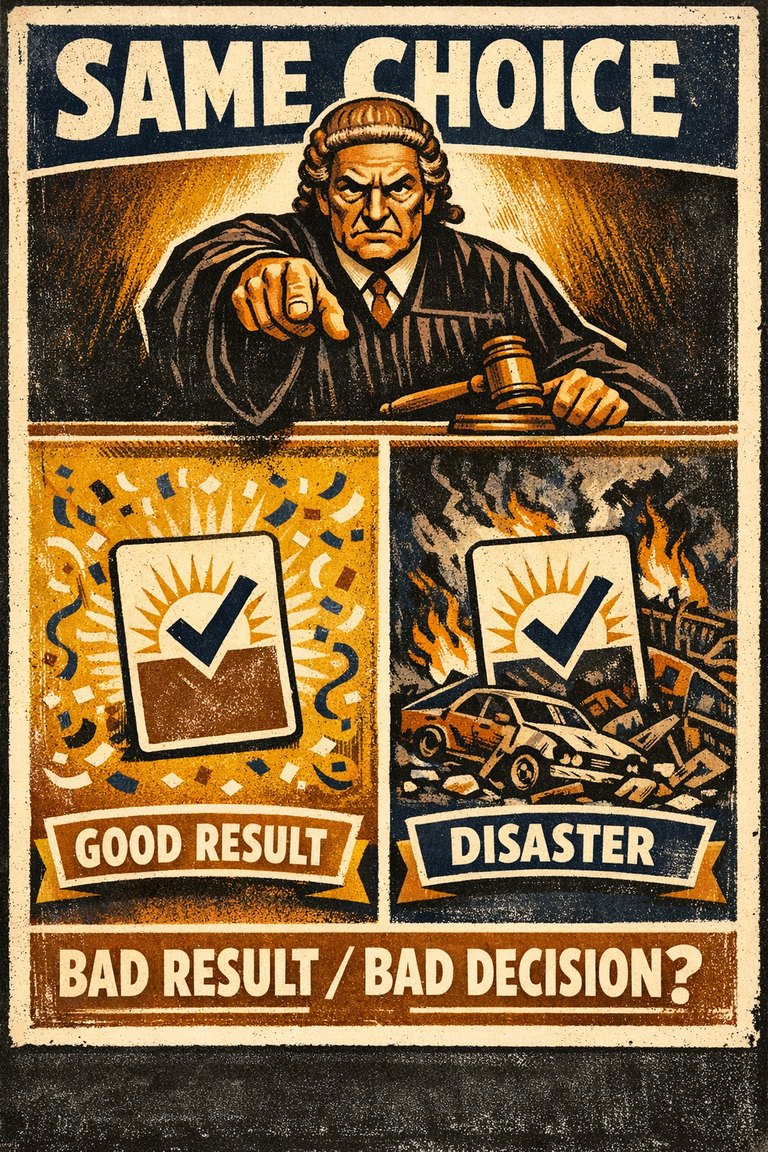
The tendency to judge a decision mainly by its result rather than by the quality of the reasoning behind it.