
A low-stakes conflict scenario or anonymized real situation.
Teaching Kit
Relationship Conflict Attribution Reset
A reflective kit for slowing motive-reading, character verdicts, and self-protective memory during conflict.
35-55 minutes
Biases In Relationships
5 biases
Audience
Coaches, peer mediators, families, teams, and anyone handling interpersonal disagreement.
Objectives
- Separate observed behavior from inferred motive.
- Generate serious non-hostile explanations before responding.
- Notice how retelling can make memory cleaner and more self-protective.
Materials
Prep these before using the kit live.
Three-column worksheet: behavior, possible situation, possible motive.
One repair question the participant can actually ask.
Agenda
A suggested run of show. Adjust timing to fit the group.
0-8 min
Write the observable behavior without motive language.
8-20 min
Generate three non-hostile explanations and one hostile explanation, then compare evidence quality.
20-35 min
Name where self-serving bias or false consensus may be protecting the narrator.
35-50 min
Choose a next question that lowers heat rather than wins the story.
Worksheet prompts
- What did the person do, stated without motive words?
- What situational pressure could explain the same behavior?
- What fact would genuinely change your interpretation?
Facilitator notes
- Do not ask participants to excuse harmful behavior; ask them to separate evidence from inference.
- Keep the exercise focused on next process, not moral victory.
- Use smaller examples first so the method is available before high heat.
Linked study tools
These are the supporting pieces to open before or after the live activity.
Biases In Relationships
A hub for friendships, families, couples, workplaces, and communities where self-protection, motive reading, and memory repair can bend interpretation.
12 biases
4 paths
3 AI prompts
Am I reading the other person, the situation, or my own need for the story to protect me?
People handling conflict, trust repair, family decisions, mentoring, coaching, or emotionally loaded conversations.
People Judgment
A path for social perception, hiring, leadership, conflict, and the fast trait inferences people make about one another.
6 biases
Foundational
45 min
How do snap impressions about people become stronger than the evidence available?
Best for teams, educators, interviewers, and anyone doing evaluation of persons rather than objects.
Conflict, Threat, And Tribe
A path for the biases that make disagreement feel hostile, tribal, or morally diagnostic faster than the facts support.
7 biases
Applied
45 min
How does conflict become a story about enemies before it becomes a careful account of what happened?
Best for dialogue, mediation, team conflict, moderation, and political reasoning.
Before You Judge A Person
A social-perception check for trait inflation, first impressions, and hidden asymmetry.
Foundational
Before a people judgment
4 min
Question: Am I reacting to the person, to the situation, or to my own first-pass impression of the person?
- Describe the behavior before you explain it.
- List three situational pressures that could also account for it.
- Separate overall impression from the specific trait you think you observed.
- Ask whether the same behavior would read differently from someone else.
Before You Read Hostility Into It
A conflict check for ambiguous behavior that is starting to look more malicious than the evidence actually shows.
Applied
Before assigning hostile intent
4 min
Question: What else could explain this besides threat, contempt, or bad faith?
- Describe the behavior first without mind-reading intent into it.
- List at least two non-hostile explanations that still fit the facts.
- Notice whether group identity is shaping whose motives you trust.
- Ask what additional observation would really justify the hostile interpretation.
Before You Tidy The Story
A self-justification check for the moments when memory, standards, or self-description are being rearranged to make a choice or contradiction easier to live with.
Teaching And Team Use
Before self-justifying a choice
5 min
Question: What tension, tradeoff, or contradiction am I trying to make disappear too cheaply?
- State the conflict or tradeoff in plain language before you defend either side.
- Recover what you actually thought of the alternatives before the final choice hardened into memory.
- Ask which bias you are most tempted to diagnose in others but exempt in yourself.
- Write what a less flattering but more honest account of the situation would still have to include.
Halo Effect vs Fundamental Attribution Error
The halo effect lets one positive impression spill into unrelated judgments; fundamental attribution error overreads behavior as character while underreading situation.
Quick rule: Ask whether one admired trait is spilling outward, or whether a behavior is being turned into a trait explanation too quickly.
Bias pages in this kit
Use these entries as the reference layer after the activity surfaces the problem.
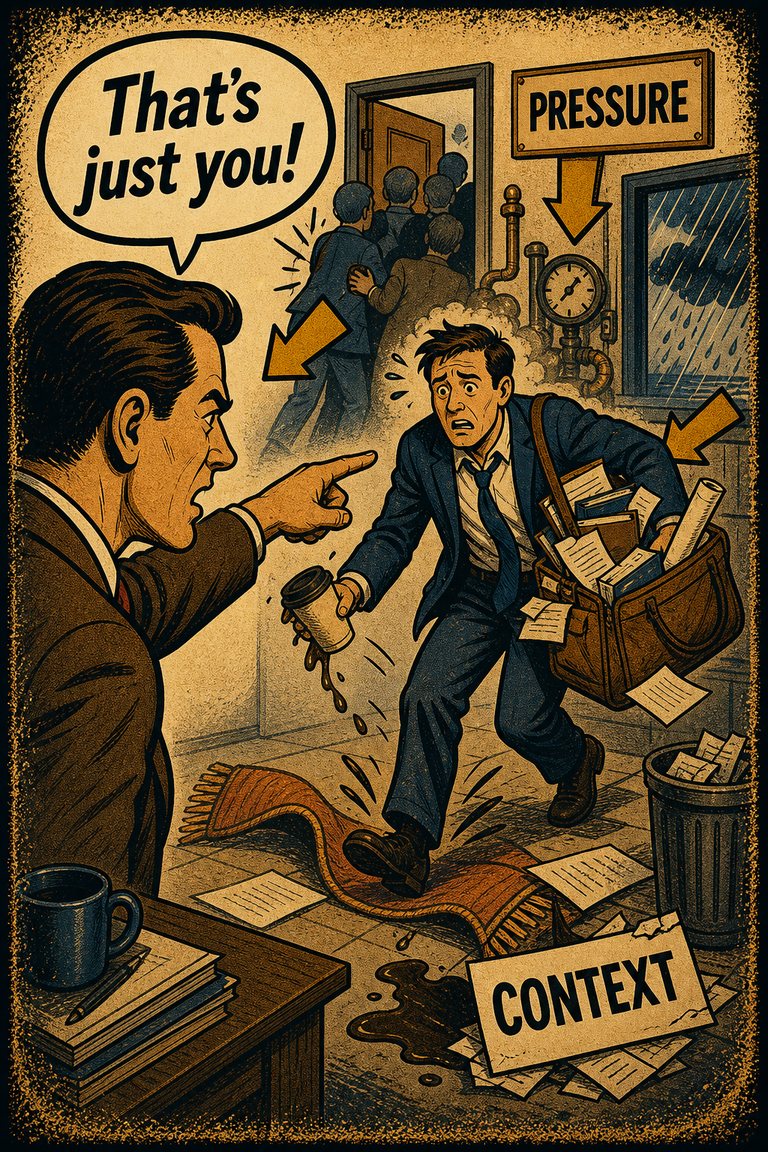
Fundamental attribution error
The tendency to explain other people's behavior too quickly in terms of character while underweighting situational pressures and constraints.
Causal AttributionSelf-PerspectiveTeams & managementMedia & politics
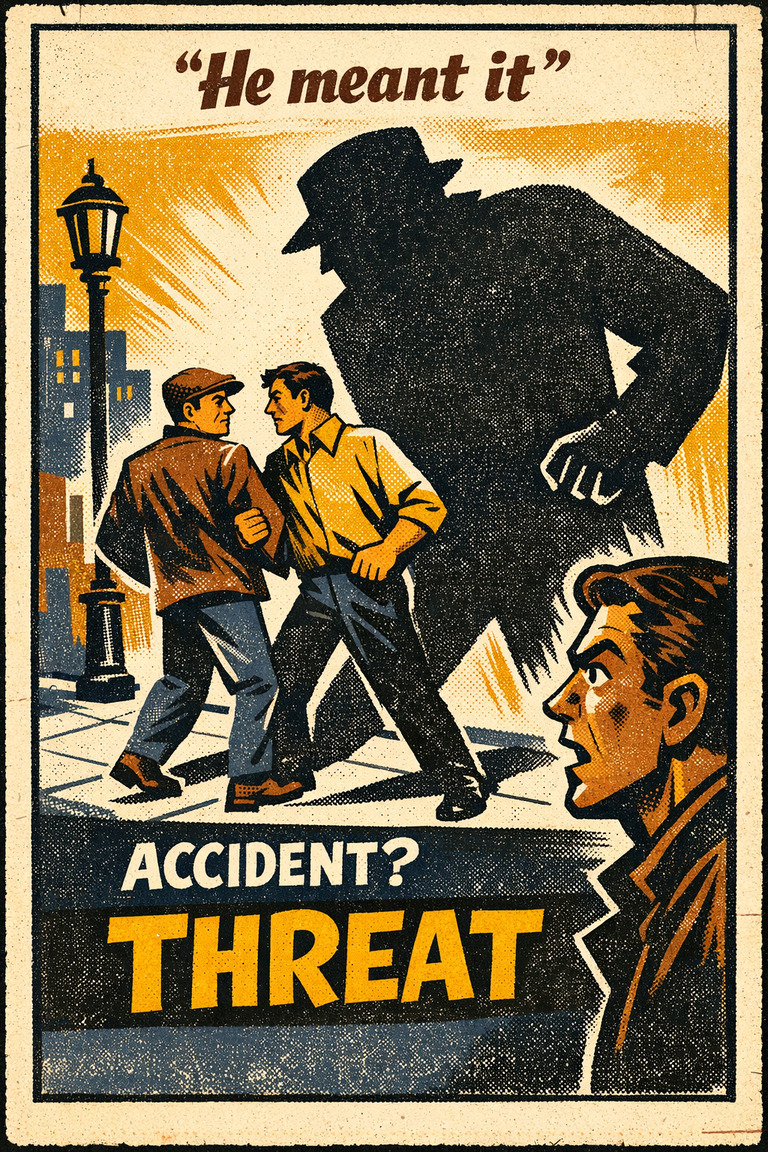
Hostile attribution bias
The tendency to read ambiguous behavior as hostile, threatening, or intentionally disrespectful even when the evidence is underdetermined.
Causal AttributionOutcomeConflict & dialogueTeams & management
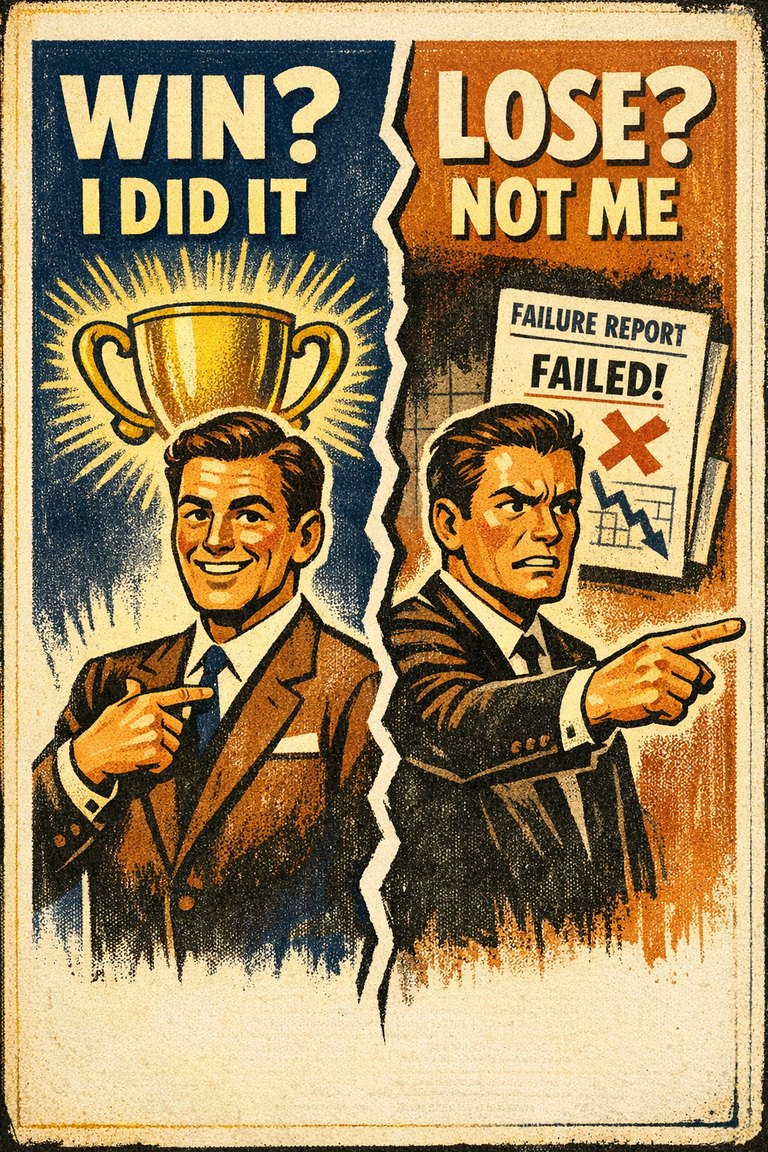
Self-serving bias
The tendency to take disproportionate credit for successes while locating failures in bad luck, unfair circumstances, or other people.
Causal AttributionSelf-PerspectiveTeams & managementConflict & dialogue
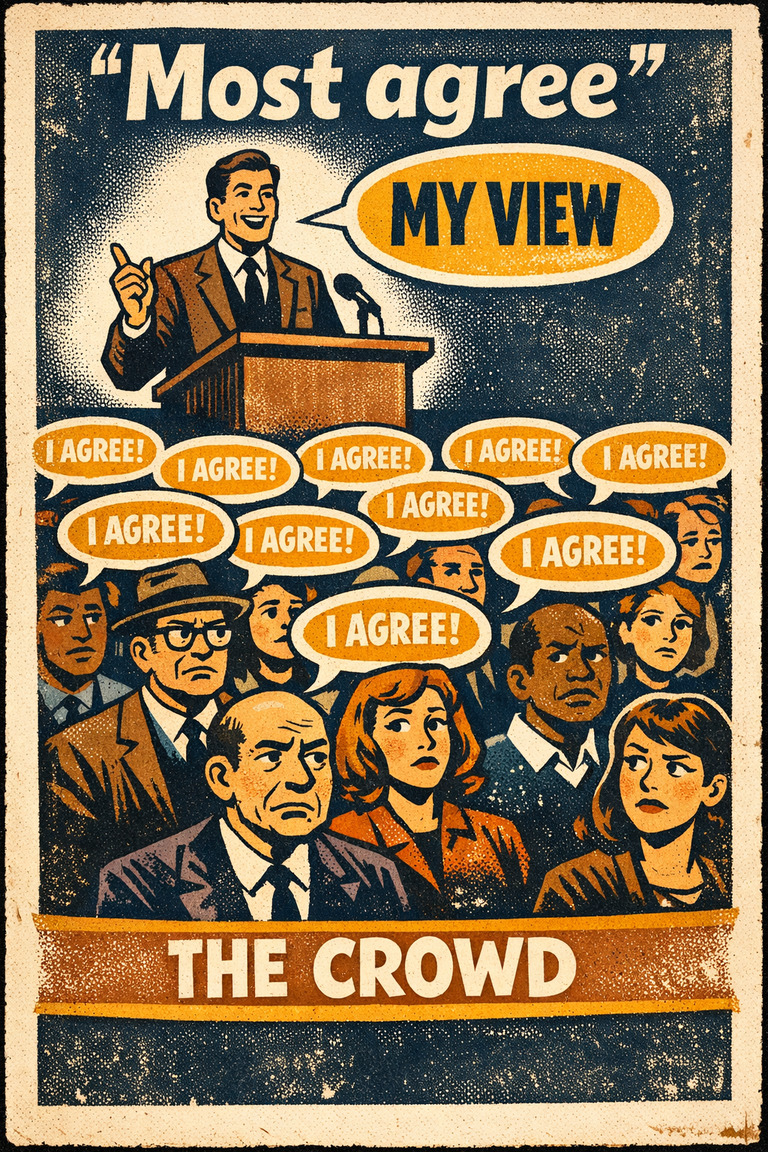
False consensus effect
The tendency to overestimate how many other people share one's own beliefs, preferences, habits, or reactions.
EstimationSelf-PerspectiveMedia & politicsTeams & management
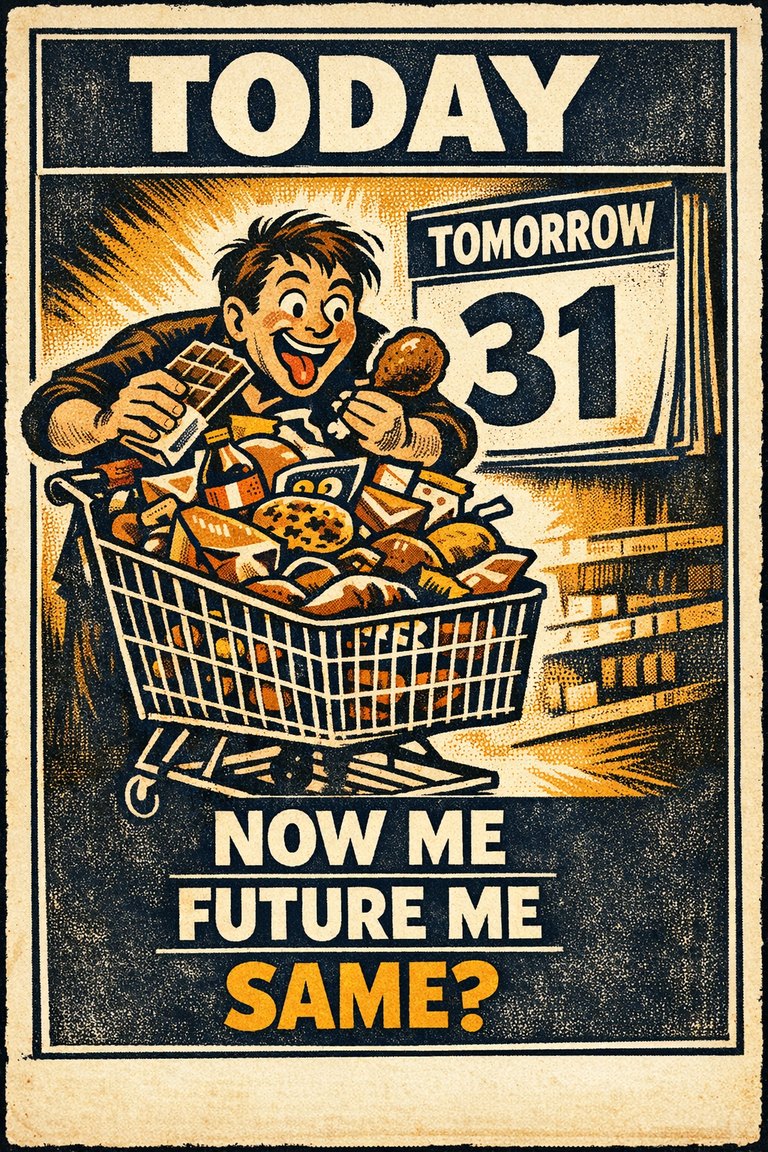
Projection bias
The tendency to overestimate how much your future preferences, values, and reactions will resemble whatever you feel strongly right now.
DecisionBaselinePersonal decisionsForecasting & planning