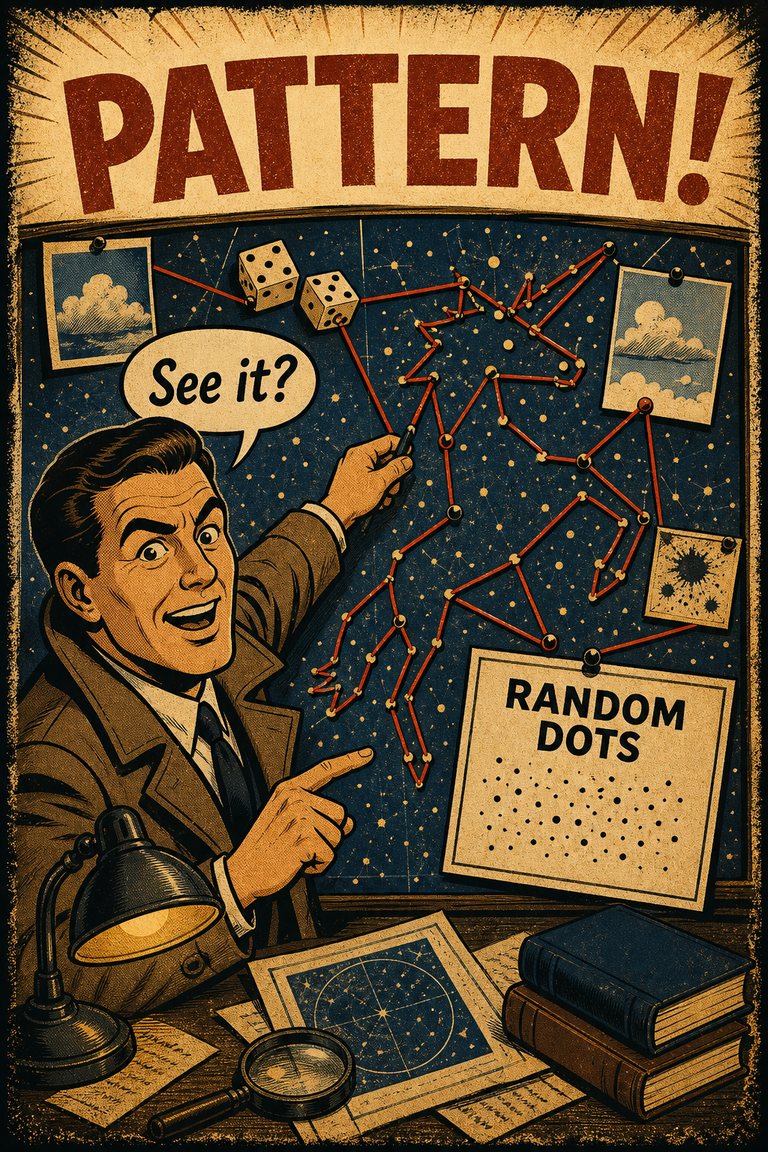
Apophenia
The tendency to perceive meaningful connections or patterns between unrelated things.
Causal AttributionOutcome

Cognitive Biases
A practical cognitive-bias site with clear definitions, learning paths, assessments, self-audits, and debiasing tools.
Pattern
The result of an event bends how the process, evidence, memory, or explanation is interpreted afterward.
This is the cross-cutting layer that helps the site feel more like a real reference and less like a flat list.
The tendency to perceive meaningful connections or patterns between unrelated things.
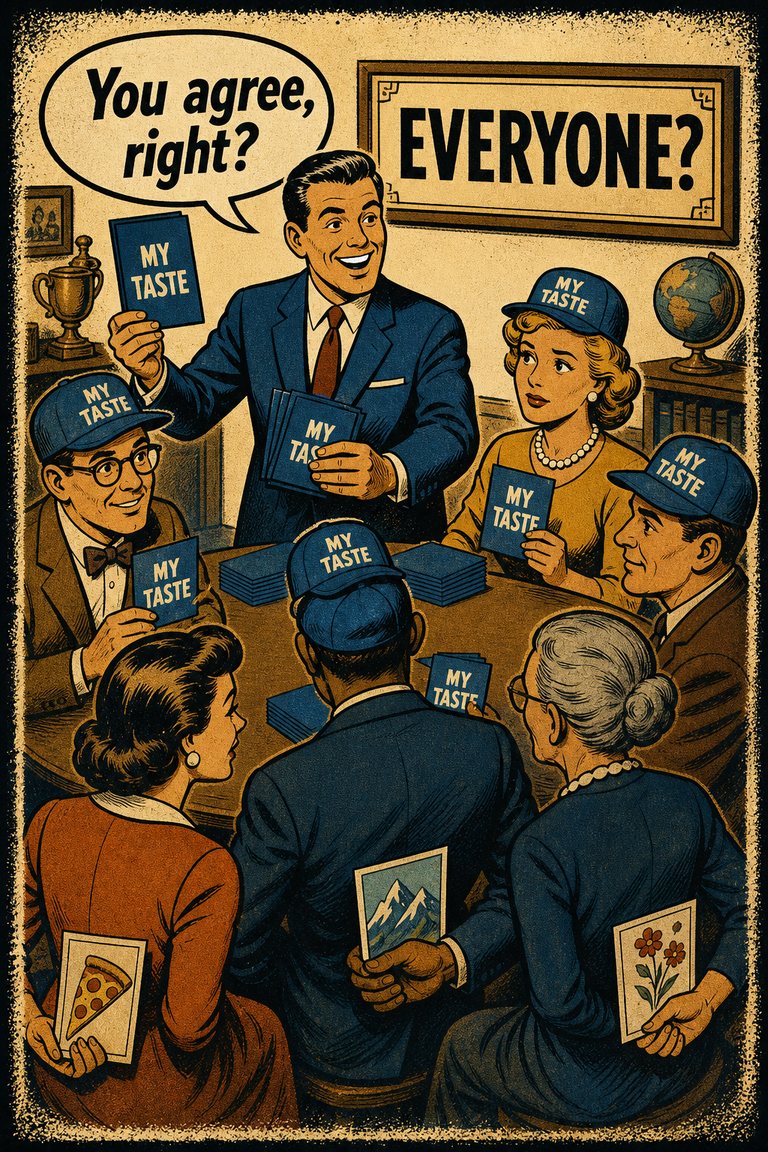
The tendency to assume other people are more similar to oneself than they really are.
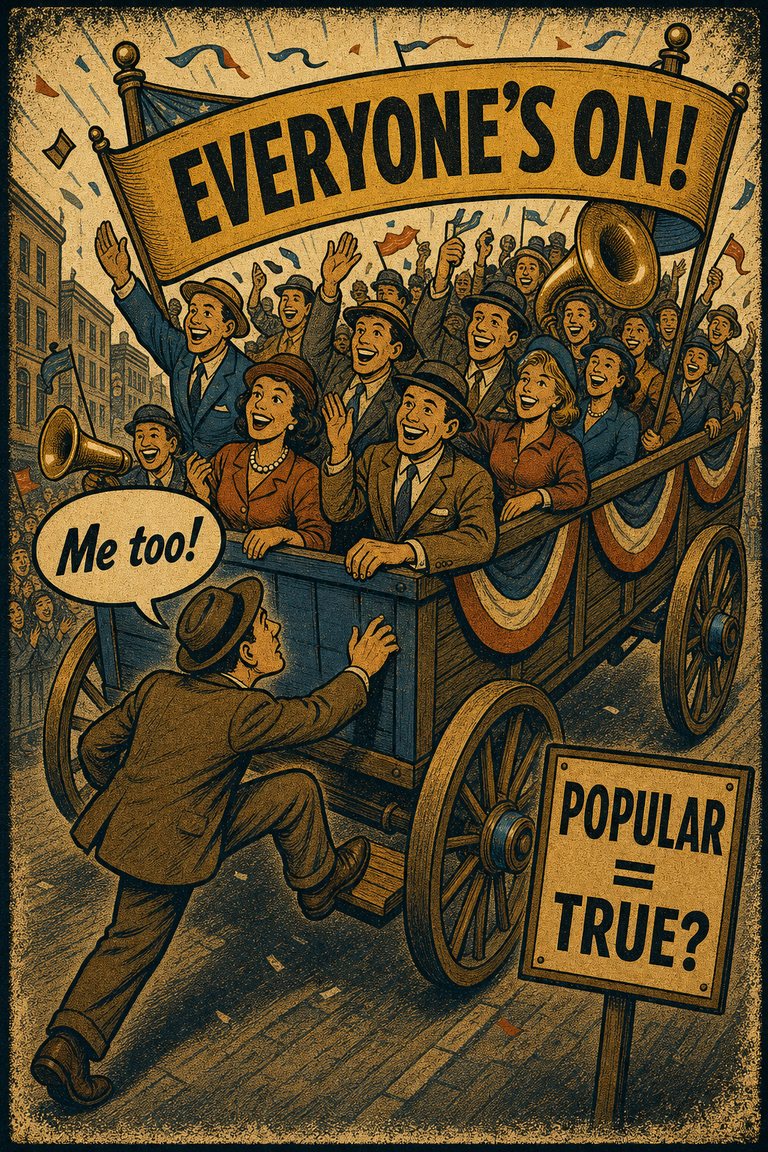
The tendency to do things because many other people do the same.

The tendency to accept vague, flattering, or generic descriptions as uniquely accurate of oneself.
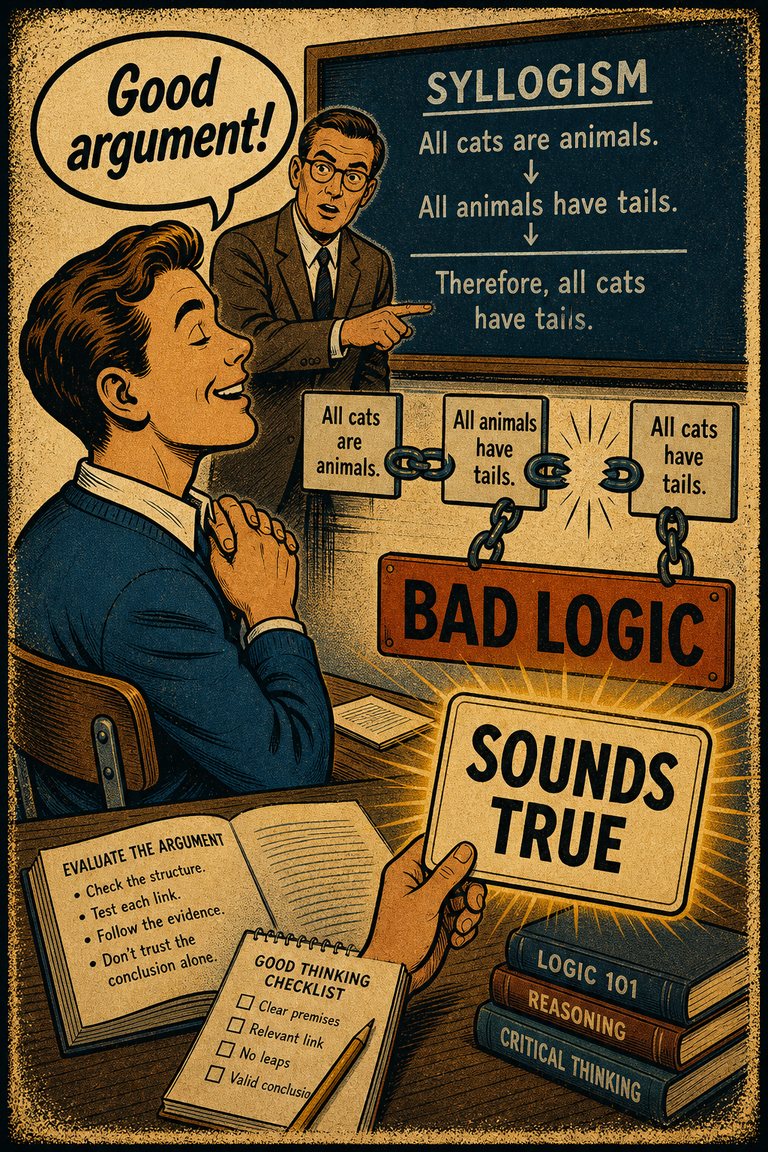
The tendency to judge an argument as stronger when its conclusion seems believable and weaker when its conclusion seems unbelievable, even if the reasoning structure is unchanged.
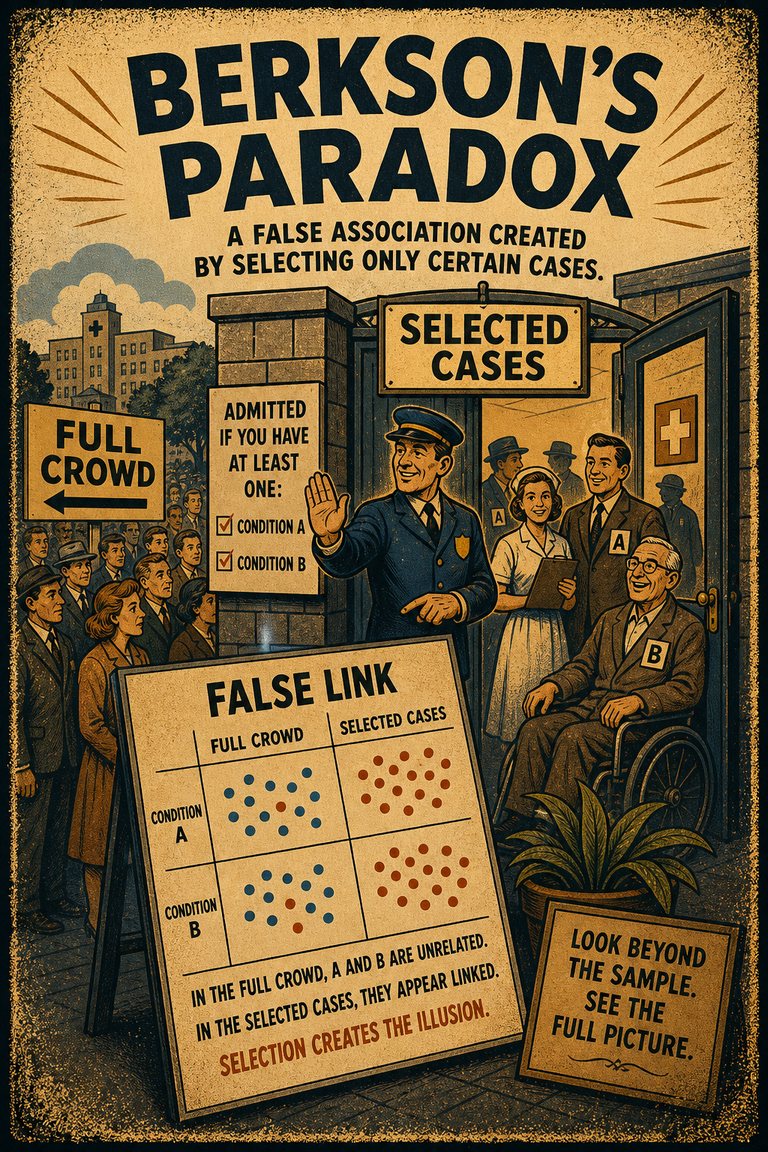
The tendency to draw misleading statistical conclusions from conditionally selected samples.
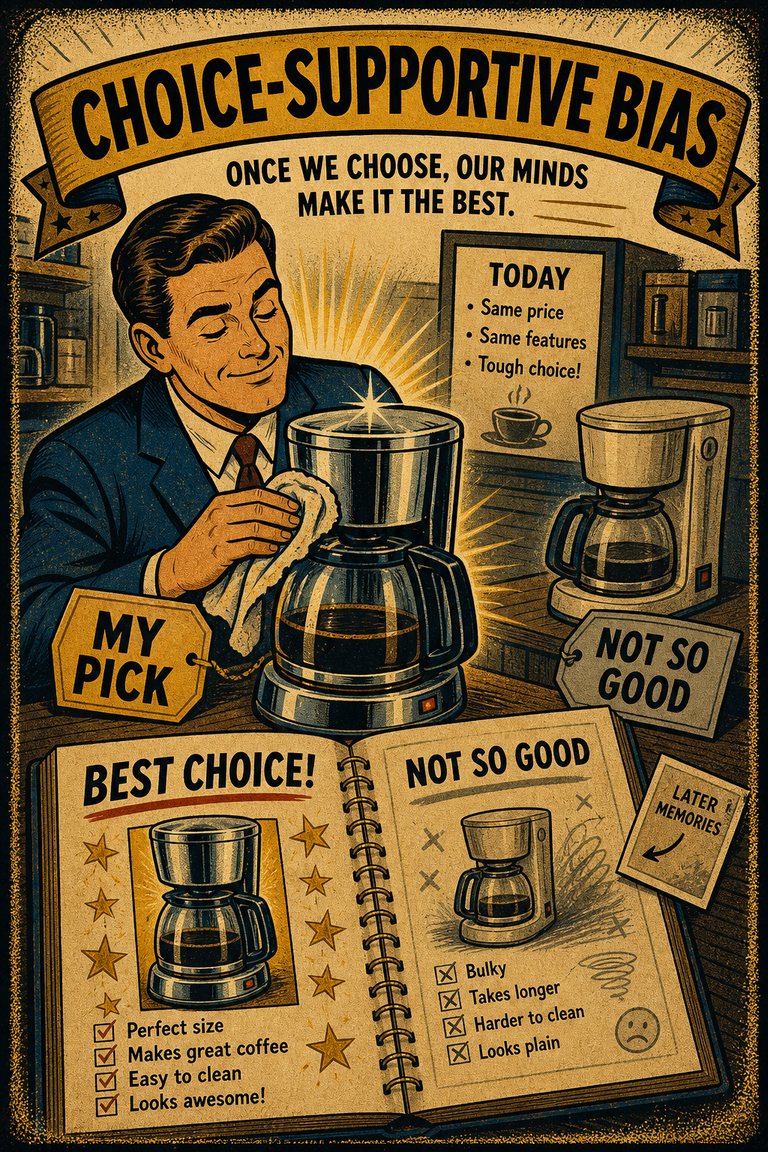
The tendency to remember one's choices as better than they actually were.
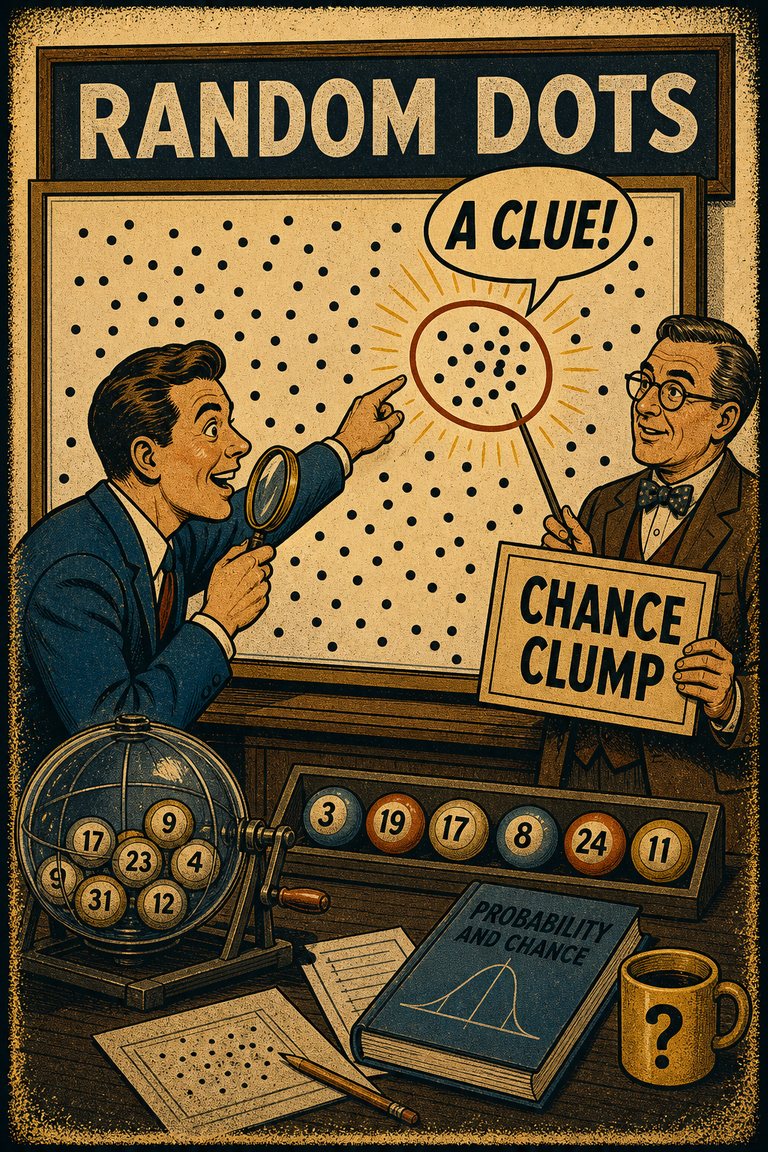
The tendency to overestimate the importance of small runs, streaks, or clusters in large samples of random data.
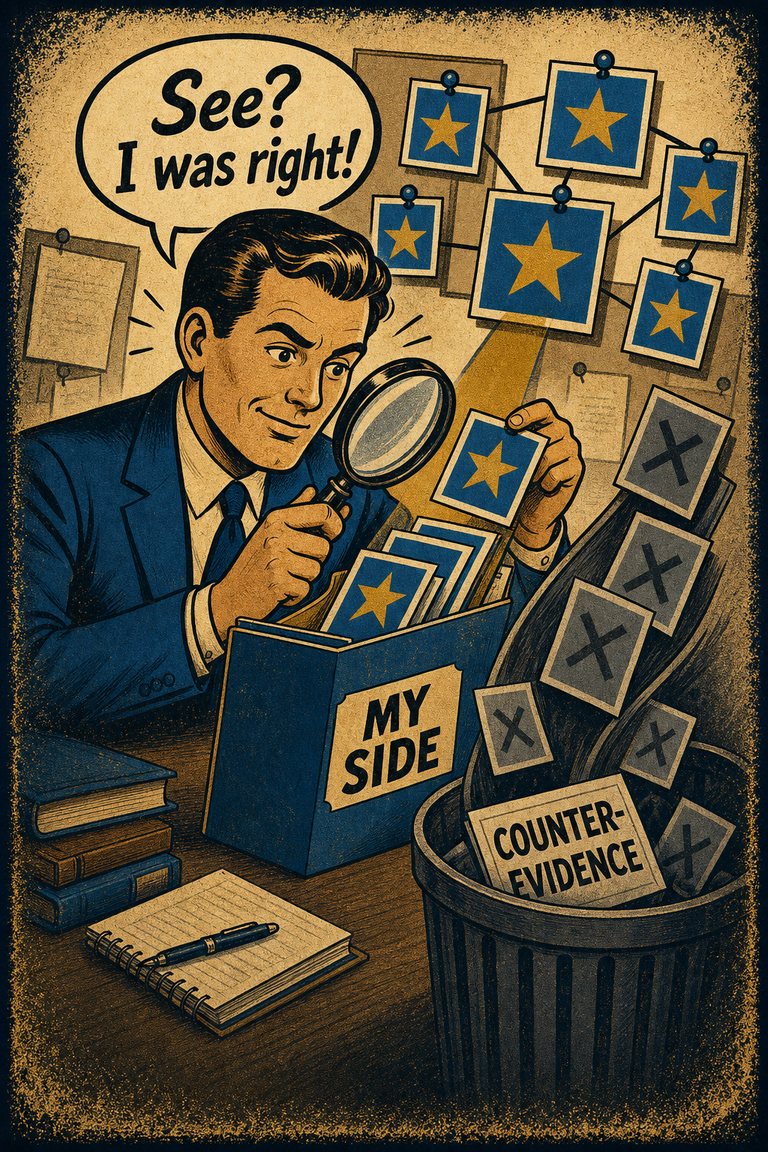
The tendency to notice, seek, and remember evidence that supports the story you already prefer more readily than evidence that threatens it.
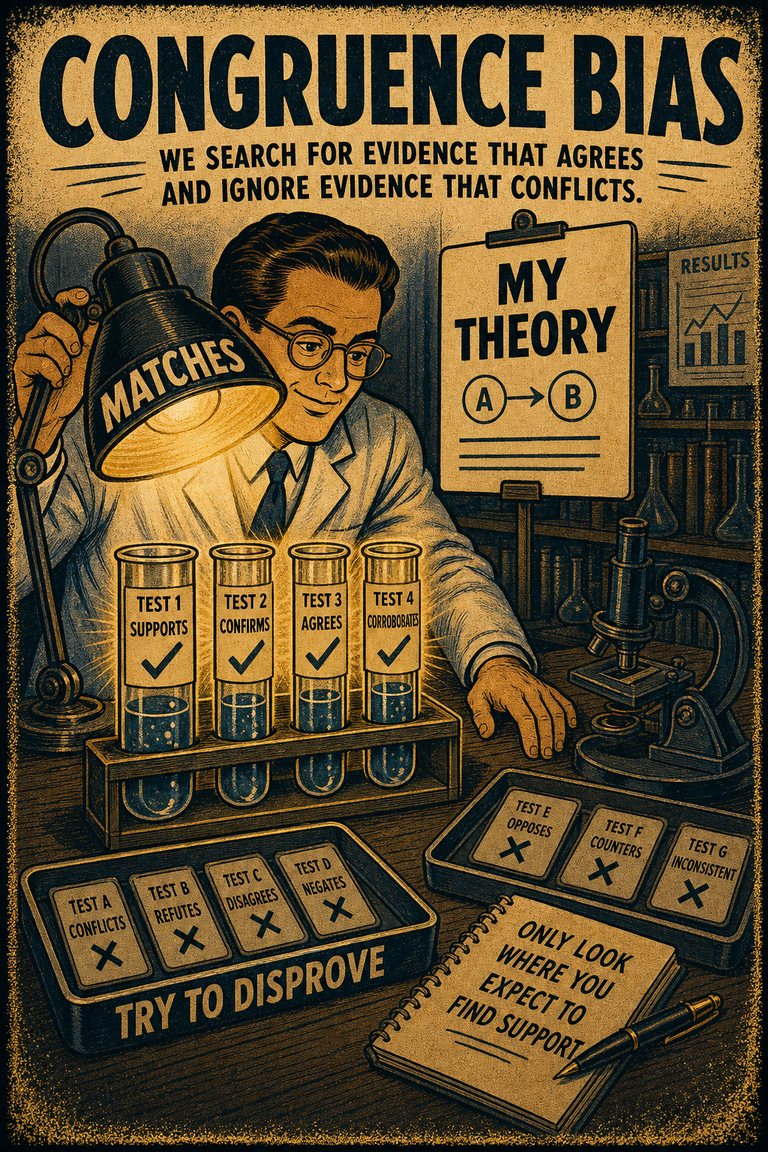
The tendency to test hypotheses exclusively through direct testing, instead of testing possible alternative hypotheses.
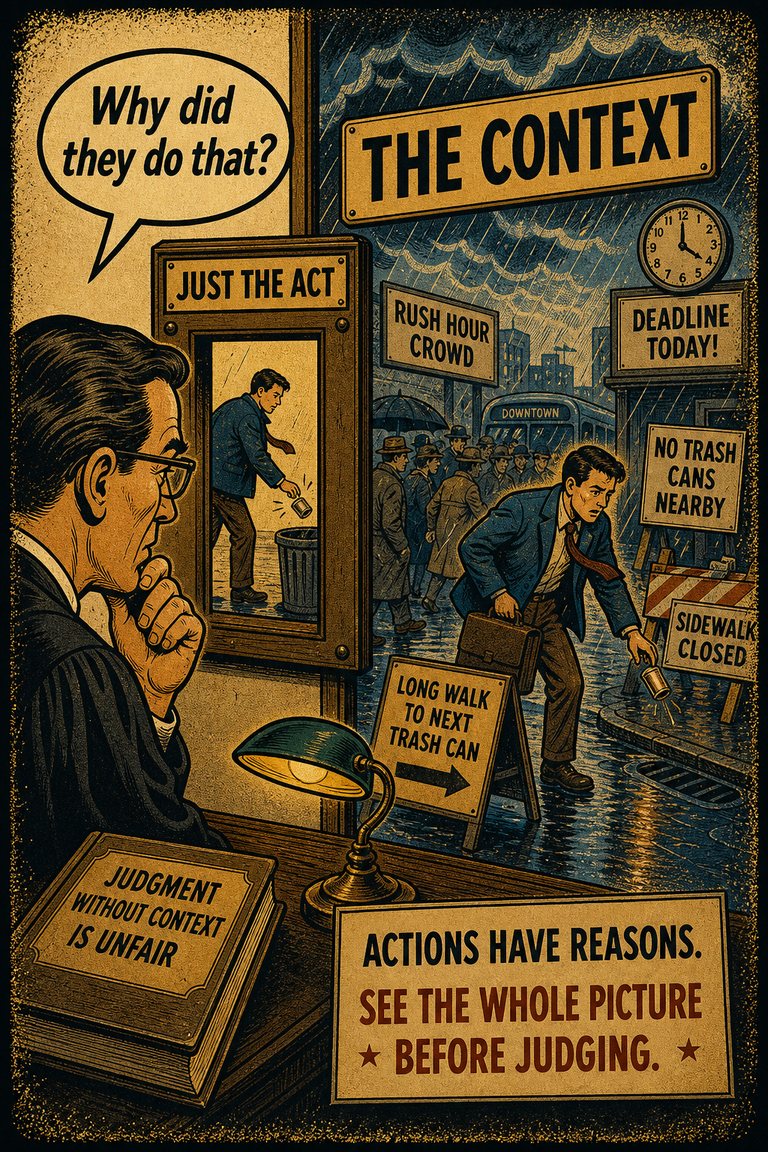
The tendency to neglect the human context of technological challenges.
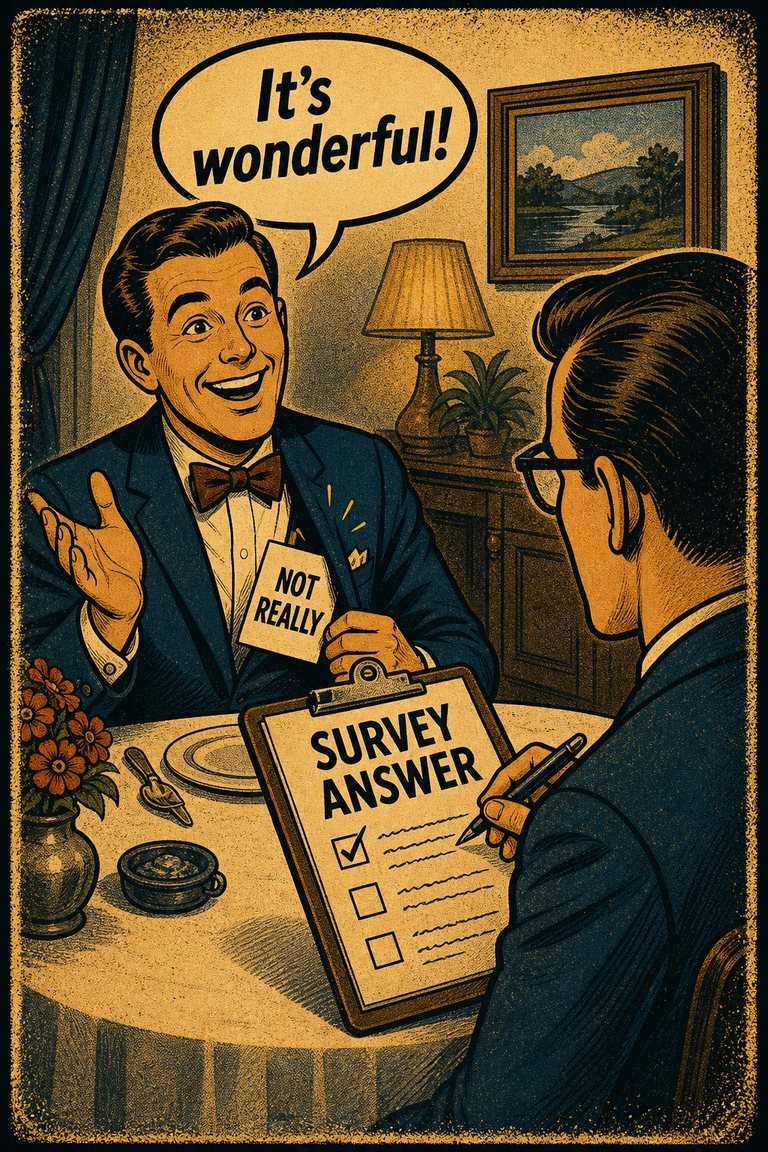
The tendency to give an opinion that is more socially correct than one's true opinion, so as to avoid offending anyone.
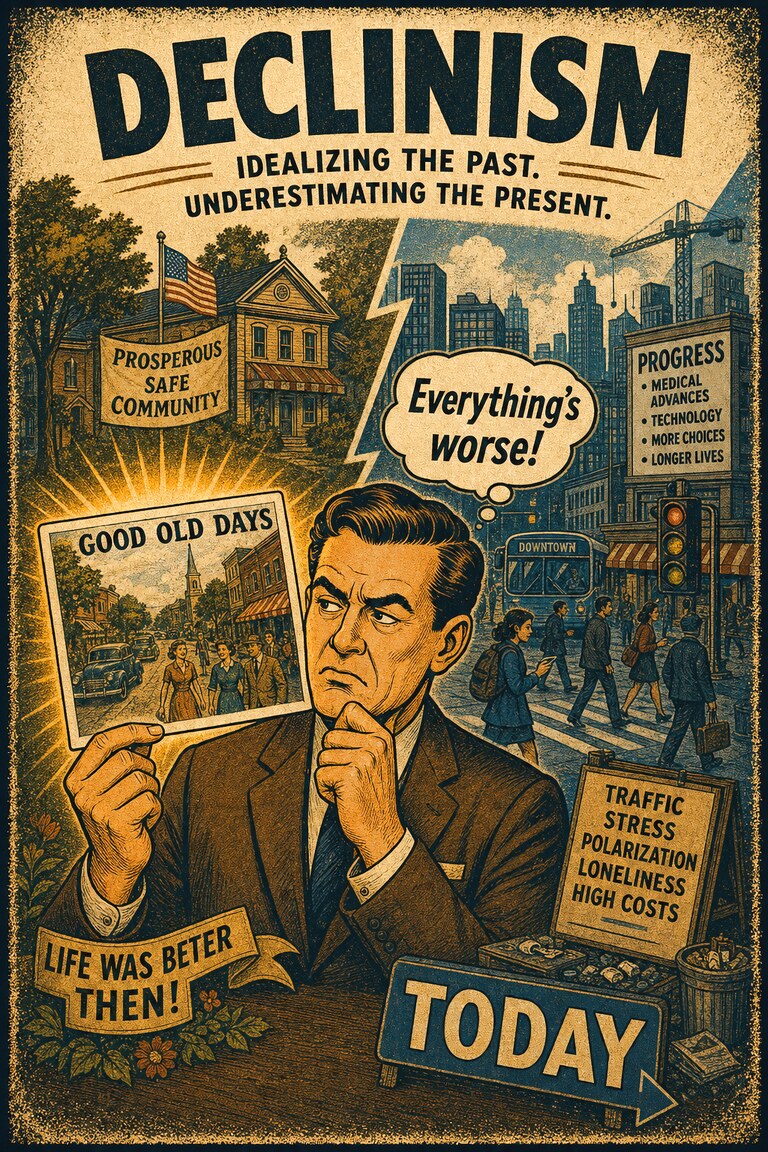
The predisposition to view the past favorably and the future unfavorably.
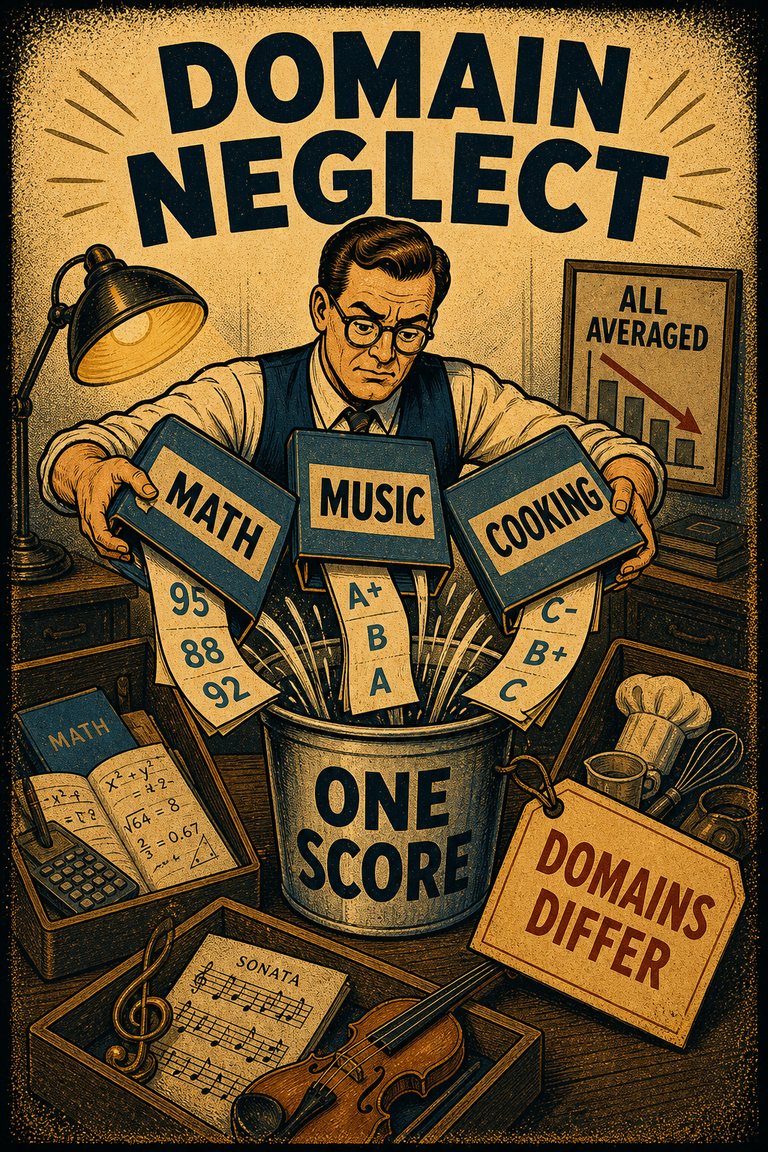
The tendency to ignore relevant domain knowledge when reasoning across unfamiliar fields.
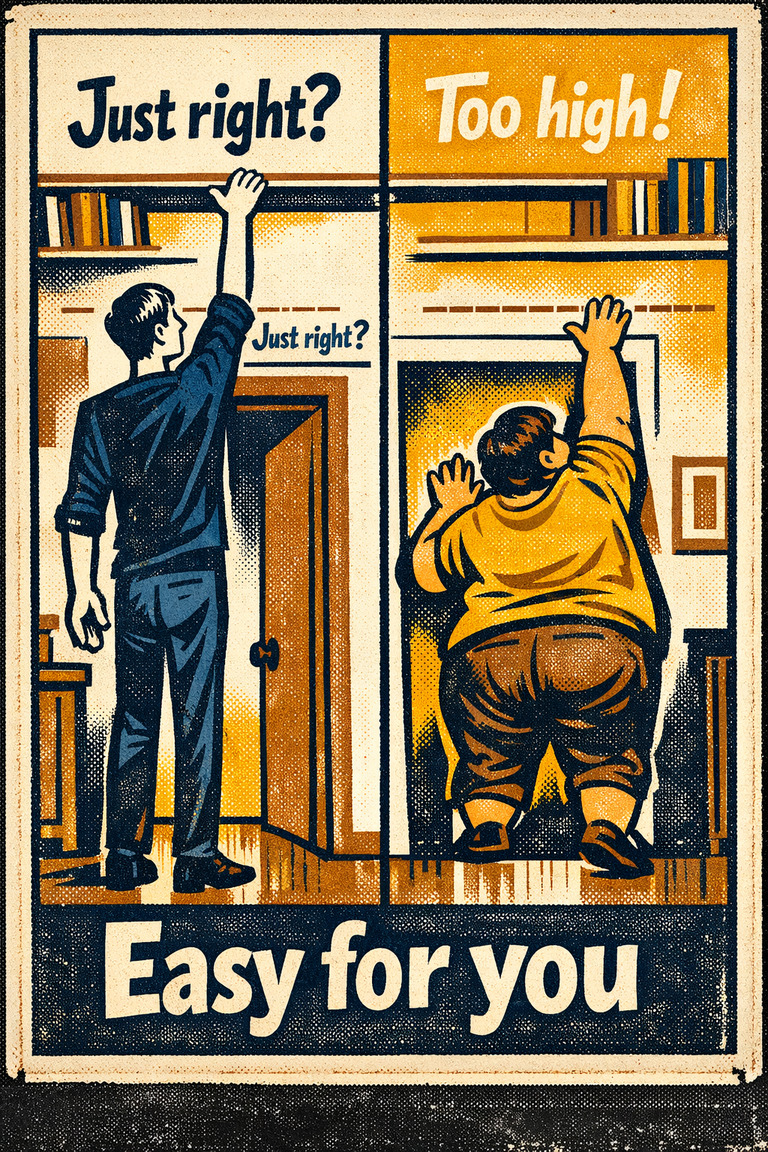
Biases in attribution of meaning and perceived properties to objects or events based on the physical capacities and properties of the body, such as sex and temperament.

The tendency of people to remember past experiences favorably while overlooking bad experiences associated with them.
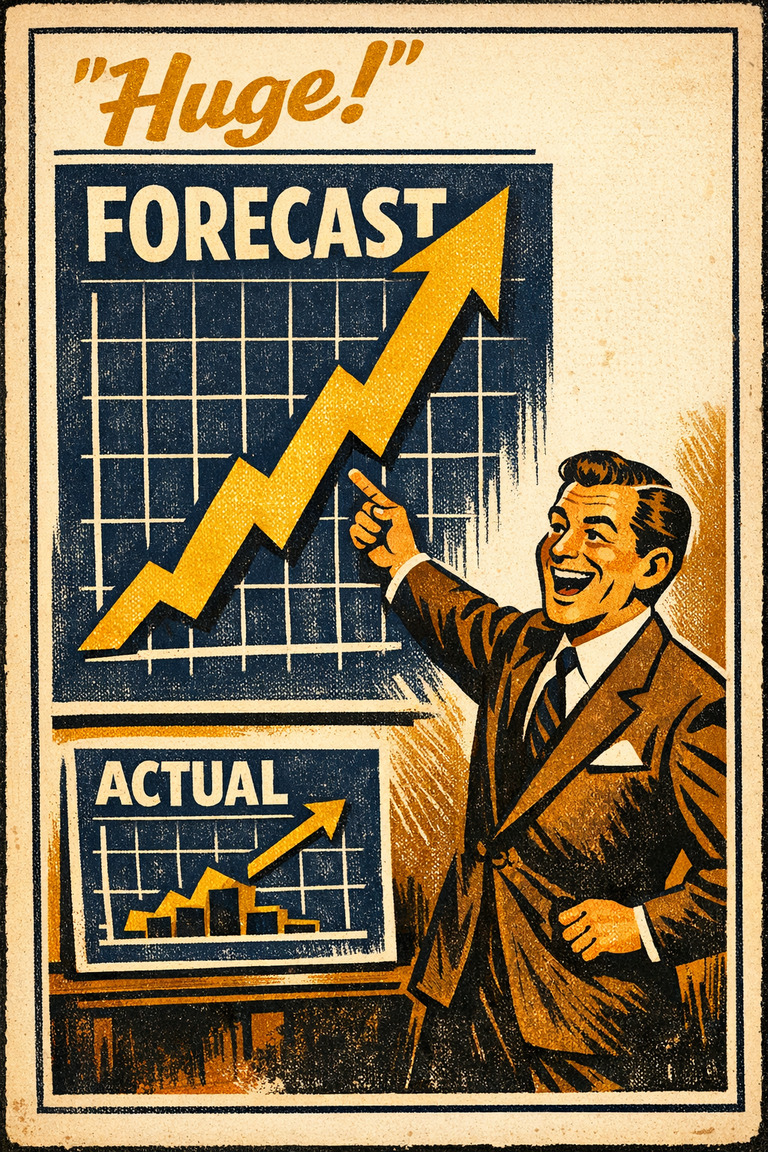
The tendency to expect or predict more extreme outcomes than those outcomes that actually happen.
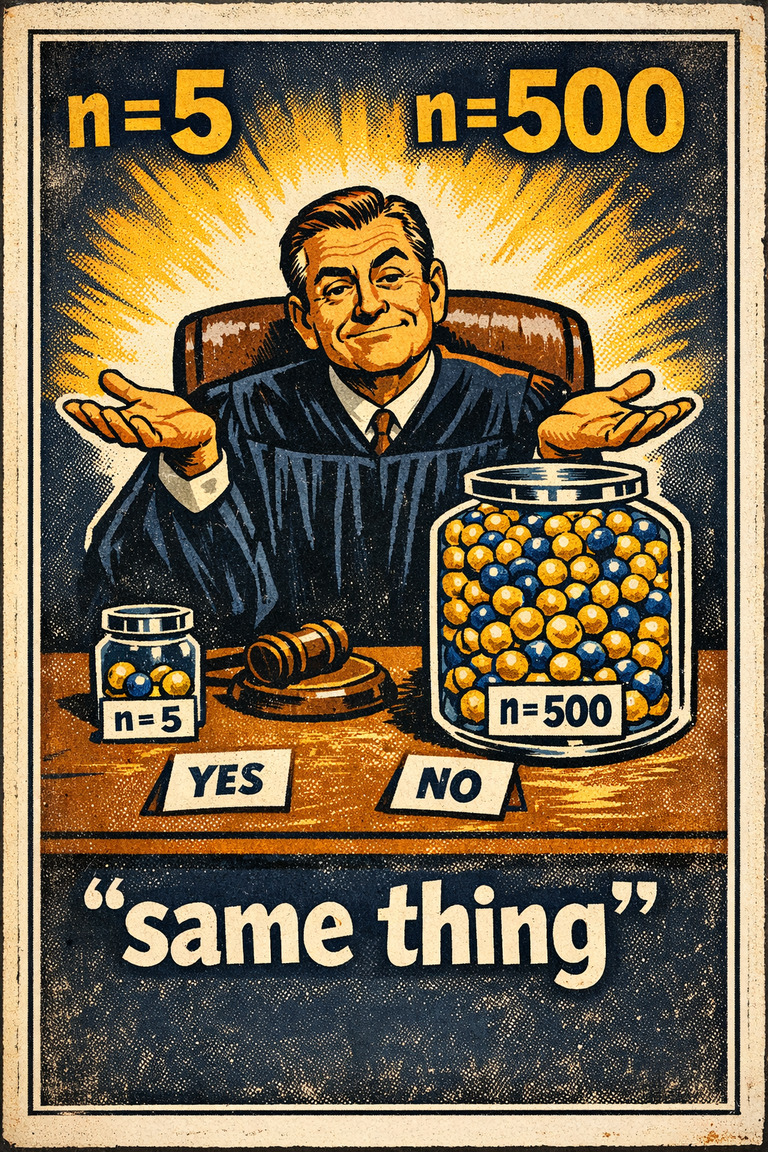
The tendency to judge outcomes without giving enough weight to sample size or quantity.
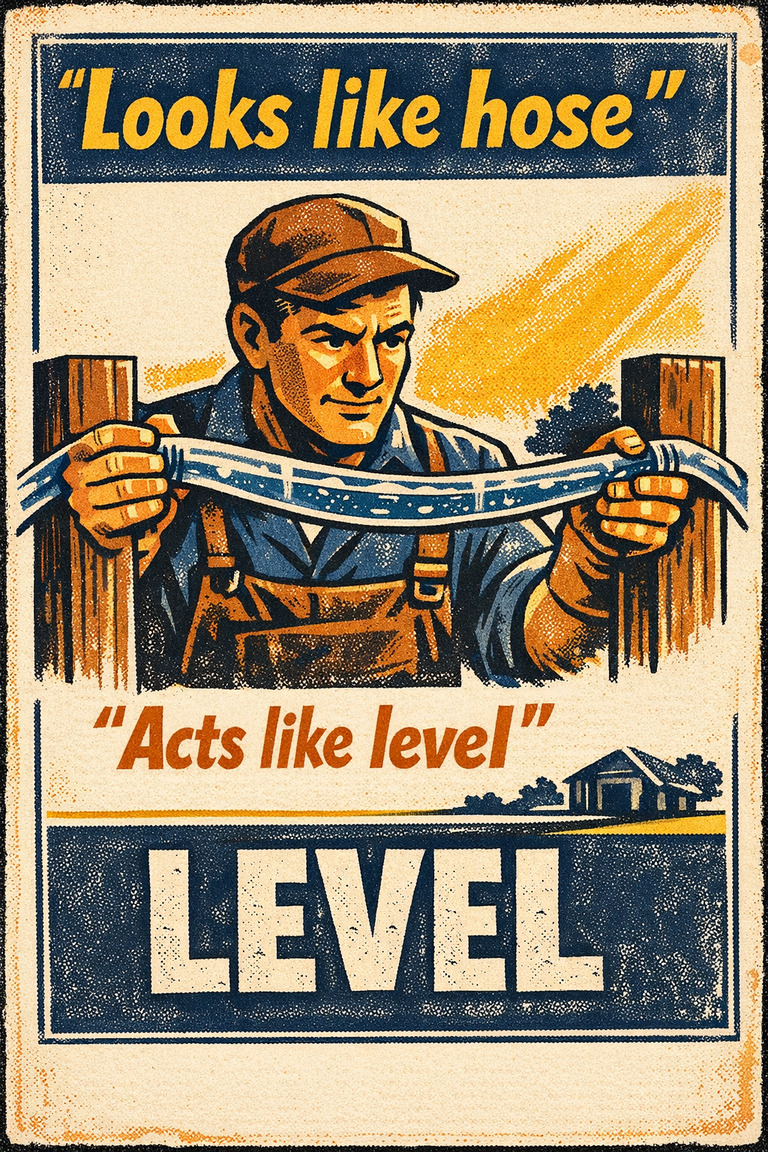
In human–robot interaction, the tendency of people to make systematic errors when interacting with a robot.
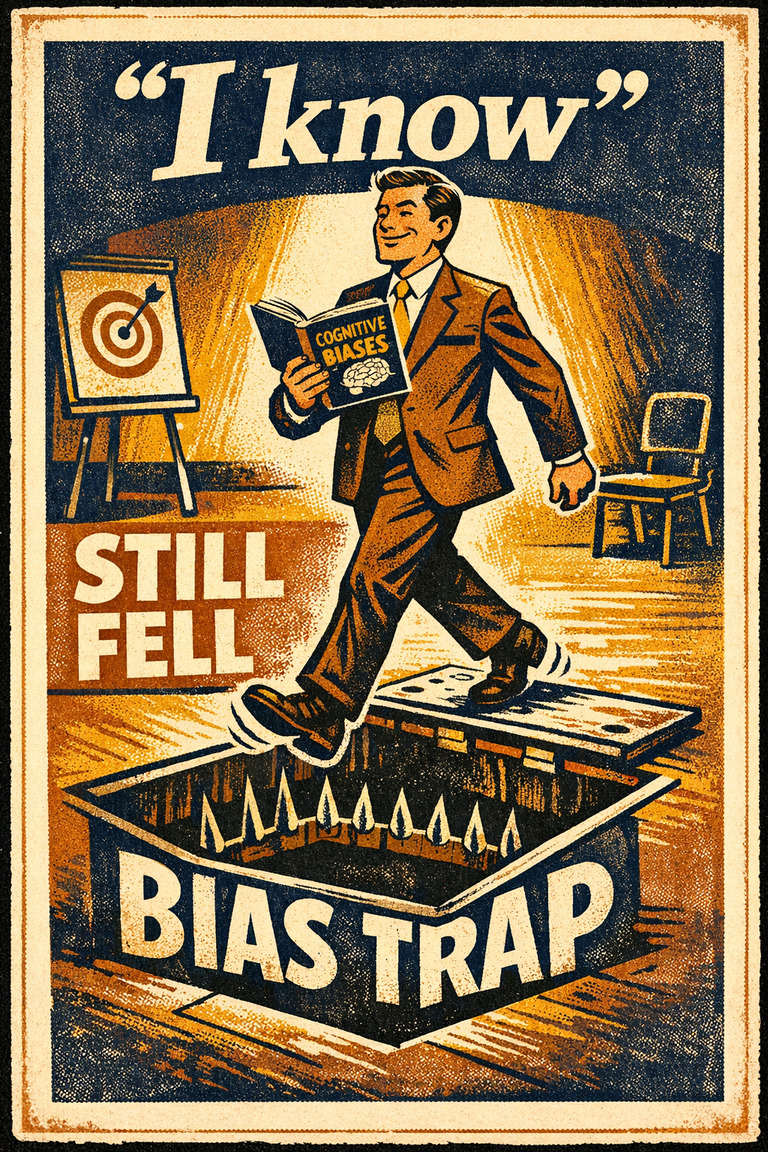
The tendency to think that knowing about cognitive bias is enough to overcome it.

A widespread set of implicit biases that discriminate against a gender.

The tendency to project one member's traits or a group decision onto the whole group.

The tendency for current satisfaction to distort how positively or negatively past experience is remembered.
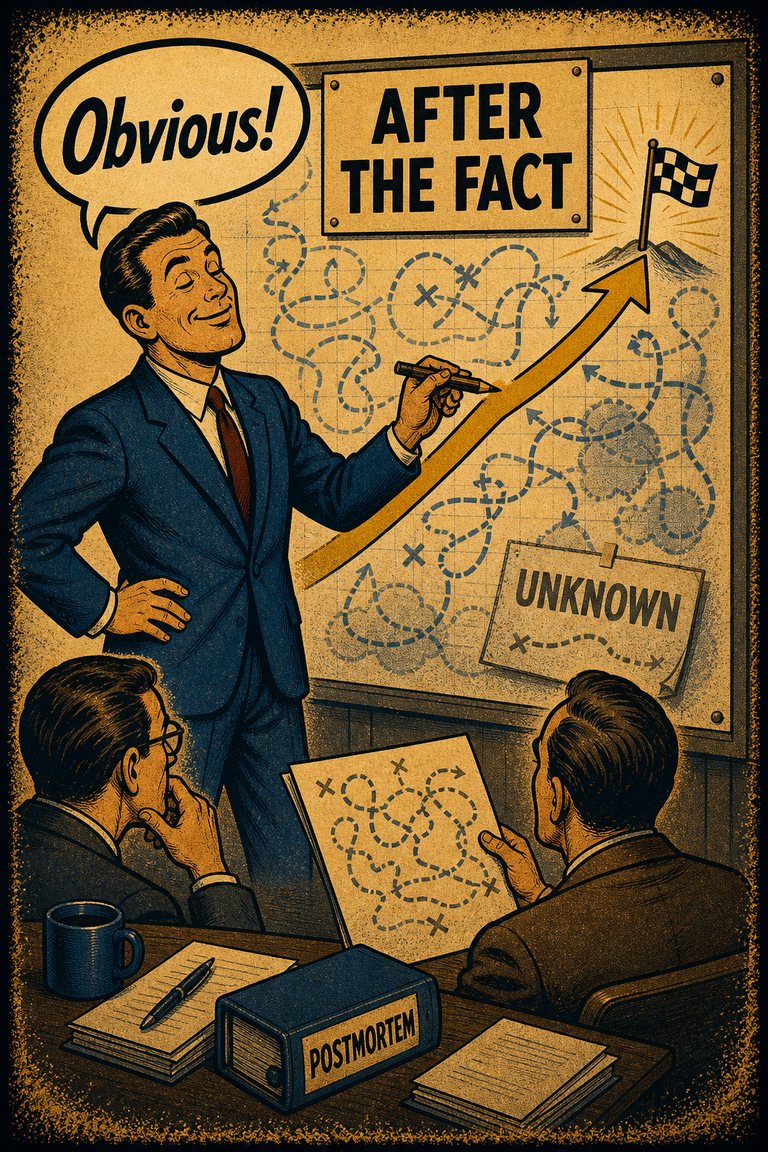
The tendency after an outcome is known, to see it as having been more obvious or predictable than it actually was beforehand.
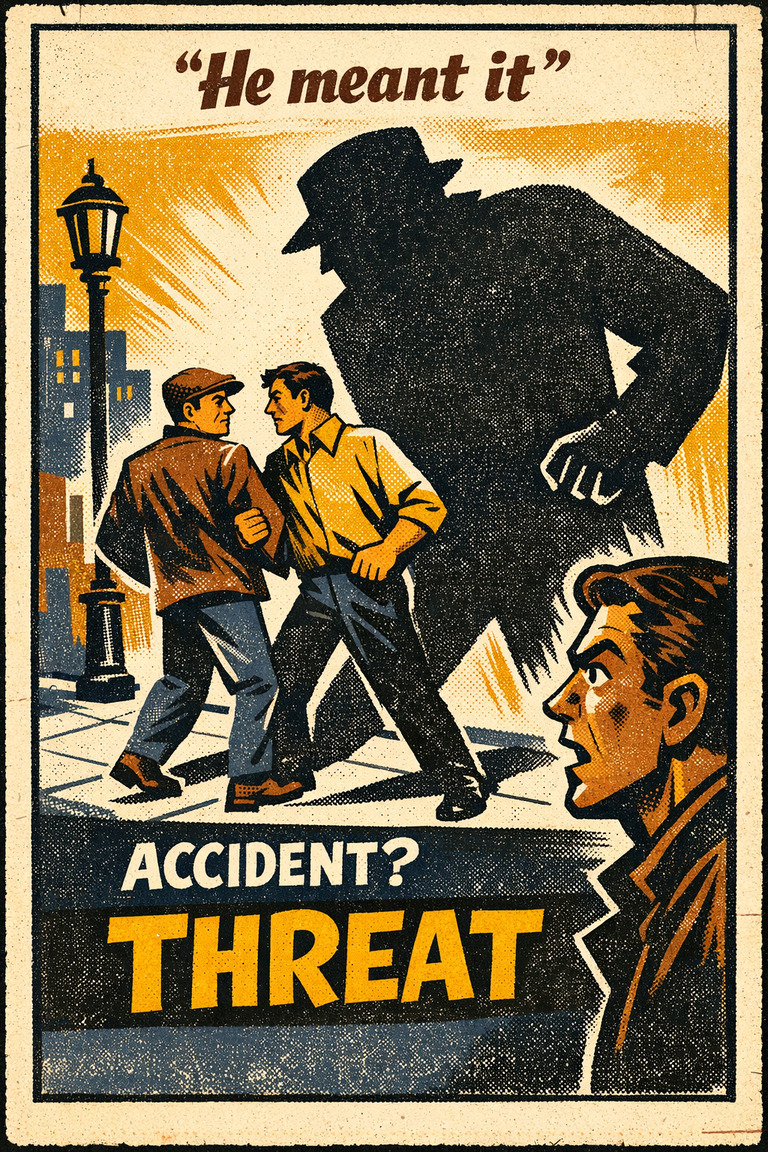
The tendency to read ambiguous behavior as hostile, threatening, or intentionally disrespectful even when the evidence is underdetermined.
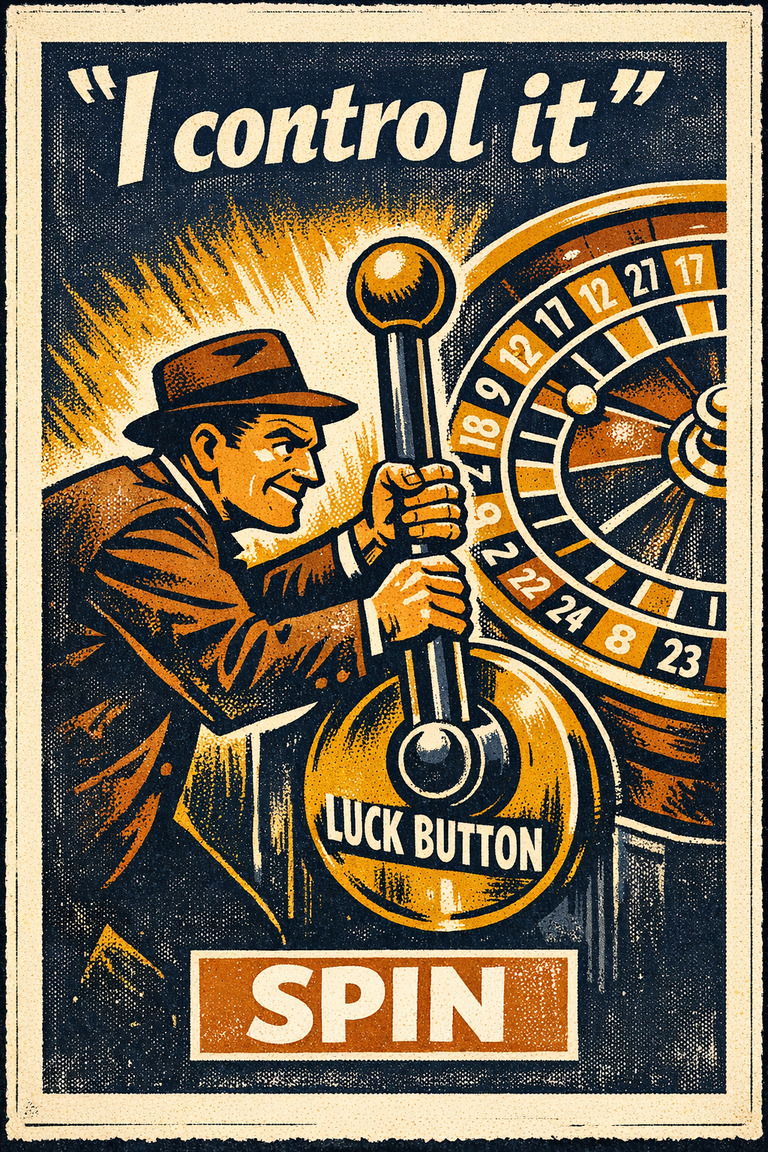
The tendency to overestimate one's degree of influence over other external events.
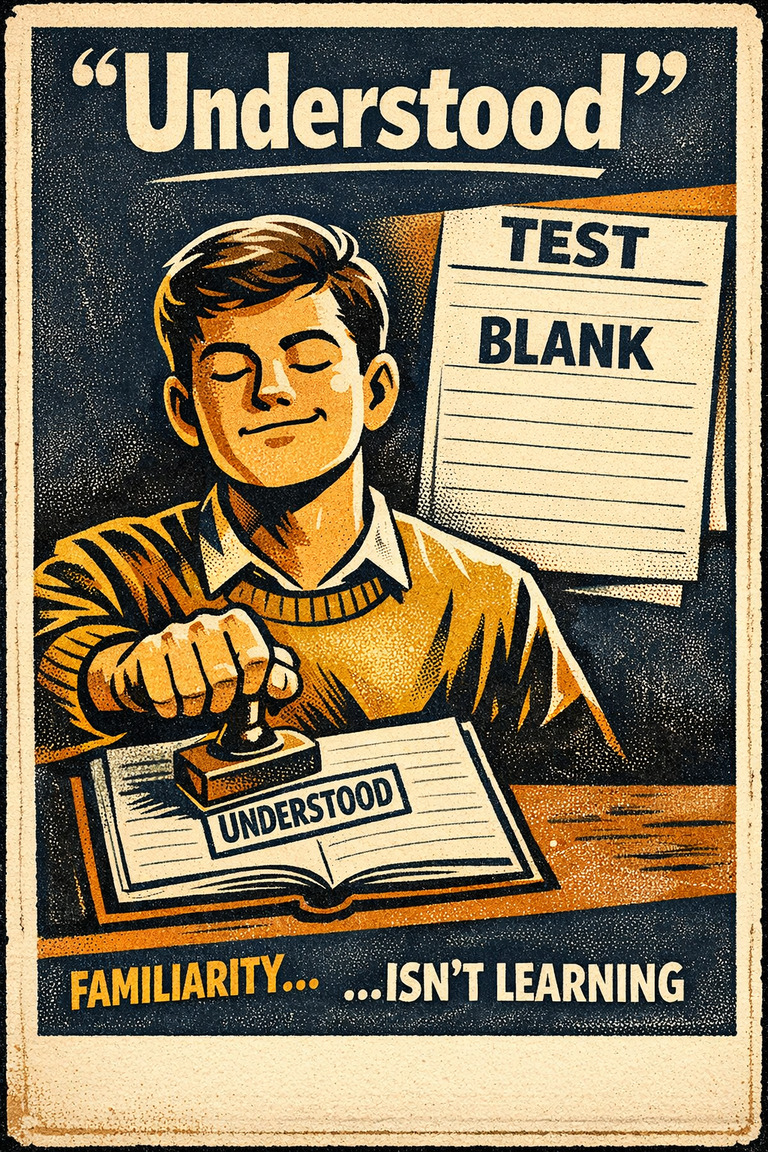
A false belief that if you understand something you learned and acquired a knowledge about it.
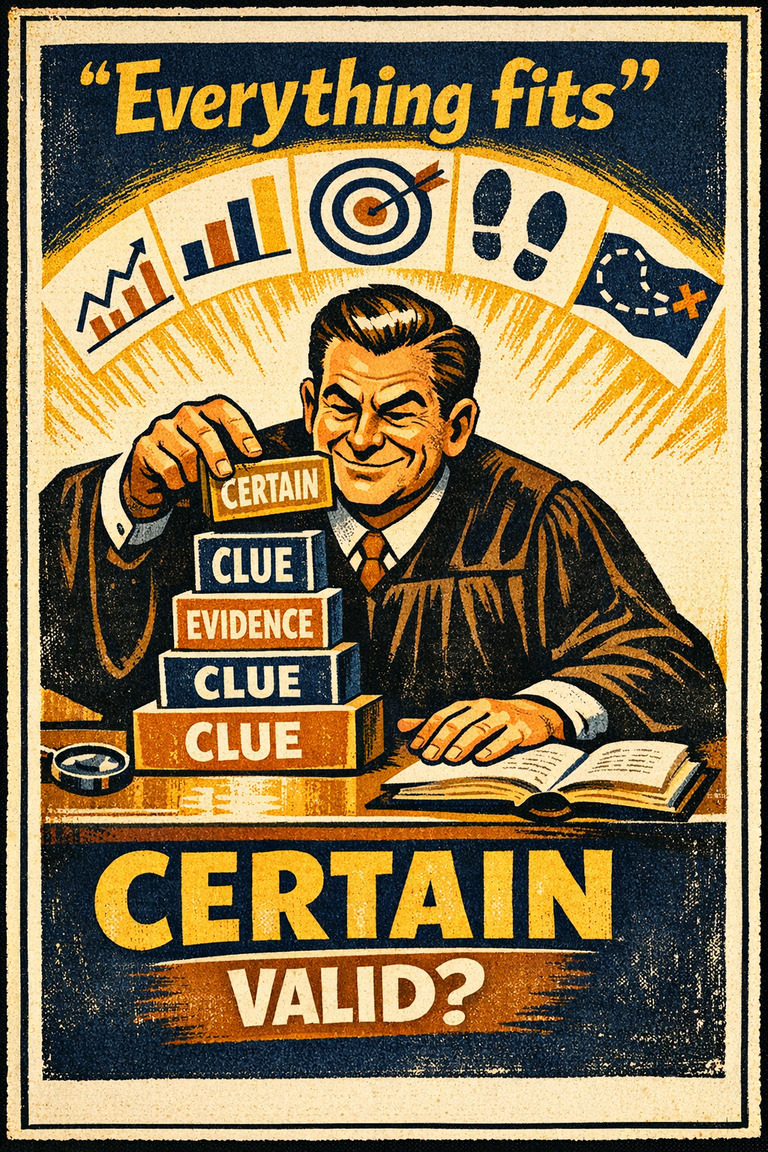
The tendency to overestimate the accuracy of one's judgments, especially when available information is consistent or inter-correlated.
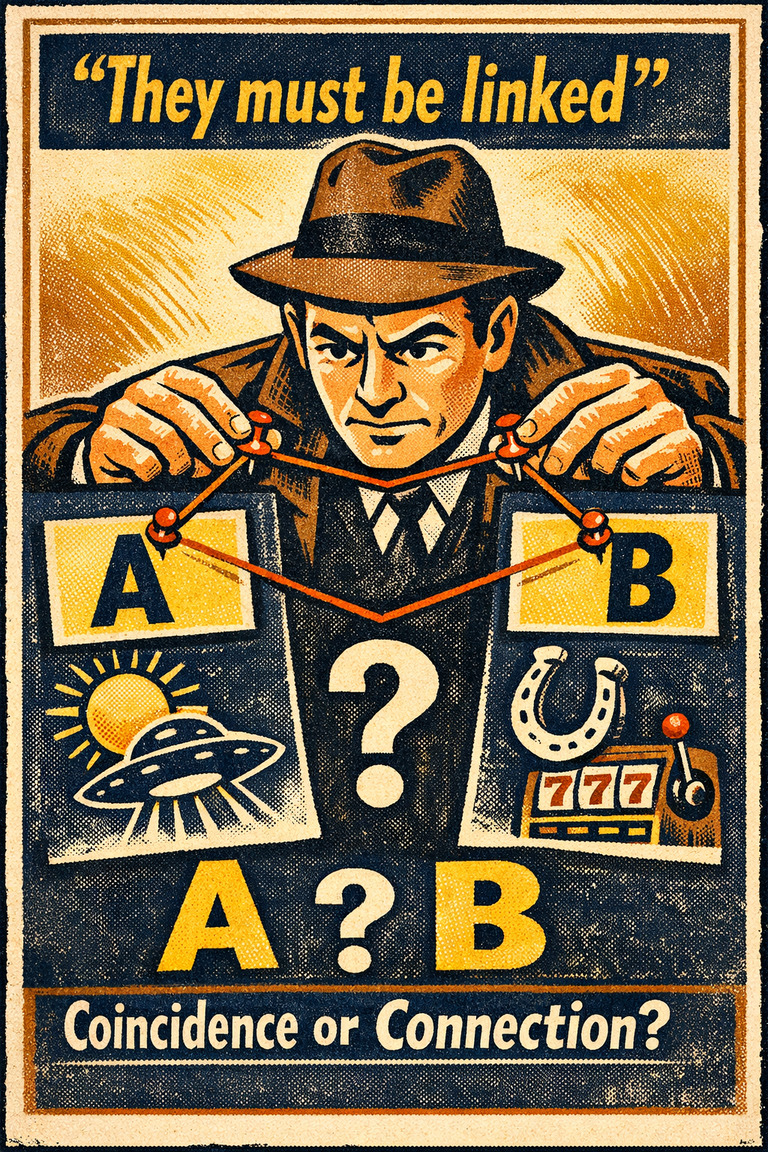
Inaccurately seeing a relationship between two events related by coincidence.
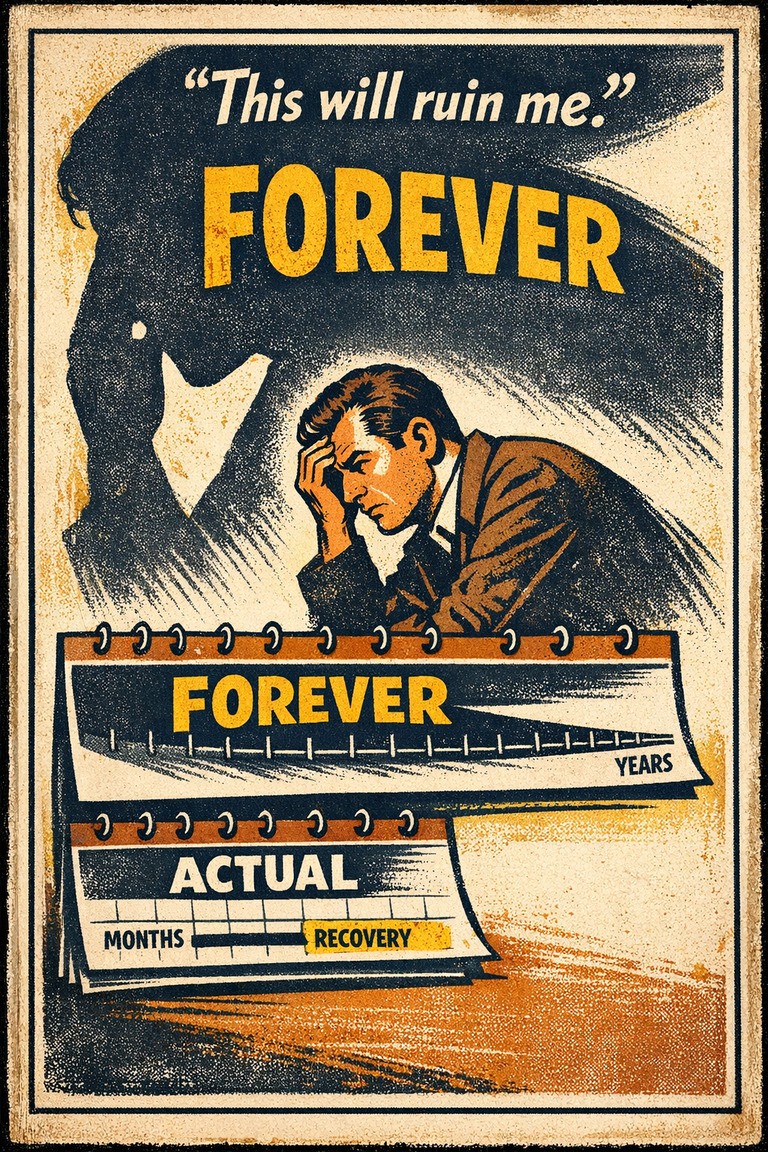
The tendency to overestimate the length or the intensity of the impact of future feeling states.
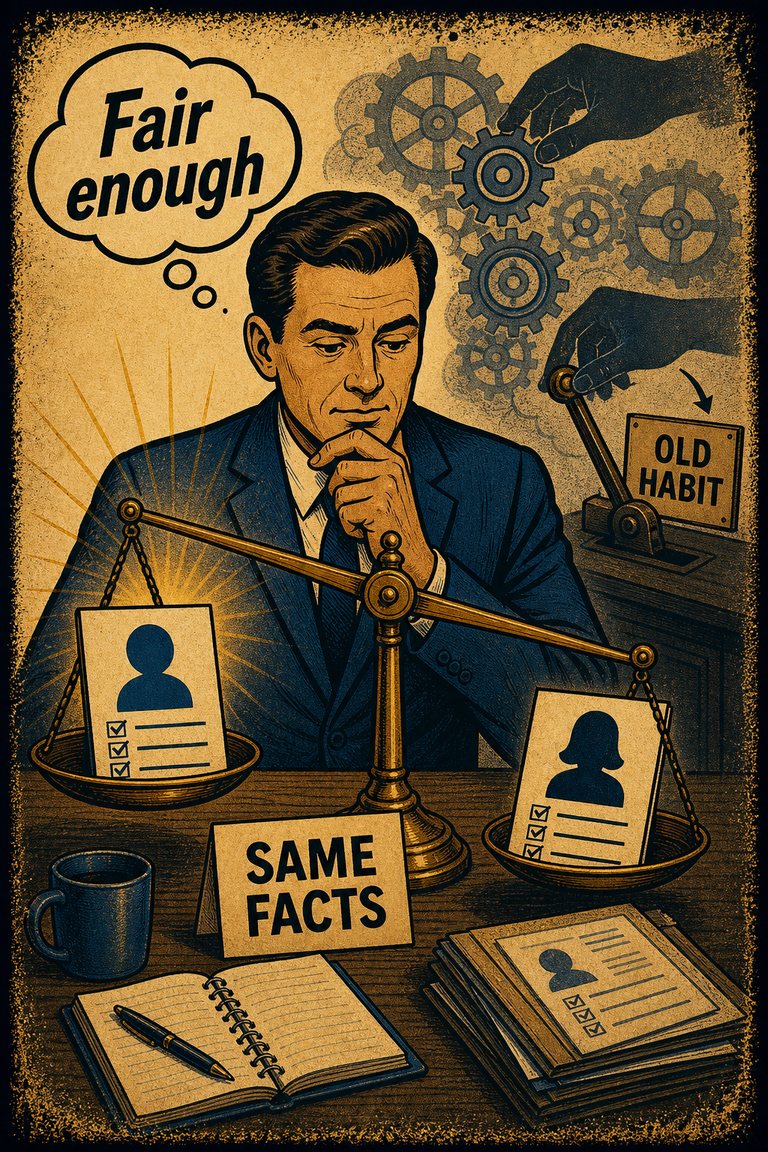
The underlying attitudes and stereotypes that people unconsciously attribute to another person or group of people that affect how they understand and engage with them.

The tendency to seek information even when it cannot affect action.
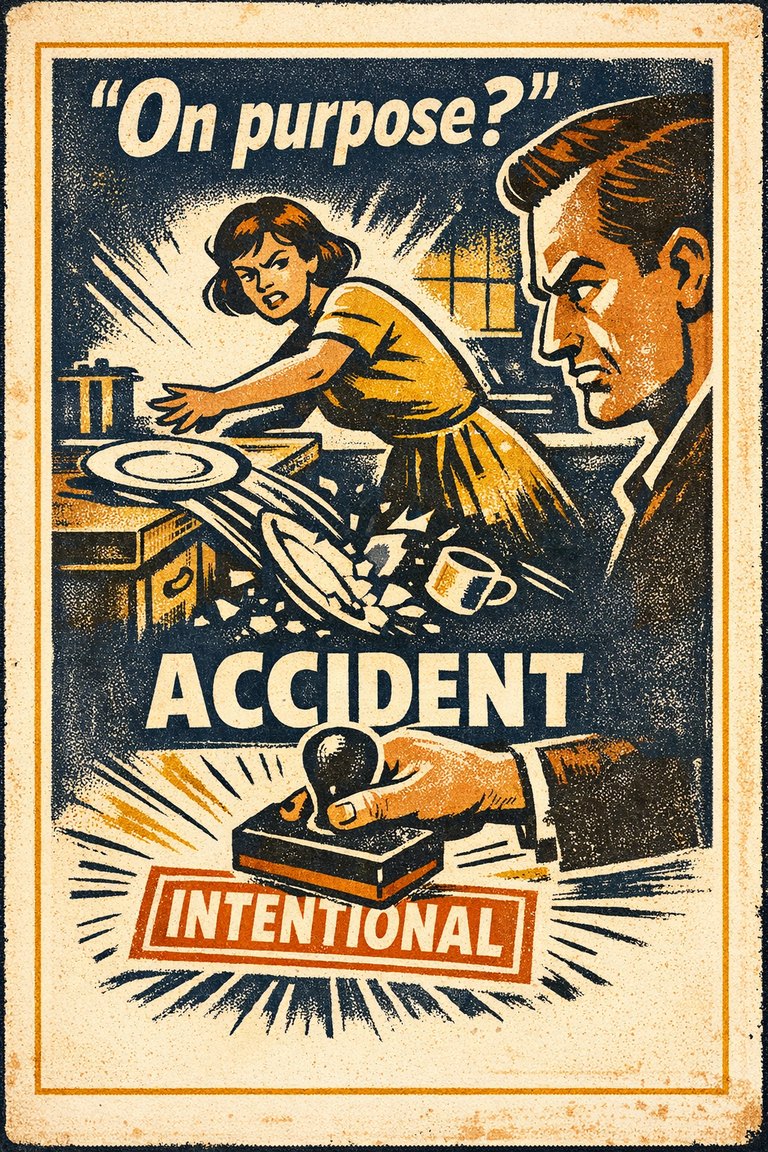
The tendency to judge human action to be intentional rather than accidental.

The tendency to assume that people usually get what they deserve, which encourages reinterpretation of suffering, injustice, or bad luck as somehow earned.
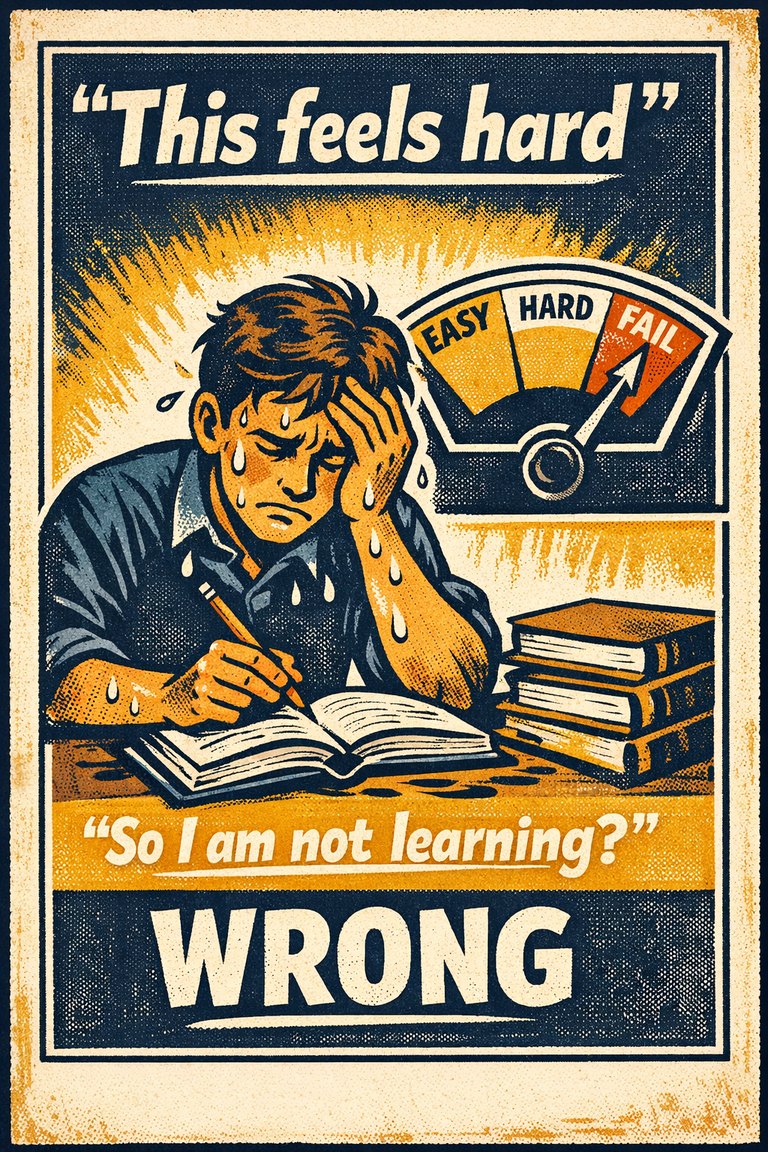
The tendency to interpret learning effort as a sign of poor learning rather than durable learning.
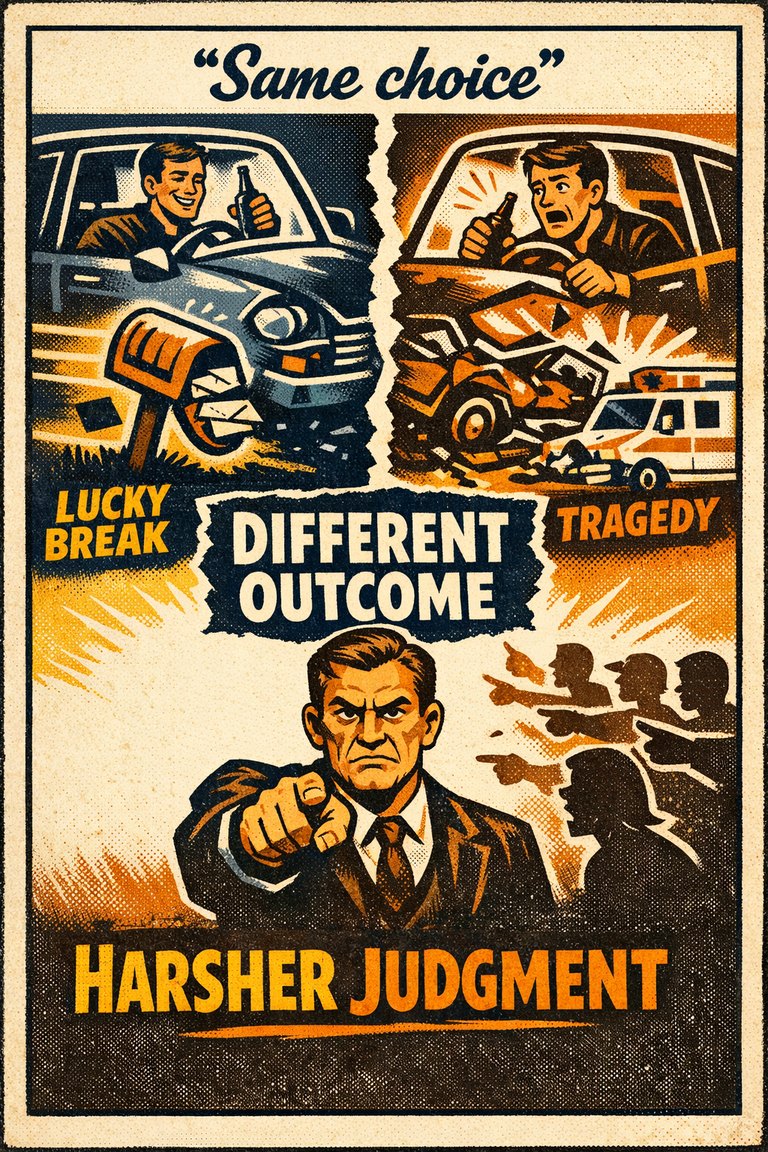
The tendency for people to ascribe greater or lesser moral standing based on the outcome of an event.
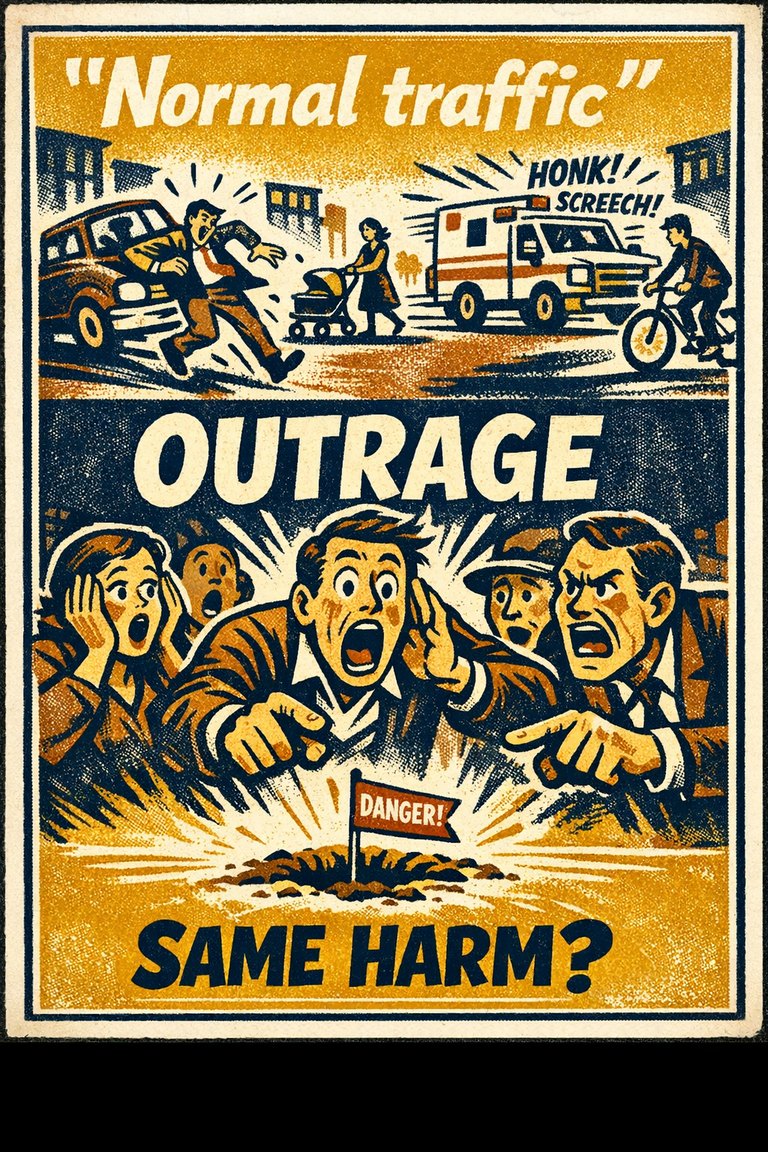
The tendency to treat motor vehicle use as normal while discounting harms that would stand out in other contexts.
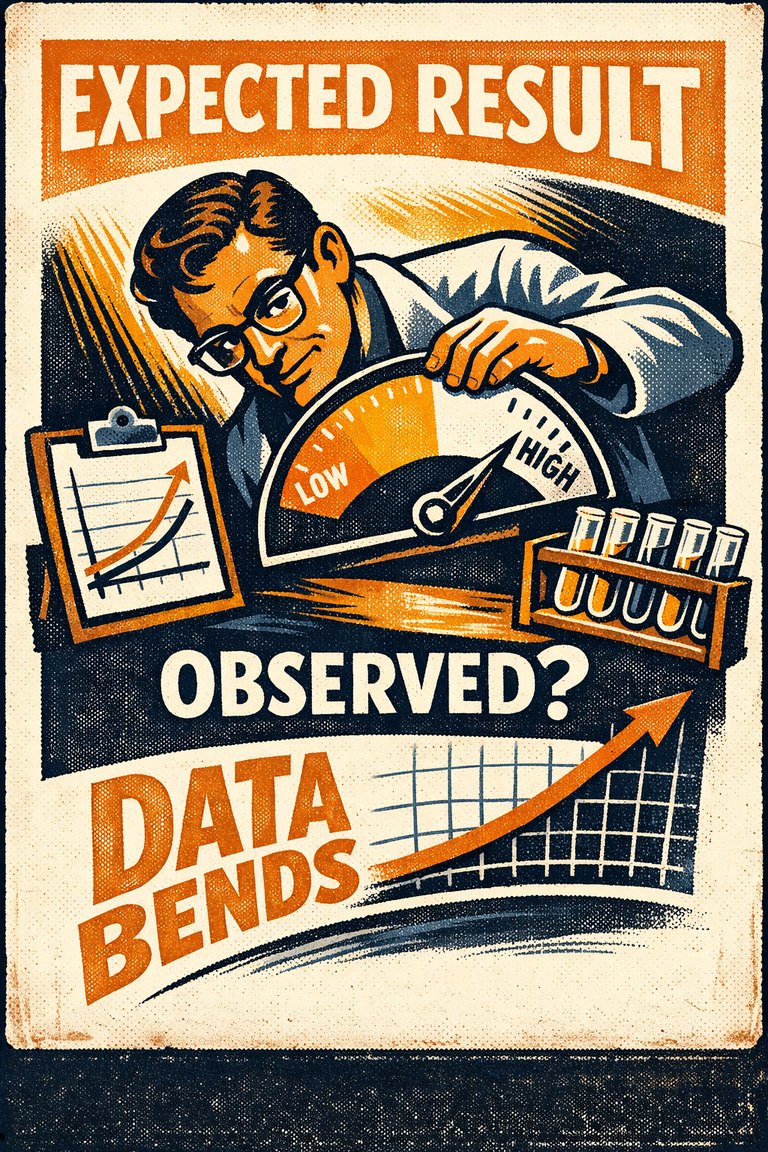
The tendency for a researcher's expectations to unconsciously shape procedures, observations, or interpretations.
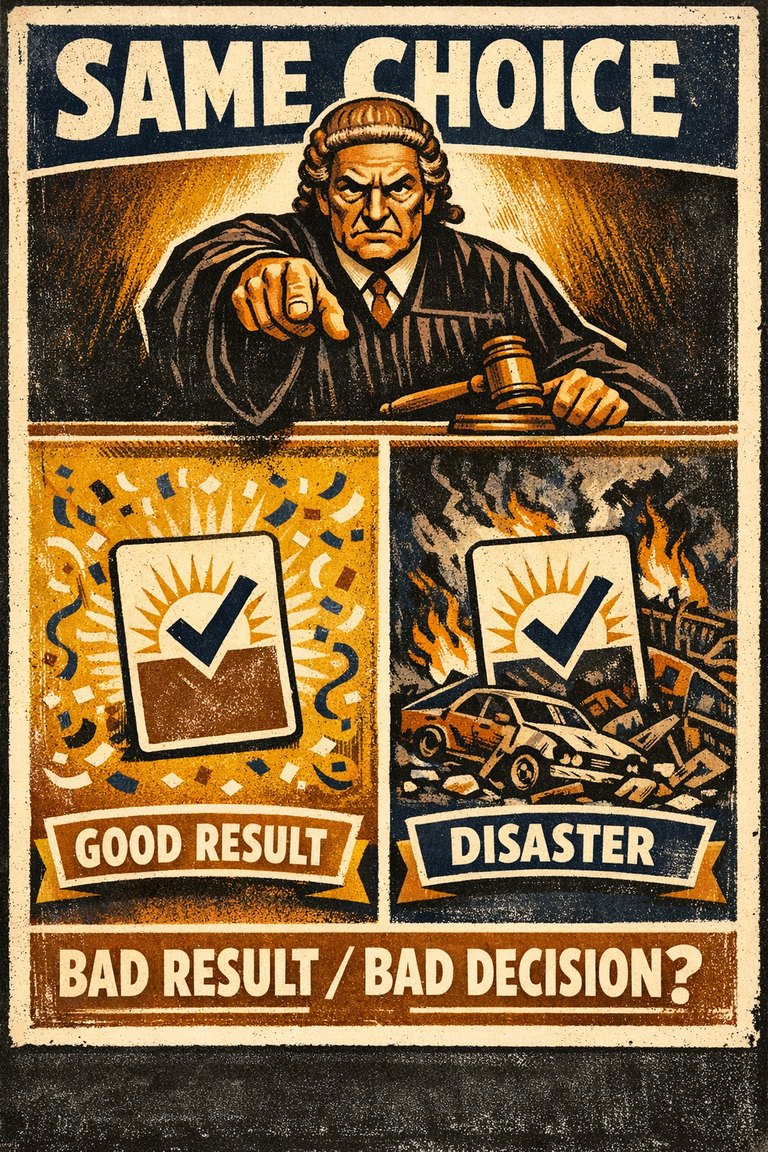
The tendency to judge a decision mainly by its result rather than by the quality of the reasoning behind it.
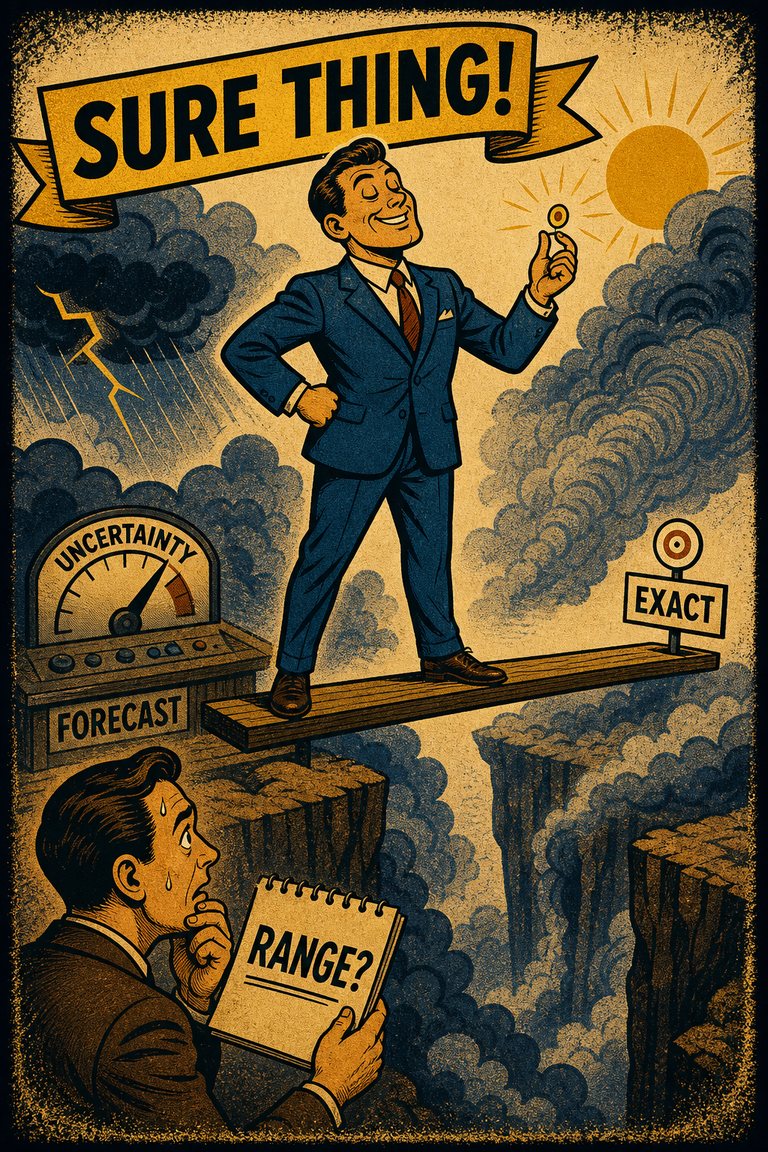
The tendency to be more certain about judgments, forecasts, or abilities than the evidence warrants.
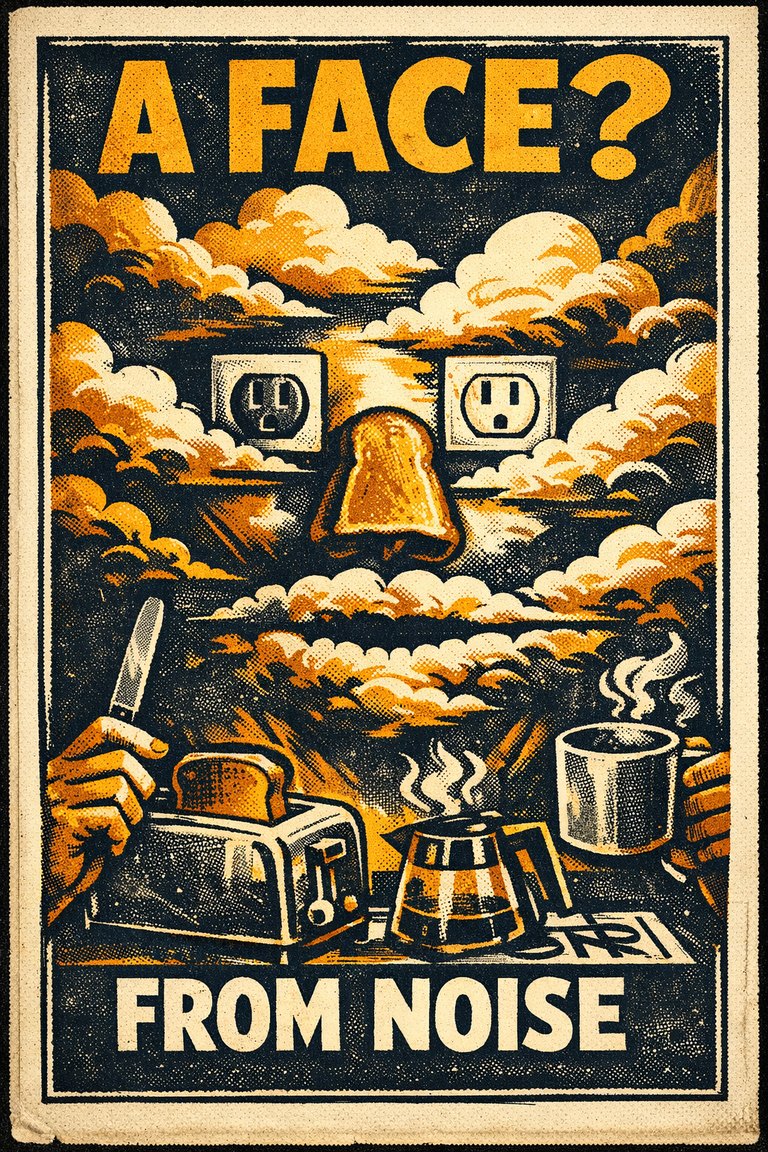
The tendency to perceive meaningful patterns, faces, or messages in vague or random stimuli.

The tendency for people to underestimate the time it will take them to complete a given task.
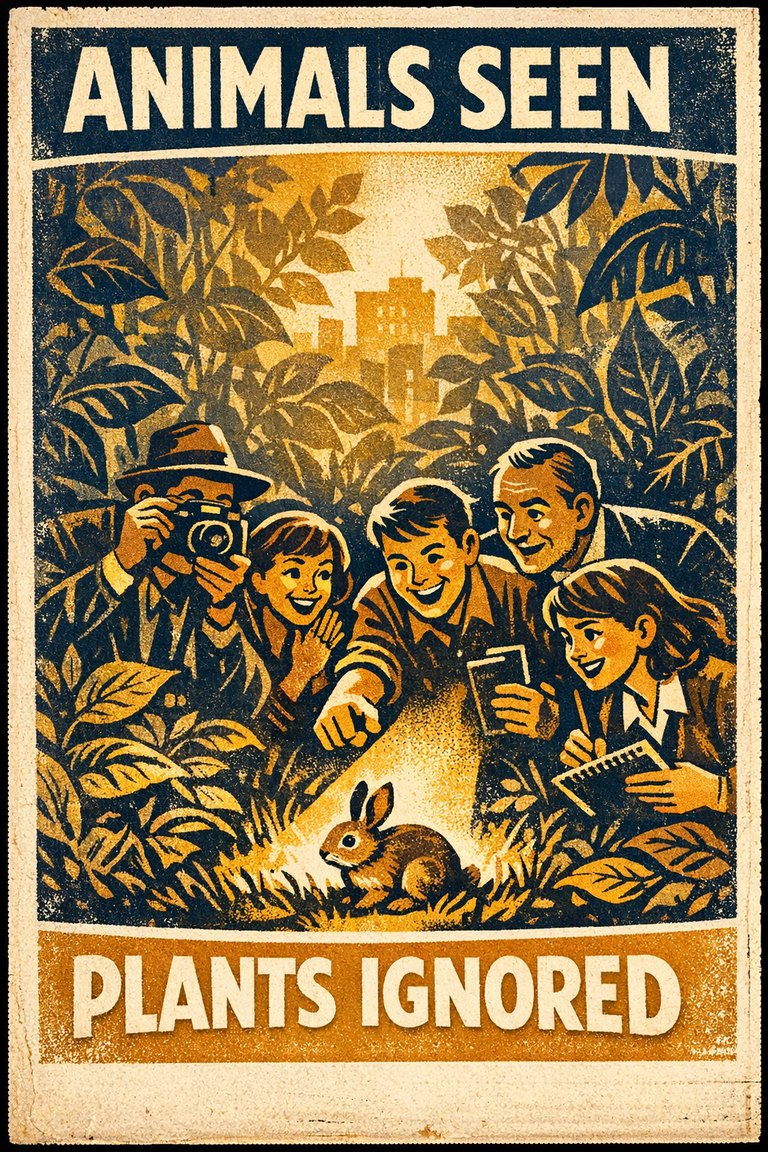
The tendency to ignore plants in their environment and a failure to recognize and appreciate the utility of plants to life on earth.

The tendency to give disproportionate weight to immediate costs and payoffs relative to later ones, even when the later consequences are larger.
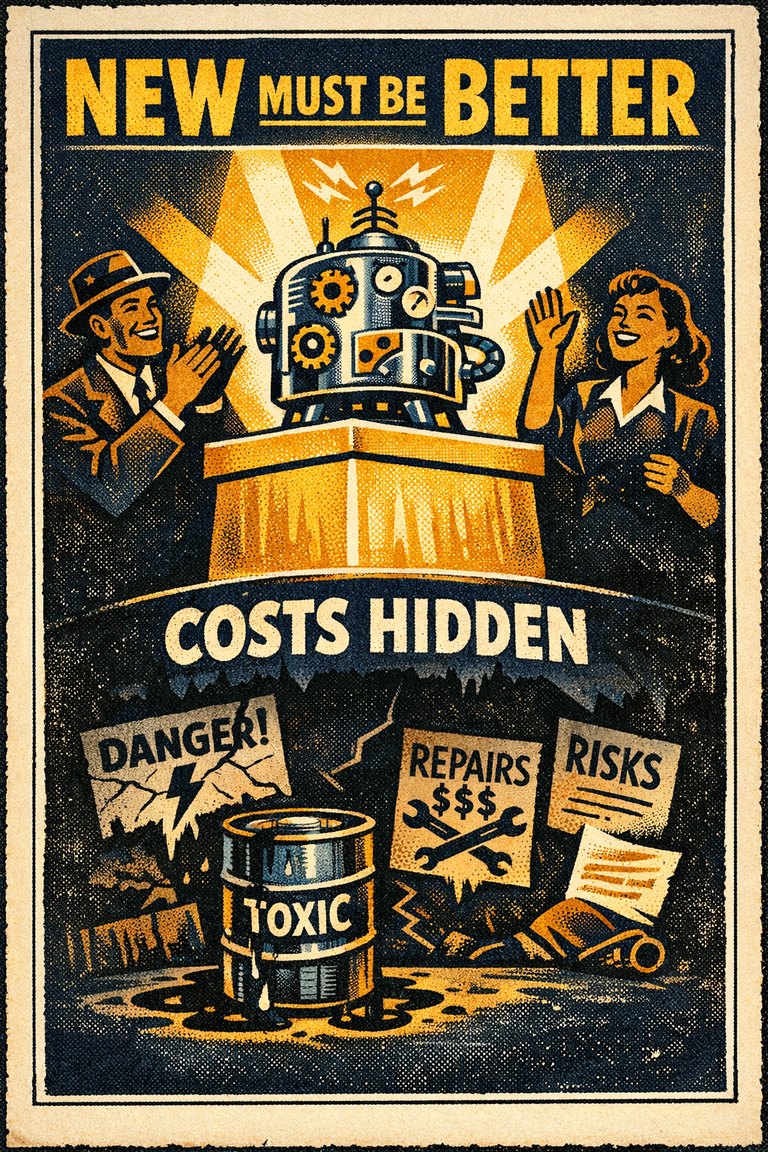
The tendency to have an excessive optimism towards an invention or innovation's usefulness throughout society, while often failing to identify its limitations and weaknesses.
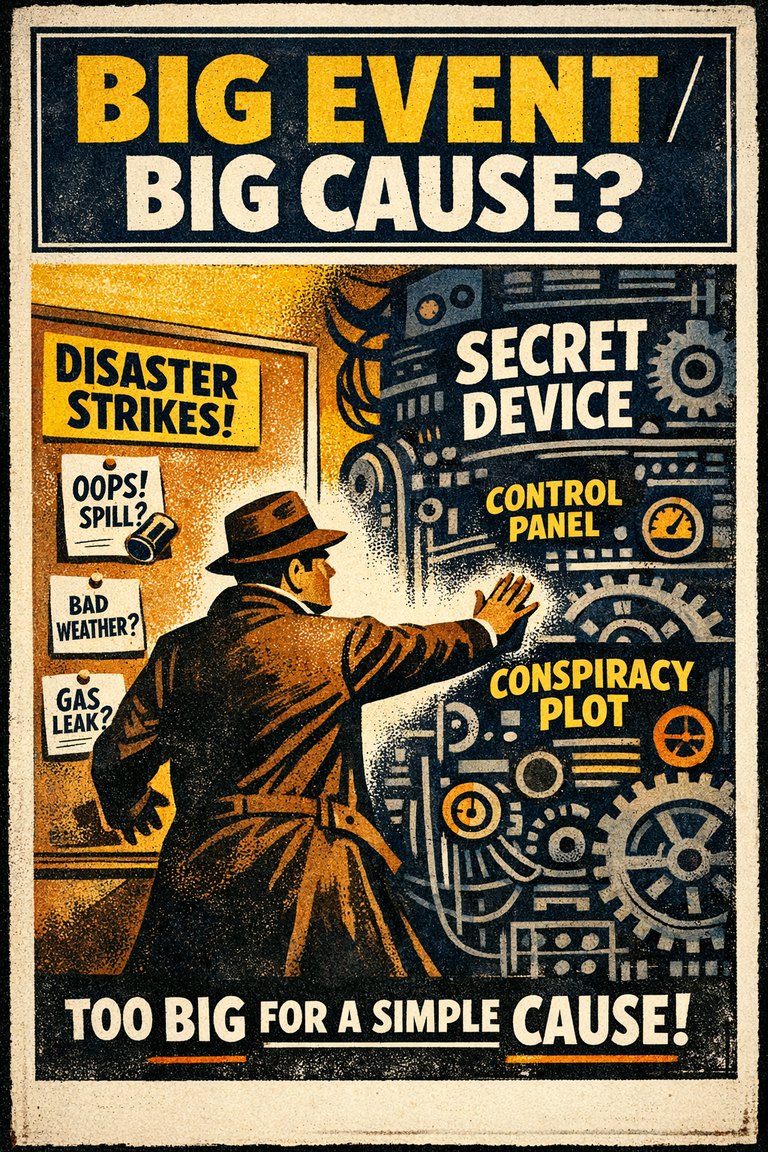
Our innate tendency to assume that big events have big causes, may also explain our tendency to accept conspiracy theories.
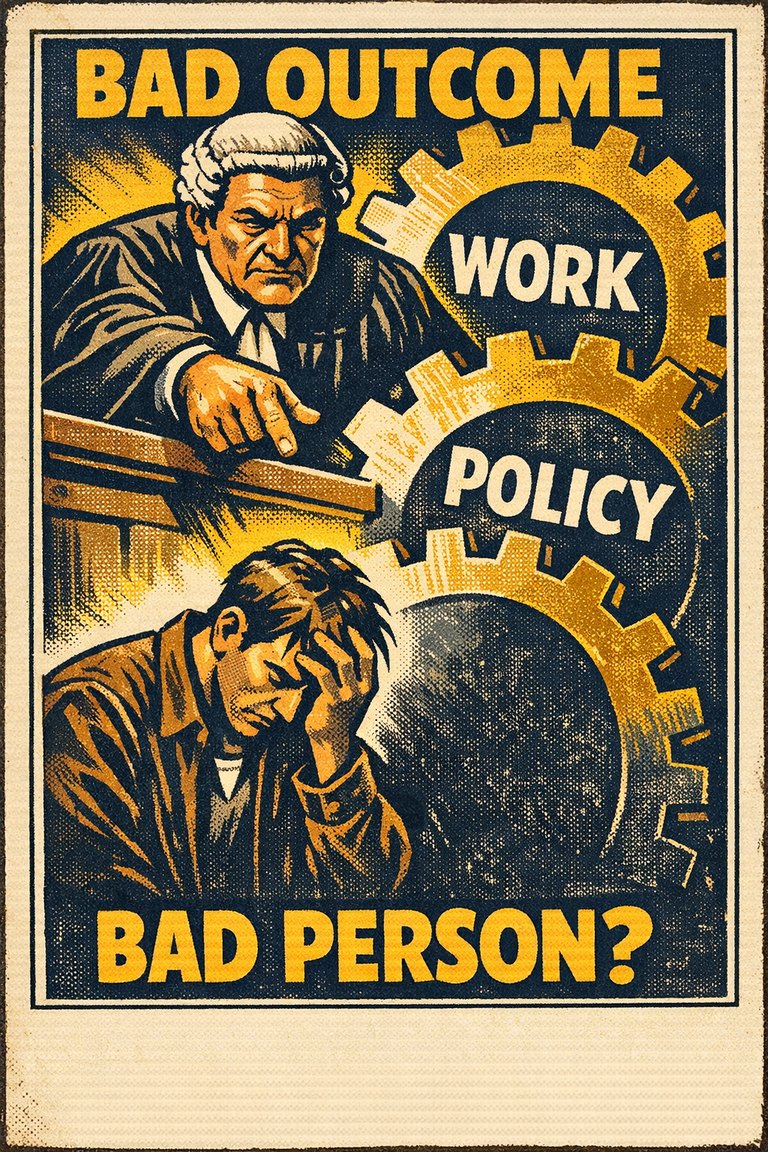
The tendency to explain wrongdoing as personal moral failure rather than as partly shaped by social conditions.
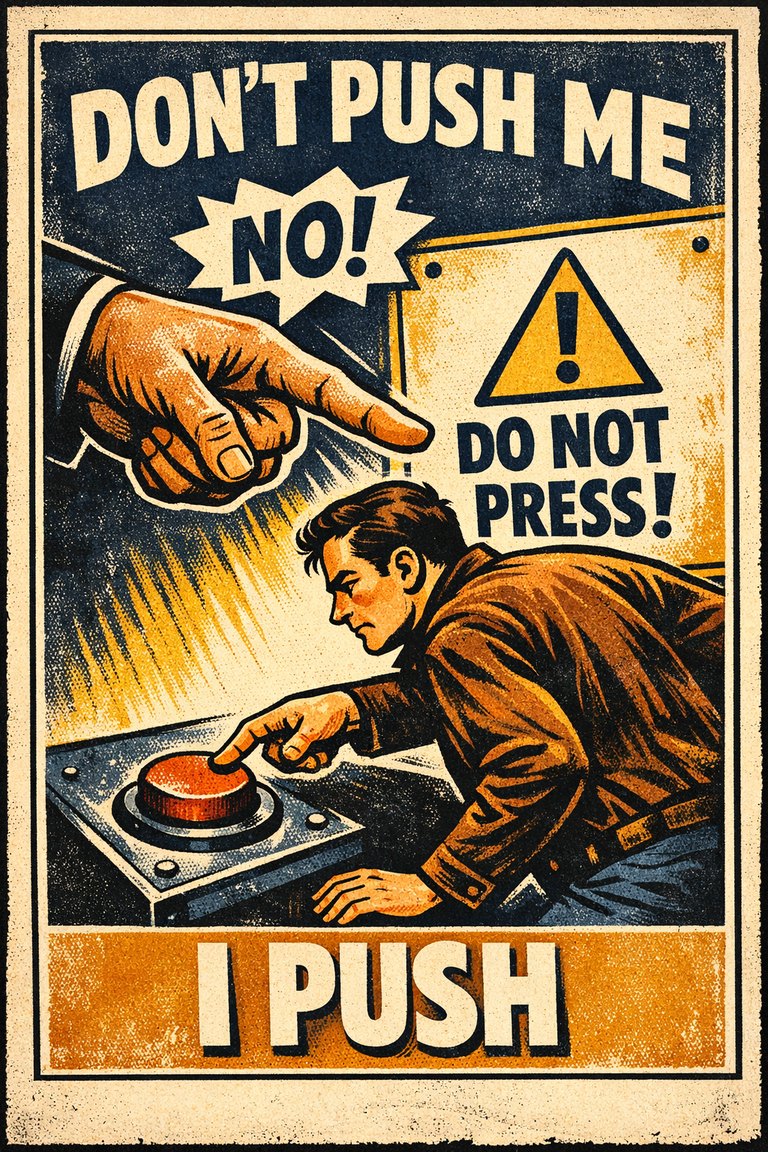
The tendency to push back against a perceived attempt to limit one's freedom of choice, sometimes by moving toward the very option one was being steered away from.

The illusion that a phenomenon one has noticed only recently is itself recent.

The tendency to overestimate one's ability to show restraint in the face of temptation.

The remembering of the past as having been better than it really was.
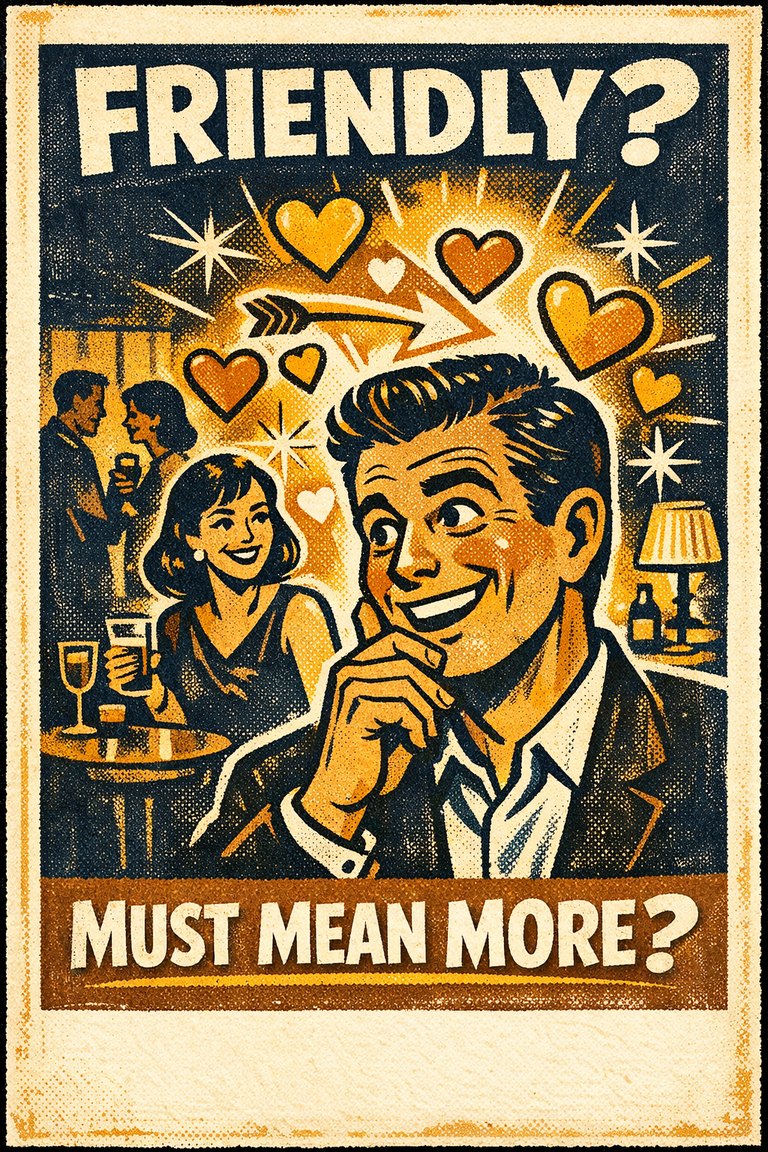
The tendency to overestimate sexual interest of another person in oneself, and sexual underperception bias, the tendency to underestimate it.
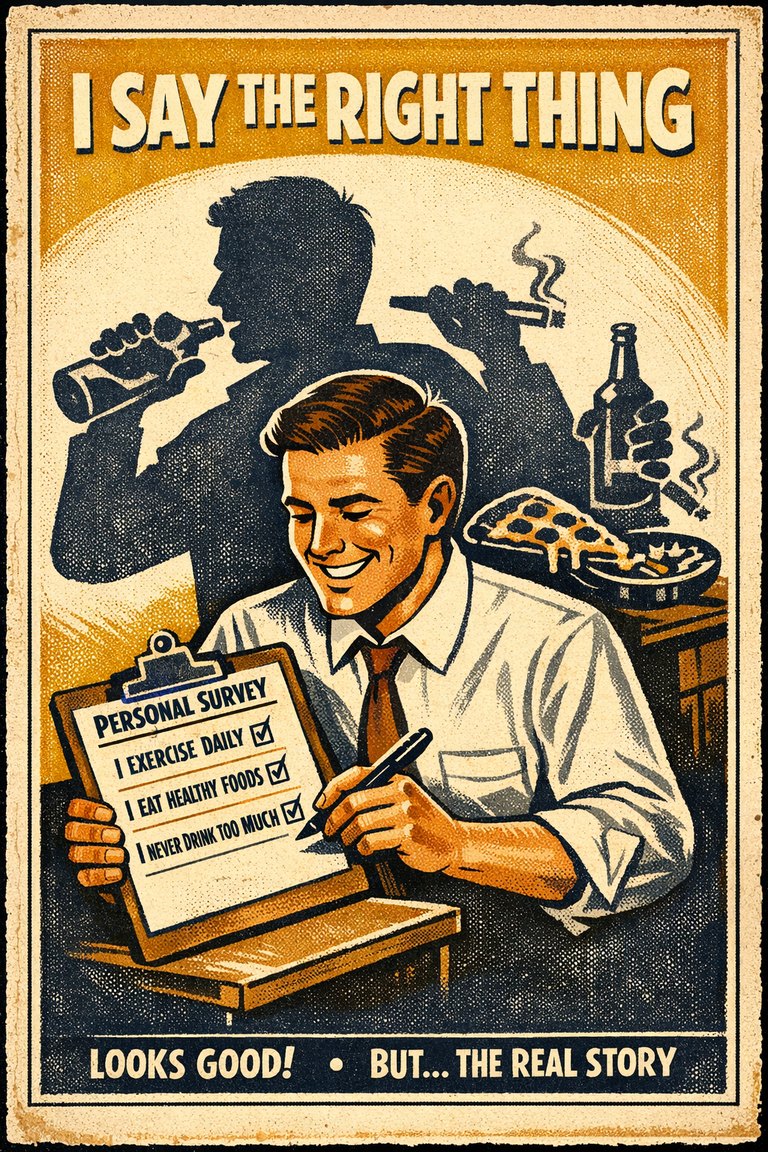
The tendency to over-report socially approved attitudes or behaviors and under-report the ones likely to invite embarrassment, judgment, or sanction.

The tendency to assign group-based traits to an individual without enough individual evidence.

The tendency to treat a claim as true because it fits one's beliefs, hopes, or personal experience.
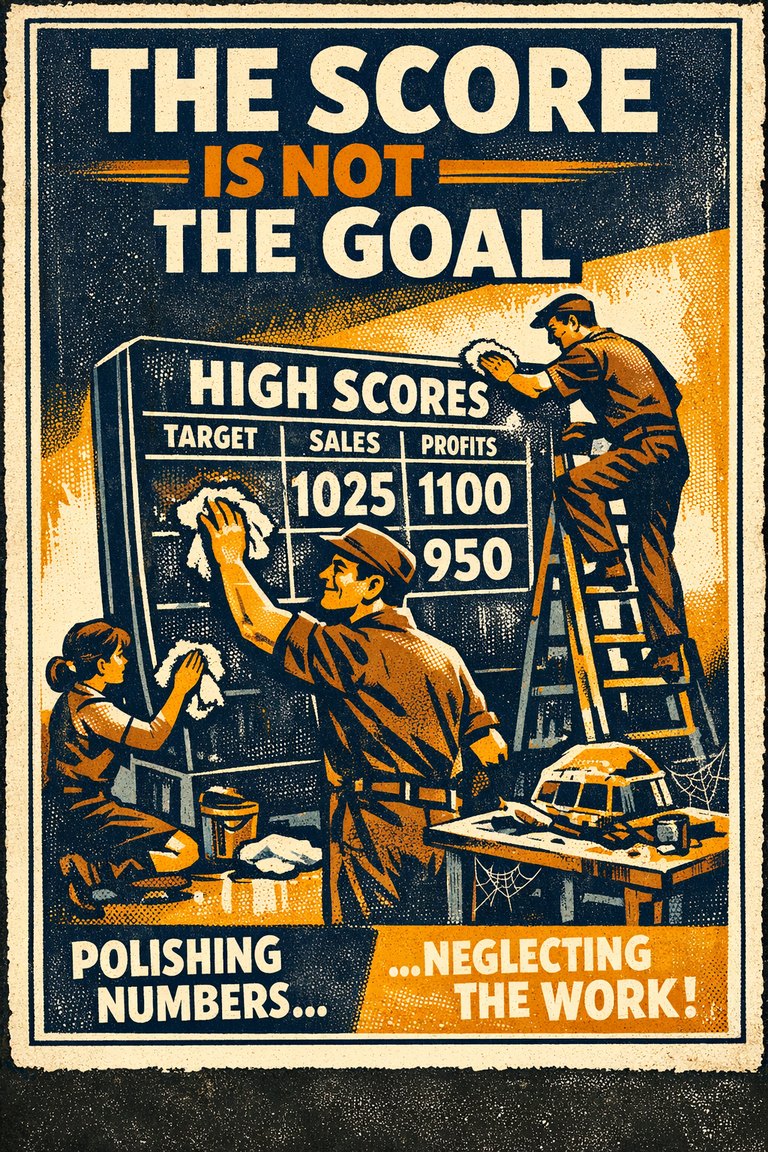
Losing sight of the strategic construct that a measure is intended to represent, and subsequently acting as though the measure is the construct of interest.

The tendency to learn from the visible winners while overlooking the invisible failures that dropped out of view.
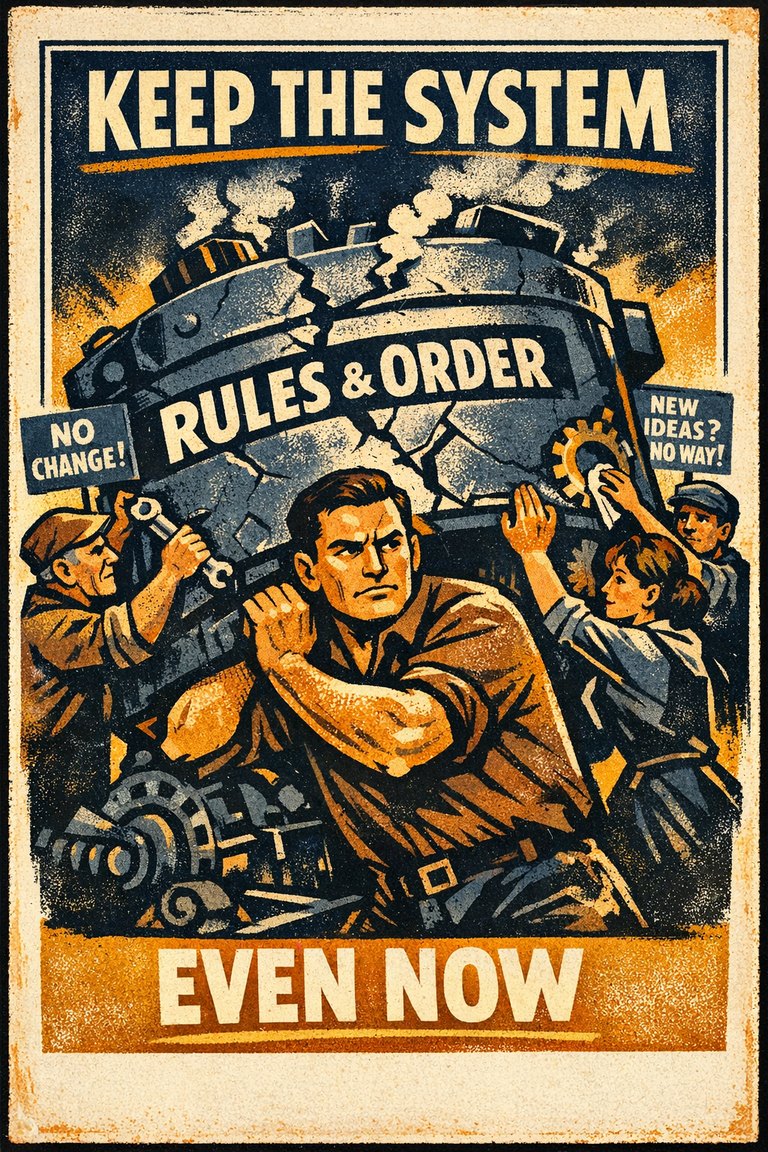
The tendency to defend, rationalize, and bolster the current social or institutional order.
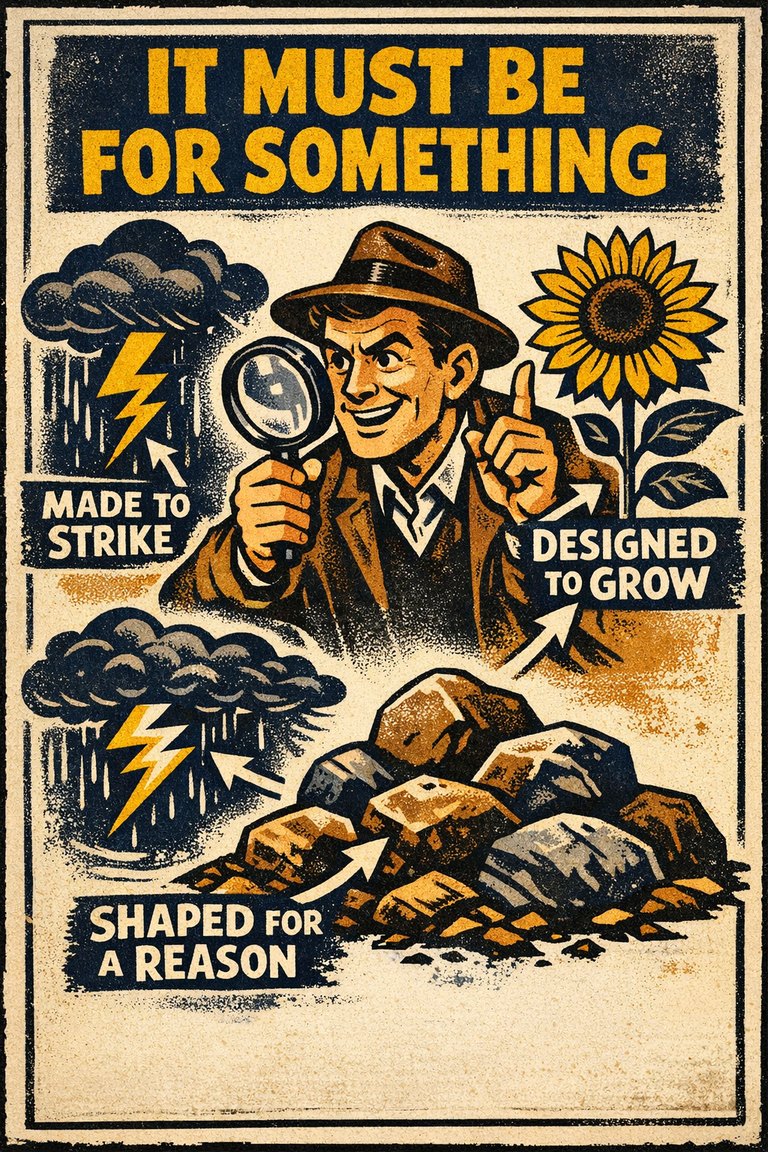
The tendency to engage in overgeneralized ascriptions of purpose to entities and events that did not arise from goal-directed action, design, or selection based on functional effects.
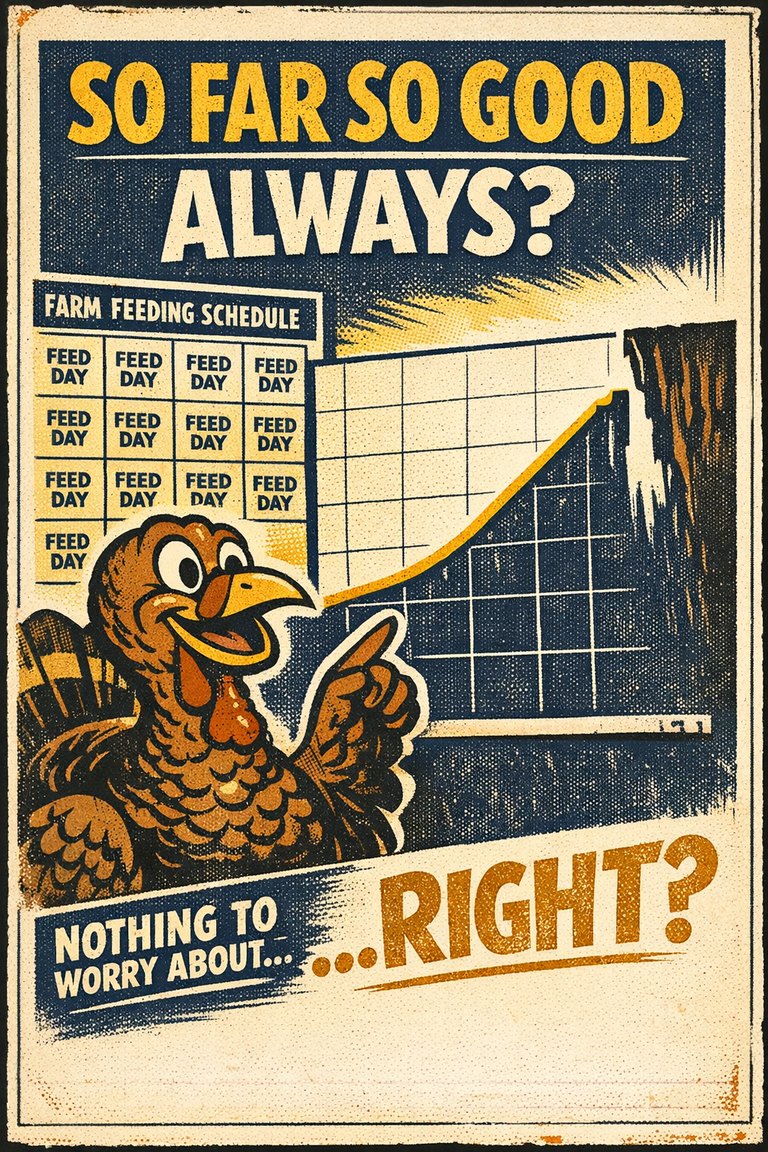
Absence of expectation of sudden trend breaks in continuous developments.
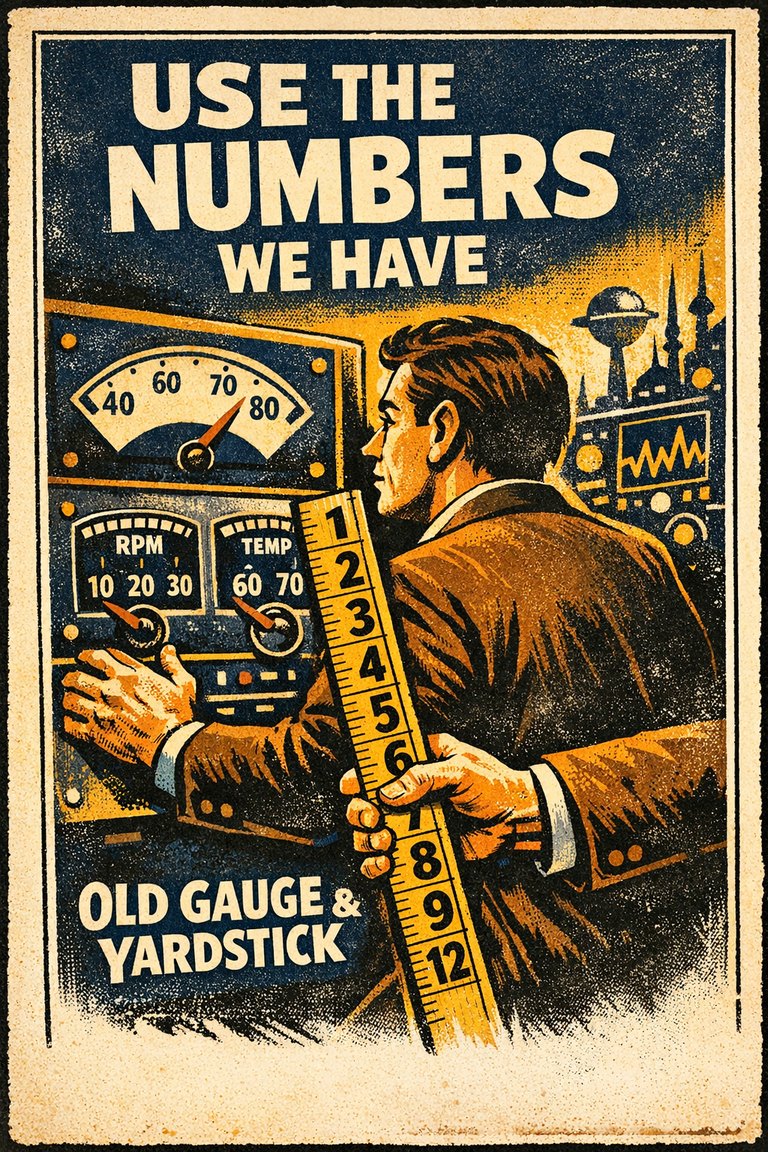
The tendency to rely on existing numerical data when reasoning in an unfamiliar context, even if calculation or numerical manipulation is required.
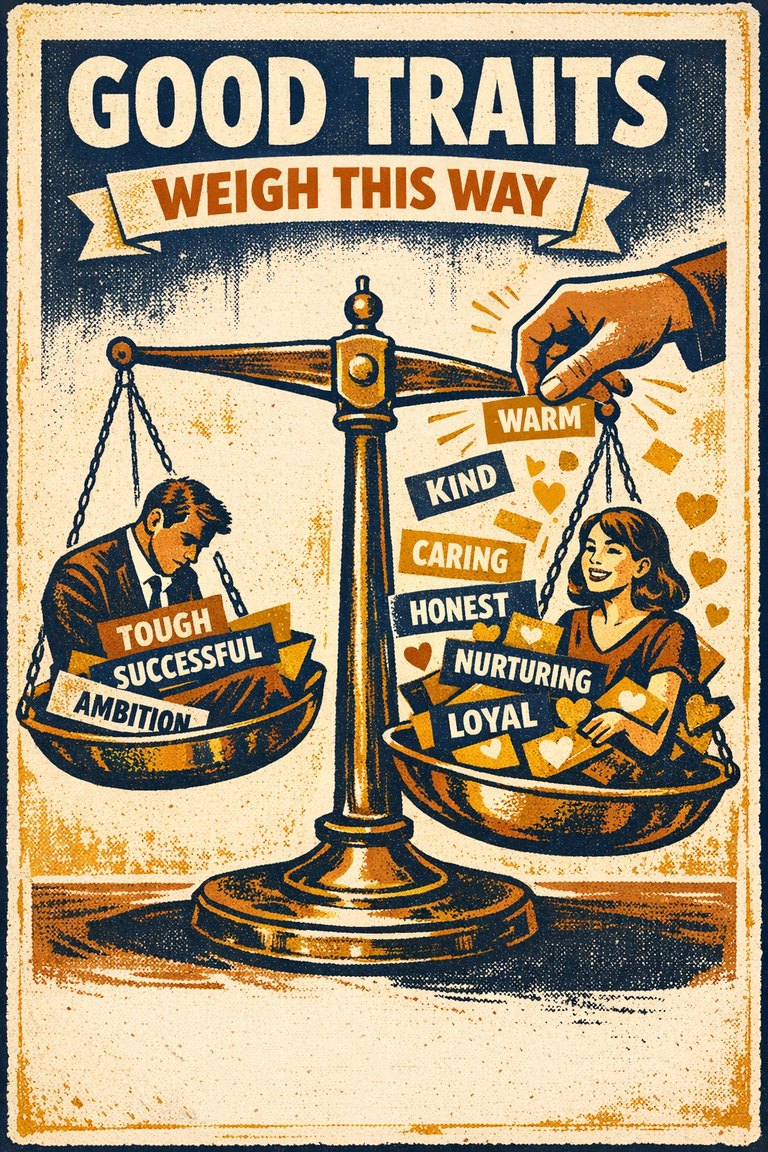
The tendency to associate more good attributes with women than with men.