
One familiar everyday mechanism or course concept.
Teaching Kit
Confidence vs Understanding Classroom Kit
A lesson for showing how fluency, confidence, and real transferable understanding come apart.
40-60 minutes
Biases In Teaching And Learning
5 biases
Audience
Teachers, tutors, professors, coaches, and learners doing metacognition work.
Objectives
- Show why recognition and explanation are different achievements.
- Use transfer questions to test understanding without humiliation.
- Help teachers notice expert blind spots before they become skipped steps.
Materials
Prep these before using the kit live.
A near-transfer question and a far-transfer question.
A confidence-before and confidence-after reflection slip.
Agenda
A suggested run of show. Adjust timing to fit the group.
0-8 min
Learners rate confidence before explaining the mechanism.
8-20 min
Learners attempt a step-by-step explanation without notes.
20-35 min
Pairs test the explanation against transfer questions.
35-50 min
The class compares illusion of explanatory depth, Dunning-Kruger, and fluency heuristic.
Worksheet prompts
- Where did the explanation first become vague?
- What did you recognize that you could not produce?
- What bridge would an expert be tempted to skip?
Facilitator notes
- Normalize confidence drops as evidence of better calibration.
- Make the mechanism task playful; the point is visibility, not embarrassment.
- End with one retrieval prompt scheduled for later.
Linked study tools
These are the supporting pieces to open before or after the live activity.
Biases In Teaching And Learning
A hub for classrooms, coaching, tutoring, and curriculum design where fluency, familiarity, and confidence can impersonate understanding.
12 biases
3 paths
2 AI prompts
Can the learner use the idea in a new case, or only recognize it when the surrounding cues are familiar?
Teachers, professors, tutors, instructional designers, coaches, parents, and learners.
Confidence And Understanding
A path for the places where confidence, familiarity, explanation, and genuine competence come apart.
7 biases
Applied
40 min
What makes exposure or fluency feel like mastery long before it deserves to?
Best for educators, coaches, interviewers, managers, and anyone teaching or evaluating understanding.
Start Here
A first pass through the biases that most often distort everyday judgment, news consumption, and basic decision-making.
9 biases
Foundational
45 min
Which recurring distortions show up most often before people can even name what went wrong?
Best for general readers, classrooms, and first-time visitors.
Before You Call It Obvious
A confidence and explanation check for moments when familiarity starts masquerading as mastery.
Applied
Before mistaking fluency for mastery
4 min
Question: Do I really understand this, or has fluency outrun competence?
- Explain the mechanism in plain language without leaning on jargon.
- Name the specific task that would test whether you actually understand it.
- Ask what a novice would still find confusing that you may no longer notice.
- Distinguish recognition, explanation, and performance instead of treating them as the same.
Before You Predict
A forecasting check for base rates, uncertainty ranges, and planning optimism.
Foundational
Before a forecast
4 min
Question: What would the outside view say before the inside story takes over?
- Name the reference class before you describe the special features of the case.
- Write a range, not just a point estimate.
- Compare your forecast with historical cycle times or base rates.
- List one concrete failure path that would widen the range.
Illusion Of Explanatory Depth vs Dunning-Kruger Effect
Illusion of explanatory depth is overestimating how well you understand a mechanism; Dunning-Kruger is miscalibrated self-assessment when limited skill hides what is missing.
Quick rule: Ask whether the missing piece is mechanism explanation or broader competence calibration.
Bias pages in this kit
Use these entries as the reference layer after the activity surfaces the problem.
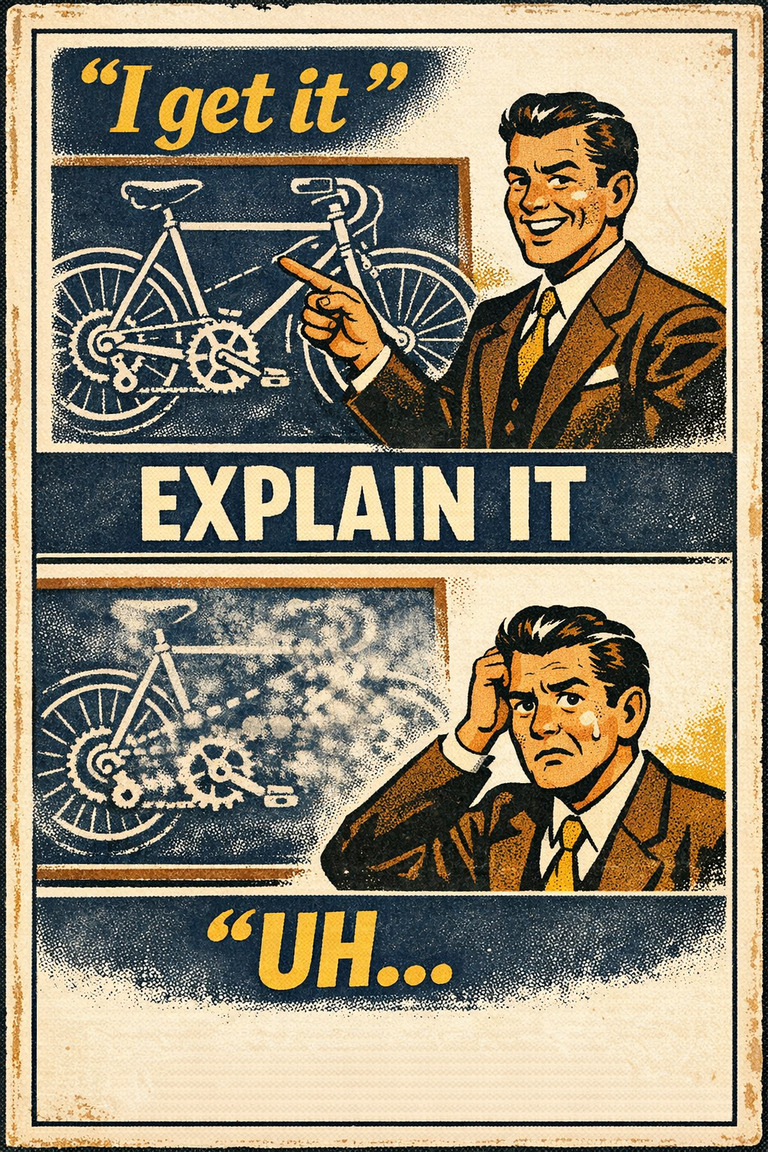
Illusion of explanatory depth
The tendency to believe you understand how something works more deeply than you actually do, especially until you are forced to explain the mechanism step by step.
Hypothesis AssessmentAssociationLearning & expertisePublic reasoning

Dunning-Kruger effect
The tendency for low skill or shallow understanding to produce overestimation of one's own competence, while higher-skill people may underestimate how unusual their competence really is.
EstimationBaselineLearning & expertiseTeams & management
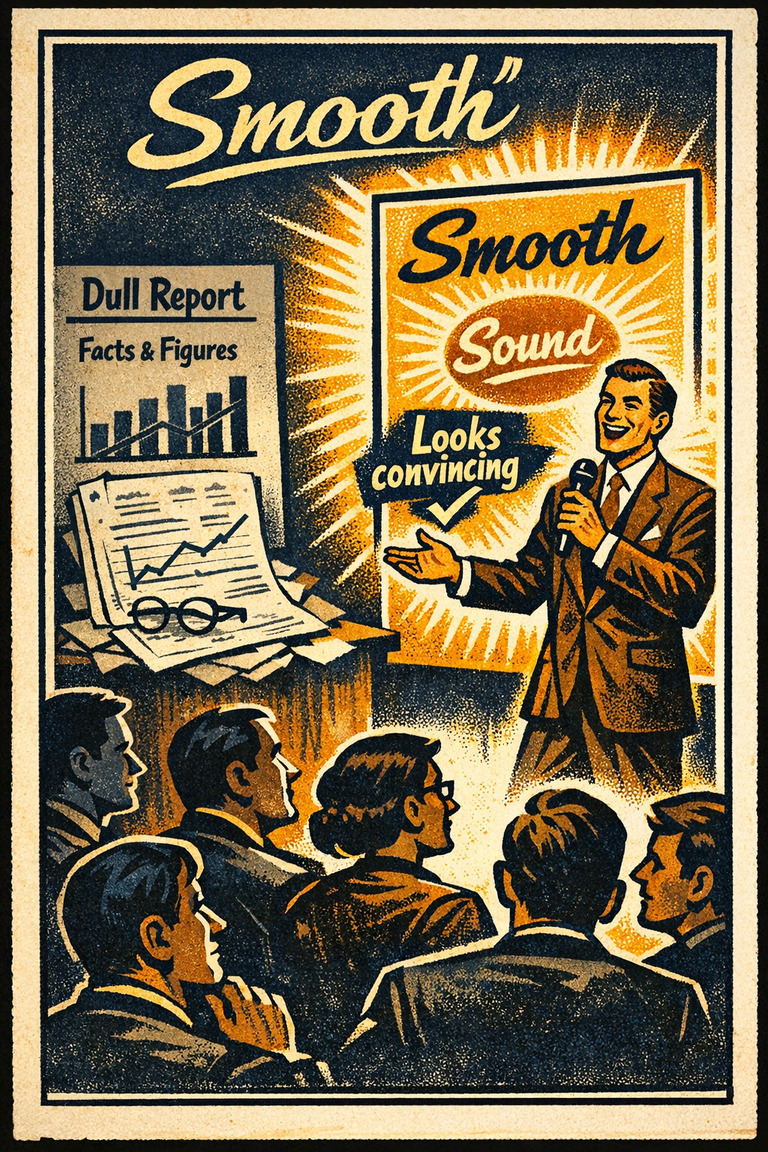
Fluency heuristic
The tendency to treat ideas or options that feel easier to process as better or truer.
Hypothesis AssessmentAssociation
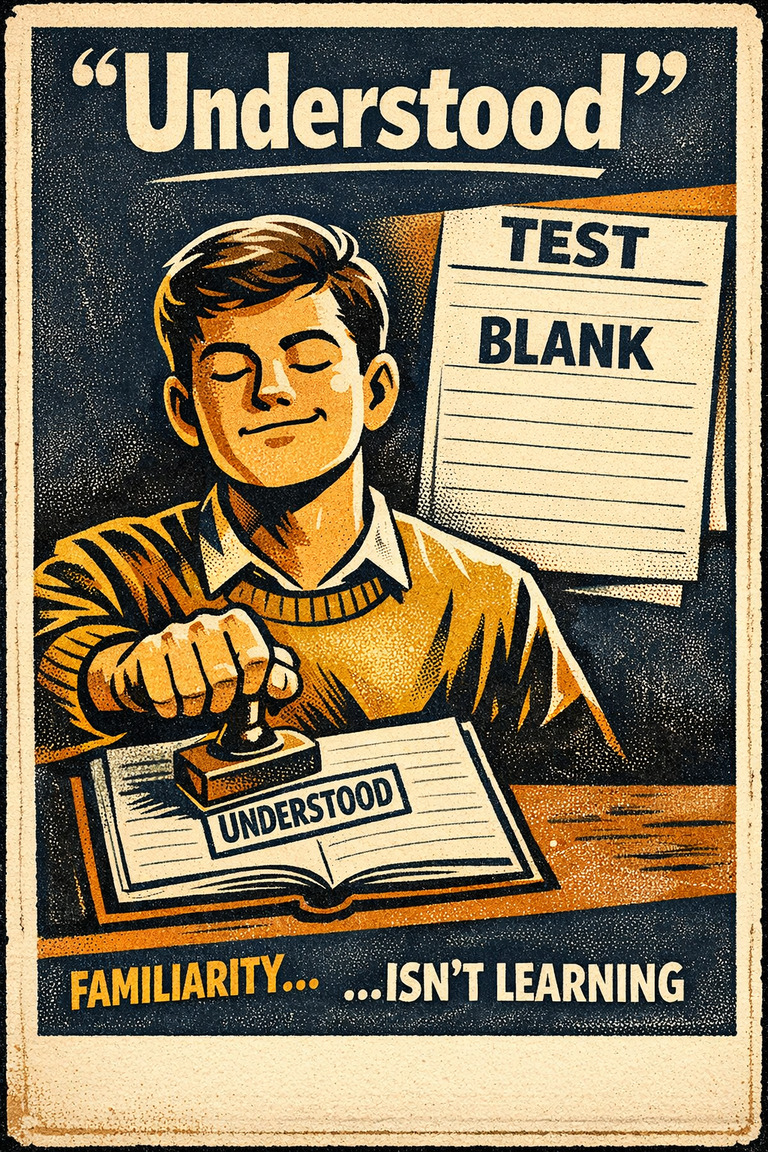
Illusion of learning
A false belief that if you understand something you learned and acquired a knowledge about it.
Opinion ReportingOutcome
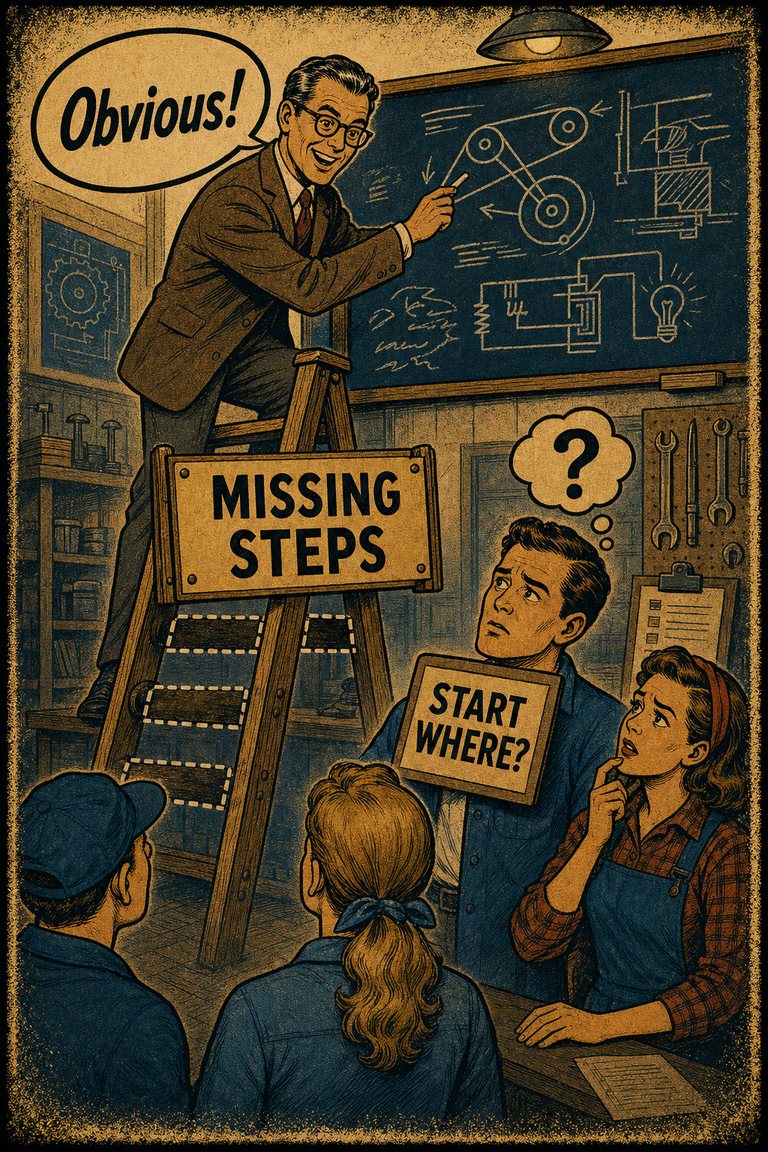
Curse of knowledge
The tendency for better-informed people to underestimate how hard the issue looks to less-informed people.
EstimationSelf-PerspectiveLearning & expertiseTeams & management