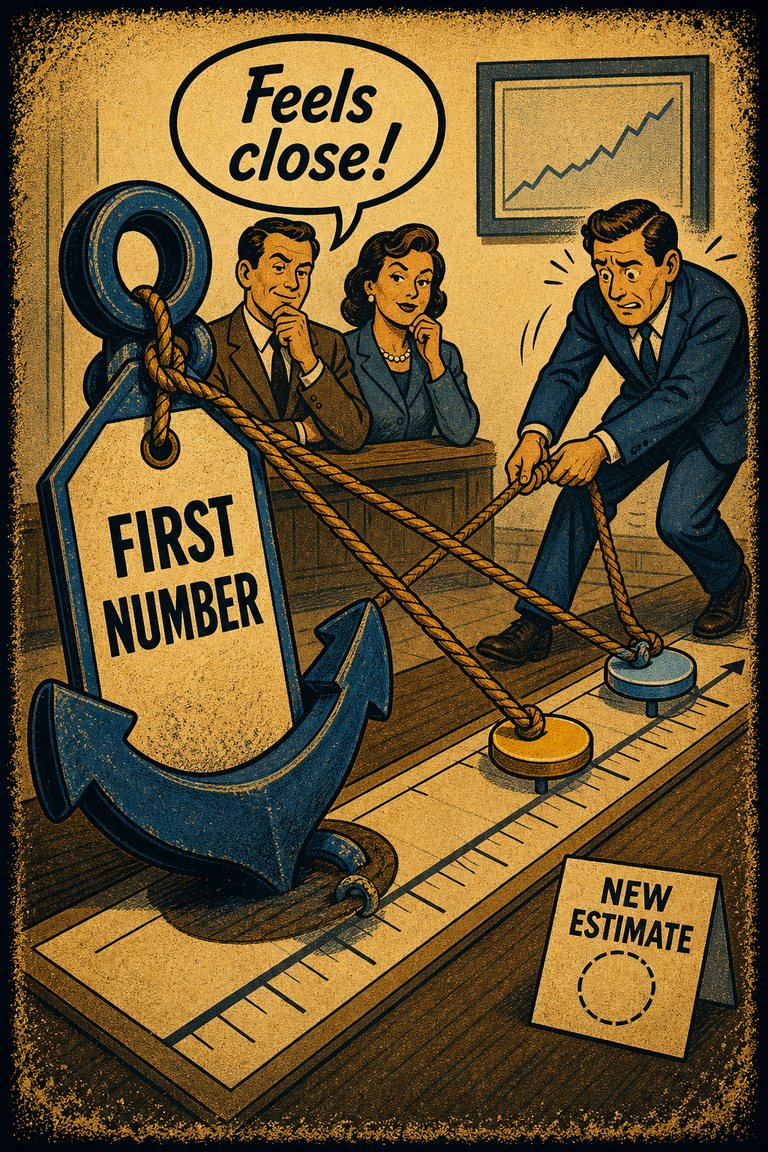
Anchoring effect
The tendency for the first salient number, frame, or option to pull later estimates toward itself even when it is arbitrary or weakly relevant.
EstimationBaselineForecasting & planningPersonal decisions

Cognitive Biases
A practical cognitive-bias site with clear definitions, learning paths, assessments, self-audits, and debiasing tools.
Theory Article
An article on why one taxonomy tracks the judgment task being distorted while another tracks the recurring shape of the distortion itself.
Flat alphabetical lists are useful only after the reader already knows roughly what they are looking at. Categories and patterns solve a harder problem: getting readers to the right neighborhood before the exact label is clear.
Categories tell you what kind of judgment is failing. Is the problem mainly estimation, decision, hypothesis testing, causal explanation, memory, or reported opinion? That is often the fastest way to shrink the search space responsibly.
For teaching, this matters because students and readers often know the job of thinking that failed before they know the label of the bias involved.
Patterns answer a different question: what kind of pull is doing the bending? Is the distortion coming from vivid association, a privileged baseline, inertia, the known outcome, or the asymmetry of self and other?
Two biases can be far apart alphabetically and still belong together pedagogically because the same hidden pull keeps showing up beneath them.
When both layers are visible, readers can compare more responsibly. A bias that looks superficially similar may actually belong to a different task family. A bias that looks unrelated may become obviously connected once the pattern layer appears.
That dual view is one of the most important ways CogBias becomes more than a catalog. It becomes a map.
Use these entry pages after the article if you want the same theory translated into more concrete diagnostic and repair tools.
The tendency for the first salient number, frame, or option to pull later estimates toward itself even when it is arbitrary or weakly relevant.
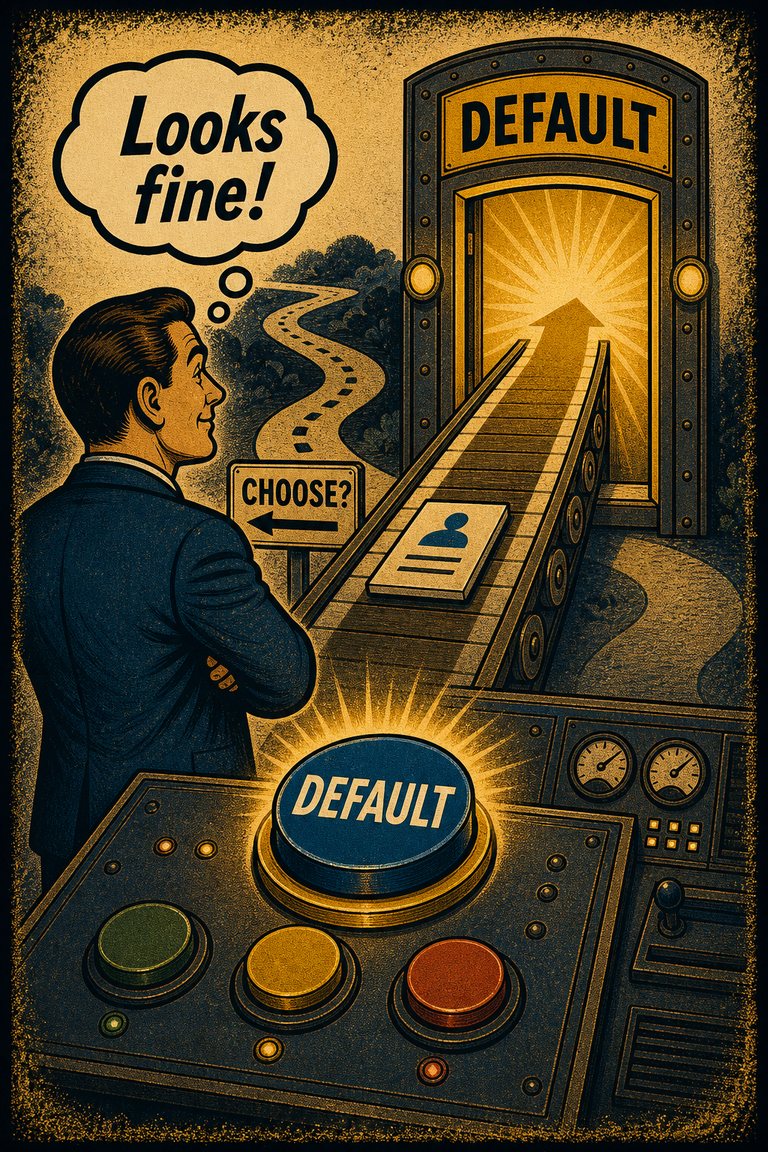
The tendency to favor the preselected or default option simply because it is already positioned as the path of least resistance.

The tendency to notice, seek, and remember evidence that supports the story you already prefer more readily than evidence that threatens it.
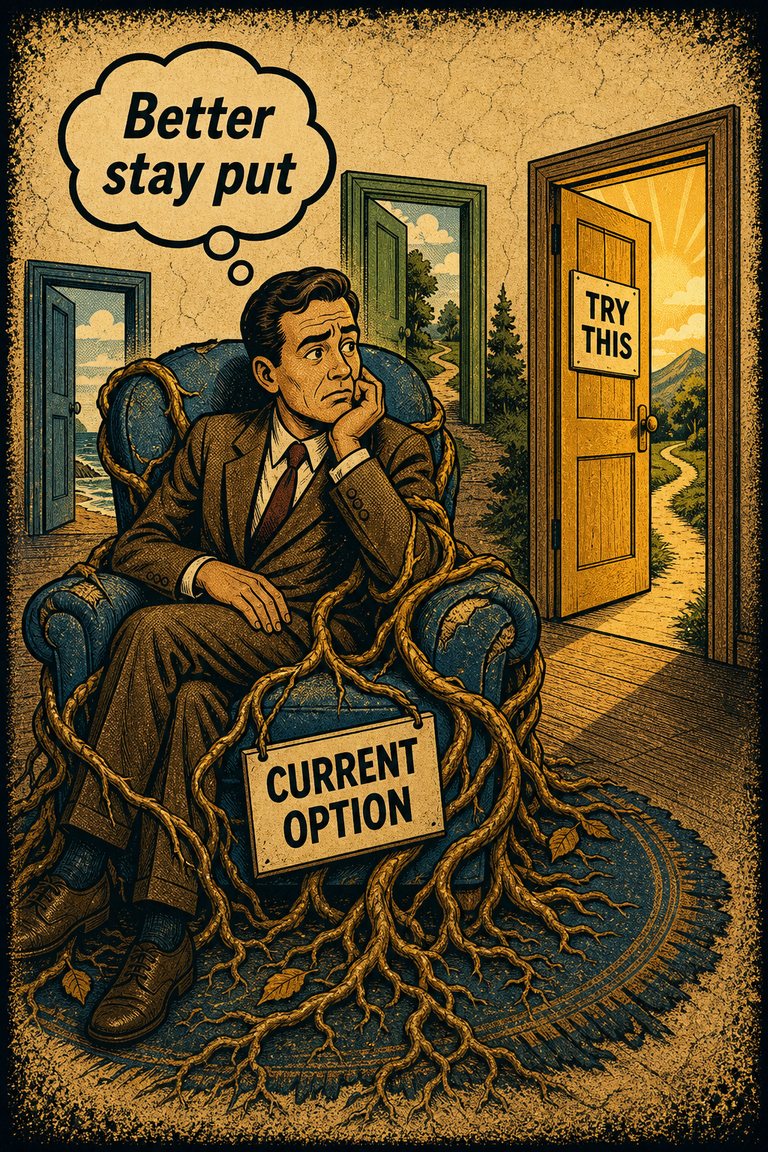
The tendency to prefer the current option, default, or inherited arrangement simply because it is the current option, default, or inherited arrangement.