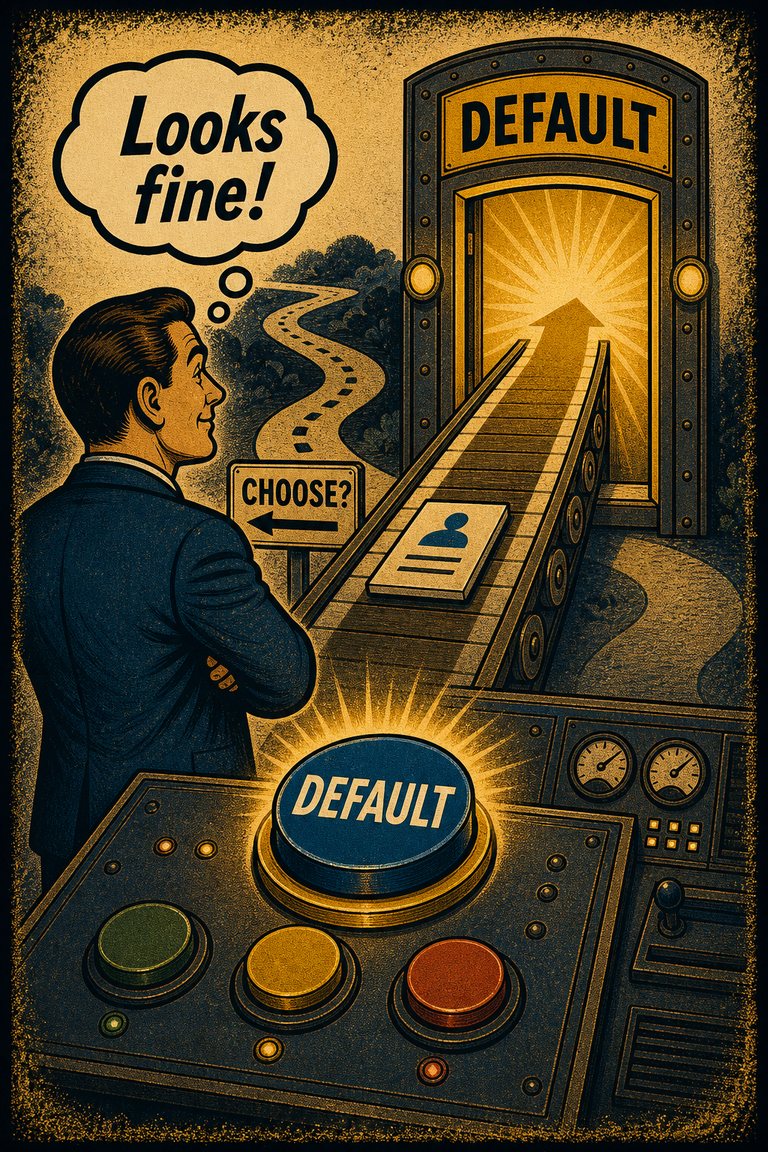
Default effect
The tendency to favor the preselected or default option simply because it is already positioned as the path of least resistance.
DecisionAssociationChoice architecturePersonal decisions

Cognitive Biases
A practical cognitive-bias site with clear definitions, learning paths, assessments, self-audits, and debiasing tools.
Theory Article
An article on why defaults, omissions, and inherited arrangements often steer judgment and outcome as strongly as explicit choices do.
People often reserve scrutiny for active decisions while letting the default path travel under the radar. But a preselected option, an inherited policy, or a do-nothing posture can shape outcomes just as decisively as a loud intervention.
Defaults arrive without fanfare. They feel like background rather than choice. Inaction can feel cleaner than action because it hides its causation behind continuity.
That is one reason default effect, omission bias, status quo bias, and loss aversion fit so well together pedagogically.
A form, a dashboard, a renewal flow, or an inherited procedure can all encode a recommendation without ever speaking in argumentative language. The architecture does the steering quietly.
Once the current path has that administrative legitimacy, alternatives start carrying extra friction that is not part of their actual merits.
The first move is exposure: rewrite the default as one explicit option among others. The second is symmetry: compare the cost of preserving the current path as explicitly as the cost of changing it.
Once that becomes routine, quiet steering loses much of its invisible power.
Use these entry pages after the article if you want the same theory translated into more concrete diagnostic and repair tools.
The tendency to favor the preselected or default option simply because it is already positioned as the path of least resistance.
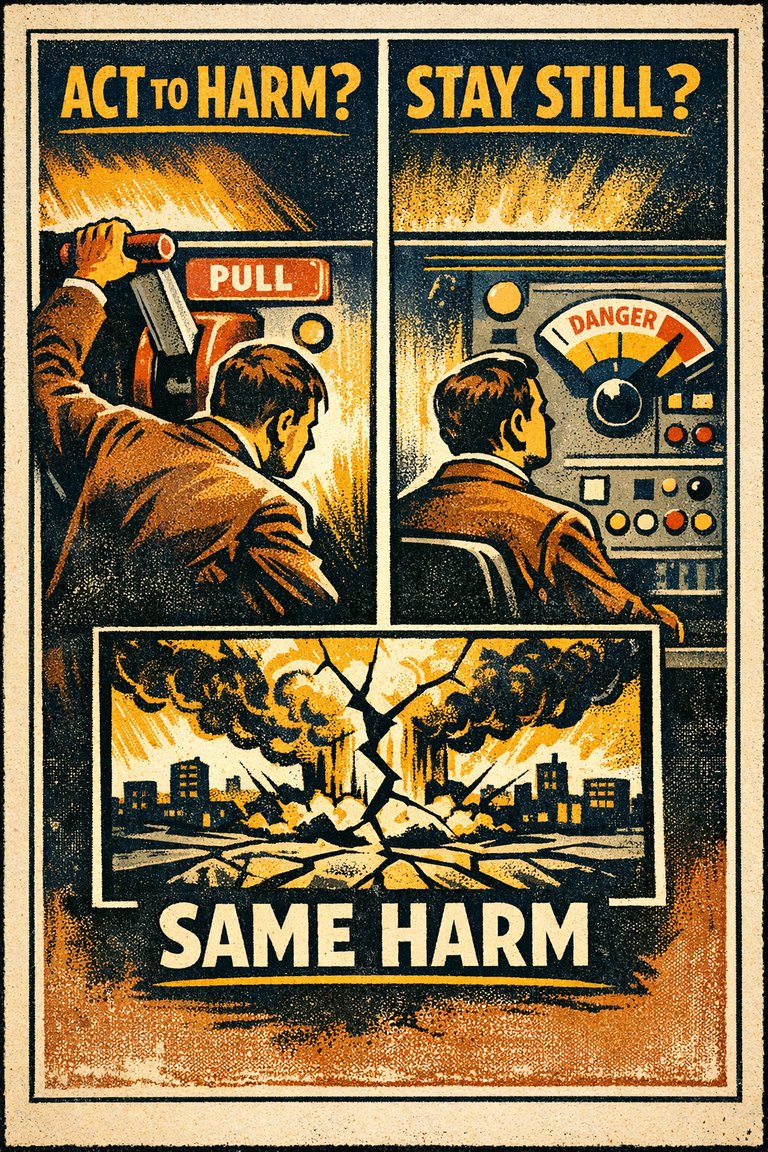
The tendency to judge harmful inaction as more acceptable, or less blameworthy, than equally harmful action.
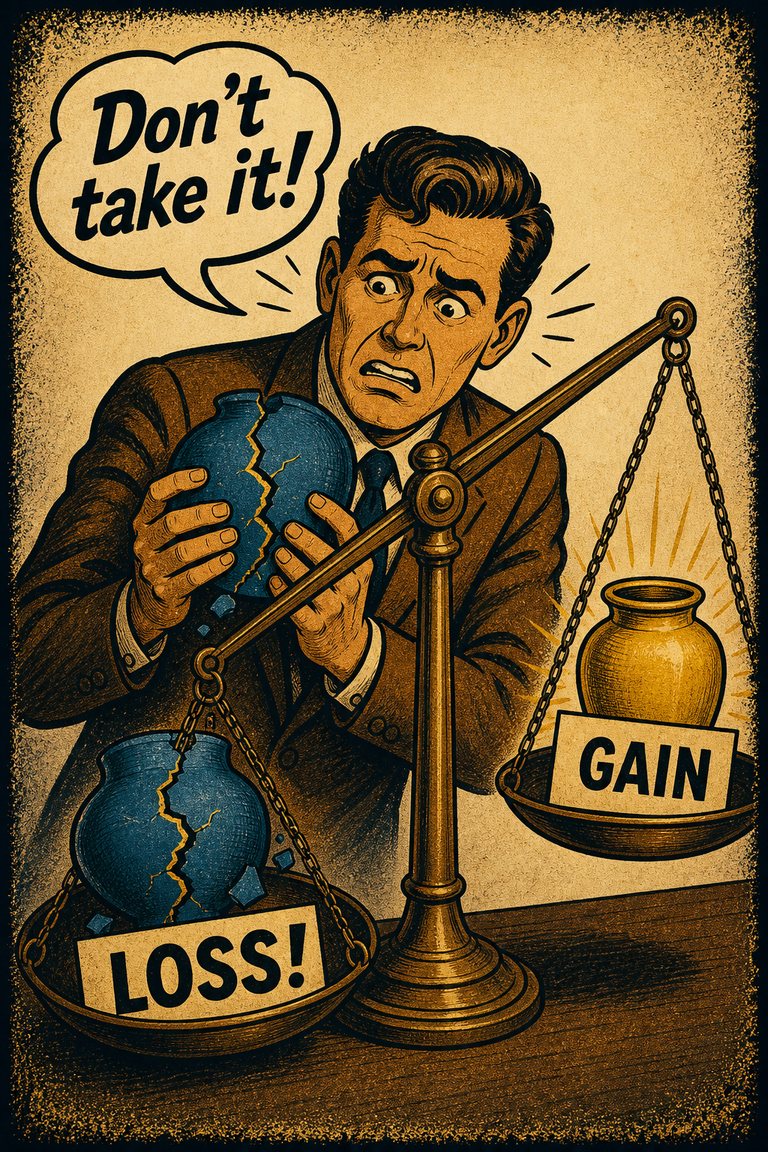
The tendency for losses or giving something up to feel worse than equivalent gains feel good.
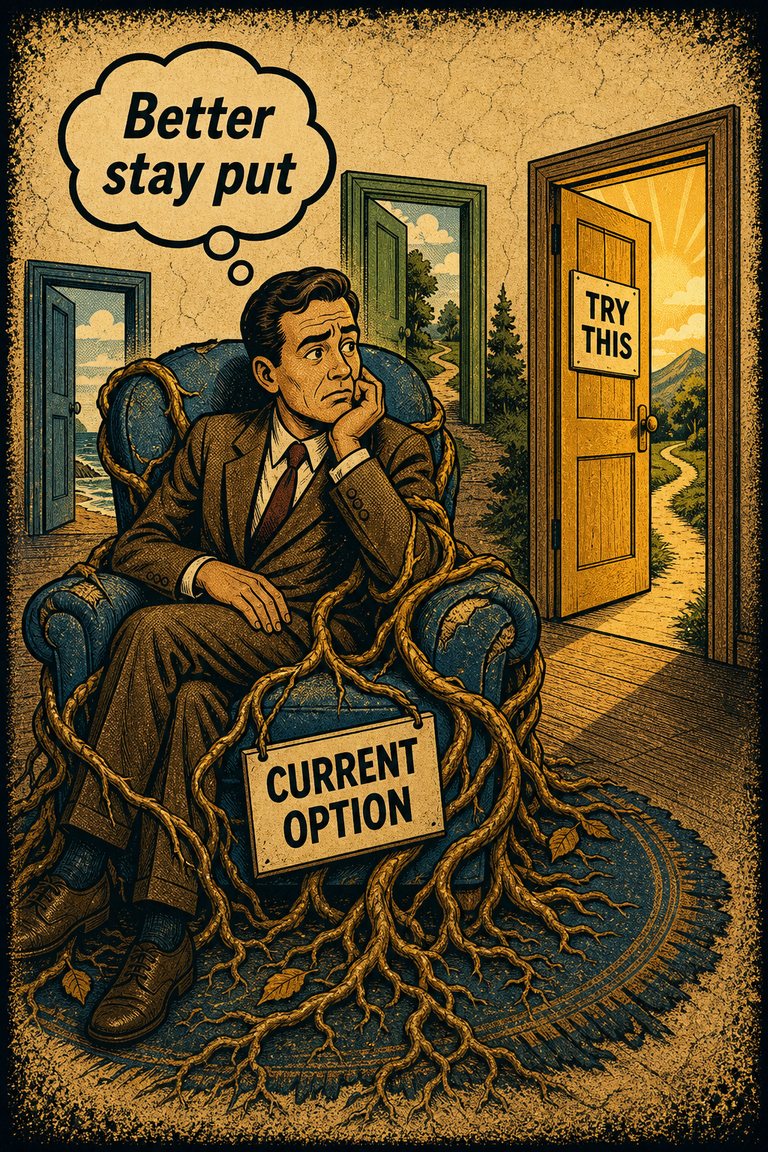
The tendency to prefer the current option, default, or inherited arrangement simply because it is the current option, default, or inherited arrangement.