Home/Theory/Familiarity, fluency, and understanding are not the same thing
Theory Article
Familiarity, fluency, and understanding are not the same thing
An article on how recognition and smooth explanation often get mistaken for depth long before the underlying competence is there.
One of the easiest mistakes in learning is to confuse the relief of familiarity with the achievement of understanding. Once the terms no longer feel strange, people start talking as though the mechanism itself is secure.
Why fluency is such a convincing counterfeit
Fluency reduces friction, and reduced friction feels like mastery. A concept that once looked opaque now sounds natural, and that psychological shift can be mistaken for a deeper epistemic shift than has actually occurred.
That is why overconfidence, the Dunning-Kruger effect, and the illusion of explanatory depth often cluster together in classrooms, interviews, and public commentary.
The ladder that should stay visible
Recognition is weaker than explanation. Explanation is weaker than application. Application is weaker than troubleshooting under constraint. Good teaching keeps that ladder visible instead of treating the first rung as if it were the top.
The moment a learner can say the phrase is not the moment the learner can compare, predict, diagnose, or repair with it.
- Recognition is not explanation.
- Explanation is not performance.
- Performance without calibration can still be fragile.
How CogBias should respond
That is why flagship bias pages need quick checks, analogies, challenge questions, and practice labs. The site should constantly ask for one more move than mere verbal familiarity.
If the site succeeds, users leave not merely with labels, but with a stronger sense of what genuine understanding would have to cash out into.

The tendency for low skill or shallow understanding to produce overestimation of one's own competence, while higher-skill people may underestimate how unusual their competence really is.
EstimationBaselineLearning & expertiseTeams & management
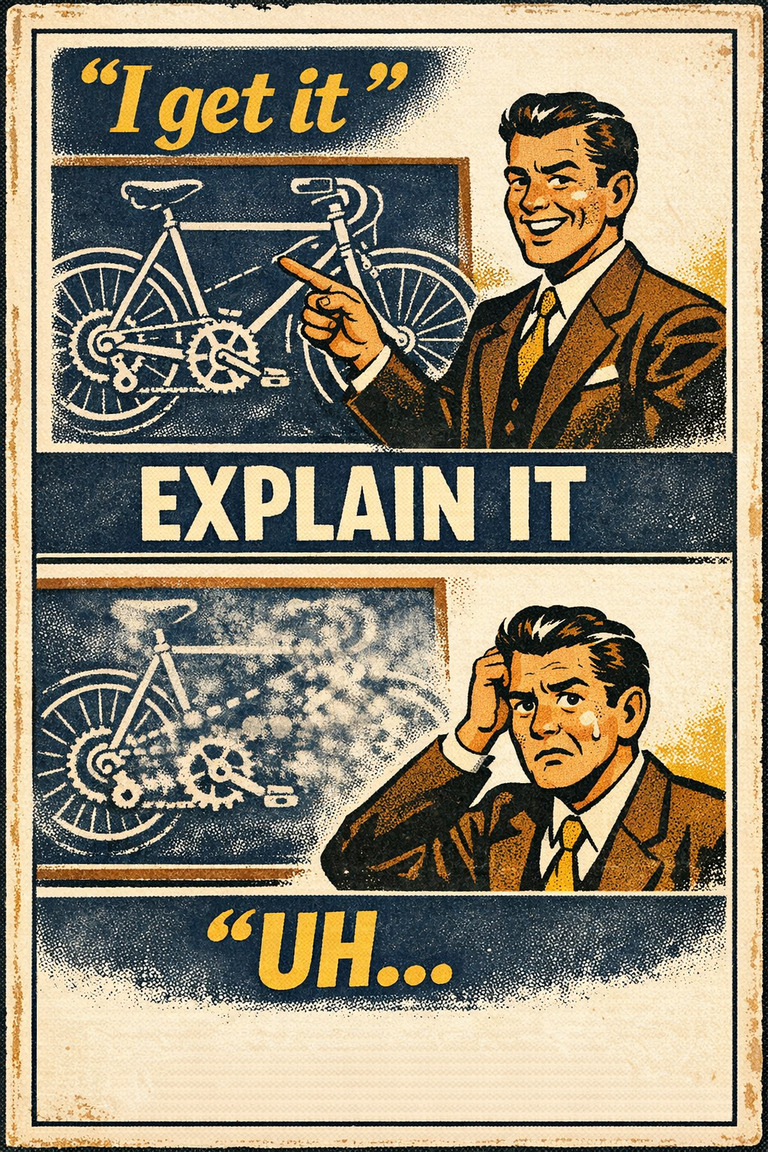
The tendency to believe you understand how something works more deeply than you actually do, especially until you are forced to explain the mechanism step by step.
Hypothesis AssessmentAssociationLearning & expertisePublic reasoning
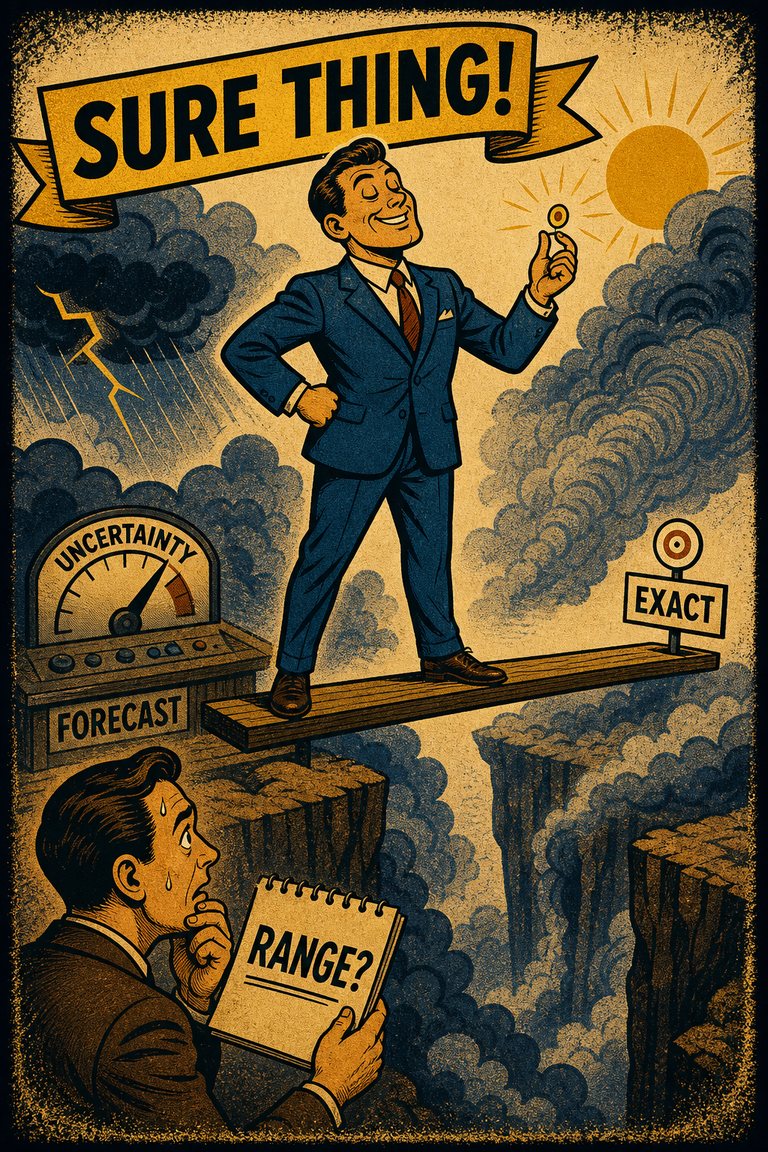
The tendency to be more certain about judgments, forecasts, or abilities than the evidence warrants.
Hypothesis AssessmentOutcomeForecasting & planningTeams & management
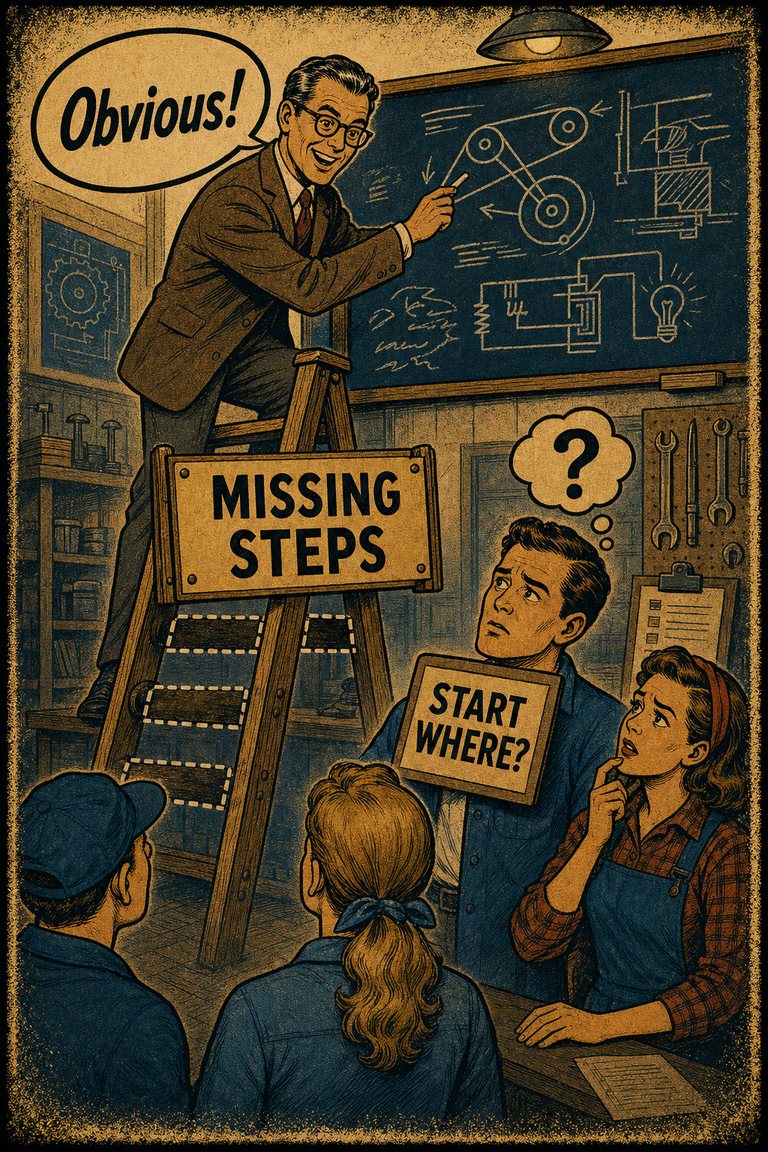
The tendency for better-informed people to underestimate how hard the issue looks to less-informed people.
EstimationSelf-PerspectiveLearning & expertiseTeams & management