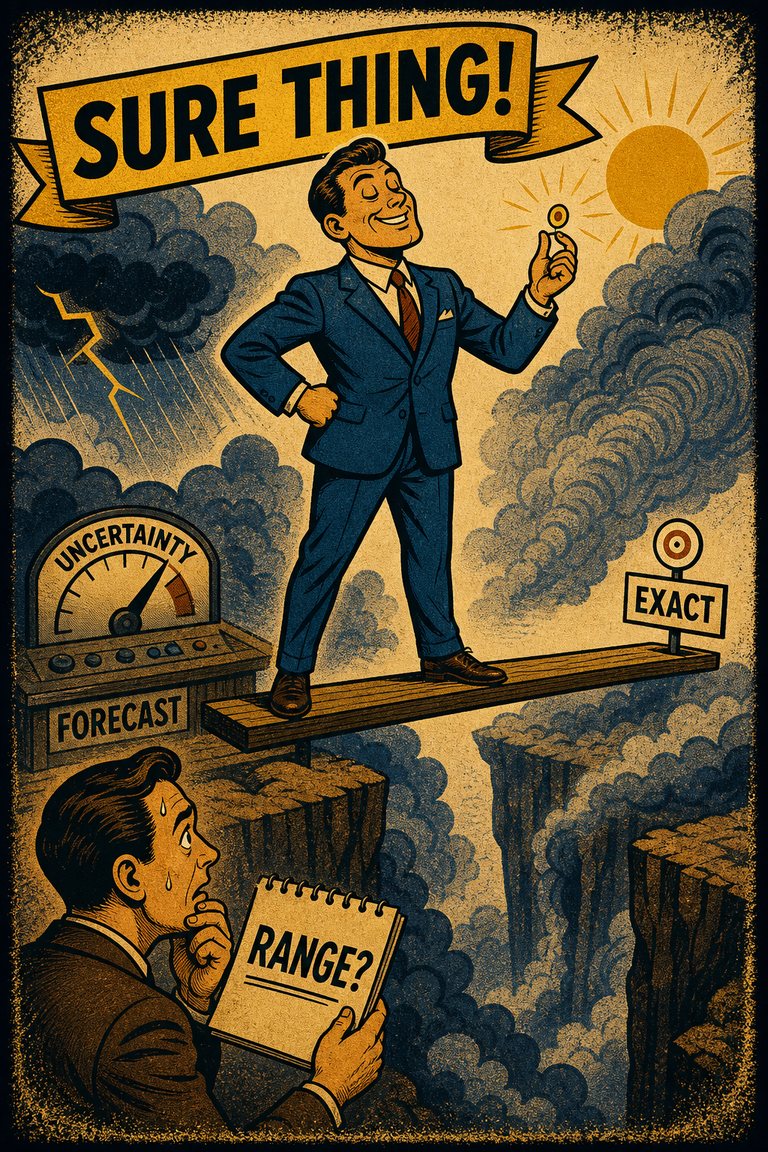
Overconfidence effect
The tendency to be more certain about judgments, forecasts, or abilities than the evidence warrants.
Hypothesis AssessmentOutcomeForecasting & planningTeams & management

Cognitive Biases
A practical cognitive-bias site with clear definitions, learning paths, assessments, self-audits, and debiasing tools.
Theory Article
A guide to building instruction around calibration, comparison, and challenge rather than around confidence displays alone.
Confidence is easy to observe, which is why classrooms, meetings, and hiring processes are always tempted to use it as a proxy. But easy observability is a terrible reason to confuse a trait with a valid measure.
Confidence is visible in real time. Competence often reveals itself only under comparison, challenge, or constraint. That lag makes confidence a very tempting shortcut in educational and organizational settings.
The shortcut gets worse when the audience shares the same blind spots as the speaker. Then fluency and social assurance can substitute for depth on both sides of the exchange.
Better teaching asks for one move beyond recital. Explain the mechanism in plain language. Contrast it with a near neighbor. State what would falsify the current view. Apply it to a case where the surface cues are different.
These checks do not merely punish bluffing. They help serious learners discover the exact contour of what they still do not understand.
This is why CogBias should keep investing in near-neighbor contrasts, quick checks, and repair questions. The site works best when it behaves like a good teacher rather than like a glossary.
Readers should leave not just knowing what a bias is called, but knowing what would actually count as using the concept well.
Use these entry pages after the article if you want the same theory translated into more concrete diagnostic and repair tools.
The tendency to be more certain about judgments, forecasts, or abilities than the evidence warrants.

The tendency for low skill or shallow understanding to produce overestimation of one's own competence, while higher-skill people may underestimate how unusual their competence really is.
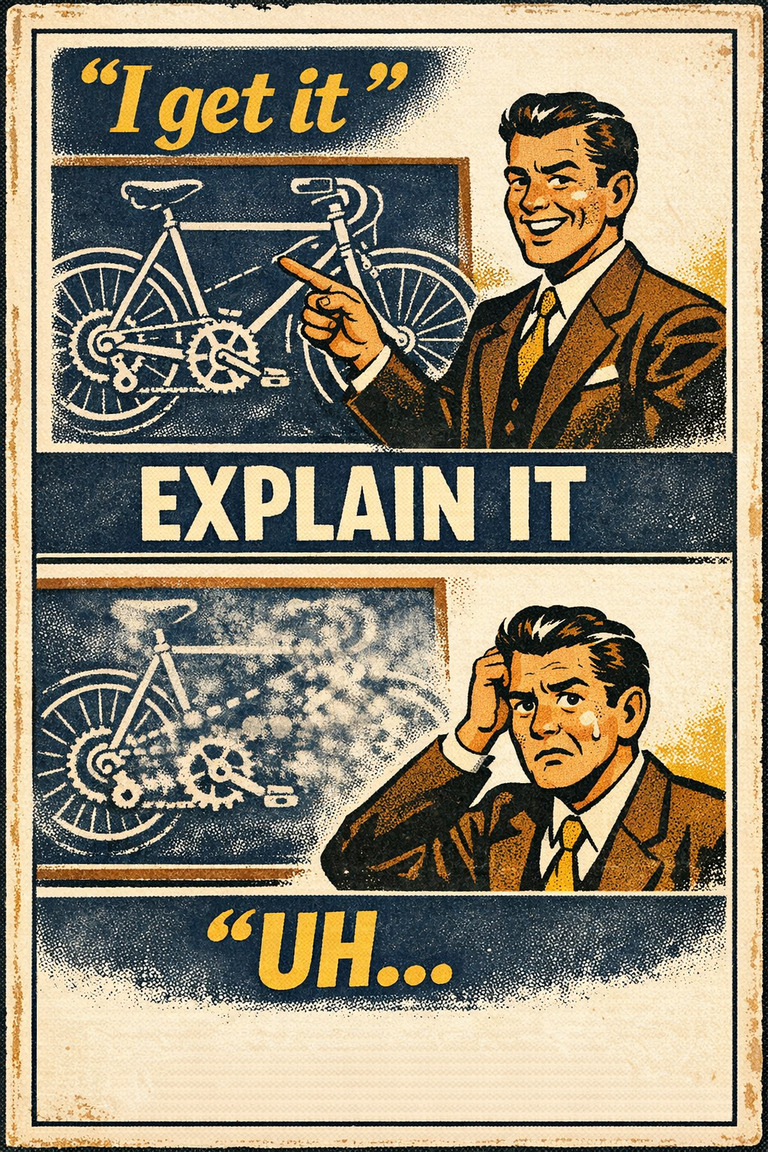
The tendency to believe you understand how something works more deeply than you actually do, especially until you are forced to explain the mechanism step by step.
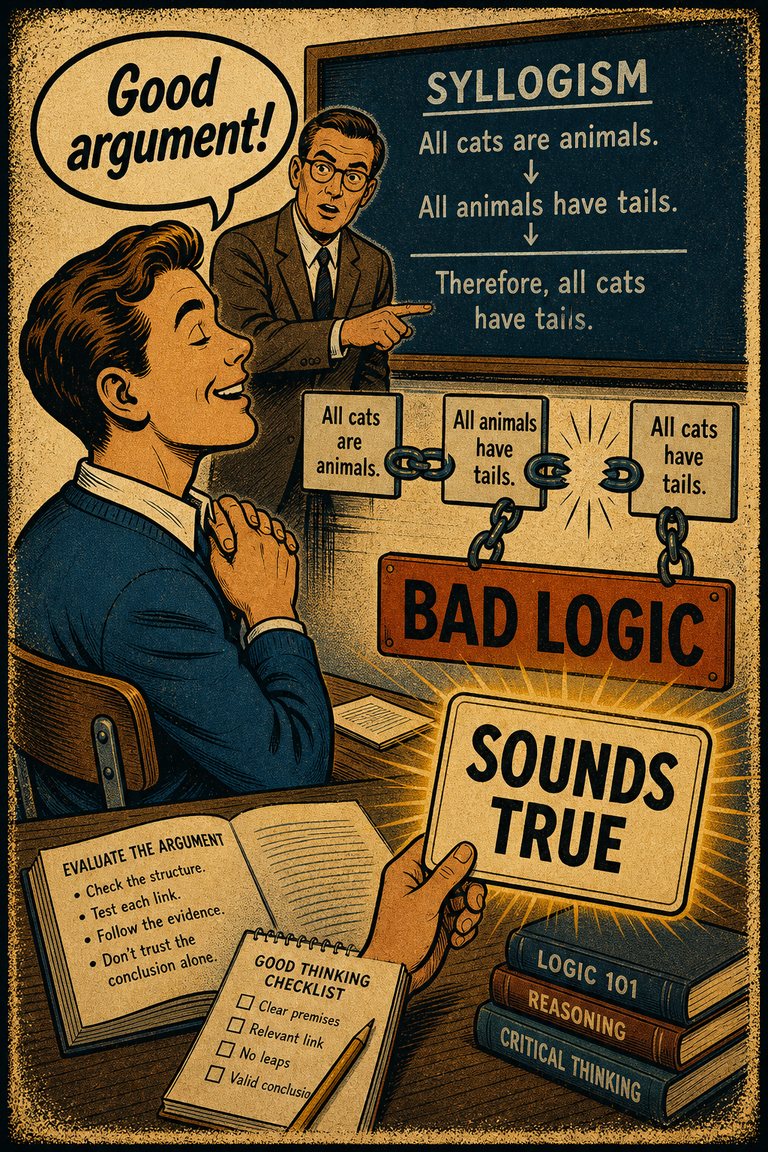
The tendency to judge an argument as stronger when its conclusion seems believable and weaker when its conclusion seems unbelievable, even if the reasoning structure is unchanged.